
Content Hub
TV, OTT coexist and complement each other

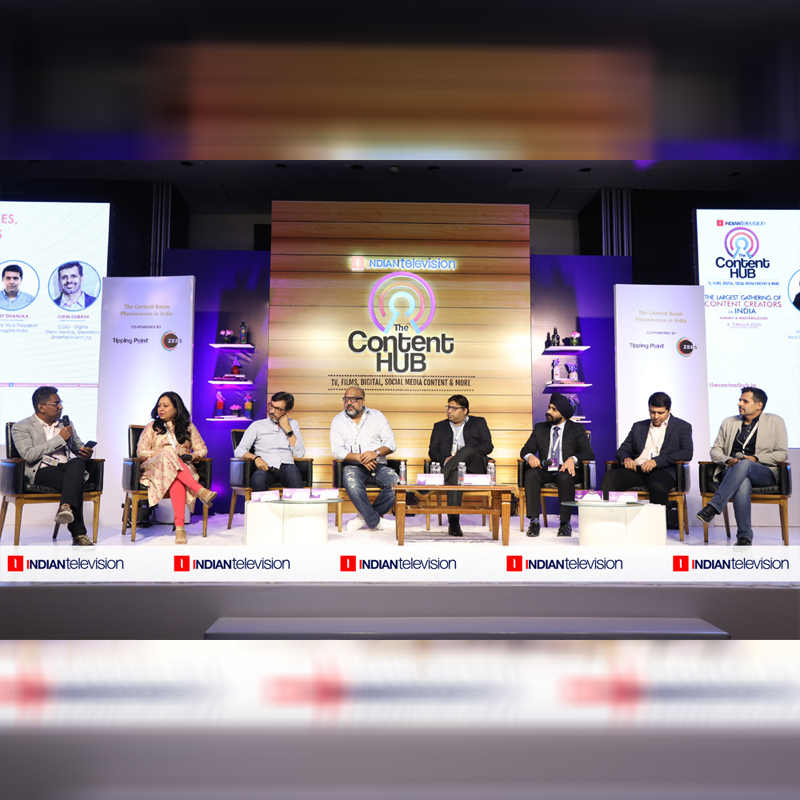
MUMBAI: A panel discussion at The Content Hub 2020 discussed the topic of generating audiences and building stickiness around the content that has been created. The panel was moderated by ISOBAR India chief growth officer Shekhar Mhaskar with panelists Red Chillies Entertainment head marketing Binda Dey, MX Player head of marketing and business partnerships Abhishek Joshi, Juggernaut Productions chief operating officer (OTT) Samar Khan, Filme founder Abhishek Shukla, EVP Lionsgate India executive vice president Amit Dhanuka and Shemaroo Entertainment digital new media COO Zubin Dubash.
The panel discussed how content made is of no use unless and until it reaches the right audiences. Getting them to watch your content is important. The panel also discussed how traditional broadcasters would retain their core audiences in view of increasing affinity towards on-demand OTT platforms.
Binda Dey said, "I have been working in the broadcast sector for a long time. With OTT coming in, the number of ways in which people can consume content has increased. So, it is not television vs OTT but about how people want to consume content and at what time. In television Live content has been a big boom. There has been a lot of innovation in the way IPL is being promoted by Star. This is a kind of gamification where you are combining television with digital. It leads to consuming the same kind of content across different platforms.”
Amit Dhanuka added, “The content that you see on broadcast television and OTT platform has a stark difference because the consumer that’s consuming it on television vs the audiences who are consuming it on OTT have a different sensibility. One medium reaches out to a very mass pool of audiences while the other is looking for edgy content that has a certain sense of storytelling. Television is not in any way losing out on OTT. They, in fact, are complimenting in some manner.”
The panelists believe that OTT has given new audiences. It is giving someone who used to watch television earlier at 9 pm an opportunity to watch the same show at any time. OTT has supplemented television audiences in many ways and also brought in audiences who are not getting that content on television. They are now watching content on streaming services rather than traditional broadcast channels. Originals has opened up a brand new audience that was not getting its content on television. Because in television there is a different number of hours and limited slots available to make that content. On the contrary, OTT does not suffer from that as they do not have a designated slot. The Originals that are created for OTT are bringing in more stickiness which consumers were not getting earlier.

There are so many different platforms like television, cinema and OTT but the question arises are these platforms geared up to face the changing media consumption pattern.
Zubin Dubash said, "Shemaroo has been there for the last five decades as an organisation. We have been on every digital platform one can think of. So, when we started our OTT story with Shemaroo Me, we had ten years of solid data and consumption habits around our YouTube story. Today on YouTube Shemaroo’s content generates close to 3 billion views every month and we have got around 120 million MAUs on the YouTube platform consuming the content voluntarily. When looking at the business plan of Shemaroo Me we analysed that there is a lot of unmet demand of content that is cataloged and the content that has its shelf-life which doesn’t end ever. We have launched it a year ago, and during this time we witnessed a lot of traction bringing customers to say that a lot of AVOD content comes from Shemaroo.”
Sharing their views on the same panellists believe that platforms are challenging each other with better storytelling along with better special effects and technicians working on them. Audiences are now expecting better writing, better performances because now consumers are open to new challenges. It is in fact pushing platforms to create better content.

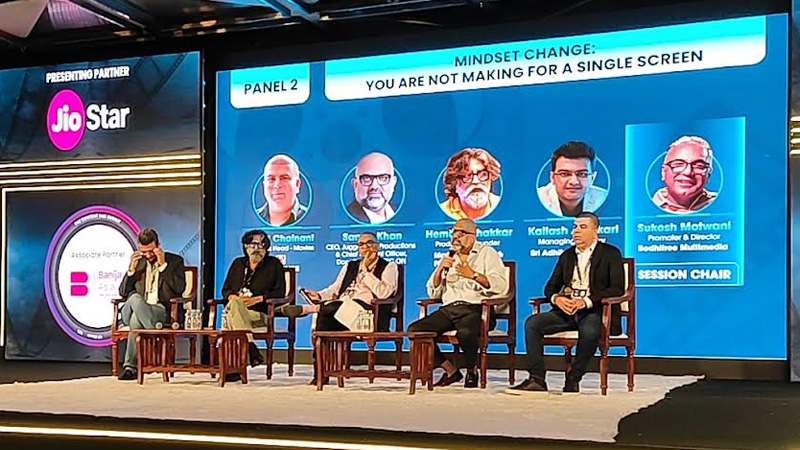

Mumbai: Exploring the shift from regional to national content, this synopsis delves into the trends and challenges. It navigates the transformation, analyzing industry dynamics, emerging trends, and the hurdles faced. From preserving regional variation to adapting to a broader audience, it examines the multifaceted journey of regional content evolving into a national narrative. In what ways do the emerging trends and challenges influence the dynamics of the entertainment industry during this transition? How can creators navigate these changes effectively? What strategic approaches can content creators adopt to strike a balance between maintaining regional identity and fostering a cohesive national narrative in their work? How can the transition from ‘regional’ to ‘national content’ impact cultural diversity within the entertainment industry, and what measures can be taken to ensure the preservation of regional variation?
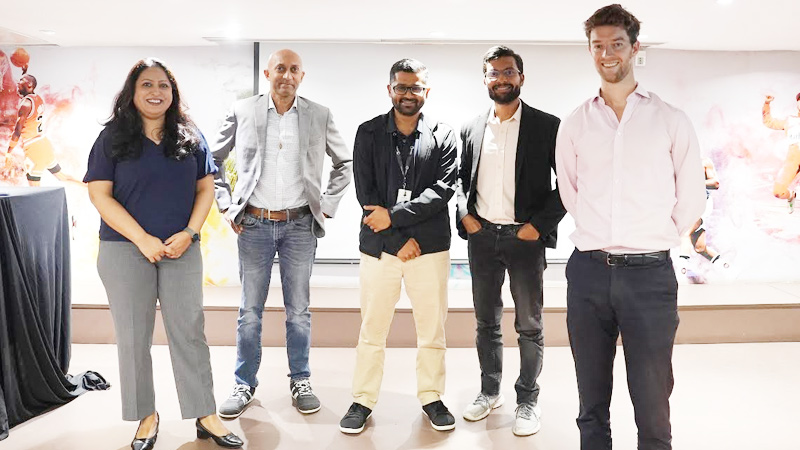
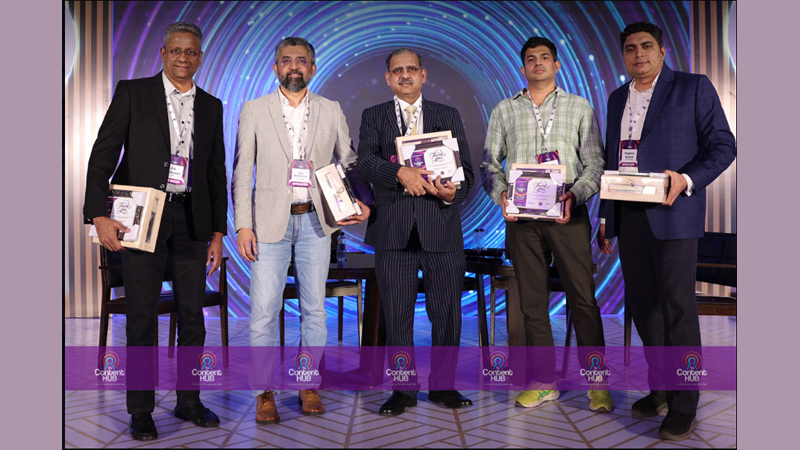
In a rapidly evolving media landscape, seasoned industry professionals have offered valuable insights into the transformation of content consumption and production. The session was chaired by Ernst and Young partner Raghav Anand, MMTV chief executive officer P.R. Satheesh, Sony Marathi business head Ajay Bhalwankar, PTC Network chairman & MD Rabindra Narayan, Shemaroo Entertainment COO, Digital, Saurabh Srivastava esteemed voices in the field, have articulated their perspectives on the burgeoning shift towards globalised content.
Rabindra Narayan emphasised the dissolution of regional boundaries in content consumption, attributing it to the accessibility facilitated by global platforms and connectivity options. He predicts a future where language barriers will fade, citing the potential of technology to clone and adapt voices, thus enabling seamless localization across languages.
Saurabh highlighted the democratisation of content creation in the digital era, underscoring its empowerment and revenue potential, particularly in linguistically diverse markets like India. He emphasizes the value of culturally rooted storytelling in filling gaps in content supply, with technology enabling effective monetization, especially through OTT platforms.
Ajay Bhalwan sheds light on the evolving landscape of Hindi and regional language content, noting a significant shift where a substantial portion of content on Hindi film channels originates from regional languages. He accentuates the importance of language in enhancing authenticity and audience engagement, exemplified by the strong resonance of Marathi content in Maharashtra.
PR Satheesh underscored the paramount importance of content quality in driving viewership and transcending language barriers. Drawing parallels with the global popularity of Korean dramas, he advocates for leveraging technology, including AI and real-time translations, to enhance content creation and distribution.
These insightful perspectives collectively echoed the industry’s adaptation to a globalised content landscape, where technology catalyzes innovation and accessibility. As content continues to evolve, these experts offered valuable guidance on navigating the dynamic media landscape and maximizing the impact of storytelling in diverse markets worldwide.
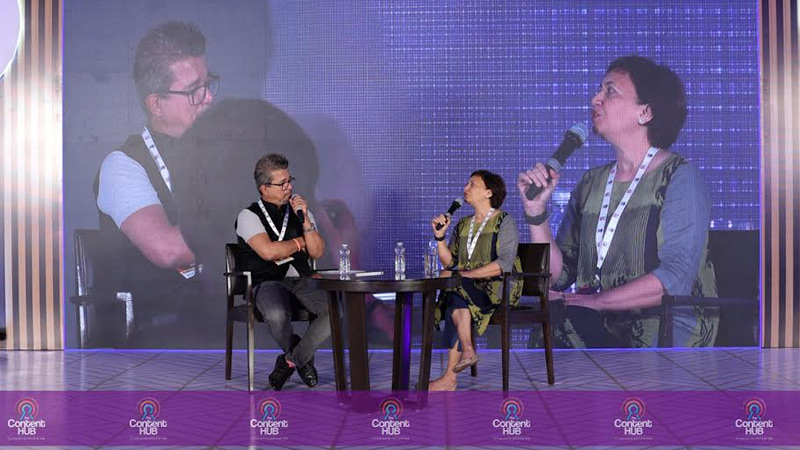
Mumbai: The eighth edition of The Content Hub Summit delves into the ever-changing world of content creation. With the consolidation of platforms, creators face new hurdles in gaining visibility, maximizing revenue, and maintaining creative freedom. The event also explored the remarkable theatrical success of Indian cinema and unraveled the secrets behind its unprecedented profits, with a critical eye towards its sustainability.
The fireside chat saw Indiantelevision.com group founder, chairman & editor-in-chief Anil NM Wanvari in conversation with India GreenSet CEO & co-founder Anupama Mandloi.
They discussed the critical importance of sustainability in content creation, especially in India, which leads in volume. They highlighted the industry’s potential for influence and the necessity to adapt to climate change. Mandloi emphasized the need for sustainable practices, citing examples like the Mumbai floods’ impact on business.
Wanvari proposed initiatives like eliminating single-use plastics at events and forming industry alliances for sustainable standards. They emphasized the shift toward sustainability as a cultural change, stressing the industry’s collective responsibility and the need for unity to overcome hurdles.
Mandloi suggested practical steps individuals can take, urging a bottom-up approach to drive the sustainability revolution.
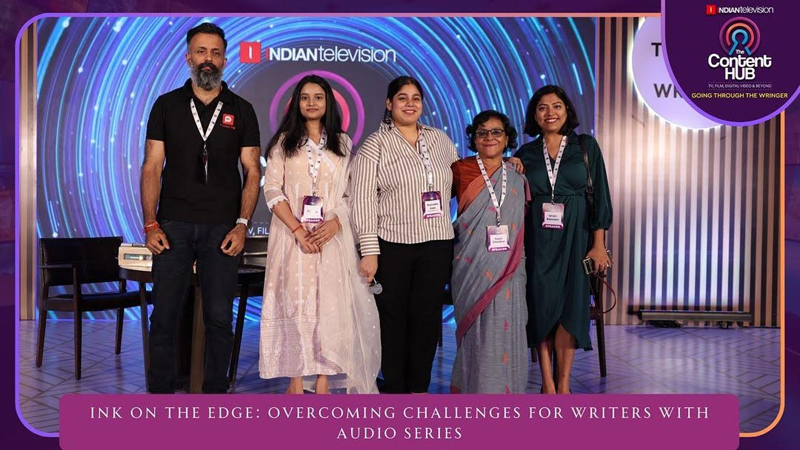
Mumbai: The eighth edition of The Content Hub Summit delved into the ever-changing world of content creation. With the consolidation of platforms, creators face new hurdles in gaining visibility, maximising revenue, and maintaining creative freedom. The event also explored the remarkable theatrical success of Indian cinema and unraveled the secrets behind its unprecedented profits, with a critical eye towards its sustainability.
The session was chaired by Radioandmusic.com editor Namrata Kale. It included the following panelists: writer & director Pubali Chaudhuri, screenwriter Ishani Banerjee, Majburi Main Bandha Ek Rishta writer Jigyasa and Pocket FM head – branding and communications Vineet Singh.
The panel discussion shed light on the challenges writers face in the audio, film, and OTT industries, stressing the need for recognition, fair contracts, and empowerment.
Pubali emphasized the need to acknowledge writers’ contributions and improve revenue sharing, while Ishani highlighted the significance of contracts, credits, and acknowledgment in empowering writers. Vineet outlined Pocket FM’s initiatives to empower writers globally with equitable revenue-sharing models, while Jigyasa shared her journey of discovering writing talent during the lockdown and finding success with Pocket FM.
In conclusion, the panel underscored the industry’s commitment to addressing the challenges faced by writers and providing platforms like Pocket FM to showcase diverse narratives.


Hamdard honours changemakers at Abdul Hameed awards

Why the Best Campaigns Today Start With Insights, Not Ideas

Ahmad Muneeb elevated to VP – HR centre of excellence at Zepto

Fans Take Centre Stage as Zee Cine Awards Turns the Spotlight Around

GUEST COLUMN: How content leaders decide what gets greenlit

The man who dubbed Lord of the Rings in 50 languages is stunned by Mumbai traffic

Dell names Aishwarya Sudhakar director of marketing intelligence

These ’90s fashion trends are making a comeback in 2017
The final 6 ‘Game of Thrones’ episodes might feel like a full season
According to Dior Couture, this taboo fashion accessory is back
The old and New Edition cast comes together to perform
Phillies’ Aaron Altherr makes mind-boggling barehanded play
Uber and Lyft are finally available in all of New York State
Disney’s live-action Aladdin finally finds its stars
Hamdard honours changemakers at Abdul Hameed awards
Why the Best Campaigns Today Start With Insights, Not Ideas
Ahmad Muneeb elevated to VP – HR centre of excellence at Zepto
Fans Take Centre Stage as Zee Cine Awards Turns the Spotlight Around
GUEST COLUMN: How content leaders decide what gets greenlit
The man who dubbed Lord of the Rings in 50 languages is stunned by Mumbai traffic
Dell names Aishwarya Sudhakar director of marketing intelligence
-

 News Broadcasting4 days ago
Mukesh Ambani, Larry Fink come together for CNBC-TV18 exclusive
-

 iWorld1 week ago
Netflix celebrates a decade in India with Shah Rukh Khan-narrated tribute film
-
 MAM3 months ago
HoABL soars high with dazzling Nagpur sebut
-
 MAM4 days ago
Nielsen launches co-viewing pilot to sharpen TV measurement
-
 iWorld12 months ago
BSNL rings in a revival with Rs 4,969 crore revenue
-
 I&B Ministry3 months ago
India steps up fight against digital piracy
-
 iWorld3 months ago
Tips Music turns up the heat with Tamil party anthem Mayangiren
-
 Film Production1 week ago
UFO Moviez rides high on strong Q3 earnings
