
Brands
Brands and Pride Month – part 1

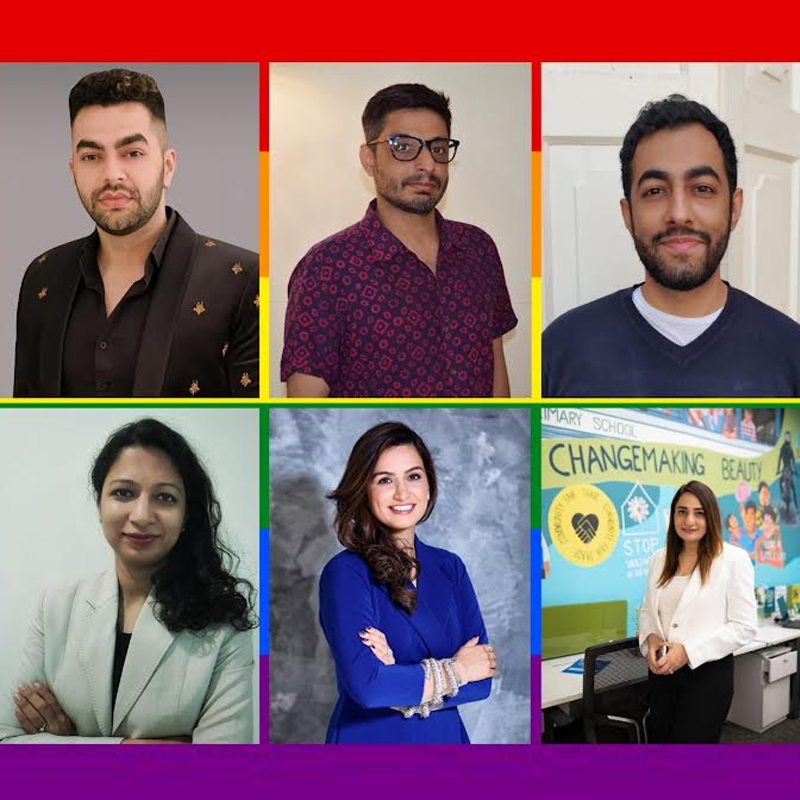
Mumbai: With the ongoing Pride Month, it comes to our notice (which should actually come every day) that lesbian, gay, bisexual, transgender, and queer (LGBTQ+) rights in India have been evolving rapidly in recent years. Situations in India took a positive turn for the LGBTQ+ community with the Transgender Persons (Protection of Rights) Act, 2019 recognising the right to self-perceived gender identity. However, as we all are aware, India does not recognise same-sex marriage or civil unions yet, though same-sex couples can attain the rights and benefits as a live-in couple (analogous to cohabitation) as per the Supreme Court of India’s decision in August 2022.
Moving on to the brand and business side, several brands and agencies have begun showing their solidarity toward the LGBTQ+ community in every way possible. In the first part of this series, Indiantelevision.com explores how the perception of leading brands towards the community has evolved and the efforts that they make to stimulate inclusivity.
An evolution from the brand perspective
With so many brands talking about their support toward the LGBTQ+ community, the first and most obvious question that comes to one’s mind is – how has the perception of the LGBTQ+ community evolved from a brand perspective?
The Body Shop Asia South vice president – marketing, product, & digital, Harmeet Singh understands the fact that in recent years, there has been a significant shift in how brands view and engage with the LGBTQ+ community, which has also evolved. “Pride month, one of the most significant times of the year for the LGBTQ+ community, has become important for brands, too, to showcase their commitment to inclusivity. Globally, hundreds of major consumer brands have become regular sponsors of annual Pride events. This change is primarily driven by the influence of millennials and younger generations who believe that companies have a social responsibility that transcends their core business.

Unlike in the past, the LGBTQ+ community is no longer seen as a niche consumer segment but as an influential group whose voice grows stronger with time. As a result, brands now have a unique opportunity to redefine their approach and actively support the LGBTQ+ community.”
She goes on, “Historically The Body Shop has made business-critical decisions about recruitment practices, employee-resource groups, and marketing that embrace LGBTQ+ rights to fill the rainbow gap as we believe in being truly & authentically inclusive.”
Swiss Beauty CEO Saahil Nayar strongly believes that makeup is not limited to a specific gender and doesn’t dictate whether a man or a woman should use it. “Over the years, many brands have recognized the importance of diversity and have started including LGBTQ+ individuals in their marketing and advertising efforts. They are aware that respecting diversity not only represents their clients’ beliefs but also helps create a more welcoming and inclusive society. As a result of this change, LGBTQ+ people are now more frequently represented in brand communications.”
“In the recent past companies have become more vocal about D&I (diversity & inclusivity) and their efforts. LGBTQ+ inclusion has picked up pace post-Sec 377 being repealed in 2018 and Trans Inclusion post Transgender Act 2019. Godrej Properties Limited (GPL) has been an ally to the community way before this, considering we offered same-sex partner benefits and transgender affirmation policy in 2010 and 2015 respectively. Overall, recently brands have become more inclusive for LGBTQ with products catering to the community and commercials representing them too,” points out Godrej Properties Limited chief human resource officer Megha Goel.
Incredible Indriya (Eze Perfumes) director Kanishka Jain seconds Singh that the brand point-of-view towards the LGBTQIA+ community has witnessed a massive evolution. “It’s undergone an oceanic change from shying away in acknowledging the community due to societal norms, fear of backlash, or lack of understanding to surface-level gestures such as rainbow-themed logos or limited-edition products during Pride Month to the current meaningful and long-term engagement to promote it and address its issues through campaigns, partnerships, and initiatives.”
“In short, the evolution of brand perspectives towards the LGBTQIA+ community has seen a shift from silence and indifference to active support and engagement. They are recognising the importance of authentic representation and storytelling and feature LGBTQIA+ individuals and their stories in their marketing campaigns, advertisements, and other brand communications. This not only provides visibility, but also helps to create a sense of belonging and acceptance for the community and allies,” she adds.
Karan Pherwani, vice president at Chtrbox, an influencer marketing agency works with brands, influencers, and content creators on a daily basis, and as an agency, they have witnessed the transformative evolution in brands’ perception and approach towards the LGBTQ+ community. “From a lack of representation and understanding, we now see more brands recognizing the significance of inclusivity and catering to diverse audiences. Our agency plays a vital role in guiding brands to embrace inclusivity and understand the value of the LGBTQ+ community. We collaborate closely with LGBTQ+ individuals, organizations, and influencers to create authentic campaigns that positively portray their experiences and amplify their voices, enabling brands to engage with their target audience in a meaningful and inclusive manner. By prioritizing a sense of belonging, we work with brands to create inclusive environments where everyone feels accepted, supported, and empowered to contribute their best work.”
Wiggles chief marketing officer Prashant Kohli adds to the list by saying that from a brand perspective, the view towards the LGBTQ community has indeed witnessed a significant evolution in recent years. “I have observed this transformation firsthand and believe that it stems from a growing recognition of the importance of inclusivity and diversity in our society. In the past, societal norms and fear of backlash hindered open support. However, as awareness and acceptance grows, even in the legislative space, brands are now leveraging the value of inclusivity as both a moral obligation and a business opportunity through campaigns that authentically engage with the LGBTQ community, partnering with LGBTQ organizations, sponsoring pride events, and advocating for LGBTQ rights.”
“Several brands have successfully embraced LGBTQ-inclusive marketing and communication strategies. For example, the global beauty brand MAC Cosmetics has been a long-standing advocate for LGBTQ rights and has partnered with LGBTQ influencers and artists to create powerful campaigns. Mass-culture brands like Netflix, Bumble, Coke’s LGBTQIA+ content definitely help to integrate this community into the mainstream. At Wiggles, we are committed to embracing diversity and inclusivity in our marketing and brand initiatives. We actively collaborate with LGBTQ influencers, content creators, and organizations to amplify their voices and promote awareness. By doing so, we not only demonstrate our support for the LGBTQ community but also inspire others to join us in creating a more inclusive world,” he tells further.
Promoting a culture of inclusivity
Singh of The Body Shop brings out, “It is inspiring to witness the growing commitment among brands to provide equal employment opportunities and embrace diversity. At The Body Shop India (TBS), we believe that diversity, equity, and inclusion (DEI) are three pillars that are crucial for the growth and value of our brand. In line with this commitment, we have implemented various policies and initiatives that aim to enhance our HR practices and create an inclusive work environment.
Under our DEI policy, we have introduced two specific initiatives. The first is the ‘This Ability’ program, which focuses on increasing the hiring of candidates with special abilities in both our head office and stores. The second initiative aims to enhance gender diversity and inclusion, including representation from the LGBTQ+ community. Our initiatives reflect our sharp focus on inclusivity, and we are pleased to welcome members of the LGBTQ+ community into our front-end staff. Additionally, we are actively engaging in discussions with various organizations to expand our candidate pool and further promote LGBTQ+ representation within our workforce.”
She adds, “By actively recruiting and embracing individuals from diverse backgrounds, we aim to foster a culture that appreciates the richness of different perspectives, experiences, and ideas. We believe that a diverse workforce not only reflects the world we live in but also brings different perspectives, experiences, and ideas to the table, leading to better innovation and understanding.”
“More and more companies are actively showing their support for LGBTQ+ rights and addressing the concerns faced by the community. They are voicing their opinions on important issues such as anti-discrimination laws, transgender rights, and marriage equality. At the same time, brands also recognize the significance of representation and feature LGBTQ+ individuals in their advertising, marketing materials, and product packaging. Instead of relying on stereotypes, this portrayal highlights the diverse range of identities and experiences within the LGBTQ+ community,” states Nayar.
He articulates, “Swiss Beauty aims to create a safe and supportive space for people of all sexual orientations and gender identities. In the past, the brand has launched campaigns that promote inclusivity and represent the LGBTQIA+ community. One such campaign is #GlassitGlossit, which promotes makeup products for individuals of all genders and skin tones. The campaign features transgender and male models along with female models. Moreover, our products are suitable for all genders and skin types. And one of our latest campaigns also features a male model using makeup, aiming to challenge the stigma associated with men using makeup. This pride month, we are collaborating with LGBQ+ influencers, including Shivam Bhardwaj, Sayantika Majumder, Nick Prakash, Shashwat (Joy), Shubham Basankar, and Rajat Singh. This collaboration will provide more representation and opportunities and promote the importance of inclusivity.”
Pherwani of Chtrbox mentions, “We manage some well-known creators from the queer community, including Deep Pathare, Shantanu Dhope, and Rahil Sayed. These talented individuals bring their unique perspectives and experiences, helping brands authentically connect with the LGBTQ+ audience. By leveraging their influence and expertise, we further reinforce our commitment to promoting inclusivity and amplifying diverse voices in the industry.”
“The transformation, over the years, has specifically been seen in the world of perfumes; it has always been an inclusive one. For a product so subjective in its perception and preference, perfumes have always broken down gender norms by shunning definitions of what a certain gender should smell like; instead, they lay emphasis on choosing a fragrance that defines a vibe and personality. You’ll find that reflecting in our range of perfumes, too,” tells Jain of Eze Perfumes.
Kohli of pet cate brand Wiggles is clear in mentioning that promoting a culture of inclusivity is a top priority for them. “We believe that pets bring people together regardless of their backgrounds, and we strive to reflect this in our brand messaging and initiatives.We ensure that our marketing campaigns are diverse and inclusive, featuring people from various ethnicities, genders, ages, and abilities, interacting with their pets. #MyPetMyPride was one such campaign of ours that demonstrated a culture of inclusivity. This representation sends a powerful message that everyone, regardless of their differences, can find joy and companionship through pet ownership. We also actively support and collaborate with organizations that promote inclusivity and diversity within the pet community.”
He goes on, “Furthermore, we are committed to providing accessible and inclusive pet care resources. This includes creating content for all audiences, offering products suitable for pets with various needs, and ensuring our customer support is inclusive and empathetic. Overall, our goal is to create a pet care brand that celebrates diversity, fosters inclusivity, and encourages a sense of belonging among all pet parents. We believe that by embracing and promoting inclusivity, we can enhance the pet care experience for everyone, regardless of their background.”
Goel reveals, “At Godrej Properties Limited (GPL) we have a corporate culture driven by values and purpose and we say we have a culture of Pride. At GPL we want all our employees to contribute, collaborate and ultimately thrive at GPL, irrespective of their race, age, ethnicity, gender, gender identity, sexual orientation, disabilities, or any other factor that makes them a minority. We also recognize that individuals may come from different backgrounds and have varying levels of exposure. As such, it is our responsibility to foster better understanding among our diverse group of employees. Hence, we hold sensitisation sessions for all to cohesively work together.”
Brands
Netflix India names Rekha Rane director of films and series marketing
Streaming giant bets on a seasoned marketer who helped build Amazon and Netflix into household names
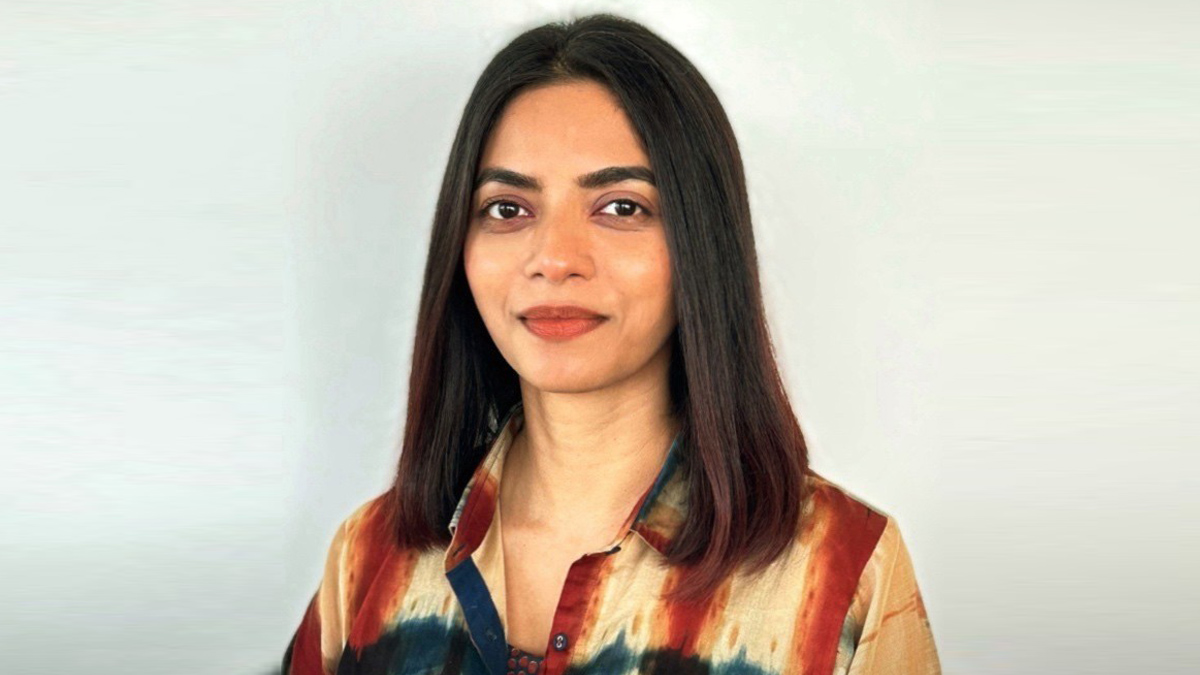
MUMBAI: Netflix has put a proven brand builder at the helm of its films and series marketing in India, naming Rekha Rane as director in a move that signals sharper focus on audience growth and cultural cut-through in one of its most hotly contested markets.
Rane steps into the role after seven years at Netflix, where she has quietly shaped how the platform sells stories to India. Her latest promotion, effective February 2026, crowns a run that spans brand, slate and product marketing across originals, licensed content and new verticals such as games.
A strategic marketing and communications professional with roughly 15 years’ experience, Rane has spent much of her career building technology-led consumer businesses and new categories, notably e-commerce and subscription video on demand. She was part of the early push that introduced Amazon.in, Prime Video and Netflix to Indian homes, then helped turn them into everyday brands.
At Netflix, she most recently served as head of brand and slate marketing for India from March 2024 to February 2026, leading teams across media and marketing for global and local content portfolios. Before that, as manager for original films and series marketing, she led IP creation and go-to-market strategy for titles including Guns and Gulaabs, Kaala Paani, The Railway Men* and The Great Indian Kapil Show, spanning both binge and weekly-release formats.
Her earlier Netflix roles covered product discovery and promotion in India and integrated campaign strategy to drive conversations around the content slate, product awareness and brand-equity metrics.
Before Netflix, Rane logged more than three years at Amazon in brand marketing roles in Bengaluru. There she handled national and regional campaigns for Amazon.in, worked on customer assistance programmes in growth geographies and contributed to the go-to-market strategy for the launch of Prime Video India.
Her career began well away from streaming. At Reliance Brands in Mumbai, she worked on retail marketing for Diesel and Superdry. A stint at Leo Burnett saw her work on primary research for P&G Tide, mapping Indian shoppers’ paths to purchase. Earlier still, at Orange in the United Kingdom, she rose from sales assistant to store manager, running a team and owning monthly P&L for a retail outlet.
The arc is telling. As global streamers fight for attention in a crowded Indian market, executives who understand both mass retail behaviour and digital habit-building are prized. Rane’s career sits at that intersection.
For Netflix, the bet is simple: in a market spoilt for choice, sharp marketing can still tilt the screen. And with Rane now leading the charge, the streamer is signalling it wants not just viewers, but fandom.
Brands
Orient Beverages pops the fizz with steady Q3 gains and rising profits
Kolkata-based beverage maker reports stronger revenues and profits for December quarter.
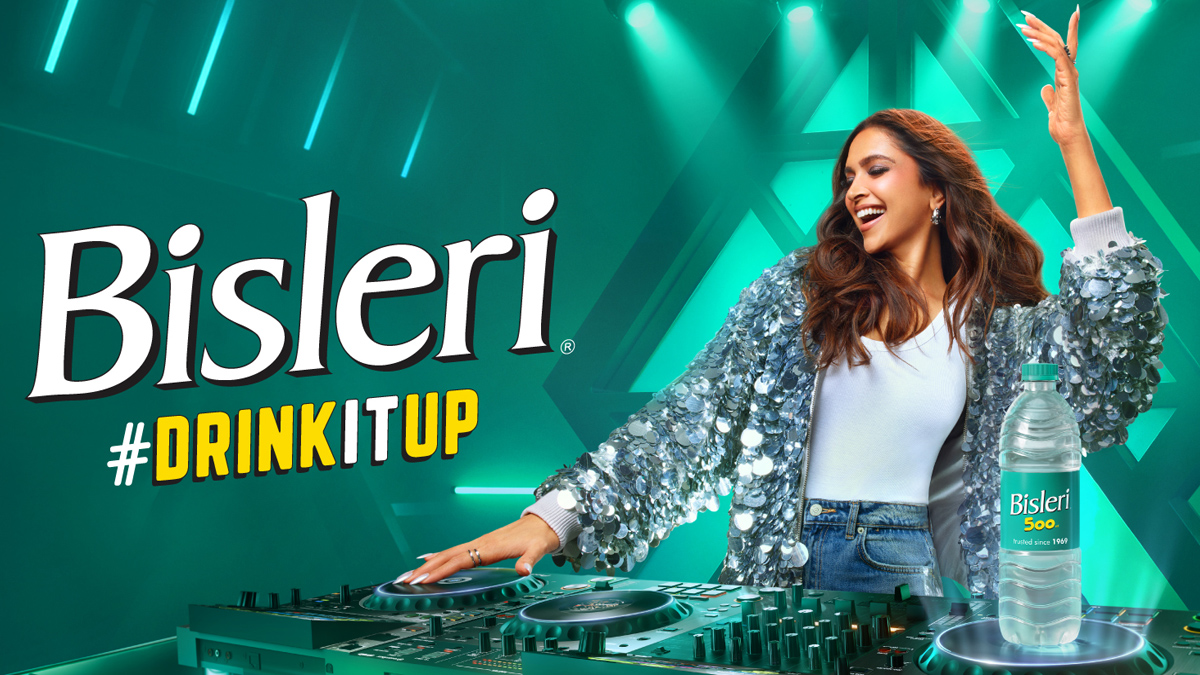
MUMBAI: A fizzy quarter with a steady aftertaste that’s how Orient Beverages Limited, the company that manufactures and distributes packaged drinking water under the brand name Bisleri closed the December 2025 period, as the Kolkata-based drinks maker reported improved revenues and a healthy rise in profits, signalling operational stability in a competitive beverage market.
For the quarter ended December 31, 2025, Orient Beverages posted standalone revenue from operations of Rs 39.98 crore, up from Rs 36.42 crore in the previous quarter and Rs 33.53 crore in the same quarter last year. Total income for the quarter stood at Rs 42.24 crore, reflecting consistent demand and stable pricing across its beverage portfolio.
Profit before tax for the quarter came in at Rs 3.47 crore, a sharp improvement from Rs 1.31 crore in the September quarter and Rs 0.39 crore a year ago. After accounting for tax expenses of Rs 0.79 crore, the company reported a net profit of Rs 2.68 crore, nearly three times the Rs 0.99 crore recorded in the preceding quarter.
On a nine-month basis, the momentum remained intact. Revenue from operations for the period ended December 31, 2025 rose to Rs 117.66 crore, compared with Rs 106.95 crore in the corresponding period last year. Net profit for the nine months climbed to Rs 5.51 crore, more than double the Rs 2.18 crore reported in the same period of the previous financial year.
The consolidated numbers told a similar story. For the December quarter, consolidated revenue from operations stood at Rs 45.06 crore, while profit after tax came in at Rs 2.06 crore. For the nine-month period, consolidated revenue touched Rs 133.57 crore, with net profit of Rs 4.49 crore, underscoring the group’s improving profitability trajectory.
Operating expenses remained largely controlled, with cost of materials, employee benefits and other expenses broadly aligned with revenue growth. The company continued to operate within a single reportable segment beverages simplifying its cost structure and reporting framework.
The unaudited financial results were reviewed by the Audit Committee and approved by the Board of Directors at its meeting held on 7 February 2026. Statutory auditors carried out a limited review and reported no material misstatements in the results.
In a market where margins are often squeezed by input costs and competition, Orient Beverages’ latest numbers suggest the company has found a reliable rhythm not explosive, but steady enough to keep the fizz alive.
Brands
BCCL profit jumps 53 per cent in FY25 as tax bill shrinks
Revenue rises 4.3 per cent to Rs 10,209.33 crore while deferred tax gain lifts bottom line sharply
NEW DELHI: Bennett, Coleman and Company (BCCL) has posted a sparkling set of financial results for the year ended 31 March 2025, proving that there is still plenty of ink and gold left in the ledger.
Revenue from operations climbed a steady 4.3 per cent, reaching Rs 10,209.33 crore compared to Rs 9,786.44 crore the previous year. When you sprinkle in other income, which rose 8.9 per cent to Rs 949.36 crore, the total income for the media behemoth hit a healthy Rs 11,158.69 crore.
While the income grew at a modest pace, the bottom line tells a far more dramatic story. The real headline is the 53 per cent surge in annual profit. How did they pull off such a feat? While Profit Before Tax (PBT) saw a gentle nudge upward of 2.7 per cent to Rs 1,610.00 crore, it was a vanishing act by the taxman that really did the trick.
Total tax expenses plummeted by 32.4 per cent, dropping from Rs 468.76 crore down to Rs 316.97 crore. This was largely thanks to a swing in deferred tax, moving from an expense of Rs 156.02 crore in FY24 to a benefit of Rs 39.44 crore this year.
Total income rose from Rs 10,658.55 crore in FY24 to Rs 11,158.69 crore in FY25, marking a 4.7 per cent increase. Total expenses grew at a slower pace, up 3.0 per cent from Rs 9,306.06 crore to Rs 9,581.45 crore. Profit before tax inched up 2.7 per cent, moving from Rs 1,567.02 crore to Rs 1,610.00 crore. However, the standout figure was net profit, which jumped sharply by 53.0 per cent, climbing from Rs 1,042.03 crore in FY24 to Rs 1,594.73 crore in FY25.
Despite the rising costs of doing business across the globe, BCCL kept a tight grip on the purse strings. Total expenses rose by just 3.0 per cent to Rs 9,581.45 crore. By keeping costs lower than the rate of income growth, the company ensured that the final figure, a net profit of Rs 1,594.73 crore, was nothing short of a front-page sensation.
In a world of shifting digital tides, it seems the BCCL ship is not just steady, but sailing into significantly wealthier waters.


MIB sets OTT accessibility rules, mandates captions and audio description

Boney Kapoor acquires remake rights of Tamil political satire Thalaivar Thambi Thalaimaiyil

Netflix India names Rekha Rane director of films and series marketing

Zabeen signs off from TV9 after shaping the network’s public voice

Dhawan steps up to bat for Delhi’s grassroots sports push

Orient Beverages pops the fizz with steady Q3 gains and rising profits

Cheekatilo shines in the dark with record debut on Prime Video

These ’90s fashion trends are making a comeback in 2017
The final 6 ‘Game of Thrones’ episodes might feel like a full season
According to Dior Couture, this taboo fashion accessory is back
The old and New Edition cast comes together to perform
Phillies’ Aaron Altherr makes mind-boggling barehanded play
Uber and Lyft are finally available in all of New York State
Disney’s live-action Aladdin finally finds its stars
MIB sets OTT accessibility rules, mandates captions and audio description
Boney Kapoor acquires remake rights of Tamil political satire Thalaivar Thambi Thalaimaiyil
Netflix India names Rekha Rane director of films and series marketing
Zabeen signs off from TV9 after shaping the network’s public voice
Dhawan steps up to bat for Delhi’s grassroots sports push
Orient Beverages pops the fizz with steady Q3 gains and rising profits
Cheekatilo shines in the dark with record debut on Prime Video
-

 e-commerce3 weeks ago
Swiggy Instamart’s GOV surges 103 per cent year on year to Rs 7,938 crore
-

 News Broadcasting2 weeks ago
Mukesh Ambani, Larry Fink come together for CNBC-TV18 exclusive
-

 News Headline1 month ago
From selfies to big bucks, India’s influencer economy explodes in 2025
-
 iWorld5 months ago
Billions still offline despite mobile internet surge: GSMA
-

 News Headline2 months ago
2025: The year Indian sports saw chaos, comebacks, and breakthroughs
-

 Applications2 months ago
28 per cent of divorced daters in India are open to remarriage: Rebounce
-

 Applications2 weeks ago
Moltbook, the AI-only social network, sparks hype, doubt and fear
-

 News Headline2 weeks ago
JioStar announces biggest ever talent line-up for an ICC event
