
Case Study
Kyunki, 3Ks have sustaining power


Whoever said soaps on television are passe? Fatigued and routine kitchen politics maybe! But have they stopped delivering? Are they no more an advertiser‘s dream? Have they stopped irking competition?
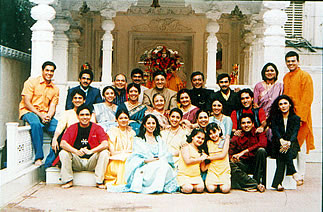 At least the three Ks in Star Plus have beaten the track: Four years running and they are still going strong. Kyunki saas bhi kabhie thi, Kahaani ghar ghar kii, and Kasautii Zindagi Kay have not only sustained their ratings but also travelled to become brands.
When they started, Star Plus was languishing as a poor third most-watched general entertainment channel. Then came the Amitabh Bachchan-hosted Kaun Banega Crorepati (KBC), the Indian version of the international hit show Who Wants to be a Millionaire and the channel catapaulted into leadership position.
Supporting KBC were the three daily soaps from the Balaji Telefilms stable. Launched in mid-2000 and early 2001, these shows have outlasted KBC and helped Star Plus retain its dominant position. In fact, Star Plus had nearly five times as much viewership of its nearest rival Sony by September 2003.
Flash back to 2000, the year Kyunki saas bhi kabhi bahu thi launched. The show garnered an average rating of 6.4 that year in the CS 4+ six metro markets, according to TAM data. In 2001, there was almost a 50 per cent spike in ratings with the soap cloaking 12.04 TVRs. The show sustained its high ratings in 2002 and 2003 with 11.50 TVRs and 11.30 TVRs. Nothing has changed this year. Kyunki.. has recorded an average rating of 11.42 TVRs and a peak rating of 19.41 in CS 4+ across all Hindi speaking markets for the week ended 16 October, 2004.
 The story of Kahaani… is no different. The family saga not only drew in audiences from the start but also grew them. In the debut year, Kahaani…saw an average rating of 3.09 TVRs in the CS 4+ (six metros). But in 2001 this climbed up to an average of 7.85 TVRs. And in 2002, it touched double digit ratings at 10.37 while in 2003 it maintained an average of 10.17 TVR. There is a marginal dip this year with an average TVR of 9.58.
 Kasautii… began with an average of 4.44 TVR. In 2002, the ratings improved to 7.51 TVRs. This further jumped to 9.14 TVRs in 2003. The ratings this year is still strong at 8.83 TVRs.
 So what has been the recipe of their success? On the face of it, the formula seems pretty straightforward. A simple story, but led by strong concepts.
Says Centre for advocacy and research head Akhila Shivadas, "All these three serials came at a time when people were looking for something different. These offerings were unique. The experimentation with a new telling format also was an instant hit."

The 3 Ks were born at the right time. Hindi programming at that stage had reached a juncture where audiences were on the lookout for something new. Besides, the shows raised the standards of Indian television in terms of production values, show packaging, the introduction of catchy title songs and opening montages. It brought in aspirational lifestyles, stylised sets and a very upmarket and glossy image which was never witnessed before.
 Another reason behind the success, analysts say, is the cultural message of the shows. They celebrated large joint families and traditional women propagating traditional values.
What worked in Star‘s favour was a clever programming strategy. Capturing the 9.00 pm to 10.00 pm slot with KBC, the channel rode on that success to build the 10.00 pm to 11.00 pm slot. This ensured that it would still dominate prime time programming, if KBC was to decline in viewer popularity.
Star Plus has successfully funnelled audiences from one show to another and has today a strong loyal base of viewers, with original programming from 7.30 to 11.30 pm.
When KBC started falling, Sony took the 9-10 pm band with two leading shows Kkusum and Kutumb which dominated the slot tilll mid-2002. Despite several high profile attempts to regain lost audiences, Sony‘s share in this band continued to erode. And Star Plus had managed to retain its hegemony in prime time through the three Ks.
The Tam data supports this. Star Plus‘ average ratings was 13.2 TVRs, as compared to Sony‘s with 1.3 TVRs in 2003.
 Star India creative director Shailja Kejriwal attributes the success of these soaps to its strong concepts. "The biggest reason for the success of these shows is the fact that they started off as concepts and not stories. If you look at a serial like Kahin Kisi Roz (KKR), that‘s a story and hence is finite. All the three K‘s are concept driven. Kyunki saas bhi kabhi bahu thi is a concept. It‘s basically about saas and bahus and does not revolve around any particular character in the story. Again Kahaani Ghar Ghar Ki is a story of every family. So any story can be incorporated into Kahaani; the story is not about any particular character. Kasautii Zindagi Kay,talking about the crossroads of life, is again a strong concept. That‘s the essential difference between these three K‘s and any other show across channels."
 The three shows are similar in nature, built on a strong foundation, with each addressing a different theme in a family-driven saga. The result: Star Plus has evolved as probably the strongest ‘family brand‘ in India.
The second crucial ingredient was characterisation. These soaps built on their characters more than the story. Also, Balaji Telefilms, the production house, picked talented unknown artists who stood out from the clutter. The audience did not associate these faces with previous serials.
 Says Kejriwal, "An important ingredient was building on characters and not the story. The idea is making that character such a part of your life that you don‘t tire of seeing them. You can get tired of a story. For instance, Tulsi is a Pandit‘s daughter who got married to a rich man‘s son and her life evolves around the house. There is actually no story to her, if you look at it. But what we did was built her character as a strong ideal woman ."
 " In a concept driven serial, small plots are created to build up characters. Once the character is built, you follow the character. You want to see every action of the character. If you go back to the beginning of Kahaani… it didn‘t start off with Parvati‘s story (the protagonist) at all. It started with one of the daughters of the household who was married. She was coming back home, leaving her husband and one followed that woman‘s story for the first 16 – 20 episodes. So, what was interesting was that Parvati‘s character was built by the stand that she took on the situation. The idea is to build small plots in a concept serial to build on the characters," she adds.
 The build up of characters on an average, says Kejriwal, takes place in the first 30 – 40 episodes. Every serial has a lot of stories woven around it. Every story on an average goes on for about 40 – 45 episodes. By the 30th episode, one has to start sowing the seeds for the next story.
While the first 45 episodes in the case of Kahaani.. built up the protagonist, the following serials then focussed on the antagonist (Pallavi). Then on, began their clash which was the battle between the good and evil. This formed the essence and the serial played on this eternal conflict.
 Promos for these serials also were unique. Almost shot like movie trailors, they struck an immediate chord with the viewer who had never sampled anything like this before. Star‘s promos have been crucial in drawing viewers on a consistent basis. Star was the pioneer in the building of the promo specialisation trend and actually incorporated separate writers and producers, says an analyst. Today, every channel has a dedicated on-air promos team as it has become an essential part of television packaging.
Says television analyst Shailaja Bajpai, "The fact that all the three serials are the embodiment of being ideal characters went a long way in creating a bond with the viewers. Additionally, Ekta Kapoor managed to fuse in tradition with certain elements of modernity. The strong characters – be it a Komalika, a Prerna, a Tulsi, a Parvati or a Pallavi – were so intensely depicted that it made an immediate impact. Also the slick presentation of these soaps were a visual treat for the Indian audiences."
 Adds media analyst Sevanti Ninan, "The three serials were based on market research as Star was looking at widening their audiences and going beyond the metros. Focus group discussions that were conducted by the network gave them a fair idea of what viewers wanted – a glimpse of their everyday lives. Star also incentivised the production house on the delivery of ratings. So, if the ratings were good on a show, a percentage was given to the production house."
The strategy behind sustained ratings, Kejriwal explains, is about having a core and a shifting audience. "Some of your audience grows up. But then there is also a new set of audience coming in. So we have to always take into account the psyche of the newer audiences as everything changes in a four year cycle. This thought process has to be incorporated. One has to keep understanding this. The effort is really on how to make the shows constantly innovative and contemporary. Like in Kahanni… we brought in some bikers who are dressed in leather jackets and funky clothes. We could have launched a new show with these people. But the idea is that once you have a brand that has a huge loyal following, you try to introduce a subtle change within to widen your viewership base."
In 2002, CFAR conducted a reality check by doing a survey on how average Indian families felt about the serial and what was common to them and their own lives. The findings revealed that 50 per cent of the respondents found some similarities between the Aggarwal family and their own lives and responded positively to certain elements in the serial. Some of their quotes being:
Shama Gupta: "Kahani Ghar Ghar Ki is my story but only to an extent. We also saw our family disintegrating over business. My daughter was of Shruti‘s age when all that was happening. What I do find is that in real life older members of the family (like Babuji in Kahani…) are confused about their role. They do not know how to hold the family together."
Abha Singh:"People in Aligarh watch KGGK because we like to watch Parvati. We like to see ourselves as Parvati. She is the kind of daughter-in-law every mother-in-law would like to have. My husband is extremely busy with work, entrusting the entire family responsibility to me. I have two young sons and am always trying to bridge the generation gap between the youngsters and the grandparents. In a sense, Parvati is also been doing that."
However, all of them expressed growing discontentment with the serial. What caused this discontentment? Many of them were irked by the portrayal of women characters in the serial. A few specifically complained about it being "unrealistic," reducing the drama to all kinds of improbabilities.
Swati Mathur: "Pallavi‘s character is bordering on the absurd. Parvati is no better. In fact, she makes me sick. She is supposed to be the role model for all daughters-in-laws. What message is she putting out? She has been thrown out of the house and yet she has chosen to be loyal to the same family! She is stripped of all her dignity, made to beg and even fall at Pallavi‘s feet."
Anjali Dargar: "Though, I have got into this habit of watching it, I find the serial totally unrealistic. 200 crore ke baat karte hain _ how can it be a Kahani Ghar Ghar Ki? And the characters keep transforming. Parvati has changed her colours just now. Pallavi has already been through personality transformation `twice‘. Such women cannot exist in real life."
Dargar quote above seems to be quite the jist of a lot of bviewers of these serials. The point here is, yes there are watching it, but thats becasue of they now becoming virtual addicts. Many respondents have actualy made secret resolves never to get hooked onto to another serial like this again.
The serials have over time, says Shivdas, ceased to become talking points and reached a stage of saturation. A Jassi Jaisi Koi Nahin on Sony, on the other hand, is still a talking point. Although that may not get translated in ratings, these K serials have lost their original spice.
 Also, all these three family soaps have now started tilting towards a thriller format. In Kyunki… there is speculation on whether Tulsi will kill her own kith and kin Ansh. In Kasutii.. there is the whole mystery about the Anurags. At different peaks these soaps adorn different formats. Interestingly, none of these soaps have really been marketed like all the other aggressive marketing ones seen today.
For surviving in the continuously changing market conditions, the foundation of these three serials have been very strong. The brand and the product can be a definite success if the concept and communications are well built.


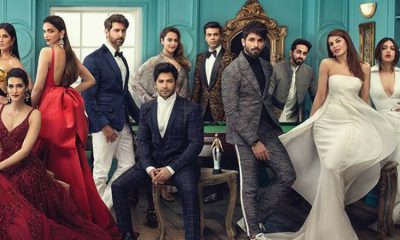






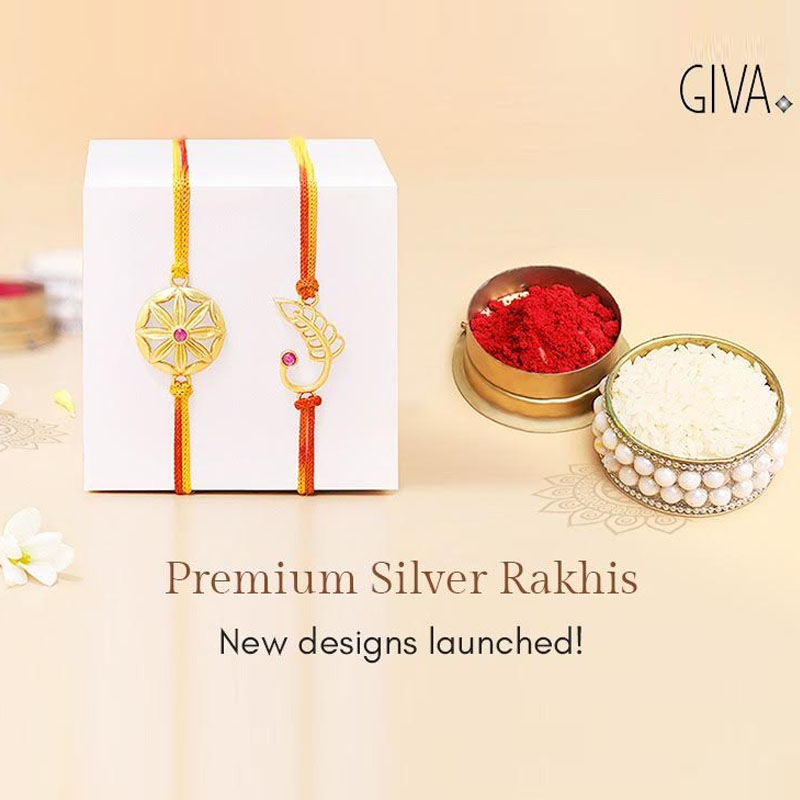
Mumbai: GIVA, a premium jewellery brand aiming to make authentic, elegant, and fine silver jewellery accessible in India, launched their latest line of Rakhi collections, for the upcoming Raksha Bandhan festivities in India. Renowned for redefining the art of presenting exquisite sterling silver jewellery, GIVA takes immense pride in launching an emotive campaign that honours the profound sibling connection. Aptly named “Ties of Love,” the campaign transcends being a mere collection; it is an exploration of the emotional connection that siblings share. This campaign artfully encapsulates the essence of sibling relationships through meticulously crafted 925 silver jewellery rakhis, serving as poignant symbols of affection, protection, and enduring love.
GIVA has embraced a digital advertisement that eloquently portrays the deep and meaningful love that siblings share. This ad serves as a heartfelt depiction of the profound bond that exists between brothers and sisters, further resonating with the brand’s dedication to celebrating and cherishing these special relationships. The ad beautifully captures the essence of a sibling duo celebrating a long-distance Raksha Bandhan and highlights the range of emotions amidst virtual and real-time celebrations. The campaign’s strategic blueprint leverages modern communication platforms such as influencer marketing, Youtube and Instagram advertising.
In a strategic move, GIVA enlisted the support of prominent social media influencers and celebrities Ridhhi Dogra, Pooja Gor and Sreejita De to convey the campaign’s key messages to their target audience. To honour this enduring bond between siblings, GIVA has created an Instagram filter named #TiesofLove. This filter is a tribute to the unbreakable bond we share with our siblings and with this, GIVA aims to witness countless siblings sharing their own delightful and hilarious anecdotes all through August.
GIVA has introduced an exclusive Rakhi collection complemented by exquisite fine silver jewellery choices, with prices beginning at just Rs 899 only. This assortment encompasses a diverse range of options to cater to various preferences, featuring personalized rakhis designed to strengthen the sibling bond. These personalised rakhis can showcase intricately embedded names of brothers and sisters, alongside specially crafted Lumba rakhi designs for beloved sisters-in-law. Moreover, their innovative Convertible rakhis offer a unique transformation into stunning pendants, reflecting a blend of sustainability and style.
GIVA founder Ishendra Agarwal said, “GIVA’s Ties of Love Rakhi campaign embodies GIVA’s mission: celebrating the timeless with a modern twist. This year, we sought to extend Rakhi’s warmth beyond a day by crafting convertible rakhis that can transform into cherished pendants. We also extended our shipping to over 20+ countries to truly celebrate sibling love across borders.
It is more than a campaign. It’s a call for togetherness. It’s a shared tribute to love, tradition, and cherished moments. Our curated collection of gift hampers, personalised rakhi and rakhi gifts are a testament that gifts should know no boundaries.”
To extend a perfect gesture towards both sisters and brothers-in-law, their Bhaiyya-Bhabhi combo stands as an ideal selection. The Rakhi Box is an exclusive gifting choice that presents a personalized rakhi and kumkum, encapsulating a heartfelt touch. Additionally, they also have Bracelet rakhis that seamlessly fuse tradition with fashion, adding to their charm.
Ensuring no one is left out, GIVA has an exclusive Kids’ collection that presents a delightful array of rakhis, starting at just 699 INR. This collection is tailored for younger siblings, capturing the spirit of sibling love playfully.
GIVA’s Raksha Bandhan campaign seeks to highlight the profound emotional value of the rakhi tradition in India, positioning the brand as a provider of thoughtfully crafted and meaningful silver jewellery. The brand’s objective is to establish a heartfelt connection with customers, nurturing a deeper understanding of sibling connections while showcasing the brand’s impeccable artistry. GIVA has always prioritized individuality and self-expression in its design ethos. This Raksha Bandhan, the brand is particularly attentive in presenting a diverse range of top-notch, hypoallergenic rakhis, all certified by GIVA. This effort is dedicated to cherishing the enduring bond, as precious as silver, that exists between siblings.

If you own a car or are planning to get one, you cannot take it on the roads without obtaining valid insurance for the same. Though there are two types of car insurance, third-party insurance is considered the most basic insurance that no vehicle owner can do without. If you’re ever caught driving an uninsured car, you will be heavily penalized by the authorities.
Third-party insurance for car is comparatively affordable compared to other car insurance, but it also offers limited coverage. If you’re contemplating getting third-party car insurance from a well-known insurance provider but want to gather necessary information before making any purchase, this article is here to guide you.
Also Read – New to Insurance? Keep these 5 Things in Mind While Purchasing life Insurance
Third-Party Car Insurance: Things to Know
The Indian Motor Vehicle Act mandates car owners to get at least third-party insurance for their registered vehicle if they don’t want to go ahead with comprehensive insurance. Third-party insurance primarily covers the vehicle owner against losses/damages caused to a third party during an accident. Like other insurance policies in the market, even third-party insurance for car has specific inclusions and exclusions that you should be aware of.
● Inclusions in a Third-Party Car Insurance
Irrespective of your driving skills, driving on chaotic Indian roads can sometimes be challenging. And with so much crowd and traffic around, chances of unfortunate events, like road accidents, increase manifold. In such a situation, if you end up hurting/damaging a third party or his property, you will be liable to pay the damage cost to the other individual. It is during such cases when third-party insurance comes to the rescue. They cover car owners for:
Also Read – Government Should Address The Long Pending Insurance Bill Sanjay Tripathy
1. Personal Damages to Third-Party
If a person gets hurt during an accident because of your car, you will have to bear his medical and other associated expenses. If you have taken third-party insurance, you can claim the financials involved from your insurance provider, and they’ll take care of the rest.
2. Property Damages to Third-Party
Similar to personal damages, you are also required to pay the property damage cost to the third party. Whether you accidentally hit another vehicle or a street lamp post, you will be liable to pay for the damages caused because of your car. Luckily, it is also covered in third-party insurance, so policyholders don’t have to bear the brunt of such unexpected out-of-pocket expenses.
● Exclusions in Third-Party Car Insurance
While third-party car insurance covers the vehicle owner for personal and property damages caused to a third party, it doesn’t cover the damage caused to the policyholder. But this negative can be turned into a positive by adding a personal accident cover to your basic third-party car insurance. You will have to pay for personal accident cover separately, but the extra payment will be worth it, as it will bring along peace of mind.
Also Read – Insurance A Push Product in India Says Indiafirst Lifes Rushabh Gandhi
● Difference Between Comprehensive and Third-Party Car Insurance
The fundamental difference between comprehensive and third-party insurance lies in coverage. While the third-party insurance protects the car owner from a property and third-party damage caused by his vehicle, the comprehensive insurance covers policyholders for both third-party and own damages. You should purchase comprehensive car insurance if you want maximum coverage. The insurance premium varies proportionately to the inclusions/coverage a policy offers, so don’t worry if you have to pay more for comprehensive insurance.
But before you purchase any insurance for your vehicle, always remember that no claim will be entertained if the policyholder was found driving in a drunken state or the driver had no valid driving license. Also, if a minor was found driving the car at the time of the accident, no claim will be fulfilled. So always be responsible while driving to avoid any unpleasant surprises during claim settlement.
How does Third-Party Car Insurance Work?
If a person meets an accident after taking third-party car insurance, the policyholder can raise a claim for the damage caused to a third party or his property. For claim settlement, the policyholder should inform the insurance company about the accident within the stipulated time as mentioned in the policy document and also furnish an FIR so the insurance company can take things forward. A surveyor will then be sent from the insurance provider’s end to assess the monetary damage caused and verify the same before sharing a detailed report with the insurance company. Based on the final report, the claim amount will be processed.
You can either call the representative you’ve been in touch with from the insurance provider’s side or simply email them on their official email id with the necessary details. Having a good insurance company by your side is important if you want faster claim settlement and excellent customer support. So take your time and do the due diligence before purchasing third-party insurance from any insurance provider.
Taking third-party car insurance from a trustworthy insurance provider will enable you to drive legally on the Indian roads without any worry of traffic penalties or fines and save you from unexpected and unavoidable out-of-pocket expenses in case of a road accident. With so many benefits on the table, you shouldn’t think twice before getting your vehicle insured.
Also Read – Covid-19 Uplifts Health insurance Sector, But Premium Segment Sees Decline
MUMBAI: As the Indian Premier League (IPL) gathers full speed, American Appraisal has released a concise report called “On a sticky wicket” on the brand values in IPL. While many expected that the latest round of controversies will shake the belief that advertisers and corporates had put in the million dollar cricketing extravaganza, the report is upbeat about the IPL and tags the event as most popular and anticipated event around, which advertising campaigns are run despite the launch of several rival sporting leagues in the country during the last 12 months.
As per the report, Shah Rukh Khan co-owned franchisee Kolkata Knight Riders (KKR), grabs pole position in the brand valuation chart, followed by Mumbai Indians (MI). KKR’s brand value increased from $69 million to $86 million, while MI was stagnant at $72 million. Chennai Super Kings dropped to number three slot as their brand value declined to $69 million as compared to $72 million in 2014. Royal Challengers Bangalore (RCB) and Rajasthan Royals (RR) were also stagnated at fourth and fifth berth with $51 million and $45 million respectively.
Meanwhile, Kings XI Punjab after their strong performance in the 2014 edition, rose to number six position as their brand value hiked from $32 million to $41 million in the 2015 edition. Sunrisers Hyderabad (SRH), at penultimate position, also secure growth as their valuation rose to $35 million from $25 million. Positioned at the bottom of the table in terms of brand valuation, Delhi Daredevils saw the biggest dip following an underperformed 2014, with a brand valuation of $34 million, which dipped from $40 million in 2014.
The report also depicts that player selection is not just limited to skills and performance but also to the ability of a player to garner sponsorships, case in point being Delhi Daredevils’ acquisition of Yuvraj Singh for a record Rs 160 million. Yuvraj has all the abilities to change the fate of a match single handedly with either batting or bowling but in recent times he failed to step up to his ability as he registered average performances. He started his IPL career with Kings XI Punjab then went to Pune Warriors before Royal Challengers paid a hefty amount for his services. However, his stint with RCB didn’t last for long as the Vijay Malya owned franchisee decided to let him go following his exclusion from India’s World Cup team. In the current season, Yuvraj is a part of Delhi Daredevils and the franchise will hope that he can change both his and the team’s luck with strong performance. The irony is that despite not showing a satisfactory performance, Yuvraj’s value kept increasing year after year.

There is a clear sense of maturity and business intent by franchises in selecting their teams, evident in the way player auctions took place earlier this year. With almost all social media platforms set to be awash with IPL content over the next few weeks, and the fact that the Indian national cricket team did unexpectedly well at the recently concluded World Cup, there is no surprise that the real winner of the next IPL will be cricket.
Viewership
The cumulative reach of the IPL increased from 155 million for the 2013 edition to 190 million for the 2014 edition. The TV reach of IPL has been consistently growing at a compound annual growth rate (CAGR) of 10 per cent since the first edition, despite the fact that the IPL’s TV ratings have been consistently falling every year since the first edition suggests the report. The report describes 2014 as a tremendous year for India when it comes to sport and entertainment, driven by the success of the IPL, the country saw a plethora of new sporting leagues, some of which have seen unexpectedly high levels of popularity. The Pro Kabbadi League (PKL) and the Hero Indian Super League (ISL), both of which had their first editions in 2014, saw viewership numbers large enough to rival even the IPL. The PKL garnered viewership of 435 million viewers for its first edition, a shade more than the ISL’s 429 million viewership, while season seven of the IPL garnered close to 552 million viewers, despite the controversies and changes in venue.
Emergence of Digital
In a recent development, the global digital media rights (excluding the US region, which were sold separately to ESPN for an estimated $12.4 million for a three year contract) for the IPL were sold to a Star Group company for a staggering Rs 302 crores for a three year contract. This represents a 50 per cent increase in previous deal value. With the TV broadcasting rights for the IPL due for renewal in a few years, we could be looking at a TV broadcasting deal of record proportions in India. Some food for thought here would be the 83 per cent increase in the annual broadcasting fees for the English Premier League paid by Sky and BT for a league whose viewership has been increasing at a fraction of the growth seen in the IPL.

Understanding The Brand Value
Great sporting brands across the world have been built over several decades of fan following, successful performances, the ability of a team to attract great talent, and continued association with large companies, partners and sponsors. Teams like the New York Yankees, Dallas Cowboys, Manchester United, Chelsea, Real Madrid, Barcelona, Los Angeles Lakers and the like have become much sought after brands by advertisers and represent brand values in the billion dollar range.
In the IPL, brand value is derived from a wider variety of reasons, keeping in mind the Indian viewer’s association preference for vernacular proclivities, cricketing knowledge and celebrity influence. Accordingly, drivers of brand value in the IPL can be categorised under the following broad headings.
Management Strength and On Field Performance
For an advertiser / sponsor, being associated with a team that is consistently performing at the top of the table is a key factor in assessing brand potential. A look at the largest deals in the sponsorship space not only in the IPL, but also internationally, will reveal that teams that are better on field performers garner higher sponsorship values In the IPL, the estimated lead sponsorships (lead chest and limited player promotions) were valued at a 100 per cent premium for a top ranked team over its lower rung peer.
Of course, a team that consistently performs at the top of the table is not the result of a prefixed formula. Team management plays an important role in squad selection, talent acquisition, performance management and administrative support. Clearly, a winning team is the result of a combination of several factors including the strength of the management team.
Marketing Strategy
Based on an analysis, it is estimated that, on average, franchises spend anywhere between 15 and 25 per cent of their revenues towards marketing and promotion. Some teams, like Kolkata Knight Riders, who invested significantly towards brand building in the early part of their IPL existence, have seen fantastic support from sponsors and partners. IPL events, television advertisements, merchandising, in stadium freebies and other such promotional activities driven by the franchise go a long way in garnering exposure and support translating into brand gains. Merchandising in the IPL is presently in a nascent stage, and most franchises are still coming to terms with the best possible way to monetise different streams. The reports suggests that this will be a game changer for franchises that are able to crack this difficult market and identify new monetisation streams by tapping into their existing fan base.
Celebrity Influence and Marquee Players
The presence of key marquee players and celebrity owners in a franchise brings additional popularity to the individual team brands. However, it may be added that cricket is a team game, and no one person can change the fortunes of a badly performing franchise. In addition, while franchise brands may be able to ride on the brand of a celebrity owner or a marquee player, they are also open to the risk of damage in cases where said individual is embroiled in a controversy, even if that controversy is outside of the IPL.
Geographical Location
The geographical location of the franchise determines the population of its support base and is an important factor in assessing the strength of an individual team brand. In general, it is likely that higher density of teams in a particular region of the country will split the fan base and impact the ability of a team to garner support outside of its immediate location. While the intention of the IPL was never to split support on the basis of vernacular lines, this does seem to be the current situation with every team in the current season belonging to a different state of the country. While this makes support for each team more intense, it remains to be seen how support will be impacted once a few more franchises are added to the current format.
Governance and Transparency
Over the last few months, teams or promoters of teams accused of professional misconduct or embroiled in any controversy have had a negative impact on brand perception. Last year, as part of the survey, respondents were asked to rate their preferred IPL franchises on the basis of their perceived brand strength and the quality and transparency of their management teams. The results were interesting, to say the least.
Social Media Engagement
The ability of a franchise to engage fans on a regular basis, particularly during the IPL season, has been crucial in building positive brand perception. Over the last few seasons, dedicated Twitter campaigns and “player battles” organised by the franchises have been seen with the intention of engaging fans regularly and keeping them up to date with the events of the individual teams.




MIB sets OTT accessibility rules, mandates captions and audio description

Boney Kapoor acquires remake rights of Tamil political satire Thalaivar Thambi Thalaimaiyil

Netflix India names Rekha Rane director of films and series marketing

Zabeen signs off from TV9 after shaping the network’s public voice

Dhawan steps up to bat for Delhi’s grassroots sports push

Orient Beverages pops the fizz with steady Q3 gains and rising profits

Cheekatilo shines in the dark with record debut on Prime Video

Swiggy Instamart’s GOV surges 103 per cent year on year to Rs 7,938 crore

These ’90s fashion trends are making a comeback in 2017
The final 6 ‘Game of Thrones’ episodes might feel like a full season
According to Dior Couture, this taboo fashion accessory is back
ATN International brings ATN Bangla to Canada
The old and New Edition cast comes together to perform
Phillies’ Aaron Altherr makes mind-boggling barehanded play
MIB sets OTT accessibility rules, mandates captions and audio description
Boney Kapoor acquires remake rights of Tamil political satire Thalaivar Thambi Thalaimaiyil
Netflix India names Rekha Rane director of films and series marketing
Zabeen signs off from TV9 after shaping the network’s public voice
Dhawan steps up to bat for Delhi’s grassroots sports push
Orient Beverages pops the fizz with steady Q3 gains and rising profits
Cheekatilo shines in the dark with record debut on Prime Video
-
 e-commerce1 month ago
Swiggy Instamart’s GOV surges 103 per cent year on year to Rs 7,938 crore
-
 iWorld1 year ago
Kuku TV transforms India’s OTT space with vertical microdrama boom
-
 News Headline1 year ago
TRAI puts a ‘stop’ to unsolicited calls and messages
-

 News Headline2 months ago
From selfies to big bucks, India’s influencer economy explodes in 2025
-
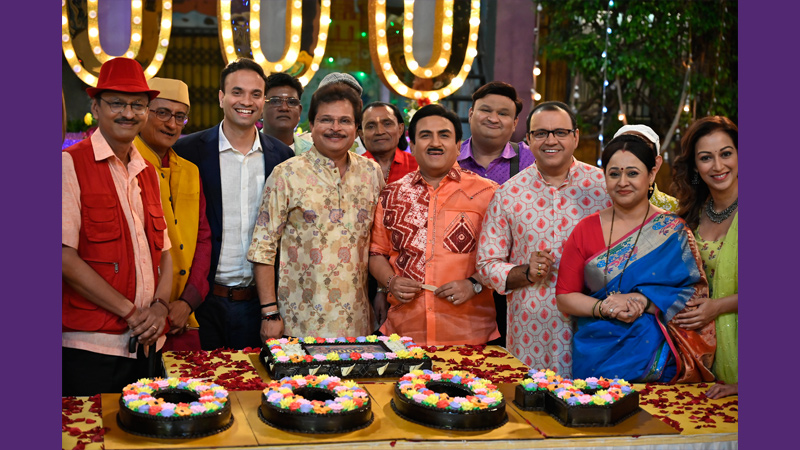 Comedy2 years ago
Taarak Mehta Ka Ooltah Chashmah celebrates 4,000 episodes
-
 MAM2 years ago
OpenAI joins C2PA steering committee
-
 News Headline1 year ago
Abhishek Bachchan joins as co-owner of European T20 Premier League
-
 News Headline2 years ago
Odisha to host Ultimate Kho Kho Season 2 from December 24


