
Sports
BCCI, IMG renegotiate IPL deal

MUMBAI: Putting an end to the bitter dispute between the BCCI and IMG, the two parties have signed a fresh contract that will see the sports management firm receive an annual fee of 270 million over the next eight years for managing the Indian Premier League (IPL).
Addressing a media briefing following its annual general meeting (AGM) today, BCCI president Shashank Manohar said that earlier IMG was getting Rs 330 million.
Noting that letters from the BCCI and franchises had appeared in the media, Manohar said: “IPL franchises should not interfere in the board’s internal administration. In the future, this kind of behaviour will not be tolerated.”
He also addressed what he called ‘media speculation’ about
the rift between BCCI secretary N Srinivasan and IPL commissioner Lalit Modi saying that both had co-operated in resolving the issue. He also clarified that the IPL franchises will not be compensated for any expenses incurred during the second edition of the IPL which took place in South Africa as nobody has suffered a loss.
The IPL Governing Council will have a workshop with the franchises in November to discus various issues.
BCCI Finances:
In terms of finances, the BCCI reported a surplus of Rs 540 million as against the budgeted Rs 2.33 billion for the previous fiscal ended 30 March 2009.
IPL contributed a surplus of Rs 150 million which was much less than the Rs 510 million that had earlier been projected. The IPL income for the BCCI from the first edition was Rs 6.62 billion as opposed to the Rs 6.45 billion it had budgeted for. However the IPL’s expenditure was Rs 6.47 billion as opposed to the budgeted Rs 5.92 billion.
The overall surplus shortfall of Rs 1.80 billion in the previous fiscal was due to various reasons. The BCCI lost Rs 730 million in media rights and sponsorship income after England did not play two ODIs after 26/11. It also suffered a shortfall of Rs 410 million after the Champions Trophy, which was to be held in Pakistan last year, was cancelled. India’s tour to Pakistan that was to have taken place in January was also cancelled. Then it gave Rs 250 million to the National Sports Development Fund.
From media rights the BCCI got Rs 4.66 billion against the budgeted income of Rs 5.34 billion.
For the current fiscal ended 31 March 2010, the BCCI in its budget expects a surplus of Rs 770 million which marks an increase of 230 million over this fiscal. The IPL is expected to negatively impact the overall surplus. Due to the increase in expenditure for the IPL after the shift to South Africa, the BCCI expects a deficit of Rs 340 million from the event.
The IPL is expected to have made Rs 7.74 billion in income and spent Rs 8.08 billion. Overall, the BCCI expects to make Rs 16.99 billion and spend Rs 16.22 billion in the current fiscal.
Sticking with the IPL, the BCCI says that its income from the second edition will not be taxed by the South African Revenue Service. However players income will be taxed at 15 per cent. The BCCI adds that its Fixed Deposits with banks is Rs 10.65 billion as of 31 March 2009. Its interest income rose to Rs 900 million from Rs 760 million for the fiscal ended 31 March 2008.
The payout to member associations from TV Subsidy/IPL subvention/ Infrastructure subsidy has risen to 6.24 billion for the fiscal ended 31 March 2009, as against Rs 4.56 billion for the previous fiscal. This also includes Rs 2.02 billion as IPL subvention.

Sports
Dhawan steps up to bat for Delhi’s grassroots sports push
Cricket star named face of Delhi Khel Mahakumbh to fuel youth talent hunt.
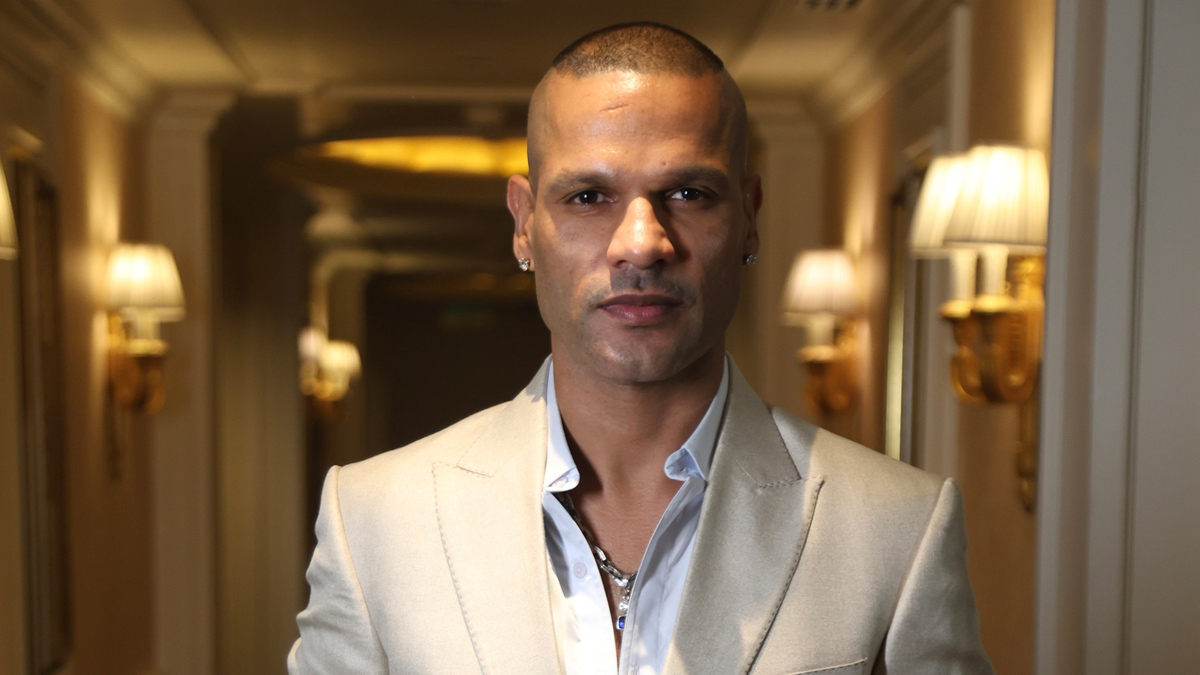
MUMBAI: When sport meets state ambition, a familiar opener is walking out to the crease. Shikhar Dhawan has been appointed Brand Ambassador of the inaugural Delhi Khel Mahakumbh, a flagship grassroots initiative of the directorate of education and sports under the Government of NCT of Delhi.
Conceived as a city-wide sporting carnival with serious intent, the Delhi Khel Mahakumbh aims to widen participation, spot early talent and build structured pathways for young athletes across the capital. By bringing school and community-level sport under one competitive umbrella, the programme positions sport as a key pillar of youth development rather than an extracurricular afterthought.
Dhawan’s association adds instant visibility and resonance. One of India’s most recognisable sporting figures and an Arjuna Awardee, he has increasingly focused on nurturing talent beyond his playing career through his venture Da One Sports. His involvement aligns with the event’s ambition to give young athletes the exposure many careers hinge on.
Ashish Sood, Minister of Education and Sports, Government of Delhi, described the Mahakumbh as a “transformative platform” for sports development, noting that Dhawan’s presence brings credibility and inspiration while reinforcing the focus on grassroots participation and talent identification.
For Dhawan, the role strikes a personal chord. He said the initiative responds to a city “brimming with talent and seeking the right opportunity and exposure”, adding that his own journey underlines how decisive early platforms can be. He also linked the effort to a broader vision of strengthening Delhi’s sporting legacy and aspirations.
That ecosystem thinking is echoed by Da One Group CEO Anshita Gupta who said the Mahakumbh fills a crucial gap by offering structured development and high-performance avenues, creating clearer routes for aspiring athletes to progress.
The scale of the ambition is sizeable. The inaugural Delhi Khel Mahakumbh begins on 13 February, spanning 16 venues across the capital and drawing participation from all 12 districts of Delhi. Thousands of young athletes are set to compete across basketball, football, athletics, kabaddi, wrestling, squash and volleyball.
If the idea is to make sport feel accessible, aspirational and city-wide, Delhi has chosen a brand ambassador who knows a thing or two about seizing an opening and turning it into something bigger.
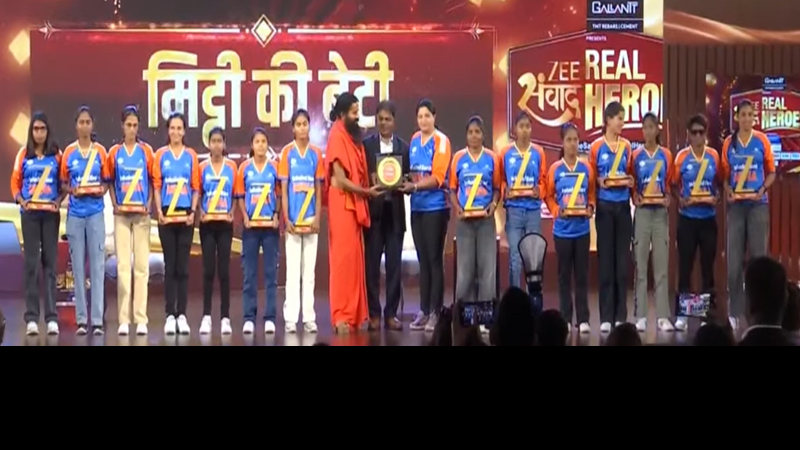
MUMBAI: India’s blind women’s cricket team emerged as the standout honouree at the fourth edition of the Zee Samvad with Real Heroes 2026, held on 6 February at the Fairmont in Mumbai.
Organised by Zee Media Corporation Limited, the event sought to recognise sporting excellence rooted in resilience rather than medals alone. The blind women’s team was honoured for its contribution to grassroots sport and its role in pushing inclusion into corners of Indian athletics that often go unnoticed.
The recognition was presented by yoga guru and social reformer Baba Ramdev, who acknowledged the team’s perseverance and growing influence in advancing inclusive sport. The honour underlined how women-led initiatives from outside India’s sporting mainstream are quietly reshaping participation and confidence at the community level.
Team members honoured included Simu Das, Anu Kumari, Jamuna Rani Tudu, Anekha Devi, Basanti Hansdah, Simranjeet Kour, Sunita Sarathe, Parbati Marndi, Deepika T C, Phula Soren, Ganga S Kadam, Kavya N R, Sushma Patel, Durga Yevle and Shika Shetty. Several players spoke about navigating disability, limited resources and social constraints and how cricket became a route to independence, discipline and collective strength.
The evening also widened its lens beyond the pitch. Mountaineer Saanvi Sood was recognised for her endurance-led achievements, symbolising India’s growing appetite for adventure sport. Judoka Yogita Mandavi was honoured for her consistency and competitive excellence, reflecting the grind behind elite-level performance.
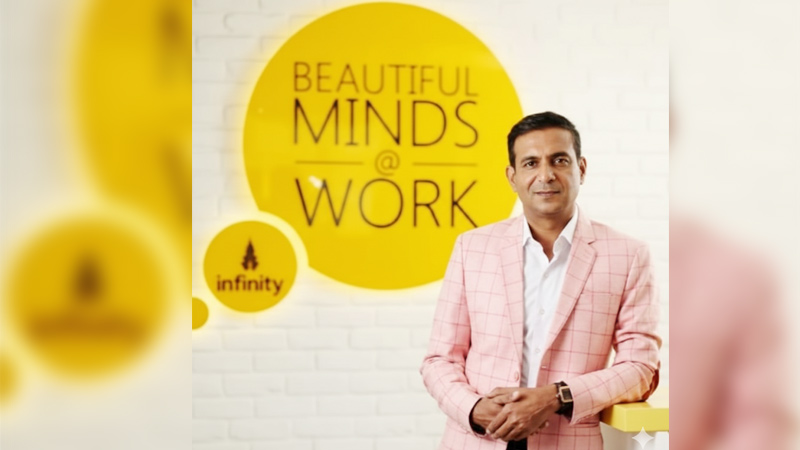
Haryana: Ajay Adlakha, a long-time player in India’s advertising and rural marketing circuit, has added a new title to his portfolio, co-founder of the Kickboxing Super League, signalling a move from boardrooms and brand strategy into the business of sport.
The league marks Adlakha’s latest entrepreneurial bet after more than two decades in advertising, media and market development, where he built a reputation for rural outreach and niche brand building.
Adlakha continues to serve as managing director at Infinity Advertising Network, the agency he founded in the mid-1990s, and remains the force behind Rural Marketing, described as India’s first magazine and portal dedicated to rural and agricultural markets through RuralMarketing.in. The platform focuses on agriculture marketing, rural innovation, development, policy and the evolving links between urban and rural demand.
Over the years, Adlakha has positioned himself as a specialist across broadcast television, print, research, digital and emerging technology, arguing that brand-building is about speaking smartly rather than loudly. He has also been active in pro-bono consulting and startup mentoring.
Industry bodies have taken note. Adlakha has been counted among India’s 50 most influential rural marketing professionals and received a gold standing recognition as a most admired rural marketing professional by ACEF.
His media footprint extends through earlier leadership at i9 Media, a rural-focused knowledge and media outfit launched in 2012 to build what it called a large rural knowledge repository. The group also rolled out Rural & Marketing, a monthly English magazine aimed at corporates, administrators, NGOs and business schools, with a focus on analytical and data-led insights on rural India.
Adlakha is also an author, with the Amazon bestseller “Why Nobody Cares for Your Brand”, a blunt take on the gap between marketing noise and consumer attention.
The Kickboxing Super League now becomes the newest arena for that branding instinct. India’s sports leagues have multiplied in recent years, chasing media rights, sponsorship and regional fan bases. Combat sports, once fringe, are drawing younger audiences and digital viewers.
For Adlakha, the move fits a pattern: spot an underdeveloped market, build a platform and sell a story around it. From rural India to the fight game, the playbook looks familiar.
Brands, villages or fight cards, the pitch is the same. Find attention, build trust, scale fast. This time, the contest just happens to come with gloves.


MIB sets OTT accessibility rules, mandates captions and audio description

Boney Kapoor acquires remake rights of Tamil political satire Thalaivar Thambi Thalaimaiyil

Netflix India names Rekha Rane director of films and series marketing

Zabeen signs off from TV9 after shaping the network’s public voice

Dhawan steps up to bat for Delhi’s grassroots sports push

Orient Beverages pops the fizz with steady Q3 gains and rising profits

Cheekatilo shines in the dark with record debut on Prime Video

These ’90s fashion trends are making a comeback in 2017

Swiggy Instamart’s GOV surges 103 per cent year on year to Rs 7,938 crore
The final 6 ‘Game of Thrones’ episodes might feel like a full season
According to Dior Couture, this taboo fashion accessory is back
The old and New Edition cast comes together to perform
Phillies’ Aaron Altherr makes mind-boggling barehanded play
Uber and Lyft are finally available in all of New York State
MIB sets OTT accessibility rules, mandates captions and audio description
Boney Kapoor acquires remake rights of Tamil political satire Thalaivar Thambi Thalaimaiyil
Netflix India names Rekha Rane director of films and series marketing
Zabeen signs off from TV9 after shaping the network’s public voice
Dhawan steps up to bat for Delhi’s grassroots sports push
Orient Beverages pops the fizz with steady Q3 gains and rising profits
Cheekatilo shines in the dark with record debut on Prime Video
-
 e-commerce1 month ago
Swiggy Instamart’s GOV surges 103 per cent year on year to Rs 7,938 crore
-
 iWorld1 year ago
Kuku TV transforms India’s OTT space with vertical microdrama boom
-

 News Headline2 months ago
From selfies to big bucks, India’s influencer economy explodes in 2025
-
 News Headline1 year ago
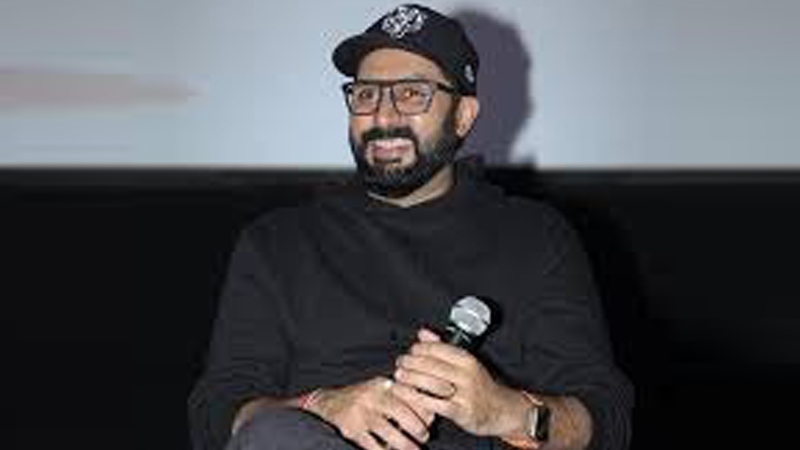
Abhishek Bachchan joins as co-owner of European T20 Premier League
-
 Comedy2 years ago
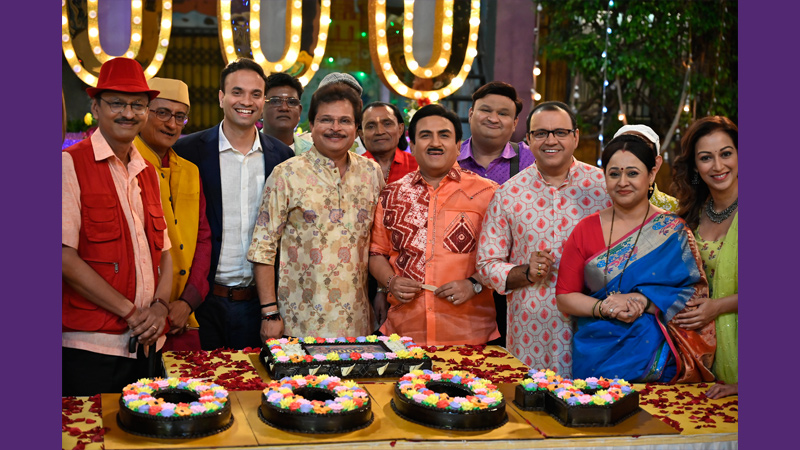
Taarak Mehta Ka Ooltah Chashmah celebrates 4,000 episodes
-
 News Headline1 year ago
TRAI puts a ‘stop’ to unsolicited calls and messages
-
 MAM2 years ago
OpenAI joins C2PA steering committee
-
 News Headline2 years ago
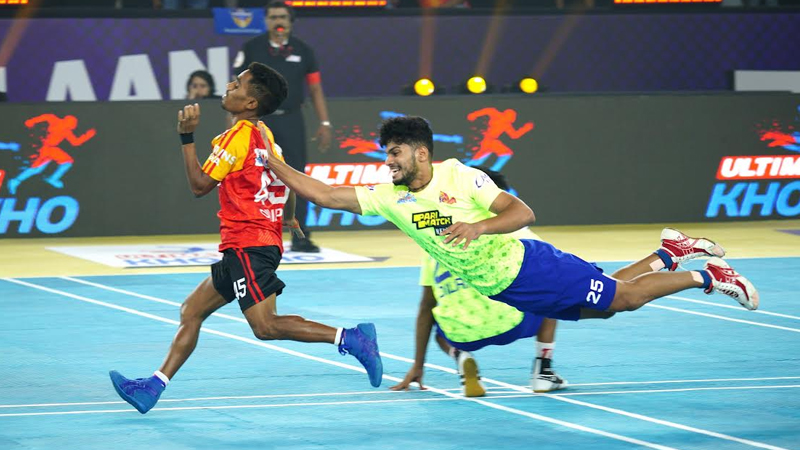
Odisha to host Ultimate Kho Kho Season 2 from December 24


