
GECs
Afternoon slot: Siesta time for GECs?

Back in the nineties, afternoon shows enjoyed their heyday when women, once done with household chores, settled down, lunch in hand, sometimes maid in tow, to watch their favourite serials including Shanti and Itihaas.
Two decades later, the once-popular afternoon slot seems to have lost its relevance, with a majority of broadcasters choosing to air re-runs of prime-time shows rather than focus on fresh content.
The decline of this slot can be attributed to a number of reasons. Firstly, while there’s now a rash of channels, there seems to be precious little to excite a large section of women post their morning routine. Secondly, many more women are now at their workplace at this time of the day. Thirdly, several news channels may be airing more interesting shows at the same time.
While this is broadly it, indiantelevision.com decided to look closer at the changing trends of the past two decades to get a better idea whether it’s really curtains for the afternoon slot.
Popularity graph
It is not that there is no potential in the afternoon slot. But, its about priority. There is more scope for improvement if we try to capture viewers in the prime time slot, says Nikhil
Madhok
In 1994, Shanti and Swabhimaan – two serials aired on Doordarshan – captured a nation’s imagination, catapulting the afternoon slot into the limelight. This was when cable television had just arrived on Indian shores and private satellite channels were focused on building their primetime band as also building viewership in the afternoons.
In 2000, Sony tried to dominate the afternoon turf with Ghar Ek Mandir, which lasted for a good two years. Meanwhile, most other channels stuck to re-runs during that time band.
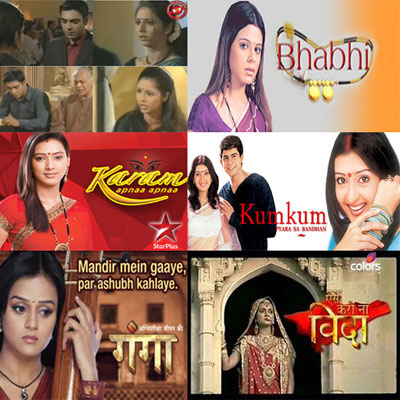
The channels however soon woke up to the fact that it was the homemaker who had the potential to draw advertisers. With this realisation came the game of one-upmanship among Hindi GECs. Around the same time, a slew of shows mushroomed including Kumkum – Ek pyaara sa bandhan (2002 – 2009), Bhabhi (2002 – 2008), Karam apna apna (2006 – 2009) and Humari Devrani (2008 – 2012). They came to be known as the K shows and saw a long innings with increasing visibility year-on-year.
Another landmark came in the form of Zee Woman, Zee’s pioneering effort to bring a women’s magazine on television. Launched on 12 July, 2004, Zee Woman revolved around the homemaker and occupied the 12:30 pm to 3:00 pm slot. It offered everything a women’s magazine does – features and tips on beauty, interiors, cookery, good house-keeping and the latest fashion trends.
We are the service providers. If broadcasters need that service, we will be happy to bring alive that slot, says Sudhir Sharma
Three years later, Zee Woman suffered a blow from two shows – Meri Doli Tere Angana (2:00 pm) and Rakhi (1:30 pm) – both having fresh content. By contrast, GECs like SAB and Life OK preferred to play re-runs of their most popular shows.
In February 2010, Colors too jumped onto the bandwagon. The channel produced two shows – Agnipareeksha Jeevan Ki… Ganga (1:30 pm) followed by Aise Na Karo Vida (2:00 pm), packaging the duo as Saanjhi Dopahar. While the shows got a good viewership in the first week, there was a dip in viewership, second week onward.
All say, the afternoon slot was created mostly for women, especially homemakers. With a majority of soaps revolving around women and their issues, the shows found instant connect. In fact, some of the afternoon shows fared better than their prime-time counterparts. For example, Kumkum which ranked fourth among Star Plus’s top ten shows of all time and was the country’s fourth-longest running serial as well.
It was sometime after 2010 that Hindi GECs started losing interest in making new shows for the afternoon slot. Television channels including Sab, Sahara One, Life OK and Zee went back to airing re-runs of prime-time soaps in the afternoon.
Why did the afternoon slot die?
Today, we dont have enough good writers and ideas for us to put content for the afternoon slot, says Ajit Thakur
The reason, according to Colors weekday programming head Prashant Bhatt is: “Afternoon slots were extremely popular when there were not many GECs. Fewer channels meant fewer options for people to choose from the available shows aired across channels. This gave channels an opportunity to air fresh content in the afternoon slot. But the scenario has changed now.
Viewers have an option to watch eight programs during prime time but end up watching only one. So channels telecast re-runs of their prime time shows in the afternoon, so viewers can catch up on them.”
Examples of this are Balika Vadhu on Colors, which is repeated five times in a day and accounts for 25 per cent of the channel’s viewership and Sony, which aired re-runs of its crime fiction series CID (1998 till the present) for four to five hours in the afternoon slot.
According to Bhatt, there’s so much original programming in terms of prime time shows that there’s no need for original programs in the afternoon. With re-runs of prime time shows during the afternoon, audiences get to catch up with what they haven’t been able to watch.
With too many GECs comes growing competition among them. This means they might focus on the marketing and promotion of evening prime time shows that bring more viewership and consequently, more money.
The afternoon slot should have more dramas that appeal to women. The content should include more of romance and cast eye candy men, says JD Majethia
So have producers and directors lost interest in producing shows for the afternoon slot?
“Definitely not,” shoots back Sunshine Productions owner Sudhir Sharma, adding: “If broadcasters see the need, if broadcasters do any business henceforth, then we will be ready to do it. We are the service providers. If they need that service, we will be happy to bring alive that slot.”
According to Star India vice president marketing Nikhil Madhok, the channel is first trying to strengthen its evening slot rather than bring fresh content in the afternoon. “In Star Plus, we have initiated expansion of our programming time with the launch of Ek Ghar Banaunga during early prime time at 6:30 pm,” he says. : “It is not that there is no potential in the afternoon slot. But, it’s about priority. There is more scope for improvement if we try to capture viewers in the prime time slot. Also, it is more important from a financial perspective and viewership availability,” he adds.
Afternoon slots still hold promise, but it is a bit risky proposition as the shows need to generate sizably better ratings than the repeat ones, says Navin Khemka
Madhok is also quick to point out that the channel is open to innovative ideas and experiments with different time slots. “We had filmed Satyamev Jayate at the 11:00 am slot when we found potential in that. It was followed by Lakhon Mein Ek, which ran for certain number of weeks and then we didn’t follow up. We have also opened up the weekend 7:00 pm slot, where we air content related to our reality shows,” he says.
For a newly launched channel like Life OK however, fresh programming in the afternoon slot does sound interesting. “Yes! Definitely! But, it is about funding. And if there is already enough good content that can be picked up from the prime time and aired in the afternoon, there is no point in airing fresh content. Also today, we don’t have enough good writers and ideas for us to put content for the afternoon slot,” says Life OK general manager Ajit Thakur.
Thakur though did say it was an important slot and it was just a matter of time before it would come back.
What about DD, which in a sense, pioneered the afternoon slot? Says Doordarshan director general (programming) Mukesh Sharma: “In DD National, our afternoon slot is flooded with strong Hindi programming. Though we air repeats, it is doing extremely well for us. To be practical, viewers don’t watch all the shows that are aired on television during prime time. Taking that into consideration during afternoon, mostly women who have missed out on their favourite shows have an option of watching it in the afternoon. And this works perfectly for us.”
Afternoon slots were extremely popular when there were not many GECs. Fewer channels meant fewer options for people to choose from the available shows aired across channels, says Prashant Bhatt
Speaking about DD’s big properties like Saraswatichandra, Tum Dena Saath Mera, Aur Ek Kahani and Hari Mirchi Lal Mirchi that are well adapted by the audiences in the afternoon, Sharma says:
“These soaps are doing well on the track as the target audience is women (housewives).”
ZenithOptimedia senior vice president Navin Khemka has a different view. “If any Hindi GEC launches afternoon show/s, it will definitely work as there is a good chunk of audience sitting there and FMCG advertisers want to dominate this slot and would like to invest in full force.
Afternoon space should focus more on family and drama series that adds value to the content.
Afternoon slots still hold promise, but it is a bit risky proposition as the shows need to generate sizably better ratings than the repeat ones,” he says.
So if the afternoon slot were to be reconsidered by broadcasters, what kind of content would work? Says Hats Off Productions owner and actor/director JD Majethia: “The show’s topic, subject, and the small aspects should all be women-oriented. The afternoon slot should have more drama that appeals to women. The content should include more of romance and cast eye candy men. These are things women cannot watch during the evening time with their family. The content can also be inspirational and designed differently to attract the audience during the afternoon slot.”
In most cases women who have missed out on their favourite shows have an option of watching it in the afternoon, says Mukesh Sharma
Apart from broadcasters not giving enough importance to the afternoon slot, the other reasons for its decline include the rise of shows like Saas Bahu Saazish on news channels. While the then Star News (now ABP News) started the trend of airing ‘behind the screen’ gossip from various shows, other news channels too caught on. Soon enough, women were glued onto these shows, many a times preferring these to daily soaps.
While there are different views on the relevance of the afternoon slot and whether broadcasters should reconsider fresh content during afternoons, whether channels will ever get back to brand new content in this time slot, only time will tell.






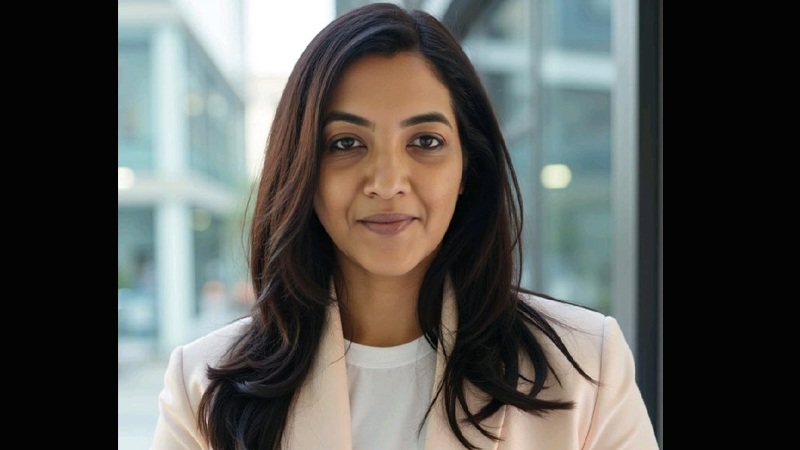
MUMBAI: Zee Entertainment Enterprises Limited has appointed Aparna Ramachandran as EVP and head of network digital, signalling a sharper focus on strengthening its digital and streaming ecosystem.
Ramachandran joins Zee from Balaji Telefilms, where she served as head of digital originals, leading content strategy and production for the company’s digital platforms. She announced the move on LinkedIn, marking a new chapter in her career spanning more than 15 years across media, entertainment and technology.
Her professional journey includes senior roles at Viacom18 Media, Viu, FremantleMedia, Miditech, BigSynergy, BBC Worldwide, CNBC-TV18 and Bloomberg UTV. She began her career in 2005 as a software engineer at Infosys before transitioning into media and digital content leadership.
With experience across streaming media, broadcast television, content development, digital strategy, project management and video production, Ramachandran is expected to play a key role in shaping Zee’s network-wide digital growth and content innovation.

London: Zee Entertainment has launched its flagship Zee TV as a live FAST channel on Samsung TV Plus across Germany, Austria and Switzerland, marking a first for South Asian television in Europe with round-the-clock live German subtitles.
The move takes Zee TV beyond its core diaspora audience and into the German-speaking mainstream, offering dramas, reality shows and family entertainment without subscriptions or language barriers. For FAST platforms, it sets a new benchmark in accessibility and scale.
Amit Goenka, president, international and digital businesses at Zee Entertainment, said the launch marked a turning point in the company’s global strategy.
“Zee TV Germany is a flagship launch and a defining moment in our journey to make entertainment truly borderless. By going live on Samsung TV Plus with 24/7 German subtitles, we are breaking language barriers and setting a new international benchmark for FAST streaming,” he said, adding that the partnership reflects Zee’s ambition to lead the FAST revolution through innovation and technology.
The rollout builds on the strong regional presence of Zee One and Zee5, both of which have cultivated loyal audiences across the DACH markets. The live FAST model now closes long-standing access gaps, particularly for younger diaspora viewers and first-time German-speaking audiences.
Samsung TV Plus said the partnership deepens its content portfolio in the region. Benedict Frey, country lead DACH and Benelux at Samsung TV Plus, said the addition strengthens its South Asian offering while widening appeal.
“Launching flagship Zee TV on Samsung TV Plus brings even more premium South Asian entertainment to our customers. Making this content available with live German subtitles is a meaningful step in serving diverse audiences and enriching the viewing experience,” he said.
Samsung TV Plus is Samsung’s free ad-supported streaming service, offering hundreds of live channels and on-demand titles across Samsung TVs, Galaxy devices and smart monitors.
Zee already commands a strong digital following across Germany, Austria and Switzerland, with social platforms engaging hundreds of thousands of viewers. The live FAST launch is expected to amplify reach and drive appointment viewing at scale.
Zee TV is now available exclusively on Samsung TV Plus in Germany on channel 4210. With this launch, Zee TV Germany becomes the group’s ninth channel in Europe.
The signal is clear: FAST has gone mainstream—and Zee has arrived early, translated and ready to scale.

MUMBAI: Sri Adhikari Brothers Television Network has formally adopted a new corporate identity, rechristening itself Aqylon Nexus Limited after receiving clearance from the ministry of corporate affairs.
The company has informed the Bombay Stock Exchange that the MCA has approved the change of name, with effect from January 23, 2026. The update was disclosed in compliance with Regulation 30 of the Securities and Exchange Board of India’s Listing Obligations and Disclosure Requirements Regulations, 2015.
Confirming the approval, the company said the ministry had cleared the transition from Sri Adhikari Brothers Television Network Limited to Aqylon Nexus Limited following the necessary regulatory process.
Aqylon Nexus said it has begun the formal exercise of replacing the old name across statutory filings and regulatory records. The broadcaster added that it is coordinating with relevant authorities and departments to complete the transition.
Under Section 12 of the Companies Act, 2013, the MCA has directed the company to continue displaying its former name alongside the new one for a period of two years.
Founded in 1994 and based in Mumbai, the company has been a long-standing presence in India’s television and content ecosystem. The rebrand reflects a repositioning effort as the media and entertainment sector undergoes rapid consolidation and structural change.
The legacy name remains on paper—for now. The business, however, is clearly turning the page.

Mukesh Ambani, Larry Fink come together for CNBC-TV18 exclusive

Nielsen launches co-viewing pilot to sharpen TV measurement

Netflix celebrates a decade in India with Shah Rukh Khan-narrated tribute film

Delhivery chairman Deepak Kapoor, independent director Saugata Gupta quit board

Meta appoints Anuvrat Rao as APAC head of commerce partnerships

Brnd.me enters Europe as haircare brands power global expansion

TechnoSport taps quick commerce with launch on Slikk’s 60-minute platform

These ’90s fashion trends are making a comeback in 2017
The final 6 ‘Game of Thrones’ episodes might feel like a full season
According to Dior Couture, this taboo fashion accessory is back
The old and New Edition cast comes together to perform
Phillies’ Aaron Altherr makes mind-boggling barehanded play
Uber and Lyft are finally available in all of New York State
Disney’s live-action Aladdin finally finds its stars
Mukesh Ambani, Larry Fink come together for CNBC-TV18 exclusive
Nielsen launches co-viewing pilot to sharpen TV measurement
Netflix celebrates a decade in India with Shah Rukh Khan-narrated tribute film
Delhivery chairman Deepak Kapoor, independent director Saugata Gupta quit board
Meta appoints Anuvrat Rao as APAC head of commerce partnerships
Brnd.me enters Europe as haircare brands power global expansion
TechnoSport taps quick commerce with launch on Slikk’s 60-minute platform
-
 News Broadcasting1 day ago
Mukesh Ambani, Larry Fink come together for CNBC-TV18 exclusive
-
 iWorld5 days ago
Netflix celebrates a decade in India with Shah Rukh Khan-narrated tribute film
-
 I&B Ministry3 months ago
India steps up fight against digital piracy
-
 iWorld3 months ago
Tips Music turns up the heat with Tamil party anthem Mayangiren
-
 MAM1 day ago
Nielsen launches co-viewing pilot to sharpen TV measurement
-
 iWorld12 months ago
BSNL rings in a revival with Rs 4,969 crore revenue
-
 MAM3 months ago
HoABL soars high with dazzling Nagpur sebut
-
 News Broadcasting2 months ago
CNN-News18 dominates Bihar election coverage with record viewership