
Research
Affluent living rooms dominate on TV, says study


It is only the ‘privileged‘ urban homes that feature on satellite channels in India, finds a study conducted on gender representation on satellite television by the Delhi based Centre for Advocacy and Research.
While domestic space seems to be the preferred television setting for the dramas to unfold (79 per cent on terrestrial, 71 per cent on satellite), less privileged homes do not figure at all on Zee, Sony and Star – the three major mainstream channels, while terrestrial channels deign to give five per cent representation to the lower strata. The office, notes the study, is a far less popular setting, as are schools and colleges – thus implying that, despite the affluent lifestyle portrayed, the concurrent professional and livelihood struggles are not given due display on the tube.
The study conducted by CFAR along with Proshika and Asmita, pressure groups for the advancement of women through media activism in Bangladesh and Nepal, studied 50 hours and 30 minutes of fiction during early 2002. The satellite channels monitored were Zee, Star Plus and Sony, while the terrestrial channels monitored were Nepal TV, Ekushey TV and BTV.
 |
The sameness of what is being portrayed on television finds an echo in the results of the survey which indicate that conversations on the telephone, be it a landline or a mobile, are one of the most popular activities on TV shows today. The activity is a close second to domestic conversations, which eat up 84 per cent of time on Star‘s shows, 56 per cent on Sony shows and 53 per cent on Zee‘s shows. Despite the predominantly domestic setting, however, the number of individuals shown doing household chores is a negligible three per cent on Star, an equal figure on Zee and a slightly higher four per cent on Sony.
The qualitative analysis done by CFAR points to a clear resurgence of the family on television, a departure from the serials which dealt with social issues and the assertion of women in the early 1990s, like Humraahi, Pukaar and Adhikaar. ‘Now, the family is being packaged and marketed as a ‘dynamic entity‘ that allows for continuity and change.‘
serials, points out the study, are almost exclusively about rich, business joint families far removed from the reality of millions of viewers. Marriage remains the anchor for the assertion of the family, so much so, that individual rights are subsumed to the collective welfare of the family.

The study has also highlighted some aspects about television which it says, could be potentially worrisome. Serials, says the study, promote the belief that the family is a private affair and above the law. Gender groups, says the study, need to pay attention to this because the issue of ‘rights‘ goes beyond morality and ethical values to the recognition of the individual‘s legal rights and that their transgression requires proper legal redress.
 |
The one dimensional portrayal of men and women is also problematic from the point of view of social realism, says the study. ‘To depict the family as an end in itself without any interest in or interaction with the larger community to which it belongs, is contextually extremely limited. Efforts should be made to locate the family within a social framework‘, says CFAR.
Pointing out that television needs to become more pluralistic and representative to reflect popular history of the times, the study notes – ‘Given the fact that we have stark social disparities, it is important that TV channels, sponsors and producers be sensitised to the ethical problems of presenting such lavish and even irrational lifestyles.‘












MUMBAI: Food and travel are officially the ultimate power couple.
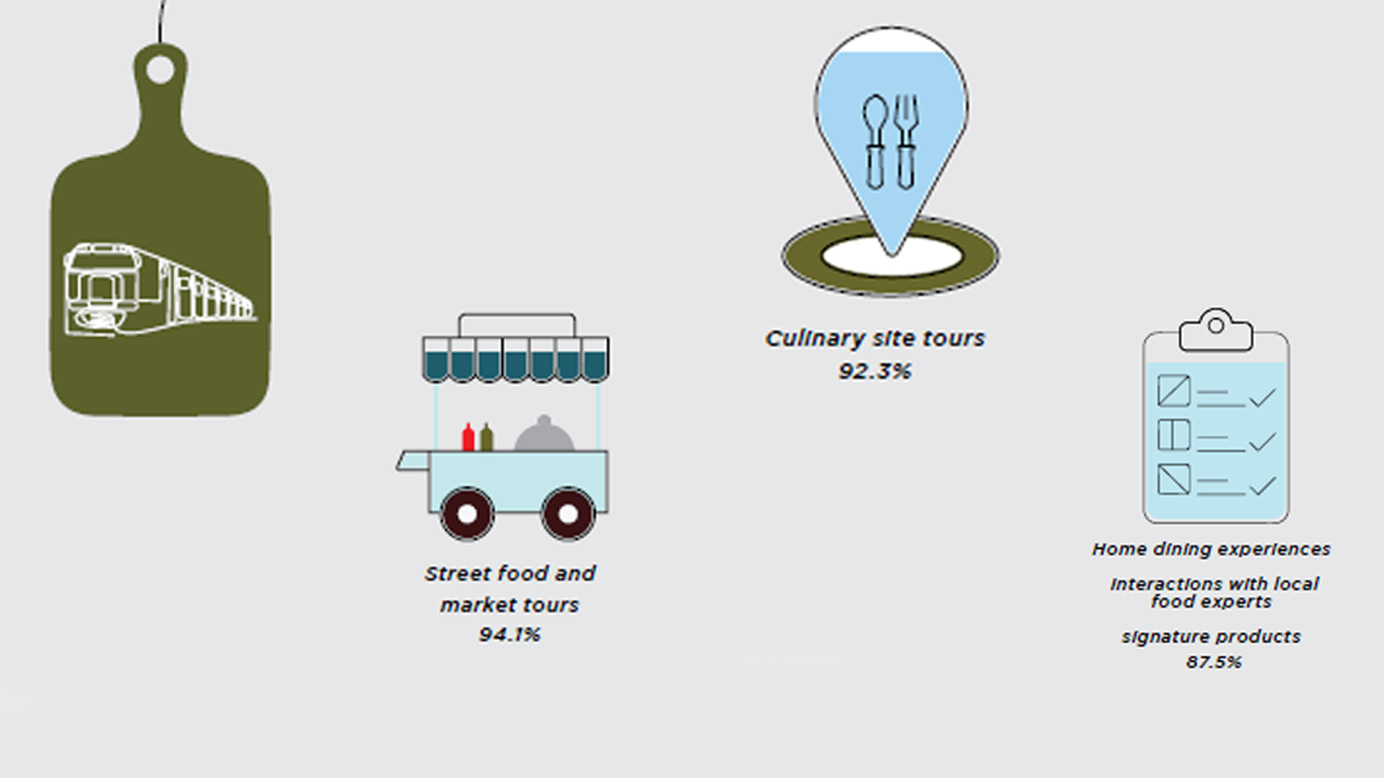
As National Tourism Day approaches, the Godrej Food Trends Report 2024 has spotlighted culinary tourism as the driving force behind a revolution in Indian travel. No longer a side dish to the main event, food has claimed centre stage, transforming vacations into unforgettable, flavour-filled journeys.
In 2024, Indians travelled more frequently and for longer durations, with vacation spending surging nearly 25 per cent. A significant chunk of this increase was fuelled by travellers seeking unique and immersive culinary experiences that connected them to local cultures. Whether exploring bustling spice markets or learning time-honoured recipes from community experts, food became the heartbeat of modern Indian vacations.
The Godrej Food Trends Report 2024, curated by Godrej Vikhroli Cucina with insights from over 190 food experts, revealed the top culinary trends shaping Indian travel:
1. Street food and market tours
With 94.1 per cent of experts highlighting their popularity, vibrant food streets and spice markets emerged as must-visit attractions. From the zesty flavours of pani puri to the aromatic whiffs of garam masala, travellers immersed themselves in the diverse culinary fabric of India.
2. Culinary site tours
Nearly 92.3 per cent of experts predicted continued interest in these immersive experiences, where travellers visited tea estates, artisanal cheese hubs, and other production sites. These tours offered behind-the-scenes glimpses into the craft of food making, adding an educational edge to the journey.
3. Home dining experiences and local expertise
Around 87.5 per cent of experts noted a surge in travellers booking home dining experiences. These intimate interactions with local experts allowed visitors to learn traditional cooking techniques, taste signature regional products, and gain a deeper appreciation for India’s culinary heritage.
“Food is no longer just a part of the travel experience, but its very essence,” said A Perfect Bite Consulting MD & the annual report editor Rushina Munshaw Ghildiyal. “Today’s travellers are not just seeking destinations but connections—immersive, authentic experiences that allow them to explore the heart of a place through its culinary heritage. Whether it’s walking through vibrant spice markets, learning traditional recipes from local experts, or savouring unique regional flavours, food has become the bridge that links people to cultures and stories,” she elaborated.
This surge in culinary tourism isn’t just reshaping Indian vacations; it’s creating opportunities for local communities and small brands to showcase their culinary culture. From bustling street vendors to small-scale producers, the movement is helping amplify India’s rich food heritage on a global stage.
As the country celebrates National Tourism Day, travellers are invited to embrace the fusion of food and travel—a blend that promises to redefine how people experience culture and destinations in the years to come.
The Godrej Food Trends Report 2024 is available for download at www.vikhrolicucina.com.

NEW DELHI: Television has seen a tremendous rise in its viewership during the ongoing lockdown induced by Covid2019 but it is not doing much for the ad revenues. As per Mumbai-based investment bank Elara Capital findings, ad growth may remain weak for broadcasters as several brands look to cut discretionary spend and new product launches get delayed.
The report put a negative stance on broadcasters due to structural risks, such as disruptions over TV channel monetisation due to Jio pushing it TV offerings free-of-cost to Jio subscribers, implementation of NTO 2.0, and the threat from digital offerings.
However, Elara added that subscription revenue can get an upswing in the time, balancing their cash registers. It stated, “On the other hand, if NTO 2.0 gets delayed and is not implemented this year, we may see healthy growth in subscription revenue, given activation of the second TV and viewers flocking to TV, which is a win-win situation as subscribers revenue contributes 35-40 per cent of revenue.”
According to the findings, factors like expected longer-term consumer stickiness, a sharp increase in ad spends by e-commerce and hygiene brands, and subscription revenue growth due to the addition of new consumers and reactivation of the second TV will work in the favour of broadcasters in these times.
However, there are certain impending threats too, including increased use of mobile phones, shooting not happening for premium properties like reality shows, cutting of ad spends by global advertisers in CY20, and money not being diverted to GEC and entertainment genres. Also, if the NTO2.0 is implemented this year, the expected increase in subscription revenue will be marred.
The report also analysed the impact of the current situation on two big broadcasters Zee and Sun TV.
“Zee and Sun TV together have a strong proposition in the movie segment, which has grown 66 per cent in terms of consumption as per recent BARC report, which too will support ad growth. Even after the lockdown ends, we expect TV consumption to rise sharply as consumers continue to adhere to social distancing norms and prefer to remain indoors.”
It added, “Zee has corrected ~38 per cent since the lockdown and is trading at a historically low valuation of 8.2x FY22E P/E (vs a 10-year average low of 19.0x) after factoring in concerns over promoter holding. Sun TV has fallen nine per cent and is trading at 11.4x FY22E P/E (vs a 10-year average low of 16.5x).
Elara also revised its rating to Buy from Accumulate on Zee with a lower TP of Rs 270 from Rs 350 based on 15x (from 17x) one-year forward P/E. It also upgraded its rating to Accumulate from Reduce on SUNTV with a lower target price of Rs 440 from Rs 510 based on 13.5x (unchanged) one-year forward P/E.
The report added that these stocks can get to perform better in the near term until the lockdown is lifted if they are able to innovate by providing their own digital content on TV; doing an effective selection of old catalogue; and by enhancing their movie offerings.
Follow Tellychakkar for the consumer facing news & entertainment
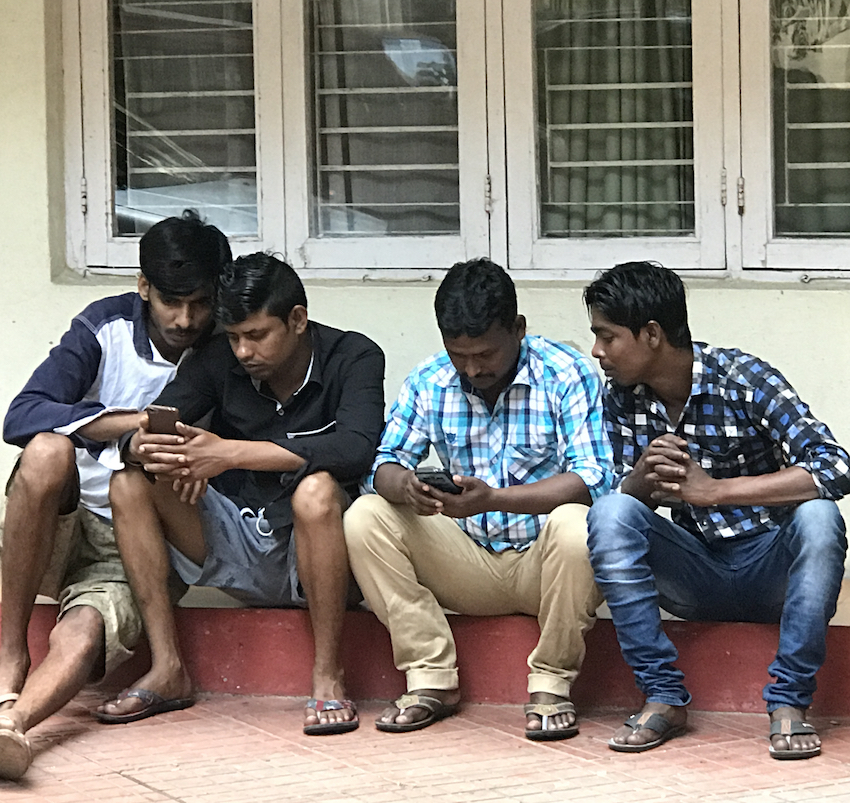
MUMBAI: Guess which video streaming app is seeing rapid growth in installs in India? Well, according to Jana, the largest provider of free internet in emerging markets, the two video streamers are Netflix and SonyLiv. This was revealed by it in its Mobile Majority report, which takes a close look at the latest payment trends in emerging markets. The research was conducted in India from 1 January 2018 through 31 March 31 2018, during which data around streaming app installs and usage was anonymously observed from users of Jana’s mCent browser.

According to the report, Netflix and SonyLiv accounted for 0.5 per cent and five per cent of the installs on 1 January 2018. By 31 March, their share of installs had gone up to 1.4 per cent and 13 per cent respectively. Amazon saw the install of its Prime Video service go up from four per cent to 5 per cent in the same period, even as the Viacom18 owned Voot watched as its share was shaved 13 per cent to 10.7 per cent.

YuppTV which accounted for 0.6 per cent of the installs in January saw the number get whittled down to 0.5 per cent. Of course, the monster, which was ruling the app install marketshare sweepstakes was Hotstar which notched up a colossal 69.4 per cent. But this down almost 10 per cent as compared to the 76 per cent at the beginning of the year.
However, these numbers probably will only skyrocket in Jana’s next report – especially for Hotstar which saw heightened install activity during the Vivo Indian Premier League. The finals saw the Star India-owned service serve more than 10.3 million concurrent streams, which was for it and its cloud services partner Akamai a new world record.



MIB sets OTT accessibility rules, mandates captions and audio description

Boney Kapoor acquires remake rights of Tamil political satire Thalaivar Thambi Thalaimaiyil

Netflix India names Rekha Rane director of films and series marketing

Zabeen signs off from TV9 after shaping the network’s public voice

Dhawan steps up to bat for Delhi’s grassroots sports push

Orient Beverages pops the fizz with steady Q3 gains and rising profits

Cheekatilo shines in the dark with record debut on Prime Video

Swiggy Instamart’s GOV surges 103 per cent year on year to Rs 7,938 crore

These ’90s fashion trends are making a comeback in 2017
The final 6 ‘Game of Thrones’ episodes might feel like a full season
File sharing services infringing copyright: US Supreme Court
According to Dior Couture, this taboo fashion accessory is back

ATN International brings ATN Bangla to Canada
The old and New Edition cast comes together to perform
MIB sets OTT accessibility rules, mandates captions and audio description
Boney Kapoor acquires remake rights of Tamil political satire Thalaivar Thambi Thalaimaiyil
Netflix India names Rekha Rane director of films and series marketing
Zabeen signs off from TV9 after shaping the network’s public voice
Dhawan steps up to bat for Delhi’s grassroots sports push
Orient Beverages pops the fizz with steady Q3 gains and rising profits
Cheekatilo shines in the dark with record debut on Prime Video
-
 e-commerce1 month ago
Swiggy Instamart’s GOV surges 103 per cent year on year to Rs 7,938 crore
-
 iWorld1 year ago
Kuku TV transforms India’s OTT space with vertical microdrama boom
-
 News Headline1 year ago
TRAI puts a ‘stop’ to unsolicited calls and messages
-

 News Headline2 months ago
From selfies to big bucks, India’s influencer economy explodes in 2025
-
 News Headline2 years ago
Odisha to host Ultimate Kho Kho Season 2 from December 24
-
 Comedy2 years ago
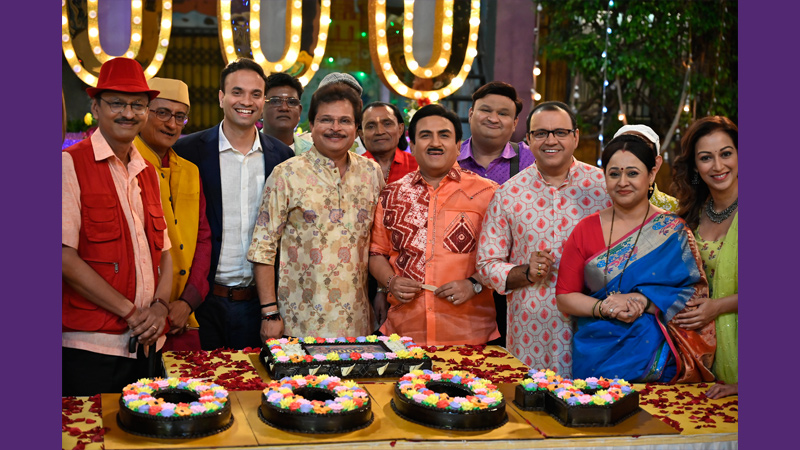
Taarak Mehta Ka Ooltah Chashmah celebrates 4,000 episodes
-
 MAM2 years ago
OpenAI joins C2PA steering committee
-
 News Headline1 year ago
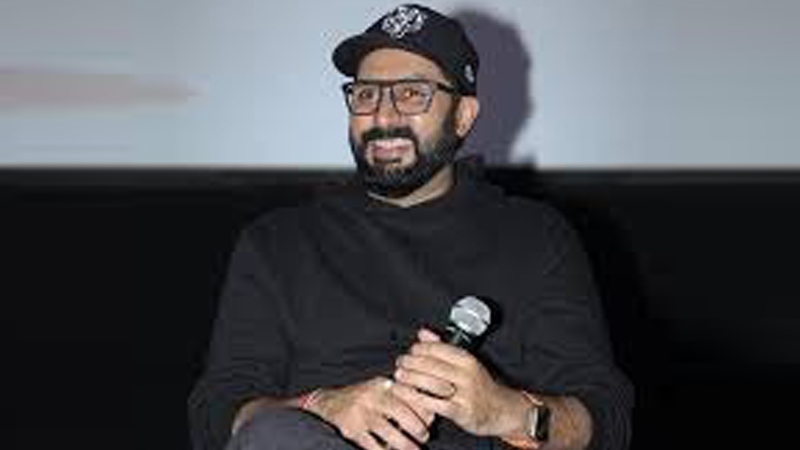
Abhishek Bachchan joins as co-owner of European T20 Premier League


