Tag: Zomato

  • India’s DPDP Bill – a win-win for consumer tech platforms

    India’s DPDP Bill – a win-win for consumer tech platforms

    Mumbai: India’s Digital Personal Data Protection (DPDP) Bill, is expected to be implemented over the next six to eight months in a phased manner; hefty penalties have been imposed for breach of data. This Bill will have a positive impact on companies/platforms that use first party data, whereas players using or sharing third party data (Google cookies, publisher platforms) could see a negative impact; this could potentially mean that sourcing data may become an expensive proposition for programmatic companies like Affle, as they may need to invest in enhancing their own database (first party). This Bill mirrors UK’s GDPR (General Data Protection Regulation) in terms of the major norms mentioned therein. Internet platforms like Zomato, Nykaa, Paytm etc may have relatively lesser monthly active users (MAU’s) as compared to social/search giants like YouTube, Meta, however the former has a detailed understanding of their limited customer base, with more intelligence around their purchasing/consumption patterns; e-commerce giants like Amazon, Flipkart too will have a big edge due to data protection, as they can earn ad. revenue with the help of their first party data, which will help provide better monetisation and profitability over the medium term.

    Long haul for implementation of the DPDP Bill (six to eight months)

    The DPDP (Digital Personal Data Protection) act, which has been highly anticipated, has been in the works for the past four to five years. Numerous drafts have been exchanged and extensive input has been gathered from the industry stakeholders. Although the Bill is set to take effect on 11 August 2023, its actual implementation has not yet occurred. Currently, the sections have not been enforced, but there are plans to assign specific dates for the phased implementation of these sections.

    The scope of its applicability extends to all forms of digitised or digital personal data. Notably, the act also holds extraterritorial jurisdiction. This means that all entities, including those located outside of India, that process data to offer data services within the country, will be obligated to adhere to the provisions of the act. The Bill is anticipated to bring about a positive impact. India is undergoing rapid digital transformation, and with such swift digitization, there’s a substantial amount at risk. Considering the challenges posed by data leaks, the implementation of this law is crucial. It will establish a regulatory framework that offers a cleaner environment for the transmission and processing of personal data.

    Substantial penalties for non compliance/data privacy breach

    The entirety of the act’s liability is placed upon the data fiduciary. The responsibility for implementing safeguards to ensure data protection also falls solely on the data fiduciary. Implementing the requirements should not pose a significant challenge for data fiduciaries, provided they approach it with seriousness and a willingness to comply. The Bill makes it obligatory to report breaches of the principles, regardless of whether the breach is categorized as a high-security breach or not. Entities will undoubtedly feel apprehensive about the substantial penalties, given their magnitude. Data fiduciaries have a responsibility to uphold reasonable security measures for personal data when processing such information. Failure to inform both the board and the principle in case of a data breach can lead to significant fines being imposed. Rather than waiting for the possibility of never being reported and taking on the associated risks, companies could proactively reach out to a wider customer base about the data leak. This approach would involve enhancing compliance efforts and demonstrating a commitment to addressing the issue.

    Contents of the DPDP Act have been drawn heavily from EU’s GDPR

    The Indian legislation has drawn significant inspiration from the EU’s General Data Protection Regulation (GDPR) and is built upon its framework. The authorities have analysed the real-world challenges that arose with GDPR and incorporated those insights into the crafting of this Bill. The primary objective is to ensure the responsible processing of personal data and establish robust data privacy rights for individuals. Both regulations emphasize the handling of personal data through consent, although there are specific scenarios where consent might not be obligatory. The Government has skilfully navigated the task by avoiding excessive amendments and appropriately identifying areas of overlap with other laws.

    Ad-tech players could face challenges in accessing third-party data

    It is believed that targeted advertising technology companies operating in this domain and relying on third-party data for tailored advertisements will encounter additional challenges. Since they don’t directly gather the data, using third-party data will demand heightened attention. Employing third-party data should make you more cautious, vigilant, and well-informed about the methods of data collection. Ensuring the integrity of the data used for crafting targeted advertisements becomes imperative to prevent any form of contamination. Well-established players involved in collecting, distributing, or selling data would undoubtedly need to swiftly adapt to the provisions of this new act. These programmatic ads. tech players could resort to either 1) Investing into their own database or 2) Recover the higher the costs from clients via higher pricing.

    Broad based implementation – across small and large enterprises

    Small businesses, lacking substantial resources to engage established players, are focusing on diligently ensuring proper compliance. They recognize that firsthand data collection is significantly preferable to relying on third-party data access. Bigger technology companies might be required to establish compliance requirements slightly ahead of smaller players and startups. The law takes a somewhat more lenient stance toward startups. It’s anticipated that there will be a window of around six to ten months before full implementation is expected.

    Safety of consumers/children an added benefit apart from privacy

    Companies operating multiple businesses might find common ground internally, where data exchange occurs among their various segments or units by following proper compliance. This aspect should be regarded as a protective measure for sharing information securely. In the case of large tech giants, they will have to adhere to the supplementary data requirements. These companies heavily rely on technology, so many of the obligations are likely already integrated into their operations. The introduction of this regulation could bring about a positive impact, leading to an enhanced safety net. Regarding children’s data, obtaining verifiable parental consent is a requisite. The act has established a mechanism for addressing grievances within its provisions. The composition of the board is explicitly outlined in the act.

    The credit of this article goes to Elara Capital senior vice president- research analyst Karan Taurani.

  • Zomato’s Mohit Gupta bids adieu

    Zomato’s Mohit Gupta bids adieu

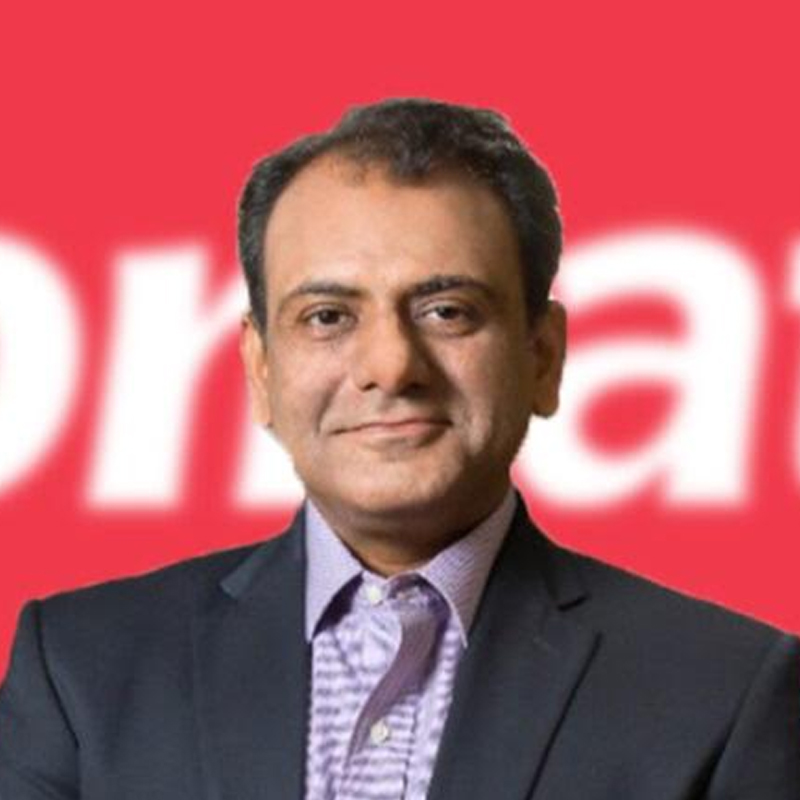
    Mumbai: In a sundry of exits at Zomato, Mohit Gupta has put in his papers as co-founder.  He had been with the food delivery company for about four and a half years.

    Gupta’s departure marks the third high-profile departure from Zomato. Earlier this week, the food delivery major’s head of new businesses and former food delivery chief Rahul Ganjoo, had put in his papers. Also, Siddharth Jhawar, who held the position of vice president of global growth and head of the Intercity Legends service at Zomato, called it a day.

    Gupta joined Zomato in 2018 as the head of food delivery. He was subsequently elevated to co-founder in 2021 to oversee new businesses when Ganjoo was made the CEO of food delivery. Before joining the food delivery major, Gupta was the chief operating officer of travel portal Makemytrip. He has also worked at PepsiCo during his career.

    Kamayani Sadhwani, a director at Zomato-owned quick commerce company Blinkit, has taken over from Jhawar as the head of the Intercity Legends service. Prior to taking on the role at Blinkit earlier this year, Sadhwani has also worked at Coca-Cola India, Bain, Accenture, and McKinsey.

  • Big Bang Social signs Zomaland by Zomato as the creator experience partner

    Big Bang Social signs Zomaland by Zomato as the creator experience partner

    Mumbai: Creator marketplace Big Bang Social has tied up with Zomaland, one of India’s grandest food and entertainment carnivals, by Zomato, which is spread over the weekend across seven cities in 2022-2023 with incredible food, entertainment, carnival games, and attractions all under one roof.

    Big Bang Social has been brought on board as a creator experience partner to activate its vast network of creators that are social storytellers and pop-culture custodians, in their own right.

    As Zomaland makes its place among India’s most iconic live experiences, the country’s thriving creator community will be made part of the legacy being built. Big Bang Social will cater to creators providing them with unforgettable Zomaland experiences.

    The collaboration will include over 300 creators across seven cities where the event is scheduled to take place. Creators will be capturing the best of culinary delights, carnival games, music, and comedy performances at the festival through mini-vlogs and engaging content. Attendees will get a chance to interact with their favourite creators as they attend the spectacular festival.

    “CreatorXP is our way of bringing the world’s best experiences to India’s creator universe. Creators are constantly looking for unique spaces to create content, and IP owners find mutual benefit in their unique story-telling and digital distribution expertise. We’re delighted to be partnering with Zomaland by Zomato to enable this very idea. Creators are gaining a fantastic opportunity to showcase their stories at Zomaland in this amazing confluence of food, music, and community,” says Big Bang Social co-founder Dhruv Chitgopekar.

    “Zomaland is an experience-led food carnival that brings every aspect of Zomato to life. After a two-year hiatus, we are back—bigger, better, and grander—to celebrate and create immersive experiences for our attendees. We’re excited to partner with Big Bang Social and invite key trendsetters to become part of our community while indulging in great food, music, and entertainment at the carnival,” says Zomato Live global head Chaitanya Mathur.

    With over 1,20,000 “curated” influencers and growing on the platform, which has a cumulative reach of over 250 million, Big Bang Social strives to bring true creative and commercial value to the creator market by driving advertising & commerce revenues and creating opportunities across blockchain, metaverse, etc. This backed with the legacy and strength of Collective Artists’ premium celebrity network, makes this ecosystem a one-stop shop for the creator economy.

  • Zomato buckles to boycott trend, apologises & withdraws Hrithik ad

    Zomato buckles to boycott trend, apologises & withdraws Hrithik ad

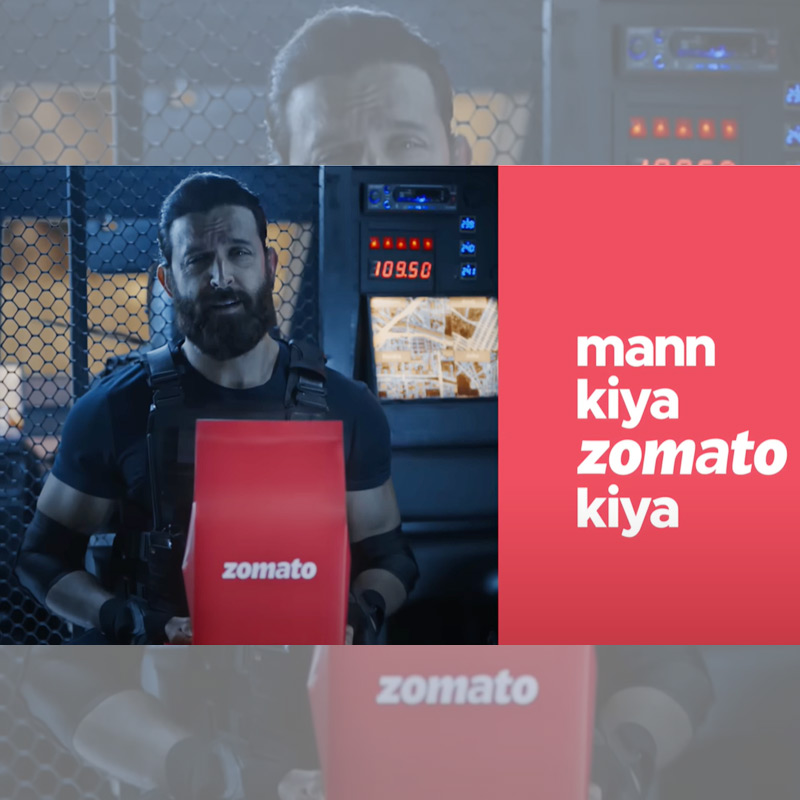
    Mumbai: Taking offence seems to be the order of the day. So is calling out ads, movies, and what-have-yous for allegedly hurting religious sentiments. Zomato, the latest victim of the “boycott culture” pervading the country, apologised even as it withdrew its advert starring Bollywood actor Hrithik Roshan amid a controversy surrounding the ad that threatened to blow up.

    The alleged ‘crime’ this time around was the use of the word ‘Mahakal’ in the online food aggregator’s advert. After two priests from Ujjain’s Mahakal temple demanded an apology from the brand for “offending Hindu sentiments”, an MP minister too joined the fray on Sunday. State home minister Narottam Mishra directed police to investigate the matter so that action can be initiated against the “guilty.”

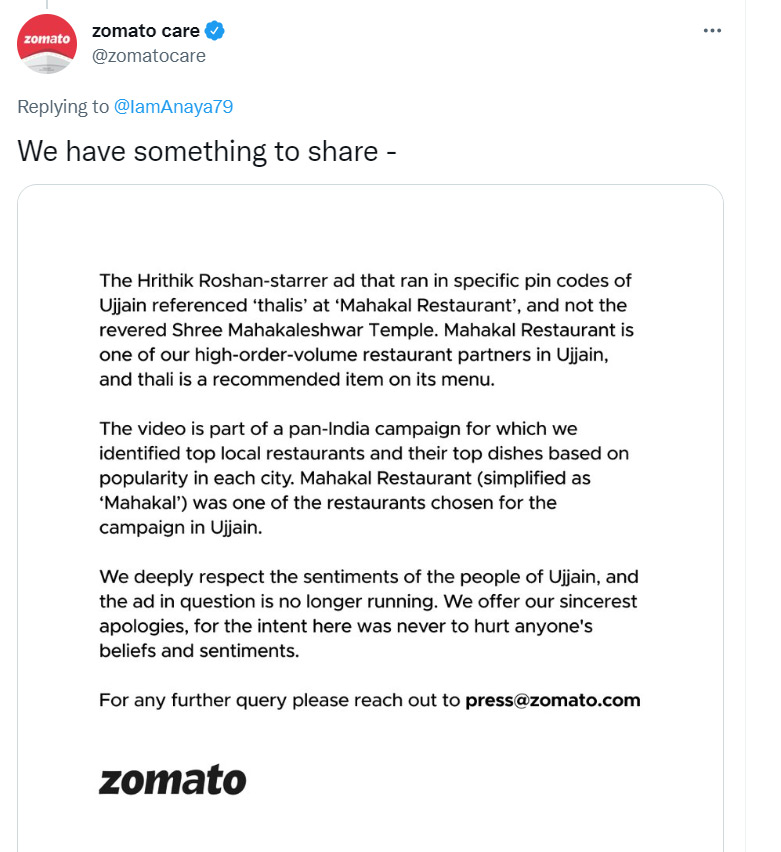
    In a bid to quell the matter, Zomato issued a statement on Sunday, clarifying its stand. It wrote: “We deeply respect the sentiments of the people of Ujjain, and the ad in question is no longer running. We offer our sincerest apologies, for the intent here was never to hurt anyone’s beliefs and sentiments.”

    The creative in question that caused the latest controversy has Hrithik mouthing the dialogue, “Thali ka mann kia, Ujjain mein hai, toh Mahakal se manga Lia (Felt like having a Thali. We’re in Ujjain, so we ordered from Mahakal.”

    The Hrithik Roshan-starrer ad that ran in specific pin codes of Ujjain referenced ‘thalis’ at ‘Mahakal Restaurant’, and not the revered Shree Mahakaleshwar Temple, the brand further clarified in its statement, adding, “Mahakal Restaurant is one of our high-order-volume restaurant partners in Ujjain, and ‘thali’ is a recommended item on its menu.”

    According to reports, the priests said Mahakal Temple does not deliver any thali. Devotees are served prasad in the thali at a section of the temple, but there is no provision to deliver these thalis on demand, they asserted, demanding an apology from both the brand as well as the actor for hurting religious sentiments.

    This sparked an online boycott campaign against the Foodtech app, with the hashtag #Boycott_Zomato trending on Twitter over the weekend.

    The video is part of a pan-India campaign for which Zomato identified top local restaurants and their top dishes based on popularity in each city. The ad uses location data to personalise and localise these ads. Mahakal Restaurant (simplified as ‘Mahakal’ in the video) was one of the restaurants chosen for the campaign in Ujjain, stated the brand even as it pulled the ads off air.

  • Zomato to acquire Blinkit, board approves the deal for Rs 4,447 crore

    Zomato to acquire Blinkit, board approves the deal for Rs 4,447 crore

    Mumbai: The board of online food delivery firm Zomato has approved the purchase of quick commerce company Blinkit, which was earlier known as Grofers. This deal has been done for Rs 4,447.48 crore.

    In the information sent to the stock market, Zomato said that this deal will be done under the exchange of shares. The board of directors of the company in a meeting held on Friday approved the acquisition of 33,018 shares from the shareholders of Blinkit Commerce at a price of Rs 13.45 lakh per equity share.  

    After the acquisition by Zomato, the Blinkit team and CEO Albinder Dhindsa will continue to run the company as an independent entity and app.

    Zomato CEO Deepinder Goyal said, “We will explore ways in which Blinkit can benefit from Zomato’s large customer base (and vice versa in the long term). Post the deal closure, we are going to start experimenting with various ideas that we have and see which all bear fruit, including having the Blinkit tab on the Zomato app. As they say, experiment a lot and keep what works. This remains our guiding motto.”

    The quick commerce segment in India is estimated to grow to $5 billion over the next three years, which is a 16x jump from the current size of $0.3 billion. Thus, the deal can be a game changer for quick commerce space!  

    Let’s have a look at what, according to the industry experts, works in the favour after this deal and what works against!  

    What works in favour?

    Experts believe that the deal will lead to better utilisation of the delivery fleet for Zomato and also propel multiple orders per transit, which is a global norm for driving efficiency and bringing the delivery costs down. With this, the valuations of Zomato may inch up backed by this, as one can provide a separate valuation to this segment for now, given its strong growth prospects.

    It may also help Zomato to be better placed versus peers who are only into Q commerce, as they have a ready delivery fleet and will also help them compete with players like Swiggy who have made a very serious foray into this segment via Instamart.

    What works against?

    AOV (average order value) for this segment may be extremely low, which in turn will limit margins and capability to charge a higher delivery fee as delivery charge is linked to AOV.

    At the same time, AOV in this segment is low as this segment caters to buyers who would want products on an urgent basis; a customer may order 5-10 per cent of their monthly grocery requirements via this segment.

    India as a market is still predominantly driven by local Kiraana outlets (general grocery stores), within the vicinity, which would generally drive more than 90 per cent of grocery requirements.

    Moreover, industry experts think that Zomato will need to offer something very different in terms of user experience for Blinkit in order to compete with peers and scale up in this business segment. Further, this business model may not have a big potential in the smaller markets such as tier 2 and 3, as the demand for gourmet food is much lesser vs metros.

    Meanwhile, the closing of the transaction is expected to happen in early August. The transaction is subject to shareholders’ and stock exchange approval.

  • Zomato-Blinkit deal: all one needs to know

    Zomato-Blinkit deal: all one needs to know

    Mumbai: Restaurant aggregator and food delivery company Zomato’s proposal to acquire quick commerce player Blinkit (formerly Grofers) will come up for board approval on 17 June 2022, when the company’s board meets to sign-off on the acquisition.

    The deal estimated at $700 million has likely dropped in valuation, stripping the online grocery firm of its prized unicorn status earned last year.

    The development emerged two months after reports on the merger deal via share-swap appeared. While the outlines of the deal are still being worked out, Zomato will acquire the shares of the quick commerce startup in an all-stock deal. As per the proposal, Blinkit investors will gain proportionate shares in the listed entity that amounts to a little less than 10 per cent stake in Zomato.  

    Softbank Vision Fund, the largest investor in Blinkit, is expected to come away with nearly four per cent stake in the food-tech company if the deal is closed.

    Once the board gives its approval, Zomato may not need the Competition Commission of India’s (CCI) nod to acquire the Softbank-backed startup, as it plans to make use of an exemption called ‘de-minimis’, which applies to companies of a certain size.

    In August 2021, Zomato received CCI’s go ahead for a $100 million investment in Blinkit for little over nine per cent stake.

    In its third quarter earnings call earlier in February, Zomato management said that it is aggressively growing in the quick commerce segment and will invest $400 million over the next two years in the category.

    Later in March, Blinkit signed a merger agreement with the food aggregator company. Speculations of the deal were doing the rounds in the news since Zomato first invested in the startup. The latest developments coincide with reports of Blinkit laying off staff and delaying vendor payments due to a cash crunch.

    The 10-minute grocery delivery market is expected to grow 15 times to reach $5.5 billion by 2025, as per consultancy firm RedSeer. Zomato has attempted to enter this space twice, dropping its plans due to the uncertainty caused by the pandemic. This latest move helps it gain ground over its arch-rival Swiggy.

    Both food aggregators – Zomato and Swiggy – had diversified into grocery delivery as a natural extension of food delivery, by launching the service on their existing apps. While Swiggy continues to offer its Instamart service, Zomato withdrew from grocery deliveries in September 2021 after burning cash to the tune of several millions. Its investment in Blinkit helps it reach scale in the quick commerce sector.

    There is no shortage of startups trying to be associated with the promise of quick delivery with players like Dunzo and Zepto in the mix. However, it was Blinkit (Grofers) that pioneered the 10-minute grocery delivery model.

  • As a brand, we have always been hungry for growth and expansion: Anand Vishal

    As a brand, we have always been hungry for growth and expansion: Anand Vishal

    Inox’s chief sales and revenue officer Vishal Anand has helmed critical management roles with various cinema entities. With a career spanning over two decades, he has managed many portfolios including business operations, sales and marketing.

    Anand has played a spectacular role in driving box-office growth and advertising revenue generation for Inox across multiple platforms & channels. Sharing about the optimistic approach toward growth and expansion of Inox, Anand revealed his plan to add 16 properties with 77 screens in the upcoming year. He also talks about tapping new markets and adding 900 screens that would expand Inox’s presence to over 30 new towns and cities.

    With a holistic and in-depth knowledge of the cinema exhibition business, his expertise lies in developing & executing sales strategies, building strategic coalitions and mapping opportunities. He thrives on cluster mapping, opportunity management and working with cross-functional peers to deliver consistently.  

    Under his leadership, Inox’s business has regained its market momentum with nearly 80 per cent of its business reaching the pre-covid levels and it is expected to revive complete 100 per cent business growth in the next two months, thereby hinting towards better performance and capitalisation during the upcoming festive seasons.

    Indiantelevision.com caught up with Anand to find out about Inox’s plans and cinema exhibition business.

    Excerpts:

    On improving operational efficiencies after the merger with PVR

    While I can’t speak much on the subject, all I can say is that the synergies of the two organisations are going to fetch tremendous value for all the stakeholders, and most importantly, the cinema lovers of India.

    On levelling up Inox’s revenues and profit back to pre-covid level

    The fourth quarter served as a reminder of the pre-covid times for us as well as for the cinema industry, with the remarkable 11 million footfall and 24 per cent occupancies. Within the fourth quarter, the month of March was thunderous, to say the least, with magnificent record-breaking numbers. I am happy to say that we garnered the highest ever F&B collection in a single month, in March 2022. We also reported our highest ever quarterly spends per head or SPH at Rs 91 in Q4. On a full-year basis, we have recorded an increase in spend per head from Rs. 79 to Rs. 97 in the last year.

    On reducing fixed costs by 10 per cent via manpower reduction

    A number of organisations all over the world prioritize cost management as a routine business practice, and there are numerous ways to do it. Use of technology, optimum utilisation of resources and assets are other smarter ways to do it.

    On the capex for the current fiscal and the screen expansion strategy

    We look to add more than 77 screens in this financial year. As a brand, we have always been hungry for growth and expansion. Whether it was calendar year 21 or FY22, we ended up adding the most number of screens in the industry, even when the tides were against us. We are as optimistic as we have always been. We plan to add 16 properties with 77 screens in FY23, out of which, 13 screens have already been added.

    On deciding about different forms of multiplexes like Megaplex

    There is a lot of research and business intelligence which goes into the process of defining the shape, size and number of auditoriums for a cinema. The size and affluence of the catchment, their paying propensity, their aspirations, the competition’s presence, and the F&B revenue feasibility are some of the factors which are ascertained while giving shape to a multiplex.

    Our Megaplexes in Mumbai and Lucknow have allowed us to delight our guests with world-class cinema viewing experiences, fascinating design and ambience, great dining options and above all, fantastic memories to cherish.

    On the number of malls in the country is a challenge

    The Indian cinema exhibition industry can be characterised by a massive appetite for cinematic entertainment and a massive supply of good quality content in multiple Indian languages, but a market which is heavily under-screened. With more than five movies delivering box office collections in excess of Rs 100 crore post, the unlock after the third wave of covid is a testimony to our country’s massive consumption capabilities and well the availability of the content of terrific quality. At the same time, the screen count in our country has been marginally going down. In short, there’s ample demand and ample supply, but the mode of consumption is scarce. Our country’s bludgeoning and ever-growing young aspiration-driven population deserve more good quality entertainment destinations to enjoy the world-class content produced in India, for which the gap needs to be bridged.

    On how the government need to do more to aid the growth of multiplexes

    The entire value chain, which includes state and local level government authorities, mall developers, the technology providers and cinema chains will all have to play a part in this endeavour. The clearances to open a cinema need to be consolidated and streamlined into a single window clearance system. This should go a long way in speeding up the regulatory compliance process.

    The mall-developers community also needs to be armed with simplification of the regulatory environment around the real-estate business, which should allow them to break free and go aggressive on urbanization. Our cinema technology partners must also be prepared to add to the layers of technology and scale up to satiate the demand of various markets in our country. Overall, the government must incentivise and encourage the stakeholders in the cinema exhibition industry, which should not only help them recover from the shackles created by covid, but also set new benchmarks globally. 

    On how the box office is shaping up this year

    We have an extremely positive sentiment for FY23, thanks to an extremely rich pipeline with movies in all genres and languages, including “Dhaakad”, “Bhool Bhulaiyaa 2”, “Maidaan”, “Major”, “Prithiviraj”, “Anek”, “Lal Singh Chaddha”, “Avatar 2”, “Ram Setu”, “Top Gun: Maverick”, “Jurassic World: Dominion” and “Adipurush”. Movies and cricket are two primary and biggest sources of entertainment in India

    On the impact of inflation

    Cinema viewing is a part of our country’s cultural fabric, and to some extent inflation-proof, as proven by the industry’s rollicking performance over the past quarter or so. With about 10 per cent of our screens in the premium category and an even presence in 73 cities across the country, we have a fair mix of premium and affordable experiences and ticket prices across a vast price range. We have not brought in any modifications in our approach due to inflation. 

    On the plan to tap into the smaller towns and cities

    Our additional pipeline of more than 900 screens would expand our presence to more than 30 new towns and cities where we do not have our presence currently. Cinema has a universal demand in our country and we have a strong desire to get closer to our customers and take the world-class cinema experience to new geographies.

    On the revenue split between ticketing and other areas like F&B

    We generate about 60 per cent of our revenues from ticket sales, about 25 per cent of our revenues from F&B sales and about 15 per cent of our revenues from sales of cinema advertisements.

    On the idea of doing merchandising

    We are in the business of movies, and in recent times movies have transformed into movie franchises and are considered brands themselves. Like with every brand, movies also connect on a deeper level with fans who seek this connection and they develop a community with fellow movie lovers. The fans also crave a sense of belonging and something solid when it comes to their favourite movie franchise and stars. We aim to provide this sense of belonging to this large group of passionate fans through our channels. This would help us enlarge and engage the community of Inox patrons as we offer them a shared sense of enjoyment.

    On F&B activities including the home, delivery deals with Swiggy, Zomato

    Inox has implemented a comprehensive and renewed F&B roadmap with the introduction of some new processes and exciting innovations, including making our food available on online food ordering platforms, Swiggy and Zomato. The idea is to tap a new consumer base that buys our food products even if they are not watching a movie, besides strengthening the F&B revenue stream. We have also introduced home-meal replacement options. We have included meal options like Pulao, Biryani, Dal Makhani, the much-loved servings of Rajma-rice & Chana-rice, Pastas, Garlic Bread, Tandoori Popcorn and Chilli Cheese Toasts.

    Recently, we announced our partnership with table reservation and food discovery platform, EazyDiner. We are the first cinema chain in India to get listed on the table reservation platform – EazyDiner. With this collaboration, EazyDiner members can avail of a flat 15 per cent discount across all Inox food counters and Café Unwind. Making the experience more rewarding and befitting, EazyDiner members can enjoy a flat 25 per cent discount across all Insignia lounges across the country on reserving a table via EazyDiner.

    Inox has announced its partnership with ITC’s ready-to-eat, gourmet brand Kitchens of India to introduce a re-defined innovative F&B experience across all multiplexes across India. With this first-of-its-kind partnership, Inox aims to add a new experience in the cinema halls through a trusted range of 100 per cent natural, Indian gastronomical delights.

    On improving in-cinema advertising revenue 

    Yes, the advertising revenues are not just back to normal but have come back with a renewed rigour. We are back to nearly 80 per cent of the pre-covid levels and expect it to reach 100 per cent within the next two months, well in time to capitalize on the festive season with our complete might. We are seeing a new crop of brands which are keen to explore the unique benefits of cinema advertising, and take their brands to audiences, who are coming to cinemas with a huge pent up appetite for the community viewing experiences.

    With a marvellous content pipeline, a huge desire for participating in community experiences and our efforts to offer unparalleled cinema experience, we are sure of registering a strong comeback on this front.  

    On in-cinema advertising goals of the company

    While offering both reach and recall, there are plenty of benefits of cinema advertising. It offers a tremendous visual impact, which comes through the biggest possible screens that the audience would come across. Another reason behind the success of cinema advertising is the captive state of mind in which the audience is seated in the auditorium, which leads to negligible avoidance of visual communication.

    Cinemas offer higher brand recall and engagement with premium audiences compared to any other medium. While cinema advertising can act as a great tool for geography-specific marketing, we also bring on a national scale thanks to our massive presence in 73 cities with 692 screens.

  • Out of home consumption contributes a big chunk of our business: Pepsico India’s Shailee Tyagi

    Out of home consumption contributes a big chunk of our business: Pepsico India’s Shailee Tyagi

    MUMBAI: Pepsico has long been associated with India’s food service industry, ever since the beverage brand entered India in the 1990s. Amidst inflationary pressures and a tough two years of pandemic notwithstanding, PepsiCo’s India biz in April 2022 reported a double-digit organic revenue growth in the first quarter. The company is well-positioned to adapt and execute in a “challenging operating environment”, having enhanced its focus on productivity and “sharpening its revenue management capabilities”, Pepsico stated while reporting its earnings recently.

    With the pandemic fuelling a paradigm shift in consumer behaviour aided by digital acceleration, and customers preferring doorstep food delivery over dine-in services, the food service industry has been witnessing an upheaval in the past two years. Several restaurants are looking to shift from a traditional dine-in facility to set up a delivery-only cloud kitchen model. On the sidelines of the National Restaurant Association of India’s (NRAI) cloud kitchen convention held recently in Mumbai, Pepsico India beverages director of Organised Trade Channels Shailee Tyagi spoke exclusively to Indiantelevision.com on how the beverage major has been making a difference in the evolving food service ecosystem in the country. She also weighs in on the restaurants vs food tech platforms ongoing dispute and offers her insights on the tussle.

    Tyagi has been a Pepsico veteran with twelve years of experience in channel sales and strategy. She was also the driving force behind the #Pepsisaveourrestaurants campaign with NRAI and Swiggy, to support the restaurant workers when the first covid pandemic wave hit in 2020.

    Edited excerpts:

    How did the food service industry, on the whole and Pepsico India beverages fare during the two successive pandemic waves?

    We launched a Covid assessment report for the foodservice industry along with the NRAI last year, and this was commissioned to Technopak. The insights that came out of the study was that the industry shrunk by 55 per cent in terms of revenue. So, it was a 4.5 lakh crore business with services that shrunk to less than two crore- that was the impact. About 2.5 million restaurants shut down completely- largely the ones unorganised, who do not have the muscle to survive a pandemic like this. And, of course, millions of people lost their jobs.

    Now coming to beverages and us as a company- In the beverages industry, out of home consumption(we refer to outdoors eating as an “out of home” occasion) contributes to a big chunk of our business. For the overall category, it would be nearly 50 per cent. The OOH food service is a part of our growth model for PepsiCo globally. And it is expansive- not just restaurants, even cinemas, airports, airlines all are part of the service. We have built a very strong portfolio which caters to food service requirements. Suddenly, when that shut down, and that too happening in summers, which’s the peak season- you can imagine the upheaval. Unluckily, both the times we lost two summers due to Covid. And those three to four months account for almost 60 per cent for the category. As for the food service industry overall, they lost almost more than 50 per cent of their revenue.

    What was the #PepsiSaveOurRestaurants campaign with NRAI all about?

    The #Pepsisaveourrestaurants is a campaign very close to my heart. It came about at a time when the unthinkable and the unprecedented lockdown happened during the first wave- which was the worst from the viewpoint of the food service industry. We have a huge ecosystem of restaurant partners, and all of a sudden the restaurant workers were out of their livelihoods. There was so much uncertainty looming. So, it was time to really reflect and ask ourselves, ‘Do we just remain silent or become salient at that point in time’? And that’s how I came up with this concept of ‘rallying for our restaurant workers’.

    Fundamentally, we’re a consumer company and we have a consumer connect. So, the idea was how do we connect with consumers and make them part of a movement, where they also come forward to support the restaurant workers. That gave germ to the thought of having an aggregator in play. So, this was really about coming together of three stakeholders who are interconnected, but who hadn’t worked together before, for a common purpose.

    What we essentially did through this is that every time a consumer ordered a meal online on Swiggy, and so long as he or she is adding any beverage- not just Pepsi- for every beverage added, we donated a meal to the restaurant worker. All our proceeds were directed to it and we generated 2.5 million meals during the 40-45 day-long campaign. We generated a lot of goodwill too. It also gave consumers the power of one touch where they could make a difference in the restaurant workers’ lives.

    Essentially, it was about leveraging Pepsico’s entire ecosystem of partnerships, so I think, for me the biggest learning was the power of partnerships, especially in difficult times. How collaboratively we can solve problems, rather than doing it alone. Now, of course, it’s heartening to see the service industries bouncing back.

    How did the industry and the brand cope with the decreasing footfalls in restaurants and the consequent hit in revenue? How is Pepsico making a difference in the post-pandemic F&B ecosystem?

    It’s a very symbiotic relationship that we have with our restaurant partners. It’s like them winning is us winning, and them losing is us losing. After the first wave, we recognised that the consumer habits were changing, and they were moving to aggregators. Because ‘ordering in’ was, in a way, needed and it became the new consumer habit. So what we did is that we worked with the food aggregators on a joint business plan to make sure that all PepsiCo partners, or PepsiCo restaurants, which are on the aggregator platform, how do we increase the discoverability of them. How do we make sure their average order value goes up? So, we came up with insights, partnership with aggregators, built combo led menus, PepsiCo collections, and also created incremental occasions for every festival, where you could celebrate at home with restaurant food. And that’s what we did for every single festival that happened in the last one and a half years through the aggregator platforms.

    After the initial relief that food aggregators offered during the first wave, several restaurants now are at loggerheads with the food tech platforms like Swiggy and Zomato, believing that they are eating into their revenues now that businesses are opening up. Your take on it?

    So, I think, the common insight is that everybody is recognising the benefits of being in a marketplace. It is akin to being in a food court in a physical world. Think of it- in a food court the consumers are there. So, you put up your brand shop, and then the consumer comes and tries it. That’s exactly what an aggregator marketplace is offering you. It does come at a cost. But so is the cost of every channel. I think fundamentally, every channel has certain pros and cons. It’s important to recognise the pros and make it work for you. For instance, the restaurant can ask the aggregator for a lot of insights. Say if you want to do targeted marketing, and want to talk to people who have not interacted with your brand in the last couple of months. So, the moment you recognise them as a partner, and say, what do you bring in as a partner, then I think one can have meaningful conversations.

    The second thing I would say is revenue management is very critical. Like, every channel requires certain dynamics and the consumer requires something. So, fundamentally, you can work with the serve-size of your food, you can work with larger bundles, you can increase your order value on aggregators for group meal occasions. And aggregators are currently working on a model where higher your order value, lower the commission rate. So, it is happening. And a lot of players who have recognised that this is important are having those conversations, and it’s a win-win outcome.

    And thirdly, I think, the stickiness that you build for your food and brand. Once you have built stickiness, the aggregator would also want you, so then they would also want to discuss different terms. Having said that, it’s not just all about aggregators. There is also a ‘direct order’. So, initially you get a trial done on an aggregator, you get immediate feedback, because ratings are visible. Once you have got your trial, and your feedback, and you rework your product and concept fitment, you can always leave a QR code on the packaging, and you can say, hey, next time you order, why don’t you order direct, you can leave a phone number. So, if consumers are comfortable, and if they love you, they will find you. Thus, it’s the mindset that one has to get out of.

    Also Read | Why Restaurants are stepping away from Swiggy, Zomato with #OrderDirect campaign

    What possible pitfalls do you foresee in the cloud kitchen ecosystem in India?

     The only, if I may say, enemy of a cloud kitchen brand is going to be themselves. If they don’t build to last, if they kind of think that this is quick money. If you’re entering with that mindset, you will go wrong. Primarily, if you’re entering a restaurant business you have to enter with a hospitality mindset, be open to feedback for improvisations and have to build trust on board. That is very critical. If this is what a cloud kitchen is building its business on, it’s going to thrive and become scalable.

    The second thing I would say is adoption of technology. One thing that cloud kitchens have access to, is data. They have to ask for that data, it would be available to them in some form. They know exactly how many orders they are taking, they know whether more group meals are getting ordered, or more single people are ordering, they know exactly how many orders are coming and from which location, etc. A physical restaurant didn’t have that choice. Cloud kitchen by the very nature of it is digital-friendly. So, any brand built on consistency, trust and then adopting technology, not just in data, even the processes having standard operating procedures of making food- has to succeed.

    Cloud kitchens and food aggregator platforms saw a spurt during the pandemic-induced lockdown and its aftermath. Now, with businesses and restaurants opening up post-pandemic do you see the growth scaling or sustaining in 2022 and the near future?

    In India, food consumption is on the rise. Because essentially consumer habits are shaping up. What started out as a need has now become convenience. And the fact you have access to so much variety. So, people are okay converting some of their occasions into ordering-in occasions. It takes about 90 days to build a habit, it is said. And in this case, it’s a two-year phenomenon! So, the habits have gotten entrenched.

    The second thing is a couple of things that are fueling it such as, just the fact that people have more spending power now. Also, digital access- wherever you are, the internet travels with you. So, the access and the digital acceleration is supporting it. And when that happens, it’s not just on cloud kitchen, fundamentally, it’s the e-commerce app-based economy that’s really thriving. Digital penetration has happened and the Internet, smartphones are available in even tier four rural areas. People have become comfortable transacting online. Cloud kitchens are just a subset of that.

    And honestly, consumers don’t know whether they’re ordering from a cloud kitchen or restaurant. When you open the app, you’re ordering biryani, and you are ordering from the best place which is nearest and will deliver you on time and has the best rating. That’s all. It is more our industry which uses these words, as far as consumers are concerned- they are ordering from a restaurant only.

    People love ordering in and even love creating social occasions at home. This is here to stay. And in fact, not just survive, but thrive.

  • Zomato to launch 10-minute food delivery with ‘Zomato Instant’

    Zomato to launch 10-minute food delivery with ‘Zomato Instant’

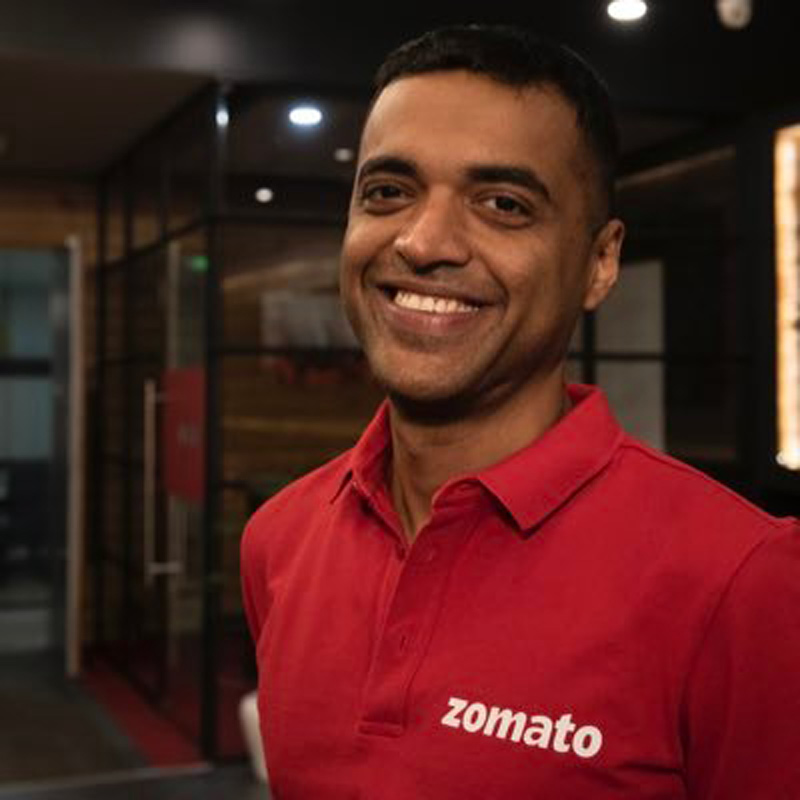
    Mumbai: The online food delivery space promises to heat up in the coming days with food aggregator and delivery platform Zomato planning to go the quick-commerce way. Zomato co-founder Deepinder Goyal on Tuesday announced a ‘10-minute food delivery’ service with ‘Zomato Instant.’

    Claiming to be the first to create this category globally of “delivering hot and fresh food in under 10 minutes at scale,” Goyal emphasised that “Innovating and leading from the front is the only way to survive (and therefore thrive) in the tech industry.”


    The food-tech platform plans to launch ‘Zomato Instant’ first in Gurugram April onwards with four stations. 

    Going into the nitty-gritty’s of how the food-tech plans to achieve the seemingly impossible while ensuring delivery partner safety and without compromising on the food quality, Goyal explained further in his blog. 

    The fulfilment of its quick delivery promise relies on a dense finishing stations’ network, which is located near high-demand customer neighbourhoods, according to Zomato. Sophisticated dish-level demand prediction algorithms, and future-ready in-station robotics will be employed to ensure that the food is sterile, fresh and hot at the time it is picked by the delivery partner, asserted Goyal in his blog. 

    On why the food-tech felt the need to get into quick commerce with food, Goyal further enlightened that it was the need of the hour as he started to feel the 30-minute average delivery time by Zomato is “too slow,” and will soon have to become obsolete. Customers are increasingly demanding quicker answers to their needs- They don’t want to plan, and they don’t want to wait, he wrote. Sorting restaurants by fastest delivery time is one of the most used features on the Zomato app, Goyal shared.

    The food aggregator will not penalise delivery partners for late deliveries and nor will the delivery partners be informed of the promised time of delivery, Goyal clarified. “Time optimisation does not happen on the road, and does not put any lives at risk.”

    Earlier last week, Zomato invested in the quick commerce space by acquiring online grocery firm Blinkit, formerly Grofers for around $700 million.

    In February, Zomato said it had set aside $400 million to invest in quick commerce stating that this category offers a “huge addressable market” and is synergistic with its food delivery business.

  • Zomato founder calls out ‘intolerance’ on social media after language row

    Zomato founder calls out ‘intolerance’ on social media after language row

    MUMBAI: Founder of online food delivery platform Zomato, Deepinder Goyal has called out the rise of ‘intolerance’ among the social media users, after the platform found itself in the eye of another Twitter storm early this week.

    “An ignorant mistake by someone in a support centre of a food delivery company became a national issue. The level of tolerance and chill in our country needs to be way higher than it is nowadays. Who’s to be blamed here?” Goyal tweeted.


    The issue arose after a customer from Tamil Nadu tweeted a screenshot of a chat he had with one of the customer care executives. The complaint was related to a missing food item in the order. According to the customer, the employee told him, that the amount cannot be refunded and apparently schooled him for not knowing Hindi while discussing the order detail. “Tagged me a liar as she didn’t know Tamil,” he further accused, tagging the app with the words, “Not the way you talk to a customer. @zomatocare”

    The incident soon spiralled into a trending topic on social media, with users tweeting #Reject_Zomato and criticising Zomato, for the employee’s reference to Hindi as “the national language of the country.” Some local politicians also joined in the company’s critique, leading to a knee-jerk reaction from Zomato.

    The company soon issued a public apology and announced the termination of the woman employee for “negligence towards our diverse culture”, highlighting that it understands that food and language are core to any culture and Zomato takes both of them seriously.

    However, the company reversed its decision a day later and reinstated the employee. “This alone is not something she should have been fired for. This is easily something she can learn and do better about going forward,” tweeted Goyal, adding that the call centre agents are young people, who are at the start of their learning curves and careers. “They are not experts on languages and regional sentiments. Nor am I, btw.”

    The Zomato founder also took the opportunity to express his concern over the rising intolerance on social media, and shared a word of advice to Twitterati: “Having said that, we should all tolerate each other’s imperfections. And appreciate each other’s language and regional sentiments.”, adding, “We are all the same, as much as we are different.”

    The case is part of a series of incidents in the recent past, wherein brands and advertising agencies have been targeted by overzealous social media in the country. Recently FabIndia came under fire for an ad it tweeted regarding its latest festive collection titled ‘Jashn-e-riwaaz’. The tweet was later taken down after a vitriolic campaign was run against the brand by some self-proclaimed groups for using Urdu words for a Diwali collection.

    Earlier fashion e-comm, Nykaa has also came under fire on social media for its online Navratri offers on condoms and lubes. Ed-tech platform Unacademy was also trolled recently for a skit that some social media users termed as “Anti-Hindu”. Not long before, ethnic wear brand Mohey came under attack on social media for a Wedding ad featuring its brand ambassador Alia Bhatt.