Tag: Zeel

  • Zee expands presence in Africa; launches two channels

    Zee expands presence in Africa; launches two channels

    MUMBAI: Continuing with its promise of bringing quality Bollywood entertainment to Africa, leading Indian content company, Zee Entertainment Enterprises Limited (ZEEL) today announced the launch of two new channels, Zee Bollymovies and Zee Bollynova which will broadcast on Africa’s new pay-TV network Kwesé TV.

    With the promise of ‘Bollywood Magic’, Zee Bollymovies is set to captivate African audiences across the board with its award-winning Bollywood movies and series. The channel aims to become the number one destination for Bollywood on the continent, bringing the latest and best Bollywood entertainment to Africa. The other exciting new addition to the ZEE stable, Zee Bollynova promises to create ‘Memorable Moments’ with its offering of a fusion of general entertainment programming, showcasing the best telenovelas and food shows.

    Speaking on ZEE’s expansion in the African market, ZEEL CEO – International Broadcast Business Amit Goenka said, “With great similarities between the two cultures, Africa has always shown a tremendous appreciation for rich, vibrant Bollywood content. Our two previously-launched, specially customised channels, Zee World and Zee Magic, have been warmly received by viewers, resulting in a threefold increase in our viewership since our entry into the continent in 2015. This love and appreciation for our content has encouraged us to introduce two new channels, Zee Bollymovies and Zee Bollynova, which will keep up with the ZEE trend of colour, music, dance, drama and excitement.”

    Sharing more details on the launches, Zee TV Africa CEO Harish Goyal said, “ZEE is continuously striving to make further in-roads into the African continent. We have packaged our latest offerings, Zee Bollymovies and Zee Bollynova with content adapted to suit the African viewer. Both channels are customized and dubbed in English.”

    “Zee Bollymovies will be a one-of-its-kind channel on the African continent, being a 24-hour dedicated Bollywood movie channel exclusively in English. On the other hand, Zee Bollynova will offer viewers innovative and engaging general entertainment programming. This is an extremely exciting launch for us and for viewers on the continent, and we look forward to being hosted on the Kwesé platform,” Mr. Goyal further added.

    Both channels will be available to viewers through Kwesé’s multi-platform offering including linear TV, mobile app, and web streaming services delivering premium entertainment to viewers anywhere, anytime, on any screen. Zee Bollymovies channel is available on Kwesé TV channel 155 while Zee Bollynova can be viewed on channel 150.

    Speaking on the growth of Kwesé general entertainment offering, Econet Media president and group CEO Joseph Hundah said, “As a new African broadcaster we want to ensure that our viewers have access to a diverse content offering that cuts across all programming genres. There is a strong appetite for premium Bollywood content on the continent, thus we are proud to offer these impressive channels on line-up as they provide engaging TV for the whole family to enjoy.”

    Zee Bollymovies and Zee Bollynova will join Kwesé’s exciting channel mix which includes a full range of sports, actuality, news and kids content.

    Zee Africa had earlier launched Zee World in February 2015, followed by Zee Magic in October 2015 which are both premium, fully dubbed English and French channels respectively.

  • Demonetisation impacts ZEEL ad revenue for Q3-17

    Demonetisation impacts ZEEL ad revenue for Q3-17

    BENGALURU: The Subhash Chandra led content and broadcast player Zee Entertainment Enterprises Limited (ZEEL) reported a small hike of 3.1 percent in advertisement revenue in the quarter ended 31 December 2016 (Q3-17, current quarter) as compared to the corresponding quarter of the previous year (Q3-16). Consolidated revenue from operations (Total Income from Operations or TIO) increased 3.2 percent year-over-year. Though subscription revenue increased 13.7 percent y-o-y, other sales and services declined 35.5 percent and hence pulled down TIO. ZEEL reported consolidated TIO of Rs 1,639.12 crore in Q3-17 as compared to Rs 1,588.12 crore in Q2-16.

    Ad revenue in the current quarter was Rs 945.45 crore (58.3 percent of TIO) as compared to Rs 926.39 crore (58.3 percent of TIO) in Q316. Subscription Income in Q3-17 was Rs 593.46 crore (36.2 percent of TIO) and in Q3-16, it was Rs 521.79 crore (32.8 percent of TIO) Other Sales and Services Income in the current quarter was Rs 90.21 crore (5.5 percent of TIO) as compared to Rs 139.94 crore (8.8 percent of TIO) in Q3-16.

    ZEEL chairman Chandra said, “Government’s decision to demonetise high value currency had an impact on businesses across sectors. Notwithstanding the short term disruption caused by demonetisation, we believe that it is a step in the right direction. Demonetisation along with implementation of GST and push towards cashless economy would help country’s long term growth.”

    ZEEL’s Profit After Tax (PAT) in Q3-17 increased 8.6 percent y-o-y to Rs 250.81 crore (15.3 percent of TIO or margin) from Rs 230.86 crore (14.5 percent margin). Operating Profit (EBIDTA) in the current quarter also increased 19.4 percent y-o-y to Rs 515.79 crore (31.5 percent margin) from Rs 432.16 crore (27/2 percent margin).

    Total Expenditure in Q3-17 reduced 2.4 percent to Rs 1,148.23 crore (70.1 percent of TIO) from Rs 1,176.31 crore (74.1 percent of TIO) in Q3-16.

    Finance costs in the current quarter reduced 14.7 percent y-o-y to Rs 9.02 crore (0.6 percent of TIO) from Rs 10.57 crore (0.7 percent of TIO) in the corresponding year ago quarter.

    Employee benefit expense in Q3-17 increased 13.2 percent to Rs 141.88 crore (8/7 percent of TIO) from Rs 125.34 crore (7.9 percent of TIO) in Q3-16.

    The company spent 12.4 percent less towards Advertising and Publicity expense in the current quarter at Rs 104.90 crore (6.4 percent of TIO) as compared to Rs 119.75 crore (7.5 percent of TIO) in Q3-16.

    Company speak

    Chandra said further, “The result once again demonstrates our commitment towards profitable growth and enhancing shareholders’ wealth. Despite the impact of demonetisation, we have delivered growth in advertising revenues and growth in subscription revenues remained strong. We believe the adverse impact of demonetisation is transient and with a strong portfolio of national and regional channels we are confident of delivering sustainable growth.”

    ZEEL managing director and CEO Punit Goenka said, “We are happy to deliver another quarter of strong profit growth in a challenging environment. Despite the impact of demonetisation on our advertising revenues, we have improved our EBITDA margins. This highlights our ability to manage costs to drive profitable growth on a consistent basis.”

    Gonka revealed, “Acquisition of broadcasting business of RBNL is in line with our strategy to expand our offering in key genres and focus on regional space. BIG Magic, a comedy channel, will complement our Hindi GEC portfolio. BIG Ganga, the leading Bhojpuri channel, will give us entry into the attractive Bhojpuri market. We are confident that these two channels will benefit immensely from the strength of our network.”

    Goenka informed, “The deceleration in our advertising revenue growth during the quarter is largely attributable to demonetisation. Advertisers’ willingness to invest in their brands remains intact. However, the timing of spends has been re-calibrated to an extent to suit the change in dynamics due to demonetisation. As economic situation is normalizing, ad spends have already started moving up from December levels.”

    International Business

    In its earnings release, ZEEL said that its international business continues to perform strongly driven by global demand for our products. For Q3-17 the international business had total revenue of Rs 253 crore which included Advertisement Revenue of Rs 81.70 crore; subscription Revenue of Rs 111.7 core and  other Sales and Services of Rs 59.6 crore.

    Note: (1) The unit of currency in this report is the Indian rupee – Rs (also conventionally represented by INR). The Indian numbering system or the Vedic numbering system has been used to denote money values. The basic conversion to the international norm would be:

    (a) 100,00,000 = 100 lakh = 10,000,000 = 10 million = 1 crore.

    (b) 10,000 lakh = 100 crore = 1 arab = 1 billion.

    (2) All numbers in this report are consolidated unless stated otherwise.

    (3) Some of the numbers have been rounded off

  • Demonetisation impacts ZEEL ad revenue for Q3-17

    Demonetisation impacts ZEEL ad revenue for Q3-17

    BENGALURU: The Subhash Chandra led content and broadcast player Zee Entertainment Enterprises Limited (ZEEL) reported a small hike of 3.1 percent in advertisement revenue in the quarter ended 31 December 2016 (Q3-17, current quarter) as compared to the corresponding quarter of the previous year (Q3-16). Consolidated revenue from operations (Total Income from Operations or TIO) increased 3.2 percent year-over-year. Though subscription revenue increased 13.7 percent y-o-y, other sales and services declined 35.5 percent and hence pulled down TIO. ZEEL reported consolidated TIO of Rs 1,639.12 crore in Q3-17 as compared to Rs 1,588.12 crore in Q2-16.

    Ad revenue in the current quarter was Rs 945.45 crore (58.3 percent of TIO) as compared to Rs 926.39 crore (58.3 percent of TIO) in Q316. Subscription Income in Q3-17 was Rs 593.46 crore (36.2 percent of TIO) and in Q3-16, it was Rs 521.79 crore (32.8 percent of TIO) Other Sales and Services Income in the current quarter was Rs 90.21 crore (5.5 percent of TIO) as compared to Rs 139.94 crore (8.8 percent of TIO) in Q3-16.

    ZEEL chairman Chandra said, “Government’s decision to demonetise high value currency had an impact on businesses across sectors. Notwithstanding the short term disruption caused by demonetisation, we believe that it is a step in the right direction. Demonetisation along with implementation of GST and push towards cashless economy would help country’s long term growth.”

    ZEEL’s Profit After Tax (PAT) in Q3-17 increased 8.6 percent y-o-y to Rs 250.81 crore (15.3 percent of TIO or margin) from Rs 230.86 crore (14.5 percent margin). Operating Profit (EBIDTA) in the current quarter also increased 19.4 percent y-o-y to Rs 515.79 crore (31.5 percent margin) from Rs 432.16 crore (27/2 percent margin).

    Total Expenditure in Q3-17 reduced 2.4 percent to Rs 1,148.23 crore (70.1 percent of TIO) from Rs 1,176.31 crore (74.1 percent of TIO) in Q3-16.

    Finance costs in the current quarter reduced 14.7 percent y-o-y to Rs 9.02 crore (0.6 percent of TIO) from Rs 10.57 crore (0.7 percent of TIO) in the corresponding year ago quarter.

    Employee benefit expense in Q3-17 increased 13.2 percent to Rs 141.88 crore (8/7 percent of TIO) from Rs 125.34 crore (7.9 percent of TIO) in Q3-16.

    The company spent 12.4 percent less towards Advertising and Publicity expense in the current quarter at Rs 104.90 crore (6.4 percent of TIO) as compared to Rs 119.75 crore (7.5 percent of TIO) in Q3-16.

    Company speak

    Chandra said further, “The result once again demonstrates our commitment towards profitable growth and enhancing shareholders’ wealth. Despite the impact of demonetisation, we have delivered growth in advertising revenues and growth in subscription revenues remained strong. We believe the adverse impact of demonetisation is transient and with a strong portfolio of national and regional channels we are confident of delivering sustainable growth.”

    ZEEL managing director and CEO Punit Goenka said, “We are happy to deliver another quarter of strong profit growth in a challenging environment. Despite the impact of demonetisation on our advertising revenues, we have improved our EBITDA margins. This highlights our ability to manage costs to drive profitable growth on a consistent basis.”

    Gonka revealed, “Acquisition of broadcasting business of RBNL is in line with our strategy to expand our offering in key genres and focus on regional space. BIG Magic, a comedy channel, will complement our Hindi GEC portfolio. BIG Ganga, the leading Bhojpuri channel, will give us entry into the attractive Bhojpuri market. We are confident that these two channels will benefit immensely from the strength of our network.”

    Goenka informed, “The deceleration in our advertising revenue growth during the quarter is largely attributable to demonetisation. Advertisers’ willingness to invest in their brands remains intact. However, the timing of spends has been re-calibrated to an extent to suit the change in dynamics due to demonetisation. As economic situation is normalizing, ad spends have already started moving up from December levels.”

    International Business

    In its earnings release, ZEEL said that its international business continues to perform strongly driven by global demand for our products. For Q3-17 the international business had total revenue of Rs 253 crore which included Advertisement Revenue of Rs 81.70 crore; subscription Revenue of Rs 111.7 core and  other Sales and Services of Rs 59.6 crore.

    Note: (1) The unit of currency in this report is the Indian rupee – Rs (also conventionally represented by INR). The Indian numbering system or the Vedic numbering system has been used to denote money values. The basic conversion to the international norm would be:

    (a) 100,00,000 = 100 lakh = 10,000,000 = 10 million = 1 crore.

    (b) 10,000 lakh = 100 crore = 1 arab = 1 billion.

    (2) All numbers in this report are consolidated unless stated otherwise.

    (3) Some of the numbers have been rounded off

  • Sony Pictures-Ten Sports deal cleared by CCI

    Sony Pictures-Ten Sports deal cleared by CCI

    MUMBAI: The Competition Commission of India (CCI) yesterday tweeted its approval to the proposed acquisition of the sports broadcasting business of Ten Sports by Sony Pictures Networks India. Acquisitions beyond a threshold need approval from CCI, which keeps a check on business practices across sectors.

    In August-end 2016, ZEEL had informed the BSE about the approval by its board of directors for the proposed sale and transfer of Zee’s sports broadcasting business to Sony Pictures Networks in an all-cash deal worth US$385 million. SPNI CEO NP Singh had then said that the acquisition of Ten Sports Network would strengthen SPN’s offering for viewers of cricket, football and fight sports, complementing their existing portfolio of international and domestic sporting properties.

    Ten Sports network is currently held by two subsidiaries of Zee Entertainment Enterprises Ltd (ZEEL)—Taj Television Ltd, Mauritius, and Taj Television (India) Pvt. Ltd. Sony Pictures Networks India is a subsidiary of Sony Corporation, which owns and operates the Sony Entertainment network of channels.

    Ten Sports channels being acquired are — Ten  Cricket, Ten Sports, Ten 1, Ten 1 HD, Ten 2, Ten 3, Ten Golf HD which operate in many countries including the Indian sub-continent, Hong Kong, Maldives, Singapore, the Middle East and the Caribbeans.

    Also Read:

    Sony Networks looking to change face of Indian football in ’17

    Sony to add 10 channels in 2017

    Sony Pictures to acquire Ten Sports from Zee

  • Sony Pictures-Ten Sports deal cleared by CCI

    Sony Pictures-Ten Sports deal cleared by CCI

    MUMBAI: The Competition Commission of India (CCI) yesterday tweeted its approval to the proposed acquisition of the sports broadcasting business of Ten Sports by Sony Pictures Networks India. Acquisitions beyond a threshold need approval from CCI, which keeps a check on business practices across sectors.

    In August-end 2016, ZEEL had informed the BSE about the approval by its board of directors for the proposed sale and transfer of Zee’s sports broadcasting business to Sony Pictures Networks in an all-cash deal worth US$385 million. SPNI CEO NP Singh had then said that the acquisition of Ten Sports Network would strengthen SPN’s offering for viewers of cricket, football and fight sports, complementing their existing portfolio of international and domestic sporting properties.

    Ten Sports network is currently held by two subsidiaries of Zee Entertainment Enterprises Ltd (ZEEL)—Taj Television Ltd, Mauritius, and Taj Television (India) Pvt. Ltd. Sony Pictures Networks India is a subsidiary of Sony Corporation, which owns and operates the Sony Entertainment network of channels.

    Ten Sports channels being acquired are — Ten  Cricket, Ten Sports, Ten 1, Ten 1 HD, Ten 2, Ten 3, Ten Golf HD which operate in many countries including the Indian sub-continent, Hong Kong, Maldives, Singapore, the Middle East and the Caribbeans.

    Also Read:

    Sony Networks looking to change face of Indian football in ’17

    Sony to add 10 channels in 2017

    Sony Pictures to acquire Ten Sports from Zee

  • Zee signs four TV-series deal with Eccho Rights

    Zee signs four TV-series deal with Eccho Rights

    MUMBAI: Zee Entertainment Enterprises Ltd. (ZEEL) has signed a deal for four blockbuster television series with the international content distributor, Eccho Rights.

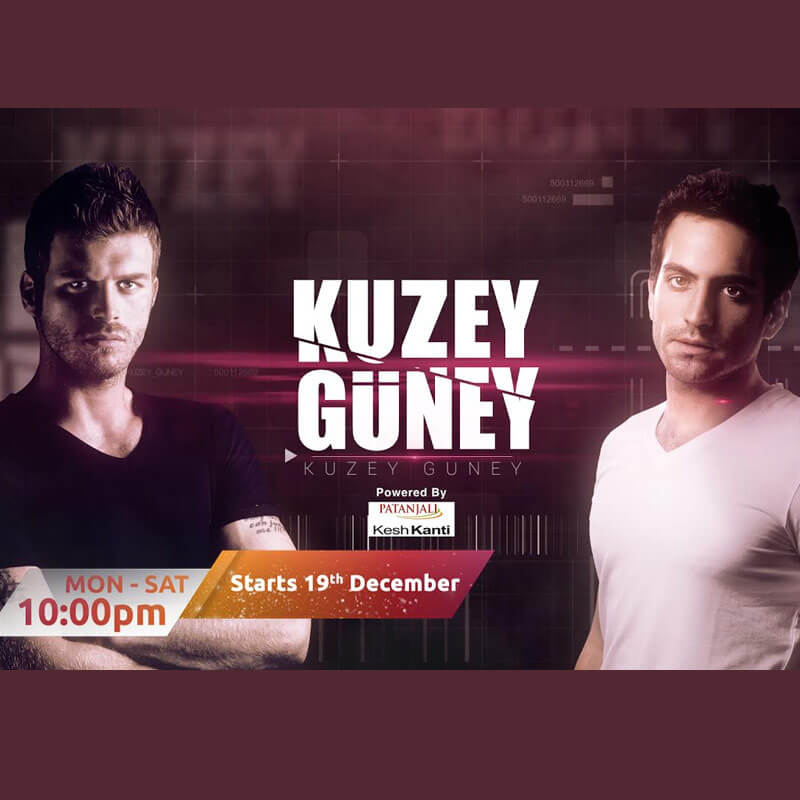
    Zee has got the rights to broadcast several hit Turkish dramas as well as the blockbuster Ukrainian series, Snowdrop, that has launched on Zindagi on 16 January at 9pm.

    The first Ukrainian series to be broadcast in India, ‘Snowdrop’ is made by Front Cinema Production and will air Monday- Saturday at 9pm. Snowdrop is based on the original format Ice Adonis, from Korean producers CJ E&M, and follows the story of two step-sisters divided by love and business interests.

    Commenting on ZEE’s association with Eccho Rights, Zee Entertainment Enterprises Ltd. (ZEEL) chief business officer Sunil Buch said, “We have associated with Eccho Rights with an objective of bringing the best stories from across the globe to our viewers on Zindagi. Eccho Rights is a leading distributor of some of the best content from across Asia, Latin America, Europe and Turkey. This association has aided us in fulfilling our promise to provide handpicked stories with differentiated, finite and realistic content and become the only Indian television channel to provide a truly global viewing experience.”

    “Turkish drama has been flourishing on Indian Television and we expect this latest package of series to follow suit. What sets this deal apart however, is the inclusion of Snowdrop. It demonstrates the thirst for great television from all over the world and we are so happy to be involved at a time when Ukrainian TV in particular is getting a lot of well-deserved attention,” says Eccho Rights Asia Pacific head Nixon Yau Lim.

  • Zee signs four TV-series deal with Eccho Rights

    Zee signs four TV-series deal with Eccho Rights

    MUMBAI: Zee Entertainment Enterprises Ltd. (ZEEL) has signed a deal for four blockbuster television series with the international content distributor, Eccho Rights.

    Zee has got the rights to broadcast several hit Turkish dramas as well as the blockbuster Ukrainian series, Snowdrop, that has launched on Zindagi on 16 January at 9pm.

    The first Ukrainian series to be broadcast in India, ‘Snowdrop’ is made by Front Cinema Production and will air Monday- Saturday at 9pm. Snowdrop is based on the original format Ice Adonis, from Korean producers CJ E&M, and follows the story of two step-sisters divided by love and business interests.

    Commenting on ZEE’s association with Eccho Rights, Zee Entertainment Enterprises Ltd. (ZEEL) chief business officer Sunil Buch said, “We have associated with Eccho Rights with an objective of bringing the best stories from across the globe to our viewers on Zindagi. Eccho Rights is a leading distributor of some of the best content from across Asia, Latin America, Europe and Turkey. This association has aided us in fulfilling our promise to provide handpicked stories with differentiated, finite and realistic content and become the only Indian television channel to provide a truly global viewing experience.”

    “Turkish drama has been flourishing on Indian Television and we expect this latest package of series to follow suit. What sets this deal apart however, is the inclusion of Snowdrop. It demonstrates the thirst for great television from all over the world and we are so happy to be involved at a time when Ukrainian TV in particular is getting a lot of well-deserved attention,” says Eccho Rights Asia Pacific head Nixon Yau Lim.

  • Sports TV 2016: Digital explosion, player consolidation & confusion

    Sports TV 2016: Digital explosion, player consolidation & confusion

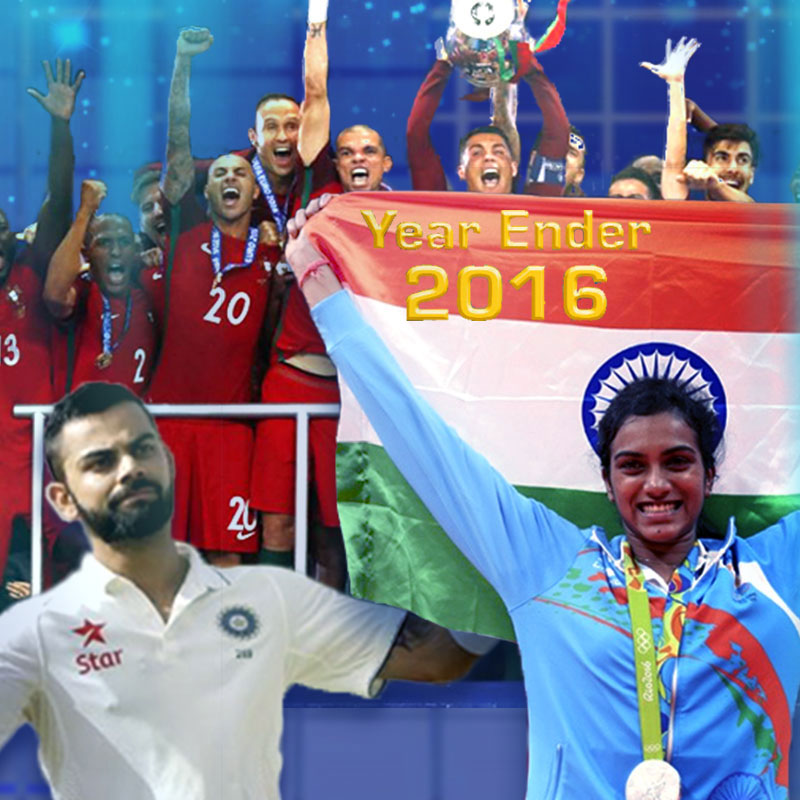
    2016 was a roller-coaster for Indian sports in the truest sense. It was akin to a Bollywood pot-boiler of the country’s sportspersons bringing cheer and applause in various disciplines, including Rio Olympics, to melodrama and suspense of wrestler Narsingh Yadav’s doping issue and whether he or Sushil would represent India to superb action on and off the field (off the field ones involving mostly our politician-administrators and their disdain for rules of the games) to romance to multiple climaxes in a game-changing year that could well herald Indian sports broadcasting becoming a two-horse show with digital media piggy-back riding sports in general.

    The year began on a strong note with Sony Pictures Network India (SPNI) joining hands with majority Walt Disney-owned ESPN to launch two new English channels, Sony ESPN and Sony ESPN HD. The channels started broadcasting on 17 January 2016 with the Australian Open and going on to telecast several high profile and popular sporting events, both Indian and international, throughout the year. The co-branded Sony-ESPN channels replaced Sony KIX.

    Sony’s bouquet of sports channels (Sony Six, Sony Six HD, Sony ESPN and Sony ESPN HD) also broadcast the Euro Cup, one of the hottest sporting properties and the second most followed event in the football fraternity after the World Cup. The numbers were good with a league phase match between Italy and Spain garnering as much as 1.7 million impressions on BARC ratings. A quarter-final match between Poland and Portugal, the eventual winners, managed 290,000 impressions. The whole tournament totted up a cumulative TV audience of 62.7 million viewers . The final between Portugal and France witnessed 12.4 million Indian viewers, reaching a peak between 1:00 AM to 1:30 AM on 11 July 2016 with 7.4 million viewers. Kolkata notched up the highest percentage (19.3 per cent) of total viewership followed by Mumbai, Bangalore, Delhi and Aizwal.

    For SPNI, which promoted the event extensively and started selling ad inventory six months before the tournament began at a fairly high rate (Rs 250,000 for a 10-second spot) , it was a positive sign for the future of football broadcasts in the Indian market as such rates were unheard of three to four years ago. That Sony was building up to a climax became clear later in the year.

    Setting rest to speculations, Sony Pictures Networks announced on 31 August 2016 that it had entered into definitive agreement with Zee Entertainment Enterprises Ltd (ZEEL) to acquire the Ten Sports network in a deal worth $385 million. Owned by Taj Television, the distribution arm of ZEEL,TEN Sports operated five channels— TEN 1, TEN 2, TEN 3, TEN Golf HD and TEN 1 HD.

    As and when the acquisition is completed— it is subject to regulatory approvals — SPNI’s bouquet of sports channels will be the biggest in India, heralding not only consolidation in a fragmented sports market, but also making the Indian sports broadcast realm a two-horse race (Star India on one side and Sony-ESPN combine on the other) as Nimbus Sports with two channels and few premier events rights (French Open for one) remains a comparatively small player.

    The other big gun in the sports arena, Star India added more channels to its sports-channel stable with the mid-July launch of Star Sports Select HD 1 and Select HD 2. The channels will not only widen the Star Sports bouquet, but would also add marketing fire-power to Star India as the new channels were launched to exclusively offer Premier League, Bundesliga, Tennis Grand Slams and Formula 1. What makes the sports scene exciting is that Star India has sunk not only billions of dollars in acquiring strong sporting properties, including rights of Indian cricket, but is also building new properties like India Soccer League and Pro-Kabaddi for both men and women.

    But cricket ruled the Indian hearts of Indian fans keeping them on tenterhooks for on and off the field activities. The most successful Indian league, the Indian Premier League or IPL, despite criticism revolving around it becoming stale, continued to rule the waves with addition of two new teams and Vivo coming on board as the title sponsor in a deal estimated to be worth Rs. 2 billion or Rs. 200 crore, marking a 25 per cent increase in what PepsiCo paid earlier for a five-year deal.

    According to a few media reports, IPL earned close to Rs 2,500 crore or Rs. 250 billion in revenues, which included TV and digital rights, teams’ sponsorships, ticket sales and merchandising. On social media too, IPL made just the right amount of noise, but it lagged behind last season’s buzz, according to media firm Maxus’ MESH report on the IPL. Overall, IPL2016 generated 3.1 million mentions throughout the tournament in 2016. While IPL 2016 lagged behind in mentions throughout the tournament as against IPL2015, the final week of this season saw a jump of 74 per cent in conversations.

    On the TV platform, IPL continued setting new trends. 54 per cent of the total Indian audience remained glued to the event on pay television. Mumbai, Delhi, Bengaluru, Kolkata and Hyderabad were the best markets in terms of TV viewing, cumulatively reaching 361 million people. The final, played between Sunsrisers Hyderabad and Royal Challengers Bangalore, was the most viewed match of the season; getting about 44.68 million impressions. Summed across the five channels over five weeks, the total viewership stood at 1.02 billion BARC impressions, one of the highest-ever in Indian television history.

    Year 2016 also saw the rise of `other alternative’ sports or those disciplines that can be kept in a tray where non-cricket and non-tennis games are kept. Pro-Kabaddi League came up with two editions this year. The first edition of the league saw a rise of 36 percent in terms of TV viewership compared to last year. The event was beamed on five channels – Star Gold, Star Sports 2 and 3, Plus Suvarna and Maa Movies, apart from the digital platform of Hotstar, which also saw a 33 percent growth in terms of ‘total minutes viewed’ over the first 11 days of Season 3.

    The fourth season of the Pro-Kabaddi League or PKL also happened in 2016. The ratings showed a growth pattern, making PKL one of the prime sporting properties in the Indian market. Star Sports said that the league had seen a cumulative growth of 51 per cent, regularly posting 10 million average impressions that were about 2.3 times higher than last year, turning a rural sport into a cult hit. Time for Bharat to take a bow!

    A fairly good show by the likes of pro boxing matches featuring India’s Vijender Singh, Indian Badminton League, ISL and Pro Wrestling League convinced sportspersons, event managers and advertisers that if properly packaged non-cricket sports too can attract viewership, audiences in stadia and generate revenues for all stakeholders.

    The year also witnessed the rise of the digital platform, in general, and marketing tactics by them to further increase penetration riding on the craze for popular sports in India. For example, Hotstar bought the digital rights of IPL last year to push its boundaries. While 35 million people had watched the IPL play-offs in the 2015 season, the numbers swelled remarkably in 2016 reaching 80 million. It would be quite safe to predict that there were a billion views on the digital platform this season for sporting events.

    Throughout the year, Hotstar’s premium services saw a huge drive to add new members. The registration was kept fairly simple and all major football leagues in Europe and Germany were broadcast on the digital platform. Cricket ODI matches and Tests on Star Sports were broadcast with an average delay of about five minutes, which garnered a lot of traction and spurred downloads of the app.

    With Sony LIV giving good competition with El Clasico and other events, it seems popular sports can actually drive the growth of digital platforms, especially subscription-based OTT services. The total watch time on OTT platforms in 2016 went up by 60 percent, driven also by the fact newcomer Reliance Jio started giving away the Hotstar app free to its subscribers.

    Proliferation of HD services too (mostly separately and differently priced for consumers), like OTT platforms, joined the gravy train trying to entice viewers through sporting events. For example, Indian fans of the English Premier League were in for a surprise when Star Sports announced that Indians will not be able to watch the matches beyond 31 October 2016; they would have to perforce sign up for the Star Sports HD channel package, which included Star Sports Select HD1 and HD2.

    With the arrival of Paul Pogba and Zlatan Ibrahimovic as players with huge fan-bases and forever-at-loggerheads managers Jose Mourinho and Pep Guardiola, Star knew the Indian following would not diminish — and they were not disappointed. If a consumer subscribed to all the sports channels in HD on a DTH platform, the package would cost approximately Rs. 700 per month. Many ardent non-cricket fans chose the high ticket option, while the remaining moved over to the digital platform as a significant number of live sports events were watched on Hotstar where the premium service cost Rs199 per month.

    However, one of the many climaxes, which added to the roller-coaster ride of sports broadcasting in India, involved the sports administrators. BCCI’s continuing face-off with the Supreme Court-mandated Lodha Committee recommendations on proposed clean-up of cricket — buffeted by allegations of match-fixing, conflicts of interests and brazen politicking — could pose a question mark on cricket matches organised by BCCI and their eventual telecasts.

    A shadow has even been cast over the 10th edition of IPL too. If the BCCI and Supreme Court don’t come to an amicable solution on former’s defiance and the latter’s hardening of stance, IPL future could be hazy having cascading effects on issues like broadcast rights and on some stakeholders like SPNI, Star India and team franchises who all have sunk in billions of Indian rupees in the juggernaut called IPL and India cricket.

    The year may have come to an end, but sports promises to continue providing more excitement. As they say, the match ain’t over till it is over.
  • Sports TV 2016: Digital explosion, player consolidation & confusion

    Sports TV 2016: Digital explosion, player consolidation & confusion

    2016 was a roller-coaster for Indian sports in the truest sense. It was akin to a Bollywood pot-boiler of the country’s sportspersons bringing cheer and applause in various disciplines, including Rio Olympics, to melodrama and suspense of wrestler Narsingh Yadav’s doping issue and whether he or Sushil would represent India to superb action on and off the field (off the field ones involving mostly our politician-administrators and their disdain for rules of the games) to romance to multiple climaxes in a game-changing year that could well herald Indian sports broadcasting becoming a two-horse show with digital media piggy-back riding sports in general.

    The year began on a strong note with Sony Pictures Network India (SPNI) joining hands with majority Walt Disney-owned ESPN to launch two new English channels, Sony ESPN and Sony ESPN HD. The channels started broadcasting on 17 January 2016 with the Australian Open and going on to telecast several high profile and popular sporting events, both Indian and international, throughout the year. The co-branded Sony-ESPN channels replaced Sony KIX.

    Sony’s bouquet of sports channels (Sony Six, Sony Six HD, Sony ESPN and Sony ESPN HD) also broadcast the Euro Cup, one of the hottest sporting properties and the second most followed event in the football fraternity after the World Cup. The numbers were good with a league phase match between Italy and Spain garnering as much as 1.7 million impressions on BARC ratings. A quarter-final match between Poland and Portugal, the eventual winners, managed 290,000 impressions. The whole tournament totted up a cumulative TV audience of 62.7 million viewers . The final between Portugal and France witnessed 12.4 million Indian viewers, reaching a peak between 1:00 AM to 1:30 AM on 11 July 2016 with 7.4 million viewers. Kolkata notched up the highest percentage (19.3 per cent) of total viewership followed by Mumbai, Bangalore, Delhi and Aizwal.

    For SPNI, which promoted the event extensively and started selling ad inventory six months before the tournament began at a fairly high rate (Rs 250,000 for a 10-second spot) , it was a positive sign for the future of football broadcasts in the Indian market as such rates were unheard of three to four years ago. That Sony was building up to a climax became clear later in the year.

    Setting rest to speculations, Sony Pictures Networks announced on 31 August 2016 that it had entered into definitive agreement with Zee Entertainment Enterprises Ltd (ZEEL) to acquire the Ten Sports network in a deal worth $385 million. Owned by Taj Television, the distribution arm of ZEEL,TEN Sports operated five channels— TEN 1, TEN 2, TEN 3, TEN Golf HD and TEN 1 HD.

    As and when the acquisition is completed— it is subject to regulatory approvals — SPNI’s bouquet of sports channels will be the biggest in India, heralding not only consolidation in a fragmented sports market, but also making the Indian sports broadcast realm a two-horse race (Star India on one side and Sony-ESPN combine on the other) as Nimbus Sports with two channels and few premier events rights (French Open for one) remains a comparatively small player.

    The other big gun in the sports arena, Star India added more channels to its sports-channel stable with the mid-July launch of Star Sports Select HD 1 and Select HD 2. The channels will not only widen the Star Sports bouquet, but would also add marketing fire-power to Star India as the new channels were launched to exclusively offer Premier League, Bundesliga, Tennis Grand Slams and Formula 1. What makes the sports scene exciting is that Star India has sunk not only billions of dollars in acquiring strong sporting properties, including rights of Indian cricket, but is also building new properties like India Soccer League and Pro-Kabaddi for both men and women.

    But cricket ruled the Indian hearts of Indian fans keeping them on tenterhooks for on and off the field activities. The most successful Indian league, the Indian Premier League or IPL, despite criticism revolving around it becoming stale, continued to rule the waves with addition of two new teams and Vivo coming on board as the title sponsor in a deal estimated to be worth Rs. 2 billion or Rs. 200 crore, marking a 25 per cent increase in what PepsiCo paid earlier for a five-year deal.

    According to a few media reports, IPL earned close to Rs 2,500 crore or Rs. 250 billion in revenues, which included TV and digital rights, teams’ sponsorships, ticket sales and merchandising. On social media too, IPL made just the right amount of noise, but it lagged behind last season’s buzz, according to media firm Maxus’ MESH report on the IPL. Overall, IPL2016 generated 3.1 million mentions throughout the tournament in 2016. While IPL 2016 lagged behind in mentions throughout the tournament as against IPL2015, the final week of this season saw a jump of 74 per cent in conversations.

    On the TV platform, IPL continued setting new trends. 54 per cent of the total Indian audience remained glued to the event on pay television. Mumbai, Delhi, Bengaluru, Kolkata and Hyderabad were the best markets in terms of TV viewing, cumulatively reaching 361 million people. The final, played between Sunsrisers Hyderabad and Royal Challengers Bangalore, was the most viewed match of the season; getting about 44.68 million impressions. Summed across the five channels over five weeks, the total viewership stood at 1.02 billion BARC impressions, one of the highest-ever in Indian television history.

    Year 2016 also saw the rise of `other alternative’ sports or those disciplines that can be kept in a tray where non-cricket and non-tennis games are kept. Pro-Kabaddi League came up with two editions this year. The first edition of the league saw a rise of 36 percent in terms of TV viewership compared to last year. The event was beamed on five channels – Star Gold, Star Sports 2 and 3, Plus Suvarna and Maa Movies, apart from the digital platform of Hotstar, which also saw a 33 percent growth in terms of ‘total minutes viewed’ over the first 11 days of Season 3.

    The fourth season of the Pro-Kabaddi League or PKL also happened in 2016. The ratings showed a growth pattern, making PKL one of the prime sporting properties in the Indian market. Star Sports said that the league had seen a cumulative growth of 51 per cent, regularly posting 10 million average impressions that were about 2.3 times higher than last year, turning a rural sport into a cult hit. Time for Bharat to take a bow!

    A fairly good show by the likes of pro boxing matches featuring India’s Vijender Singh, Indian Badminton League, ISL and Pro Wrestling League convinced sportspersons, event managers and advertisers that if properly packaged non-cricket sports too can attract viewership, audiences in stadia and generate revenues for all stakeholders.

    The year also witnessed the rise of the digital platform, in general, and marketing tactics by them to further increase penetration riding on the craze for popular sports in India. For example, Hotstar bought the digital rights of IPL last year to push its boundaries. While 35 million people had watched the IPL play-offs in the 2015 season, the numbers swelled remarkably in 2016 reaching 80 million. It would be quite safe to predict that there were a billion views on the digital platform this season for sporting events.

    Throughout the year, Hotstar’s premium services saw a huge drive to add new members. The registration was kept fairly simple and all major football leagues in Europe and Germany were broadcast on the digital platform. Cricket ODI matches and Tests on Star Sports were broadcast with an average delay of about five minutes, which garnered a lot of traction and spurred downloads of the app.

    With Sony LIV giving good competition with El Clasico and other events, it seems popular sports can actually drive the growth of digital platforms, especially subscription-based OTT services. The total watch time on OTT platforms in 2016 went up by 60 percent, driven also by the fact newcomer Reliance Jio started giving away the Hotstar app free to its subscribers.

    Proliferation of HD services too (mostly separately and differently priced for consumers), like OTT platforms, joined the gravy train trying to entice viewers through sporting events. For example, Indian fans of the English Premier League were in for a surprise when Star Sports announced that Indians will not be able to watch the matches beyond 31 October 2016; they would have to perforce sign up for the Star Sports HD channel package, which included Star Sports Select HD1 and HD2.

    With the arrival of Paul Pogba and Zlatan Ibrahimovic as players with huge fan-bases and forever-at-loggerheads managers Jose Mourinho and Pep Guardiola, Star knew the Indian following would not diminish — and they were not disappointed. If a consumer subscribed to all the sports channels in HD on a DTH platform, the package would cost approximately Rs. 700 per month. Many ardent non-cricket fans chose the high ticket option, while the remaining moved over to the digital platform as a significant number of live sports events were watched on Hotstar where the premium service cost Rs199 per month.

    However, one of the many climaxes, which added to the roller-coaster ride of sports broadcasting in India, involved the sports administrators. BCCI’s continuing face-off with the Supreme Court-mandated Lodha Committee recommendations on proposed clean-up of cricket — buffeted by allegations of match-fixing, conflicts of interests and brazen politicking — could pose a question mark on cricket matches organised by BCCI and their eventual telecasts.

    A shadow has even been cast over the 10th edition of IPL too. If the BCCI and Supreme Court don’t come to an amicable solution on former’s defiance and the latter’s hardening of stance, IPL future could be hazy having cascading effects on issues like broadcast rights and on some stakeholders like SPNI, Star India and team franchises who all have sunk in billions of Indian rupees in the juggernaut called IPL and India cricket.

    The year may have come to an end, but sports promises to continue providing more excitement. As they say, the match ain’t over till it is over.
  • Komal Nahta to host Zee chat show

    Komal Nahta to host Zee chat show

    MUMBAI: Taking storytelling beyond boundaries, leading content conglomerate, Zee Entertainment Enterprises Limited (ZEEL) has created yet another milestone with the launch of its new celebrity chat show ‘Starry Nights’, exclusively for international territories. Hosted by top trade analyst, Komal Nahta, the show promises to reveal his fun and witty side as he indulges in heart-warming and hilarious conversations with Bollywood celebrities.

    Produced in-house, Starry Nights premieres on ZEE’s international channels starting the first week of January 2017.

    ZEEL international broadcast business CEO Amit Goenka said, “With a presence in 171 countries and content available in 9 foreign languages, ZEE has emerged as a truly world-scale player, offering rich, innovative and engaging content to a wide cross-section of audiences. Bollywood’s popularity is growing across continents and with Starry Nights, it will be the first time that a celeb chat show of this stature has been produced. Featuring the best of Bollywood, the show aims to reach over 332 million viewers across all international territories.”

    Speaking on his association, host and popular trade analyst Komal Nahta said, “I was thrilled at the offer to host Starry Nights as it was outside my comfort zone. All these years I have spoken of box-office collections but this show has given me an opportunity to be associated with the glamour instead of the grind.”

    Sharing further details on the new property, ZEEL president – content & strategy, international business Rajeev Kheror said, “Starry Nights is about the journey of our favorite film celebrities. It is different from other chat shows where celebs talk about their films and latest releases. Here we come closer to the individual personality of the celebrity, their true character and their desires. The 40 episode series will feature the best of the industry, including global superstars like Aamir Khan, Karan Johar, Hrithik Roshan, Anushka Sharma, Kangana Ranaut, Alia Bhatt, Anil Kapoor, Sushant Singh Rajput, Vidya Balan and Manish Malhotra among others. While the show has been shot in English, to reach local audiences across the globe, it will be dubbed or sub-titled in several languages including German, Spanish and Arabic.”

    ‘Starry Nights’ has been conceptualised and produced by Zee International programming head Fatema Contractor. Speaking on the concept, she said “We are honored to be creating a celeb chat show at a global level in association with Komal Nahta. Starry Nights manages to go beyond the reel and reveal the real side of celebrities.”

    The starry line-up of guests includes Arjun Kapoor, Sonam Kapoor, Farah Khan, Aditya Roy Kapoor, Shraddha Kapoor, Zoya Akhtar, Imtiaz Ali, Tiger Shroff and many more. So get ready to witness the perfect blend of comedy, drama, romance and admiration with your favorite Bollywood stars on the couch.

    Starry Nights launches worldwide in the 1st week of January 2017. To catch your favourite celebs, tune in to:

    · Zee Cinema (US) every Friday @ 1930

    · Zing (US) every Sunday @ 1930

    · Zee Bollywood every Saturday @ 1930

    · Zee TV (US) every Sunday @ 1800

    · Zee TV (Canada) every Saturday @ 1800

    · Zee TV (Caribbean) every Sunday @ 1730

    · Zee TV (APAC) every Saturday @ 1830

    · Zee TV (Africa) every Sunday @ 1530

    · Zing (Europe) every Sunday @ 1930

    Zee Entertainment is amongst the largest producers and aggregators of Hindi programming in the world, with an extensive library housing over 222,000 hours of television content. With rights to more than 3,818 movie titles from foremost studios and of iconic film stars, Zee entertains over a billion viewers across 171 countries.