Tag: Zee

  • Pak bans Indian TV content, films from being screened

    Pak bans Indian TV content, films from being screened

    NEW DELHI: Even as Pakistani theatres decided not to show Indian films in the wake of the current tensions between the two countries, that country’s media regulator has asked all channels in the country to “immediately” stop broadcast of illegal Indian content amid theongoing tension between the two nations.

    Pakistan Electronic Media Regulatory Authority (PEMRA) in a statement said it has been receiving complaints that several local private channels were showing Indian talk shows, reality programmes and dramas without permission.

    “The complaints have shown serious concerns on this issue (illegal Indian content) in the wake of current situation between India and Pakistan. Complainants have urged PEMRA to impose immediate ban on broadcast and distribution of illegal Indian channels and illegal Indian DTH,” PEMRA said in a statement.

    PEMRA said that it had already taken steps to stop illegal broadcast of Indian channels and warned that all distribution networks and TV channels should follow the laws and “immediately” stop the broadcasting of Indian contents.

    “This will send a positive signal to the public about the satellite TV channels and distribution networks’ commitment with rule of law and the country – about which a huge number of talk shows preach daily,” it said.

    According to PEMRA rules, local channels can only show five per cent foreign content but it has been seen that several channels mostly rely on foreign contents, mostly Indian, Turkish, American and European.

    Interestingly, the only Indian general entertainment channel which was showing Pakistani content, Zee’s Zindagi, has also decided to stop such broadcasts from 2 October.

    Last week, Raj Thackeray-led MNS issued an ultimatum to Pakistani artistes and actors, including Fawad Khan and Ali Zafar, to leave India by 25 September or else they would be “pushed out”. Concerts of Pakistani singers Shafqat Amanat Ali and Atif Aslam scheduled in Bengaluru and Gurgaon, respectively, were also cancelled.

    And though actor Salman Khan backed Pakistan artistes following the ban on them by the Indian Motion Pictures Producers Association, Pakistani cinemas have stopped screening Indian films in “solidarity” with the country’s armed forces.

    “We have stopped screening Indian movies at our cinemas from Friday till the situation improves and normalcy returns,” said Nadeem Mandviwalla, whose Mandviwalla Entertainment runs eight cinemas in Karachi and the capital, Islamabad, according to a report in a New York-based Indian newspaper. Indian films had been popular both at the cinema and on pirated DVDs in Pakistan.

    Pakistan’s domestic film industry has seen a revival in recent years, but is dwarfed by India’s Bollywood. Pakistani actors have increasingly been appearing in big budget Bollywood films in the last few years.

    Super Cinemas General Manager Khurram Gultasab confirmed his group would also not be screening Indian films. He said the move had been made by cinema owners themselves, rather than on government directions. The group runs ten cinemas in cities across Pakistan’s Punjab province.

    Other Pakistani cinemas posted on social media saying they would not be showing Indian films after Thursday’s violence.

  • Pak bans Indian TV content, films from being screened

    Pak bans Indian TV content, films from being screened

    NEW DELHI: Even as Pakistani theatres decided not to show Indian films in the wake of the current tensions between the two countries, that country’s media regulator has asked all channels in the country to “immediately” stop broadcast of illegal Indian content amid theongoing tension between the two nations.

    Pakistan Electronic Media Regulatory Authority (PEMRA) in a statement said it has been receiving complaints that several local private channels were showing Indian talk shows, reality programmes and dramas without permission.

    “The complaints have shown serious concerns on this issue (illegal Indian content) in the wake of current situation between India and Pakistan. Complainants have urged PEMRA to impose immediate ban on broadcast and distribution of illegal Indian channels and illegal Indian DTH,” PEMRA said in a statement.

    PEMRA said that it had already taken steps to stop illegal broadcast of Indian channels and warned that all distribution networks and TV channels should follow the laws and “immediately” stop the broadcasting of Indian contents.

    “This will send a positive signal to the public about the satellite TV channels and distribution networks’ commitment with rule of law and the country – about which a huge number of talk shows preach daily,” it said.

    According to PEMRA rules, local channels can only show five per cent foreign content but it has been seen that several channels mostly rely on foreign contents, mostly Indian, Turkish, American and European.

    Interestingly, the only Indian general entertainment channel which was showing Pakistani content, Zee’s Zindagi, has also decided to stop such broadcasts from 2 October.

    Last week, Raj Thackeray-led MNS issued an ultimatum to Pakistani artistes and actors, including Fawad Khan and Ali Zafar, to leave India by 25 September or else they would be “pushed out”. Concerts of Pakistani singers Shafqat Amanat Ali and Atif Aslam scheduled in Bengaluru and Gurgaon, respectively, were also cancelled.

    And though actor Salman Khan backed Pakistan artistes following the ban on them by the Indian Motion Pictures Producers Association, Pakistani cinemas have stopped screening Indian films in “solidarity” with the country’s armed forces.

    “We have stopped screening Indian movies at our cinemas from Friday till the situation improves and normalcy returns,” said Nadeem Mandviwalla, whose Mandviwalla Entertainment runs eight cinemas in Karachi and the capital, Islamabad, according to a report in a New York-based Indian newspaper. Indian films had been popular both at the cinema and on pirated DVDs in Pakistan.

    Pakistan’s domestic film industry has seen a revival in recent years, but is dwarfed by India’s Bollywood. Pakistani actors have increasingly been appearing in big budget Bollywood films in the last few years.

    Super Cinemas General Manager Khurram Gultasab confirmed his group would also not be screening Indian films. He said the move had been made by cinema owners themselves, rather than on government directions. The group runs ten cinemas in cities across Pakistan’s Punjab province.

    Other Pakistani cinemas posted on social media saying they would not be showing Indian films after Thursday’s violence.

  • Uri reaction: Zee considers dropping Pak shows from Zindagi

    Uri reaction: Zee considers dropping Pak shows from Zindagi

    MUMBAI: It makes sense, nationalism-wise. But, does it make sense, business-wise? An unexpected yet ideal tweet by media baron Subhash Chandra has catalysed a hot debate whether film actors from a hostile country should be allowed to earn millions working in the Indian film industry. His tweet follows in the footsteps of a political party sloganeering that Pakistan artistes working in India had better look for greener pastures elsewhere.

    In his tweet, Chandra says, “Unfortunate stance of Mia Sharif at UN. Zee is considering stopping Zindagi programs from Pak, as well as artistes from there should leave.” Chandra’s reaction comes in the wake of a recent attack on the Indian forces by Pakistan-trained terrorists in Uri (Jammu and Kashmir) that left 18 army men dead. He is the chairman of India’s leading entertainment company as well as a member of the upper house of parliament, the Rajya Sabha.

    Chandra has all along been making attempts to act as a bridge between India and Pakistan by himself or through his media empire. He even had meetings with the Pakistan prime minister Nawaz Shariff around two years ago when he launched Zindagi. At that stage, his son as well as Zeel MD & CEO Punit Goenka had tweeted: “Jodey Dilon Ko: Chairman Sh Subhash Chandra in conversation with Pakistan PM NawazSharif at the launch of @ZeeZindagiTV”

    Zee Zindagi was positioned as a channel differentiated from the rest of the GECs as it offered a bunch of popular Pakistani TV shows which it had acquired from channels in the green flag nation. The purpose: give a ‘hungry for variety’ Indian audience a chance to engage with finite TV shows, shot with a focus on scripting and different dramatization.

    Some of the Pakistani artistes who rose to fame and got work in the film industry figure are: Fawad Khan, Mahira Khan, Ali Zafar, Imran Abbas, Atif Aslam, and Rahat Fateh Ali Khan.

    Zeel had earlier announced a revamp of the channel from 3 October and changed its slogan from ‘Jode Dilo ko’ to ‘Yeh Lamha Hi Hai Zindagi.’

    Earlier this year, Chandra had taken another step towards promoting Indo-Pak unity with an initiative called Zeal For Unity (ZFU). Through ZFU, ZEEL brought together 12 filmmakers, six each from India and Pakistan, and funded their one-hour shorts, which were showcased across platforms like film festivals, television, theatre and digital under the ZFU initiative.

    Questions that are being asked include whether Chandra will back his tweet with decisive action by pulling off all of Zindagi’s Pakistani content. Or, whether he was just posting his tweet at an emotional moment? Or, whether he had already decided to drop shows provided to it commercially by producers and broadcasters in the neighbouring state earlier, and was just latching on to the being-nationalistic opportunity.

    Other questions that are being raised include whether other media houses will follow suit? Will they yank Pakistani content and artistes off their programmes? Will they air trailers featuring them? One can only wait and watch how this unravels.

  • Uri reaction: Zee considers dropping Pak shows from Zindagi

    Uri reaction: Zee considers dropping Pak shows from Zindagi

    MUMBAI: It makes sense, nationalism-wise. But, does it make sense, business-wise? An unexpected yet ideal tweet by media baron Subhash Chandra has catalysed a hot debate whether film actors from a hostile country should be allowed to earn millions working in the Indian film industry. His tweet follows in the footsteps of a political party sloganeering that Pakistan artistes working in India had better look for greener pastures elsewhere.

    In his tweet, Chandra says, “Unfortunate stance of Mia Sharif at UN. Zee is considering stopping Zindagi programs from Pak, as well as artistes from there should leave.” Chandra’s reaction comes in the wake of a recent attack on the Indian forces by Pakistan-trained terrorists in Uri (Jammu and Kashmir) that left 18 army men dead. He is the chairman of India’s leading entertainment company as well as a member of the upper house of parliament, the Rajya Sabha.

    Chandra has all along been making attempts to act as a bridge between India and Pakistan by himself or through his media empire. He even had meetings with the Pakistan prime minister Nawaz Shariff around two years ago when he launched Zindagi. At that stage, his son as well as Zeel MD & CEO Punit Goenka had tweeted: “Jodey Dilon Ko: Chairman Sh Subhash Chandra in conversation with Pakistan PM NawazSharif at the launch of @ZeeZindagiTV”

    Zee Zindagi was positioned as a channel differentiated from the rest of the GECs as it offered a bunch of popular Pakistani TV shows which it had acquired from channels in the green flag nation. The purpose: give a ‘hungry for variety’ Indian audience a chance to engage with finite TV shows, shot with a focus on scripting and different dramatization.

    Some of the Pakistani artistes who rose to fame and got work in the film industry figure are: Fawad Khan, Mahira Khan, Ali Zafar, Imran Abbas, Atif Aslam, and Rahat Fateh Ali Khan.

    Zeel had earlier announced a revamp of the channel from 3 October and changed its slogan from ‘Jode Dilo ko’ to ‘Yeh Lamha Hi Hai Zindagi.’

    Earlier this year, Chandra had taken another step towards promoting Indo-Pak unity with an initiative called Zeal For Unity (ZFU). Through ZFU, ZEEL brought together 12 filmmakers, six each from India and Pakistan, and funded their one-hour shorts, which were showcased across platforms like film festivals, television, theatre and digital under the ZFU initiative.

    Questions that are being asked include whether Chandra will back his tweet with decisive action by pulling off all of Zindagi’s Pakistani content. Or, whether he was just posting his tweet at an emotional moment? Or, whether he had already decided to drop shows provided to it commercially by producers and broadcasters in the neighbouring state earlier, and was just latching on to the being-nationalistic opportunity.

    Other questions that are being raised include whether other media houses will follow suit? Will they yank Pakistani content and artistes off their programmes? Will they air trailers featuring them? One can only wait and watch how this unravels.

  • Brands realize value of digital: Liqvd Asia’s new creative head

    Brands realize value of digital: Liqvd Asia’s new creative head

    MUMBAI: Digital driven marketing communications agency Liqvd Asia has appointed Dharmesh Shah as the national creative director. Shah’s last stint was with FCB Ulka, where he spent close to 14 years.

    Commenting on the appointment, Liqvd Asia MD Arnab Mitra said, “Shah has an exceptional understanding of the creative process and has a genuine yearning to take on larger responsibilities and challenges”.

    Expressing his delight, Shah said, “I am ecstatic to be a part of a team that is so passionate about everything digital. I am looking forward to creating some stimulating work.”

    He further added, “The move from traditional to digital has been a natural one for me and now brands too are prioritizing their ad spends and realize the value digital communications adds to their marketing plans.”

    During his career, he has worked for brands such as ITC foods (all brands under Sunfeast) and their confectionery business, the entire portfolio of brands under Wipro Consumer Goods, Paragon, Levi’s, Amul, Tata Indicom, Tata Motors, Tata Consultancy Services, Zee, Tata Chemicals, Nerolac Paints, LIC and ICICI Bank among others.

    Shah has won several awards including: Best Language (other than English) Film for Minto Fresh(RAPA), Concerned Communicator Award by Rajasthan Patrika 2004- Ad for Literacy published in top 50 journal, CNBC TV 18 Autocar awards for the Best Car Commercial for Tata IndicaV2 Xeta (2007), Mint Wall Street Journal – Campaign of the month for Tata Indicom Unlimited Talktime film in 2007, Amul Probiotic Launch Campaign- Winning the International Dairy Federation best campaign at the World Dairy Summit (London). Some of the other campaigns under his name are Tata Indicom launch, Dark Fantasy and several Santoor TV commercials.

  • Brands realize value of digital: Liqvd Asia’s new creative head

    Brands realize value of digital: Liqvd Asia’s new creative head

    MUMBAI: Digital driven marketing communications agency Liqvd Asia has appointed Dharmesh Shah as the national creative director. Shah’s last stint was with FCB Ulka, where he spent close to 14 years.

    Commenting on the appointment, Liqvd Asia MD Arnab Mitra said, “Shah has an exceptional understanding of the creative process and has a genuine yearning to take on larger responsibilities and challenges”.

    Expressing his delight, Shah said, “I am ecstatic to be a part of a team that is so passionate about everything digital. I am looking forward to creating some stimulating work.”

    He further added, “The move from traditional to digital has been a natural one for me and now brands too are prioritizing their ad spends and realize the value digital communications adds to their marketing plans.”

    During his career, he has worked for brands such as ITC foods (all brands under Sunfeast) and their confectionery business, the entire portfolio of brands under Wipro Consumer Goods, Paragon, Levi’s, Amul, Tata Indicom, Tata Motors, Tata Consultancy Services, Zee, Tata Chemicals, Nerolac Paints, LIC and ICICI Bank among others.

    Shah has won several awards including: Best Language (other than English) Film for Minto Fresh(RAPA), Concerned Communicator Award by Rajasthan Patrika 2004- Ad for Literacy published in top 50 journal, CNBC TV 18 Autocar awards for the Best Car Commercial for Tata IndicaV2 Xeta (2007), Mint Wall Street Journal – Campaign of the month for Tata Indicom Unlimited Talktime film in 2007, Amul Probiotic Launch Campaign- Winning the International Dairy Federation best campaign at the World Dairy Summit (London). Some of the other campaigns under his name are Tata Indicom launch, Dark Fantasy and several Santoor TV commercials.

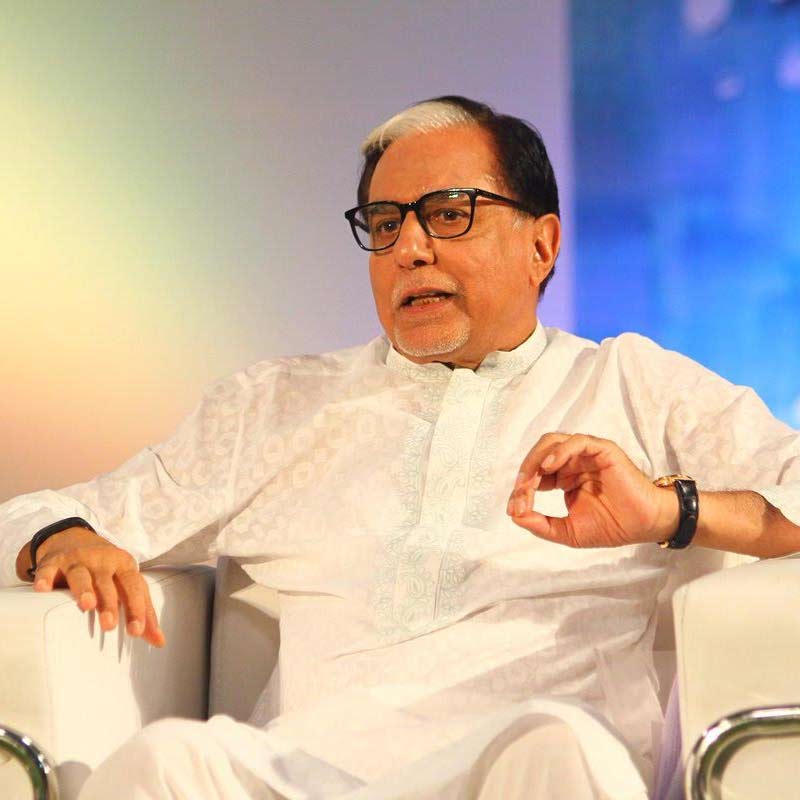
  • “TV ad rates will continue to be under pressure” – Ashish Bhasin

    “TV ad rates will continue to be under pressure” – Ashish Bhasin

    MUMBAI: From leading brands discussing the advertising fraternity’s readiness to deal with the digital onslaught to panel discussions after panel discussions dedicated to cracking the content code of the digital world in reputed conferences; the Indian media world is truly enamored with the word ‘digital.’ And rightly so, as the media has completely changed how the trade works in the sector.

    But little is being discussed on the specifics of digital media’s effect on television and its business. To put this into perspective and shed light upon the current realities of the television industry from a media executive’s point of view, indiantelevision.com reached out to Dentsu Aegis Network chairman and South Asia CEO Ashish Bhasin.

    In a free flowing conversation, Bhasin opens up on sophistication employed in a new age television plan with the help of data analysis, ad-rates discrepancies in India,  future of TV media from advertising perspective, and more.

    Excerpts:

    Does Big Data and interpreting it play a role in today’s TV plans?

    It is important to pay attention to Big Data and analyse it right. At Dentsu Aegis Network we have set up our own data stack, which is driving through econometric modelling. That team is using it…it is composed of a young team of statisticians and senior data analysts, economists, and technicians who are analysing and decoding the available data on behalf of our clients.

    For example, you can get 44 percent reach for a particular plan on television.  Now if you spend 10 percent extra on your budget, you probably can get 46 percent reach on the same plan. This 10 percent of budget spends for 2 percent of incremental reach isn’t viable for the client. Thats where the data team comes in, who have developed a software who figures out where is that wastage happening. They combine the television exposure and digital exposure and tells us here is the sweet spot for advertisers to spend that 10 percent on.

    The age old problem of advertising is that advertisers know 50 percent of their advertising works but don’t know which half. Our approach helps the advertisers to know to some extent which half works.

    Many fear that digital will eat into television’s ad revenues even as TV continues to grow. What are your thoughts on this?

    Well in the distant future, in theory, digital will eat into television’s market share because everything will become digital. It is already happening in the more mature western markets but in India that has a long way go because television penetration has some way to go. We are all seeing it still from a Mumbai-Delhi point of view but the growth is not going to come from these two metros, there is already 100 per cent penetration there. The growth will come from tier III tier IV rural towns.

    There it is a long way to go. Therefore for the next five to 10 years there is enough space for all media to grow. Even print, which is collapsing everywhere else in the world is still still growing in India because literary levels are growing. But we don’t doubt that digital will grow faster – at least we believe – than any other medium.

    Will the per unit realisation (valuation) of television go up?

    Per unit realisation is the function of the audiences you get. More your distribution, more your audience, more is the realisation. I don’t think it will go because there are contradictory factors acting. On the one side you are getting more audiences, on the other side, the time of these audiences is getting more fragmented. It is getting fragmented — within television, and also between television and digital.

    So, there will be a balancing factor. It won’t collapse like it has in many other parts of the world. It may go up but gradually because there will be the other factor of the fragmentation which will come into play. There will be the two paradoxical forces acting together.

    Compared to markets like US, Indian television ad rates are very low even after adjusting the purchasing power parity. Your comments?

    I think it is unfair to compare US national rates with Indian semi regional rates because they are operating on completely different bases. There are 300 million people in the US. Out of that the TV audience is about 150 million. Per person per secondage average if you compare the two, you will understand, there are two different bases you are operating from. It’s unfair to compare US national rates with Indian semi-national or regional programs. Because then what you should compare is the 0800 ads in Minnesota, Iowa. You see their rates, their rates are less than or equal to the rates in India, even though the ones there are in dollars. The Super Bowl, one refers to, is a dense packed audience nationally – it is a unique phenomenon.

    Could the IPL be that property in India?

    It probably could be, But the IPL has already peaked; it will not go beyond this. That’s why IPL is commanding the premium; one spot on IPL is so expensive. It is anywhere between Rs three to five lakh for a 10 second spot.  

    What trend do you notice in the current television advertising rates per spot?

    I feel that the pricing on television will further go down. Today, we are looking at 0.1 rated programs. There are hundreds of programs that rated 0.1 by BARC. Tomorrow, you will be having programs with e rated 0.05, hypothetically. An advertiser is ultimately paying for the eyeballs the show is getting. If that number will go down, suddenly the prices can’t go up right?

    It is true that some premier shows will command higher ratings, such as a cricket match etc. But I don’t see the ratings going up in general.

    An advertiser is only paying more money to get more audience. To an advertiser it does not matter whether the viewer is watching it on Zee, Sony, Star or Colors, he is interested in that my target audience, say a million people, where do I reach them? So, if the reach or number of people is going to get more and more fragmented, then the per spot rate is headed south. Overall the advertiser may end up spending more because he has to take that many more spots to reach the audience he wants, but the per spot rate realisation will not go up, it will come down.

    The problem with television is also that there is too much supply, too many channels, too much inventory. The TV industry had one chance to limit the supply when the TRAI asked them to limit ad time on TV to 12 minutes an hour. Limiting supply could have had to benefit of taking rates up. But the industry did not comply with this. Hence, now there has been a commodisation of television air time.

    Do you think we will need  TV broadcaster going forward?

    The reduction of dependency on a broadcaster is at least five to 10 years away in India, which is what I keep reminding people. We are at that sweet spot where everything is going to grow. While there will be a lot of digital pressure and digital will grow fast, actually if there were no other contradictory pressures, TV should have started collapsing. That will not happen because TV is growing.

    Doordarshan has started giving away its Free Dishes in the south now. They started this in the north earlier. With this the penetration of free to air channels is going to really rise. Hence the distribution increase is going to keep an inward positive upward pressure for TV coming up. Digital is going to put pressure on it to push it down. Therefore it will remain in balance for four to five years. Finally, digital will prevail. Once you more or less have penetrated India. You have more or less got everyone in. That stage, that will be tipping point when digital will take over.

    What will happen when Jio launches?

    Globally, if you see, smart phone penetration when it goes over one third, it’s the rule of thumb. That’s the inflection point in digital anywhere. In India we are probably at around 18-20 per cent. We are about 12-18 months away from that point. The moment smartphone penetration crosses 33 per cent, bandwidth gets available cheaper and cheaper. And you get good quality bandwidth. That inflection point is going to happen.

    How will that impact the advertising agency?

    Lines are blurring. There is no difference between media  or technology or content. There is only one solution. And the advertiser is looking at a comprehensive digital solution from his communications partner.

    What does a traditional client looking for digital solutions want from an agency these days?

    The client today doesn’t want generalists. He wants super specialists. If it is digital, he doesn’t want a normally media guy to handle it, he wants a digital specialist to handle its social media, a search specialist and then a display specialist.

    The clients today want the benefits of specialization but he does not want the hassles of silos. Fortunately or unfortunately, all the legacy agencies are constructed in silos. For a guy in a creative agency, it does not matter if the media goes to any other agency. Because they are all separate companies. Because of this they have not been able to provide a single solution under one umbrella.

    The reason we have been successful is that we are structured as one P&L. Everything from media in India reports into me – whether it is Carat or Isobar or iProspect or  Dentsu Creative or whatever. And that is our biggest strength because you can bring talent in, think around the client in one seamless way.  And almost all of the others have not focused on this.

    Your take on ad blockers?

    Ad blocking is a very tricky subject. As a consumer when I look at it, ad blockers are damn good because audiences don’t want an intrusion when they consume content. I think advertising businesses are to be blamed for getting the pushback from the consumers because people just went berserk with displays online. Consumers are not paying to see your advertising, they are paying for content. So if advertisers start intruding so much, there will be push back. And it will only go up unless we figure out some standardisation. The future of digital advertising is going to be opted.

    We see ad blocking in conjunction with bot fraud and click fraud, it will lead to a scenario where the media will collapse unless the cleaning up doesn’t happen.

    We have a large programmatic buying division. The biggest challenge they face is how do you that it’s a human being consuming the content on the other end. So ad blocking will continue to happen unless you have incentivized the consumer to opt it. Either by choice or by incentives. Privacy laws will get stronger, they are much stronger abroad than they are here.

     

  • “TV ad rates will continue to be under pressure” – Ashish Bhasin

    “TV ad rates will continue to be under pressure” – Ashish Bhasin

    MUMBAI: From leading brands discussing the advertising fraternity’s readiness to deal with the digital onslaught to panel discussions after panel discussions dedicated to cracking the content code of the digital world in reputed conferences; the Indian media world is truly enamored with the word ‘digital.’ And rightly so, as the media has completely changed how the trade works in the sector.

    But little is being discussed on the specifics of digital media’s effect on television and its business. To put this into perspective and shed light upon the current realities of the television industry from a media executive’s point of view, indiantelevision.com reached out to Dentsu Aegis Network chairman and South Asia CEO Ashish Bhasin.

    In a free flowing conversation, Bhasin opens up on sophistication employed in a new age television plan with the help of data analysis, ad-rates discrepancies in India,  future of TV media from advertising perspective, and more.

    Excerpts:

    Does Big Data and interpreting it play a role in today’s TV plans?

    It is important to pay attention to Big Data and analyse it right. At Dentsu Aegis Network we have set up our own data stack, which is driving through econometric modelling. That team is using it…it is composed of a young team of statisticians and senior data analysts, economists, and technicians who are analysing and decoding the available data on behalf of our clients.

    For example, you can get 44 percent reach for a particular plan on television.  Now if you spend 10 percent extra on your budget, you probably can get 46 percent reach on the same plan. This 10 percent of budget spends for 2 percent of incremental reach isn’t viable for the client. Thats where the data team comes in, who have developed a software who figures out where is that wastage happening. They combine the television exposure and digital exposure and tells us here is the sweet spot for advertisers to spend that 10 percent on.

    The age old problem of advertising is that advertisers know 50 percent of their advertising works but don’t know which half. Our approach helps the advertisers to know to some extent which half works.

    Many fear that digital will eat into television’s ad revenues even as TV continues to grow. What are your thoughts on this?

    Well in the distant future, in theory, digital will eat into television’s market share because everything will become digital. It is already happening in the more mature western markets but in India that has a long way go because television penetration has some way to go. We are all seeing it still from a Mumbai-Delhi point of view but the growth is not going to come from these two metros, there is already 100 per cent penetration there. The growth will come from tier III tier IV rural towns.

    There it is a long way to go. Therefore for the next five to 10 years there is enough space for all media to grow. Even print, which is collapsing everywhere else in the world is still still growing in India because literary levels are growing. But we don’t doubt that digital will grow faster – at least we believe – than any other medium.

    Will the per unit realisation (valuation) of television go up?

    Per unit realisation is the function of the audiences you get. More your distribution, more your audience, more is the realisation. I don’t think it will go because there are contradictory factors acting. On the one side you are getting more audiences, on the other side, the time of these audiences is getting more fragmented. It is getting fragmented — within television, and also between television and digital.

    So, there will be a balancing factor. It won’t collapse like it has in many other parts of the world. It may go up but gradually because there will be the other factor of the fragmentation which will come into play. There will be the two paradoxical forces acting together.

    Compared to markets like US, Indian television ad rates are very low even after adjusting the purchasing power parity. Your comments?

    I think it is unfair to compare US national rates with Indian semi regional rates because they are operating on completely different bases. There are 300 million people in the US. Out of that the TV audience is about 150 million. Per person per secondage average if you compare the two, you will understand, there are two different bases you are operating from. It’s unfair to compare US national rates with Indian semi-national or regional programs. Because then what you should compare is the 0800 ads in Minnesota, Iowa. You see their rates, their rates are less than or equal to the rates in India, even though the ones there are in dollars. The Super Bowl, one refers to, is a dense packed audience nationally – it is a unique phenomenon.

    Could the IPL be that property in India?

    It probably could be, But the IPL has already peaked; it will not go beyond this. That’s why IPL is commanding the premium; one spot on IPL is so expensive. It is anywhere between Rs three to five lakh for a 10 second spot.  

    What trend do you notice in the current television advertising rates per spot?

    I feel that the pricing on television will further go down. Today, we are looking at 0.1 rated programs. There are hundreds of programs that rated 0.1 by BARC. Tomorrow, you will be having programs with e rated 0.05, hypothetically. An advertiser is ultimately paying for the eyeballs the show is getting. If that number will go down, suddenly the prices can’t go up right?

    It is true that some premier shows will command higher ratings, such as a cricket match etc. But I don’t see the ratings going up in general.

    An advertiser is only paying more money to get more audience. To an advertiser it does not matter whether the viewer is watching it on Zee, Sony, Star or Colors, he is interested in that my target audience, say a million people, where do I reach them? So, if the reach or number of people is going to get more and more fragmented, then the per spot rate is headed south. Overall the advertiser may end up spending more because he has to take that many more spots to reach the audience he wants, but the per spot rate realisation will not go up, it will come down.

    The problem with television is also that there is too much supply, too many channels, too much inventory. The TV industry had one chance to limit the supply when the TRAI asked them to limit ad time on TV to 12 minutes an hour. Limiting supply could have had to benefit of taking rates up. But the industry did not comply with this. Hence, now there has been a commodisation of television air time.

    Do you think we will need  TV broadcaster going forward?

    The reduction of dependency on a broadcaster is at least five to 10 years away in India, which is what I keep reminding people. We are at that sweet spot where everything is going to grow. While there will be a lot of digital pressure and digital will grow fast, actually if there were no other contradictory pressures, TV should have started collapsing. That will not happen because TV is growing.

    Doordarshan has started giving away its Free Dishes in the south now. They started this in the north earlier. With this the penetration of free to air channels is going to really rise. Hence the distribution increase is going to keep an inward positive upward pressure for TV coming up. Digital is going to put pressure on it to push it down. Therefore it will remain in balance for four to five years. Finally, digital will prevail. Once you more or less have penetrated India. You have more or less got everyone in. That stage, that will be tipping point when digital will take over.

    What will happen when Jio launches?

    Globally, if you see, smart phone penetration when it goes over one third, it’s the rule of thumb. That’s the inflection point in digital anywhere. In India we are probably at around 18-20 per cent. We are about 12-18 months away from that point. The moment smartphone penetration crosses 33 per cent, bandwidth gets available cheaper and cheaper. And you get good quality bandwidth. That inflection point is going to happen.

    How will that impact the advertising agency?

    Lines are blurring. There is no difference between media  or technology or content. There is only one solution. And the advertiser is looking at a comprehensive digital solution from his communications partner.

    What does a traditional client looking for digital solutions want from an agency these days?

    The client today doesn’t want generalists. He wants super specialists. If it is digital, he doesn’t want a normally media guy to handle it, he wants a digital specialist to handle its social media, a search specialist and then a display specialist.

    The clients today want the benefits of specialization but he does not want the hassles of silos. Fortunately or unfortunately, all the legacy agencies are constructed in silos. For a guy in a creative agency, it does not matter if the media goes to any other agency. Because they are all separate companies. Because of this they have not been able to provide a single solution under one umbrella.

    The reason we have been successful is that we are structured as one P&L. Everything from media in India reports into me – whether it is Carat or Isobar or iProspect or  Dentsu Creative or whatever. And that is our biggest strength because you can bring talent in, think around the client in one seamless way.  And almost all of the others have not focused on this.

    Your take on ad blockers?

    Ad blocking is a very tricky subject. As a consumer when I look at it, ad blockers are damn good because audiences don’t want an intrusion when they consume content. I think advertising businesses are to be blamed for getting the pushback from the consumers because people just went berserk with displays online. Consumers are not paying to see your advertising, they are paying for content. So if advertisers start intruding so much, there will be push back. And it will only go up unless we figure out some standardisation. The future of digital advertising is going to be opted.

    We see ad blocking in conjunction with bot fraud and click fraud, it will lead to a scenario where the media will collapse unless the cleaning up doesn’t happen.

    We have a large programmatic buying division. The biggest challenge they face is how do you that it’s a human being consuming the content on the other end. So ad blocking will continue to happen unless you have incentivized the consumer to opt it. Either by choice or by incentives. Privacy laws will get stronger, they are much stronger abroad than they are here.
     

  • &TV’s new show ‘Tere Bin’ replaces ‘Meri Awaaz Hi Pechan Hai’ at 8pm time band

    &TV’s new show ‘Tere Bin’ replaces ‘Meri Awaaz Hi Pechan Hai’ at 8pm time band

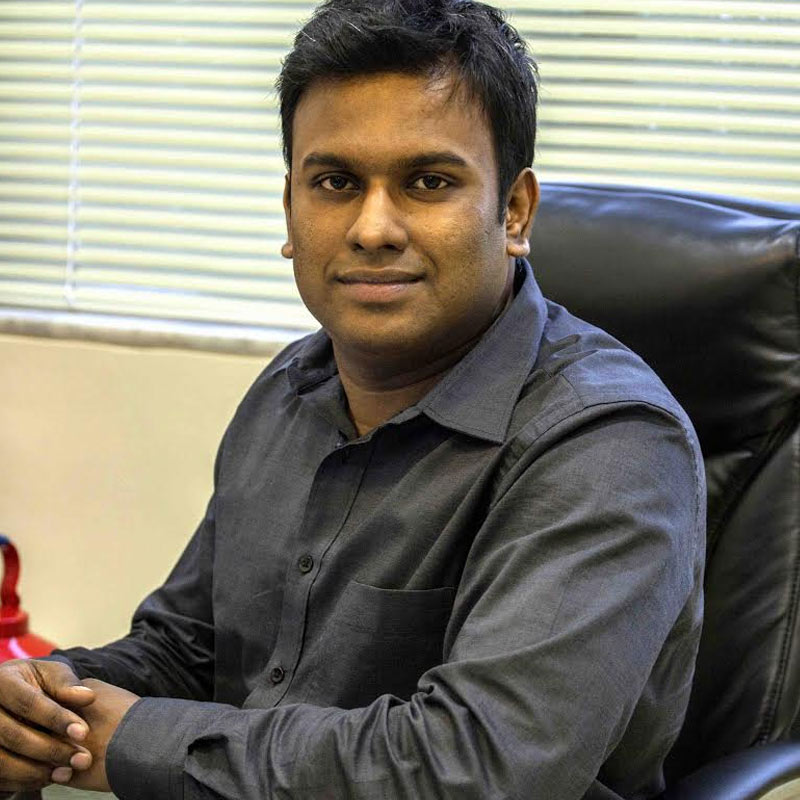
    MUMBAI: After launching new shows like Waaris, Life Ka Recharge and The Voice India, Zee Entertainment Enterprises Limited (ZEEL)’s other Hindi general entertainment channel (GEC) &TV is all set to launch a new show Tere Bin. Starting from 18 July, it will be aired from Monday – Friday at 8 pm.

    Produced by Shree Sidhivinayak Chitra, Tere Bin will replace the Nivedita Basu led House of Originals’ Meri Awaaz Hi Pechaan Hai at the primetime band. Launched on 7 March, 2016 the show is a finite series which marked the television debut of Bollywood actress Amrita Rao, who portrays the character of Kalyani, whereas Aditi Vasudev will be seen as her younger sister Ketaki will come to its logical end in July.

    The new show on &TV, is about a complex mature love story of two people. Tere Bin is based on love and separation. Gaurav Khanna and Shefali Sharma have been roped in as the lead actors of the show.

    &TV’s new offering Tere Bin will be pitched against Zee TV’s Tashan-e-ishq, Colors’ new offering Shakti- Astitva Ke Eshaas Ki, Star Plus’ mythological show Siya Ke Ram, Sony TV’s Sankatmochan Mahabali Hanuman, Life OK’s Bahu Hamari Rajnikant and Sab TV’s Bal Veer in the 8 pm time slot. &TV seems to be betting high with its new offering but only time will show how it will work for it.

  • &TV’s new show ‘Tere Bin’ replaces ‘Meri Awaaz Hi Pechan Hai’ at 8pm time band

    &TV’s new show ‘Tere Bin’ replaces ‘Meri Awaaz Hi Pechan Hai’ at 8pm time band

    MUMBAI: After launching new shows like Waaris, Life Ka Recharge and The Voice India, Zee Entertainment Enterprises Limited (ZEEL)’s other Hindi general entertainment channel (GEC) &TV is all set to launch a new show Tere Bin. Starting from 18 July, it will be aired from Monday – Friday at 8 pm.

    Produced by Shree Sidhivinayak Chitra, Tere Bin will replace the Nivedita Basu led House of Originals’ Meri Awaaz Hi Pechaan Hai at the primetime band. Launched on 7 March, 2016 the show is a finite series which marked the television debut of Bollywood actress Amrita Rao, who portrays the character of Kalyani, whereas Aditi Vasudev will be seen as her younger sister Ketaki will come to its logical end in July.

    The new show on &TV, is about a complex mature love story of two people. Tere Bin is based on love and separation. Gaurav Khanna and Shefali Sharma have been roped in as the lead actors of the show.

    &TV’s new offering Tere Bin will be pitched against Zee TV’s Tashan-e-ishq, Colors’ new offering Shakti- Astitva Ke Eshaas Ki, Star Plus’ mythological show Siya Ke Ram, Sony TV’s Sankatmochan Mahabali Hanuman, Life OK’s Bahu Hamari Rajnikant and Sab TV’s Bal Veer in the 8 pm time slot. &TV seems to be betting high with its new offering but only time will show how it will work for it.