Tag: Zee

  • Living Foodz to add Tamil feed in FY 18-19

    Living Foodz to add Tamil feed in FY 18-19

    MUMBAI: The flavours of regional India have not failed to touch food channels. In a bid to tap this market, Living Foodz plans to launch a Tamil feed in financial year 2018-19.

    Speaking to Indiantelevision.com, Living Foodz COO Shaurya Mehta said that the network, Living Network, was exploring feeds in southern languages. “There is strong potential for having a feed in Tamil. It will be around the coming financial year.”

    The channel was launched in September 2015 and garnered great traction in its opening week, topping the charts in the food and lifestyle space according to Broadcast Audience Research Council data. Even in the latest week 9 of 2018, Living Foodz has maintained its leadership with 1206 (000) impressions.

    When asked whether lifestyle channels should market themselves more in order to create a buzz around their programming, Mehta said that the question was about effectiveness. Speaking in relation to the network, he pointed out that the network undertook adequate representation. “What we do is adequate representation in terms of new content created and the show that is being launched. We do market the shows a lot. By and large, we have seen a great response in term of marketing efforts,” he added.

    Mehta said that GST and demonetisation did not heavily impact the network’s operations, adding that the channel was just growing. “We may have been affected but we didn’t really deviate from our plans,” he clarified.

    Talking about the upcoming shows, Mehta said that Femme Foodies season 2 was round the corner. Quarter is another show lined up for May 2019 with a unique concept of exploring the station master’s tiffin. The show will be hosted by chef Ranveer Brar and will explore a variety of food on a train journey.

    Living Foodz will be launched on UK’s Sky platform and a date will be announced soon. It is expected to be added to the Sky line-up towards the end of March or beginning of April. The broadcaster has already firmed up its programming output and is expected to add a number of local shows to localise the feed of the channel. Living Foodz has also finalised its electronic programme guide (EPG) slot.

    Also Read :

    GST fails to spoil Food Food’s party

    Food content dominates viewership on lifestyle channels

  • Scary times for horror shows

    Scary times for horror shows

    MUMBAI: Ssshhhh…koi hai is today the trademark dialogue of any horror-related conversation, thanks to the namesake show some years ago. In the early years of television in India, when the genres were just adapting, horror was a popular resort for producers (even films). The horror escapades of the 1990s don’t have strong contenders today. But is it that the horror value is lower or have we just become smarter?

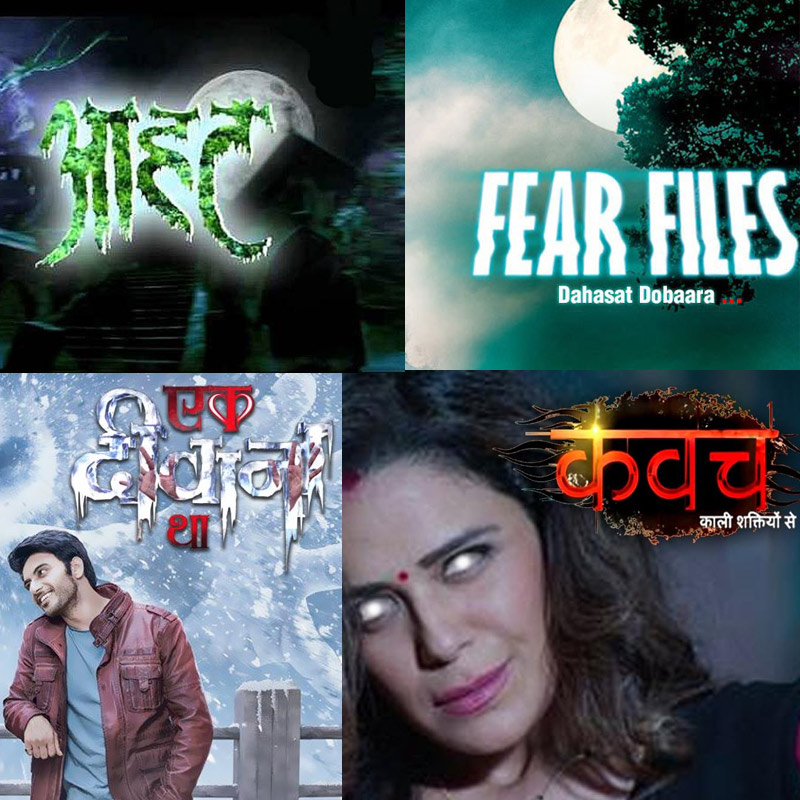
    For years, TV shows such as Zee horror show Aahat, Woh, SsshhhhKoi Hai, X Zone, Fear Files etc, worked their magic on audiences but lately people laugh them off as horror comedy. If we were to revisit earlier shows, we would probably even kid ourselves for being scared in the first place.

    The Zee Horror Show of the Ramsay Brothers and Aahat of Fireworks Productions gave goosebumps in the early 90s and, in late 90s, we sampled Woh, another horror TV series, on Zee TV.

    Zee TV predominantly relied on horror shows in the 90s with a string of series like Saturday Suspense and X Zone. The earliest success in the genre was Aahat, which first aired in 1995 on Sony Television. Star Plus began its horror journey in 1997 with the show called Kohra and hit the right notes with Ssshhhh… Koi Hai in 2001. The poor graphics, amateur sound effects and logic-defying sequences didn’t stop us from being scared while the shows reigned the ratings chart. In 2015, Bipasha Basu, an actress known for her horror film roles, anchored a show Darr Sabko Lagta Hai that only attempted to scare people.

    Bodhi Tree Multimedia is currently producing Fear Files season 3. The studio’s founder, Mautik Tolia, said that the horror genre is still alive and the show picked well with 2.3 and 2.5 [ratings] at the 10.30 pm time slot.

    However, horror content carries the baggage of restrictions. Tolia says, “The one major constraint with horror shows is that they have to be shown on the television after 10 pm as per the broadcasting guidelines. This also hampers repeat value during the day and so time slots are fewer.” Weekends were a popular time for this genre earlier but now with the advent of big budget shows, horror cannot sustain viewership.

    Regular shows today have some horror or supernatural elements interspersed. Daily soaps like Ek Deewana Tha, Brahmarakshas, Kavach, Kaal Bhairav Rahasya etc. and, in earlier days shows like Woh, Kya Hadsaa Kya Haqeeqat, have scored higher success than the proper episode format horror shows. Tolia adds that these shows are actually categorised as supernatural horror. He says that some shows have done phenomenally well like Naagin, Brahmarakshas, Kavach and more.

    The maker of Sony TV’s thriller romantic horror show Ek Deewana Tha Prateek Sharma, who is the founder of LSD films is now into the idea of romantic horror. “With Ek Deewana Tha, the idea was never to scare the viewers. Our intention was to give a thrill and supernatural drama but with the core family surrounding drama to make it more appealing.”

    Sharma says that the volume of horror shows has increased and this could be a reaction to the increased exposure to international content and all major Hollywood films and shows releasing in India. But he feels Indian content needs to evolve. Today we rely on special effects and graphics rather than scary faces.

    The disadvantage is from the advertising side since brands aren’t very friendly to these shows. “Traditionally horror content does have fewer buyers and also because of its late night viewing. People will not notice kids’ related brands advertising during these shows,” says Tolia. He adds that this problem is solved in shows where it is blended in the normal series. But he adds that if a horror show manages to really spook you and make you return, the advertisers will also come chasing.

    Though horror may have died down in popularity, the genre is still alive in regular shows where it is used for impact. This also allows shows to circumvent the limitations that a pure horror show has to endure.

    Also Read :

    Sony to launch Marathi GEC

    ‘Porus’ viewership soldiers on

    Regional OTT content more than just catch-up TV

  • Avian Media wins the PR mandate for ZEE5

    Avian Media wins the PR mandate for ZEE5

    ZEE5 has mandated Avian Media to lead its India PR duties. Launching soon with content across multiple languages, ZEE5 will be the one stop digital destination for ZEE Entertainment, a global Media and Entertainment powerhouse. The platform will offer a mix of both On-Demand content, including Originals, movies and much more, as well as Live TV.

    Avian Media will be responsible for crafting and managing ZEE5’s key messages, and has a clear mandate to disseminate the richness of ZEE5’s language offering across markets.

    ZEE5 India digital head Archana Anand said, “ZEE5 launches in the Indian market with a very powerful proposition in its strong language focus, and one that fills a clear consumer need-gap. We wanted to work with a PR agency that has a strong network not only in urban markets but also a deep strength in regional markets for great dissemination of ZEE’s key messaging, and Avian Media brings that to the table. We look forward to working closely with them right from our launch to build ZEE5 up into a strong success story.”

    Avian Media CEO Nitin Mantri said, “We are pleased to be the partner of choice for ZEE5. At Avian, we believe that the art of storytelling is what makes a campaign stand out. We are delighted to work on a brand that shares our belief of telling an insight-driven story that influences user behaviour and drives change.”

    With expertise across verticals, extending from Public Relations and Public Affairs to Financial Communications, Digital, CSR and Advocacy, Avian Media currently services client like Deloitte India, Sony English Cluster, McDonald’s, Airbus, PVR Cinemas, Tourism Australia, Qatar Airways, Facebook and Coca Cola.

    Also Read :

    Zee TV new logo unveiled; refreshed digital platform Zee5 launch soon

    Carat bags media account for ZEE5

  • Carat bags media account for ZEE5

    Carat bags media account for ZEE5

    MUMBAI: ZEE5, Zee Entertainment’s new digital entertainment platform, has appointed Carat, part of Dentsu Aegis Network (DAN), as its media agency for India. Carat bagged the media duties following a multi-agency pitch. Carat will handle media planning and buying for ZEE5 in India excluding digital. Headed by senior business director Suman Pal, the account will be managed by the agency’s Mumbai office. 

    ZEE5 India digital head Archana Anand says, “We are delighted to have Carat on board as our media partner. We were keen to collaborate with an agency that understands our business and has the expertise to help us drive huge efficiencies into our media planning and buying, and Carat had excellent credentials on this front.” 

    Carat Media India CEO Rajni Menon adds, “ZEE5 has been in the news for some time and we are extremely excited about bagging the account. The platform offers viewers an extremely innovative viewing experience and we will adopt an equally innovative and consistent approach to ensure that their digital platform gains a strong foothold among their audiences. With the DAN group’s integrated approach and capabilities of delivering end-to-end solutions, we are confident of establishing a strong connect with the digital consumers of India.”

    Launching soon with content across multiple languages, ZEE5 will be the digital destination for Zee Entertainment and will offer a mix of both on-demand content, including originals, movies and much more, as well as live TV. 

  • Broadcasters, DPOs oppose TV channel auction proposal

    Broadcasters, DPOs oppose TV channel auction proposal

    NEW DELHI: Most big and small broadcasting companies owning and operating TV channels in India, along with distribution platforms, have categorically opposed any move by the government to auction satellite TV channels as a complete package similar to FM radio channels.

    Leading the opposition charge is the broadcasting sector’s domestic industry body Indian Broadcasting Foundation (IBF). Decrying having similar regulatory approach of auction for radio and satellite TV broadcasting as “completely undesirable,” IBF said auctions would not only breach certain privileges granted under Fundamental Rights by the Indian Constitution but would also go against the ethos of international commitments made by India to organisations such as the ITU.

    “Costs are likely to increase manifold [if the government went ahead with auctioning of satellite TV channels] because of lack of supply of ISRO launched geo-stationary satellites. This would squeeze out smaller operators resulting in artificial entry barriers. In fact, the auction of TV licenses will also have a cascading effect on larger corporations, which may also have to rationalise the number of channels that they run as the cost of operating all the channels will spiral, making the business unviable,” IBF highlighted the economic downside of the proposal in its response to a TRAI consultation paper exploring the feasibility—or the non-feasibility—of auction of satellite TV channels and other related issues.

    Weighing in with the IBF argument against auctioning of satellite TV channels, Star India, probably India’s biggest broadcasting company in terms of revenue, said successful broadcasting of channels required coordinated use of the uplinking space spectrum, satellite transponder capacity and downlinking space spectrum, which cannot be “auctioned together” as they are not controlled by the same entity or even the Indian government.

    Many TV channels targeting India’s 183 million TV universe uplink to ITU-coordinated foreign satellites owing to Indian space agency ISRO’s inability to keep pace with the growing demand for satellite transponder capacity, apart from other commercial considerations.

    “The introduction of an auction route for channels would necessarily require the auction of the spectrum bundled with the satellite transponder allocation [and] complexity of [the] process would not justify the negligible revenue that may be anticipated [by the government/Ministry of Information and Broadcasting] from such auction,” Star India said in its submission to TRAI, adding to artificially limit a commodity, satellite spectrum that is not scarce, would be a “brazen attempt at maximising revenue” by the government that would ultimately harm the media and entertainment industry of the country.

    According to the Subhash Chandra family-controlled Zee, TRAI was “erroneously” attempting to treat broadcasters such as Zee, Star India, Sony, Viacom18, BBC and Discovery as entities subject to the Indian Telegraph Act [that, incidentally, was drafted sometime in the late 19th century].

    “Under the uplinking and downlinking guidelines notified by MIB, an up-linking/downlinking ‘permission’ is granted to a TV channel by MIB and not any ‘licence’ [is given] as sought to be suggested by TRAI in the present CP [consultation paper]. Permission is granted under the executive instructions/guidelines notified by MIB and not under any statute. These executive instructions/guidelines do not have any statutory basis/source. Thus, any attempt to levy revenue-based licence fee on broadcasters on the premise that they are licencee[s] under the Indian Telegraph Act would not only be fallacious, but also without any legal sanction,” Zee noted while punching legal holes in the government thinking.

    While Sony Pictures Networks India opined imposition of additional fees for satellite spectrum usage and mandating use of Indian satellites would have “unforeseen outcomes” owing to “economic pressures,” Times Network said the auction model may be suitable for the digital terrestrial TV transmission (DTT) when introduced but not for satellite TV.

    Viacom18, operating over a dozen TV channels and also a studio business, felt that the operation of satellites for broadcasting cannot be compared with operations of FM radio channels simply because spectrum for the latter (radio FM) is limited and rare as against satellite spectrum that is in abundance and would continue to increase over a period of time with the increase in the number of satellites.

    “Auction is appropriate only for such natural and rare public resources as for FM [radio],” the joint venture between US’ Viacom and Reliance Industries-controlled TV18 Broadcast submitted.

    In its independent submission, TV18/Network18 (both entities controlled by Mukesh Ambani’s Reliance Industries), while giving international examples of countries such as Greece and Thailand where auctioning of TV channels had failed to get desired results, said auctioning will have an economic impact on the broadcast business.

    Pointing out that an auction would “unduly increase the cost of grant of permissions and the cost of permits”, costs that would have to be passed on to end subscribers/viewers making content expensive all across the distribution chain, TV18 exhorted the government to “focus on increasing the number of satellites,” which will increase competition and not “create entry barriers” that will impede competition.

    Comparatively, smaller broadcasters operating on tight budget and limited distribution budgets such as Odisha TV Network said it was “not in favour of auctions.” Global companies such as BBC Global News submitted that TV channels were inherently different from FM radio broadcasting and such a move could “adversely impact small broadcasters” like BBC as it would amount to an anti-competitive move favouring some big players. Channels like News24, too, echoed similar sentiments.

    Distribution platform IMCL was of the opinion it was not possible to auction uplink spectrum “like in the case of FM [radio].” DTH player Dish TV added that “discrimination and/or restrictions in the licencing conditions” should be done away with and there should be no differentiation between usage of Indian and foreign satellites. Players should be given the right to choose as to what was best for their services, it added. Similar comments came from other DPOs like DEN.

    Some other industry organisations such as Broadband India Forum and Hong Kong-headquartered CASBAA, too, stated that auctioning of satellite TV channels was not feasible.

    CASBAA, while supporting an open policy regarding satellite capacity usage for downlink and uplink, said restricting the use of foreign satellites just so an auction can be conducted would be a “most undesirable” outcome.

    “The Indian broadcasting sector has flourished in no small part because of the ample and competitive supply of satellite capacity–both foreign and domestic–made available for broadcasting purposes under the existing policy guidelines. Indeed, investments in foreign satellite capacity over India have contributed mightily to the growth in this sector to date. An attempt to restrict use of foreign satellites now would cause immeasurable harm to this currently ‘vibrant’ sector,” the Asian pay TV and satellite industry organisation said. Similar sentiments were expressed by other international organisations such as GVF, ASPCC and ESOA.

    ALSO READ:

    MIB to collect data on satellite capacity needs, digital chatter

    2017 was a regulatory roller coaster and the ride continues

    MIB, DoS nudge TV channel to use Indian satellites

    MIB reverts to earlier norms of seeking nod from ISRO on uplink/downlink of TV channels

  • The seasonal show saga on Indian GECs

    The seasonal show saga on Indian GECs

    MUMBAI: Daily soap operas, with an infinite number of episodes, is the unique feature of India’s TV entertainment offering. From the era of a single national broadcaster to today where you can pick from a plethora of general entertainment channels (GECs), times have surely changed. What is slowly catching up is the trend of limited episode shows with seasonal follow ups.

    Since 2000, Indian television has intermittently witnessed a trend of shows ending after a certain stage and returning with its new season. To be precise, it all started with the show Aahat, which began in 1995 and ended its first season in 2001 on Sony. The show had back-to-back six seasons, with its last season televised in 2015 for about six months.

    One would think India is attempting to fit to international standards of shows to maintain its quality. Zee TV deputy business head Deepak Rajadhyaksha says that they do not compromise on quality regardless of it being a fiction or non-fiction or the duration of the show. Zee hasn’t done finite shows with follow-ups intentionally except perhaps Chhoti Bahu, Punarvivaah (both of which had a second season but not launched as a finite series). Chhoti Bahu launched its first season in 2008 and ended in 2010, whereas the series came up with another season in 2011 which lasted till 2012. Punarvivah completed a year with its first part in 2013 and in the same year the network started with another season.

    He said that cost saving isn’t of utmost priority for a channel and a story will be told regardless. Do shorter shows maintain audience and advertiser interest as well as the longer ones? Rajadhyaksha believes that sustaining audience interest is a function of great content only such as its flagship show Kumkum Bhagya, which recently completed 1000 episodes. “Great shows that are both relatable and aspirational will always attract audience and advertisers’ interest,” he says.

    Sony Entertainment Television’s head of non fiction Ashish Golwalkar says that he doesn’t see this as a trend but rather a way to make use of the first season’s success. When a writer is able to create a fresh story with old characters, channels give a thought to reinvigorating the show.

    He says, “Whoever does a second season of any show, never considers cost as a criteria. There is an affinity towards the character that you build over time and once the story is over, you take a pause, wait for a while, redo the story and come back within a span with the same characters where the affinity of the show continues.”  For instance, Sony is telecasting Prithvi Vallabh in two seasons and the reason for it is not cost-effectiveness. “The way we want to mount the show needs a lot of time and if we commit ourselves to 80 episodes at a go then we might trouble the production and it will compromise the quality. So we will stick to 40 episodes. Majority of them have already been shot and are into post production.”

    Sony had rolled out three shows named Aahat, Kutumb and Parvarish. 1995 was the year when Aahat made an entry. Its last two seasons barely got seven months of air time compared to the six years of season one. Kutumb-its first part aired for about two years, but its other season was completely different from the older part. Parvarish launched in 2011 with a commendable extension of three years—till 2014. But the second season got just nine months, from November 2015 to July 2016.

    Syndication could be the reason for channels limiting show episodes because European and American audiences don’t welcome infinite series with open arms whereas they are likely to sample shorter series. Indian historical dramas with fixed episodes are seeking global takers.

    Star Plus came up with the thriller Ssshhhh…Koi Hai  in 2001 with two production houses Contiloe and Cinevista producing it. It ran for more than three years and consisted of 154 episodes. Season 2 was produced solely by Contiloe and the show was shifted to the then newly launched Star One in 2004. This time it ran for nearly three years before the plug was pulled.  Its last comeback was in 2010 and it broke the record by shutting down in just two months. Adding one more show to the list, Iss pyaar ko kya naam doon? had three comebacks—the first season lasted for a year (2011-2012), other season lasted for two years (2013-2015) and the last season they decided to wrap up within four months in 2017. Star TV declined to comment when Indiantelevision.com reached out to them.

    Viacom18’s Colors also had a number of short shows that garnered great traction but had three blockbusters which were reincarnated  –  Balika Vadhu, Na aana is des Laado and Naagin. Balika Vadhu was an infinite series that lasted for eight years-starting from 2008 to 2016 with a relaunch in April 2016 but the show had to pack its bags within four months.  Na aana is des laado’s first season continued for two years and the sequel-Laado is the upcoming show on the channel. Naagin’s first run was from November 2015 till 2016, whereas its other season continued for about nine months-from October 2016 till June 2017. Its third season is expected to launch this year. Kitani Mohabbat Hai launched in 2009 on NDTV Imagine with the first season lasting nine months and the second season in November 2010 which wrapped up in May 2011

    What we witness is that the first season gets rave reviews but the subsequent seasons get hardly any attention from audiences – whether because of the gap in the launch or the new story line or maybe because people have moved on to newer shows, especially in times when minds are so fickle. Unless audience attention builds up for recurring season formats, channels are unlikely to indulge in experimenting a lot with the format.

    Also Read :

    ‘Kumkum Bhagya’ hits the 1000-episode milestone

    Most watched Hindi GEC channels across genre until week 22

  • ‘Kumkum Bhagya’ hits the 1000-episode milestone

    ‘Kumkum Bhagya’ hits the 1000-episode milestone

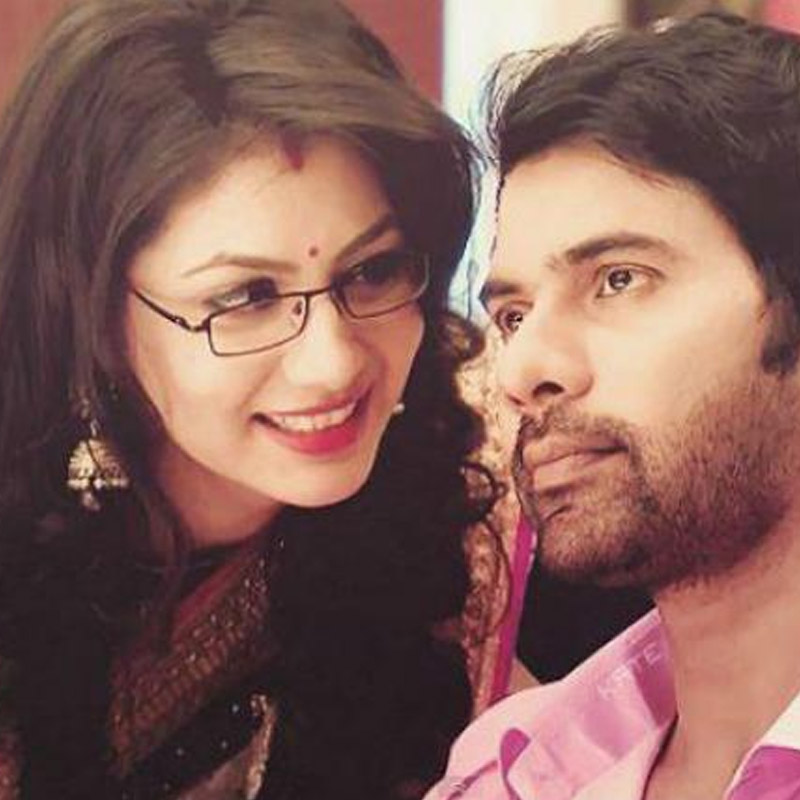
    MUMBAI: Ekta Kapoor shows Kumkum Bhagya and Kundali Bhagya have been working their magic for Zee TV since launch–the former since 2014. According to Broadcast Audience Research Council (BARC), both shows have been ruling the roost across general entertainment channels (GECs) urban and rural (U+R) sectors. Since Kumkum Bhagya has completed the 1000-episode milestone, Zee TV has curated a catchy anthem ‘Meherbano’, thanking fans for their unwavering love and support. The celebration will be accompanied by a four-hour special marathon episode of the show starting from 6.30 pm on 15 January.

    Zee TV deputy business head Deepak Rajadhyaksha said, “Kumkum Bhagya has moved beyond the confines of a TV show to become an integral part of our viewers’ lives.” He added that they present stories and characters that not only entertain but are relatable and inspiring.

    At the time of its launch in 2014, the show Kumkum Bhagya saw a distinct spike in viewership when the protagonists tied the knot, clocking in 7,405 TVTs. Coming back to the present, both the shows were among the top five Hindi GEC programmes in HSM (urban + rural) and HSM (urban). The flagship show has also been the reason for the rise of Zee’s free-to-air channel Zee Anmol, which was the top channel in BARC’s top-10 Hindi GEC channels for both urban + rural and rural markets in week 1.

    Both shows are directed by Sameer Kulkarni and developed by Balaji Telefilms’ Kapoor who continues to bet her money on the letter ‘K’. Kumkum Bhagya‘s popularity led Zee TV to approach Balaji with the idea of a spinoff series titled Kundali Bhagya, which portrays the lives of two long lost sisters or Pragya – Preeta and Srishti. “The intricate narrative of Kumkum Bhagya was such that it lent itself to developing the sub-plots of myriad characters, each sub-plot emerging into a full-fledged story of its own,” Rajadhyaksha said.

    With Kumkum Bhagya having created a benchmark in BARC’s top-five list, the question of whether to promote Kundali Bhagya or let it keep tapping into the elder’s popularity cropped up.“Kundali Bhagya enjoyed the rub-off effect of an already established, immensely popular franchise and, hence, initial sampling did certainly get a boost but the show had to hold its own steam on the merit of its own content from that point on,” he revealed.

    Moreover, introducing two family dramas, with the intention of exploring a parallel universe, made them relatable and the undisputed leaders of weekday primetime. Majority of the show’s viewership comes from females 15 years and above, led by family viewership.

    Given the immense fan following the show has built, the shows are expected to hold ground this year as well.

    Also Read :

    Zee TV’s ‘Kumkum Bhagya’ gives tough fight at 9 pm slot

    Kumkum Bhagya boosts Zee TV viewership across genres

  • Deepti Sivan appointed as Zee Malayalam business head

    Deepti Sivan appointed as Zee Malayalam business head

    MUMBAI: Zee Entertainment Enterprises (Zee) is all set to launch its Malayalam entertainment channel after successfully establishing itself in Tamil, Telugu and Kannada markets of the South region. The channel is already on a roll and has roped in Deepti Sivan as business head. A source close to the development confirmed the news to Indiantelevision.com.

    Sivan comes from a family of creative professionals and has done many challenging assignments in radio, television and film industry in a career spanning around 20 years.

    Zee Malayalam is in the process of finalising its content line-up for the launch and has already acquired the satellite rights of recently launched Malayalam movies such as Hey Jude, Aadu 2 and Diwanjimoola Grand Prix. At present, the channel is negotiating with many upcoming movie titles.

    Sivan has graduated in law and with an MBA in entrepreneurship and has donned many hats such as director, producer, production designer and station director of a radio station to a channel head at a television network. Her forte is media strategy, idea generation, content development, brand identity and expansion.

    Prior to joining Zee Malayalam, Sivan was associated with Tripod Entertainment as executive producer. She was the channel head of the Sun Network’s Malayalam GEC Surya TV for two years. At Red FM, she played the role of regional station director for all stations across Kerala for more than three years.

    Also Read: 

    Zee Café’s new Rated ‘H’ shows to captivate millennials (updated)

    Zee promotes freeing of its channels on UK’s Sky TV

  • ZEEL increases regional reach, launches ZEE Uttar Pradesh Uttarakhand news channel

    ZEEL increases regional reach, launches ZEE Uttar Pradesh Uttarakhand news channel

    MUMBAI: The ZEE Media group today launched the ZEE Uttar Pradesh Uttarakhand television news channel at a grand ceremony at Taj Vivanta, Lucknow, where Uttar Pradesh Chief Minister Yogi Adityanath was the chief guest. Uttarkhand Chief Minister Trivendra Rawat, yoga guru Baba Ramdev, Rajya Sabha MP, Subhash Chandra, Deputy Chief Ministers of UP Keshav Prasad Maurya and Dinesh Sharma, former UP chief minister and Samajwadi Party chief Akhilesh Yadav, Rajya Sabha MPs Amar Singh and Vivek Tankha were also present as special invitees.

    Speaking on the occasion, UP Chief Minister Yogi Adityanath said, “ZEE Media Group has highlighted key national issues from time to time”. He hoped that, “the new channel will provide correct and unbiased news to 25 crore people of Uttar Pradesh and Uttarakhand.”

    Rajya Sabha MP Subhash Chandra spoke to Chief Minister Yogi Adityanath on many important topics and advised him to have a discussion with the Muslim community and take them into confidence.

    Mr Trivendra Singh Rawat congratulated Zee Media Group for launching the new channel, and also presented the roadmap his government has prepared for the development of Uttarakhand. Baba Ramdev joined the programme from Haridwar. Highlighting the good work being done by PM Modi and Chief Minister Yogi Adityanath, Baba Ramdev said the county will soon witness ‘achche din’.

  • Health & beauty YouTube’s fastest growing vertical in 2017 for India

    Health & beauty YouTube’s fastest growing vertical in 2017 for India

    MUMBAI: YouTube remains the top video entertainment hub – with over 225 million Indian smartphone users, using the app every month. India also reached not one, but two major YouTube milestone this year, with 200 channels now crossing the one million subscriber mark and three channels achieving 10 million (ZEE, T-Series and ChuChu TV), earning themselves the coveted Diamond Button this year. This year, the content on YouTube is more diverse than ever before. While music, comedy, food/recipes, education and learning continue to grow, health & beauty emerged as the fastest growing vertical of 2017 with many new subcategories growing, including dance, women lifestyle, village-food, web-series, among others.

    During the year 2017, the biggest achievements were that 80 independent creators have crossed the one million subscriber mark. This year, 145 of 200 channels received the gold play button which requires a count of a million. Beauty & health that has been represented by six out of the top 10 rising creators, emerged as the fastest growing vertical. Regional content grew exponentially, with Jimikki Kammal and Zinggat becoming national hits.

    We fell in love with a 106-year-old super chef, laughed at the raw humour of our new comedy kings, relived the golden era of Bollywood music through remixes, took the best selfie, learnt the trendiest beauty hacks, watched the most sought-after movie trailers and grooved to Punjabi beats.

    2017 also saw some major new records being broken in overall views for movie trailers in India, with Baahubali 2 – The Conclusion, getting over 58 million views, followed by Padmavati with 27 million and Judwa 2 with 23 million. Bollywood music remains the king of the hill, with Badrinath Ki Dulhania bagging the top two spots for its title track with 132 million views and remix of the popular Tamma Tamma Again with 78 million views. Guru Randhawa’s High Rated Gabru is a close third on the most trending music list, with 75 million.

    Topping the list of creators in 2017, is comedy superstar BB Ki Vines, with over five million subscribers, followed by Technical Guruji with almost 3.9 million subscribers and Vidya Vox with 3.7 million subscribers. Gaining over 2.5 million subscribers each in 2017 alone, the channels have registered a remarkable growth. Support for local creators continued, with three of this year’s top 10 trending videos (non-music) going to YouTube-specific content creators – BB Ki Vines for Group Study, Amit Bhadana for That Dumb Friend in Every Group and Zakir Khan for Life Main Chahiye Izzat.

    Shaping the iconic pop-culture moments of 2017

    From the fidget spinner gaining worldwide popularity to Despacito breaking every record; seeing the other side of Irrfan Khan through memes by AIB, to getting the country to dance on Shape of You, which emerged as the most choreographed song in 2017; getting the funny-bone tickled by Angry Baba’s Chacha Ke Patake, to making Jimikki Kammal and Zinggat a national sensation, YouTube has been part of some of the most iconic pop-culture moments of 2017.

    This robust growth reflects the dynamic nature of the Indian creator community, with incredible talent surfacing from across India and especially among the regional language creators.

    Top 10 Rising Creators of 2017

    public://table_0.jpg

    Top 10 Creators of 2017

    public://tb.jpg

    YouTube Rewind brings together the biggest music, trends, memes, and characters from the past twelve months featuring today’s biggest YouTube stars and mainstream personalities. Close to 300 creators globally recreate the best of 2017’s online video moments in this rewind video.

    Top Trending Videos of 2017

    1. BB Ki Vines – Group Study

    2. Jimikki Kammal – Dance Perfomance by Indian School of Commerce

    3. ED SHEERAN – Shape Of You | Kyle Hanagami Choreography

    4. Make Joke Of – Chacha Ke Patake

    5. That Dumb Friend In Every Group – Amit Bhadana

    6. Unique Rangoli Design using Chalni

    7. Kangana Ranaut in Aap Ki Adalat (Full Interview)

    8. Cheez Badi DANCE COVER | Machine | Mustafa & Kiara Advani | @JeyaRaveendran Choreography

    9. Step by Step Latest Mehndi Design For Hand 2017 # 1000+

    10. Zakir Khan – Life Mein Chahiye Izzat!

    Biggest  Personalities of 2017 (in no particular order)

    1. BB Ki Vines

    2. Technical Guruji

    3. Ashish Chanchlani

    4. 106 yr old YouTube sensation – Mastanamma

    5. Dhinchak Pooja

    6. Kabita’s Kitchen

    7. Harsh Beniwal

    8. Sejal Kumar

    9. Mahathalli

    10. Tanmay Bhat

    Top Trending Music Videos – India

    1. Badri Ki Dulhania (Title Track)

    2. Tamma Tamma Again

    3. Guru Randhawa: High Rated Gabru Official Song

    4. Ding Dang – Munna Michael

    5. Mere Rashke Qamar – Baadshaho

    6 Ed Sheeran – Shape of You [Official Video]

    7. Luis Fonsi – Despacito ft. Daddy Yankee

    8. Jagga Jasoos: Galti Se Mistake

    9. Cheez Badi Full Video | Machine

    10. Baarish | Half Girlfriend

    Top Trending Movie Trailers

    1. Baahubali 2 – The Conclusion | Official Trailer (Hindi)

    2. Padmavati | Official Trailer

    3. Judwaa 2 Official Trailer

    4. Toilet Ek Prem Katha Official Trailer

    5. Half Girlfriend Official Trailer

    6. Begum Jaan | Official Trailer

    7. Golmaal Again

    8. Badrinath Ki Dulhania – Official Trailer

    9. Sachin A Billion Dreams | Official Trailer

    10. Tubelight | Official Trailer