Tag: Zee Telefilms.

  • Raj Kamal Singh, sports television’s reluctant pioneer passes on

    Raj Kamal Singh, sports television’s reluctant pioneer passes on

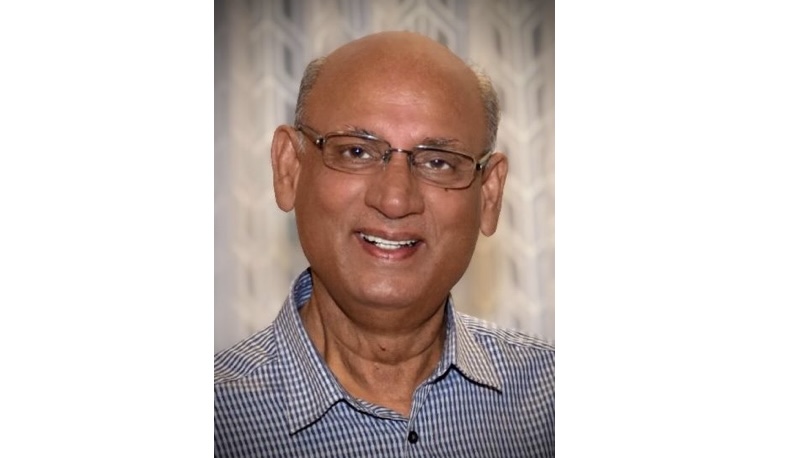
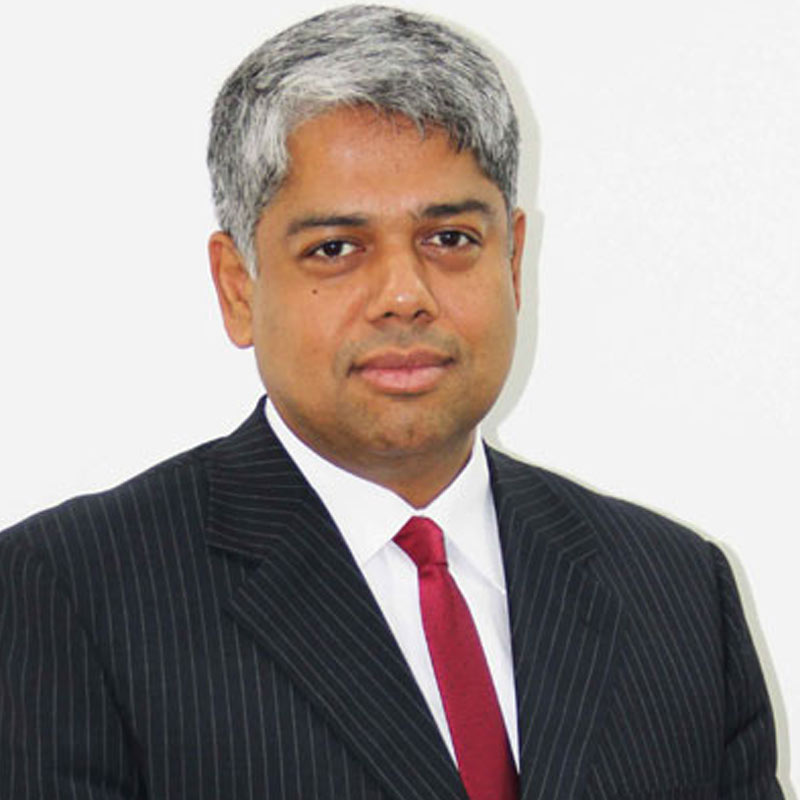
    Raj Kamal Singh, known simply as RK to friends and protégés, never quite fit the mould he was born into. A Haryana-cadre bureaucrat with the air of a genial civil servant, he somehow found himself reshaping Indian broadcasting in the 1990s. First came DD Metro, conjured up with Rathikant Basu and Urmilla Gupta to inject a dash of freshness into the government-owned Doordarshan’s lumbering edifice Then came ESPN India, and later ESPN Star Sports — ventures that took him from government files to live sport, a journey no “babu” had probably attempted before.

    At ESPN’s makeshift south Delhi office in the early days — a converted garment-export bungalow with half a floor to itself — Singh presided over what would become a generation-defining team. “He was the reason I found my calling in television,” recalls Anurag Dahiya, now the ICC’s chief commercial officer, who was one of the early recruits. RK, he said, was the avuncular figure in a scrappy start-up atmosphere, a mentor who mixed bureaucratic calm with private-sector mischief. He helped build up a pay television business for ESPN in cable television’s infant days. 

    “For us, he was an approachable CEO. (We could) walk into his cabin – just like a friend. (He was fond of) taking us for bowling…Opening his house for parties along with his loving wife and kids. (We went for) river rafting trips, His famous lassi During lunch that was open to all – endless memories that we all forever cherish with him – shining our careers,” adds NDTV special projects associate vice-president Rachna Oberoi. 

    Later came Zee Telefilms, where Singh sparred with cable operators, shrugged off boardroom spats and, with a trademark guffaw, told anyone who fretted: “It’s all part of business. You can’t take it very seriously. It will get sorted out.” It usually did.

    Colleagues remember a man who taught by example rather than sermon. Many he hired went on to lead, or to found, sports businesses across the globe. His greatest legacy was not the channels he ran, but the people he groomed.

    Eventually he walked away from the industry altogether, setting up a lodge in the forest  (if we have got it right) — a suitably idiosyncratic ending for a man who had long made light of television’s supposed seriousness. On 15 August he died of a heart attack, aged 75.

    The sports-broadcasting world owes him more than it realises. RK would probably chuckle at the thought, suited and booted as he was vaunt to be, dismiss the fuss, and pour another drink.

  • Nishant Tannwarr steps up as general manager at TV Today

    Nishant Tannwarr steps up as general manager at TV Today

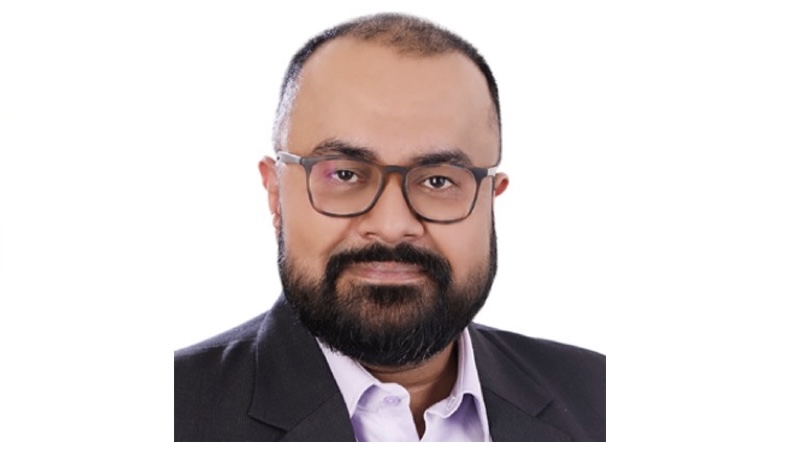
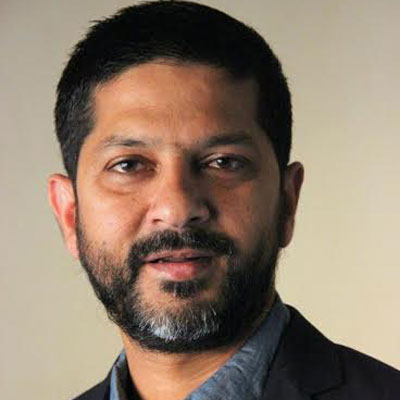
    NEW DELHI: Nishant Tannwarr has been appointed general manager at TV Today, home to leading news brands like Aaj Tak and India Today. A media industry stalwart with over two decades of experience, Tannwarr brings deep expertise across regional revenue, key account management, and broadcast sales.

    Tannwarr has been with TV Today since 2022, previously serving as north head of Aaj Tak HD, where he spearheaded monetisation efforts across the premium Hindi news offering. His elevation signals the group’s intent to double down on integrated sales strategies and agency partnerships.

    Prior to joining TV Today, Tannwarr held senior sales and leadership roles at Sony Pictures Networks, where he served as region head for SAB TV, and earlier as vice president handling national revenue mandates. His media career includes stints at Star India, Zee Telefilms, Eenadu TV and Daewoo Motors—cutting his teeth across both regional and national markets.

    Known for building scalable revenue engines and high-performing sales teams, Tannwarr is expected to steer TV Today’s commercial agenda in a volatile media landscape increasingly shaped by digital shifts and advertiser fragmentation.

  • Laqshya Media promotes Satyabrata Das to chief alliance officer

    Laqshya Media promotes Satyabrata Das to chief alliance officer

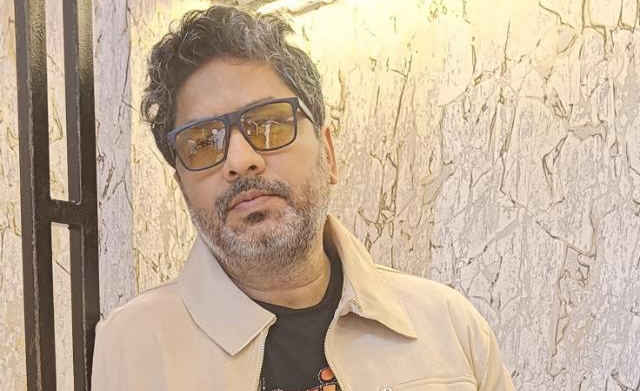
    MUMBAI: There could only be one place he could go: up. And so he has. In his seventh year,  at Laqshya Media group, strategic alliances specialist/COO MediaKeys Satyabrata Das has been elevated to chief alliance officer.

    The Alok Jalan-run Laqshya Media group, is involved in various activities tight from outdoor, experiential marketing to events.

    Satyabrata Das has many stripes to his credit during his 26-year long career. He worked in cable TV at Ortel Communications after finishing his education, then moved on to ETV, followed up with short stays at SAB TV, and then Zee Telefilms. It was on to Laqshya Media group for four years where he ended up as national business coordinator. STPL was his next stop followed by working in consulting as an executive advisor for 11 years. 

     Laqshya Media was his next destination where he has been for seven years.


  • ATF 2017 attracts Indian  content studios, both big and small

    ATF 2017 attracts Indian content studios, both big and small

    MUMBAI: Singapore-based Reed Exhibitions’ Asia TV Forum (ATF) is round the corner and the buzz around the event only seems to be ramping up. This year, the forum will see around 60 countries from all over the globe. From 28 November to 1 December 2017, more than 90 thought leaders will deliver fresh insights at over 24 ATF conference sessions, discussing present-day issues such as big data, movement in the over-the-top (OTT) scene, new monetisation strategies, unscripted entertainment formats and kids content.

    Indiantelevision.com founder Anil Wanvari has been working on developing opportunities for India’s animation and live action sector – whether for TV or OTT – over the past three years at ATF as its representative for the regions of India, Pakistan, Sri Lanka and Bangladesh.

    “We have seen the presence from south Asia grow from a small 20-30 to around 140 this year since I was given the task of working closely with the region’s content creators, buyers and distributors,” says Wanvari. “I and the team which works with me have been happy to help catalyse their presence on Asian and global stages. ATF has a strong presence of smaller buyers, producers, distributors from the region apart from the big name players from Europe and the US. It has become a must visit event for the content executive.”

    The major Indian satellite TV networks Sony Pictures Networks India, Star India, Indiacast-Viacom18, and Zee Telefilms have their syndication and licensing teams exhibiting in the Marina Bay Sands venue. Other noteworthy exhibitors include: format and content syndication company GoQuest, Swastik Productions’ One Life Studios which is hawking its mega budget Porus and homegrown formats, One Take Media which is selling its kids animation and cookery shows, film and digital content creator and distributor Rajshri Entertainment, infotainment channel EPIC TV, kids content pioneer Green Gold.

    “This is probably the highest exhibitor strength India has managed at ATF ever,” says Wanvari. “The country’s content selling industry has come a long way despite the oft repeated statement that our TV shows are not good enough to cut the international grade.”

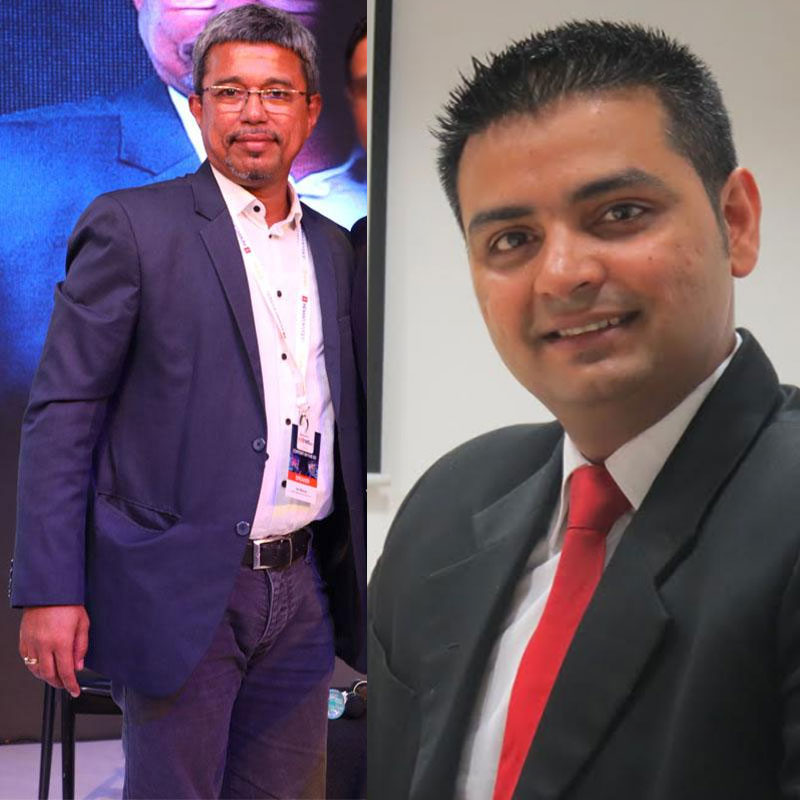
    Among the initiatives that Wanvari and Reed Exhibitions have supported is the building up of delegations from India and south Asia. The first of these has been the one which has been growing under the umbrella of the Media & Entertainment Association of India (MEAI). The association’s secretary Ankur Bhasin has cobbled together a delegation of 11 small and medium enterprises (SMEs) consisting of 13 delegates in the content creation and distribution spaces.

    Says Bhasin, “Fueled by improved connectivity and mobile explosion, Asia-Pacific is experiencing the fastest growth worldwide in terms of growth of time spent consuming media online – about 6.7 per cent consistently year on year compared to global average of 2.9 per cent. Although the average consumption of three plus hours per day for the Indian audience and about six hours per day for Chinese viewers is still relatively low compared to western countries, with over 60 per cent of the world population concentrated here, that is a substantial change on how media is being consumed. It is no surprise that this explosion is resulting in a growing demand for content in the APAC market.”

    Wanvari points out there are many commonalities in culture that India shares with east Asian countries like Singapore, Malaysia, Indonesia, Vietnam, Japan, south Korea, Sri Lanka, Pakistan and Bangladesh. “We all share Asian sensibilities and values,” he says. “Hence, we can relate to each other’s content.”

    Bhasin believes ATF is a very important market to target Asian buyers as well as to look for co-production opportunities. “Increasingly, there has been demand from MEAI members to focus on markets in the east and this has resulted in a growing delegation to ATF from MEAI. MEAI hopes this will materialize into a pavilion next year to give a fixed presence to the delegation being put together by the association with the support of Anil and his team,” Bhasin adds.

  • Discovery International’s Jagdeep Singh joins AETN18 Media as revenue head

    MUMBAI: Jagdeep Singh, the advertising and sales professional with over 20 years of experience in TV, radio and Internet, has taken over as the revenue head – factual entertainment cluster at AETN18 Media.

    Based in Gurgaon, Singh will be the revenue head for History TV 18 as well as for FYI TV 18.

    Before joining AETN18, Singh was the national sales head – Discovery Kids, (Network Key Accounts and Digital) at Discovery Networks International for four years after joining in July 2012.

    Singh also served Discovery Networks as the region head – north & east and state tourism boards.

    An MBA in marketing from the University of Technology – Sydney, he had several successful stints at 93.5 Red FM as the regional business head – north & national head – events, Sony Pictures Networks as the region head north – English Cluster, Zee Telefilms as the region head – north, and Radio Mirchi as the group head – corporate sales.

  • ‘Chawal’ to channel: Zee’s 24 years of a memorable roller-coaster ride

    ‘Chawal’ to channel: Zee’s 24 years of a memorable roller-coaster ride

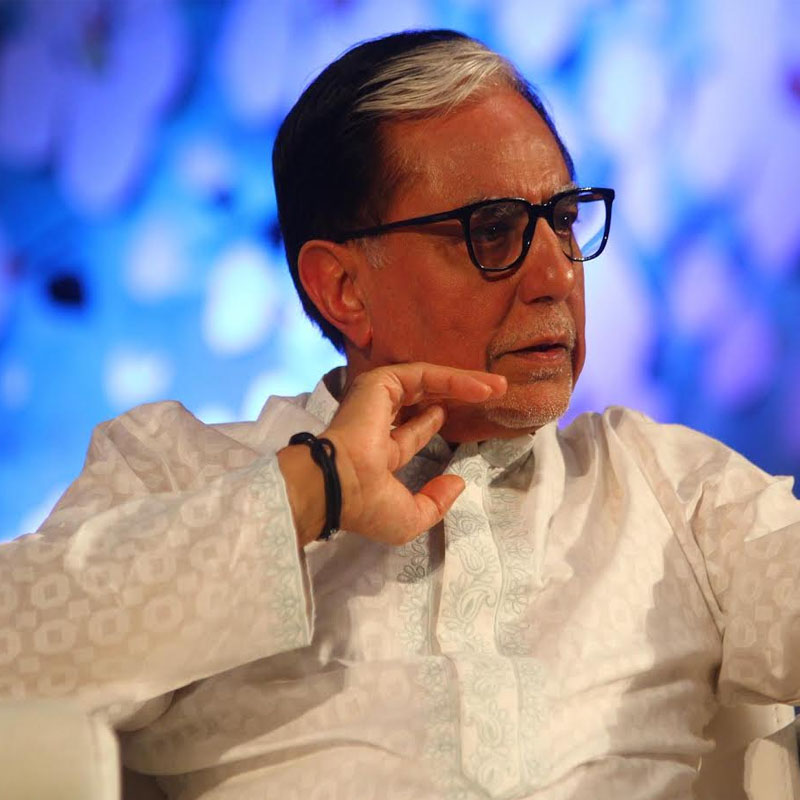
    It was a hot and humid Delhi afternoon sometime in the very early 1990s. A few journalists, mostly clueless about electronic media as we know it today, were milling around in a room in a central Delhi five-star hotel waiting for a press conference to begin. The host was a hitherto unknown company called Essel. When the conference began, one of the gentlemen, sporting former PM Indira Gandhi-style white streak in his hairs, announced that his company would start India’s first Indian-owned satellite TV channel. The other gent present on the occasion was Rajat Sharma, who was till then known as a print media journalist of some repute. The confusing series of question-answer that followed highlighted that few (including yours truly) had any idea of cable and satellite TV (CNN coverage of the first Iraq War was a trailer for Indians and later Star TV’s Santa Barbara and Bold & The Beautiful were like manna from the sky) and fewer understood fully the gravity of what Subhash Chandra was telling the Delhi scribes.

    The rest, as they say, was history. Over 24 years, this journey has not only created India’s first home grown electronic media company, but inspired many others to venture out, as Star Trek’s Captain Kirk & Co would say, where no man or entrepreneur has gone ever before.

    Zee Telefilms or Zee Television or Zee Entertainment Enterprises Ltd — as Zee group has been known in corporate circles from time to time — is itself a testament of the changing ethos of the company and the evolving Indian media landscape. But never has there been a time when the group — now housed over several floors in a swanky building in Mumbai’s Lower Parel area — been not associated with Chandra. To borrow a clichéd political line of the 1970s, it could be said that Zee is Subhash Chandra and Subhash Chandra is Zee.

    From those early days — Zee News started late 1990s used to function out of a four-bedroom residential flat in Delhi’s South Extension and the main office on Mumbai’s Annie Besant Road comprised a series of thatched mostly non-AC rooms — it has a been a long journey not only in terms of time, but also business and expansion.

    One of last annual reports (if we go back in time) on Zee’s corporate website pertains to 1998-99 financial year. Message from Chairman Chandra read: “For Zee Telefilms, 1998-99 was yet another year of exceptional accomplishment and growth. Having made its debut in 1992 as a software production company and marketing concessionaire, Zee has come a long way with its recognition as an emerging company of the year. The 35.8 percent total return our Company produced on the capital employed is of utmost importance to us. We’re not content with that…”  

    In 2016, addressing the investors and public at large in the 2015-16 annual report, the vision is gets contemporaneous as Chandra says: “ZEEL is proactively reorganising its operations focusing on newer delivery formats and ramping up its digital business in line with the changing dynamics of the operating environment. Multiple initiatives are being undertaken. Just as consistency has been a hallmark of our journey, so has change!”

    Change? Yes, of course. And why not? From a humble beginning, Zee now straddles the world, growing its business portfolio along with global presence and revenues. With a strong presence in over 171 countries and a total viewership of 1 billion plus people around the globe, when Zee claims it’s a worldwide media brand, it isn’t off the mark.

    Sample some facts. With a networth of Rs 62,315 million, Zee closed the 2015-16 financial year ending March 2016 with a total income of Rs. 58, 515 million and EBITDA of Rs 15, 095 million wherein global advertising revenue was Rs. 34, 297 million and subscription income was Rs. 20,579 million. Add to these vital stats the fact that the group offers content in multiple Indian and foreign languages and various formats with more than 2,22,703 hours of television content and rights to more than 3,818 movie titles from premiere studios featuring Indian film stars, making it one of the largest Hindi film libraries in the world. All this content is aired via 38 international and 33 domestic channels.

    If Essel group, Zee’s parent, made money from trading in commodities in the early parts of its 90-year existence (having begun in a small town in Haryana state), in the 1980s it upgraded itself to export chawal (rice) to the erstwhile USSR, apart from other more urban-centric business activities. This evolution and flirting with little-known businesses has been a hallmark of Zee’s progress too.

    public://SC-Modi.jpg

    Very few would remember that Chandra’s Essel Group wanted to be the first private sector Indian satellite operator having realised that synergies in entertainment, broadcast and delivery business could have its advantages (as also disadvantages). Though the satellite dream is still to fructify as Agrani started and folded quietly in the 1990s, it helped initiate Chandra’s elder son and present MD of Zee Entertainment, Punit Goenka, into the business.

    Though Zee had a blow-hot-blow-cold relationship with Rupert Murdoch’s 21st Century Fox (in the 1990s it was News Corp) and it’s Indian subsidiary Star TV, the three joint ventures that Zee had with Murdoch’s company in those early days, including a 50:50 shareholding in MSO Siti Cable, helped Chandra and his band of colleagues to firm their footsteps in the broadcast world in India first and then globally.

    The joint ventures with Star, which was bought over by Murdoch mid-1990s from Hong Kong-based Chinese businessman Li Ka-Shing, also helped Zee raise himself to broadcast and entertainment’s international levels where negotiations are cut-throat and not an inch is given to even business partners.

    A description of a Chandra-Murdoch meeting in New York is telling. An expat, then working with Chandra for the Agrani project, glowingly says that despite Murdoch’s reputation of being a ruthless businessman, the comparatively younger and inexperienced Indian businessman (Chandra) discussed business with the Star TV boss on an equal footing over drinks— as a CEO would talk shop with another CEO. India, probably, is one of those rare instances where even the mighty Murdoch got bought out by his Indian partner in joint ventures.

    Just when the 1990s was preparing to bid goodbye, Zee announced it was buying out Star’s shareholding in three joint ventures in a stock-and-share deal worth approximately USD 300 million. Yours truly very well remembers that in an interview soon after the historic deal, Chandra, though jubilant, said in a measured tone said at about 1 am, “Yes, it feels exciting being an Indian (to have bought out the foreign partner), but the tough part has just begun now for Zee.

    And he was bang on target— like he has been so many other times. These 24 years for Zee have not been all smooth sailing; especially so after Zee broke its business chords with Star. There have been decisions taken on fronts like programming, corporate and personnel appointments as also distribution that have been questioned by viewers, investors and media observers alike.

    Take, for example, the introduction on Zee TV around late 2000 and early 2001 a show titled Sawaal Dus Crore Ka (A Question for Rs. 10 crore or Rs 100 million). Put on air in an effort to counter the runaway success of rival Star Plus’ Amitabh Bachchan-anchored Kaun Banega Crorepati, an Indian version of the UK game show Who Wants To Be A Millionaire, Zee’s Swaal… was a major flop and the channel had to terminate it mid-way blaming its two anchors, film stars Anupam Kher and Manisha Koirala, for its failure after having burnt its fingers and loads of cash. Not to mention Zee’s two failed bids to mount a cricket league (Indian Cricket League), which were shot down by cricket politics, but paved the way for the now hugely successful Indian Premier League, blessed by the Indian cricket Board and cricket’s international apex body ICC.

    There have been leadership position appointments that have been also questioned. Adman Sandeep Goyal’s tenure as Group CEO of Zee in 2001, handpicked by Chandra, was regarded controversial.However, destiny’s child that Chandra could be had managed to build a company that was populated with professionals and such decisions helped Zee get over several mishaps over the 24 years.

    Some of the best professionals — many of them who have now left Zee to make a name for themselves independently —  that worked along with Chandra and later his son Punit included people like programming specialist Kanta Advani, marketing whiz Meenakshi Madhvani (now Menon), newsperson Rajat Sharma (he now owns the Hindi news channel India TV), former Times of India group’s Vijay Jindal and Pradeep Guha (both served as successful CEOs at Zee), strategist Bharat Ranga, communications expert Ashish Kaul, Deepak Shourie, newspersons (at Zee News) Alok Verma and Rohit Bansal, operations specialist Rajiv Khattar (Siti Cable and Dish TV), legal eagle A. Mohan, government relations expert PC Lahiri  and, of course, Chandra’s friend, philosopher and guide Ashok Kurien. But most of all, the whole Zee group — now diversified and broken down into separate business entities owing to regulatory restrictions and compulsions — benefited a lot from a harmonious family that controlled it. Chandra’s two younger brothers, Jawahar and Laxmi Goel, at various stages had been instrumental in pushing things and being the balancing factor, but never publicly having a spat with their elder brother.

    Because Zee (and Chandra) valued professionals, it was no surprise when Chandra, during his acceptance speech for Asian industry organisation CASBAA’s award for “Lifetime Contribution to the Asian Pay-TV Industry’ in 2009, said, “The achievement is not my own. Many others have made this possible, most notably my old colleagues Ronnie Screwvala of UTV Software, Prannoy Roy, the Chairman of NDTV and Raghav Bahl who now leads Network 18 Group.” Both Screwvala and Bahl since then have exited the companies after selling their shareholding. But even they were taken aback by the graciousness shown by Zee boss.

    At a time when Zee could well look back over its shoulder and afford to smile while preparing for the 50th anniversary in a growing digital world, the present leadership of Zee could well borrow poet Robert Frost’s lines, echoed also by India’s first Prime Minister Jawaharlal Nehru at the time of Independence, `But I have promises to keep, And miles to go before I sleep.’ We shall certainly Zee (as in see).


  • ‘Chawal’ to channel: Zee’s 24 years of a memorable roller-coaster ride

    ‘Chawal’ to channel: Zee’s 24 years of a memorable roller-coaster ride

    It was a hot and humid Delhi afternoon sometime in the very early 1990s. A few journalists, mostly clueless about electronic media as we know it today, were milling around in a room in a central Delhi five-star hotel waiting for a press conference to begin. The host was a hitherto unknown company called Essel. When the conference began, one of the gentlemen, sporting former PM Indira Gandhi-style white streak in his hairs, announced that his company would start India’s first Indian-owned satellite TV channel. The other gent present on the occasion was Rajat Sharma, who was till then known as a print media journalist of some repute. The confusing series of question-answer that followed highlighted that few (including yours truly) had any idea of cable and satellite TV (CNN coverage of the first Iraq War was a trailer for Indians and later Star TV’s Santa Barbara and Bold & The Beautiful were like manna from the sky) and fewer understood fully the gravity of what Subhash Chandra was telling the Delhi scribes.

    The rest, as they say, was history. Over 24 years, this journey has not only created India’s first home grown electronic media company, but inspired many others to venture out, as Star Trek’s Captain Kirk & Co would say, where no man or entrepreneur has gone ever before.

    Zee Telefilms or Zee Television or Zee Entertainment Enterprises Ltd — as Zee group has been known in corporate circles from time to time — is itself a testament of the changing ethos of the company and the evolving Indian media landscape. But never has there been a time when the group — now housed over several floors in a swanky building in Mumbai’s Lower Parel area — been not associated with Chandra. To borrow a clichéd political line of the 1970s, it could be said that Zee is Subhash Chandra and Subhash Chandra is Zee.

    From those early days — Zee News started late 1990s used to function out of a four-bedroom residential flat in Delhi’s South Extension and the main office on Mumbai’s Annie Besant Road comprised a series of thatched mostly non-AC rooms — it has a been a long journey not only in terms of time, but also business and expansion.

    One of last annual reports (if we go back in time) on Zee’s corporate website pertains to 1998-99 financial year. Message from Chairman Chandra read: “For Zee Telefilms, 1998-99 was yet another year of exceptional accomplishment and growth. Having made its debut in 1992 as a software production company and marketing concessionaire, Zee has come a long way with its recognition as an emerging company of the year. The 35.8 percent total return our Company produced on the capital employed is of utmost importance to us. We’re not content with that…”  

    In 2016, addressing the investors and public at large in the 2015-16 annual report, the vision is gets contemporaneous as Chandra says: “ZEEL is proactively reorganising its operations focusing on newer delivery formats and ramping up its digital business in line with the changing dynamics of the operating environment. Multiple initiatives are being undertaken. Just as consistency has been a hallmark of our journey, so has change!”

    Change? Yes, of course. And why not? From a humble beginning, Zee now straddles the world, growing its business portfolio along with global presence and revenues. With a strong presence in over 171 countries and a total viewership of 1 billion plus people around the globe, when Zee claims it’s a worldwide media brand, it isn’t off the mark.

    Sample some facts. With a networth of Rs 62,315 million, Zee closed the 2015-16 financial year ending March 2016 with a total income of Rs. 58, 515 million and EBITDA of Rs 15, 095 million wherein global advertising revenue was Rs. 34, 297 million and subscription income was Rs. 20,579 million. Add to these vital stats the fact that the group offers content in multiple Indian and foreign languages and various formats with more than 2,22,703 hours of television content and rights to more than 3,818 movie titles from premiere studios featuring Indian film stars, making it one of the largest Hindi film libraries in the world. All this content is aired via 38 international and 33 domestic channels.

    If Essel group, Zee’s parent, made money from trading in commodities in the early parts of its 90-year existence (having begun in a small town in Haryana state), in the 1980s it upgraded itself to export chawal (rice) to the erstwhile USSR, apart from other more urban-centric business activities. This evolution and flirting with little-known businesses has been a hallmark of Zee’s progress too.

    public://SC-Modi.jpg

    Very few would remember that Chandra’s Essel Group wanted to be the first private sector Indian satellite operator having realised that synergies in entertainment, broadcast and delivery business could have its advantages (as also disadvantages). Though the satellite dream is still to fructify as Agrani started and folded quietly in the 1990s, it helped initiate Chandra’s elder son and present MD of Zee Entertainment, Punit Goenka, into the business.

    Though Zee had a blow-hot-blow-cold relationship with Rupert Murdoch’s 21st Century Fox (in the 1990s it was News Corp) and it’s Indian subsidiary Star TV, the three joint ventures that Zee had with Murdoch’s company in those early days, including a 50:50 shareholding in MSO Siti Cable, helped Chandra and his band of colleagues to firm their footsteps in the broadcast world in India first and then globally.

    The joint ventures with Star, which was bought over by Murdoch mid-1990s from Hong Kong-based Chinese businessman Li Ka-Shing, also helped Zee raise himself to broadcast and entertainment’s international levels where negotiations are cut-throat and not an inch is given to even business partners.

    A description of a Chandra-Murdoch meeting in New York is telling. An expat, then working with Chandra for the Agrani project, glowingly says that despite Murdoch’s reputation of being a ruthless businessman, the comparatively younger and inexperienced Indian businessman (Chandra) discussed business with the Star TV boss on an equal footing over drinks— as a CEO would talk shop with another CEO. India, probably, is one of those rare instances where even the mighty Murdoch got bought out by his Indian partner in joint ventures.

    Just when the 1990s was preparing to bid goodbye, Zee announced it was buying out Star’s shareholding in three joint ventures in a stock-and-share deal worth approximately USD 300 million. Yours truly very well remembers that in an interview soon after the historic deal, Chandra, though jubilant, said in a measured tone said at about 1 am, “Yes, it feels exciting being an Indian (to have bought out the foreign partner), but the tough part has just begun now for Zee.

    And he was bang on target— like he has been so many other times. These 24 years for Zee have not been all smooth sailing; especially so after Zee broke its business chords with Star. There have been decisions taken on fronts like programming, corporate and personnel appointments as also distribution that have been questioned by viewers, investors and media observers alike.

    Take, for example, the introduction on Zee TV around late 2000 and early 2001 a show titled Sawaal Dus Crore Ka (A Question for Rs. 10 crore or Rs 100 million). Put on air in an effort to counter the runaway success of rival Star Plus’ Amitabh Bachchan-anchored Kaun Banega Crorepati, an Indian version of the UK game show Who Wants To Be A Millionaire, Zee’s Swaal… was a major flop and the channel had to terminate it mid-way blaming its two anchors, film stars Anupam Kher and Manisha Koirala, for its failure after having burnt its fingers and loads of cash. Not to mention Zee’s two failed bids to mount a cricket league (Indian Cricket League), which were shot down by cricket politics, but paved the way for the now hugely successful Indian Premier League, blessed by the Indian cricket Board and cricket’s international apex body ICC.

    There have been leadership position appointments that have been also questioned. Adman Sandeep Goyal’s tenure as Group CEO of Zee in 2001, handpicked by Chandra, was regarded controversial.However, destiny’s child that Chandra could be had managed to build a company that was populated with professionals and such decisions helped Zee get over several mishaps over the 24 years.

    Some of the best professionals — many of them who have now left Zee to make a name for themselves independently —  that worked along with Chandra and later his son Punit included people like programming specialist Kanta Advani, marketing whiz Meenakshi Madhvani (now Menon), newsperson Rajat Sharma (he now owns the Hindi news channel India TV), former Times of India group’s Vijay Jindal and Pradeep Guha (both served as successful CEOs at Zee), strategist Bharat Ranga, communications expert Ashish Kaul, Deepak Shourie, newspersons (at Zee News) Alok Verma and Rohit Bansal, operations specialist Rajiv Khattar (Siti Cable and Dish TV), legal eagle A. Mohan, government relations expert PC Lahiri  and, of course, Chandra’s friend, philosopher and guide Ashok Kurien. But most of all, the whole Zee group — now diversified and broken down into separate business entities owing to regulatory restrictions and compulsions — benefited a lot from a harmonious family that controlled it. Chandra’s two younger brothers, Jawahar and Laxmi Goel, at various stages had been instrumental in pushing things and being the balancing factor, but never publicly having a spat with their elder brother.

    Because Zee (and Chandra) valued professionals, it was no surprise when Chandra, during his acceptance speech for Asian industry organisation CASBAA’s award for “Lifetime Contribution to the Asian Pay-TV Industry’ in 2009, said, “The achievement is not my own. Many others have made this possible, most notably my old colleagues Ronnie Screwvala of UTV Software, Prannoy Roy, the Chairman of NDTV and Raghav Bahl who now leads Network 18 Group.” Both Screwvala and Bahl since then have exited the companies after selling their shareholding. But even they were taken aback by the graciousness shown by Zee boss.

    At a time when Zee could well look back over its shoulder and afford to smile while preparing for the 50th anniversary in a growing digital world, the present leadership of Zee could well borrow poet Robert Frost’s lines, echoed also by India’s first Prime Minister Jawaharlal Nehru at the time of Independence, `But I have promises to keep, And miles to go before I sleep.’ We shall certainly Zee (as in see).


  • ZEEL Cignals deal for Filipino channel Zee Sine

    ZEEL Cignals deal for Filipino channel Zee Sine

    MUMBAI: Zee Entertainment Enterprises Limited has signalled a deal with Cignal TV for Filipino channel Zee Sine.

    Earlier this year, ZEEL had announced its foray into the Philippines with its Tagalog and Taglish language Bollywood movie channel Zee Sine in partnership with the local cable TV distributor Cable Boss. Since then, it has been expanding its reach. An agreement with the cable TV MSO Cable Link followed which gave it access to subscribers in parts of Manila.

    Then, last week, it announced a carriage deal with local satellite platform and DTH operator Cignal TV.

    Cignal, launched in 2009, transmits 102 channels including free-to-air, SD and HD channels to household and commercial venues nationwide. It also offers a mix of 12 audio channels and on-demand service through pay-per-view channels. It is owned by MediaQuest Holdings, the media partner of PLDT Group.

    The entertainment major launched the Zee Sine on pay TV and DTH operator Cignal TV which boasts a subscriber base in excess of 1 million. After launching channels in Latin America, Germany, Indonesia, the US, Malaysia, Thailand (not necessarily in that order), it was now the turn of the south-east Asian nation to see another offering from the Punit Goenka-led company.

    Available on Channel 19 with Cignal Postpaid plan 290 and up and Cignal Prepaid Premium 300 and up, Zee Sine is backed by ZEEL’s Bollywood movie library, the world’s largest with over 3500 titles.

    The tag line of the channel is Bollywood Na Tayo! (Let’s Go Bollywood) and viewers have three Bollywood movies on offer daily with the 8pm movie band being themed as unli tawa Mondays (comedy), lab na lab on Tuesdays (romance), Bollywood divas on Wednesdays, Hari ng Aksyon Huwebes (action), star of the month on Fridays, blockbuster movies on Saturday and special monthly thematic films on Sundays.

    Cignal VP/Head of Channels Management, Sienna Olaso, said that the partnership with ZEEL was a strong affirmation of Cignal’s commitment to provide the best Pay TV service to their loyal subscribers by providing them with world class shows and channels that catered to their diverse tastes in TV viewing.

    Zee Entertainment CEO, Middle East and Asia Pacific, Mukund Cairae, said that Fillipinos had love in abundance for music and dance that Bollywood represents. Cairae added that he anticipated Fillipnos to connect with the Bollywood masala as the core values across Asia were similar. The strategy was to put Zee TV’s movies and shows on free to air channels while also running the 24×7 pay TV channel Zee Sine.

    Cairae said the company was seeking to to do Filipino productions in phase II of the launch.

  • ZEEL Cignals deal for Filipino channel Zee Sine

    ZEEL Cignals deal for Filipino channel Zee Sine

    MUMBAI: Zee Entertainment Enterprises Limited has signalled a deal with Cignal TV for Filipino channel Zee Sine.

    Earlier this year, ZEEL had announced its foray into the Philippines with its Tagalog and Taglish language Bollywood movie channel Zee Sine in partnership with the local cable TV distributor Cable Boss. Since then, it has been expanding its reach. An agreement with the cable TV MSO Cable Link followed which gave it access to subscribers in parts of Manila.

    Then, last week, it announced a carriage deal with local satellite platform and DTH operator Cignal TV.

    Cignal, launched in 2009, transmits 102 channels including free-to-air, SD and HD channels to household and commercial venues nationwide. It also offers a mix of 12 audio channels and on-demand service through pay-per-view channels. It is owned by MediaQuest Holdings, the media partner of PLDT Group.

    The entertainment major launched the Zee Sine on pay TV and DTH operator Cignal TV which boasts a subscriber base in excess of 1 million. After launching channels in Latin America, Germany, Indonesia, the US, Malaysia, Thailand (not necessarily in that order), it was now the turn of the south-east Asian nation to see another offering from the Punit Goenka-led company.

    Available on Channel 19 with Cignal Postpaid plan 290 and up and Cignal Prepaid Premium 300 and up, Zee Sine is backed by ZEEL’s Bollywood movie library, the world’s largest with over 3500 titles.

    The tag line of the channel is Bollywood Na Tayo! (Let’s Go Bollywood) and viewers have three Bollywood movies on offer daily with the 8pm movie band being themed as unli tawa Mondays (comedy), lab na lab on Tuesdays (romance), Bollywood divas on Wednesdays, Hari ng Aksyon Huwebes (action), star of the month on Fridays, blockbuster movies on Saturday and special monthly thematic films on Sundays.

    Cignal VP/Head of Channels Management, Sienna Olaso, said that the partnership with ZEEL was a strong affirmation of Cignal’s commitment to provide the best Pay TV service to their loyal subscribers by providing them with world class shows and channels that catered to their diverse tastes in TV viewing.

    Zee Entertainment CEO, Middle East and Asia Pacific, Mukund Cairae, said that Fillipinos had love in abundance for music and dance that Bollywood represents. Cairae added that he anticipated Fillipnos to connect with the Bollywood masala as the core values across Asia were similar. The strategy was to put Zee TV’s movies and shows on free to air channels while also running the 24×7 pay TV channel Zee Sine.

    Cairae said the company was seeking to to do Filipino productions in phase II of the launch.

  • Shemaroo ropes in Disney’s Kaushal Nanavati as VP – international biz

    Shemaroo ropes in Disney’s Kaushal Nanavati as VP – international biz

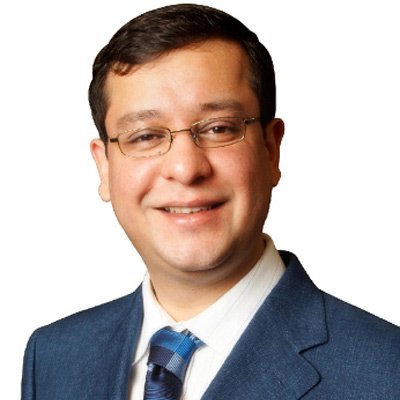
    MUMBAI: Shemaroo Entertainment has appointed Kaushal Nanavati as vice president – international business.

    Nanavati will be responsible for driving the business in the international markets and scaling up Shemaroo’s international business on television and digital platforms.

    Prior to joining Shemaroo Entertainment, Nanavati was with Disney India as director – international distribution & syndication. He has also worked with several other media companies including UTV and Zee Telefilms.

    Nanavati has an extensive experience of 18 years, of which more than 15 years has been in the television space having handled roles encompassing international channel distribution, content syndication & domestic distribution.

    Shemaroo Entertainment director Jai Maroo said, “We are glad to welcome Kaushal to the family of Shemaroo Entertainment. Shemaroo has a vast and diverse content library, whose demand has been growing phenomenally in the international markets. Kaushal will lead the team to leverage the opportunity and scale up the business.”