Tag: Zee melt 2018

  • The secret sauce to Royal Enfield’s success in India

    The secret sauce to Royal Enfield’s success in India

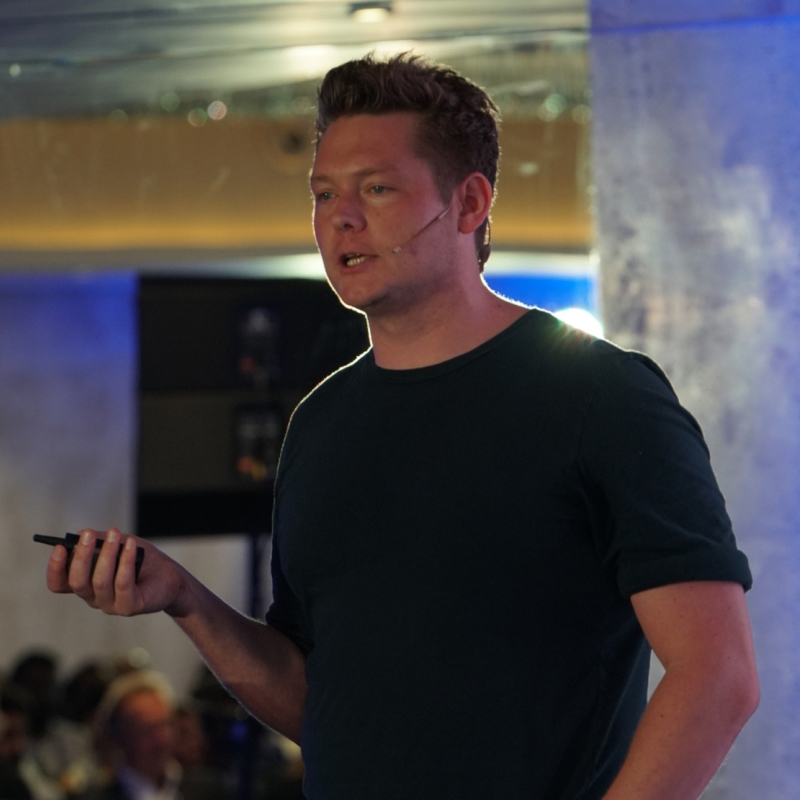
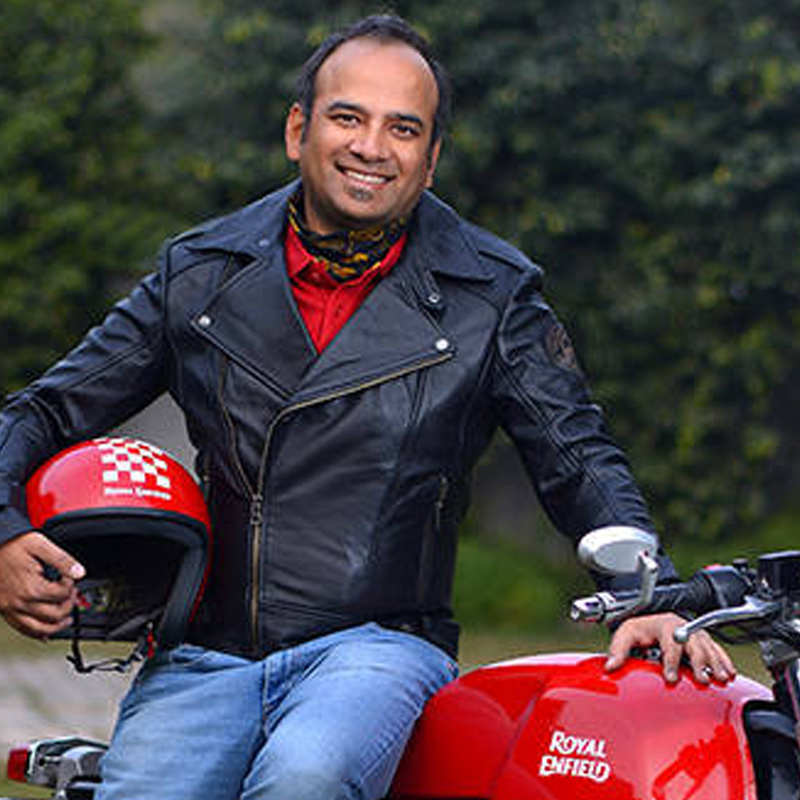
    MUMBAI: Royal Enfield or RE as it is popularly known has been one of the secretive brands that have forever been tight-lipped; never wanting to talk about its advertising, structure or business model. But it was a rare sight at Zee Melt 2018 where Royal Enfield president Rudratej Singh engaged with the audience for the first time to talk about why the brand stays away from advertising and its brand philosophy.

    First produced in 1901, Royal Enfield is the oldest motorcycle brand in the world still in production, with the Bullet model enjoying the longest motorcycle production run of all time.

    Singh kicked off his session with a short film that showcased how its consumers are not just consumers but rather a community who believe in the true spirit of riding. “We are a bunch of riders, for riders. We do not sell motorcycles but what your motorcycle can do in terms of experience,” he said.

    Singh thinks that the entire team at Royal Enfield is a bunch of storytellers trapped in an automative company and they like to express themselves via its motorcycles. Although RE is the world’s fastest growing automative company today, Singh modestly calls it a small organism that is trying to become an organisation.

    While other brands spend millions on advertisement and production, RE likes to keep it in-house and authentic. “Most of the communication and films for Royal Enfield are produced and directed in-house which saves us a lot of money rather than having an agency do it for us which would charge us nothing less than a few lakhs,” he says.

    While everyone’s guessing the secret sauce of RE’s success, it is simply a balance between keeping it aspirational and accessible. The former in being authentic for what the brand stands for and the latter in terms of cost, cost of ownership, availability and usability.

    Although the company sells motorcycles, it believes that it can motivate people to undertake travelling, something that RE owners definitely love to do, and self discover.

    RE doesn’t believe in being omnipresent. For it, context matters. Singh said, “We would rather be visible on contextual events and gathering which are relevant to us rather than being present everywhere.” Royal Enfield spends a major chunk of its time and money on creating events, experiences and products. Singh said that the company has rejected several associations where it could have had front page coverage but did not do that since it was not relevant to them and it doesn’t believe in “that kind of marketing”.

    The core of RE is to build meaningful relationships with its customers. This is done by sending frequent messages about joining its rides, attending events, being a part of the community and so on. This, in turn, has helped the brand in gaining consumer trust which is a huge asset for the motorcycle company.

    Although the company has always refrained from television commercials and major advertisements on any platform, it has always been dragged into controversy, if not by its own will then by its competitor’s statements and ads. On this, Singh said, “We always knew that we are here to expand our own market and not snatch somebody else’s market. We analyse ourselves rather than nitpicking on other companies in the segment.”

    Automation industry is all about product-led innovation and coming up with new products and launches but RE thinks of itself as a brand-led company which can do various things without being product led since brands tend to have a larger impact. Calling the company a zero GRP brand, Singh stated the reason for it being this way was because it has no money or time left and it becomes inauthentic the minute it tries to reach a large number of audience with similar communication. He said that a lot of focus for advertisers and marketers today is perennially on marketing and advertising. What you see now is only the lag of what has been happening in the industry for 15 years and the industry needs to buck up and do something about it. Marketers are trained to go for reach and frequency but the result of this approach is that people stop caring about the brand after a point of time because every communication they see around them is the same.

    “We believe in getting across our message with minimum content and minimum cost. We don’t want to blast the internet and television spots with visibility. We always struggle with having little communication with a large group of audience at RE but we are okay with that,” he concluded.

  • Zenith’s Tom Goodwin dismisses concept of a digital world

    Zenith’s Tom Goodwin dismisses concept of a digital world

    MUMBAI: The last few years have seen a major shift in consumer behaviour and the way brands interact with them through various mediums. So, the industry is evolving and changing? Well, if Zenith Media EVP and Head of Innovation Tom Goodwin is to be believed, nothing is changing.

    “All we hear now is how the world is changing and the [advertising and marketing] industry is evolving, which is not true. Nothing is changing. Our businesses will not be hampered with drones overnight. It’s easier for people living in big cities to say that the world is changing, which is not the reality,” Goodwin said.

    Speaking at Zee Melt 2018 marcom event here yesterday, Goodwin not only shattered some of the common perceptions and myths about the advertising and marketing industry but expounded too on his theories.

    Take, for example, the perceptive trend of newspaper readerships on the decline globally with people now accessing news on hand-held devices like mobile phones and tablets. Goodwin rubbished this belief by stating that newspaper readerships have increased significant, especially in countries like India and Africa.

    According to the Zenith executive, in a perfect future, passwords and payments could become a thing of the past and one would be able to unlock devices or pay a bill via face recognition software or a smile or a just a gesture. “But that’s far from today and we have to work actively in the right direction to make that happen as we, as an industry, only talk about technologies but know very little about them,” Goodwin explained, adding the industry hasn’t been able to use chatbots effectively.

    Expounding more on technology, he said people were still trying to figure out technology and its many uses in, what he calls, the “mid-digital era”. “As our expectations are high, we tend to refer [to] the past and layer it up without completely understanding it. For instance, reading newspaper should give different consumer experience on different mediums. But it doesn’t. Most newspapers today tend to copy-paste the same model of the physical paper and put it up on the internet without any innovation,” Goodwin explained.

    Pointing out that the world hasn’t “really seen any innovation in advertising since 1950”, while taking pride in being in the creative industry, he didn’t mince words: “We keep making the same mistakes”.

    While everyone talks about how the millennials were difficult to connect with, Goodwin thought they were the “easiest generation to target”. Reason? As the millennials were always connected or on their mobile phones, there, probably, hasn’t been an easier group to “reach in the entire history of humanity”. Though he’s not the only one now saying so, but Goodwin is of the opinion that “TV is not going anywhere” or dying out due to a digital onslaught simply because “TV is now being watched at more places than ever” and it was “irritating to hear” about the death of television.

    However, Goodwin certainly is not wishing away the march of digital altogether. The post “digital age” will be a world where digital will become a part of everybody’s existence and, for that to happen, “markets and agencies collectively need to create brand new experiences from the scratch”, was the advice. He added: “In order to do better business in times of chaos, brands need to transform their communication strategy by understanding people and what they need at what time.”

    While everyone talks about a digital world, Goodwin thinks there is no digital world and people were just “obsessed with the idea of digital being a thing”. Why so? He explained: “We still talk about digital as a thing and a behaviour. We have heads for digital and digital strategy and digital advertising. For the next generation, digital will be a part of their lives just as electricity is. Do we have a global head for electricity? People today don’t do internet banking but do banking in 2018, they don’t do e-commerce, they just buy stuff as and when they feel like it.”

    Not content with countering some presently held popular industry beliefs, Goodwin had some observations on brand expectations too. “Brands today like to set expectations of being the best or giving the best experience ever, which is not at all true. For instance, every bank wants to compare with every other big bank on the street,” the master said, adding, “But that’s not how a consumer judges you. They [consumers] judge you for your own service. Brands need to look into that [aspect], rather than setting high expectations.”

    Moving on to technology and companies, Goodwin advised people to apply technology correctly though they may not necessarily be technology companies. Driving home the point that beyond all the hype, consumer was the king and that every company should keep consumers at the heart of their businesses, he said, “It’s an incredible balance to be made and brands like Uber, WeWork, Whatsapp, Facebook are doing a tremendous work in that area.”

    He also noted that it was easy to presume that most companies don’t know what they were doing today, which is not the case really. “Most companies in the market today have had a large legacy behind them, and whatever and whichever version we see of them today, is a compilation of all the work they’ve been doing for so many years,” Goodwin explained, however, cautioning them of the need to “revamp and relook at their consumers” with a different lens to keep up with the changing needs and demands.

    What does he think of the present era? “It’s the most exciting time to work in business, advertising and marketing. And to be alive,” was how Goodwin summed it all up.

  • How brands can skip being ‘ad blocked’

    How brands can skip being ‘ad blocked’

    MUMBAI: Imagine a future without advertising! Not a pretty sight, is it? If that ever happens it would lead to major agencies and brands shutting down because they won’t be able to create awareness about their products and market themselves correctly. But with increasing usage of “ad-blocker” and rising consumer irritation with ads before content, it wouldn’t hurt to imagine the worst.

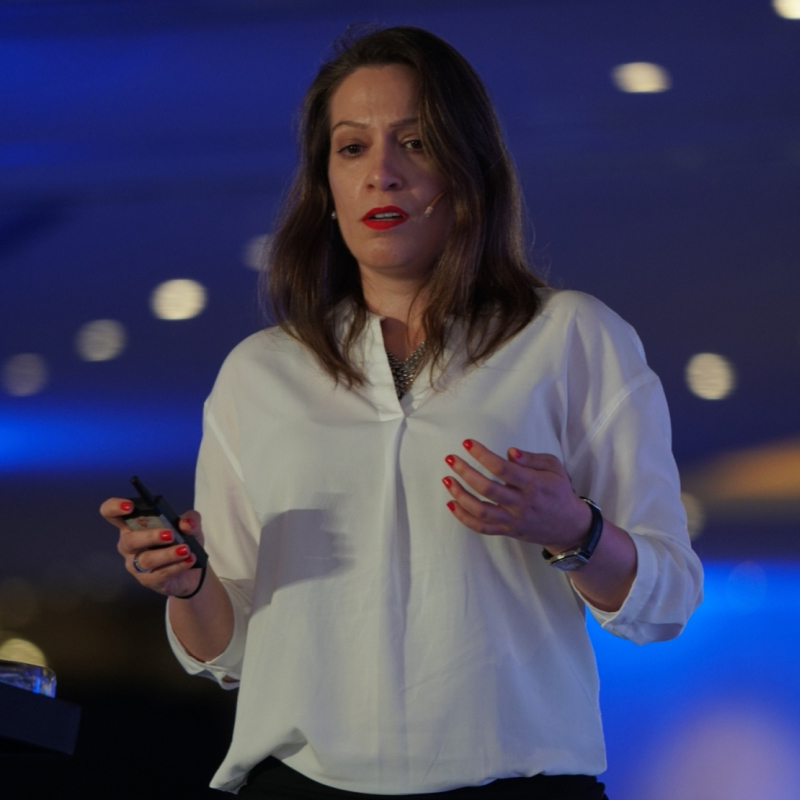
    Sparrow Digital Holdings principal Ana Milicevic spoke at Zee Melt about what the future of advertising would look like if we didn’t rectify our communication now. Her company is a digital advisor with extensive operational experience specialising in advertising and marketing technology, programmatic advertising, data management, analytics, strategy, product development and go-to-market positioning.

    Although the ad industry today is worth over $600 billion, Milicevic thinks that we are in deep trouble because most people today don’t consider ads useful and informative but find it rather annoying. Even ad blockers now have ads and that’s funny and ironical. 30 per cent of all digital consumers use ad blockers in North America which is the highest rate globally.

    Milicevic mentioned that the consumer behaviour has changed over the years where today’s consumer lives on his mobile phone which wasn’t the case 20 years ago. The expectations of consumers have changed and they expect a lot from the brand and hence need communication which is true and honest and not something that is too glossy and comes across as artificial.

    Traditionally, brands create a campaign or communication and push it to a large set of audience at once (mass marketing). But that has changed and now brands are actively investing in creating personal and semi-personal communication with each consumer depending on their likes and mood.

    A key problem with the industry today is that since it is cheaper to run a blanket campaign, most brands just go with it rather than creating customised content for the audience. She pointed out that the industry has so many channels and opportunities to talk to people but it doesn’t.

    Brands need to look into what is important to consumers and create content accordingly. They need to create personalised content or the consumer would just lose his interest in the brand. Brands also need to show immediacy while dealing with customers, be it fast delivery or quick response on call or a social message page.

    In future, every interaction will become advertising as every conversation with consumers will become advertising.  She concluded by saying that the industry needs to re-evaluate itself and the way it is communicating with the audience today “or we will risk getting skipped”.

  • Heineken’s challenge of advertising a product like beer

    Heineken’s challenge of advertising a product like beer

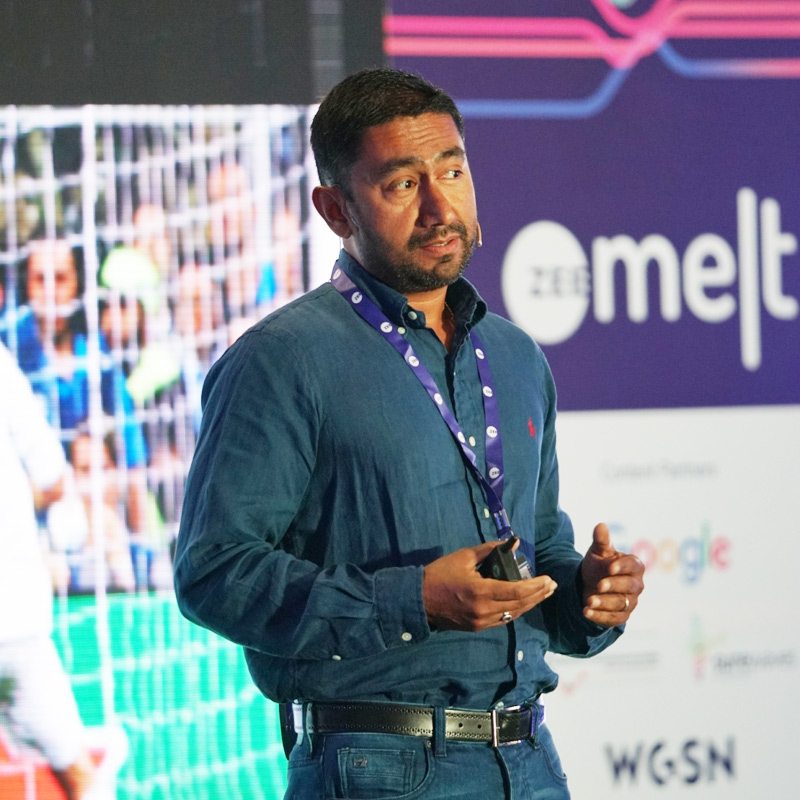
    MUMBAI: Most brands can easily take up any form of promotion when it comes to advertising themselves. But some brands have the hard task of not being allowed to advertise at all. What does one do then? That is exactly what Heineken global director of integrated marketing communication Anuraag Trikha spoke about on day one of Zee Melt – ‘Beer marketing in the digital world’.

    Trisha kicked off the session by pointing out the dilemma that global beer brands face, which is, to make sense of digital in selling something that you can buy at every corner of the country – beer. He noted that it is an interesting dilemma as the world is not 100 per cent digital or 100 per cent traditional and is rather a mix of both and that’s why it is complicated.

    He defined his dilemma in terms of scale and relevance. “Digital is nothing but relevance because relevance is in your hands, it’s the phone you carry. What’s digital to me is how relevant are you on digital. And then comes the middle ground which is a mix of scale and relevance,” he said.

    He also went on to say that he really admires music company Spotify and would quit his job at Heineken for Spotify if they offer him a job. That is solely because the music company really understands how to take big data (scale) and make it super relevant for consumers in their playlist, and that is the future of marketing where you can do relevance with scale.

    He also mentioned that brands should not dismiss the power of idea, emotion and knowing their consumer while they do all their “cool” stuff and should instead balance both sides. No matter what they do, consumers should be at the heart of everything. He then went on to showcase Heineken’s case study for UEFA champions league where its major challenge was to connect with consumers who were not watching football at all or watch football at home.

    Heineken’s mission for 2017 UEFA league was to inspire consumers to watch the league with friends and a few Heinekens. The problem is that 72 per cent consumers usually watch the match at home alone which is a big disadvantage for the brand as it dwells on being a social drink. Also, 64 per cent of Champions League matches is usually watched outside Europe which means people are watching the match in different time zones and they may not be in a mood to have a glass of beer at 4 am in the morning or at 3 pm in the afternoon.

    Marketers around the world across all genres have to consider these variables to become the most distinctive brand, according to Trikha.

    To change the scenario of drinking beer culture in Europe, Heineken got on board football coach Jose Mourinho, this time not to prep talk the footballers but rather the fans of the game.

    Although 50 per cent of Heineken’s ad spend is on television, digital is extremely important for the company as it allows to connect with the audience on a one-to-one basis. It looks at every social asset and wants to leverage social, digital and all available mediums to talk to the consumer and will increase the adverting spends considerably. He also mentioned that the brand will never report to surrogate advertising and would rather prefer not adverting at all in media dark areas than going surrogate.

  • Brands need to move away from femvertising: Sakshi Choudhary, Ogilvy India

    Brands need to move away from femvertising: Sakshi Choudhary, Ogilvy India

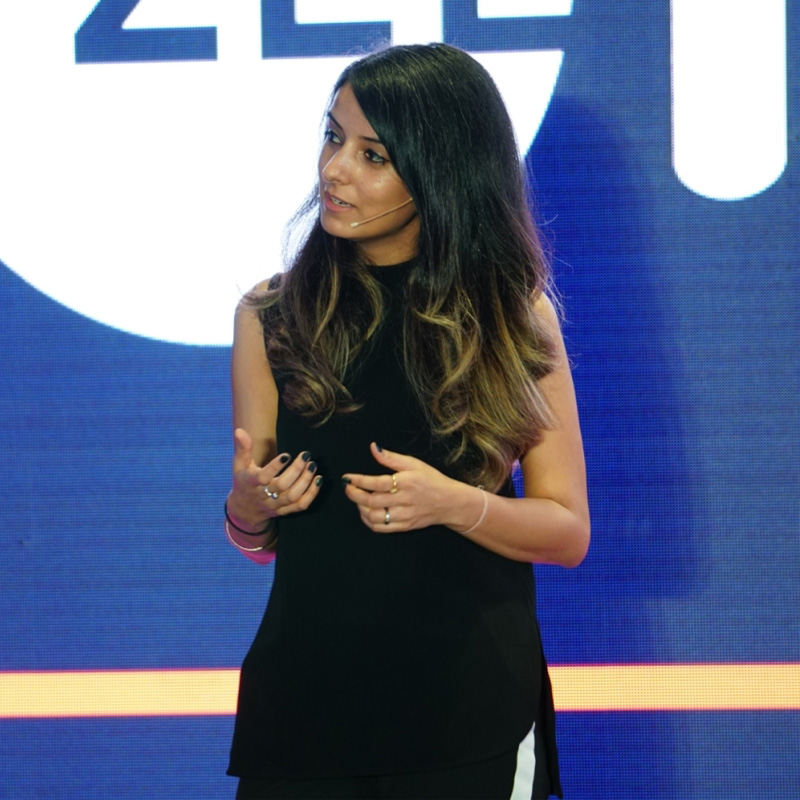
    MUMBAI: The 28-year-old lady, who rose to fame pretty early in her career, proudly sits as the creative controller at Ogilvy India’s office. An avid feminist that she herself is, Sakshi Choudhary spoke eloquently on day one of Zee Melt, on how brands must make a better portrayal of women in ads.

    The young creative head began her session with a rant on the patriarchal ad industry. “Dear ad industry, you don’t talk to me. At 21, I finally fell in love with my body, I rigged myself of the low self-esteem and I roared like a lioness. But you compare me to the kitten and chicken that will lick and bite when the oh-so masculine half-naked man sprays his oh-so masculine deodorant. Dear ad industry you don’t talk to me. At 24, I got my first big promotion and a pay-check which was a result of years of passion, handwork and persistence that has finally paid off. But you think it’s the perfect time to tell my male colleagues that it’s time for me to be picked up and carried home. Dear ad industry, why do you not talk to me? Why does the dreamer in you not connect to the dreamer in me?”

    After the intense rant, Sakshi Choudhary remarked, “If you think that as an industry we have come a long way, well think again.” She spoke about how women in India are increasingly getting into the purchasing power in categories that were predominantly considered a male dominant segment. Women today spend 2X times more time on mobile devices and 74 per cent of purchasing decision today is being made by women which includes decisions about automobile (60 per cent), vacation (90 per cent) and consumer electronics (50 per cent).

    Brands including Honda motorcycles, Bacardi Weekender, Nykaa, UrbanClap and Hotstar have recognised these opportunities to connect with women.

    Choudhary said that brands need to change the portrayal of women as an object, a homemaker or an instantly empowered woman. While creating a campaign, brands and agencies need to follow Badger & Winters test that calls out for sexism in advertising. Badger & Winters is a New Your based agency that leads with a female perspective that helps brands grow loyal and lasting relationships with women. Brands should ask themselves these four questions before they crack an advertisement or final creative:

    – No Prop: Agencies need to ask themselves whether the woman in the ad is a prop? Does she have a voice or a choice?

    – No Plastic: Is she air brushed to a point where she looks like a plastic doll?

    – No Part: Is any part of her being shown? Is it a sexually provocative ad?

    – No Stranger: would you see your mother, daughter or sister in the ad where the women is right now. If the answer to all the above points is no, do not proceed with the campaign idea.

    She then pointed out about how brands stereotype women in ads and they are given less airtime, fewer dialogues and are expected to look young and enthusiastic homemakers whereas men are always shown to have an occupation and get four times as much screen time as women.

    She also touched upon the recent trend in adverting, which is femvertising and suggested that brands should not come up with a piece of work which only speaks to women on women’s day or mother’s day. “Clients need to have an equal and empowered portrayal through the year. Brands should have realistic beauty standards and actively work for social change,” she challenges.

    She ended her session by quoting Tain Wei, “Any society that fails to harness the energy and creativity of its women is at a huge disadvantage in the modern world.”

    Indiantelevision.com got talking to Sakshi Choudhary about her views on the female economy, what the ad industry needs to do to address the issue and more. Excerpts:

    How do you ensure your agency Ogilvy does not create ads that stereotype women?

    At an individual level, I ensure that every piece of work that’s proposed or released from my team is free of stereotypes, and portrays women to be equal as men. As an agency, Ogilvy has constantly strived to create work that doesn’t just beat stereotypes (Komfort, Tata Salt), but also empowers women through effective campaigns like #MakeLoveNotScars, #NotMusicTomyEars, Vodafone Sakhi or #LforLove.

    Which platform woks the best for promoting and advertising women centric  products that promote women empowerment or women safety? Is it digital since you mentioned that women today spend 2X more time on mobile devices. Will digital change the wave?

    It doesn’t really matter which platform you place your work on as long as you reach women effectively, and the right way.

    Does creating campaign and products designed specifically for women safety or empowerment) lead to a jump in sales? Does it help in improving the brand perception?

    Yes, if done right, gender equality campaigns not only lead to increased brand love and loyalty but also sales. However, as mentioned in my talk, lately, Femvertising has become a fad. The problem arises when brands want to hop on the empowerment bandwagon just for the sake of it, or to enjoy a share of voice without any concrete on-ground results in mind.

    This happens more often on digital as brands are often in a rush to jump on a trend or an occasion. Women’s Day campaigns are a classic example.

    Gender pay is still a pressing issue in the industry. What do we need to do as an industry to address the issue?

    Gender pay gap is an issue that exists in every industry.

    While paying equally seems to be the first solution that comes to everyone’s minds, the issue is far deeper than that. Women don’t ask for their worth as often or as assertively as they should. They constantly undermine themselves and feel that they aren’t good enough. This self-doubt keeps them in a weaker position throughout their careers.

    As an industry, for starters, we women need to come together through a forum. And then address our needs through formal training workshops or mentorship by senior women leaders.

    How challenging is it to create a campaign that impacts culture?

    Extremely. Anything to do with culture, and it runs the risk of offending sensibilities. The consumers are now online, and analyzing and scrutinizing every inch of your creative online. The intent of the brand may be right, but if the execution isn’t done well and is misinterpreted, it can lead to massive brand fails.

    The risk is huge. But it’s an interesting challenge. These are also the pieces of work that come with the most fulfilment and make you feel good about being in the industry.

    Is it a major responsibility on agencies and brands to create the societal change?

    Nope, we are in the business of selling products.

    Having said that, we need to be more mindful of the undercurrents shaping our country right now.

    Whether it’s recognizing the societal advancement of women in the last 10 years, or embracing our younger population that’s judging marketing efforts and only trusting brands with a purpose.

    One piece of advice to creative heads that are at the helm of ad industry that create/want to create ads about women empowerment while not demeaning them?

    Nurture and celebrate your women.

    Retain the ones you have, and hire more to make every team in your agency gender equal.

    And nope, don’t do this to produce work only on ‘ women empowerment’.

    Do this because the current Indian woman wants to see campaigns that she can relate to. Connect with the dreamer in her.