Tag: Zee Media

  • Zee Media appoints Manish Seth as chief revenue officer

    Zee Media appoints Manish Seth as chief revenue officer

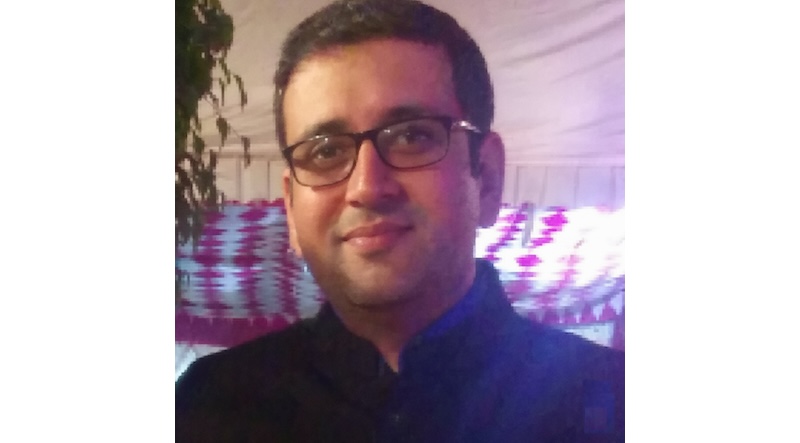
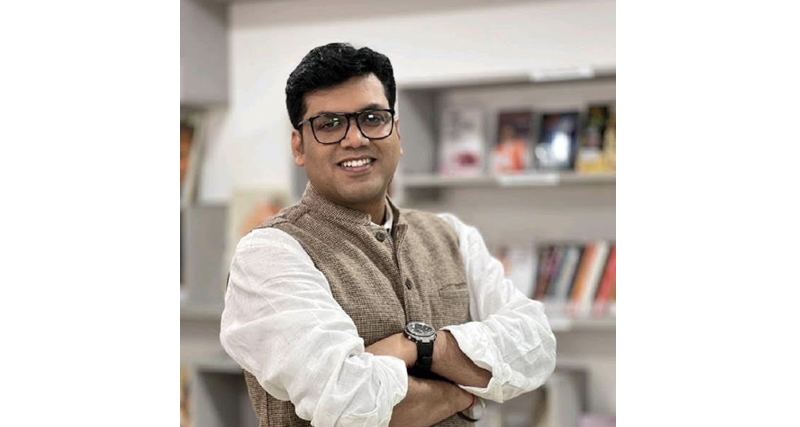
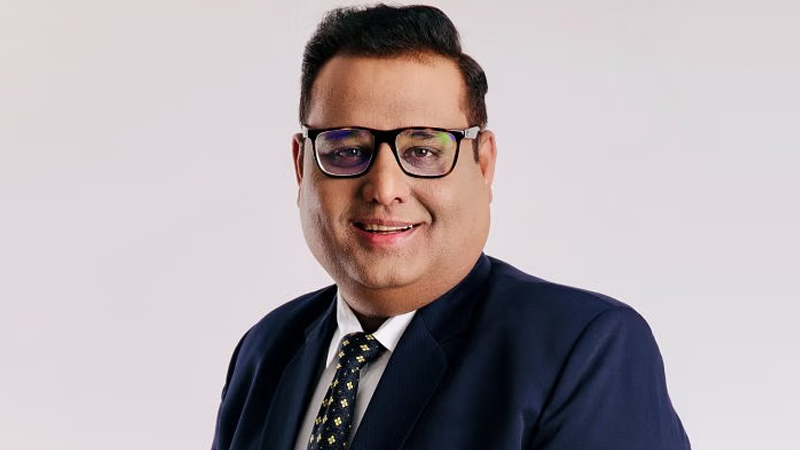
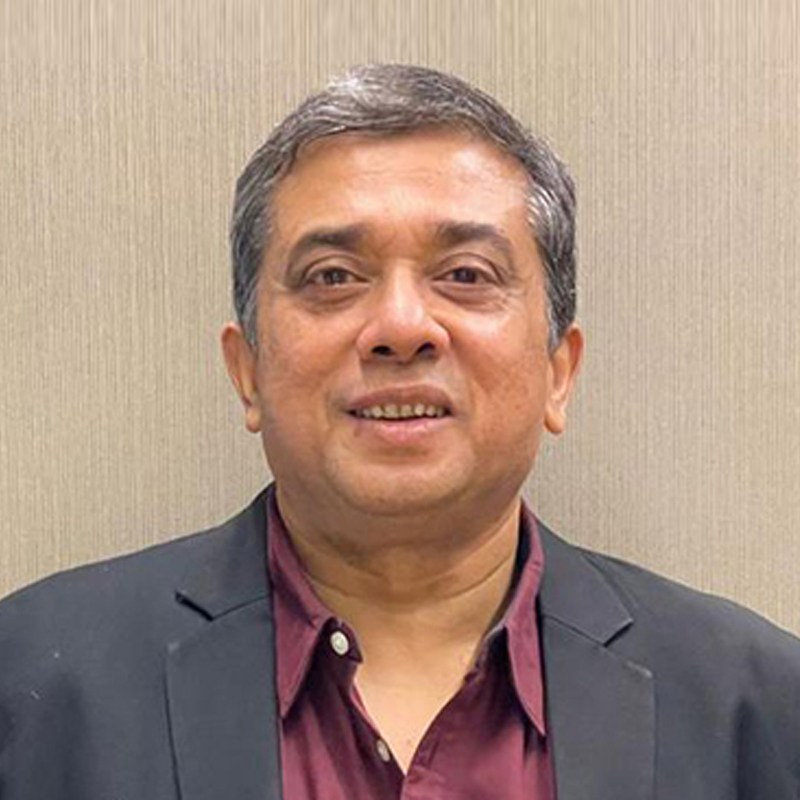
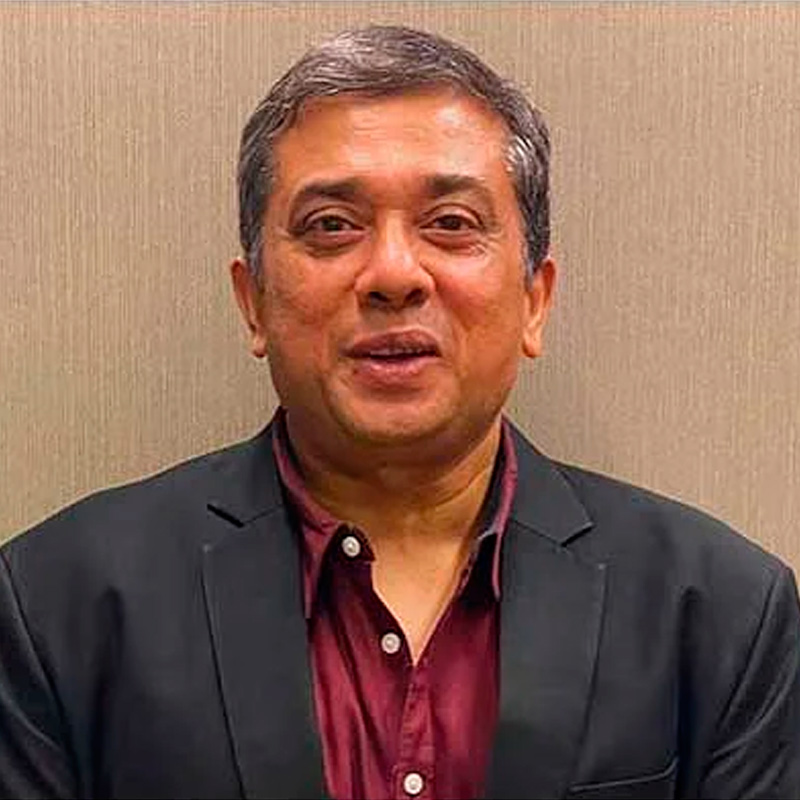
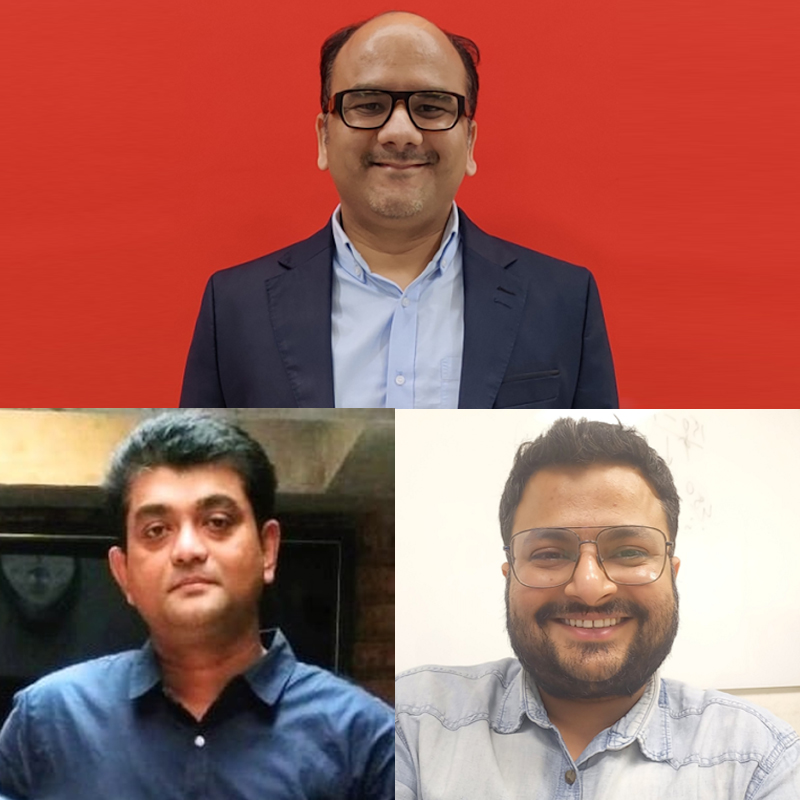
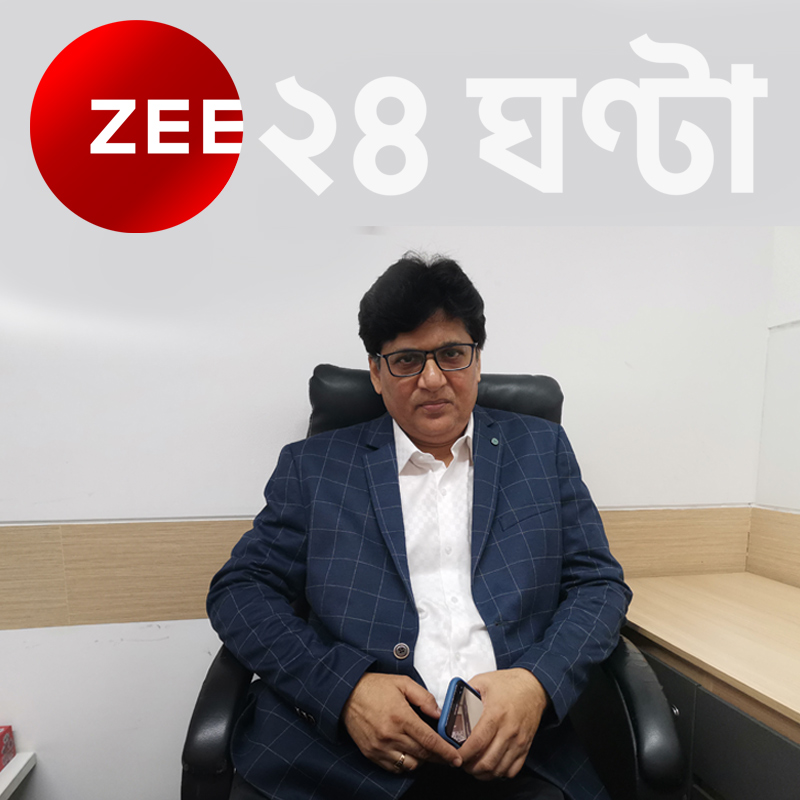
    NEW DELHI:  Zee Media has brought in Manish Seth as chief revenue officer, banking on his track record of doubling digital revenues to power the broadcaster’s next growth phase.

    Seth joins with immediate effect from 28 October, the company told stock exchanges on Monday. The appointment, approved by the board on the recommendation of the nomination and remuneration committee, designates him as senior management personnel under India’s listing regulations.

    The new chief revenue officer arrives with a formidable reputation. At TV9 Network, where he most recently served as revenue head for digital and business head for Money9, Seth doubled digital revenues in just two years. He also pioneered integrated television and digital sales models that broke new ground in Indian media.

    Before TV9, Seth spent years at Zee Unimedia, Zee Media and Bennett Coleman, consistently delivering double-digit growth and launching multiple channels and products. His expertise spans revenue strategy, sales transformation, go-to-market planning and profit-and-loss management across broadcast and digital platforms.

    Seth holds a postgraduate diploma in marketing management from the Times School of Marketing and a bachelor’s degree in science from Delhi University.

    Zee Media is betting that Seth’s digital chops and proven ability to build high-performing teams will accelerate its transformation at a time when traditional broadcasters are scrambling to capture online audiences and advertising rupees. With 25 years of trench warfare in media sales under his belt, Seth now has the mandate to write the next chapter of Zee Media’s revenue story.

  • Zee Media set to enter e-sports arena with new gaming IP

    Zee Media set to enter e-sports arena with new gaming IP

    MUMBAI: Looks like Zee Media is ready to trade the news desk for a joystick. In what could be its boldest play yet, the network is rumoured to be levelling up into the world of competitive gaming  and the buzz is electric.

    Word on the street is that Zee Media is developing a large-scale esports property designed to capture the hearts (and thumbs) of India’s youngest crowd: gen alpha, gen z and millennials. If early chatter proves true, the tournament could see over 60,000 players battling it out for a sizable prize pool, with the grand finale set to be nothing short of cinematic.

    The network is also said to be plotting a dedicated gaming Youtube channel, influencer watch-alongs, and brand-driven collaborations: a full-blown content ecosystem to bring esports firmly into the mainstream.

    It’s a move that underscores a bigger shift: gaming is no longer just a pastime, it’s pop culture and Zee Media seems intent on grabbing the controller. For now, the industry watches with anticipation to see whether this media powerhouse can turn its latest idea into India’s next big spectator sport.

  • Orange Alert as Media Chiefs Call Time on Sour Regulation

    Orange Alert as Media Chiefs Call Time on Sour Regulation

    MUMBAI: When your brightest industry minds start comparing creativity to citrus fruit, you know the discussion’s got some zest. At FICCI FRAMES 2025, the session titled “Regulating the Orange Economy: Past, Present, and Future” turned into a spirited masterclass on what’s holding back India’s most vibrant export creativity itself.

    Moderated by Koan Advisory’s Vivan Sharan, the panel brought together some of the sharpest voices in Indian broadcasting Avinash Pandey (CEO, Indian Broadcasting and Digital Foundation), Krishnan Kutty, head of cluster, Entertainment (South) – JioStar, Anil Malhotra (COO, Zee Media), and Yatin Gupta (COO, GTPL Hathway). Together, they dissected the bitter-sweet evolution of India’s media and entertainment (M&E) industry from its liberalisation glory days to today’s tangled web of red tape and regulation.

    Avinash Pandey kicked things off with a nostalgic rewind. “We were declared an industry in 1996, and for a brief while, we were actually treated like one,” he said dryly, drawing laughter from the crowd. He recounted how the early 2000s saw broadcasting boom as a sunrise sector driven by investment, private innovation, and minimal interference.

    “Then came a time when the government helped us grow,” he continued. “But today, every little aspect from pricing to packaging is regulated. We are living under a 2005 framework in a 2025 economy.”

    Pandey’s lament set the tone. The orange economy shorthand for industries fuelled by creativity and culture has turned ripe, but over-regulation, panelists warned, risks turning it sour.

    Krishnan Kutty of JioStar took the baton, calling for “a lighter hand and a smarter head” in policymaking. He drew a sharp comparison between legacy broadcasters and digital-first platforms. “Television is capped, controlled, and scrutinised. OTT platforms, meanwhile, stream what they want with almost no oversight,” he said.

    Kutty argued that the answer isn’t to regulate the new, but to liberate the old. “Over-prescription kills innovation. Consumers don’t need protection from choice they need access to more of it.” His words echoed across an audience that included broadcasters, policymakers, and streaming executives all trying to decode the new power balance between screens.

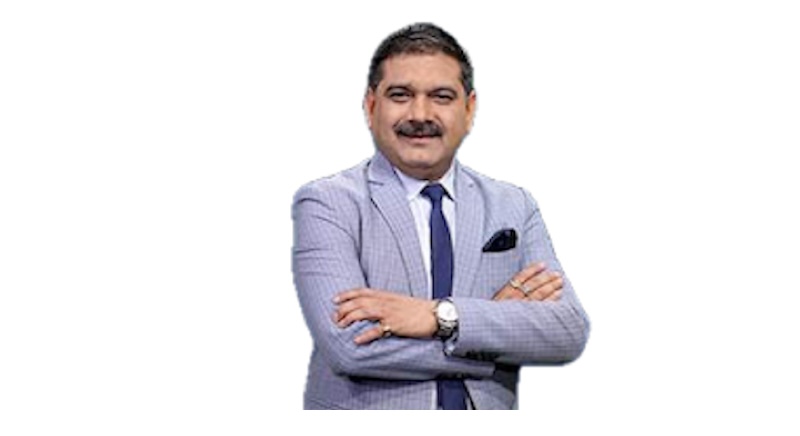
    Anil Malhotra from Zee Media added historical perspective and a dose of irony. “Cable TV arrived in India in 1985. It was regulated only in 1995. Broadcasting began in 2005, got regulated much later,” he said. “Regulation always comes late to the party and then overstays its welcome.”

    Malhotra argued that in a digital-first world, it makes no sense to hold traditional media hostage to older rulebooks. “If the government doesn’t regulate new tech like OTT and AI, it must deregulate the old. Otherwise, you’re penalising the legacy systems that built India’s media strength in the first place.”

    He also called for a “policy audit,” a comprehensive review of old broadcasting rules to identify those that have outlived their relevance. “We need regulation that enables, not restricts,” he stressed.

    GTPL Hathway’s Yatin Gupta brought the discussion closer to ground reality and homes still running on coaxial cables. “We’re the most regulated part of the media chain,” he said bluntly. “Every rate, every fee, every package is dictated. Yet, we’re expected to compete with digital platforms that face no such limits.”

    Gupta pointed out that India’s cable homes have dropped from 150 million a few years ago to around 100 million today, a staggering 30 per cent loss in a market still hungry for affordable entertainment. “We can’t evolve if we’re boxed in,” he added. “If the aim is to take India fully digital, we must support the legacy infrastructure that connects Bharat to the world.”

    He called for skill development, broadband integration, and hybrid models that let cable operators transform into full-fledged digital service providers. “If we don’t, we’ll end up with an uneven playing field and an excluded audience.”

    By the time Avinash Pandey took the mic again, his tone had sharpened. “Regulators talk about ‘orderly growth’,” he said with a knowing smile. “That’s a Soviet-era phrase. You can’t dictate how creativity grows, it defeats the very nature of innovation.”

    He urged policymakers to think of the media sector as a living organism, one that thrives on unpredictability. “Creativity doesn’t follow command-and-control models. It needs chaos, experimentation, and freedom to fail.”

    The audience broke into applause when he declared, “If you want free markets, let the market breathe.”

    Despite the fiery debate, the panel didn’t write television off. Far from it. “TV still delivers high-quality entertainment at the lowest cost per viewer,” Pandey noted. “There are over 100 million Indians yet to own a television. Growth is far from over but it will stall if innovation is strangled.”

    The panellists agreed that the future of India’s media sector lies in convergence television and digital not competing, but coexisting. With global streamers investing heavily in Indian stories and regional content booming across states, the creative economy stands at a crossroads.

    As the discussion wound down, what emerged was less of a gripe and more of a roadmap: deregulate the old, modernise the law, empower talent, and let creativity not bureaucracy set the tone.

    In a nation bursting with storytellers, artists, and innovators, the message was clear: the Orange Economy shouldn’t be juiced dry by rules made for an analogue age.

    If India truly wants to be a global creative powerhouse exporting not just IT services but imagination, it must give its creators the same freedom its coders enjoy. Or as one delegate quipped while leaving the hall, “You can’t make lemonade with red tape.”


  • Kevin Vaz retained as IBDF president, Avinash Pandey to be secretary general

    Kevin Vaz retained as IBDF president, Avinash Pandey to be secretary general

    MUMBAI: The Indian Broadcasting & Digital Foundation (IBDF) has sent out a clear signal at its 26th Annual General Meeting in New Delhi: television remains the beating heart of India’s entertainment story.

    A significant leadership transition was announced at the AGM. Media veteran Avinash Pandey will assume the role of secretary general from October 1, 2025, succeeding Siddharth Jain, whose tenure concluded on September 30. Members expressed gratitude to Jain for his contributions and warmly welcomed Pandey. Reflecting on his appointment, Pandey said, “I am honoured to take on this role at such a pivotal time. My focus will be on engaging with government, navigating the evolving regulatory landscape, and strengthening IBDF’s role as the industry’s unified voice.”  

    Chairing the AGM in his inaugural address as president, Jiostar India CEO – entertainment Kevin Vaz underscored the enduring power of linear TV. He pointed out that 97 per cent of India’s original content in 2024, nearly 200,000 hours, was created for television, which continues to engage audiences at scale with roughly 46 trillion minutes of annual viewing across 190 million screens. He described TV as the “bedrock of content creation and brand building in India,” highlighting its unmatched reach and cultural resonance through the family co-viewing experience. Vaz added that advertising revenues are set to climb, with the festive season offering an immediate boost and the government’s recent GST reforms providing a strong foundation for long-term growth. “Television’s next chapter is one of evolution, leveraging reach and trust, amplified by digital,” he said, affirming IBDF’s commitment to advocate for a forward-looking regulatory framework.

    The AGM also featured board elections, where Gaurav Banerjee of Culver Max and R. Mahesh Kumar of Sun Network were re-elected, while Anil Kumar Singhvi of Zee Media joined as a new board member. The Office Bearers were re-elected for the new term, with Vaz as president, Rajat Sharma of India TV, Banerjee, and Kumar as vice presidents, and I. Venkat of Eenadu TV continuing as treasurer. The Board also includes Aroon Purie of TV Today Network, Gaurav Dwivedi of Prasar Bharati, Jayant Mathew of MMTV, and Punit Goenka of Zee Entertainment, while Sumanta Bose of Jiostar, John Brittas of Kairali TV, and Nachiket Pantvaidya of Culver Max were co-opted as members.

    The AGM was also attended by senior officials from the Ministry of Information & Broadcasting, including secretary Sanjay Jaju and additional secretary Prabhat, who joined industry leaders at a special luncheon hosted by IBDF, enabling constructive dialogue between broadcasters and policymakers.

  • Efficacy Worldwide bolsters leadership with three senior hires

    Efficacy Worldwide bolsters leadership with three senior hires

    Gurugram: Efficacy Worldwide, the full-service advertising and marketing agency founded in 2021, has added three heavyweights to its top deck as part of an aggressive expansion across India.

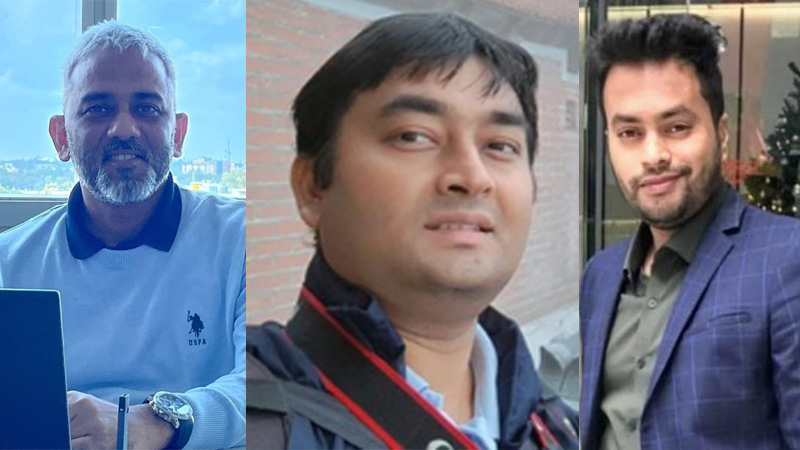
    Somnath Sarkarr joins as national investment director, bringing two decades of media-buying expertise from Madison, Vivaki, Lodestar UM and Initiative, where he was most recently vice-president investment. He will oversee digital and traditional media portfolios, blending programmatic with scale, and drive partnerships to squeeze more value out of spends.

    Prajesh Dutta, with over 20 years at Madison, Wavemaker, m/Six, Maxus and GroupM, has been named national director – strategy and innovation. He will spearhead P&L, sharpen strategy and strengthen teams.

    Meanwhile, Raj Choudhary takes charge as business head for the south. He moves from History TV18, where he was regional head, and has stints at Zee Media, Indian Express, Warner Media, Network18, Sony Pictures and Network India.

    “We are at a pivotal point in our journey and these three key senior appointments underscore our commitment to strengthening leadership and scaling operations across India,” said co-founder Sapna Sharma.

    In three years, the agency has bagged mandates from Kohler, Omega, Rado, Hero Cycles, Suzlon Energy, Foundit, Clear Dekho, UP Tourism and more. Efficacy has built a reputation for marrying creativity with technology, wielding AI-led insights, influencer SaaS tools and funnel optimisation to deliver ROI at speed.

    The trio’s combined half-century of experience marks the agency’s latest attempt to turn scale into clout.

  • Zee Entertainment bets big on micro-dramas and streaming distribution

    Zee Entertainment bets big on micro-dramas and streaming distribution

    MUMBAI: Zee Entertainment Enterprises is placing a Rs 90 crore wager on the future of India’s fragmented media landscape, betting that micro-dramas and consolidated distribution will unlock new revenue streams as audiences scatter across platforms.

    The company’s board approved investments in optionally convertible debentures of two recently incorporated subsidiaries on 14 August. The bigger bet—Rs 50 crore—goes to ZBullet Enterprises, launched just two months ago to develop “Bullet,” a micro-drama application targeting younger viewers with bite-sized series. The remaining Rs 40 crore will flow to Advance Media Distribution Ltd (AMDL), a wholly owned subsidiary designed to consolidate Zee’s entire content distribution empire.

    AMDL represents the more strategic play. The new entity will handle distribution for all Zee Entertainment and Zee Media channels, plus the company’s streaming platform Zee5. It will also take over distribution of Watcho, an over-the-top platform owned by DTH operator Dish TV that Zee currently distributes. Beyond its parent company’s assets, AMDL plans to distribute third-party television channels and streaming services on a commission basis.

    The consolidation strategy follows a well-trodden path in Indian broadcasting. Zee previously shifted its television distribution to Taj TV before bringing it back in-house. Viacom18, now merged with Star India, operated through IndiaCast, while Sony Pictures Networks manages distribution through its own subsidiary.
    The logic is compelling: as audiences consume content across both traditional television and digital platforms simultaneously, a unified distribution approach promises to unlock subscription revenue from both streams. The move also positions Zee to serve smaller channels and streaming platforms that lack the resources and expertise to manage complex distribution arrangements themselves.

    ZBullet’s micro-drama focus, meanwhile, mirrors successful platforms in China where ultra-short episodic content has captivated mobile-first audiences. For a company built on Bollywood films and Hindi soap operas, the shift towards smartphone-friendly formats represents a significant strategic pivot.

    Neither venture has generated revenue yet, with both still preparing to commence operations. The investments will be made in tranches as business plans are finalised. But the timing suggests Zee recognises that India’s entertainment future belongs to companies that can master both content creation and distribution across every conceivable platform.

  • Zee J&K Ladakh: Zee Media’s northern frontier reboot with a mission for truth and unity

    Zee J&K Ladakh: Zee Media’s northern frontier reboot with a mission for truth and unity

    MUMBAI: In a strategic pivot steeped in regional pride, Kesar TV has been rebranded to Zee J&K Ladakh— a new avatar designed to capture the pulse of India’s northern frontier. Zee Media’s fresh orange and red brand identity goes beyond mere optics, standing as a beacon for integrity, resilience, and the region’s indomitable spirit, according to a press release issued by it.

    The rebranding is not just cosmetic, adds the release. It’s a statement. Zee J&K Ladakh is here to amplify the voices of Jammu, Kashmir, and Ladakh—showcasing local stories, bridging communication gaps, and serving as a platform for hyper-local journalism. In a region where history, culture, and geopolitics collide, the channel aims to provide a steady, truthful narrative.

    Zee Media CEO Karan Abhishek Singh highlighted in the release: “With the strategic rebranding, Zee J&K Ladakh, the channel/ platform aims to be the voice of a region that has long been at the crossroads of history, culture, and geopolitics.  In fact, it is a bold step towards redefining how regional stories are told, heard, and understood. We look forward to bringing the stories of Jammu, Kashmir, and Ladakh to the forefront, with integrity, empathy, and a relentless focus on truth.”

    Salaam TV and  Zee J&K Ladakh editor Tarique Faridy added: “Zee J& K Ladakh is committed to shedding light on the issues that matter most to the people of Jammu, Kashmir, and Ladakh. We are focused on providing the region with a platform for authentic storytelling, tackling everything from local politics to the aspirations of its youth. Through this, we aim to foster understanding, cultivate hope, and inspire change within and beyond the region.”

    The press release further highlighted that Zee J&K Ladakh’s digital-first strategy would enhance its reach with a revamped website and YouTube platform, offering trusted news and insightful public interest content to audiences across borders and generations. From the snow-clad peaks of Ladakh to the bustling streets of Srinagar and Jammu, the channel pledges to be a trusted source of news, covering politics, technology, sustainability, and more.

  • Sushant Mohan snags top Zee digital gig

    Sushant Mohan snags top Zee digital gig

    MUMBAI: IndiaDotcom Digital, formerly Zee Digital, has plumped for Sushant S Mohan as its new chief editor and business manager. Mohan, a digital veteran since ’08, is tasked with giving Zee’s digital platforms a right proper shake-up, blending editorial gravitas with business brawn.

    He’s no stranger to the digital trenches, having previously steered DNA’s digital transformation as chief executive, and before that, cutting his teeth at Opera News, News18, BBC, Fever 104, Red FM, All India Radio and DD Prasar Bharti, amongst others. 

    Now, he’s promising to inject “fresh energy” and “innovation” into Zee’s digital offering, while also chasing those all-important revenue streams. 

    “It’s a privilege and an exciting challenge,” Mohan quipped, “to lead one of India’s most influential digital news platforms.” He aims to deliver “impactful journalism” with a “sharp focus” on the audience.

    Zee Media Corporation Ltd CEO  Karan Abhishek Singh reckons Mohan’s “rare blend of editorial acumen and business insights” will be just the ticket for IndiaDotcom Digital’s “new phase of growth.” The company is banking on him to keep the digital platforms “credible, relevant, and future-ready.”

    This appointment is part of IndiaDotcom Digital’s grand plan to become the “most innovative and impactful digital media platform” in India. Whether it will  manage to avoid the usual digital pitfalls remains to be seen, but with Mohan at the helm, it certainly is giving it a go.

  • Zee Media announces winners of Unveiling India Quiz

    Zee Media announces winners of Unveiling India Quiz

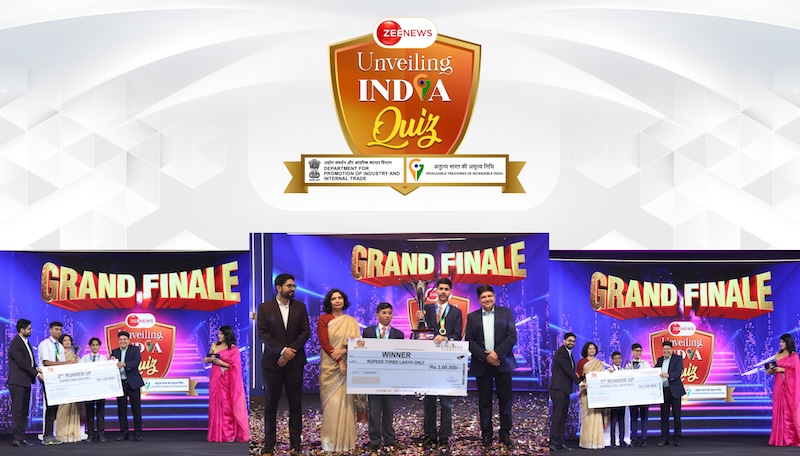
    MUMBAI: The grand finale of the Unveiling India Quiz, a landmark initiative by Zee Media in collaboration with the Department for Promotion of Industry and Internal Trade (DPIIT), captivated audiences nationwide as it aired on Zee Media’s network, gaining its status as one of India’s most impactful knowledge-driven initiatives. The overwhelming response to the telecast highlighted the scale, excitement, and cultural significance of the event.

    The telecast provided a riveting recap of the months-long journey—starting from an online Olympiad, advancing through intense state-level rounds, and culminating in a fiercely contested national finale. Viewers watched as the top eight teams battled for glory, with Army Public School, Jammu Cantt, emerging as the ultimate champion, securing the first prize. Rajagiri Public School, Kerala, claimed the second position, while Little Flower English Medium School, Kerala, took third place. Their stellar performances resonated with audiences, reinforcing the power of education in shaping future leaders.

    The telecast also shed light on the quiz’s unique focus on geographical indication (GI) tags, a defining element that introduced young minds to India’s indigenous craftsmanship and region-specific products. This emphasis on cultural and economic awareness transformed the competition into an immersive educational experience beyond traditional learning.

    Reflecting on the immense success of the initiative, Zee Media CEO Karan Abhishek Singh, said, “At Zee Media, we believe that news is not just about delivering information; it is about shaping a better, more informed society. Our commitment goes beyond headlines—we actively create platforms that empower different sections of society, be it through financial literacy initiatives, business summits, or programs that inspire and educate young minds. Unveiling India Quiz is one such initiative, designed to encourage school children to learn about India’s glorious past and promising future.”

    Adding to this, DPIIT secretary  Amardeep Singh Bhatia stated, “The Unveiling India Quiz has successfully instilled a deep sense of national pride and awareness about India’s economic and cultural diversity. This initiative is not just a competition—it is a long-term movement to nurture curiosity and appreciation for India’s vast legacy.”

    As the winners celebrate their well-earned triumph, the Unveiling India Quiz leaves behind a profound impact, encouraging millions of students across the country to embrace our unique culture, explore their heritage, and take pride in India’s incredible journey. Zee Media and DPIIT remain steadfast in their commitment to expanding such educational initiatives, ensuring that young minds continue to be inspired, empowered, and prepared for a global future.

    The resounding success of Unveiling India Quiz reaffirms the importance of knowledge-driven infotainment, setting a new benchmark in nationwide student engagement. 

  • Zee Media shareholders approve special fund-raising resolutions

    Zee Media shareholders approve special fund-raising resolutions

    MUMBAI: And so the juggernaut of Zee Media continues to roll on. 

    The company’s shareholders approved on 21 February two key special resolutions through a remote e-voting process, as set out in the postal ballot notice dated 13 January 2025.

    The resolutions include an increase in the aggregate investment limit for foreign portfolio investors (FPIs) to 49 per cent of the company’s paid-up equity share capital on a fully diluted basis, as well as the issuance of securities amounting to Rs 400 crore or its equivalent in other currencies.

    The proposals, aimed at strengthening Zee Media’s financial backbone, were passed with the requisite majority, reflecting strong shareholder support for the company’s growth initiatives. The first resolution got the go-ahead with 99.98 per cent of favourable votes, while the second one got 82.57 per cent ayes.