Tag: Zee Entertainment Enterprises Ltd

  • Zee’s A Mohan named legal ‘icon’ of the year

    Zee’s A Mohan named legal ‘icon’ of the year

    MUMBAI: India’s first home grown media conglomerate with presence in over 170 countries Zee Entertainment Enterprises (Zee) now has bagged two prestigious legal awards in the media and entertainment category.

    While an award was bestowed on the Zee legal team for the ‘Best Media and Entertainment Legal team for the year 2017-18’, company’s president (legal and regulatory) Avnindra Mohan was declared the ‘Legal Icon of the Year’ at the seventh annual Legal Era Awards 2018. Both the awards were recognition for Mohan and Zee chief legal counsel Viresh Dhaibar’s contributions to the legal-media interplay in general and for having led the company’s legal team to be one of the best in the industry.

    The jury consisted of eminent persons from the legal fraternity like former justices of Supreme Court Deepak Verma and AK Patnaik, president of Bar Association of India Dr Lalit Bhasin, solicitor and senior partner at Crawford Bayley & Co. RA Shah and chairman and editor-in-chief of Legal Media Group AK Raizada. The selection was based on weight-age given for quantity of work, diversity, quality delivered and display of business-oriented vision. The jury also looked for clear and specific evidence of teamwork and signs of how the team has found a way to achieve excellence, professionalism and high ethical standards.

    Mohan, one of the early entrants to the Subhash Chandra-founded Zee family that was still in its formative stages, was recognised for his legal works and contribution to the broadcasting sector, including dialoguing with the government to formulate India’s viewpoint at international forums on issues like the global broadcasting treaty.

    In his post-award address, Mohan said: “In Zee, we do not have a ‘team’, we have a ‘family’. The award is a formal recognition of an informally accepted fact – ‘East or West, Zee family is the best’. We are extraordinary together.”

    The Institute of Chartered Accountants of India, an apex body of chartered accountants, had earlier in January 2018 conferred on Mohan (also a CA and a management graduate) a prestigious award in the category of  ‘CA Distinguished Achiever-2017’ for exceptional performances and achievements.

    Also Read :

    ZEEL’s Punit Goenka receives Young CEO award

    Zee Business Awarded as Best Commodity Channel

    Dr.S.Radhakrishnan award to Ms. Mimansa Malik, Zee news senior anchor & producer

  • Zee set to launch channel in France with dubbed/sub-titled content

    Zee set to launch channel in France with dubbed/sub-titled content

    NEW DELHI: Zee TV, which has among the largest number of Indian channels being telecast in foreign languages in different countries, is shortly launching a channel in France.

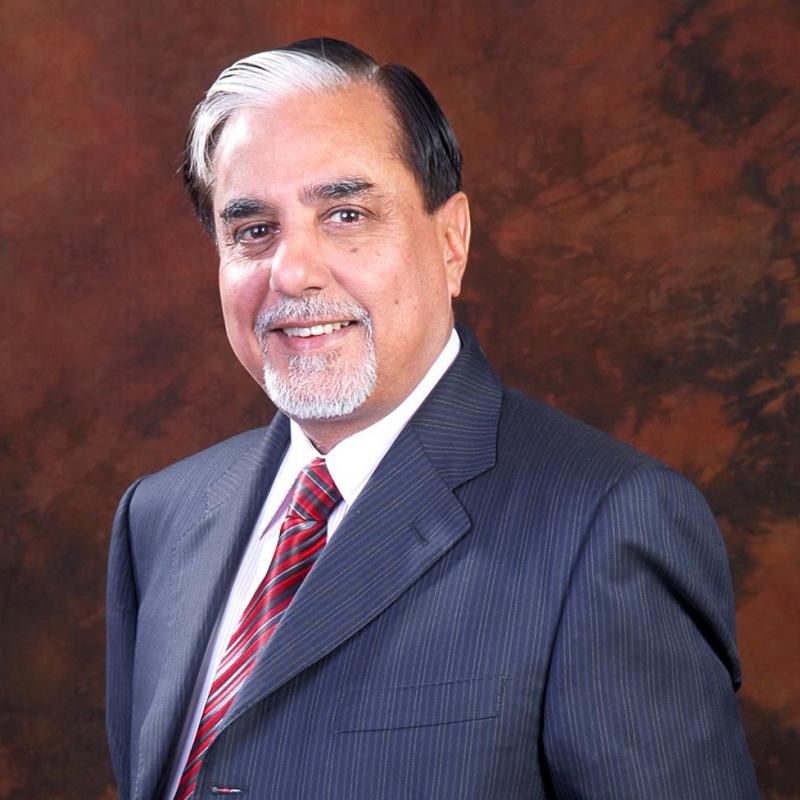
    Zee founder and Rajya Sabha (Upper House of Parliament) Member of Parliament Subhash Chandra told indiantelevision.com that the group, which had recently launched a channel in Germany, Zee One Germany, is aiming to launch in France to expand reach and target the Indian programme loving French and people of South Asian origin.

    “The French channel could be launched within six months or so,” he added without giving a fixed time frame or outlining whether the channel may also at some point of time carry original French content.

    Zee, which through a plethora of TV channels (some of which are dubbed in local languages in various countries) was already reaching 200 million viewers overseas, aims “to increase that reach to 500 million”. Speaking on the sidelines of the SATCAB meet organized here by the All India Dish Antenna Aavishkaar Sangh here yesterday, Chandra said that France was until now receiving the channel launched by the group for the United Kingdom.

    Zee at present has channels in foreign languages running in UAE/KSA (Arab), Russia, Fiji, Australia, New Zealand, Africa/Mauritius, the Caribbean, United States, Canada and Brazil.

    According to Chandra, content from Hollywood dominates the world and it earns 65 per cent from overseas markets, while only 35 per cent from within the US market. “India with its content of feature films and appealing television programmes can also make a mark overseas,” he added.

    While pointing out that in the international market, Zee had “successfully” taken popular domestic content in the original as well as repurposed form to focus not just on the South Asian diaspora, but on a wider cross section of global audiences, Zee Entertainment Enterprises MD and Chandra’s elder son Punit Goenka had said in the company’s annual report for FY 2015-16, “This strategy is working for beyond boundaries and being true to our philosophy of `The World is My Family’. Our popular channels in this context like Zee World, Zee Aflam and Zee Magic have witnessed substantial viewership growth in their respective markets. ZEEL expanded its reach to the Asia Pacific region through channels like Zee Bioskop and Zee Nung.”

    Zee Bioskop reaches approximately two million homes in Indonesia and Zee Nung caters to about 2.5 million homes in Thailand.

    Launched in April, 2015 as a GEC pay channel for the local Indonesian audience, Zee Hiburan, for example, is completely dubbed in Bahasa Indonesia and is also available in Hindi. Zee Sine, a 24/7 Bollywood movie channel, customised and packaged for local audiences, was launched in the Philippines in April 2016.

    ALSO READ:

    ZEEL launches new movie channel in Germany

    ZEEL Cignals deal for Filipino channel Zee Sine

    Zee Cinemalu added to US portfolio

  • Sports TV 2016: Digital explosion, player consolidation & confusion

    Sports TV 2016: Digital explosion, player consolidation & confusion

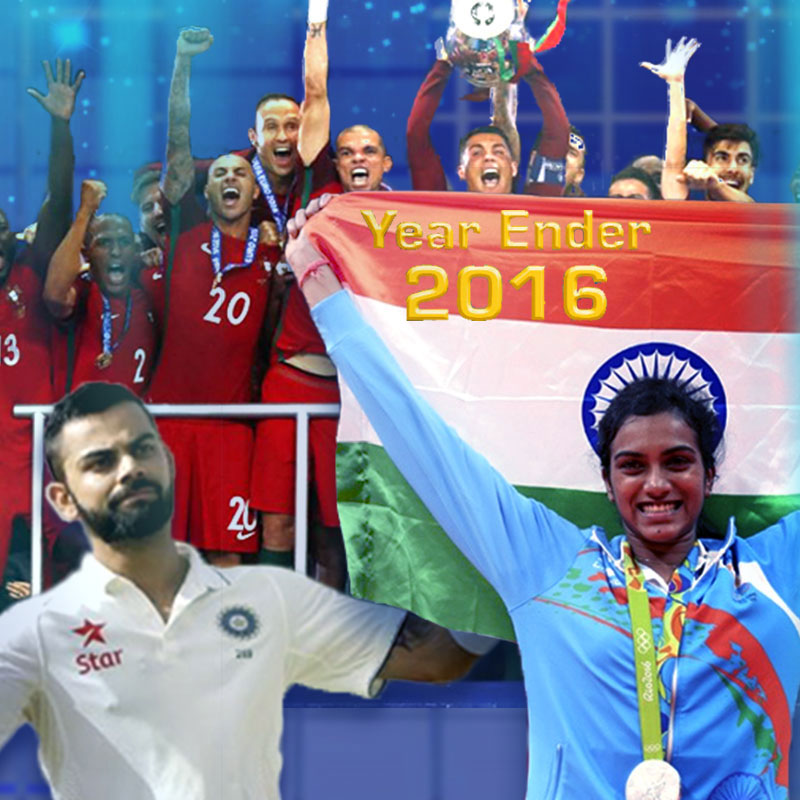
    2016 was a roller-coaster for Indian sports in the truest sense. It was akin to a Bollywood pot-boiler of the country’s sportspersons bringing cheer and applause in various disciplines, including Rio Olympics, to melodrama and suspense of wrestler Narsingh Yadav’s doping issue and whether he or Sushil would represent India to superb action on and off the field (off the field ones involving mostly our politician-administrators and their disdain for rules of the games) to romance to multiple climaxes in a game-changing year that could well herald Indian sports broadcasting becoming a two-horse show with digital media piggy-back riding sports in general.

    The year began on a strong note with Sony Pictures Network India (SPNI) joining hands with majority Walt Disney-owned ESPN to launch two new English channels, Sony ESPN and Sony ESPN HD. The channels started broadcasting on 17 January 2016 with the Australian Open and going on to telecast several high profile and popular sporting events, both Indian and international, throughout the year. The co-branded Sony-ESPN channels replaced Sony KIX.

    Sony’s bouquet of sports channels (Sony Six, Sony Six HD, Sony ESPN and Sony ESPN HD) also broadcast the Euro Cup, one of the hottest sporting properties and the second most followed event in the football fraternity after the World Cup. The numbers were good with a league phase match between Italy and Spain garnering as much as 1.7 million impressions on BARC ratings. A quarter-final match between Poland and Portugal, the eventual winners, managed 290,000 impressions. The whole tournament totted up a cumulative TV audience of 62.7 million viewers . The final between Portugal and France witnessed 12.4 million Indian viewers, reaching a peak between 1:00 AM to 1:30 AM on 11 July 2016 with 7.4 million viewers. Kolkata notched up the highest percentage (19.3 per cent) of total viewership followed by Mumbai, Bangalore, Delhi and Aizwal.

    For SPNI, which promoted the event extensively and started selling ad inventory six months before the tournament began at a fairly high rate (Rs 250,000 for a 10-second spot) , it was a positive sign for the future of football broadcasts in the Indian market as such rates were unheard of three to four years ago. That Sony was building up to a climax became clear later in the year.

    Setting rest to speculations, Sony Pictures Networks announced on 31 August 2016 that it had entered into definitive agreement with Zee Entertainment Enterprises Ltd (ZEEL) to acquire the Ten Sports network in a deal worth $385 million. Owned by Taj Television, the distribution arm of ZEEL,TEN Sports operated five channels— TEN 1, TEN 2, TEN 3, TEN Golf HD and TEN 1 HD.

    As and when the acquisition is completed— it is subject to regulatory approvals — SPNI’s bouquet of sports channels will be the biggest in India, heralding not only consolidation in a fragmented sports market, but also making the Indian sports broadcast realm a two-horse race (Star India on one side and Sony-ESPN combine on the other) as Nimbus Sports with two channels and few premier events rights (French Open for one) remains a comparatively small player.

    The other big gun in the sports arena, Star India added more channels to its sports-channel stable with the mid-July launch of Star Sports Select HD 1 and Select HD 2. The channels will not only widen the Star Sports bouquet, but would also add marketing fire-power to Star India as the new channels were launched to exclusively offer Premier League, Bundesliga, Tennis Grand Slams and Formula 1. What makes the sports scene exciting is that Star India has sunk not only billions of dollars in acquiring strong sporting properties, including rights of Indian cricket, but is also building new properties like India Soccer League and Pro-Kabaddi for both men and women.

    But cricket ruled the Indian hearts of Indian fans keeping them on tenterhooks for on and off the field activities. The most successful Indian league, the Indian Premier League or IPL, despite criticism revolving around it becoming stale, continued to rule the waves with addition of two new teams and Vivo coming on board as the title sponsor in a deal estimated to be worth Rs. 2 billion or Rs. 200 crore, marking a 25 per cent increase in what PepsiCo paid earlier for a five-year deal.

    According to a few media reports, IPL earned close to Rs 2,500 crore or Rs. 250 billion in revenues, which included TV and digital rights, teams’ sponsorships, ticket sales and merchandising. On social media too, IPL made just the right amount of noise, but it lagged behind last season’s buzz, according to media firm Maxus’ MESH report on the IPL. Overall, IPL2016 generated 3.1 million mentions throughout the tournament in 2016. While IPL 2016 lagged behind in mentions throughout the tournament as against IPL2015, the final week of this season saw a jump of 74 per cent in conversations.

    On the TV platform, IPL continued setting new trends. 54 per cent of the total Indian audience remained glued to the event on pay television. Mumbai, Delhi, Bengaluru, Kolkata and Hyderabad were the best markets in terms of TV viewing, cumulatively reaching 361 million people. The final, played between Sunsrisers Hyderabad and Royal Challengers Bangalore, was the most viewed match of the season; getting about 44.68 million impressions. Summed across the five channels over five weeks, the total viewership stood at 1.02 billion BARC impressions, one of the highest-ever in Indian television history.

    Year 2016 also saw the rise of `other alternative’ sports or those disciplines that can be kept in a tray where non-cricket and non-tennis games are kept. Pro-Kabaddi League came up with two editions this year. The first edition of the league saw a rise of 36 percent in terms of TV viewership compared to last year. The event was beamed on five channels – Star Gold, Star Sports 2 and 3, Plus Suvarna and Maa Movies, apart from the digital platform of Hotstar, which also saw a 33 percent growth in terms of ‘total minutes viewed’ over the first 11 days of Season 3.

    The fourth season of the Pro-Kabaddi League or PKL also happened in 2016. The ratings showed a growth pattern, making PKL one of the prime sporting properties in the Indian market. Star Sports said that the league had seen a cumulative growth of 51 per cent, regularly posting 10 million average impressions that were about 2.3 times higher than last year, turning a rural sport into a cult hit. Time for Bharat to take a bow!

    A fairly good show by the likes of pro boxing matches featuring India’s Vijender Singh, Indian Badminton League, ISL and Pro Wrestling League convinced sportspersons, event managers and advertisers that if properly packaged non-cricket sports too can attract viewership, audiences in stadia and generate revenues for all stakeholders.

    The year also witnessed the rise of the digital platform, in general, and marketing tactics by them to further increase penetration riding on the craze for popular sports in India. For example, Hotstar bought the digital rights of IPL last year to push its boundaries. While 35 million people had watched the IPL play-offs in the 2015 season, the numbers swelled remarkably in 2016 reaching 80 million. It would be quite safe to predict that there were a billion views on the digital platform this season for sporting events.

    Throughout the year, Hotstar’s premium services saw a huge drive to add new members. The registration was kept fairly simple and all major football leagues in Europe and Germany were broadcast on the digital platform. Cricket ODI matches and Tests on Star Sports were broadcast with an average delay of about five minutes, which garnered a lot of traction and spurred downloads of the app.

    With Sony LIV giving good competition with El Clasico and other events, it seems popular sports can actually drive the growth of digital platforms, especially subscription-based OTT services. The total watch time on OTT platforms in 2016 went up by 60 percent, driven also by the fact newcomer Reliance Jio started giving away the Hotstar app free to its subscribers.

    Proliferation of HD services too (mostly separately and differently priced for consumers), like OTT platforms, joined the gravy train trying to entice viewers through sporting events. For example, Indian fans of the English Premier League were in for a surprise when Star Sports announced that Indians will not be able to watch the matches beyond 31 October 2016; they would have to perforce sign up for the Star Sports HD channel package, which included Star Sports Select HD1 and HD2.

    With the arrival of Paul Pogba and Zlatan Ibrahimovic as players with huge fan-bases and forever-at-loggerheads managers Jose Mourinho and Pep Guardiola, Star knew the Indian following would not diminish — and they were not disappointed. If a consumer subscribed to all the sports channels in HD on a DTH platform, the package would cost approximately Rs. 700 per month. Many ardent non-cricket fans chose the high ticket option, while the remaining moved over to the digital platform as a significant number of live sports events were watched on Hotstar where the premium service cost Rs199 per month.

    However, one of the many climaxes, which added to the roller-coaster ride of sports broadcasting in India, involved the sports administrators. BCCI’s continuing face-off with the Supreme Court-mandated Lodha Committee recommendations on proposed clean-up of cricket — buffeted by allegations of match-fixing, conflicts of interests and brazen politicking — could pose a question mark on cricket matches organised by BCCI and their eventual telecasts.

    A shadow has even been cast over the 10th edition of IPL too. If the BCCI and Supreme Court don’t come to an amicable solution on former’s defiance and the latter’s hardening of stance, IPL future could be hazy having cascading effects on issues like broadcast rights and on some stakeholders like SPNI, Star India and team franchises who all have sunk in billions of Indian rupees in the juggernaut called IPL and India cricket.

    The year may have come to an end, but sports promises to continue providing more excitement. As they say, the match ain’t over till it is over.

  • Sports TV 2016: Digital explosion, player consolidation & confusion

    Sports TV 2016: Digital explosion, player consolidation & confusion

    2016 was a roller-coaster for Indian sports in the truest sense. It was akin to a Bollywood pot-boiler of the country’s sportspersons bringing cheer and applause in various disciplines, including Rio Olympics, to melodrama and suspense of wrestler Narsingh Yadav’s doping issue and whether he or Sushil would represent India to superb action on and off the field (off the field ones involving mostly our politician-administrators and their disdain for rules of the games) to romance to multiple climaxes in a game-changing year that could well herald Indian sports broadcasting becoming a two-horse show with digital media piggy-back riding sports in general.

    The year began on a strong note with Sony Pictures Network India (SPNI) joining hands with majority Walt Disney-owned ESPN to launch two new English channels, Sony ESPN and Sony ESPN HD. The channels started broadcasting on 17 January 2016 with the Australian Open and going on to telecast several high profile and popular sporting events, both Indian and international, throughout the year. The co-branded Sony-ESPN channels replaced Sony KIX.

    Sony’s bouquet of sports channels (Sony Six, Sony Six HD, Sony ESPN and Sony ESPN HD) also broadcast the Euro Cup, one of the hottest sporting properties and the second most followed event in the football fraternity after the World Cup. The numbers were good with a league phase match between Italy and Spain garnering as much as 1.7 million impressions on BARC ratings. A quarter-final match between Poland and Portugal, the eventual winners, managed 290,000 impressions. The whole tournament totted up a cumulative TV audience of 62.7 million viewers . The final between Portugal and France witnessed 12.4 million Indian viewers, reaching a peak between 1:00 AM to 1:30 AM on 11 July 2016 with 7.4 million viewers. Kolkata notched up the highest percentage (19.3 per cent) of total viewership followed by Mumbai, Bangalore, Delhi and Aizwal.

    For SPNI, which promoted the event extensively and started selling ad inventory six months before the tournament began at a fairly high rate (Rs 250,000 for a 10-second spot) , it was a positive sign for the future of football broadcasts in the Indian market as such rates were unheard of three to four years ago. That Sony was building up to a climax became clear later in the year.

    Setting rest to speculations, Sony Pictures Networks announced on 31 August 2016 that it had entered into definitive agreement with Zee Entertainment Enterprises Ltd (ZEEL) to acquire the Ten Sports network in a deal worth $385 million. Owned by Taj Television, the distribution arm of ZEEL,TEN Sports operated five channels— TEN 1, TEN 2, TEN 3, TEN Golf HD and TEN 1 HD.

    As and when the acquisition is completed— it is subject to regulatory approvals — SPNI’s bouquet of sports channels will be the biggest in India, heralding not only consolidation in a fragmented sports market, but also making the Indian sports broadcast realm a two-horse race (Star India on one side and Sony-ESPN combine on the other) as Nimbus Sports with two channels and few premier events rights (French Open for one) remains a comparatively small player.

    The other big gun in the sports arena, Star India added more channels to its sports-channel stable with the mid-July launch of Star Sports Select HD 1 and Select HD 2. The channels will not only widen the Star Sports bouquet, but would also add marketing fire-power to Star India as the new channels were launched to exclusively offer Premier League, Bundesliga, Tennis Grand Slams and Formula 1. What makes the sports scene exciting is that Star India has sunk not only billions of dollars in acquiring strong sporting properties, including rights of Indian cricket, but is also building new properties like India Soccer League and Pro-Kabaddi for both men and women.

    But cricket ruled the Indian hearts of Indian fans keeping them on tenterhooks for on and off the field activities. The most successful Indian league, the Indian Premier League or IPL, despite criticism revolving around it becoming stale, continued to rule the waves with addition of two new teams and Vivo coming on board as the title sponsor in a deal estimated to be worth Rs. 2 billion or Rs. 200 crore, marking a 25 per cent increase in what PepsiCo paid earlier for a five-year deal.

    According to a few media reports, IPL earned close to Rs 2,500 crore or Rs. 250 billion in revenues, which included TV and digital rights, teams’ sponsorships, ticket sales and merchandising. On social media too, IPL made just the right amount of noise, but it lagged behind last season’s buzz, according to media firm Maxus’ MESH report on the IPL. Overall, IPL2016 generated 3.1 million mentions throughout the tournament in 2016. While IPL 2016 lagged behind in mentions throughout the tournament as against IPL2015, the final week of this season saw a jump of 74 per cent in conversations.

    On the TV platform, IPL continued setting new trends. 54 per cent of the total Indian audience remained glued to the event on pay television. Mumbai, Delhi, Bengaluru, Kolkata and Hyderabad were the best markets in terms of TV viewing, cumulatively reaching 361 million people. The final, played between Sunsrisers Hyderabad and Royal Challengers Bangalore, was the most viewed match of the season; getting about 44.68 million impressions. Summed across the five channels over five weeks, the total viewership stood at 1.02 billion BARC impressions, one of the highest-ever in Indian television history.

    Year 2016 also saw the rise of `other alternative’ sports or those disciplines that can be kept in a tray where non-cricket and non-tennis games are kept. Pro-Kabaddi League came up with two editions this year. The first edition of the league saw a rise of 36 percent in terms of TV viewership compared to last year. The event was beamed on five channels – Star Gold, Star Sports 2 and 3, Plus Suvarna and Maa Movies, apart from the digital platform of Hotstar, which also saw a 33 percent growth in terms of ‘total minutes viewed’ over the first 11 days of Season 3.

    The fourth season of the Pro-Kabaddi League or PKL also happened in 2016. The ratings showed a growth pattern, making PKL one of the prime sporting properties in the Indian market. Star Sports said that the league had seen a cumulative growth of 51 per cent, regularly posting 10 million average impressions that were about 2.3 times higher than last year, turning a rural sport into a cult hit. Time for Bharat to take a bow!

    A fairly good show by the likes of pro boxing matches featuring India’s Vijender Singh, Indian Badminton League, ISL and Pro Wrestling League convinced sportspersons, event managers and advertisers that if properly packaged non-cricket sports too can attract viewership, audiences in stadia and generate revenues for all stakeholders.

    The year also witnessed the rise of the digital platform, in general, and marketing tactics by them to further increase penetration riding on the craze for popular sports in India. For example, Hotstar bought the digital rights of IPL last year to push its boundaries. While 35 million people had watched the IPL play-offs in the 2015 season, the numbers swelled remarkably in 2016 reaching 80 million. It would be quite safe to predict that there were a billion views on the digital platform this season for sporting events.

    Throughout the year, Hotstar’s premium services saw a huge drive to add new members. The registration was kept fairly simple and all major football leagues in Europe and Germany were broadcast on the digital platform. Cricket ODI matches and Tests on Star Sports were broadcast with an average delay of about five minutes, which garnered a lot of traction and spurred downloads of the app.

    With Sony LIV giving good competition with El Clasico and other events, it seems popular sports can actually drive the growth of digital platforms, especially subscription-based OTT services. The total watch time on OTT platforms in 2016 went up by 60 percent, driven also by the fact newcomer Reliance Jio started giving away the Hotstar app free to its subscribers.

    Proliferation of HD services too (mostly separately and differently priced for consumers), like OTT platforms, joined the gravy train trying to entice viewers through sporting events. For example, Indian fans of the English Premier League were in for a surprise when Star Sports announced that Indians will not be able to watch the matches beyond 31 October 2016; they would have to perforce sign up for the Star Sports HD channel package, which included Star Sports Select HD1 and HD2.

    With the arrival of Paul Pogba and Zlatan Ibrahimovic as players with huge fan-bases and forever-at-loggerheads managers Jose Mourinho and Pep Guardiola, Star knew the Indian following would not diminish — and they were not disappointed. If a consumer subscribed to all the sports channels in HD on a DTH platform, the package would cost approximately Rs. 700 per month. Many ardent non-cricket fans chose the high ticket option, while the remaining moved over to the digital platform as a significant number of live sports events were watched on Hotstar where the premium service cost Rs199 per month.

    However, one of the many climaxes, which added to the roller-coaster ride of sports broadcasting in India, involved the sports administrators. BCCI’s continuing face-off with the Supreme Court-mandated Lodha Committee recommendations on proposed clean-up of cricket — buffeted by allegations of match-fixing, conflicts of interests and brazen politicking — could pose a question mark on cricket matches organised by BCCI and their eventual telecasts.

    A shadow has even been cast over the 10th edition of IPL too. If the BCCI and Supreme Court don’t come to an amicable solution on former’s defiance and the latter’s hardening of stance, IPL future could be hazy having cascading effects on issues like broadcast rights and on some stakeholders like SPNI, Star India and team franchises who all have sunk in billions of Indian rupees in the juggernaut called IPL and India cricket.

    The year may have come to an end, but sports promises to continue providing more excitement. As they say, the match ain’t over till it is over.

  • 2016: The Year of Disruption: Growth, revenues, M&As, new techs, flip-flops in times of demonetisation

    2016: The Year of Disruption: Growth, revenues, M&As, new techs, flip-flops in times of demonetisation

    Year 2016 was a rare instance when the Indian government and a global company’s projections for the Indian media and entertainment industry seemed to be matching for a large part of the year. Almost. Considering the differences in parameters that the government adopts for economic outlook calculations, convergence on data (give and take a few billions here and there) was startling — and pleasant too.

    PwC’s mid-year Global Entertainment & Media Outlook 2016-20 said India’s entertainment and media sector was expected to grow steadily over the next four years and exceed US$40,000million (or US$ 40 billion) by 2020.

    Ditto for the government’s predictions, which were looking as pretty, but then came demonetisation and the figures have since been revised.

    The website of India Brand Equity Foundation (IBEF), a think-tank established by India’s Ministry of Commerce, states that the media & entertainment sector is expected to grow at a CAGR of 14.3 per cent to touch Rs 2.26 trillion (US$ 33.7 billion) by 2020; revenues from advertising are expected to grow at 15.9 per cent to Rs 99,400 crore (US$ 14.82 billion).

    Even though these numbers may seem fabulous for many in snail like growth economies, the fact is that the government seems to have moderated its outlook as the website was updated in December 2016.

    These projections, coupled with some bold regulatory and policy initiatives in 2016, stll indicate a fairly good pace of growth this year and continuing momentum over the next few years.

    The goals seemed achievable and an easy cruise till Prime Minister Modi’s currency demonetisation bomb exploded on 8 November and resulted in the shifting of various goalposts.

    Despite lofty ideals of fighting the menace of black economy, of enabling a digital cashless society, and enriching the poor via the demonetisation move, uncertainties over policy decisions, are gradually sinking in and slowing down various segments of the economy, including the media and entertainment sector.

    public://dishtv-videocon_1.jpgAs India grapples with challenging times, we at indiantelevision.com bring to you the first episode in our year-ender 2016 series, which will look at various segments of the M&E industry; especially the broadcast and cable segments. Presenting to you the 2016 Big Picture.

    Mergers & Acquisitions and Consolidations

    The year saw some big mergers and acquisitions (M&A) moves, subject to regulatory approvals, of course, but also signalling that the highly fragmented Indian broadcast and cable sector was witnessing some consolidation, which has been talked about for over five years now.

    For example, an oft repeated question of overseas media observers tracking Indian media sector was: even if  India is a huge market, how long can it sustain six private sector DTH services and pubcaster Doordarshan’s free DTH service FreeDish in terms of  burgeoning subscriber numbers and also rising expenditure on servicing them?

    The question got answered when Zee/Essel Group’s Dish TV and Videocon D2h announced that the latter would merge with the former under a complex share swap with the merged entity — to be called Dish TV Videocon Ltd — becoming a cable and satellite behemoth serving 27.6 million net subscribers (based on September 30, 2016 numbers) out of a total of 175 million TV households in India.

    In the combined satellite platform, to be led by India’s DTH pioneer Jawahar Goel, Dish TV would be holding a 36 per cent stake with Videocon D2h promoters owning a 28 per cent equity stake. Later, the two announced that the former has agreed  to buy an additional 9.90 per cent equity in the company in two tranches from the promoters of Videocon d2h going forward within the next two years.

    Not content with grabbing access to additional DTH homes, the Subhash Chandra-led Essel group went on an on an acquisition spree. In two separate developments in November, through two different corporate entities — Zee Entertainment and Zee Media — Zee took  full control of the general entertainment TV business and a 49 per cent stake in the radio business of the Anil Ambani-led Reliance ADA group, respectively. Both these acquisitions have not only given the Zee group access to a few Indian language GECs and 59 FM radio channels, but also scope for monetising additional eyeballs, ears and reach.  

     Zee Entertainment shed some weight and agreed to sell its sports TV channels, marketed under the Ten Sports brand name, to Sony Pictures Network leaving the 21 st Century Fox owned Star (which was earlier this year valued at $14 billion by financial services firm Edelweiss Capital) and Sony-ESPN combine to slug it out in the sports broadcasting ring. Of course, Nimbus Sports continues to hover around as a comparatively small player.

    Cable TV’s tough road; the struggle continues

    It was a year of deja-vu for cable TV firms and broadcasters as the effort to eke out more subscription revenues from the ground met with limited and marginal success. That meant those in distribution continued to struggle to get their acts together even as those companies which were listed had their stocks being hammered as cable TV digitisation in Phase III areas stalled because of a legal stalemate and a court decision which took a long time a-coming.

    With limited leeway in bringing about change in things cable TV, the MSOs  upped their investments in the higher ARPU delivering broadband and focused on signing on subscribers for the same. With much succees.

    In times like this, companies such as DEN  Networks  brought back veteran cable TV executive SN Sharma as CEO and even raised $21 million through a private placement with Goldman Sachs.

     On the other hand, leading MSO Hathway Cable worked on a management restructuring with old hand CEO Jagdish Kumar parting ways and Rajan Gupta being appointed in his place.

    Speculations in media circles regarding Zee’s sister MSO company Siti Networks acquiring fully or partially DEN continued for the first half of the year, but they were  officially scotched. However, the national MSO swallowed a few smaller cable TV operations across India.

    There could have also  been a few other small M&As in the cable sector with big regional MSOs gobbling up smaller LCOs, but they failed to make much of a blip.

    Hopes were high that the digital rollout would commence with great gusto followed the court dismissing petitions favoring  the Phase III DAS stay and the sunset date of 31 December 2016 approaching for Phase IV. But, much to media observers and industry’s consternation the ministry of information and broadcasting (MIB) announced that the Phase III sunset was being pushed forward to 31 January 2017 and Phase IV to 31 March 2017 two days before Christmas. 

    Hopefully, the government will not once again backpedal and go for another postponment when these dates near. India’s cable TV sector needs some desperate measures and they need to be taken.

    Demonetisation

    On 8 November 2016, Prime Minister Narendra Modi announced the biggest-ever demonetisation exercise India has ever seen by abruptly withdrawing Rs 500 and Rs1,000 notes from public use in a bid to clamp down on black money, fake currency menace, terror funding and corruption. Clap, clap. Only the brave dare to tread the path even angels fear and for that PM Modi should be applauded.

    public://1K6A2295_1.jpgBut the policy flip-flops that has been following that announcement, coupled with inadequacies in implementing a good-intentioned scheme and large-scale insensitivity of the ruling class to inconveniences caused to the general public, has started claiming collateral damage — including that on the economy, which seems to be slowing down sending out cascading effects on various other industries.

    The media industry was no exception. With cash hard to come by courtesy the shortage of currency notes, consumers went easy, spending only on essential items. Additionally, cash has been the lifeblood of the entire product distribution chain right from wholesalers to retailiers for most product manufacturers.

     Advertisers and brands – fearing that with cash drying up and consumers wary of spulrging  – believed there was not much purpose in promoting on television or other media.  Hence, they immediately tied the knot on their ad spend budgets. Net result: almost everyone in the media ecosystem was yelping in pain right from broadcasters to TV producers.

    From initial estimates made by media stakeholders that demonetisation of high currency notes would lead to a loss of Rs. 8,000 million, including advertising segment, the number has soared. Recent ad industry estimates fear the loss could be as high Rs. 25,000 million — unless the government gets it act together like Usain Bolt running in the last Olympics.

    The changes in buying and consumption patterns of people have resulted in lesser revenues, compelling companies to slash their promotional and marketing budgets.

    The news channels seem to have taken a big hit. Ditto with the GECs. Small regional TV channels, depending a lot on local advertising, too are getting hit as those advertisers are drying up.

    TRAI’s Push for Ambiguity-free Regulatory Regime

     Widely criticised for over regulating the telecoms and broadcast & cable sectors, Telecom Regulatory Authority of India (TRAI) stuck to its avowed and stated aim of attempting to create a regulatory regime that would reduce ambiguities and create a level playing field for all stakeholders.

    From trying to deal with issues in a piecemeal fashion to smoothening the road ahead for the players via its various guidelines and recommendations, TRAI, under chairman RS Sharma, has not shied away from confronting any bull (like Facebook) — some players, however, say it acted like a bull in a China shop.

    Whether it was the issue of Net Neutrality or zero tariffs offered by telcos for certain services or tariffs, interconnect and quality of services in the broadcast carriage sector or pushing MSOs on digital rollout or suggesting free limited data to rural India to give a fillip to digital economy or cracking the whip on mobile phone call drops, or on interoperability of DTH and cable TV, TRAI has quite ably been walking the tight rope between regulations and industry and political lobbying.

    A Government In Search of Investor-Friendly Policies

    When the ministry of commerce mid-year announced a slew of steps aimed at liberalising foreign investments in broadcast carriage businesses, amongst other business segments, it was hoped FDI would flow in quickly. But that did not happen as envisaged.

    The MIB did manage to shave to an extent the time period taken to obtain a licence for uplink or downlink for TV channels and teleports, but failed on many counts to be proactive on developing issues (like controversial appointments in several MIB-controlled media institutions and attempted content regulation by non-authorised organisations, for example) and its reactionary approach complicated matters further.

    But now it’s incumbent on the MIB to push through some big ongoing reforms like  rollout of  digital TV services in India. With the judiciary having cleared the cobwebs around digitisation by dismissing cases on implementation processes and TRAI aiming to remove remaining potholes, it’s to be seen whether MIB can withstand pressures arising out of demonetisation and from political allies going forward in 2017.

    Government Attempts On Content Regulation, Censorship & Flip-flops

    In a year when media, in general, went hyper on nationalism — Arnab Goswami, notwithstanding — and floated a narrative that it was questionable to question government directives and actions, developments highlighted that the MIB and its allied organisations could oscillate between being a facilitator (after all PM Modi and his Finance Minister were working towards the ease of doing business) and playing Big Brother.

    From the film certification board (helmed by a self-confessed Modi fan) trying to censor what Indians should see or shouldn’t in films ( for instance, clipping of kissing scenes between James Bond and his girlfriends in the last 007 flick) to suggestions that even TV content should obtain certification to paid news to cracking the whip on a news channel for allegedly  flouting content norms related to national security, it has been an eventful year when the need for stricter self-regulation by TV industry couldn’t be more visible.

    That the MIB had to keep aside a one-day blackout order handed to NDTV India for allegedly airing security details relating to terrorism activities and anti-terror ops is a story in itself. But the message that the government could attempt a back-door entry intocontent regulation was driven home effectively.

    The year also saw the Indo-Pak faceoff leading to a ban on Indian DTH dishes and on content  in Pakistan. India too retaliated but with a hesitant ban on Pakistani artistes working in India.

    BARC India Measures Up To Transparency, Credibility

    The two-year old new age TV audience measurement regime of India, complete with water-marked channels, hack-proof gadgets and alert number-crunchers keeping tabs on unusual spikes and blips in viewing habits, has not only managed to open up new monetisation avenues for its subscribers, but also ruffle some feathers in the process.

    The rural India audience data being now supplied by BARC for a year continued to throw up surprises in ratings and it also highlight India’s viewing patterns.

    However, towards the end of the year, BARC’s search for truth, transparency and data credibility created a few headlines, but in a still highly-fragmented and complicated market like India, it, probably, was expected.

    Mushrooming OTT Players, Arrival of 4G and Disruptive Tactics

    Interestingly in a country where bandwidth is still patchy, data cost high and ambiguous norms relating to online content make things interesting, OTT players seem to be mushrooming all over hoping to get a slice of the El Dorado someday, if not today.


    public://AAA_0.jpgWith Amazon Prime too launching in India in December, along with many other parts on Planet Earth, India continued to be a playground where global and home-grown players are rubbing shoulders attempting to differentiate themselves and carve out a subscriber base and some revenue.

    The list seems interesting. Indian players (some of them extensions of established broadcasting companies) like Hotstar, Voot, dittoTV, Savvn, Box TV, Alt, Eros Now, etc are all there in the Indian ballroom tangoing with the likes of Netflix, Amazon Prime, Hooq, YouTube and Viu.

    Is there money to be made? Certainly, yes. Are the ARPUs worth speaking about now? Oh, shut up as these are early days. Is the consumer biting? Yes, but mostly urban-centric. What are the differentiators in services? Let me think. What about (impending) regulations? We’ll cross the bridge when it comes, but hush; don’t give ideas to the regulator. What’s so interesting about India despite various challenges? Oh boy, don’t be dumb, it’s a huge market and the pace of penetration of mobile devices is phenomenal. Final outcome? Hmmmmmmmm!

    Many of these hems and haws, probably, saw a ray of light when 4G services rolled out this year. It meant less buffering and a more enjoyable consumer experience (read more subscription money). But true to a style, honed to the level of being a talent, Reliance came with its Jio 4G service, announced free unlimited data (subsequently toned down for fair usage by all consumers) and a host of other freebies that wiped out billions of dollars in market capitalisation of existing telcos, all of whom have fat budgets, indifferent services. Each one of them scurried to roll out their own 4G services and freebies.

    If a marketing guru said Reliance managed to disrupt the market good and proper, it wouldn’t be an observation much off the mark.

    But then 2016 has been a year of disruptions and disruptive tactics all around. But we at indiantelevision.com wish you Christmas cheer and  a disruption-free Happy 2017!

  • 2016: The Year of Disruption: Growth, revenues, M&As, new techs, flip-flops in times of demonetisation

    2016: The Year of Disruption: Growth, revenues, M&As, new techs, flip-flops in times of demonetisation

    Year 2016 was a rare instance when the Indian government and a global company’s projections for the Indian media and entertainment industry seemed to be matching for a large part of the year. Almost. Considering the differences in parameters that the government adopts for economic outlook calculations, convergence on data (give and take a few billions here and there) was startling — and pleasant too.

    PwC’s mid-year Global Entertainment & Media Outlook 2016-20 said India’s entertainment and media sector was expected to grow steadily over the next four years and exceed US$40,000million (or US$ 40 billion) by 2020.

    Ditto for the government’s predictions, which were looking as pretty, but then came demonetisation and the figures have since been revised.

    The website of India Brand Equity Foundation (IBEF), a think-tank established by India’s Ministry of Commerce, states that the media & entertainment sector is expected to grow at a CAGR of 14.3 per cent to touch Rs 2.26 trillion (US$ 33.7 billion) by 2020; revenues from advertising are expected to grow at 15.9 per cent to Rs 99,400 crore (US$ 14.82 billion).

    Even though these numbers may seem fabulous for many in snail like growth economies, the fact is that the government seems to have moderated its outlook as the website was updated in December 2016.

    These projections, coupled with some bold regulatory and policy initiatives in 2016, stll indicate a fairly good pace of growth this year and continuing momentum over the next few years.

    The goals seemed achievable and an easy cruise till Prime Minister Modi’s currency demonetisation bomb exploded on 8 November and resulted in the shifting of various goalposts.

    Despite lofty ideals of fighting the menace of black economy, of enabling a digital cashless society, and enriching the poor via the demonetisation move, uncertainties over policy decisions, are gradually sinking in and slowing down various segments of the economy, including the media and entertainment sector.

    public://dishtv-videocon_1.jpgAs India grapples with challenging times, we at indiantelevision.com bring to you the first episode in our year-ender 2016 series, which will look at various segments of the M&E industry; especially the broadcast and cable segments. Presenting to you the 2016 Big Picture.

    Mergers & Acquisitions and Consolidations

    The year saw some big mergers and acquisitions (M&A) moves, subject to regulatory approvals, of course, but also signalling that the highly fragmented Indian broadcast and cable sector was witnessing some consolidation, which has been talked about for over five years now.

    For example, an oft repeated question of overseas media observers tracking Indian media sector was: even if  India is a huge market, how long can it sustain six private sector DTH services and pubcaster Doordarshan’s free DTH service FreeDish in terms of  burgeoning subscriber numbers and also rising expenditure on servicing them?

    The question got answered when Zee/Essel Group’s Dish TV and Videocon D2h announced that the latter would merge with the former under a complex share swap with the merged entity — to be called Dish TV Videocon Ltd — becoming a cable and satellite behemoth serving 27.6 million net subscribers (based on September 30, 2016 numbers) out of a total of 175 million TV households in India.

    In the combined satellite platform, to be led by India’s DTH pioneer Jawahar Goel, Dish TV would be holding a 36 per cent stake with Videocon D2h promoters owning a 28 per cent equity stake. Later, the two announced that the former has agreed  to buy an additional 9.90 per cent equity in the company in two tranches from the promoters of Videocon d2h going forward within the next two years.

    Not content with grabbing access to additional DTH homes, the Subhash Chandra-led Essel group went on an on an acquisition spree. In two separate developments in November, through two different corporate entities — Zee Entertainment and Zee Media — Zee took  full control of the general entertainment TV business and a 49 per cent stake in the radio business of the Anil Ambani-led Reliance ADA group, respectively. Both these acquisitions have not only given the Zee group access to a few Indian language GECs and 59 FM radio channels, but also scope for monetising additional eyeballs, ears and reach.  

     Zee Entertainment shed some weight and agreed to sell its sports TV channels, marketed under the Ten Sports brand name, to Sony Pictures Network leaving the 21 st Century Fox owned Star (which was earlier this year valued at $14 billion by financial services firm Edelweiss Capital) and Sony-ESPN combine to slug it out in the sports broadcasting ring. Of course, Nimbus Sports continues to hover around as a comparatively small player.

    Cable TV’s tough road; the struggle continues

    It was a year of deja-vu for cable TV firms and broadcasters as the effort to eke out more subscription revenues from the ground met with limited and marginal success. That meant those in distribution continued to struggle to get their acts together even as those companies which were listed had their stocks being hammered as cable TV digitisation in Phase III areas stalled because of a legal stalemate and a court decision which took a long time a-coming.

    With limited leeway in bringing about change in things cable TV, the MSOs  upped their investments in the higher ARPU delivering broadband and focused on signing on subscribers for the same. With much succees.

    In times like this, companies such as DEN  Networks  brought back veteran cable TV executive SN Sharma as CEO and even raised $21 million through a private placement with Goldman Sachs.

     On the other hand, leading MSO Hathway Cable worked on a management restructuring with old hand CEO Jagdish Kumar parting ways and Rajan Gupta being appointed in his place.

    Speculations in media circles regarding Zee’s sister MSO company Siti Networks acquiring fully or partially DEN continued for the first half of the year, but they were  officially scotched. However, the national MSO swallowed a few smaller cable TV operations across India.

    There could have also  been a few other small M&As in the cable sector with big regional MSOs gobbling up smaller LCOs, but they failed to make much of a blip.

    Hopes were high that the digital rollout would commence with great gusto followed the court dismissing petitions favoring  the Phase III DAS stay and the sunset date of 31 December 2016 approaching for Phase IV. But, much to media observers and industry’s consternation the ministry of information and broadcasting (MIB) announced that the Phase III sunset was being pushed forward to 31 January 2017 and Phase IV to 31 March 2017 two days before Christmas. 

    Hopefully, the government will not once again backpedal and go for another postponment when these dates near. India’s cable TV sector needs some desperate measures and they need to be taken.

    Demonetisation

    On 8 November 2016, Prime Minister Narendra Modi announced the biggest-ever demonetisation exercise India has ever seen by abruptly withdrawing Rs 500 and Rs1,000 notes from public use in a bid to clamp down on black money, fake currency menace, terror funding and corruption. Clap, clap. Only the brave dare to tread the path even angels fear and for that PM Modi should be applauded.

    public://1K6A2295_1.jpgBut the policy flip-flops that has been following that announcement, coupled with inadequacies in implementing a good-intentioned scheme and large-scale insensitivity of the ruling class to inconveniences caused to the general public, has started claiming collateral damage — including that on the economy, which seems to be slowing down sending out cascading effects on various other industries.

    The media industry was no exception. With cash hard to come by courtesy the shortage of currency notes, consumers went easy, spending only on essential items. Additionally, cash has been the lifeblood of the entire product distribution chain right from wholesalers to retailiers for most product manufacturers.

     Advertisers and brands – fearing that with cash drying up and consumers wary of spulrging  – believed there was not much purpose in promoting on television or other media.  Hence, they immediately tied the knot on their ad spend budgets. Net result: almost everyone in the media ecosystem was yelping in pain right from broadcasters to TV producers.

    From initial estimates made by media stakeholders that demonetisation of high currency notes would lead to a loss of Rs. 8,000 million, including advertising segment, the number has soared. Recent ad industry estimates fear the loss could be as high Rs. 25,000 million — unless the government gets it act together like Usain Bolt running in the last Olympics.

    The changes in buying and consumption patterns of people have resulted in lesser revenues, compelling companies to slash their promotional and marketing budgets.

    The news channels seem to have taken a big hit. Ditto with the GECs. Small regional TV channels, depending a lot on local advertising, too are getting hit as those advertisers are drying up.

    TRAI’s Push for Ambiguity-free Regulatory Regime

     Widely criticised for over regulating the telecoms and broadcast & cable sectors, Telecom Regulatory Authority of India (TRAI) stuck to its avowed and stated aim of attempting to create a regulatory regime that would reduce ambiguities and create a level playing field for all stakeholders.

    From trying to deal with issues in a piecemeal fashion to smoothening the road ahead for the players via its various guidelines and recommendations, TRAI, under chairman RS Sharma, has not shied away from confronting any bull (like Facebook) — some players, however, say it acted like a bull in a China shop.

    Whether it was the issue of Net Neutrality or zero tariffs offered by telcos for certain services or tariffs, interconnect and quality of services in the broadcast carriage sector or pushing MSOs on digital rollout or suggesting free limited data to rural India to give a fillip to digital economy or cracking the whip on mobile phone call drops, or on interoperability of DTH and cable TV, TRAI has quite ably been walking the tight rope between regulations and industry and political lobbying.

    A Government In Search of Investor-Friendly Policies

    When the ministry of commerce mid-year announced a slew of steps aimed at liberalising foreign investments in broadcast carriage businesses, amongst other business segments, it was hoped FDI would flow in quickly. But that did not happen as envisaged.

    The MIB did manage to shave to an extent the time period taken to obtain a licence for uplink or downlink for TV channels and teleports, but failed on many counts to be proactive on developing issues (like controversial appointments in several MIB-controlled media institutions and attempted content regulation by non-authorised organisations, for example) and its reactionary approach complicated matters further.

    But now it’s incumbent on the MIB to push through some big ongoing reforms like  rollout of  digital TV services in India. With the judiciary having cleared the cobwebs around digitisation by dismissing cases on implementation processes and TRAI aiming to remove remaining potholes, it’s to be seen whether MIB can withstand pressures arising out of demonetisation and from political allies going forward in 2017.

    Government Attempts On Content Regulation, Censorship & Flip-flops

    In a year when media, in general, went hyper on nationalism — Arnab Goswami, notwithstanding — and floated a narrative that it was questionable to question government directives and actions, developments highlighted that the MIB and its allied organisations could oscillate between being a facilitator (after all PM Modi and his Finance Minister were working towards the ease of doing business) and playing Big Brother.

    From the film certification board (helmed by a self-confessed Modi fan) trying to censor what Indians should see or shouldn’t in films ( for instance, clipping of kissing scenes between James Bond and his girlfriends in the last 007 flick) to suggestions that even TV content should obtain certification to paid news to cracking the whip on a news channel for allegedly  flouting content norms related to national security, it has been an eventful year when the need for stricter self-regulation by TV industry couldn’t be more visible.

    That the MIB had to keep aside a one-day blackout order handed to NDTV India for allegedly airing security details relating to terrorism activities and anti-terror ops is a story in itself. But the message that the government could attempt a back-door entry intocontent regulation was driven home effectively.

    The year also saw the Indo-Pak faceoff leading to a ban on Indian DTH dishes and on content  in Pakistan. India too retaliated but with a hesitant ban on Pakistani artistes working in India.

    BARC India Measures Up To Transparency, Credibility

    The two-year old new age TV audience measurement regime of India, complete with water-marked channels, hack-proof gadgets and alert number-crunchers keeping tabs on unusual spikes and blips in viewing habits, has not only managed to open up new monetisation avenues for its subscribers, but also ruffle some feathers in the process.

    The rural India audience data being now supplied by BARC for a year continued to throw up surprises in ratings and it also highlight India’s viewing patterns.

    However, towards the end of the year, BARC’s search for truth, transparency and data credibility created a few headlines, but in a still highly-fragmented and complicated market like India, it, probably, was expected.

    Mushrooming OTT Players, Arrival of 4G and Disruptive Tactics

    Interestingly in a country where bandwidth is still patchy, data cost high and ambiguous norms relating to online content make things interesting, OTT players seem to be mushrooming all over hoping to get a slice of the El Dorado someday, if not today.


    public://AAA_0.jpgWith Amazon Prime too launching in India in December, along with many other parts on Planet Earth, India continued to be a playground where global and home-grown players are rubbing shoulders attempting to differentiate themselves and carve out a subscriber base and some revenue.

    The list seems interesting. Indian players (some of them extensions of established broadcasting companies) like Hotstar, Voot, dittoTV, Savvn, Box TV, Alt, Eros Now, etc are all there in the Indian ballroom tangoing with the likes of Netflix, Amazon Prime, Hooq, YouTube and Viu.

    Is there money to be made? Certainly, yes. Are the ARPUs worth speaking about now? Oh, shut up as these are early days. Is the consumer biting? Yes, but mostly urban-centric. What are the differentiators in services? Let me think. What about (impending) regulations? We’ll cross the bridge when it comes, but hush; don’t give ideas to the regulator. What’s so interesting about India despite various challenges? Oh boy, don’t be dumb, it’s a huge market and the pace of penetration of mobile devices is phenomenal. Final outcome? Hmmmmmmmm!

    Many of these hems and haws, probably, saw a ray of light when 4G services rolled out this year. It meant less buffering and a more enjoyable consumer experience (read more subscription money). But true to a style, honed to the level of being a talent, Reliance came with its Jio 4G service, announced free unlimited data (subsequently toned down for fair usage by all consumers) and a host of other freebies that wiped out billions of dollars in market capitalisation of existing telcos, all of whom have fat budgets, indifferent services. Each one of them scurried to roll out their own 4G services and freebies.

    If a marketing guru said Reliance managed to disrupt the market good and proper, it wouldn’t be an observation much off the mark.

    But then 2016 has been a year of disruptions and disruptive tactics all around. But we at indiantelevision.com wish you Christmas cheer and  a disruption-free Happy 2017!
  • ‘Chawal’ to channel: Zee’s 24 years of a memorable roller-coaster ride

    ‘Chawal’ to channel: Zee’s 24 years of a memorable roller-coaster ride

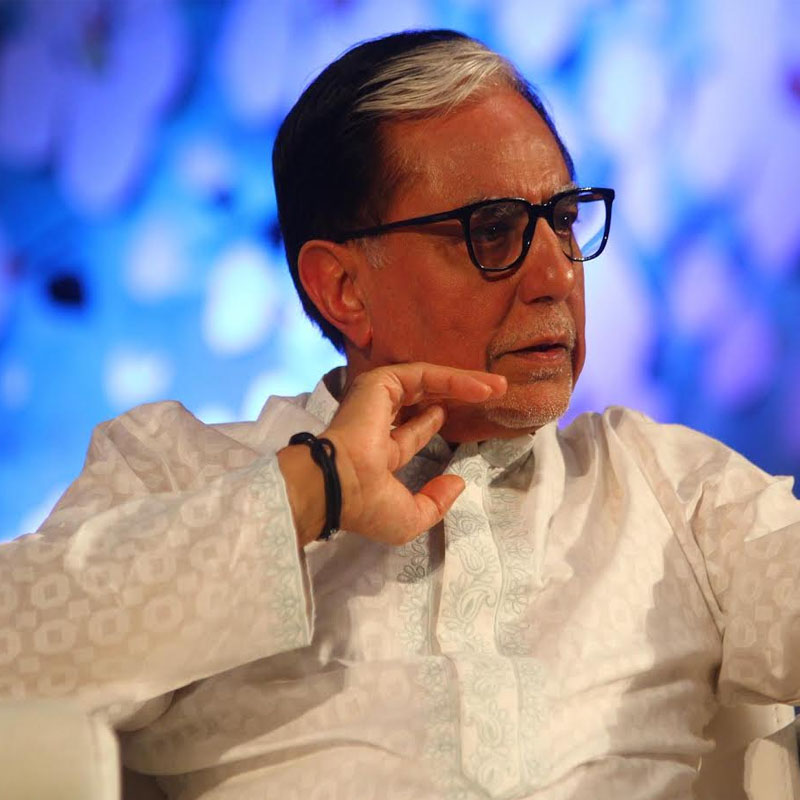
    It was a hot and humid Delhi afternoon sometime in the very early 1990s. A few journalists, mostly clueless about electronic media as we know it today, were milling around in a room in a central Delhi five-star hotel waiting for a press conference to begin. The host was a hitherto unknown company called Essel. When the conference began, one of the gentlemen, sporting former PM Indira Gandhi-style white streak in his hairs, announced that his company would start India’s first Indian-owned satellite TV channel. The other gent present on the occasion was Rajat Sharma, who was till then known as a print media journalist of some repute. The confusing series of question-answer that followed highlighted that few (including yours truly) had any idea of cable and satellite TV (CNN coverage of the first Iraq War was a trailer for Indians and later Star TV’s Santa Barbara and Bold & The Beautiful were like manna from the sky) and fewer understood fully the gravity of what Subhash Chandra was telling the Delhi scribes.

    The rest, as they say, was history. Over 24 years, this journey has not only created India’s first home grown electronic media company, but inspired many others to venture out, as Star Trek’s Captain Kirk & Co would say, where no man or entrepreneur has gone ever before.

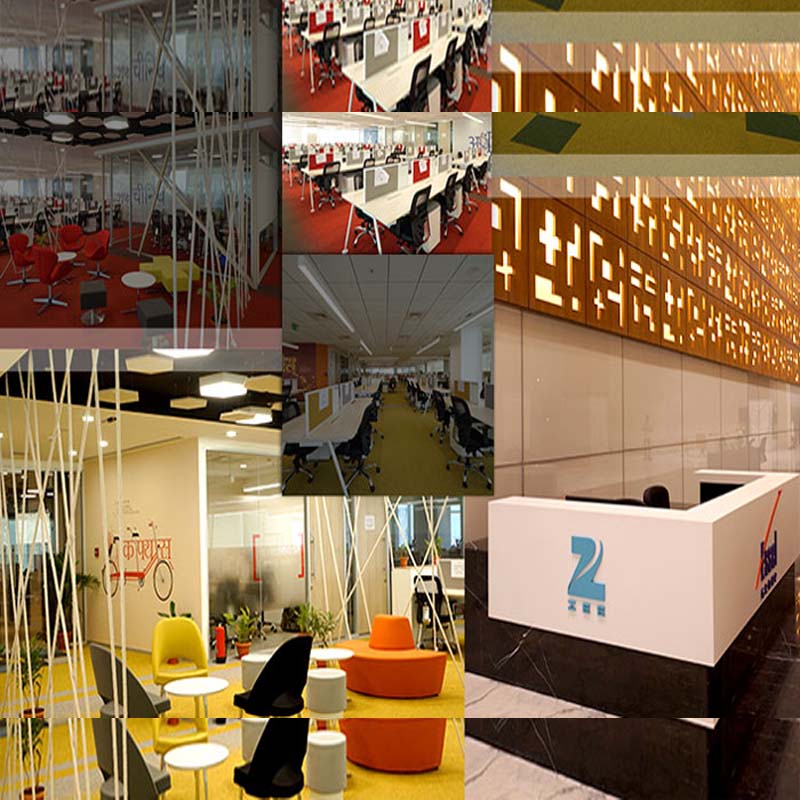
    Zee Telefilms or Zee Television or Zee Entertainment Enterprises Ltd — as Zee group has been known in corporate circles from time to time — is itself a testament of the changing ethos of the company and the evolving Indian media landscape. But never has there been a time when the group — now housed over several floors in a swanky building in Mumbai’s Lower Parel area — been not associated with Chandra. To borrow a clichéd political line of the 1970s, it could be said that Zee is Subhash Chandra and Subhash Chandra is Zee.

    From those early days — Zee News started late 1990s used to function out of a four-bedroom residential flat in Delhi’s South Extension and the main office on Mumbai’s Annie Besant Road comprised a series of thatched mostly non-AC rooms — it has a been a long journey not only in terms of time, but also business and expansion.

    One of last annual reports (if we go back in time) on Zee’s corporate website pertains to 1998-99 financial year. Message from Chairman Chandra read: “For Zee Telefilms, 1998-99 was yet another year of exceptional accomplishment and growth. Having made its debut in 1992 as a software production company and marketing concessionaire, Zee has come a long way with its recognition as an emerging company of the year. The 35.8 percent total return our Company produced on the capital employed is of utmost importance to us. We’re not content with that…”  

    In 2016, addressing the investors and public at large in the 2015-16 annual report, the vision is gets contemporaneous as Chandra says: “ZEEL is proactively reorganising its operations focusing on newer delivery formats and ramping up its digital business in line with the changing dynamics of the operating environment. Multiple initiatives are being undertaken. Just as consistency has been a hallmark of our journey, so has change!”

    Change? Yes, of course. And why not? From a humble beginning, Zee now straddles the world, growing its business portfolio along with global presence and revenues. With a strong presence in over 171 countries and a total viewership of 1 billion plus people around the globe, when Zee claims it’s a worldwide media brand, it isn’t off the mark.

    Sample some facts. With a networth of Rs 62,315 million, Zee closed the 2015-16 financial year ending March 2016 with a total income of Rs. 58, 515 million and EBITDA of Rs 15, 095 million wherein global advertising revenue was Rs. 34, 297 million and subscription income was Rs. 20,579 million. Add to these vital stats the fact that the group offers content in multiple Indian and foreign languages and various formats with more than 2,22,703 hours of television content and rights to more than 3,818 movie titles from premiere studios featuring Indian film stars, making it one of the largest Hindi film libraries in the world. All this content is aired via 38 international and 33 domestic channels.

    If Essel group, Zee’s parent, made money from trading in commodities in the early parts of its 90-year existence (having begun in a small town in Haryana state), in the 1980s it upgraded itself to export chawal (rice) to the erstwhile USSR, apart from other more urban-centric business activities. This evolution and flirting with little-known businesses has been a hallmark of Zee’s progress too.

    public://SC-Modi.jpg

    Very few would remember that Chandra’s Essel Group wanted to be the first private sector Indian satellite operator having realised that synergies in entertainment, broadcast and delivery business could have its advantages (as also disadvantages). Though the satellite dream is still to fructify as Agrani started and folded quietly in the 1990s, it helped initiate Chandra’s elder son and present MD of Zee Entertainment, Punit Goenka, into the business.

    Though Zee had a blow-hot-blow-cold relationship with Rupert Murdoch’s 21st Century Fox (in the 1990s it was News Corp) and it’s Indian subsidiary Star TV, the three joint ventures that Zee had with Murdoch’s company in those early days, including a 50:50 shareholding in MSO Siti Cable, helped Chandra and his band of colleagues to firm their footsteps in the broadcast world in India first and then globally.

    The joint ventures with Star, which was bought over by Murdoch mid-1990s from Hong Kong-based Chinese businessman Li Ka-Shing, also helped Zee raise himself to broadcast and entertainment’s international levels where negotiations are cut-throat and not an inch is given to even business partners.

    A description of a Chandra-Murdoch meeting in New York is telling. An expat, then working with Chandra for the Agrani project, glowingly says that despite Murdoch’s reputation of being a ruthless businessman, the comparatively younger and inexperienced Indian businessman (Chandra) discussed business with the Star TV boss on an equal footing over drinks— as a CEO would talk shop with another CEO. India, probably, is one of those rare instances where even the mighty Murdoch got bought out by his Indian partner in joint ventures.

    Just when the 1990s was preparing to bid goodbye, Zee announced it was buying out Star’s shareholding in three joint ventures in a stock-and-share deal worth approximately USD 300 million. Yours truly very well remembers that in an interview soon after the historic deal, Chandra, though jubilant, said in a measured tone said at about 1 am, “Yes, it feels exciting being an Indian (to have bought out the foreign partner), but the tough part has just begun now for Zee.

    And he was bang on target— like he has been so many other times. These 24 years for Zee have not been all smooth sailing; especially so after Zee broke its business chords with Star. There have been decisions taken on fronts like programming, corporate and personnel appointments as also distribution that have been questioned by viewers, investors and media observers alike.

    Take, for example, the introduction on Zee TV around late 2000 and early 2001 a show titled Sawaal Dus Crore Ka (A Question for Rs. 10 crore or Rs 100 million). Put on air in an effort to counter the runaway success of rival Star Plus’ Amitabh Bachchan-anchored Kaun Banega Crorepati, an Indian version of the UK game show Who Wants To Be A Millionaire, Zee’s Swaal… was a major flop and the channel had to terminate it mid-way blaming its two anchors, film stars Anupam Kher and Manisha Koirala, for its failure after having burnt its fingers and loads of cash. Not to mention Zee’s two failed bids to mount a cricket league (Indian Cricket League), which were shot down by cricket politics, but paved the way for the now hugely successful Indian Premier League, blessed by the Indian cricket Board and cricket’s international apex body ICC.

    There have been leadership position appointments that have been also questioned. Adman Sandeep Goyal’s tenure as Group CEO of Zee in 2001, handpicked by Chandra, was regarded controversial.However, destiny’s child that Chandra could be had managed to build a company that was populated with professionals and such decisions helped Zee get over several mishaps over the 24 years.

    Some of the best professionals — many of them who have now left Zee to make a name for themselves independently —  that worked along with Chandra and later his son Punit included people like programming specialist Kanta Advani, marketing whiz Meenakshi Madhvani (now Menon), newsperson Rajat Sharma (he now owns the Hindi news channel India TV), former Times of India group’s Vijay Jindal and Pradeep Guha (both served as successful CEOs at Zee), strategist Bharat Ranga, communications expert Ashish Kaul, Deepak Shourie, newspersons (at Zee News) Alok Verma and Rohit Bansal, operations specialist Rajiv Khattar (Siti Cable and Dish TV), legal eagle A. Mohan, government relations expert PC Lahiri  and, of course, Chandra’s friend, philosopher and guide Ashok Kurien. But most of all, the whole Zee group — now diversified and broken down into separate business entities owing to regulatory restrictions and compulsions — benefited a lot from a harmonious family that controlled it. Chandra’s two younger brothers, Jawahar and Laxmi Goel, at various stages had been instrumental in pushing things and being the balancing factor, but never publicly having a spat with their elder brother.

    Because Zee (and Chandra) valued professionals, it was no surprise when Chandra, during his acceptance speech for Asian industry organisation CASBAA’s award for “Lifetime Contribution to the Asian Pay-TV Industry’ in 2009, said, “The achievement is not my own. Many others have made this possible, most notably my old colleagues Ronnie Screwvala of UTV Software, Prannoy Roy, the Chairman of NDTV and Raghav Bahl who now leads Network 18 Group.” Both Screwvala and Bahl since then have exited the companies after selling their shareholding. But even they were taken aback by the graciousness shown by Zee boss.

    At a time when Zee could well look back over its shoulder and afford to smile while preparing for the 50th anniversary in a growing digital world, the present leadership of Zee could well borrow poet Robert Frost’s lines, echoed also by India’s first Prime Minister Jawaharlal Nehru at the time of Independence, `But I have promises to keep, And miles to go before I sleep.’ We shall certainly Zee (as in see).


  • ‘Chawal’ to channel: Zee’s 24 years of a memorable roller-coaster ride

    ‘Chawal’ to channel: Zee’s 24 years of a memorable roller-coaster ride

    It was a hot and humid Delhi afternoon sometime in the very early 1990s. A few journalists, mostly clueless about electronic media as we know it today, were milling around in a room in a central Delhi five-star hotel waiting for a press conference to begin. The host was a hitherto unknown company called Essel. When the conference began, one of the gentlemen, sporting former PM Indira Gandhi-style white streak in his hairs, announced that his company would start India’s first Indian-owned satellite TV channel. The other gent present on the occasion was Rajat Sharma, who was till then known as a print media journalist of some repute. The confusing series of question-answer that followed highlighted that few (including yours truly) had any idea of cable and satellite TV (CNN coverage of the first Iraq War was a trailer for Indians and later Star TV’s Santa Barbara and Bold & The Beautiful were like manna from the sky) and fewer understood fully the gravity of what Subhash Chandra was telling the Delhi scribes.

    The rest, as they say, was history. Over 24 years, this journey has not only created India’s first home grown electronic media company, but inspired many others to venture out, as Star Trek’s Captain Kirk & Co would say, where no man or entrepreneur has gone ever before.

    Zee Telefilms or Zee Television or Zee Entertainment Enterprises Ltd — as Zee group has been known in corporate circles from time to time — is itself a testament of the changing ethos of the company and the evolving Indian media landscape. But never has there been a time when the group — now housed over several floors in a swanky building in Mumbai’s Lower Parel area — been not associated with Chandra. To borrow a clichéd political line of the 1970s, it could be said that Zee is Subhash Chandra and Subhash Chandra is Zee.

    From those early days — Zee News started late 1990s used to function out of a four-bedroom residential flat in Delhi’s South Extension and the main office on Mumbai’s Annie Besant Road comprised a series of thatched mostly non-AC rooms — it has a been a long journey not only in terms of time, but also business and expansion.

    One of last annual reports (if we go back in time) on Zee’s corporate website pertains to 1998-99 financial year. Message from Chairman Chandra read: “For Zee Telefilms, 1998-99 was yet another year of exceptional accomplishment and growth. Having made its debut in 1992 as a software production company and marketing concessionaire, Zee has come a long way with its recognition as an emerging company of the year. The 35.8 percent total return our Company produced on the capital employed is of utmost importance to us. We’re not content with that…”  

    In 2016, addressing the investors and public at large in the 2015-16 annual report, the vision is gets contemporaneous as Chandra says: “ZEEL is proactively reorganising its operations focusing on newer delivery formats and ramping up its digital business in line with the changing dynamics of the operating environment. Multiple initiatives are being undertaken. Just as consistency has been a hallmark of our journey, so has change!”

    Change? Yes, of course. And why not? From a humble beginning, Zee now straddles the world, growing its business portfolio along with global presence and revenues. With a strong presence in over 171 countries and a total viewership of 1 billion plus people around the globe, when Zee claims it’s a worldwide media brand, it isn’t off the mark.

    Sample some facts. With a networth of Rs 62,315 million, Zee closed the 2015-16 financial year ending March 2016 with a total income of Rs. 58, 515 million and EBITDA of Rs 15, 095 million wherein global advertising revenue was Rs. 34, 297 million and subscription income was Rs. 20,579 million. Add to these vital stats the fact that the group offers content in multiple Indian and foreign languages and various formats with more than 2,22,703 hours of television content and rights to more than 3,818 movie titles from premiere studios featuring Indian film stars, making it one of the largest Hindi film libraries in the world. All this content is aired via 38 international and 33 domestic channels.

    If Essel group, Zee’s parent, made money from trading in commodities in the early parts of its 90-year existence (having begun in a small town in Haryana state), in the 1980s it upgraded itself to export chawal (rice) to the erstwhile USSR, apart from other more urban-centric business activities. This evolution and flirting with little-known businesses has been a hallmark of Zee’s progress too.

    public://SC-Modi.jpg

    Very few would remember that Chandra’s Essel Group wanted to be the first private sector Indian satellite operator having realised that synergies in entertainment, broadcast and delivery business could have its advantages (as also disadvantages). Though the satellite dream is still to fructify as Agrani started and folded quietly in the 1990s, it helped initiate Chandra’s elder son and present MD of Zee Entertainment, Punit Goenka, into the business.

    Though Zee had a blow-hot-blow-cold relationship with Rupert Murdoch’s 21st Century Fox (in the 1990s it was News Corp) and it’s Indian subsidiary Star TV, the three joint ventures that Zee had with Murdoch’s company in those early days, including a 50:50 shareholding in MSO Siti Cable, helped Chandra and his band of colleagues to firm their footsteps in the broadcast world in India first and then globally.

    The joint ventures with Star, which was bought over by Murdoch mid-1990s from Hong Kong-based Chinese businessman Li Ka-Shing, also helped Zee raise himself to broadcast and entertainment’s international levels where negotiations are cut-throat and not an inch is given to even business partners.

    A description of a Chandra-Murdoch meeting in New York is telling. An expat, then working with Chandra for the Agrani project, glowingly says that despite Murdoch’s reputation of being a ruthless businessman, the comparatively younger and inexperienced Indian businessman (Chandra) discussed business with the Star TV boss on an equal footing over drinks— as a CEO would talk shop with another CEO. India, probably, is one of those rare instances where even the mighty Murdoch got bought out by his Indian partner in joint ventures.

    Just when the 1990s was preparing to bid goodbye, Zee announced it was buying out Star’s shareholding in three joint ventures in a stock-and-share deal worth approximately USD 300 million. Yours truly very well remembers that in an interview soon after the historic deal, Chandra, though jubilant, said in a measured tone said at about 1 am, “Yes, it feels exciting being an Indian (to have bought out the foreign partner), but the tough part has just begun now for Zee.

    And he was bang on target— like he has been so many other times. These 24 years for Zee have not been all smooth sailing; especially so after Zee broke its business chords with Star. There have been decisions taken on fronts like programming, corporate and personnel appointments as also distribution that have been questioned by viewers, investors and media observers alike.

    Take, for example, the introduction on Zee TV around late 2000 and early 2001 a show titled Sawaal Dus Crore Ka (A Question for Rs. 10 crore or Rs 100 million). Put on air in an effort to counter the runaway success of rival Star Plus’ Amitabh Bachchan-anchored Kaun Banega Crorepati, an Indian version of the UK game show Who Wants To Be A Millionaire, Zee’s Swaal… was a major flop and the channel had to terminate it mid-way blaming its two anchors, film stars Anupam Kher and Manisha Koirala, for its failure after having burnt its fingers and loads of cash. Not to mention Zee’s two failed bids to mount a cricket league (Indian Cricket League), which were shot down by cricket politics, but paved the way for the now hugely successful Indian Premier League, blessed by the Indian cricket Board and cricket’s international apex body ICC.

    There have been leadership position appointments that have been also questioned. Adman Sandeep Goyal’s tenure as Group CEO of Zee in 2001, handpicked by Chandra, was regarded controversial.However, destiny’s child that Chandra could be had managed to build a company that was populated with professionals and such decisions helped Zee get over several mishaps over the 24 years.

    Some of the best professionals — many of them who have now left Zee to make a name for themselves independently —  that worked along with Chandra and later his son Punit included people like programming specialist Kanta Advani, marketing whiz Meenakshi Madhvani (now Menon), newsperson Rajat Sharma (he now owns the Hindi news channel India TV), former Times of India group’s Vijay Jindal and Pradeep Guha (both served as successful CEOs at Zee), strategist Bharat Ranga, communications expert Ashish Kaul, Deepak Shourie, newspersons (at Zee News) Alok Verma and Rohit Bansal, operations specialist Rajiv Khattar (Siti Cable and Dish TV), legal eagle A. Mohan, government relations expert PC Lahiri  and, of course, Chandra’s friend, philosopher and guide Ashok Kurien. But most of all, the whole Zee group — now diversified and broken down into separate business entities owing to regulatory restrictions and compulsions — benefited a lot from a harmonious family that controlled it. Chandra’s two younger brothers, Jawahar and Laxmi Goel, at various stages had been instrumental in pushing things and being the balancing factor, but never publicly having a spat with their elder brother.

    Because Zee (and Chandra) valued professionals, it was no surprise when Chandra, during his acceptance speech for Asian industry organisation CASBAA’s award for “Lifetime Contribution to the Asian Pay-TV Industry’ in 2009, said, “The achievement is not my own. Many others have made this possible, most notably my old colleagues Ronnie Screwvala of UTV Software, Prannoy Roy, the Chairman of NDTV and Raghav Bahl who now leads Network 18 Group.” Both Screwvala and Bahl since then have exited the companies after selling their shareholding. But even they were taken aback by the graciousness shown by Zee boss.

    At a time when Zee could well look back over its shoulder and afford to smile while preparing for the 50th anniversary in a growing digital world, the present leadership of Zee could well borrow poet Robert Frost’s lines, echoed also by India’s first Prime Minister Jawaharlal Nehru at the time of Independence, `But I have promises to keep, And miles to go before I sleep.’ We shall certainly Zee (as in see).


  • Zee non-committal to BSE on RBNL acquisition report

    Zee non-committal to BSE on RBNL acquisition report

    MUMBAI: During a period when big-time mergers and acquisitions are popping out of the cupboard while others are being fine-tuned, Zee Entertainment Enterprises Ltd (ZEEL) is not willing to confirm or deny that it’s buying Reliance Broadcast’s businesses. At least, for now.

    In response to a news report appearing in a business daily on 13 October, ZEEL gave a non-committal response to Bombay Stock Exchange (BSE) yesterday. The company statement said, “We, Zee Entertainment Enterprises Limited, wish to clarify that the said report/article is only a media speculation. As a company, we keep exploring options from    time    to   time and will inform the Exchanges, media and shareholders, if, and as and when, any such decision(s) are reached.”

    The clarification given to BSE is purely non-committal corporate-speak as Zee neither denied the news report, nor confirmed it.

    However, the business daily report on 13 October, 2016 emphasised that “it was done deal” and went ahead to even state that the deal was worth around Rs 18,720 million for the radio and television business owned by Reliance.

    The ZEEL share, which closed on the BSE at Rs. 546.55 on Oct 13, opened the next day at Rs.550.75 to close lower at R. 528.50 on 14 October, 2016.

    Speculation about the Subhash Chandra-led ZEEL buying Anil Ambani-owned Reliance Broadcast Networks Ltd (RBNL) has been making rounds of financial markets and journalistic circles for some time now. Media reports had earlier stated that the ZEEL-RBNL deal has been a case of on-now-off-tomorrow.

    Indiantelevision.com, while reporting on the issue on 5 October, 2016, had sought clarification from ZEEL spokesperson who had then stated, “From time to time, we keep exploring strategic opportunities for entering new businesses or in our existing businesses. However, as a matter of policy, we do not comment on media speculation.”

    The corporate response to media queries from Zee has been similar even when deals — TEN Sports sale to Sony Pictures Network India, for example — were confirmed later and formally announced. When speculation about Siti Cable buying DEN Networks gathered steam, a similar line was thrown. Ditto was the response with Dish TV’s ongoing discussions to acquire Videocon d2h from the debt-laden-and struggling Videocon group.

    Acquiring RBNL businesses, which include Bhojpuri language channel BIG Ganga, a comedy-centric BIG Magic and a successful FM radio business, can certainly add to Zee’s portfolio of entertainment verticals.

    Overall, the media industry may be ripe for consolidation; especially at a time when the regulator too is trying to bring about more order and transparency in the Indian broadcast sector via its draft guidelines.

    ALSO READ:

    Quo Vadis ZEEL-RBNL

    Sony Pictures to acquire Ten Sports from Zee


  • Zee non-committal to BSE on RBNL acquisition report

    Zee non-committal to BSE on RBNL acquisition report

    MUMBAI: During a period when big-time mergers and acquisitions are popping out of the cupboard while others are being fine-tuned, Zee Entertainment Enterprises Ltd (ZEEL) is not willing to confirm or deny that it’s buying Reliance Broadcast’s businesses. At least, for now.

    In response to a news report appearing in a business daily on 13 October, ZEEL gave a non-committal response to Bombay Stock Exchange (BSE) yesterday. The company statement said, “We, Zee Entertainment Enterprises Limited, wish to clarify that the said report/article is only a media speculation. As a company, we keep exploring options from    time    to   time and will inform the Exchanges, media and shareholders, if, and as and when, any such decision(s) are reached.”

    The clarification given to BSE is purely non-committal corporate-speak as Zee neither denied the news report, nor confirmed it.

    However, the business daily report on 13 October, 2016 emphasised that “it was done deal” and went ahead to even state that the deal was worth around Rs 18,720 million for the radio and television business owned by Reliance.

    The ZEEL share, which closed on the BSE at Rs. 546.55 on Oct 13, opened the next day at Rs.550.75 to close lower at R. 528.50 on 14 October, 2016.

    Speculation about the Subhash Chandra-led ZEEL buying Anil Ambani-owned Reliance Broadcast Networks Ltd (RBNL) has been making rounds of financial markets and journalistic circles for some time now. Media reports had earlier stated that the ZEEL-RBNL deal has been a case of on-now-off-tomorrow.

    Indiantelevision.com, while reporting on the issue on 5 October, 2016, had sought clarification from ZEEL spokesperson who had then stated, “From time to time, we keep exploring strategic opportunities for entering new businesses or in our existing businesses. However, as a matter of policy, we do not comment on media speculation.”

    The corporate response to media queries from Zee has been similar even when deals — TEN Sports sale to Sony Pictures Network India, for example — were confirmed later and formally announced. When speculation about Siti Cable buying DEN Networks gathered steam, a similar line was thrown. Ditto was the response with Dish TV’s ongoing discussions to acquire Videocon d2h from the debt-laden-and struggling Videocon group.

    Acquiring RBNL businesses, which include Bhojpuri language channel BIG Ganga, a comedy-centric BIG Magic and a successful FM radio business, can certainly add to Zee’s portfolio of entertainment verticals.

    Overall, the media industry may be ripe for consolidation; especially at a time when the regulator too is trying to bring about more order and transparency in the Indian broadcast sector via its draft guidelines.

    ALSO READ:

    Quo Vadis ZEEL-RBNL

    Sony Pictures to acquire Ten Sports from Zee