Tag: Young

  • Havas Group India concludes the Havas Spark 2.0 internship programme with Gen Z Report 2022

    Havas Group India concludes the Havas Spark 2.0 internship programme with Gen Z Report 2022

    Mumbai: Havas Group India has recently concluded the second edition of its flagship internship programme, Havas Spark, and launched the intern-led Havas Spark 2.0 Gen Z Report 2022.

    One of the advertising industry’s biggest internship programmes, Havas Spark 2.0, which kicked off in April 2022, saw 21 bright, young interns transform into integral members of the Havas Group India network. Launched in 2021, Havas Spark is a one-of-a-kind, six-month intensive training programme that gives aspiring industry entrants an opportunity to explore various career paths in a structured yet flexible manner.

    In a graduation ceremony conducted on 11 October, which marked the completion of Havas Spark 2.0, a report called Gen Z Report 2022 was launched. The study presented in the report was conceptualised and executed by the interns as part of their curriculum. The purpose of the study was to provide insights about the newest generation of Indian consumers by exploring how they perceive brands, what drives their purchase decisions, their media consumption patterns, and more.

    To get a more defined and representative view of gen-z within the Indian context, individuals aged 16–24 years across nine metro and tier-1+ cities formed the sample. An additional layer of insight was added by virtue of the researchers, i.e., the Havas Spark interns, belonging to generation-z themselves. The final report, which included both quantitative as well as qualitative analysis approaches, shed light on several interesting outcomes that help us better understand gen-z and bust commonly held misconceptions about them.

    One of the top insights of the study was that 70 per cent of gen-zs are more willing to consider buying from a brand that stands up for environmental and social causes that they believe in. The revelation that gen-z prefers brands whose values align with their own raises questions about the presumption that they are careless and voracious consumers. Furthermore, sustainability, for gen-z, transcends the label of “environmental cause” to encompass a more conscious, mindful mindset that is manifested in small actions as well as larger, more institutional-level ones; for example, not littering, carrying one’s own bag to the market, or even reusing plastic containers, all inform the concept of sustainability.

    Another interesting insight is that when it comes to attracting gen-Z’s attention, the humour factor (27 per cent) works best, followed by luxurious (26 per cent), emotional (17 per cent), and with satire and serious tones each taking 15 per cent. This may be indicative of why instant and meme marketing are so popular.

    From the perspective of brands, sustained brand loyalty from consumers is prized. Inability to adapt to changing times emerges as one of the key reasons gen-z (according to the study, 60 per cent) lose interest in a brand. Other reasons include poor user experience (54 per cent), poor customer service (49 per cent), a limited product range (42 per cent), false celebrity endorsements (32 per cent), and, finally, unjustified product prices (21 per cent).

    Brands that are digitally savvy, adopt the latest tech to make the consumer journey more seamless, and effectively leverage social media platforms are the go-to choice for gen-z. When it comes to digital consumption, social media is where gen-z expresses themselves the most (18 per cent), with Instagram and YouTube being the most popular platforms.

    On average, 29 per cent of gen-z spend one-two hours per day on these two platforms. When it comes to influencers, gen-z feels that influencers represent their own values and beliefs and reflect what they aspire to be.

    In addition to generating insights, the study served the dual purpose of busting some preconceived notions about gen-z. One of the most misunderstood aspects about them is their relationship with money. Contrary to the belief that they do not handle their finances responsibly, results reveal that gen-z is an extremely money-savvy generation. They actively discuss and educate themselves on wealth growth and management, redefining money as a means of elevating quality of life.

    As per the report, some other observations about gen-z are:

        Gen Z is a stressed and anxious generation, but at the same time, they are proud advocates of mental health and wellbeing.

        Gen Z prefers smart work that stimulates growth as opposed to hard work. Additionally, gen-z believes organisational structure is important, but hierarchical boundaries should be porous, allowing them the ability to impact final decision-making.

        Gen Z continues to demand transparency and authenticity from brands over big claims and celebrity endorsements.

    Havas Group India chief human resource officer Vandana Tilwani said, “The programme is meticulously designed so that the newcomers are actively involved in the day-to-day operations of their respective disciplines as well as challenged to go the extra mile by engaging with clients via live projects. This experience not only gives the interns a taste of how the industry operates but is also a conscious effort on the part of Havas Group India to pump fresh voices and perspectives back into the industry.”

    She added, “The experience of working on the gen-z 2022 report has been a key element in the overall learning journey of the Spark. Our effort is to provide as much real experience as possible in these six months, which is why the whole programme has been designed to ensure that the transition into a full-time role is seamless and natural.”

    Commenting on the findings of the Gen-Z 2022 Report, Havas Media Group India head of strategy Sanchita Roy said, “Gen-Z is perhaps one of most misunderstood generations of our times and probably the most enigmatic at the same time. In keeping with our philosophy of finding meaningfulness in everything we do, we launched the second edition of our gen-z study with the Havas Spark interns this year. The study, divided into two parts, not only explores gen-z’s relationship with brands and the media but also busts some of the myths surrounding them. The report will help brands not only make a meaningful difference but also plan more effectively as they try to forge stronger and better connections with this digitally native audience with a natural penchant for quick changes.”

  • CNN meets the young Lionel Messi fan from Afghanistan who is now a Taliban target

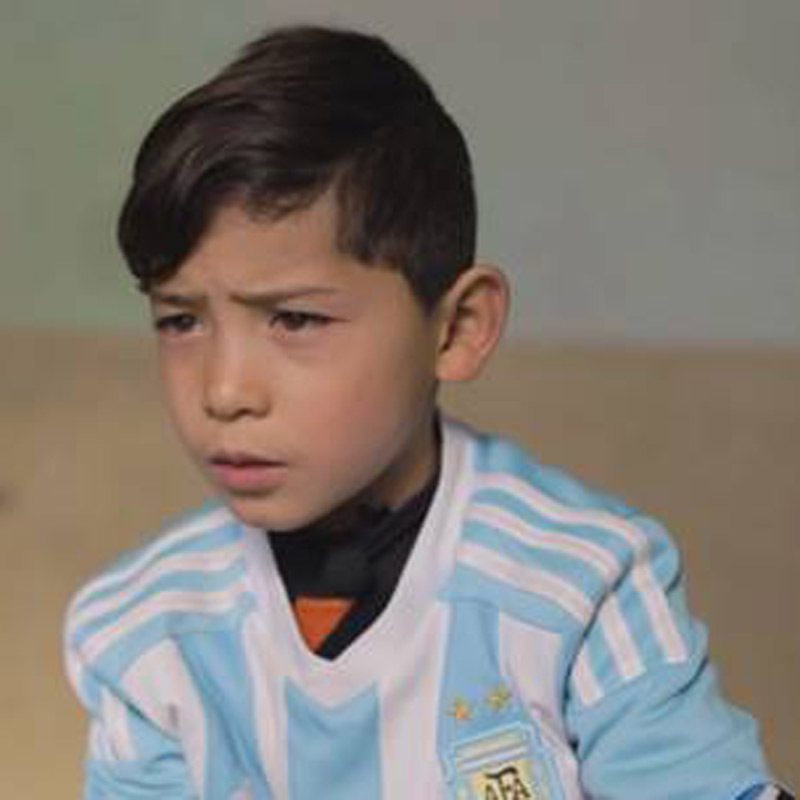
    CNN meets the young Lionel Messi fan from Afghanistan who is now a Taliban target

    In January 2016, a photo of young Murtaza Ahmadi went viral, thanks to his makeshift version of an Argentine football shirt of his idol Lionel Messi. The photo earned the child two autographed shirts, a signed football and a meeting with the footballer in Qatar 11 months later.

    However, Ahmadi’s fame has made him a Taliban target. CNN’s Nick Paton Walsh travels to Kabul to learn how the seven year old boy and his mother, Shafiqa Ahmadi, live in hiding among the many refugees. Shafiqa tells CNN how it would have been better if her son hadn’t become famous and calls on Messi to “help us to get out of Afghanistan.”

    Watch the full article here: https://cnn.it/2Bw8xV2

    Key Quotes:

    Murtaza Ahmadi on when the Taliban invaded the district of Jaghori in Ghazni province where he grew up:

    “The Taliban were killing our relatives and they were searching houses. They would stop cars and kill their passengers, searching houses and killing people… We were not allowed to play football by the Taliban or even go out of the house. We used to hear the sound of heavy machine guns, and Kalashnikovs, and rockets at home. We also heard people screaming.”

    Murtaza on how his father helped him and his mother escape to the nearby city of Bamyan:

    “Last time I saw my father was on the first day we came here. Then he went back, and I haven’t seen him since then. I miss him very much. When he calls my mother I also talk to him.”

    Murtaza on his future:

    “In Kabul, I cannot go outside the house. My mother doesn’t let me go out. She is afraid. I only play with my friend inside the house… When I was in my hometown, I was not able to wear my Messi jersey because I was afraid someone will hurt me. I want to be taken from this country because there is fighting in here. I want to become a football player like Messi and play with Messi.”

    Shafiqa Ahmadi on her son’s fame:

    “From the day Murtaza became famous, life became difficult for our family. Not only the Taliban, but some other groups also started thinking that Messi might have given him a lot of money. We stopped sending him to school, and we were being threatened all the time… It would have been better if Murtaza hadn’t gained fame. Now our lives are at risk both in our hometown and here in Kabul. He spends all of his time here inside the house.”

    Shafiqa Ahmadi’s message to Messi:

    “I would like Messi to help Murtaza, help us to get out of Afghanistan so that Murtaza can have a better future.”