Tag: Year Ender

  • 2024 the year that was – Peter Watling & the art of getting your AI right in 2025

    2024 the year that was – Peter Watling & the art of getting your AI right in 2025

    MUMBAI: The buzzword dominating the industry in 2024 is undoubtedly artificial intelligence (AI). Whether or not it’s being fully adopted across the board remains a topic of debate, but one thing is clear: AI’s potential to revolutionise workflows and deliver efficiencies is captivating business leaders everywhere.

    But amidst the excitement, are we overlooking something essential? 

    Sure, AI might one day butter our toast and tie our shoelaces, but before we dive headfirst into complex AI models and cutting-edge algorithms, we should step back and consider whether the core infrastructure of our businesses is ready to support these advancements as we move into 2025. 

    The Distinction Between automation and AI

    Because of the hype around AI and generative AI in 2024 and the bizarre valuations  and market capitalisation that companies are getting just by mentioning  AI in their mission statement, it’s important to clarify  now as we are moving into 2025 what we mean when we talk about AI. 

    Much of what is often labeled AI is really advanced automation—technology that eliminates repetitive, manual tasks and introduces efficiency to workflows. Take, for example, the ability to automatically extract and organise metadata from content files, making them searchable without manual data entry.

    True AI, on the other hand, ventures into areas like object recognition, natural language understanding, and predictive analytics. While these capabilities are impressive, they often require significant investment in training and fine-tuning to produce meaningful results. Even then, they may not deliver the expected benefits if the system is working with incomplete or poorly organised data.
     

    Peter Watlling

    The archive: a neglected core asset; pay heed to it in 2025

    Here’s the crux of the matter: no AI model, no matter how intelligent, can be effective without a solid foundation. That foundation is your archive.

    All too often, businesses rely on outdated or fragmented storage solutions—an array of drives, legacy systems, or LTO tape setups that were never designed to handle the demands of today’s workflows. Even those who’ve embraced cloud solutions may find themselves hindered by unexpected costs, such as prohibitive fees for accessing and retrieving data during AI-driven searches.
    Without an effective archive platform, the very content you want to leverage may be disorganised, inaccessible, or prohibitively expensive to use.

    Investing in the right foundations; 2025 is the year to begin

    To truly harness the potential of AI—or even simpler workflow automation—organisations need to prioritise modernising their storage and archive platforms. This doesn’t mean discarding everything and starting over; rather, it’s about adopting solutions that integrate with existing systems while offering the scalability and efficiency required for future growth.

    A modern archive platform serves as an active repository, enabling seamless access to your media and providing the tools to:
    * Automate workflows.
    * Quickly locate and retrieve content.
    * Share assets effortlessly with partners and clients.

    Such platforms aren’t just about storage—they unlock the potential for monetisation, turning your archive from a static cost center into a dynamic business asset.

    Overcoming challenges to change; back to the drawing board in the new year

    The two greatest obstacles to modernising archives are budget and mindset. While technology providers have become increasingly flexible in their pricing models—offering cost-effective, private-cloud solutions that organisations can host and control—resistance to change often proves harder to overcome.

    Rethinking long-established workflows and processes can be uncomfortable but standing still in a fast-evolving industry risks falling behind. Adopting modern storage solutions isn’t just about saving money; it’s about enabling greater efficiency and creating new revenue opportunities.

    Building for the future; not just for 2025

    In the rush to embrace AI and other advanced technologies, let’s not forget the importance of laying a strong foundation as we move into 2025. An optimised archive platform isn’t just a storage solution—it’s the backbone of your operations, enabling you to take full advantage of innovations like AI when the time is right. That means being ready with your tech stack which is upgradable and scalable in future. 

    So, before we sprint into the AI-driven future, let’s ensure we’ve built the solid infrastructure we need to thrive. After all, there’s no point decorating the house if the foundation isn’t sound. 

    By focusing on the basics—organising, protecting, and making your content accessible—you’ll not only prepare your business for the next wave of innovation but ensure you’re maximising the value of your assets today.

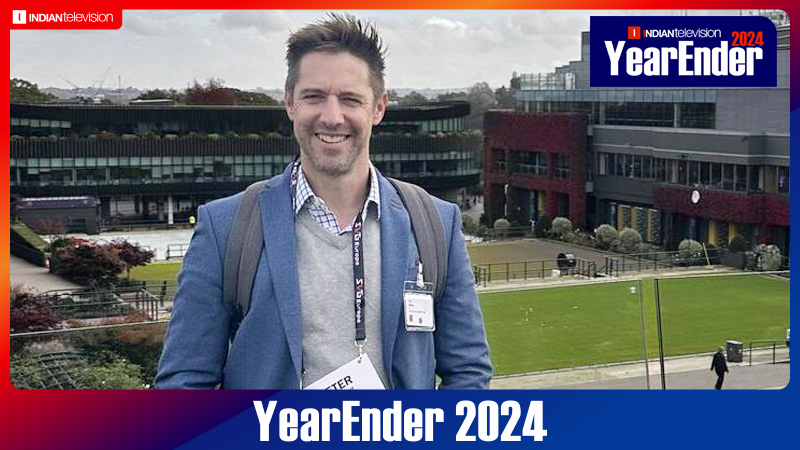
    Peter Watling is  Perifery senior sales director – EMEA    .

  • #Retrace2021: Influencer-led purchases played a big role in driving growth: SUGAR CEO Vineeta Singh

    #Retrace2021: Influencer-led purchases played a big role in driving growth: SUGAR CEO Vineeta Singh

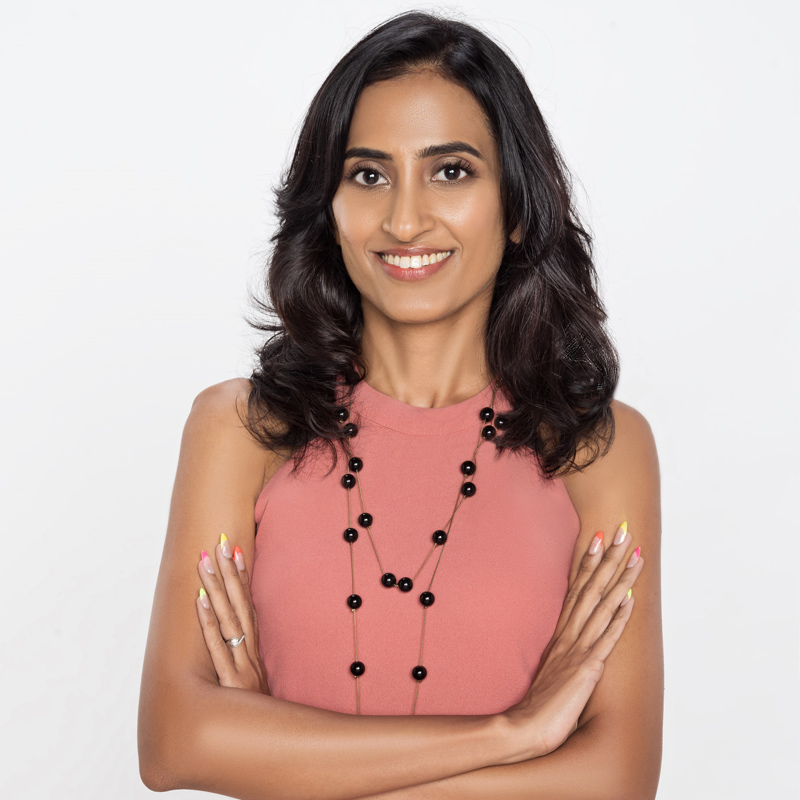
    An established name in the Indian beauty & personal care market, SUGAR Cosmetics was among the early movers into the D2C (direct-to-consumer) space as a digital-first cosmetic brand. Nurtured by Vineeta Singh, an IIT & IIM graduate who co-founded the beauty startup in the year 2015 along with her husband, the brand today boasts over two million app downloads on iOS and Android and 1.8 million-plus Instagram followers. Not only this, it has established retail touchpoints in over 35,000 outlets across 130+ cities and has raised $21 million in series C funding in early 2021.

    The persistent entrepreneur was third-time lucky after her first two start-ups did not take off. However, the second startup, Fab Bag, a subscription business that offered women an assortment of beauty products every month for a small fee- gave her enough data and insights to kickstart her third one. Singh realized that the makeup brands that were available—foreign or local—didn’t cater to Indian skin tones or the Indian way of life, and poured her academic learning and freshly-learned consumer insights into SUGAR. Unlike most digital-first brands, SUGAR was early to develop an omnichannel presence. The gamble paid off and today the seven-year-old startup has hit an annual run rate of Rs 500 crore as of November 2021, having closed FY21 at approximately Rs 130 crore revenue.

    The massive push to the digital economy that the pandemic offered also proved to be a boon and gave the brand a huge opportunity to connect directly with its consumers.  The multi-faceted serial entrepreneur who describes herself as “CEO @ SUGAR Cosmetics. Mom. Running, cycling, swimming person – in that order” believes that “women make the best all-rounders.”

    IndianTelevision’s Anupama Sajeet, caught up with Vineeta Singh- CEO & cofounder of SUGAR Cosmetics– for an exclusive chat on the key innovations the Beauty brand brought into its portfolio in the past year and its expansion plans in 2022. She also shares her thoughts on trends witnessed by the beauty industry last year while also delving upon the learnings that she carries into the new year.

    Edited excerpts:

    On key changes/innovations brought in 2021 by the brand

    Despite the difficulties that all brands faced during the second wave of the pandemic in 2021, SUGAR Cosmetics launched 30+ new products. Keeping the market scenarios in mind, we also extended our skincare category with the launch of a coffee and citrus-based skincare range. SUGAR Cosmetics also built conversational & educative content using strong videos and infographics, exploring experiential retail marketing tactics and deploying stronger content even on the brand-owned app.

    As we continued to grow stronger on building powerful content, we also ensured that we strengthened our content distribution channels from digital and OOH to TV. Our SUGAR x Taapsee campaign TV Commercial aired on prime TV channels in eight languages witnessed over 50 Million views.

    On the brand’s association with the non-fiction show ‘Shark Tank India’ on Sony

    I am very grateful to have been invited to ‘Shark Tank’ as one of the Sharks. As this wasn’t a kind of brand collaboration, my acceptance of this offer by ‘Shark Tank India’ was purely a personal interest to nurture the entrepreneurship boom in the country. It’s a sheer pleasure being a part of this iconic show that has helped create several multi-million-dollar companies across geographies, over the years, along with a unique viewing experience to the audience not only educating them but entertaining them at the same time.

    On leveraging influencer marketing to connect with consumers

    For SUGAR, influencer marketing has played a big part in creating online and offline popularity for the brand. Not only in the sense of getting our engagement levels high, but also the direct response from consumers through the sales conversions has seen a spike when we have engaged in influencer marketing strategies. In the near future, we plan to take our association to the next level, by creating an exclusive community of these mini brand ambassadors and rolling out an exclusive program for them.

    On expanding the brand’s current consumer demographic

    As a brand, we continue to stay laser-focused and loyal to the 18-to-25-year-old target group. However, with retail rapidly blitz-scaling to become a significant part of our business over the last three years, the brand has also attracted a slightly older target group of 25-to-34-year-olds. What’s common though in both audience sets is that they’re digital-savvy, more peer and influencer-led than celebrity-led and know what a good lipstick looks like. We are definitely foraying into Tier 2 – 3 cities and are already available in more than 500+ cities through just our retail channels.

    On major trends witnessed in the Beauty & Cosmetic industry in 2021 

    We are seeing a dominance of peer/influencer-review led purchases over celebrity-promoted ones. Traditional retail, of course, continues to dominate the lion’s share of colour cosmetics and beauty sales in India but with the democratisation of data and access to low-cost internet, there’s a massive Tier 2/Tier 3 city audience that’s waiting to consume beauty brands like never before. In terms of new product trends, apart from transfer-proof lipsticks and mask-proof makeup, hybrid products are a new rage. Such products have gained a surge in sales for SUGAR through our illuminating moisturizers, lip primers, lip balms, hydrating primers, and more.

    On key trends that might dominate the industry in 2022

    2022 will see further integration of tech in beauty. I definitely see a lot more experimentation happening on these lines as consumers and brands explore the blurred boundaries between the digital and real world. Also as the growing GenZs community joins in as early adopters of makeup – I see a lot of influence of their buying behavior skewed on brands that focus on sustainability, and who explore themes around realistic beauty and inclusivity. Adoption of an omnichannel approach and focus on conversational commerce will also gain popularity among a lot of brands.

    On brand USP amid tough competition from rising players in the D2C cosmetics space

    The three main USPs of the brand – highly coveted colours, the right pigments that compliment all skin tones, and makeup made with formulations that last long, has helped the brand to build a cult following in a short span of time. Our products are just more value for the price tag we command – it will be hard to find products that are more pigmented, longer-lasting, and more suited to the Indian skin tone.

    SUGAR, as a brand has always been more creator-led, than celebrity-led in a cluttered market, where brands spend more time talking about discounts than the power or beauty and cosmetics. Ensuring all SUGAR Cosmetics products are manufactured in regions across the globe that excel in providing high quality for that specific product – has also been a major contributor to maintaining quality. With a clutter-breaking persona, signature low-poly packaging and chart-topping products –SUGAR will continue to keep providing more value and better quality than any other competitor in our price range. We will also continue to be a squarely millennial-focused brand.

    On looking ahead: Goals & plans for 2022

    We will further strengthen our core pillars – distribution, product, content, and community. We aim to be in over one lakh stores in 2022 and make SUGAR one of India’s top three brands in the overall colour cosmetics category with a company turnover of more than Rs 500 crores. We currently employ more than 2000 women and we also aim to raise that number to 3000 so that the brand is truly built by women for women.

    On the personal learnings that she will take into the new year

    Covid-19 has changed the way the world behaves. For SUGAR, we came out stronger with so much gratitude in our hearts. Firstly, towards our customers who continued to support endlessly, secondly towards our retail, warehouse, and HQ employees who were nothing less than frontline workers. Another learning has been that no matter what challenge is thrown at us, agility matters. We realised that growth is not about how fast you get to it, but how well you sustain it once you have arrived. And, lastly, we learnt to not stop making bold and brave decisions, like we always did!

  • GUEST COLUMN: Social media will play critical role in building brand awareness in 2022

    GUEST COLUMN: Social media will play critical role in building brand awareness in 2022

    Mumbai: As India continues to fight Covid-19 and Omicron, and people continue to fear venturing out, digital initiatives in both advertising and marketing will become more prevalent in 2022.

    According to the most recent statistics, there are around 3.78 billion social media users globally. The number of such users is expected to climb again next year. Social media trends will rule the advertising and brand strategies in the coming year. Marketing and business will become more varied, inclusive, and responsive to real client requirements in the future. While AI and data-driven marketing will continue to advance, the primary focus will remain on people rather than technology.

    Using social media for brand recognition

    Traditional in-person events and promotions have given way to virtual spaces in brand awareness initiatives. We live in a world of social media marketing, and every company understands the value of social media. Whether you are leveraging influencers, referrals, or simply providing good content, social media has proven to be an important part of building brand recognition. This is due to the fact that social media is an excellent venue for brands to maintain client interactions while also increasing their chances of discovering new leads. In reality, many people become aware of new businesses after hearing about them via a friend on social media. Social media sites are a place where people may interact with one another. As a result, it’s an excellent area for you to interact with clients and build a relationship with them.

    Going ahead, 2022 will witness a greater emphasis on highly personalised one-to-one advertising, mobile advertising with in-app and in-game ads, video advertising, video-embedded display banners, native advertising, accelerated automation, programmatic advertising, and even cookie-less advertising, among other things.

    Here are the top 3 social media trends to watch out for in 2022.

    Metaverse and its virtual universe

    Facebook’s name has been changed to Meta. The company has planned a range of new products for virtual and augmented experiences as part of Metaverse. This is a major gamble on the web’s future, and it has the potential to change social media space. Companies will be able to benefit from new features which Meta will introduce. With the help of new emerging social media trends, they will be able to expand their product reach and visibility.

    Influencers market will continue to grow

    Influencer marketing is expected to reach $13.8 billion in 2021, with growth expected to continue in 2022. Influencer marketing efforts add a personal touch to the product, making it more relevant to the user. Thus, B2B brands will continue to embrace influencers in light of current trends.

    LinkedIn will grow in importance as a social networking platform

    In the digital world, LinkedIn is still a growing star. The company just launched a Hindi version to cater to the 600 million Hindi speakers throughout the world. With 82 million members in a global community of 800 million, India is a key market for LinkedIn’s growth and the second-largest market in terms of members after the United States. Since the pandemic, India’s member base has expanded by more than 20 million (15 percent year-over-year), and participation and talks on the platform have increased dramatically. This will continue to be a great way for brands to reach out to their target demographic.

    In conclusion

    Building brand recognition may require some trial and error, but having a dedicated awareness plan will surely help in your brand’s visibility. By following the latest social media trends, you may position yourself to become a brand that stands out in the eyes of your customers.

    (Rishi Kajaria is MD Kajaria Bathware and JMD of Kajaria Ceramics. The views expressed in this column are personal and Indiantelevision.com may not subscribe to them.)

  • #Retrace2021: From Nykaa’s Falguni Nayar to dentsu veteran Ashish Bhasin, who all made news in 2021?

    #Retrace2021: From Nykaa’s Falguni Nayar to dentsu veteran Ashish Bhasin, who all made news in 2021?

    Mumbai: The year that began with the slowdown of pandemic cases, and phased opening of businesses across the country, is ending with another Covid variant rearing its head. The new cases of Omicron are spreading faster, even as the industry struggles to hold on to its post-pandemic revival after braving a deadly second wave in May early this year.

    Amid all these challenges, there were signs of resilience, that highlighted the advertising industry’s slow yet significant recovery this year. If 2020 was the year of ed-tech, 2021 only took the game a notch higher. E-commerce dominated headlines, and several D2C brands rose to success with their innovative advertising and marketing strategies. The year saw the largest number of startups joining the unicorn league, of which many of them are internet-based companies, including Flipkart, Nykaa, Zomato, and Paytm. The agencies too, adapted to the new normal, brainstorming newer ways to strengthen brand connect and retain audiences across media channels.

    With the curtains falling on this eventful, yet resilient year, we take a look at some of the biggest names that made headlines, and created a buzz in the world of brands, advertising, and marketing this year.

    1.      FALGUNI NAYAR, NYKAA FOUNDER

    An entrepreneur at 49 and a billionaire at 58, Nayar made waves with her company’s chartbuster initial public offering (IPO) in November. The ₹5,352-crore IPO of her FSN E-Commerce Ventures Ltd was oversubscribed nearly 82.5 times. On the same day, the company’s market capitalisation touched the ₹1 lakh crore mark, making Nayar who owns a 52.56 per cent stake in the company, India’s richest self-made woman billionaire. An investment banker, Nayar launched the beauty and fashion e-commerce platform Nykaa in March 2012 after quitting her job at Kotak Mahindra Capital. Today, Nykaa Fashion is a multi-brand platform with close to 1,500 brands—of which five are its own brands- two acquired and three it has built from scratch. Nykaa Beauty and Nykaa Fashion are separate businesses.

    Falguni Nayar: The billionaire founder of Nykaa who dared to dream at 50

    2.      BYJU RAVEENDRAN, BYJU’S FOUNDER-CEO

    Byju Raveendran-owned edtech, Byju’s has been on a dream run. The company, which saw its business grow rapidly during the pandemic, ramped up its user base and saw a swift growth in revenues. It also announced several deals around the world over, acquiring a number of its competitors, eight of which were this year. With this, Raveendran and his family have also expanded their fortunes, making them the 67th richest Indians, according to the IIFL Wealth Hurun India Rich List 2021. The home-grown edtech startup is now the 13th most valuable start-up in the world, as per CB Insights’ latest unicorn tracker. Currently valued at $21 billion, the Bengaluru-based start-up is also the world’s most valuable ed-tech start-up. It is also the only Indian name to feature in the list of the world’s elite unicorns as of December 2021. Recently, the ed-tech giant was in the news for its advanced discussions to go public through one of Churchill Capital’s special-purpose acquisition companies (SPAC). While an announcement could come as soon as January, the negotiations are not final. 

    3.      PARAG AGARWAL, TWITTER CEO

    2021 was also the year when Indians were taking over coveted leadership roles in the global forum. The first to mark his name was Indian-born Parag Agarwal, who was appointed as the CEO of the micro-blogging platform Twitter in November. An alumnus of IIT-Bombay, Agarwal had joined Twitter in 2011 and worked his way up the ladder to becoming the chief technology officer (CTO) by 2018 and was reportedly one of the ‘first choices’ of the company’s co-founder Jack Dorsey in the line of succession, after the latter announced his resignation. In a staunch endorsement of 37 years old Agrawal, Dorsey wrote: “He’s been my choice for some time, given how deeply he understands the company and its needs. Parag has been behind every critical decision that helped turn this company around… My trust in him as our CEO is bone-deep.” Before Twitter, Agrawal had briefly worked at Microsoft, AT&T, and Yahoo. He did his bachelor’s in engineering in computer science here, before moving to the US for further studies, his doctorate coming from Stanford University.   

    Jack Dorsey steps down, Parag Agarwal named as Twitter CEO

    4.      LEENA NAIR, CHANEL CEO

    In another proud moment for India, Maharashtra-born Leena Nair joined the list of Indian-origin CEOs of multinational brands in December. Her appointment as the CEO of the French luxury fashion house Chanel was unprecedented, given that Nair was a rank outsider with zilch experience in the fashion industry, not being a part of the Paris fashion scene.

    Before this, the 52-year-old had an illustrious career that spanned 30 years at Unilever, becoming the first female and youngest-ever chief human resources officer at the global company, in London- a position she resigned from to join the 111-year-old luxury group. Nair rose through the ranks of Unilever having started out as a management trainee. Under her watch Unilever achieved gender parity across global management. With the latest win, Nair is being hailed as a “serial glass-ceiling breaker”. An electronics and telecommunications engineer from Walchand College of Engineering in Sangli, Maharashtra, she did her MBA in Human Resources from XLRI Jamshedpur in 1992 before joining as a trainee at HUL.

    5.      PIYUSH PANDEY, OGILVY

    An advertising industry veteran with over three decades of experience in the industry, Pandey has donned several hats, representing Rajasthan in Ranji Trophy cricket during his younger days and being a tea taster are some of them before discovering advertising as a career choice. This year, the ad guru added one more feather to his cap when he took on the role of global creative chairman at WPP Plc. owned creative agency Ogilvy in May. He continues to serve as chairman of Ogilvy India helping brands understand their consumers.

    6.      ANITA NAYYAR, PATANJALI AYURVED COO-MEDIA & COMMUNICATIONS

    The year 2021 saw life turning 360 degrees and completing a full circle for former Havas media India boss Anita Nayyar in the advertising and media industry, as she joined Patanjali Ayurved as COO- Media & Communications in July, after a brief stint with Zee5 from May 2020 to March 2021. An industry veteran, Nayyar had an eventful two years, with transitions circumscribing the client-side from the agency side, before settling finally on the brand side, having managed many portfolios of brands across sectors in a career spanning three decades.

    #Retrace2021: Cautious optimism will drive industry growth in 2022

    The year also saw some of the country’s biggest agencies undergo senior-most level executive shuffles and the arrivals and departures of some of advertising’s top talents. In recent months, dentsu India network parted ways with many of its key leaders in an exodus that began in January. The exits were announced as part of its restructuring process to usher in the dentsu India 2.0 vision. The rejig, brings together its creative agencies under one umbrella, including Dentsu Webchutney, Taproot Dentsu, WATConsult, Perfect Relations, Isobar, Dentsu One, Dentsu India, and Dentsu Impact. The high-level exits from its India leadership team included veterans like Santosh Padhi, Shamsuddin Jasani, Vivek Bhargava, Rubeena Singh, Haresh Nayak, Gopa Menon, and the India CFO turned CEO Anand Bhadkamkar. After almost five years of being the CEO at the digital-first media agency iProspect, Rubeena Singh started new innings as the country manager at the short-video app Josh in October.

    7.      ASHISH BHASIN, DENTSU

    Ashish Bhasin -stepped down as dentsu International- CEO APAC & chairman India in November. An industry veteran with over 30 years’ experience, Bhasin had joined Aegis Media in June 2008 and was tasked with launching the business in the market. He was promoted to CEO, Dentsu Asia Pacific in September 2019. Earlier this year, Bhasin had resigned from the board of directors and Audit Committee of Broadcast Audience Research Council (BARC India) sparking the retirement rumours.

    Ashish Bhasin steps down as dentsu International CEO APAC & chairman India

    8.      SANTOSH PADHI AND AGNELLO DIAS, TAPROOT DENTSU


    The news about Padhi’s sudden exit from the agency he founded with Agnello Dias in 2009 shocked everyone in the industry. Padhi ended his historic innings with Taproot dentsu in September. An art graduate from Mumbai, Padhi began his career with DDB Mudra. He then moved on to Leo Burnett, where he was an executive creative director and later became the national head of art.

    Earlier in June, Taproot made some leadership level rejigs and announced that Agnello Dias (Aggie) will move on to a role as a consultant for key brands, but he too put in his papers around this time. Dias began his advertising career in 1989 and after working with many local and international agencies, including Dart, Interpublicity, Lowe and Leo Burnett, he joined JWT India in 2005, where he soon became the chief creative officer. It was in 2009 when the art and copy duo Padhi and Aggie, decided to together launch their independent creative boutique Taproot India — a bold independent setup. Over the last 12 years, Taproot dentsu rose to become one of India’s most prominent creative agencies, notching up several accolades along the way.

    9.      AJAY GEHLAUT, DENTSU CREATIVE

    Industry veteran Ajay Gahlaut joined dentsu Creative as group CCO in the midst of Dentsu India’s transformation journey towards dentsu India 2.0 and Ajay’s joining is a critical part of the plan, the agency said. Gahlaut, with over 27 years of experience in advertising, was with Publicis Worldwide, India, as chief creative officer and managing director till June 2020. He wrote the line ‘Do Boond Zindagi Ki’ that anchored the famous Pulse Polio Immunisation campaign with Amitabh Bachchan and the ‘Make It Large’ tagline for the whiskey brand Royal Stag. He was also the man behind the ‘Men will be men’ series of campaigns for whiskey brand Imperial Blue and the creator of the character ‘Mr. Murthy’ for Voltas air conditioners.

    10. SHAMSUDDIN JASANI, WUNDERMAN THOMPSON

    As Wunderman Thompson chairman and Group CEO South Asia Tarun Rai moved into a new role as executive director Strategic Initiatives, APAC, Jasani was roped in to take on the mantle. Before this, he was with Isobar as Group MD South Asia. Jasani is a veteran of the industry, having launched Isobar in India in 2008, growing it from a two-person team to over 300-strong across South Asia.

    Isobar’s Shamsuddin Jasani joins Wunderman Thompson South Asia as CEO

    11. PRITI MURTHY, GROUPM

    Priti joined GroupM India as president, GroupM Services India this October, which the network described as a ‘homecoming’ for her and strengthening of the GroupM India leadership team. As an industry veteran, Murthy has spent a large part of her 22+ year career with GroupM. Her last held role with GroupM was as the chief strategy officer at Maxus Global.

    Priti Murthy joins GroupM as president, GroupM services India

    12. ANISHA IYER, OMD India CEO

    Iyer was elevated to OMD India chief executive officer in December. With nearly 18 years of experience in the advertising business and a niche in digital and technology, she joined OMD, a subsidiary of the group, in 2019 as the managing director for Malaysia. Her previous stints include working in companies such as Mindshare, Madhouse, and GroupM in a career spanning two decades.

    13. ANUPRIYA ACHARYA, PUBLICIS GROUPE 

    Anupriya Acharya, a veteran in the media and advertising world, was re-elected as president of the Advertising Agencies Association of India (AAAI) for the year 2021-22 in September this year. Hailing from Dehradun, Acharya has worked with Ogilvy & Mather, McCann (then McCann Erickson), media agency Mindshare Fulcrum and The Media Edge in her 20 plus career. She has also remained the Group CEO of Zenith Optimedia (part of the Publicis Groupe), where she was elevated to lead the India business of Publicis Media in 2016 with a 900-plus strong team.

    14. SWATI BHATTACHARYA, FCB INDIA

    This year also saw the FCB Group India announce the restructuring of its creative agencies and a new three agency structure – FCB Ulka, FCB Interface and FCB India. FCB India, the newest agency in the fold, which’s led by Swati Bhattacharya as the creative chairperson, announced its newly elevated C-Suite leadership team. A noted industry professional, Bhattacharya has been the only woman CCO in India when she joined FCB Ulka in 2016. The brains behind award-winning campaigns like Sindoor Khela for the Times of India, Horlicks, Maggi sauces and noodles, Close up, Airtel, Kit Kat, 7Up, Pepsi, Pizza, UNICEF, Sunrise and Slice are some of her other note-worthy works.

    15. RAMESH NARAYAN, CANCO ADVERTISING

    Canco Advertising founder and Indian advertising doyen Ramesh Narayan was inducted into the prestigious Asian Federation of Advertising Associations (AFAA) Hall of Fame at the AdAsia conference held at Macao in December. “The AFAA Hall of Fame sets out to recognise those who’ve defined a generation of advertising, those who we look up to, who inspire us, and who have done what few others have ever done or could ever do; for those who have pioneered- the very few we can call legends,” said outgoing AFAA chairman, Raymond So about Narayan’s inclusion in the prestigious hall of fame. Earlier this year Narayan also released his book titled “A Different Route to Success”, which gives readers a ringside view of his professional life, having retired at the age of 50, after running Canco Advertising, an advertising agency he founded and ran for 24 years.

    Ramesh Narayan inducted into AFAA Hall of Fame

    16.  ARJUN MOHAN, upGrad CEO

    upGrad CEO ArjunMohan is an experienced industry professional having worked across sales, marketing, and product development domains for more than 15 years, before helming upGrad. One of the most creative edtechs in the country, when it comes to utilising marketing channels to amp up its reach, Mohan helped script a remarkable success story backed on innovative services and out-of-box marketing activities. The upGrad CEO is on a high this year with education going digital-first due to the compulsions brought about by the pandemic.

    17.  VINEETA SINGH, SUGAR COSMETICS CEO

    Singh famously gave up a crore-rupee job offer from an investment bank while she was still in her twenties because she wanted to dive into entrepreneurship. Sugar Cosmetics, a digital-first brand, is her third start-up—the first two did not take off but the second startup, Fab Bag, a subscription business that offered women an assortment of beauty products every month for a small fee- gave her enough data and insights to kickstart her third one. Unlike most digital-first brands, Sugar was early to develop an omnichannel presence and her mantra to make cosmetics for Indian skin tones and suited to the Indian environment paid off. In 2020-21, the D2C firm achieved Rs 130 crore in revenue, and raised $21 million (Rs 160 crore) in venture funding, bringing its valuation to Rs 750 crore.

    From the verge of closing shop, Sugar Cosmetics delivers 49x returns to investors

    18. GHAZAL ALAGH, MAMAEARTH CO-FOUNDER

    Baby and mother care brand Mamaearth turned unicorn after raising close to $80 million in a new round at unicorn valuation led by Sequoia. One among the few startups to turn unicorns with a woman co-founder, the five-year-old D2C brand took birth after Ghazal Alagh and her husband, Varun became parents. In 2016, the couple launched the brand under the parent company Honasa Consumer Pvt Ltd, in Gurugram using natural, plant-based or manmade ingredients, which are both certified safe as well as effective.  In just four years, Mamaearth became Asia’s first brand to get the MadeSafe certification for its toxin-free products. The company recently acquired a female-centric content platform, Momspresso, and associated influencer-engagement platform, Momspresso MyMoney to further accelerate engagement with consumers and strengthen content-to-commerce.

    19. ANIL KAPOOR, AD VETERAN

    Finally, taking a stock of all that we lost this year, there are some losses which cannot be restored ever in any manner whatsoever- and that’s the lives of people lost. This year saw the demise of many eminent names and talents of the industry, many of whom were lost to the Coronavirus.

    FCBUlka chairman emeritus Anil Kapoor passes away

    One such name is that of DraftFCB+ Ulka’s late chairman emeritus Anil Kapoor, who passed away after a prolonged battle with cancer, in April this year. His passing marked the end of an era in the advertising industry. Kapoor joined a struggling Ulka in 1988 and scripted one of the greatest turnaround stories in advertising. He was given charge of the situation to stop the exodus of clients and is credited with bringing in a fresh set of talent, including from institutions like the IIMs. Clients who had left returned and he built a leadership team that stuck together for decades. Kapoor’s career in the ad industry extended to over three decades, and under his guidance, Ulka group emerged among the top five advertising agencies of India. He was conferred with the Lifetime Achievement Award by the AAAI in 2013. His death leaves a huge void in the realm of India’s advertising industry.

    In memoriam: Anil ‘Billy’ Kapoor

  • #Retrace2021: Same passion for global content in Tier 2 & 3 cities as in metros: Zeel’s Amit Shah

    #Retrace2021: Same passion for global content in Tier 2 & 3 cities as in metros: Zeel’s Amit Shah

    Mumbai: With a career spanning over two decades, Zee Entertainment cluster head – North, West, and premium channels Amit Shah has amassed experience in sales and marketing from two leading FMCG organisations – Dabur and Mondelez.

    In his current role at Zeel, he spearheads a cluster of premium channels and regional channels in the North and West regions. He is responsible for delivering the P&L for the cluster and individual channels along with respective business heads. Leading a team of nearly 200 people from different functions like programming, content, research and insights, marketing, on-air promotions team, and more, Shah is also responsible for new market entries and tapping other channel opportunities in existing North and West markets along with the premium channels segment.

    As the year draws to a close, Indiantelevision.com got into a freewheeling conversation with Zee Entertainment Enterprises Ltd. cluster head – North, West, and premium channels Amit Shah who speaks about the evolving content trends in Zee English cluster in 2021, programming, and growth in viewership in

    Edited excerpts:

    On any changes in content consumption patterns

    With increased learning of English and foreign languages, India has become more welcoming and adaptive to foreign content. The same is reflected across its content consumption pattern. With the advent of OTT, the audience base for foreign movies has increased. Today, foreign language movies are not just for the audiences living in metros, but also for Tier II, Tier III cities where we see the same level of passion for global content.

    On any innovation that the channels adopted in 2021 to build viewership

    As a channel, we try to understand the needs of our viewers and innovate and come up with content matching their tastes and preferences. For example, we were early to recognise the growing affinity of viewers towards Korean content. So, we collaborated with Korean Cultural Centre India (KCCI) to treat viewers to Korean content across Zee Café, &flix and &PrivéHD. Zee Café has added over 300 hours of content post-lockdown to offer relevant content to the existing consumers along with walk-ins.

    While, &PrivéHD targets the niche audience with its premium content. Foreign language content has been an important part of the programming of &PrivéHD for its foreign language movie block ‘World Box Office’. Another disruption in the category was bringing premieres of the biggest Hollywood blockbusters within months of their theatrical release. We launched several properties that allowed TV audiences to watch Hollywood movies in the language of their choice.

    The non-fiction category has been an important part of the Zee Café programming line-up. Foreign shows such as the ‘The Drew Barrymore Show’ and ‘Masterchef’ have been an audience favourite. Indian originals ‘Chef Vs Fridge’ and ‘Dance With Me’ programmed in Hinglish for a wider reach amongst Indian audiences have also managed to build a good base for themselves. A successful season 2 of ‘Dance With Me’ recently concluded, garnering an encouraging response from the viewers on TV as well as social media.

    Our aim has always been to reach out to the right section of the audience basis programming. Hence, we involve a lot of backend research to define the target group. However, in the recent past, there have been multiple changes in the consumption patterns which has evolved the traditional media landscape.

    On the viewership trends for the English language content

    At a macro level, interest in English content is seeing a steady rise and the same is being reflected in the form of viewership numbers. This growth can be attributed to deeper penetration of the English language in various parts of the country. As a result, the acceptance of English content and its consumption has seen an exponential rise. During the lockdown, the TV industry witnessed significant growth in viewership. This was majorly led by more walk-ins, however, the time spent on television has increased too and the same has continued post lockdown as well.

    On the co-existence of TV and OTT

    TV and OTT are here to co-exist. While both mediums sometimes have a consumer overlap, they are quite different in terms of approach. OTT comes with an opportunity of ‘me-time’, television brings ‘we-time’. Also, the audience is always on the lookout for fresh and relatable content. Hence, to satiate the demand both mediums complement each other.

    On the marketing initiatives launched this year

    Consumers have become more adaptive to digital media, and multiple mediums have emerged offering the same. For instance, our ‘First Day First Show at Home’ campaign featuring comic José Covaco garnered an overwhelming response with over nine million views on YouTube. We also hosted a unique interactive live session on the premiere day with José which garnered great engagement on Instagram.

    Moment marketing has found its relevance and context has become the key element in any integrated marketing strategy. To further drive engagement and build visibility for Korean shows on Zee Café, the channel collaborated with ‘Supaarwoman’ fame Supriya Joshi for Diwali special reels with a twist of K-Drama.

    The brand also engaged in consumer connect initiatives such as the recent Flix First Screening contest organised across five cities – Mumbai, Delhi, Chennai, Bangalore, and Hyderabad. As a part of the contest, 350 winners received two tickets each for the special screening of ‘Spiderman: No Way Home’ in their cities. To ensure maximum awareness of the contest amongst the Spiderman fans, we associated with José Covaco who uploaded a video with his daughter garnering 27,000 views on Facebook and 58,000 views on Instagram. Our ad film with Deepak Tijori, Renuka Shahane, and Rohit Saraf also garnered attention exemplifying the need of the right message with the right resources and how simple themes can be molded into clutter-breaking outcomes to fuel consumer engagements.

    Tags: #Retrace2021, Year Ender, 2022, Amit Shah, Zee English Cluster, &flix, &PriveHD, Zee Café, year-ender, Retrace 2021, English channels, English content on TV.

  • #Retrace2021: The long road to recovery for the travel sector

    #Retrace2021: The long road to recovery for the travel sector

    Mumbai: ‘Tis the Season! To be jolly and ring in the holidays. Except that it is not.

    Just when it seemed like life was returning to normal, the spread of the omicron variant has once again put a question mark over the travel plans. The new restrictions being announced across states and countries have dashed hopes of a cheery festive season for many, including the travel sector that had just begun its road to recovery in 2021.

    “The year ushered in significant opportunities for the brand to leverage, but it remained challenging nonetheless,” summed up Thomas Cook president and group head, marketing, service quality, value-added services, and innovation Abraham Alapatt. “A big win for us is that it gave us the ability to rapidly accelerate our digital journey – to build scale and create a contactless journey through digital means for both our B2C and B2B customers.”

    The company worked on its conversation and brand messaging which underwent a major shift from price to safety-first and ease of travel.  Digital became the new normal, as companies experimented with online tools – self-service apps, AI-enabled chatbots, build-your-own holiday platforms for personalisation, and CRM connectivity across business lines to its leisure and corporate travelers. “We decided to educate customers on the most credible and updated travel restrictions and guidelines and become the first point of contact for our customers. We organised virtual events to showcase travel experiences in the new normal in Europe, Dubai, and the Maldives to encourage customers to travel,” he elaborated.

    From launching a series of campaigns to building consumer confidence, travel companies and hotels also invested in strengthening customer safety. There was continued emphasis on vaccinated hotel staff, drivers & co-travellers, offering facilities of flexible rescheduling and cancellation when required and travel insurance that covers Covid related quarantine and/or hospitalisation, with some even going the extra mile by offering 24×7 doctor-on-call and contactless Covid-negative certification services with doorstep delivery.

    Continued to pump money into advertising

    The year saw the travel-booking platforms pumping money into advertising across all media channels, and leveraging social media. There was a significant shift from print to digital/social media which was not only used to inspire travel, but more importantly to spread positive news on travel and thereby build customer confidence. Online travel brand Goibibo rolled out its campaign ‘Apna Rule Toh Full Vasool’, announcing ‘Daily Steal Deals’ for hotels and last-minute flight bookings on its platform. While, My Trip roped in the hit-duo of Ranveer Singh and Alia Bhatt for its campaign ‘JoHogaWOWHoga’ to encourage travellers to plan, book and travel once again without any worries arising out of cancellation or hassle of refund claims.

    Club Mahindra, the flagship brand of Mahindra Holidays & Resorts India also reached out to travel enthusiasts through its ‘Jaana Kahaan Hai’ campaign starring the ‘Shershah’ actor, Siddharth Malhotra. The campaign captured people’s desire to travel and explore new destinations and indulge in newer adventures in the new normal.

    “Our 2021 visibility is almost back to the pre-pandemic levels while our share of voice in print has almost doubled to that of pre-Covid levels,” said Thomas Cook president. 

    2021: The year of domestic tourism

    As most foreign destinations remained out of reach due to restrictions, 2021 emerged as the year for domestic tourism. There was a growing appetite for non-standard elements and a rising trend for deeper exploration of smaller yet undiscovered locales and a pronounced shift from micro-cations to in-depth stays. The trend also shifted from emergency travel to leisure travel, according to industry experts.

    “India’s growing appetite for outdoor and adventure is fuelled by the desire to get away from crowds,” said Alapatt sharing insights on the changing consumer behavior. “We are seeing a strong uptick for our camping, hiking, trekking, and biking trips; jungle and safari experiences too. Our biking trips are in high demand – equally from millennials as India’s C-suite, with routes across rugged yet spectacular terrain from Kashmir, Leh-Ladakh, Rajasthan, Sikkim to South India’s Madikeri, Yercaud, etc. and the option of riding your own bike or hiring a premium Ducati, Harley Davidson or equivalent.”

    According to Cleartrip chief business officer Prahlad Krishnamurti, there was at least 25 per cent improvement over 2020. “We have approximately doubled our user base from August to December which corresponds to a 30 per cent increase in conversion rates. There was a sharp recovery at almost 70-80 per cent pre covid levels in H2 2021. This recovery was stronger than what we saw post first wave in 2020,” he added.

    Apart from the metros commanding the usual high share, the leisure destinations preferred during the festive season during the second half of 2021 were Goa, Jaipur, Bhubaneswar, Chandigarh, Guwahati, and Srinagar- making up for nearly 15 per cent of the market share on the ClearTrip portal- with Goa and Rajasthan having the lion’s share in hotel bookings.

    “However, there was and still exists a lot of anxiety and uncertainty around travel due to the pandemic,” said Krishnamurti. But he remains optimistic about the prospects for next year. “ClearTrip spent 2021 ramping up and investing in building our flight and hotel products, with the goal of making travel simple for customers. We are looking to gain larger mindshare with our customers and expect this to translate into a sizable market share.”

    High hopes for 2022

    Despite the challenges, the industry remains hopeful that the pent-up demand for travel could drive rapid growth in travel ad-spend over the next few years, but it will no doubt, be a long road back to pre-pandemic spending.  According to Zenith’s latest Travel adspend forecast released in November, the fastest growth in travel advertising is expected to come from India, but it will take until 2023 for the travel ad spend to be 31 per cent above the 2019 baseline.

    Looking ahead at 2022, sustainable tourism could become a very important factor as travellers become environment-conscious.  According to industry experts, the post-pandemic travellers are going to be characterised by discerning, detail-driven, and discovery-oriented – seeing more value in depth of experience rather than whistle-stop ‘photo-op’ travel. Travellers will continue to depend on technological advancement to ensure reduced physical contact, even as safety and hygiene will remain the top most important factors in their 2022 travel decisions.

    So, here’s looking forward to a stronger and safer 2022.

  • #Retrace2021: The emergence of new advertiser categories in sports genre

    #Retrace2021: The emergence of new advertiser categories in sports genre

    Mumbai: As LIVE sports returned to Television in full swing in 2021, several new categories of advertisers also dived in to make the most of the opportunity to establish a connect with consumers. From e-pharma, gaming, cryptocurrency to several new-age brands flocked the TV space with a marketing blitz.

    “There is a deep connection between sports and youth, and the latter is undoubtedly among the first adopters of technology. So, no wonder why a plethora of consumer tech brands are dominating the mass sports broadcasting airspace,” says Wunderman Thompson Delhi senior VP and managing partner Joy Chauhan. “For them, the biggest metric of success is how fast they can scale up their brand and operations. Big sporting brands and Bollywood celebrities are just what the media planning doctor ordered for them.”

    Sample this: According to the latest Barc India report, out of the total 4,624 brands that advertised on TV in October, as many as 1,065 were new ones. While legacy brands such as the durables and automobile brands stayed strong, several new ones made splashes with significant increases in investment in the sports sponsorship space.

    According to Pitch Madison Advertising report published in February early this year, ed-tech firm Byju’s spent Rs 400-500 crore in advertising in 2020 while gaming firm Dream11 spent Rs 350-400 crore and My11Circle spent Rs 150-250 crore. The trend continued this year as millions of people tuned into cricket, football, and other sports events throughout the year.

    Despite the pandemic-led disruptions, the sports scene in 2021 saw some big impact properties reigniting the LIVE sports action on Television. From the 14th season of the Indian Premier League (IPL) to ICC T20 World Cup, India-New Zealand series, Indian Super League (ISL), and the Pro Kabaddi League (PKL) – all boosted the presence of new advertisers powering the revenue growth.

    Online gaming, ed-tech, and crypto brands drive Ad-ex

    The contribution of these companies to the overall adex has also been steadily growing each year with new categories such as online gaming and ed-tech driving the adex in 2021.

    According to DDB Mudra Group country head and managing partner – Integrated Media Rammohan Sundaram, new-age consumer tech companies contribute nearly 50-55 per cent of the adex on sports. “Look at the number of brands and their frequency on TV – PayTM, Cred, Upstox, CoinDCX, Byjus, Unacademy, Upgrad, MPL and others have ensured the growth of TV advertising, sponsorship in sports and celebrity endorsements,” he explains. “This is visible not just on TV but also on digital due to the nature of the business of streaming sporting events on devices. My guess is that around Rs 4500-5000 crore come from new-age companies into sports marketing alone.”

    Industry experts also highlight the advantages that an Indian consumer offers especially in terms of consumer loyalty and long-term affinity. With the youngest population in the world, where 65 per cent of the total 1.3 billion are below the age of 35, India is considered the largest market economy in the world.

    Building Mass Reach

    When such a denominator is at play, how does a consumer-tech company build its momentum? It does that by being omnipresent through reach and high frequency, through a medium that still continues to build new audiences outside of the urban population- and that medium is TV. Experts cite this as one of the prime reasons why big brands in e-commerce and other new categories continue to plough millions of dollars on television.

    Going by the consumption patterns of this young audience, and a definite outcome that makes for a wholesome experience, the Sports genre delivers the highest GRPs (gross rating point measuring impact). Thus, making it worthwhile for these new-age companies to bet on so that the required adoption of their products happens in their desired target sets.

    “At least 60 per cent of Unacademy’s advertising spends is allocated to TV to capture the growing internet populace and make them adopt their offerings early so that they can stay locked in for a longer period of time. Most of the loan-to-value (LTV) for such (EdTech) brands is strong because of the number of years these platforms can lock their consumers with high-quality educational content and experience through their product offerings,” says Sundaram. “So even if they have a very high customer acquisition cost, it really doesn’t matter much because eventually they not only recover but make a lot of profit from one customer, leading to an eventually profitable business simply because of the duration a customer stays attached with the brand.”

    That may not hold true for eCommerce, or Crypto, however, which is a different ball game altogether. So, while there may be different consumer behaviours associated with these new-age brand categories, all of it makes media investments in Sports advertising, parking a sizable chunk of their annual ad budget, worthwhile given the sheer size of the addressable audience that is available for these new-age brands in such a large market economy.

    According to dentsu India chief client officer Narayan Devanathan, brands in these categories are the ones which are flush with funds, and they are looking to generate awareness very quickly, backed by a lot of ad spends—and the properties with the most impact for this task are the sports-related ones. “The emergence of these advertisers is so visible is primarily because they have received a disproportionate share of attention and capital from VC firms in this time period. And they are now spending that capital to garner a disproportionate share of attention from their potential customers,” he opines.

    Turning to Social Media for the boost

    Even as Sports continues to attract eyeballs, the ‘new normal’ and digital advancements coupled with the social media expansion have brought new possibilities for brands to increase their visibility and improve their sponsorship message. And this time, with back-to-back IPL and T20 World Cup leagues aligned with the festive season, the brands went all out investing in the sport on TV and OTT platforms to be where their audiences are.

    E-commerce brands were the biggest spenders during the first leg of IPL 2021 in April-May and an increase in the number of fantasy gaming apps were observed during the league, as per HI-CRICKET, a proprietary IP report by Havas Media Group India.

    Digital stock brokerage Upstox recently beat online investment platform Groww to become the official partner of the Indian Premier League (IPL), joining startups such as fantasy sports platform Dream11, e-payments firm Cred and ed-tech startup Unacademy. The latter is also sponsoring the T20 tournament, apart from IPL, and currently working on Olympics and other branded content-led partnerships across different forms of sports, the company disclosed earlier.

    Pro Kabbadi League, which returned after two years on 22 December has online pharmacy platform Netmeds.com and Dream11 as sponsors. Recently e-gaming platform WinZO which aims to build a community of gamers and gaming influencers in Tier 2 to tier 4 cities in India, also secured the principal sponsorships for two major Vivo Pro Kabaddi League (PKL) teams, Bengal Warriors and Gujarat Giants, as well as associate sponsorship for Patna Pirates. Meanwhile, the Indian Super League (ISL) has sponsors including Dream11 and Policybazaar.

    With the year drawing to a close, let’s see how these new-age brands up their game in 2022!

  • #Retrace2021: 30-40 per cent of our investments will be in regional content: Manish Kalra

    #Retrace2021: 30-40 per cent of our investments will be in regional content: Manish Kalra

    Mumbai: Outlining the vision for Zee4.0 at the company’s 39th AGM held prior to the Zeel-SPNI merger, CEO Punit Goenka had said that the roadmap for the next three years is going to be driven by digital. The focus on digital meant greater opportunity as well as challenges for team Zee5, particularly in terms of scaling up the content library and providing enhanced customer experience, as emphasised by Goenka.

    For Zee5 chief business officer Manish Kalra who leads the B2C business for India, the year 2021 was largely about aligning the platform’s content strategy with these tangible business outcomes. With rich experience in leadership roles at digital-first companies such as Amazon, Craftsvilla, and MakeMyTrip, he is now responsible for growing the overall revenue, viewership, and driving subscription numbers for Zee5.

    Kalra strongly believes that successful businesses are built by teams with a great understanding of customer behaviour, which explains his zeal for the ‘customer-first approach’. Under his leadership, Zee5 placed the bet on ‘deeper regionalisation’ and TVOD services in an SVOD and AVOD-dominated market to build an expansive and diverse library of content comprising over 150 web series and over two lakh hours of on-demand content across 12 languages.

    In Q2 FY22, Zee5 reported 93.2 million global monthly active users (MAUs) on the platform. On the back of the Punjabi content slate announced in the year’s second half, it witnessed 2X growth in active subscription numbers with the highest contribution from Punjab and neighbouring states like, Haryana Delhi NCR and Uttar Pradesh. The average watch time per viewer per month as on September stood at 186 minutes. Another significant development in 2021 was the launch of the Zee5 Intelligence Monitor – a fortnightly knowledge series for advertisers.

    In this interaction with Indiantelevision.com, Manish Kalra talks about all these developments, and other happenings in 2021, and shares his plans for the year ahead.

    Edited Excerpts:

    On the content strategy for 2021 and going ahead

    Content is one of the strongest pillars of Zee5’s growth strategy. 2021 has been a phenomenal year in terms of churning out compelling content as we endeavoured to develop a robust content slate that caters to the diverse needs of our consumers. Right from launching tentpole properties such as ‘Radhe’, ‘Friends: The Reunion’, ‘Break Point’, and ‘Rashmi Rocket’ to collaborating with TVF, and offering the Punjabi content slate ‘Rajj ke Vekho’, we’ve ensured having something for everybody at our content store.

    In fact, with a concerted focus on ‘Deeper Regionalisation’, and a primary objective to drive ‘Entertainment Inclusion’, we also launched two successful campaigns – ‘Any Time Manoranjan’ and ‘Dekhtey Reh Jaogey’. Both these initiatives were aimed at democratising access to bespoke Indian entertainment for all, especially for markets that are new or underserved.

    We foresee the next wave of growth coming from the Tier II and III cities that are looking for diversity in original content and genres. While the big cities will have a definite influence, the larger share of the pie will come in from smaller markets over time. Content will still be king across all, and the diversity of content is only going to grow. Regional content is our forte and we want to continue to be the multilingual storyteller for multiple entertainment seekers.

    On the opportunities in regional and sports content

    A major part of Zee5’s strategy is to convey realistic and original tales from the heartland. Coming from the legacy content powerhouse, Zee, we have established our dominance in the regional content space. Almost 50 per cent of our viewership comes from regional language content. In fact, we were the first home-grown streaming platform to have been launched in 11 Indian languages (Hindi, Bengali, Malayalam, Tamil, Telugu, Kannada, Marathi, Oriya, Bhojpuri, Gujarati, and Punjabi), offering access to one of the largest regional content libraries in the country.

    Going forward, around 30-40 per cent of our content investments will be in the regional space, and we expect this percentage to increase as we further cater to untapped regions. After the recent foray into original Punjabi programming, our aim is to double our Telugu and Tamil originals by early 2022. Bengali is on the radar post that.

    On the emergence of new business and subscription models

    The pandemic made us rethink the way we operated and accelerated the process of innovation. Since people were confined to their homes OTT adoption accelerated resulting in a surge in viewership and watch-time. Consumers’ willingness to pay has also increased, resulting in SVOD revenues growing at a higher rate than AVOD revenues globally for the first time ever in 2020. Zee5 being a hybrid video streaming platform saw an upsurge in traffic on both SVOD and AVOD. It was heartening to see how consumers sampled content on AVOD and further migrated to SVOD to enjoy uninterrupted content across genres and languages from our library.

    That being said, we had to continuously reinvent ourselves to give our viewers the best experience and value for their investment. With this thought, we introduced our pay-per-view subscription model ‘ZEEPlex’ to bring the box office home to Indian audiences. With digital consumption being at an all-time high we are positive that the TVOD subscription model will prove to be a success in the coming days. The concept of subscriptions was also once new, but it has picked up today. We expect TVOD to meet the same fate.

    On the evolution of movie business through 2021

    The pandemic-induced lockdown resulted in two trends – consumers stayed at home to enjoy movies and other forms of entertainment, while studios and filmmakers had to go back to the drawing board and rework their distribution strategy. Since the advent of streaming has fundamentally altered how the audiences consume content, OTT became the natural choice for filmmakers for premiering their movies – be it low-budget movies or blockbusters, giving birth to the concept of direct-to-digital. The TVOD (pay-per-view) model also emerged as a viable option. In fact, India also witnessed an industry-first, hybrid release of the magnum opus ‘Radhe’ on Zee5 and ZEEPlex.

    Now, even though the theatres have opened up, there are plenty of opportunities for both movie theatres and OTT platforms to leverage and co-exist in a profitable way. The way I see it is that movies will now first release in theatres and then come to our platform where viewers will have the flexibility to view them at their convenience. Both entities will have a synergistic relationship with each other.

    At Zee5 we are geared up for 2022 with our pipeline comprising both originals and acquired content including movies such as ‘420 IPCC’, ‘Bob Biswas’, among many others. Over and above this, we have a list of direct-to-digital releases lined up. It will be unveiled gradually in the coming days.

    On the road ahead; key focus areas for 2022

    Our customer is at the heart of everything we do. Hence, our focus has always been to enhance our technology prowess and provide high-quality video and best-in-class content viewing experience across devices.

    Moving forward, we want to focus on family entertainment along with regional content. Our aim is to make South-Asian content across languages popular, not only in India but also internationally. We aim to reach 50 per cent of the audience that is consuming content digitally. We will continue to offer differentiated shows and blockbuster movies and invest in content that is ‘real, relevant, and resonant’. These investments would drive our market share putting us in good stead going forward. In terms of content investments, it will be equally divided between original shows and acquisitions, primarily films and other shows.

  • GUEST COLUMN: Top marketing trends brands may need to adopt in 2022

    GUEST COLUMN: Top marketing trends brands may need to adopt in 2022

    Mumbai: With the rising internet and smartphone penetration and social media usage, especially in tier-II and tier-III cities, the way brands engage with their clients has irrevocably changed. Digital adoption has been the primary focus for marketers in 2021, with a myriad of trends appearing in the marketing industry, including growing online shopping, technology-integrated operations, and so on. With this backdrop in mind, here are some of the most essential marketing trends to watch in 2022.

    Influencer marketing

    Once known as an additional leg to a brand campaign to gain social media visibility, influencers have expanded their audiences and now are driving the communication strategy for many brands. Millennials and Gen Z customers religiously follow influencers on social media, considering them to be highly relatable in terms of content they share. Various brands are already banking on this trend, collaborating with influencers to promote their products and services. The coming months will see more marketers and advertisers follow suit increase brand exposure and garner fans from the influencer’s audience. In fact, several businesses are developing technologies that will enable influencers to create their D2C brands, resulting in creating a micro-entrepreneur ecosystem.

    First-party data will become relevant

    Until recently, most marketing platforms have relied on third-party cookies to collect consumer data. These insights help them understand the evolving shopping patterns of customers and accordingly modify their ongoing marketing activities. However, with rising privacy concerns, the new legislation has initiated restricting the use of third-party consumer data sources. Given this, first-party data will become more relevant than ever. As a result, organisations should enhance their existing data practices and partner with platforms that have extensive first-party data. Doing so will not only give them access to quantitative insights but also help them craft innovative marketing campaigns that are tailored to the intent of consumers.

    AI-powered conversational marketing

    As technological advancements continue to evolve, consumer behavior, interests, and expectations will keep changing at an accelerated pace. Today’s consumers aren’t satisfied with simply appealing websites or products. They are always looking for something new, desiring more personalised, engaging, and immersive shopping experiences. Brands must therefore modify their customer interaction strategies to generate interest, engage buyers, and convert demand to flow in sync with the new customer journey.

    Many brands are implementing conversational AI technologies such as chatbots and voice assistants that can understand and speak vernacular to provide an enhanced experience and strengthen brand-customer relationships.

    Short-form content

    Long-form videos make consumers reluctant to watch and consume content about the brand and its products, pushing them away rather than attracting and retaining them. But fitting well with the fast-paced attention spans of Millennials and Gen Z consumers across several demographics, short videos have gained substantial traction, contributing to an overall increase in e-commerce. As a result, major e-commerce platforms are shifting their focus to short-form content to create more engaging purchasing experiences.

    Mobile-friendly digital experiences

    With over 600 million internet users in India, it’s no wonder that people are spending more time on their smartphones and tablets. And, as millennials and Gen Z audiences, who like to explore and buy across a range of devices, increase their purchasing power, the problem of providing a & seamless experience across all devices — particularly on mobile — will get more complicated. So, it is pivotal for marketers to recognize that mobile-friendly digital experiences are more important to consider, and accordingly create meaningful user experiences to drive brand awareness.

    Conclusion

    The Covid-induced quarantine and consequent isolation have redefined the consumer expectations and how they interact with brands. Improving customer satisfaction is the most accessible approach to distinguish yourself from the increasing e-commerce crowd. And catalysed by the pandemic, the aforementioned trends will continue to thrive in 2022, which is why you should start experimenting with different advertising strategies to keep customers happy and delighted at every point possible.

    (Vijay Kumar Mikkilineni is TCL India marketing head. The views expressed in the column are personal, and Indiantelevision.com may not subscribe to them.)

  • #Retrace2021: Cautious optimism will drive industry growth in 2022

    #Retrace2021: Cautious optimism will drive industry growth in 2022

    Mumbai: The year 2021 saw work-life turning 360 degrees for former Havas media India boss Anita Nayyar, as she joined Patanjali Ayurved as COO- Media & Communications, after a year-long stint with Zee5 as head of customer strategy and relations.

    An industry veteran with over three decades of experience, Nayyar has managed many portfolios of brands across sectors. She has played leadership roles in several media and advertising agencies including Saatchi & Saatchi, Ogilvy & Mather, Initiative Media, MediaCom, and Starcom Worldwide. Nayyar spent the longest tenure at Havas – the agency she joined in 2007 as chief executive of the India operations. Under her aegis, the agency grew exponentially and expanded its offerings as an integrated communications group. She subsequently headed Havas Media Southeast Asia (SEA) in addition to her role as CEO of Havas Media.  

    As the year draws to a close, Indiantelevision.com, got into a freewheeling conversation with Anita Nayyar about her big professional move in 2021, leading the media and communications strategy at Patanjali Ayurved, and outlook on industry’s growth as we enter 2022.

    Edited excerpts:

    On looking back at 2021 and her transition from Zee5 to Patanjali

    I spent over 30 years working with agencies and publishers. After so many years on the agency side, I thought I had done my bit. Plus, the monotony tends to set in. So, it’s good to learn something new from the other side of the table. That’s how Zee5 happened. On the whole, I have worked with advertising agencies, media agencies, publishing platforms, as well as new-age digital platforms like Zee5. So when Patanjali came in, I thought it’s a good opportunity to do a full circle and explore all aspects of advertising, marketing, and communication. So to that extent, I feel it completes my circle in the industry.

    On how the year was for Patanjali as a brand, and her priorities when she joined the company in July

    Patanjali is one of those aggressive Indian brands, which has galloped its way through to the top in the Indian FMCG industry. When I took over as the COO for media branding and communication, the idea was to oversee all the strategies that are happening in their advertising domain, how they are progressing and what is it that we can do better. It was interesting to see their (Baba Ramdev and Acharya Balkrishna) vision. Sometimes, it’s even difficult to match up to the speed at which their vision for the company goes- both in the Wellness, fitness, and the Ayurveda sector. Also, the fight that they are bringing to the table for the MNCs in the FMCG category. Patanjali Ayurveda, along with Ruchi Soya, is the second-largest FMCG brand in the country.

    On any key innovation that the brand brought in this year

    The company is constantly innovating, in terms of the categories and areas they have entered in over the years. Like IT solutions or Agri sciences for example and this foresight of acquiring Ruchi Soya. The brand has kept up with the times, even by propagating the fact that they are ‘swadeshi’ as well as ‘Make in India’ initiatives. So innovation, to my mind, is the core of this brand. We have recently launched a Nutrela nutraceutical range of supplements, that’s the new category that Patanjali along with Ruchi Soya has entered into. And it’s interesting as there aren’t too many players in this segment and the fact that people have become very conscious about their health and wellness, especially in the last two years.

    On any changes in the brand’s media strategy in 2021

    This past year has fared fairly well for the brand because we have strategically invested in some high-impact properties. As a brand, we have been highly visible on the news channels and we have done a lot of GECs as well, and as such, there’s a tremendous amount of reach and awareness for the category. New marketing campaigns are on and we are in the process of working on our annualised spend and strategies, so let’s see how that goes.

    On looking ahead to 2022 and expectations for the brand

    We are cautiously optimistic. In businesses, when there’s recovery, optimism is the core. If you aren’t optimistic how will you take risks and move forward? That applies to life in general. But, if I were to wrap up my expectations for the brand in a single word, it’s ‘growth’. That is what every organisation’s looking for and we specifically do so, because we want to bridge the gap between the number one in the industry. And we are getting there. In the media branding and communications domain, I want to maximise the return on investment (ROI) that we are doing in the media industry.

    On key industry trends that might dominate next year

    The past year has certainly fast-paced the digital transformation of companies, whether it was entertainment, online shopping, or the use of digital platforms to connect with other people. It was anyways slated to grow between 25-30 per cent earlier also, the needle just moved quicker now. To my mind, next year we will see a healthy mix of both TV and digital and each medium plays an important role, depending on what the objectives are. TV, of course, remains the mainstay because of its reach and low CPMs (Cost per Thousands) that it offers.

    Print was badly hit during the pandemic. It is doing a little better, but still nowhere close to where they were pre-pandemic as yet. Outdoor is back and Cinema is also showing signs of recovery, depending on the titles that are playing.

    Each medium today has a role to play from that aspect and we use them for their attributes. So I think overall for the media industry and, as per industry reports too, there should be a growth of 12-16 per cent in the media & advertising industry, which given the situation is not a bad thing. 

    On any personal learnings that she will take into the next year

    My personal learning may sound a little clichéd, but it was very important for me to explore other areas and not remain stuck to a particular area of expertise. It’s when you try to explore other fields that you know what your proficiencies are. Every domain that I’ve worked in has given me immense learning. So, it’s a good check for one to constantly keep trying newer opportunities and opening up newer avenues for one’s own learning. If you continue to explore newer domains, it just keeps adding to your professional and personal growth as well.