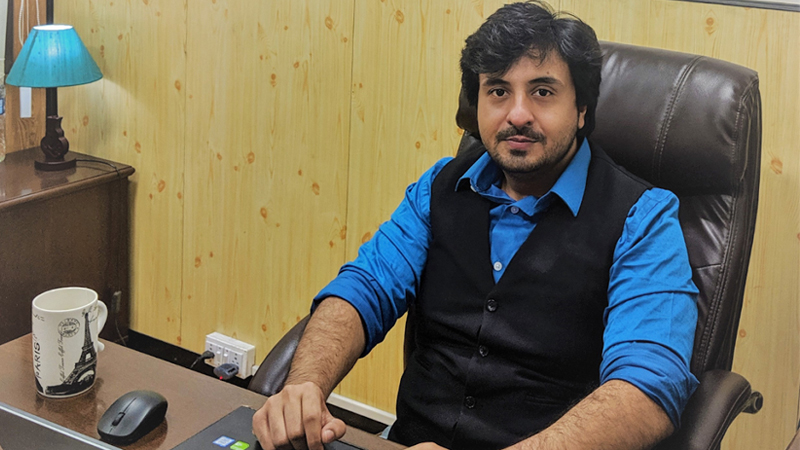
Tag: Yasin Hamidani

  • SEBI cracks down on finfluencers, ensures integrity in financial advice

    SEBI cracks down on finfluencers, ensures integrity in financial advice

    Mumbai:  The Securities and Exchange Board of India (SEBI) has taken a decisive step by banning regulated entities from associating with unregistered influencers. This crackdown targets anyone who provides financial advice or makes claims about securities without Sebi’s registration.

    In today’s accessible digital world, to regulate the affairs in the financial sector finfluencers use platforms such as Instagram, YouTube, Twitter, and several mobile and gaming apps to spread their financial advisers, and investment ideas and even promote specific stocks or shares of certain companies for their (finfluencers’s) marketing and revenue point of view. These affect stock prices and investment choices of people by finfluencers but the problem is that often their data is basically unreliable information and actions are unaccountable because they are not licensed and not qualified.

    Since the finfluencers are not licensed and not qualified, they mislead investors and put their money at risk, and involve themselves in stock manipulation by elevating prices of certain stocks by convincing their followers to buy them which increase the value of those stocks and in a ripple effects decrease the prices of stocks of rival companies thus degrading the integrity the status of the Indian financial markets.

    Previously, The Advertising Standards Council of India (ASCI) has developed criteria for influencers who might affect people’s purchasing and investing decisions. They further said that Influencers must offer clear and visible disclaimers in their text or video material if they accept any kind of remuneration from a business or product they recommend.

    Indiantelevision.com reached out to industry experts for their opinion regarding this massive step.

    Whoppl founder Ramya Ramachandran stated, “For any industry, giving half-baked information or having limited knowledge and claiming expertise is always incorrect because people trust that the information provided is well-researched and accurate. Influencers giving advice on health, finance, or food without the right qualifications is especially problematic. While some influencers take extra steps to thoroughly understand the brands they promote, many do not. This issue extends beyond influencers to celebrities who often endorse products they do not use. Media outlets also sometimes fail to perform proper due diligence.

    It is particularly risky when influencers give advice without due diligence, as their followers might make significant financial or health decisions based on this advice. This is why there’s a call for better monitoring and perhaps certification to ensure influencers are qualified to give such advice. Product reviews and testimonials should be clearly marked as personal opinions of the individual influencer.

    To ensure transparency and quality, there should be protocols requiring only qualified individuals to discuss certain topics. This should apply across industries, including media houses, celebrity endorsements, and influencers. The entire ecosystem needs to be revised to maintain a high level of transparency and clarity.”

    According to Media Care Brand Solutions director Yasin Hamidani, “The SEBI crackdown on finfluencers, prohibiting SEBI-registered entities from associating with unregistered financial influencers, is a necessary and timely measure aimed at safeguarding market integrity and protecting retail investors.

    The rise of social media has given birth to a new breed of influencers who provide financial advice and investment recommendations. While many finfluencers are knowledgeable and ethical, the industry is also rife with misinformation and unqualified advice, leading to potential financial losses for uninformed investors. SEBI’s stringent regulations are designed to curb these risks by ensuring that only qualified and registered individuals provide financial guidance.

    This crackdown will have significant implications for the finfluencer community. Unregistered finfluencers will face challenges in monetizing their content through partnerships with SEBI-registered entities. This move may lead to a decline in the number of finfluencers who lack formal qualifications or registration, thereby raising the overall quality and reliability of financial advice available to the public.”

    He sheds some light for the retail investors, “For retail investors, this regulation brings a layer of protection. They can now be more confident that the advice they receive from SEBI-registered entities is credible and compliant with regulatory standards. This will help in making more informed investment decisions and reducing the risk of financial missteps caused by unverified recommendations.”

    He further continues, “Finfluencers need to adapt to this new regulatory landscape by seeking SEBI registration, if eligible, to continue offering investment advice. Alternatively, they can pivot their content strategy towards financial education, general market analysis, and personal finance tips that do not constitute direct financial advice.

    SEBI’s crackdown is a step in the right direction for ensuring the integrity of financial markets and protecting retail investors. While it imposes new challenges on the finfluencer community, it ultimately promotes a more trustworthy and reliable financial advisory ecosystem. Finfluencers who adapt to these regulations will likely emerge stronger and more credible, benefiting both themselves and their audience.”

    Pulp Strategy founder & MD Ambika Sharma highlighted, “The recent semi-crackdown on finance influencers is a commendable move towards protecting consumer rights and ensuring a responsible digital ecosystem. In an era where digital platforms wield immense influence over financial decisions, it is imperative to address the misinformation that can mislead consumers and cause significant financial harm.

    The finance influencer space has grown exponentially, with many individuals gaining substantial followings by sharing financial advice and investment tips. While some influencers provide valuable insights, there is a growing concern about the accuracy and reliability of the information being disseminated. The allure of quick profits and sensationalist claims often overshadows sound financial advice, leading many unsuspecting consumers astray.”

    From the brands and agencies perspective, she said, “Agencies and brands must exercise due diligence in selecting influencers to partner with, ensuring that these individuals have the requisite expertise and credibility. The onus is on agencies to conduct thorough background checks and verify qualifications before endorsements. Brands must prioritize consumer safety over promotional gains by aligning with influencers who uphold ethical standards and provide truthful information.”

    She continues further, “Social media platforms and digital content platforms must implement stringent policies to monitor and regulate content shared by finance influencers. This includes flagging and removing misleading information, promoting content from verified sources, and providing tools for consumers to report suspicious or false information. Platforms can play a crucial role in protecting consumers from financial misinformation.

    Government intervention is crucial. Regulatory bodies must establish clear guidelines and regulations governing the dissemination of financial information by influencers, including defining qualifications, setting standards for disclosure of affiliations and sponsorships, and enforcing penalties for non-compliance.

    Education also plays a vital role in empowering consumers to navigate the digital landscape safely. Financial literacy programs should be promoted to enhance the public’s understanding of basic financial principles and the potential risks associated with following unverified financial advice.

    In conclusion, the semi-crackdown on finance influencers is a positive step towards protecting consumer rights and ensuring a safe digital ecosystem. By working together to uphold ethical standards, promote accurate information, and educate consumers, we can create a digital environment that fosters trust, transparency, and financial well-being.”


  • National Broadcast Policy 2024 unveils blueprint for broadcasting sector advancement

    National Broadcast Policy 2024 unveils blueprint for broadcasting sector advancement

    Mumbai: The Telecom Regulatory Authority of India (TRAI) has recently put forth recommendations for shaping the ‘National Broadcasting Policy-2024’ aimed at establishing a robust broadcasting ecosystem. The policy sets out a comprehensive roadmap for the next decade, with a focused strategy for the upcoming five years.

    The policy seeks to promote resilient, adaptable, and technologically agile infrastructure that encourages research and development, technological innovation, and local manufacturing. It also strives to create a fair competitive environment, enhance ease of doing business and drive economic growth by ensuring widespread access to broadcasting services.

    “The National Broadcasting Policy-2024 aims to build a strong broadcasting ecosystem by fostering growth-oriented policies and regulations supported by data-driven governance,” stated TRAI.

    One of the key goals is to position India as a global ‘Uplinking Hub’ for television channels, attracting investments, generating employment and promoting skill development. Additionally, the policy focuses on fostering quality content production and distribution across television, radio, and OTT platforms, while promoting Indian content both domestically and internationally.

    In July 2023, the Ministry of Information and Broadcasting (MIB) requested TRAI’s insights under Section 11 of the TRAI Act, 1997, to aid in formulating this policy. Following a preliminary consultation paper in September 2023, TRAI released the formal consultation paper on ‘Inputs for formulation of National Broadcasting Policy-2024’ on 2 April. Feedback was gathered from 42 stakeholders, including service providers, organizations, industry associations, consumer advocacy groups and individuals.

    Indiantelevision.com reached out to Media Care Brand Solutions director Yasin Hamidani where he provided his perspective on the policy.

    He stated that, “The National Broadcasting Policy 2024, with TRAI’s recommendations for a transparent and credible audience measurement and rating system for television, radio, and OTT services, offers several significant advantages. On the positive side, this initiative will enhance the accuracy and reliability of audience data, fostering trust among broadcasters, advertisers, and consumers.

    A transparent system will enable fair competition, encouraging innovation and quality content creation tailored to audience preferences. It will also ensure that smaller and emerging players have a fair chance to compete, potentially diversifying the media landscape.

    However, there are potential challenges to consider. Implementing a new measurement system requires substantial investment in technology and infrastructure, which could be a financial burden for some stakeholders. Additionally, there is a risk of resistance from established players accustomed to the existing system. Ensuring the security and privacy of audience data is another critical concern, as any breaches could undermine trust in the system.

    Despite these challenges, the overall impact of the NBP 2024 is poised to be transformative, driving the broadcasting sector towards greater accountability, inclusivity, and alignment with evolving technological advancements,” he concluded. 

  • Analysing the rise of video content consumption in India and its implications for marketers

    Analysing the rise of video content consumption in India and its implications for marketers

    In recent years, India has witnessed an exponential surge in video content consumption, fuelled by factors such as increasing internet penetration, affordability of smartphones, and the rise of digital platforms. This seismic shift in consumer behaviour has significant implications for marketers, who are increasingly turning to video as a powerful tool to engage with their target audience. In this article, we delve into the rise of video content consumption in India, its implications for marketers, and strategies for crafting effective video marketing campaigns that resonate with Indian audiences.

    Understanding the rise of video content consumption in India:

    India has emerged as one of the largest and fastest-growing markets for video content consumption globally. Video will account to 85 per cent of all internet traffic in India by end of 2024, showcasing the immense popularity of this medium among Indian consumers. Several factors contribute to this phenomenon:

    1.  Increasing Internet penetration: India’s internet user base has been expanding rapidly, driven by initiatives such as Digital India and the proliferation of affordable mobile data plans. As more Indians gain access to the internet, there is a growing appetite for consuming video content across a wide range of genres and platforms.

    2.   Rise of digital platforms: The advent of digital streaming platforms such as YouTube, Netflix, Amazon Prime Video, Hotstar, and others has revolutionized the way Indians consume content. These platforms offer a diverse array of video content, including movies, TV shows, web series, music videos, and user-generated content, catering to varied interests and preferences.

    3.   Mobile revolution: The widespread adoption of smartphones has made video content accessible to a vast segment of the population. With affordable smartphones and high-speed mobile internet becoming ubiquitous, Indians are increasingly turning to their mobile devices to consume video content on the go.

       Cultural preference for visual content: Indian audiences have a strong affinity for visual storytelling, making video an inherently appealing medium for communication and entertainment. From Bollywood movies to short viral videos, visuals play a central role in Indian popular culture, driving the demand for video content across demographics.

    Implications for marketers:

    The rise of video content consumption in India presents several implications for marketers seeking to connect with their target audience:

    1   Shift in advertising spend: Marketers are reallocating their advertising budgets from traditional media channels to digital platforms, with a significant portion allocated to video advertising. Video ads offer higher engagement rates and better ROI compared to traditional formats, making them an attractive option for brands looking to reach and influence consumers.

    2   Opportunity for brand storytelling: Video provides a powerful medium for brands to tell their story, evoke emotions, and connect with consumers on a deeper level. Marketers can leverage the storytelling capabilities of video to create compelling narratives that resonate with Indian audiences, building brand affinity and loyalty over time.

    3   Enhanced engagement and interactivity: Video content encourages higher levels of engagement and interactivity compared to other formats. Marketers can leverage features such as interactive ads, shoppable videos, and immersive experiences to captivate audiences and drive action, whether it’s making a purchase, signing up for a newsletter, or sharing the content with others.

    4   Reach across demographics and regions: Video content has universal appeal and transcends linguistic and cultural barriers, making it an effective tool for reaching diverse audiences across India’s vast and heterogeneous landscape. Marketers can tailor their video content to resonate with specific demographics, regions, and cultural nuances, ensuring relevance and resonance with their target audience.

    Strategies for effective video marketing campaigns:

    Crafting a successful video marketing campaign requires careful planning, creative execution, and strategic distribution. Here are some strategies for marketers to consider:

    1   Know your audience: Start by understanding your target audience’s demographics, interests, preferences, and online behaviour. Use insights from market research, audience analytics, and social listening tools to inform your video content strategy and messaging.

    2   Tell compelling stories: Create video content that tells a story, evokes emotions, and resonates with your audience on a personal level. Whether it’s showcasing your brand’s values, highlighting customer testimonials, or narrating a captivating narrative, storytelling can help forge meaningful connections with viewers.

    3   Focus on quality and creativity: Invest in high-quality production values and creative execution to make your videos stand out in a crowded digital landscape. Whether it’s stunning visuals, captivating animations, or engaging narratives, strive to create content that captivates and delights your audience.

    4   Optimize for mobile viewing: Given the prevalence of mobile devices in India, it’s essential to optimize your video content for mobile viewing. Ensure that your videos are formatted for smaller screens, load quickly, and are easy to navigate on mobile devices to provide a seamless viewing experience.

    5   Leverage video SEO: Optimize your video content for search engines by using relevant keywords, tags, and descriptions. This will help improve the discoverability of your videos on platforms like YouTube and Google, driving organic traffic and engagement.

    6   Promote across channels: Distribute your video content across multiple digital channels, including social media, email, websites, and digital ad networks. Tailor your distribution strategy to the preferences and behaviours of your target audience, ensuring maximum reach and impact.

    7   Measure and iterate: Track the performance of your video marketing campaigns using key metrics such as views, engagement, click-through rates, and conversions. Use this data to evaluate the effectiveness of your campaigns and make data-driven optimisations to improve results over time.

    The rise of video content consumption in India represents a significant opportunity for marketers to engage with their target audience in meaningful and impactful ways. By understanding the drivers behind this trend, leveraging the storytelling capabilities of video, and adopting strategic best practices, marketers can create compelling video marketing campaigns that resonate with Indian consumers, driving brand awareness, engagement, and loyalty in an increasingly digital world.

    The article has been authored by Media Care Brand Solutions director Yasin Hamidani.

  • Media Care wins digital marketing mandate for ScoopMan Ice-Creams & Cafe

    Media Care wins digital marketing mandate for ScoopMan Ice-Creams & Cafe

    Mumbai: Media Care Brand Solutions, an integrated marketing agency has won the digital marketing mandate for Delhi based ScoopMan Ice Creams & Café.

    As a part of the partnership, Media Care will be responsible to drive the strategy for creative campaigns, content & video creation, social media platforms, influencer marketing and digital ad spends for the ice cream, desserts & café brand and the digital mandate will be handled by agency’s Delhi and Mumbai teams.

    ScoopMan, a visionary brand born during the pandemic to address the challenge of limited dessert options available online under one roof. ScoopMan’s value proposition lies in being the ultimate destination for all dessert enthusiasts. The brand offers 30 exquisite flavors of premium gourmet fresh cream milk ice creams infused with natural fillings and toppings, appealing to every age group. The ice creams are prepared using Italian ingredients from MEC3. From delightful fruit, chocolate, caramel, brownie, traditional variants & ice cream cheesecake to custom-made sundaes, ice cream sizzlers, crispy baked waffles & lancakes, rich milkshakes & ice cream shakes, frothy ice cream sodas, and café-style appetizers. With a trusted supplier’s 30-year legacy of crafting excellent fresh milk ice creams, ScoopMan is a go-to one-stop shop for a delightful dessert experience.

    Media Care Brand Solutions co-founder & director Yasin Hamidani said, “We are thrilled to be on-boarded by a vibrant, energetic and popular ice cream, dessert & café brand like ScoopMan. We are looking forward to working with ScoopMan Ice Creams & Café and further scaling up their digital visibility, awareness and activations. Looking at the current consumer journey, we will need to activate all cogs of content, activation and experience for giving them an integrated digital solution, which will deliver business value to them.”

    ScoopMan Ice Creams & Cafe founder Priya Arora said, “With the shift in audience behaviour and increased digital activities, we aim to occupy higher mind space of the consumers by tapping into the non-linear consumer journey and better targeting that digital has to offer. We are delighted to have Media Care on board as our digital partner. Through its digital presence, ScoopMan has been synonymous with premium fresh ice cream treats, customized desserts, rich thick creamy shakes, and café appetizers. We want to continue offering joy to families and our TG, so that ScoopMan Ice Creams& Café resonates as a brand which delivers premium ice creams, customized desserts & appetizers made of superior ingredients. We are confident that Media Care will beef up the digital presence further with its impactful and innovative solutions. We are looking forward to this partnership as we are expanding exponentially across North India and other South regions through our franchise and company owned outlets.”  

    Currently the brand is serving across the region of Delhi in Sector 3 Rohini, Sector 24 Rohini and Pacific Mall, Dwarka. Soon the brand is looking to launch its fourth outlet at Pitampura in March 2024 and fifth outlet at Unity One Mall in NSP, Delhi. The brand is aiming to add 50 outlets across Delhi NCR region by 2026.

    “At Media Care, our core services are built on the grounds of creating meaningful solutions for our partners. We are delighted to lend our expertise to ScoopMan Ice Creams & Café, a brand that has been born out of a passion and love and has been serving up these delights since 2021 in Delhi. The key focus will be to engage with our customers across all sections and age groups. We will leverage our expertise in Integrated Digital Marketing to bring awareness of the brand across the country” said Media Care Brand Solutions CEO and co-founder Heemanshu Hemrajani.

    ScoopMan Ice Creams & Café co-founder & director Gonal Arora added, “With changing consumer lifestyles and growing appreciation for high-quality products & desire for ice cream flavours, our brand ScoopMan Ice Creams aims to fill a gap in the market for consumers who seek all types of desserts and extraordinary ice cream experience under one roof. ScoopMan Ice Creams embodies the perfect balance of craftsmanship, high-quality ingredients, and delectable flavours.”

  • Voice search and SEO: Navigating the voice-first future for your brand

    Voice search and SEO: Navigating the voice-first future for your brand

    Mumbai: Voice search is becoming a disruptive force in the always changing field of digital marketing, changing the way people engage with technology. With the increasing prevalence of virtual assistants and smart speakers, it is imperative for brands to prioritize voice search optimization if they want to remain competitive. This essay examines the importance of voice search, how it affects SEO tactics, and what businesses should do to prepare for a voice-first future.

    Introduction: Voice Search’s Ascent

    Voice-activated gadgets, including Apple’s Siri, Google Home, and Amazon’s Alexa, have become increasingly popular, and this has led to a change in user behavior. Voice search represents a paradigm shift in the way people look for information, not just a fad. ComScore projects that by 2022, 50% of all online searches will be voice searches.

    Comprehending the Dynamics of Voice Search

    Voice searches are typically more conversational and have a more natural tone than traditional text-based searches. Users are more likely to ask inquiries and anticipate receiving succinct, timely responses. In order to meet the demands of this conversational style and take advantage of the special opportunities and difficulties that voice search technology presents, brands must modify their SEO tactics.

    Effect on SEO: Optimization’s Need

    1.    Long-Tail Keywords Become More Noticeable: Conversational queries, which are frequently in the form of questions, are what define voice searches. This change highlights the significance of long-tail keywords by emphasizing speech patterns that people naturally use.

    2.    Local Search Engine Optimization: Location is a major factor in a large percentage of voice searches. In order to guarantee that their brand appears in relevant voice search results—particularly for “near me” queries—brands should give priority to local SEO methods.

    3.    Highlighted Extracts and Zero Position: Voice assistants frequently use information from search results’ desired “position zero” or highlighted snippets. To get these prominent positions and offer succinct, reliable responses to frequently asked questions, brands must improve their content.

    4.    Content Suitable for Mobile Devices: Brands must have information that is simply accessible and navigable on smartphones and tablets, as voice searches on mobile devices are becoming more common.

    5.    NLP, or natural language processing: A major component of voice search is natural language processing. In order to improve their chances of showing up in voice search results, brands should adapt their content to fit the language patterns of their target audience.

    Practical Techniques for Optimizing Voice Search Results

    1.    Perform Voice Keyword Research: Determine and include long-tail, conversational keywords in your writing. When creating content, think about the questions readers could have and make sure it directly answers them.

    2.    Enhance the listing for Google My Business: To increase the likelihood that your business will show up in local voice search results, make sure your Google My Business listing is correct and current.

    3.    Make FAQ Webpages: Create thorough FAQ pages that anticipate questions from users. Content organized in a question-and-answer style complements the conversational style of voice searches.

    4.    Pay Attention to Page Speed: Make your website as fast-loading as possible. Voice searches give priority to delivering information quickly and reliably; a sluggish website may result in a bad user experience.

    5.    Invest in Markup Schema: Use schema markup to give search engines more information about the context of your content. This increases the possibility that voice search results will include your material.

    6.    Accept Interactive Content: Produce writing that reflects casual conversation. This is in line with the dynamics of voice search and improves user engagement on all platforms.

    7.    Try Out Voice Search for Yourself: Test your brand’s voice search performance on a regular basis. Asking questions of your brand actively using voice assistants might reveal information about how users interact with it.

    Obstacles and Prospective Ideas

    Voice search offers great prospects, but there are obstacles that marketers need to overcome. Concerns about privacy, misinterpreting questions, and the necessity of constantly adjusting to changing technologies are some of the issues that demand constant attention.

    Furthermore, a new dimension is added to visual results with the rise of voice-activated gadgets with screens. It is advisable for brands to get ready for a multi-modal future in which visual and audio components combine to create seamless user experiences.

    Conclusion: Getting Around in the Voice-First Environment

    Voice search is a revolutionary force that is changing digital interactions, not just a passing fad. Proactively optimizing for voice search puts brands in a better position to match user expectations now and predict how search behavior will develop in the future.

    Brands need to be flexible as the voice-first market develops, always adjusting their approaches to take into account consumer preferences and new developments in technology. Brands can ensure their position in the future of digital discovery by embracing the subtleties of voice search and incorporating them into a comprehensive SEO strategy. It’s time for brands to join the conversation as we move closer to a future where voice comes first.

    The author of the article is Media Care Brand Solutions director Yasin Hamidani.

  • A&M leaders weigh in on Interim Budget 2024

    A&M leaders weigh in on Interim Budget 2024

    Mumbai: The Interim Budget 2024 unveiled on 1 Feb has set the stage for a symphony of perspectives within the advertising and marketing industries. From applauding the focus on digital transformation and entrepreneurship to expressing cautious optimism amid economic growth strategies, industry leaders share their perspectives on how fiscal policies might shape the landscape for campaigns, innovations, and consumer engagement.

    Here’s what various marketing and advertising agencies have to say:

    Boomlet Group co-founder and MD Preety Singh

    In the wake of the recently announced union budget, the emphasis on empowering women through financial support is a promising stride towards our nation’s vision of achieving developed status by 2047. The disbursement of 30 crore loans to women entrepreneurs signals a crucial step in catalyzing their economic prowess. The noteworthy 37 percent surge in female workforce participation in the fiscal year 2022-23 underscores the success of our collective efforts in fostering an inclusive economy. As a woman entrepreneur, I believe that this financial impetus not only propels our businesses but also serves as a beacon for gender equality and socio-economic progress. To ensure that Indian MSMEs compete globally, sustained commitment to the empowerment of women is indispensable. This interim budget continues to pave the way for a future where the entrepreneurial spirit of women becomes a driving force in our nation’s journey towards prosperity and development.

    Tagglabs founder Hariom Seth

    This interim budget strikes a prudent balance between driving economic growth through infrastructure expansion and putting more money in the hands of middle-income groups. This twin-engine approach can accelerate demand across sectors, creating ripe conditions for advertising and marketing.

    However, how increased public capital expenditure influences private corporate spending will be key. If crowding-out effects emerge, advertising budgets may face cuts as companies watch their bottom lines.

    Therefore, this budget provides reasons for tempered optimism rather than outright euphoria for marketers and agencies. Government capital spending should drive ancillary advertising as infrastructure projects necessitate promotions. But patchwork policy measures specifically targeted to incentivize digital adoption and urban consumption could have provided a steroid boost.

    Pulp Strategy founder & MD Ambika Sharma

    The union budget 2024 has presented a groundbreaking roadmap for India’s digital transformation, bolstering the IT and internet landscape across the nation and expanding connectivity. This translates to more opportunities for businesses to thrive in the digital realm and captivate audiences with potential for greater outreach. The budget’s attention to skilling and training programs for media and entertainment professionals is a game-changer, nurturing a highly skilled workforce that can deliver awe-inspiring content and consumer experiences. Additionally, initiatives such as tourism promotion and rural development have the potential to boost advertising demand. The Union Budget 2024’s focus on fostering innovation and entrepreneurship through tax benefits, credit guarantee schemes, and fund launches creates a fertile environment for startups and MSMEs to thrive and make a positive impact in society. The budget also highlights the importance of the media and entertainment industry in promoting India’s culture and soft power worldwide, tapping into the power of technology to create immersive experiences, showcase the beauty and diversity of India, and drive meaningful change in society.

    Media Care Brand Solutions director Yasin Hamidani

    The Interim Union Budget 2024 places a strong emphasis on the upliftment of economically vulnerable sections, women, farmers, and the youth, recognizing their pivotal role in the nation’s progress. The commendable commitment to construct an additional two crore houses over the next five years through the PM Awas Yojana Grameen highlights the government’s dedication to ensuring housing for all. Finance Minister Sitharaman’s announcement of an upcoming scheme tailored for the middle class, especially those in rented houses, slums, and unauthorized colonies, marks a positive step towards fostering inclusive growth. With expectations for a comprehensive roadmap for Viksit Bharat in the full budget this July, it is anticipated that it will further reinforce the government’s commitment to both economic development and welfare.

    A reassuring development is the decision to eliminate long-pending and minor income tax disputes. This aligns with the government’s ongoing efforts to minimize legal conflicts. Notably, there are no alterations to tax rates or structures, and no adjustments have been proposed in personal taxation. This might be a bit disappointing for those who were anticipating such announcements.

    KlugKlug co-founder and CPO Vaibhav Gupta

    In this interim budget, the acknowledgment of the transformative impact wielded by new-age technologies and data on individuals and businesses resonates deeply with Klug Tech’s core values. The emphasis on fostering economic opportunities and ensuring affordable, high-quality services reflects a commitment to inclusivity, reaching even those at the ‘bottom of the pyramid. As innovators and entrepreneurs, we stand poised to contribute to India’s rising global potential through our cutting-edge solutions. This budget sets the stage for a future where innovation and entrepreneurship drive positive change, elevating India’s position on the global stage.

    Mad Influence CEO and founder Gautam Madhavan

    Mad Influence welcomes the government’s commitment to maintaining stability in taxation, ensuring continuity for startups and IFSC units by extending tax exemptions till 31 March 2025. The finance minister’s decision to withdraw outstanding direct tax demands up to Rs 25,000 and provide relief to one crore taxpayers is a positive step towards improving taxpayer services. As the economy strides towards sustained growth, Mad Influence acknowledges the government’s prudent approach in maintaining existing tax rates and embracing the positive impact of GST on trade and industry. However, Mad Influence looks forward to more targeted initiatives for startups in the upcoming full Budget in July. The overall budgetary estimates, with a focus on interest-free loans, reflect a balanced approach towards economic growth. Mad Influence anticipates further details in the detailed roadmap for ‘Viksit Bharat’ promised in the full Budget, paving the way for a more prosperous and inclusive India.

    Vivify Asia founder and director Vikram Bhalla

    As the union budget 2024-25 is presented, the budgetary figures outlined reflect a prudent approach to fiscal management. The finance minister’s estimate of total receipts, excluding borrowings, at Rs. 30.80 lakh crore and total expenditure at Rs 47 lakh crore for the upcoming fiscal year demonstrates a commitment to responsible financial planning. The continuation of interest-free loans at an outlay of Rs 1.3 lakh crore is a strategic move to support key sectors. The targeted fiscal deficit of 5.1 per cent of GDP for 2024-25 aligns with the government’s commitment to gradually reduce the deficit to 4.5 per cent of GDP by 2025-26. This shows a balanced effort to stimulate economic growth while maintaining fiscal discipline.

    The mention of revised estimates for 2023-24, with revenue receipts expected to surpass the budget estimate, reflects the positive momentum in economic activities and formalization. The government’s ability to manage expenditures effectively is evident in this upward revision. While the overall vision for ‘Viksit Bharat’ is ambitious, the budget strikes a balance between addressing immediate concerns, investing in long-term growth drivers, and maintaining fiscal prudence.

    GOZOOP Group chairman and co-founder Rohan Bhansali

    India’s union budget 2024 heralds a golden era for our tech-savvy youth, epitomizing our nation’s high aspirations and the transformative journey our economy has undertaken over the last decade. The announcement of a 50-year interest-free loan represents not only a visionary step but also a testament to the government’s unwavering commitment to fostering entrepreneurship and innovation amongst the youth. Furthermore, the budget’s focus on empowering the youth with access to affordable capital is a testament to the government’s proactive approach towards addressing the evolving needs of our dynamic workforce. By providing avenues for skill development, training, and access to capital, we are not only nurturing talent but also creating a conducive environment for inclusive growth and prosperity. At GOZOOP Group, we are committed to partnering with the government and other stakeholders to leverage our expertise, resources, and technology-driven solutions to support the realisation of India’s vision for inclusive growth and sustainable development.

    GOZOOP Group global CEO and co-founder Ahmed Aftab Naqvi

    I think it’s a forward-looking interim budget. The allocation of Rs one lakh crore for a 50-year period as a support to tech-savvy youth at low or no interest rates will fuel more energy in Bharat. The certain tax benefits given to startups signal direction of innovation and economic dynamism. As an entrepreneur this ignites optimism. With the government’s focus on rural development, FMCG as a category will get the much-needed boost. In the post-election budget, I would like to see emphasis on privacy regulation for AI, which is a critical aspect for the A&M industry.

    PromotEdge founder and CEO Saurav Agarwal

    We are pleased to acknowledge the visionary steps taken by finance minister Nirmala Sitharaman in the union budget, paving the way for a digitally advanced, globally sustainable, and healthy India. This budget reflects a progressive approach, focusing on inclusive growth, leveraging the potential of cutting-edge technologies, and implementing crucial business reforms. Over the past decade, the Indian economy has undergone a remarkable positive transformation, and this budget is a testament to our commitment to sustaining this upward trajectory. The consumer tech startup sector will surely be stimulated by the proposed tax advantages, which would encourage entrepreneurship and innovation. The allocation of Rs 1 lakh crore for a 50-year interest-free loan is a game-changer, providing our tech-savvy youth with a golden era for long-term financing or refinancing at low or nil interest rates. The announcements hold particular significance for startups and the digitisation drive. Since this was an interim budget, there was not much regarding the digital sector, we expect much more in the upcoming budget in July.

    Viral Pitch founder Sumit Gupta

    With the outstanding success of PM Mudra Yojana, which has approved an amazing 43 crore loans worth ₹22.5 lakh crore, our country is on track for an entrepreneurial revolution. This excellent backing is evidence of the dedication to promoting youthful goals. As a result of the collaborative efforts of programs like Fund of Funds, Start-Up India, and Start-Up Credit Guarantee, ambitions have been achieved on this transforming path. Our youth evolves as ‘rozgardata’ – the creators of their destinies and contributors to the development of the country – when these ambitious plans come to fruition. This enormous step toward economic independence indicates a better future for our country, one in which industry and creativity flourish and bring in a new period of opportunity and progress.

    Grapes founder and CEO Shradha Agrawal

    The government’s initiative to provide adequate finances and advanced technologies to micro, small, and medium enterprises (MSMEs) is indeed a positive step which will benefit the overall economy.

    Also, there’s a notable reduction in the corporate tax rate. For instance, domestic companies will now face a reduced rate of 22 per cent, down from the previous 30 per cent. This aims to boost business growth in India and enhance the competitiveness of the manufacturing sector, contributing to overall economic development.

    Additionally, the budget also allocates considerable attention to the development of modern infrastructure in all its forms—digital, social, and physical—opening up new opportunities for the M&E sector, particularly in the realm of digitalization.

  • Budget 2024: Leaders envision a tech-driven budget revolution

    Budget 2024: Leaders envision a tech-driven budget revolution

    Mumbai: India’s anticipation for Budget 2024 is palpable, resonating across diverse industries. From digital pioneers envisioning a tech renaissance to entrepreneurs seeking support for AI advancements, the expectations weave a narrative of innovation, growth, and strategic budgeting.

    As the nation braces for economic direction, stakeholders in media, advertising, marketing, technology and martech share their hopes, emphasising the pivotal role of the budget in shaping the trajectory of their respective landscapes.

    Following are the quotes from various business chiefs:

    Pulp Strategy founder and MD Ambika Sharma

    I have my sights set on a digital renaissance, not just a fiscal one. We at Pulp Strategy envision a landscape fortified by robust cybersecurity infrastructure, safeguarding the data that fuels our industry. Alongside this, a renewed focus on local media and advertising unlocks a tapestry of diverse voices, enriching audience engagement. The infusion of AI and automation promises to streamline operations, paving the way for more sophisticated storytelling. Adding to this I hope there would be potential for tax breaks and incentives – a catalyst for innovation and entrepreneurial spirit. This budget should be about empowering the creative minds who will sculpt the future of India’s digital narrative.

    Media Care Brand Solutions director Yasin Hamidani

    Anticipating steady growth, the advertising and marketing sector, fueled by a digital and eco-centric focus from last year’s budget, is set to expand. The momentum in digitisation and sustainable practices indicates a dynamic shift. As technology advances, the marketing & advertising landscape is poised to venture into burgeoning mediums like AR, VR, AI & CGI. Regardless of specific industry impacts, the surge in digital economy emphasis forecasts a rise in marketing and advertising.

    Serial entrepreneur, Assiduus Global Inc founder and CEO, LP angel investor, Govt of India advisor Dr Somdutta Singh

    Here’s one that’s clear: digital advertisers are poised to leverage AI and new metrics in the digital landscape that’s evolving everyday. Their goal will be to optimize budgets, especially considering there will be a surge in prices during the upcoming busy political campaigning season. Ultimately, the focus will be on ensuring meaningful connections with customers within the digital space.

    Marketers, publishers, and adtech partners will be on the lookout for more profound indicators of engagement. This includes attention metrics, which provide a nuanced understanding of how users interact with content. This shift is being driven by a desire among marketers to adopt more impactful and effective advertising strategies. Moreover, there is an urgent need to strengthen the budget allocated for enhancing India’s digital infrastructure.

    Tagglabs founder Hariom Seth

    1. Improved HPC access: AI startups face challenges with computer access. The budget could establish affordable public cloud HPC infrastructures.

    2. Local datasets creation: AI requires ample data, and the budget could support building relevant datasets for India. Global data may not grasp our issues or adhere to our rules.

      – Ensure strict rules for data handling.

      – Local data enhances AI tailored for India and ensures ethical usage.

    3. Skill development support: India lacks AI knowledge. The budget could allocate funds for training, scholarships, and partnerships, even in remote areas.

    4. AI application in key sectors: Allocate funds for AI research in vital sectors like farming, banking, and healthcare.

    5. Promoting AI adoption: Provide incentives like tax breaks and public-private partnerships to encourage AI use across sectors.

    6. Ethical AI practices: Support ethical AI development through training and awareness campaigns.

    Additional points:

    – Increased startup funding: Allocate more funds, especially for early stages.

    – Conversational AI focus: Emphasise conversational AI, such as Siri.

    – Encourage collaboration: Promote partnerships among companies and assist startups with significant costs.

    NеtSеtGo co-foundеr Sundееp Rana

    A well-structured budget can play a pivotal role in streamlining IPO processes and fostering investor confidence in startup exits. Allocating resources judiciously ensures regulatory compliance, transparency, and legal adherence during the IPO journey. Moreover, budget provisions for effective investor communication, marketing, and technology infrastructure signal professionalism and commitment, enhancing investor trust. Talent acquisition and retention, backed by budgetary allocations, contribute to a capable team ready to navigate the complexities of an IPO. In essence, a carefully planned budget not only facilitates a smoother startup exit but also instills confidence in investors, showcasing the company’s dedication to governance and operational excellence.

    Social Pill co-founder & head of digital media Neelesh Pednekar

    In anticipation of the Union Budget 2024-2025, the advertising, marketing, and experiential marketing industries in India are focusing on industry-specific expectations, particularly in the context of the digital economy’s Compound Annual Growth Rate (CAGR). Stakeholders are hopeful for supportive measures within the budget that will foster growth, innovation, and competitiveness. A significant point of discussion revolves around the potential introduction of the digital services tax (DST), a long-debated issue that could impact multinational tech giants operating within the country. With the explosive growth of e-commerce and online payments, there is a pressing need to reevaluate taxation related to online transactions, possibly leading to amendments in the goods and services tax (GST) to accommodate and bolster e-commerce in India. Additionally, stakeholders are speculating on the possibility of tax concessions in advertising and marketing, potentially prompting brands to increase their budgets in these domains. Furthermore, the budget might introduce taxation on influencer marketing, aiming to bring this emerging field under the formal economic umbrella.

    Sirona Hygiene CEO & co-founder Deep Bajaj

    At Sirona, we acknowledge the pivotal role that effective budgeting plays in shaping our strategic approach and ensuring the realisation of our business objectives. In navigating the dynamic landscape of marketing, advertising, and technology.

    The marketing strategy is intricately woven into the understanding of market trends, consumer behavior, and the evolving needs of the target audience. Through meticulous budget planning, the objective is to allocate resources efficiently, leveraging both traditional and digital channels. This approach enhances brand visibility, engages our audience, and propels sustainable growth.

    In the realm of advertising, Sirona places great importance on the creation of compelling campaigns that resonate deeply with our audience. A well-structured budget empowers us to invest in creative content, strategic media placements, and targeted advertising. By remaining adaptable and data-driven.

    Embracing technological advancements is integral to the business model, and the budgeting approach reflects this commitment. Resources are allocated for the adoption of innovative technologies that enhance operational efficiency, elevate customer experience, and fortify data security. To remain steadfast in the dedication to staying at the forefront of technological trends to maintain a competitive edge in the industry.

    The budgeting process is designed to be transparent and adaptable, allowing everyone to respond promptly to market dynamics, emerging trends, and unforeseen challenges. Regular assessments and performance evaluations enable one to make informed decisions, refining our strategies for continued success.

    Almonds Ai CEO and co-founder Abhinav Jain

    In Budget 2024, we hope for policies that nurture India’s tech innovation ecosystem. We need increased investments in R&D initiatives, particularly in areas like AI, robotics, and advanced materials. Additionally, incentives for attracting and retaining skilled tech talent through tax breaks for skill development programs and simplified visa processes would be greatly appreciated. The budget should act as a catalyst for India’s burgeoning startup ecosystem. We urge the government to consider easing regulations for startups, simplifying the funding process, and creating avenues for easier access to angel investors and venture capital.

  • Media Care bags Cafe White Lama & White Lama Villa’ digital mandate

    Media Care bags Cafe White Lama & White Lama Villa’ digital mandate

    Mumbai: Ard Foods which owns brands like Cafe White Lama and White Lama Villa by Aman Singh Deep who also owns Shifuku and Thea has partnered with Media Care Brand Solutions, an integrated marketing agency, to manage and promote the brands – Café White Lama & White Lama Villa. Media Care would be responsible for developing marketing campaigns & strategies to propel the online presence for both the brands and increase footfalls through social media marketing, influencer marketing and content strategy.

    White Lama Villa & Café White Lama both offer diverse cuisines with a unique European ambience and captivating culinary experience. The brands interior offers peaceful decor, soul satisfying coffees and delicious meals in their menu.

    Media Care Brand Solutions co-founder & CEO Heemanshu Hemrajani said, “It has been a great journey working with some of the renowned brands in the hospitality space and now we are delighted to collaborate with ARD Foods. Our strength lies in ideating and executing out-of-the-box strategies for our clients on various social media platforms, to help them achieve their business goals through our marketing solutions. Our aim would be to put our best foot forward and attain the same for Café White Lama and White Lama Villa.”

    Commenting on the association, actor-turned-entrepreneur ARD Foods’ Aman Singh Deep said, “We are excited to welcome team Media Care Brand Solutions on-board as our marketing partner for Café White Lama and White Lama Villa. The demonstrations of their creativity and their industry specific insights from time to time have been impressive, and I believe they are the right choice to drive the successful story of our brands.”

    The partnership with Media Care Brand Solutions is poised to usher in a new era of creativity bringing fresh energy to the brands.

    Speaking on the newest addition to the client’s roster, Media Care Brand Solutions co-founder & director Yasin Hamidani said, “We are thrilled with this partnership and are happy to get started on the marketing journey with ARD Foods. We intend to impact the overall brands value by showcasing our distinct skills that will capture the essence of the brand’s scrumptious cuisine.”

    Being one of the leading marketing agencies for the past seven years, Media Care Brand Solutions has been successful in building an illustrious reputation for providing integrated marketing solutions to clients from diverse industries. They have catered to brands like Beardo, Cadiveu, Andis, Jaguar, Ikonic, Piramal Finance, The Pancake Story, Kofuku, Alniche Life Science, Aimil Pharma, Pelorus & Finacus, SafexPay, Pita Pit, Mickey Mehta, VC Fitness, Svish and Vardhman Steels, among others.

  • Weekend Unwind with: Media Care Brand Solutions’ Yasin Hamidani

    Weekend Unwind with: Media Care Brand Solutions’ Yasin Hamidani

    Mumbai: With another weekend upon us, it is time to unwind with the latest Q&A edition of Indiantelevision.com’s Weekend Unwind—a series of informal chats that peek into the minds of business executives through a fun lens in an attempt to get to know the person behind the title a little better.

    In this week’s session, we have Media Care Brand Solutions director Yasin Hamidani.

    Yasin possesses a diverse range of skills and expertise, including: brand building & positioning, Integrated Marketing with a specialisation in PR & media communications, digital marketing, performance marketing, influencer marketing and market research, with a deep understanding of consumer buying behavior and market trends across India and the Middle East markets.

    Yasin’s career in integrated marketing and communications spans over a decade. In 2016, he co-founded Media Care Brand Solutions in Mumbai, where he serves as the co-founder and director. His professional journey has exposed him to clients across various industries, including FMCG, IT, retail, beauty & lifestyle, start-ups, e-commerce, media & entertainment, healthcare, real estate, automobile, hospitality, F&B, and education.

    So, without further ado, here it goes…

    Your mantra for life

    “Embrace change, seek growth, and spread kindness.”

    A book you are currently reading or plan to read

    I’m currently reading The Age of Influence: The Power of Influencers to Elevate Your Brand by Neal Schaffer

    Your fitness mantra, especially during the pandemic

    “Stay active, even if it’s just a little bit every day. Your body and mind will thank you.”

    Your comfort food

    A bowl of homemade grilled chicken with exotic veggies

    A quote or philosophy that keeps you going when the chips are down

    “This too shall pass.” It’s a reminder that both the good and the bad moments in life are temporary.

    Your guilty pleasure

    Hazelnut chocolate and binge-watching suspense-thriller series.

    The last time you tried something new

    Learning & implementing ChatGPT in Microsoft tools.

    A life lesson you learned the hard way

    The importance of setting and maintaining healthy boundaries to protect your well-being.

    What gets you excited about life

    The opportunity to learn new things, meeting & networking with interesting people, and make a positive impact towards people around me.

    What’s on top of your bucket list

    Growing and getting new business opportunities and traveling to different countries, enjoying the culture and savor authentic cuisine.

    If you could give one piece of advice to your younger self, what would it be

    “Embrace failure and mistakes as opportunities to learn and grow, not as reasons to be discouraged and use the given time to increase knowledge and productivity.”

    One thing you would most like to change about the world

    I would like to see greater global efforts to address climate change and promote sustainable living to protect our planet for future generations.

    An activity that keeps you motivated and charged during tough times

    Prayers and mindfulness practices help me stay centered and maintain a positive outlook, even in challenging moments.

    What lifts your spirits when life gets you down

    Spending quality time with loved ones, whether it’s sharing a meal, a conversation, or a simple moment of connection.

    Your go-to stress buster

    Taking a long walk in nature, preferably in a peaceful park or near water, to clear my mind and de-stress.