Tag: WPP

  • FB-WPP to nurture mobile-first creativity tools

    FB-WPP to nurture mobile-first creativity tools

    MUMBAI: Facebook has hosted the creative ambassador programme for WPP creative agencies in Mumbai. The programme was aimed at educating WPP Creative agencies in a scaled way and empower them to develop award winning, mobile first creatives that exceed their clients’ business objectives.

    As the adoption of mobile accelerates in India, it is transforming the way people are discovering, experiencing, sharing and connecting with people, ideas and organisations that matter to them. With the “Creative Ambassador Program,” Facebook is focused on helping partners develop ideas that intrigue and engage for the mobile world. The program was launched in Asia-Pacific in June last year and has been rolled out in Hong Kong, Singapore and now in India.

    “Mobile is the future of consumer and brand interaction. Nowhere is such opportunity more evident than in Asia and in particular, India with smartphones fast becoming the device of choice for spending,” says WPP India country manager Ranjan Kapur.

    The program was launched in Asia-Pacific in June last year and has been rolled out in Hong Kong, Singapore and now in India.

    Facebook India and South Asia managing director Umang Bedi, said, “Creative agencies have always been at the forefront of every award winning creative work and we see great potential in working together to make rich creative expressions on Facebook and Instagram. The Creative Ambassador Program will help us bring together and educate creative talent to leverage the Facebook targeting tools and personalized marketing at scale to build brands and produce best in class work in a mobile-first world.”

    The two-day programme was run by Facebook’s Agency team, Creative Shop team and Blueprint team. It kicked off with a deep dive into different segments of the creative journey with Facebook and Instagram on the first day, and was attended by top creative directors, planning directors, copywriters and client leaders from WPP agencies across India. Day two of the program included partnering with the Blueprint team to run Blueprint Live, a bespoke version especially for Creative Agencies that helps them to come up with “the big idea” and creative concepts.

    WPP chief digital and strategy officer Scott Spirit said, “WPP agencies are constantly reinventing ways in which clients can reach out to their audiences. By partnering with Facebook, WPP agencies will have access to the latest technology and knowledge that will enable them to help clients stay ahead of the curve.”

    This global programme was co-created by Scott Spirit, Global Head of Strategy for WPP and Edel Horgan, APAC Lead on WPP for Facebook. The partnership program will be expanded to Australia this year, followed by New York to ensure people are up-to-speed on everything Facebook and Instagram has to offer and ensure creative agencies never miss out on new opportunities.

  • FB-WPP to nurture mobile-first creativity tools

    FB-WPP to nurture mobile-first creativity tools

    MUMBAI: Facebook has hosted the creative ambassador programme for WPP creative agencies in Mumbai. The programme was aimed at educating WPP Creative agencies in a scaled way and empower them to develop award winning, mobile first creatives that exceed their clients’ business objectives.

    As the adoption of mobile accelerates in India, it is transforming the way people are discovering, experiencing, sharing and connecting with people, ideas and organisations that matter to them. With the “Creative Ambassador Program,” Facebook is focused on helping partners develop ideas that intrigue and engage for the mobile world. The program was launched in Asia-Pacific in June last year and has been rolled out in Hong Kong, Singapore and now in India.

    “Mobile is the future of consumer and brand interaction. Nowhere is such opportunity more evident than in Asia and in particular, India with smartphones fast becoming the device of choice for spending,” says WPP India country manager Ranjan Kapur.

    The program was launched in Asia-Pacific in June last year and has been rolled out in Hong Kong, Singapore and now in India.

    Facebook India and South Asia managing director Umang Bedi, said, “Creative agencies have always been at the forefront of every award winning creative work and we see great potential in working together to make rich creative expressions on Facebook and Instagram. The Creative Ambassador Program will help us bring together and educate creative talent to leverage the Facebook targeting tools and personalized marketing at scale to build brands and produce best in class work in a mobile-first world.”

    The two-day programme was run by Facebook’s Agency team, Creative Shop team and Blueprint team. It kicked off with a deep dive into different segments of the creative journey with Facebook and Instagram on the first day, and was attended by top creative directors, planning directors, copywriters and client leaders from WPP agencies across India. Day two of the program included partnering with the Blueprint team to run Blueprint Live, a bespoke version especially for Creative Agencies that helps them to come up with “the big idea” and creative concepts.

    WPP chief digital and strategy officer Scott Spirit said, “WPP agencies are constantly reinventing ways in which clients can reach out to their audiences. By partnering with Facebook, WPP agencies will have access to the latest technology and knowledge that will enable them to help clients stay ahead of the curve.”

    This global programme was co-created by Scott Spirit, Global Head of Strategy for WPP and Edel Horgan, APAC Lead on WPP for Facebook. The partnership program will be expanded to Australia this year, followed by New York to ensure people are up-to-speed on everything Facebook and Instagram has to offer and ensure creative agencies never miss out on new opportunities.

  • GroupM’s new suite [m]Platform to make media planning flexible

    GroupM’s new suite [m]Platform to make media planning flexible

    MUMBAI: GroupM has launched an advanced technology suite of flexible media planning applications, data analytics and digital services titled [m]Platform. The platform will improve advertisers’ ability to use audience-defining insights from hundreds of data sources to find and communicate with their consumers across all media.

    Brian Gleason, most recently the global CEO of Xaxis, has been named the CEO of [m]Platform. He will lead the continuous development of market-leading technology to ingest any data important to identifying a client’s audiences and applications that efficiently engage them on any platform.

    The connected platform ensures insights carry through the whole communications process: “Marketers are under tremendous pressure to deliver results from media investments. This flexible Platform approach enables us to focus US$7 billion worth of investments we’ve made in data and technology over 10 years to help them realize a marketplace advantage,” said GroupM Global CEO Kelly Clark. “Our agencies will now have deeper consumer insights and the most robust technology in the market.”

    [m]Platform makes it possible for media planners at GroupM agencies to use the most detailed consumer data to achieve results for their clients. It is supported by a team of data scientists, technologists and digital practitioners from across GroupM specialist companies and Xaxis. [m]Platform unifies data analytics and digital services including search, social, mobile, digital ad operations and programmatic into one team delivering a completely open and fully transparent data and technology architecture.

    [m]Platform connects wide-ranging WPP data sources across Kantar and Wunderman; third-party data providers; GroupM’s data from unique agreements with global media partners; and clients’ own data when they choose. This allows the creation of the most complete consumer profiles within a brand’s target audience, including rich demographics, technology usage, behavioral insights, purchase history, location data and more (varies by region according to local regulations).

    [m]Core is the first full-stack audience intelligence Platform combining cross-Platform data (display, mobile, video, offline CRM, apps, etc.) for a singular consumer identifier, [m]ID.[m]Insights is the largest audience-centric media planning tool with cross-channel planning, creative workflow management, unified audience frequency capping and location-based and in- demo reach[m]Analytics marries online and offline campaign-level data to[m]ID to enable analytics, attribution and optimization[m]Report merges data into a single, intuitive visualization dashboard with actionable.

    GroupM is building a global organization to support [m]Platform. Four regional presidents will report to Gleason. Recently named the president of Platform Services in North America, Phil Cowdell, is now the president of [m]Platform, North America. Lucas Mentasti has been named the president, [m]Platform, LATAM. Presidents in EMEA and APAC will be named shortly. Also on the [m]Platform global leadership team is COO Nicolle Pangis, chief strategy officer Jack Smith, and CTO Bob Hammond.

    Pan-regional collaboration will ensure consistent information and experience to global clients, but with the bespoke strategic point of view of their selected GroupM agency.

  • GroupM’s new suite [m]Platform to make media planning flexible

    GroupM’s new suite [m]Platform to make media planning flexible

    MUMBAI: GroupM has launched an advanced technology suite of flexible media planning applications, data analytics and digital services titled [m]Platform. The platform will improve advertisers’ ability to use audience-defining insights from hundreds of data sources to find and communicate with their consumers across all media.

    Brian Gleason, most recently the global CEO of Xaxis, has been named the CEO of [m]Platform. He will lead the continuous development of market-leading technology to ingest any data important to identifying a client’s audiences and applications that efficiently engage them on any platform.

    The connected platform ensures insights carry through the whole communications process: “Marketers are under tremendous pressure to deliver results from media investments. This flexible Platform approach enables us to focus US$7 billion worth of investments we’ve made in data and technology over 10 years to help them realize a marketplace advantage,” said GroupM Global CEO Kelly Clark. “Our agencies will now have deeper consumer insights and the most robust technology in the market.”

    [m]Platform makes it possible for media planners at GroupM agencies to use the most detailed consumer data to achieve results for their clients. It is supported by a team of data scientists, technologists and digital practitioners from across GroupM specialist companies and Xaxis. [m]Platform unifies data analytics and digital services including search, social, mobile, digital ad operations and programmatic into one team delivering a completely open and fully transparent data and technology architecture.

    [m]Platform connects wide-ranging WPP data sources across Kantar and Wunderman; third-party data providers; GroupM’s data from unique agreements with global media partners; and clients’ own data when they choose. This allows the creation of the most complete consumer profiles within a brand’s target audience, including rich demographics, technology usage, behavioral insights, purchase history, location data and more (varies by region according to local regulations).

    [m]Core is the first full-stack audience intelligence Platform combining cross-Platform data (display, mobile, video, offline CRM, apps, etc.) for a singular consumer identifier, [m]ID.[m]Insights is the largest audience-centric media planning tool with cross-channel planning, creative workflow management, unified audience frequency capping and location-based and in- demo reach[m]Analytics marries online and offline campaign-level data to[m]ID to enable analytics, attribution and optimization[m]Report merges data into a single, intuitive visualization dashboard with actionable.

    GroupM is building a global organization to support [m]Platform. Four regional presidents will report to Gleason. Recently named the president of Platform Services in North America, Phil Cowdell, is now the president of [m]Platform, North America. Lucas Mentasti has been named the president, [m]Platform, LATAM. Presidents in EMEA and APAC will be named shortly. Also on the [m]Platform global leadership team is COO Nicolle Pangis, chief strategy officer Jack Smith, and CTO Bob Hammond.

    Pan-regional collaboration will ensure consistent information and experience to global clients, but with the bespoke strategic point of view of their selected GroupM agency.

  • Interactive Television’s Buzz Index to help advertisers make smart investment in movies

    Interactive Television’s Buzz Index to help advertisers make smart investment in movies

    MUMBAI: Interactive Television, a unit of WPP, has launched ‘Buzz index’- a revolutionary buzz measuring tool for helping advertisers to make informed decisions for cinema advertising.

    Buzz Index is a measuring tool that identifies, captures and quantifies the ‘buzz’ around a particular film across all social media platforms such as Twitter, Facebook, blogs, boards, forums, news websites, aggregation, YouTube etc. which are true enablers for an unbiased evaluation of Bollywood and arrives at a unique buzz score. The Buzz Index of a specific film is based on four identifiers – positive conversation index, star cast buzz, positive views and unique authors.

    Methodology:

    After combining information from all the data points mentioned above, Buzz Index arrives at a benchmark score once the model for the index is run through Interactive’s Movie Buzz Database (2015 and updated yearly).

    All new releases will automatically be compared to the indexed number of 100 which is the average score or the Gold Standard for all films, primarily films that have done more than 100 crore at the box office. A film’s Buzz Index will be calculated regularly – (Week 1) 31 days before the film release, (Week-2) 24 days before the film release, (Week-3) 17 days before the Movie release and (Week-4) 10 days prior to the release.

    Interactive Television CEO Ajay Mehta said “Cinema advertising peaks around 10-12 blockbuster movies and in the absence of any measure of a film’s buzz, advertisers miss out on movies which are being talked about by their consumers. Buzz Index aims to change that so that even a small movie which is creating buzz and has a possibility of opening well should come up on the radar of the advertiser. With the launch of the Buzz Index , we want to make cinema advertising data driven rather than based on subjectivities. We aim to broad base the number of movies which can attract advertisers.

    The two biggest impediments to the growth of cinema advertising is monitoring and measurement. Buzz Index is our second initiative in this direction after CAM and we will be launching a lot more such initiatives in the near future to ensure that cinema advertising is transparent and accountable by being data driven and tech enabled.”

    It is common knowledge that audience preferences, pre-release affinity towards certain actors and films and consumption of digital data under the guise of “fandom” are very perceptive and honest indicators of a film’s future. If campaigns can be tailor made to align perfectly with a film, it is a much stronger advertising message; one that does not fall victim to over exposure or force fit. Capturing cinema advertising by harnessing the two most important factors shaping our generation today – social media conversation and an exuberant sentiment attached to films – was essentially the need of the hour to ensure that cinema advertising gets its due.

  • Interactive Television’s Buzz Index to help advertisers make smart investment in movies

    Interactive Television’s Buzz Index to help advertisers make smart investment in movies

    MUMBAI: Interactive Television, a unit of WPP, has launched ‘Buzz index’- a revolutionary buzz measuring tool for helping advertisers to make informed decisions for cinema advertising.

    Buzz Index is a measuring tool that identifies, captures and quantifies the ‘buzz’ around a particular film across all social media platforms such as Twitter, Facebook, blogs, boards, forums, news websites, aggregation, YouTube etc. which are true enablers for an unbiased evaluation of Bollywood and arrives at a unique buzz score. The Buzz Index of a specific film is based on four identifiers – positive conversation index, star cast buzz, positive views and unique authors.

    Methodology:

    After combining information from all the data points mentioned above, Buzz Index arrives at a benchmark score once the model for the index is run through Interactive’s Movie Buzz Database (2015 and updated yearly).

    All new releases will automatically be compared to the indexed number of 100 which is the average score or the Gold Standard for all films, primarily films that have done more than 100 crore at the box office. A film’s Buzz Index will be calculated regularly – (Week 1) 31 days before the film release, (Week-2) 24 days before the film release, (Week-3) 17 days before the Movie release and (Week-4) 10 days prior to the release.

    Interactive Television CEO Ajay Mehta said “Cinema advertising peaks around 10-12 blockbuster movies and in the absence of any measure of a film’s buzz, advertisers miss out on movies which are being talked about by their consumers. Buzz Index aims to change that so that even a small movie which is creating buzz and has a possibility of opening well should come up on the radar of the advertiser. With the launch of the Buzz Index , we want to make cinema advertising data driven rather than based on subjectivities. We aim to broad base the number of movies which can attract advertisers.

    The two biggest impediments to the growth of cinema advertising is monitoring and measurement. Buzz Index is our second initiative in this direction after CAM and we will be launching a lot more such initiatives in the near future to ensure that cinema advertising is transparent and accountable by being data driven and tech enabled.”

    It is common knowledge that audience preferences, pre-release affinity towards certain actors and films and consumption of digital data under the guise of “fandom” are very perceptive and honest indicators of a film’s future. If campaigns can be tailor made to align perfectly with a film, it is a much stronger advertising message; one that does not fall victim to over exposure or force fit. Capturing cinema advertising by harnessing the two most important factors shaping our generation today – social media conversation and an exuberant sentiment attached to films – was essentially the need of the hour to ensure that cinema advertising gets its due.

  • HDFC is India’s most valuable brand: Brandz India top 50 (2016)

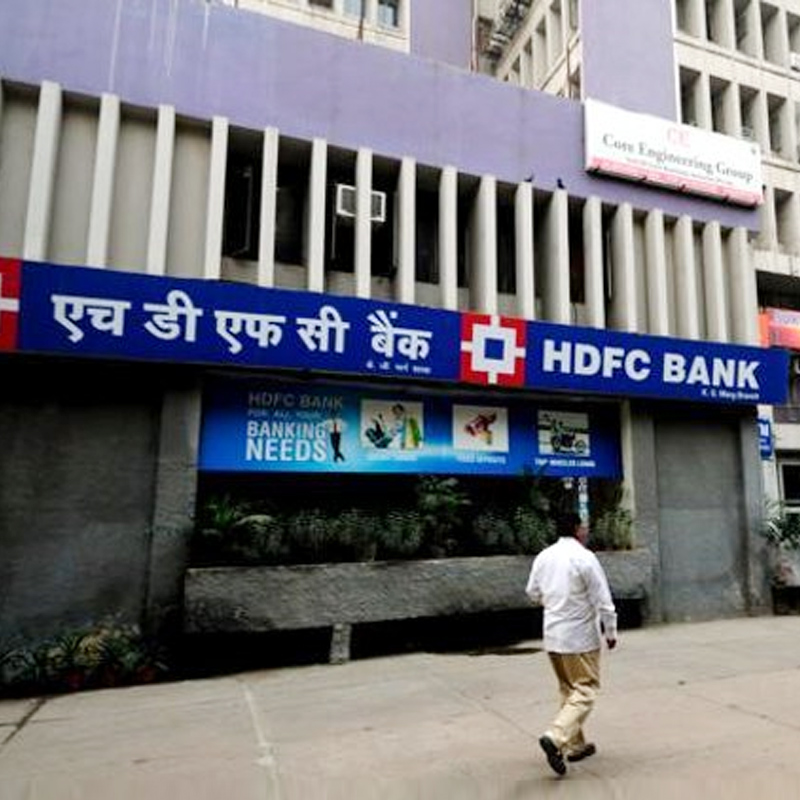
    HDFC is India’s most valuable brand: Brandz India top 50 (2016)

    MUMBAI: The third annual BrandZ™ Top 50 Most Valuable Indian Brands ranking released by WPP and Kantar Millward Brown has lot of good and something bad for the marketing industry.

    On the positive side, the total value of India’s most valuable brands has risen by 30 per cent over the last three years, with the top 50 brands now worth $ 90.5 billion from $ 69.6 billion in 2014. But, unlike 2015, which saw an unprecedented growth in terms of brand equity that pushed  the brand value of top 50 brands to USD 92.2billion, 2016 saw a dip of 2 per cent, mostly owing to a decline in brand value of state-owned banks.

    Like last year, the financial sector dominated the top 10 spots accounting for 38 per cent of the top 50s brand value ($ 34.28 billion). HDFC maintained its number one position for the 3rd consecutive year with a brand value of USD 14.4 billion following a 15 per cent growth over the past year. It was followed by Airtel from the telecom sector with a brand value of USD 9.98 billion. State Bank Of India with a brand value of USD 6.352 billion stood at number three. “A brand cannot be built unless each one of us at HDFC Bank believes in it. Fundamentally, a brand is what we stand for in terms of the emotional value and the real value that we want to deliver to the customer. The emotional value is a combination of honesty, trust, integrity and being able to deliver the product at all times to the satisfaction of the customer. The real value is to deliver a differentiated product which changes the life of the customer which we have tried to do in financial services by making it more convenient, ” said HDFC Bank  managing director Aditya Puri.

    Among the new entrants in the top 50 list are airlines Indigo and Jet Airways at 26 and 36 positions respectively, followed by TVS and Reliance at 48 and 50, respectively.

    Top 10 most valuable brands here:

    Rank 2016

    Brand

    Category

    Brand value 2016 ($m)

    Rank 2015

    1

    HDFC Bank

    Banks

    14,438

    1

    2

    Airtel

    Telecom Providers

    9,978

    2

    3

    State Bank of India

    Banks

    6,352

    3

    4

    Asian Paints

    Paints

    4,089

    5

    5

    ICICI Bank

    Banks

    3,957

    4

    6

    Bajaj Auto

    Automobiles

    3,403

    6

    7

    Kotak Mahindra Bank

    Banks

    3,333

    9

    8

    Maruti Suzuki

    Automobiles

    2,850

    10

    9

    Hero

    Automobiles

    2,807

    7

    10

    Axis Bank

    Banks

    2,377

    8

    Interestingly, the top four ranks remained unchanged from 2015 rankings, something which The Store WPP, EMEA & Asia CEO David Roth calls an anomaly when juxtaposed against other mature markets or the global ranks.

    “Until recently in China, the top most valuable brand list was dominated by the state-owned Chinese companies, but now they are being taken over by technology and entrepreneurial companies. The global top 100 brands list has also seen some major changes. So yes, India is a bit of an anomaly as a developing state to see the same brands maintaining their positions for the last three years. But, I think it’s a matter of India’s growth and development cycle.”

    But, that says little about the immense competition that each brand faced to retain its position. According to Kantar Millward Brown managing director for south Asia, Dinesh Kapoor, 27 brands had slipped from its last year’s position while seven more brands dropped off the top 50 margin. “Brands required maintaining at least 35 per cent growth in its brand value to be able to hold on to its position,” shared Kapoor.

    Another way in which India drastically differs from the global markets is the absence of the technology brands from the top 50 list. 

    “Be it Global 100 or Asian market giant like China, technology brands have a huge presence in the top most valuable brands list. We see a clear absence of technology brands when it comes to India’s top 50 brands. Although India has been behind the scene of some of the major global technological innovations, it has been more from a service stand point rather than doing it in a branded way. I think there is a lesson to learn in this,” opined Roth. 

    Kapoor feels that the clear absence of Indian tech giants from the list is largely due to the companies not being listed. “You have to consider the methodology that goes into making this ranking. In order for a brand to be eligible for consideration for the list, it needs to be owned by a company listed on a stock exchange in India.  But, most of the tech companies that we speak of aren’t listed. The other big difference from global trends is the retail brands which have a strong presence in the more mature markets, whereas in India, only one retail brand — Reliance Retail —  has made it to the top 50 list.

    The report also warns marketers of the weakened brand loyalty among consumers. Internet penetration has risen sharply as the number of people living in rural areas accessing internet almost doubled over the past year, with almost 69% of urban internet users using the internet every day. This access educates consumers while providing them access to larger diaspora of premium brands available at affordable prices.

    While marketers have a lot to take away from the insight behind BrandZ India top 50 brands report, GroupM south Asia CEO CVL Srinivas shared what agencies can learn from this. “Reports like BrandZ are very useful for us who are in the business of media management for clients. In this age when competition is increasing and consumer’s attention span is decreasing, along with number of policy changes, a consolidated study like this helps us map a better strategy for our clients.  For example, the need for a brand to be present in multiple touch points with a singular communication idea and what it does to the brand’s value is the learning.”

  • HDFC is India’s most valuable brand: Brandz India top 50 (2016)

    HDFC is India’s most valuable brand: Brandz India top 50 (2016)

    MUMBAI: The third annual BrandZ™ Top 50 Most Valuable Indian Brands ranking released by WPP and Kantar Millward Brown has lot of good and something bad for the marketing industry.

    On the positive side, the total value of India’s most valuable brands has risen by 30 per cent over the last three years, with the top 50 brands now worth $ 90.5 billion from $ 69.6 billion in 2014. But, unlike 2015, which saw an unprecedented growth in terms of brand equity that pushed  the brand value of top 50 brands to USD 92.2billion, 2016 saw a dip of 2 per cent, mostly owing to a decline in brand value of state-owned banks.

    Like last year, the financial sector dominated the top 10 spots accounting for 38 per cent of the top 50s brand value ($ 34.28 billion). HDFC maintained its number one position for the 3rd consecutive year with a brand value of USD 14.4 billion following a 15 per cent growth over the past year. It was followed by Airtel from the telecom sector with a brand value of USD 9.98 billion. State Bank Of India with a brand value of USD 6.352 billion stood at number three. “A brand cannot be built unless each one of us at HDFC Bank believes in it. Fundamentally, a brand is what we stand for in terms of the emotional value and the real value that we want to deliver to the customer. The emotional value is a combination of honesty, trust, integrity and being able to deliver the product at all times to the satisfaction of the customer. The real value is to deliver a differentiated product which changes the life of the customer which we have tried to do in financial services by making it more convenient, ” said HDFC Bank  managing director Aditya Puri.

    Among the new entrants in the top 50 list are airlines Indigo and Jet Airways at 26 and 36 positions respectively, followed by TVS and Reliance at 48 and 50, respectively.

    Top 10 most valuable brands here:

    Rank 2016

    Brand

    Category

    Brand value 2016 ($m)

    Rank 2015

    1

    HDFC Bank

    Banks

    14,438

    1

    2

    Airtel

    Telecom Providers

    9,978

    2

    3

    State Bank of India

    Banks

    6,352

    3

    4

    Asian Paints

    Paints

    4,089

    5

    5

    ICICI Bank

    Banks

    3,957

    4

    6

    Bajaj Auto

    Automobiles

    3,403

    6

    7

    Kotak Mahindra Bank

    Banks

    3,333

    9

    8

    Maruti Suzuki

    Automobiles

    2,850

    10

    9

    Hero

    Automobiles

    2,807

    7

    10

    Axis Bank

    Banks

    2,377

    8

    Interestingly, the top four ranks remained unchanged from 2015 rankings, something which The Store WPP, EMEA & Asia CEO David Roth calls an anomaly when juxtaposed against other mature markets or the global ranks.

    “Until recently in China, the top most valuable brand list was dominated by the state-owned Chinese companies, but now they are being taken over by technology and entrepreneurial companies. The global top 100 brands list has also seen some major changes. So yes, India is a bit of an anomaly as a developing state to see the same brands maintaining their positions for the last three years. But, I think it’s a matter of India’s growth and development cycle.”

    But, that says little about the immense competition that each brand faced to retain its position. According to Kantar Millward Brown managing director for south Asia, Dinesh Kapoor, 27 brands had slipped from its last year’s position while seven more brands dropped off the top 50 margin. “Brands required maintaining at least 35 per cent growth in its brand value to be able to hold on to its position,” shared Kapoor.

    Another way in which India drastically differs from the global markets is the absence of the technology brands from the top 50 list. 

    “Be it Global 100 or Asian market giant like China, technology brands have a huge presence in the top most valuable brands list. We see a clear absence of technology brands when it comes to India’s top 50 brands. Although India has been behind the scene of some of the major global technological innovations, it has been more from a service stand point rather than doing it in a branded way. I think there is a lesson to learn in this,” opined Roth. 

    Kapoor feels that the clear absence of Indian tech giants from the list is largely due to the companies not being listed. “You have to consider the methodology that goes into making this ranking. In order for a brand to be eligible for consideration for the list, it needs to be owned by a company listed on a stock exchange in India.  But, most of the tech companies that we speak of aren’t listed. The other big difference from global trends is the retail brands which have a strong presence in the more mature markets, whereas in India, only one retail brand — Reliance Retail —  has made it to the top 50 list.

    The report also warns marketers of the weakened brand loyalty among consumers. Internet penetration has risen sharply as the number of people living in rural areas accessing internet almost doubled over the past year, with almost 69% of urban internet users using the internet every day. This access educates consumers while providing them access to larger diaspora of premium brands available at affordable prices.

    While marketers have a lot to take away from the insight behind BrandZ India top 50 brands report, GroupM south Asia CEO CVL Srinivas shared what agencies can learn from this. “Reports like BrandZ are very useful for us who are in the business of media management for clients. In this age when competition is increasing and consumer’s attention span is decreasing, along with number of policy changes, a consolidated study like this helps us map a better strategy for our clients.  For example, the need for a brand to be present in multiple touch points with a singular communication idea and what it does to the brand’s value is the learning.”

  • Vice, WPP sign multi-million dollar ad deal

    Vice, WPP sign multi-million dollar ad deal

    MUMBAI: Vice and WPP’s media investment unit GroupM have signed a multimillion-dollar advertising deal that will take advantage of the millennial-focused media company’s international expansion.

    Vice co-founder and CEO Shane Smith and WPP CEO Martin Sorrell said that they agreed that millennials were the future. They were under-serviced, and the companies had to create more content.

    The particulars of the deal involve Vice working with GroupM to use Vice’s insights, content and data to build an advertising platform across all of Vice’s global multi-screen and over-the-top properties. The deal was announced at the Dmexco conference in Cologne, Germany.

    The deal is worth hundreds of millions of dollars in ad spending, according to Smith. A Vice spokesperson later added it is a multi-year, multi territory deal.

    GroupM handles over USD 102 billion in advertising billings, according to research company Recma. GroupM said it handles one out of three ads globally.

    Sorrell said that there were some difficulties working with Google and Facebook, and that there’ was a need to find another force.

    In June, Vice announced plans to expand its presence to 51 territories, including having a TV, mobile and digital presence in India and the Middle East and TV content throughout Africa.

    It also will add a 24-hour TV channel in Australia and New Zealand, where it already has a robust digital and mobile presence. Vice’s U.S. cable channel Viceland launched in February 2016, and it’s nightly HBO news show is slated to begin on 10 October.

    WPP at present has an 8.5 per cent stake in Vice. At one point, it owned up to one-tenth of the company but has since sold some shares. Source: cnbc.com

  • Vice, WPP sign multi-million dollar ad deal

    Vice, WPP sign multi-million dollar ad deal

    MUMBAI: Vice and WPP’s media investment unit GroupM have signed a multimillion-dollar advertising deal that will take advantage of the millennial-focused media company’s international expansion.

    Vice co-founder and CEO Shane Smith and WPP CEO Martin Sorrell said that they agreed that millennials were the future. They were under-serviced, and the companies had to create more content.

    The particulars of the deal involve Vice working with GroupM to use Vice’s insights, content and data to build an advertising platform across all of Vice’s global multi-screen and over-the-top properties. The deal was announced at the Dmexco conference in Cologne, Germany.

    The deal is worth hundreds of millions of dollars in ad spending, according to Smith. A Vice spokesperson later added it is a multi-year, multi territory deal.

    GroupM handles over USD 102 billion in advertising billings, according to research company Recma. GroupM said it handles one out of three ads globally.

    Sorrell said that there were some difficulties working with Google and Facebook, and that there’ was a need to find another force.

    In June, Vice announced plans to expand its presence to 51 territories, including having a TV, mobile and digital presence in India and the Middle East and TV content throughout Africa.

    It also will add a 24-hour TV channel in Australia and New Zealand, where it already has a robust digital and mobile presence. Vice’s U.S. cable channel Viceland launched in February 2016, and it’s nightly HBO news show is slated to begin on 10 October.

    WPP at present has an 8.5 per cent stake in Vice. At one point, it owned up to one-tenth of the company but has since sold some shares. Source: cnbc.com