
Connect with us
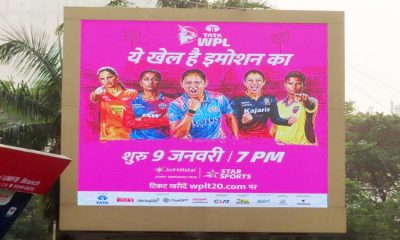

MUMBAI: Cricket stayed centre stage, but entertainment did the heavy lifting. Laqshya Media Group delivered one of the most ambitious fan-engagement showcases seen at the Women’s...
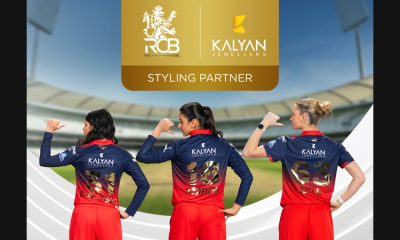

Bengaluru: Kalyan Jewellers has struck a style-led partnership with Royal Challengers Bengaluru Women, coming on board as the team’s official style partner as the Women’s T20...
MUMBAI: Joy Personal Care has rolled out a new digital campaign, Behenhood, using the Women’s Premier League as a high-voltage stage to champion female solidarity and...
MUMBAI: The Women’s Premier League is off and running, and advertisers are running with it. As the 2026 season unfolds, the WPL is rapidly cementing its...


MUMBAI: Kingfisher is turning up the volume on women’s cricket. Kingfisher Premium Packaged Drinking Water has unveiled a new brand film for the TATA Women’s Premier...
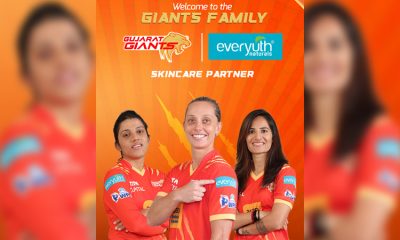

MUMBAI: Everyuth Naturals is stepping onto the cricket field, swapping stadium lights for skincare shine. The Zydus Wellness brand has announced a new partnership with the...

MUMBAI: Women’s cricket is no longer a promise. It is a business. JioStar has stitched together a heavyweight sponsor roster for the fourth edition of the...


NEW DELHI: Cricket’s biggest nights are getting louder, brighter and slicker. Beatit Entertainment has locked in two high-profile mandates for 2025, securing match entertainment duties for...

DELHI: The Women’s Premier League is set for a full-throttle shake-up as 277 players go under the hammer in New Delhi on November 27, setting the...
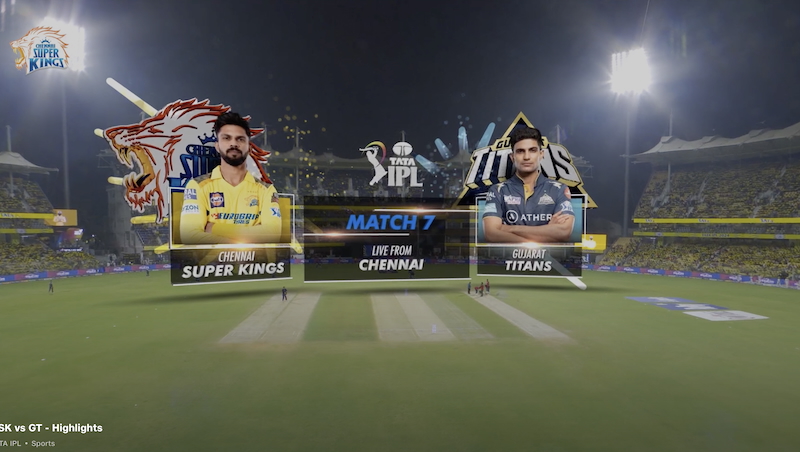
MUMBAI: The Indian Premier League, the commercial behemoth that has redefined cricket economics, is experiencing something unprecedented: contraction. After years of relentless upward momentum, the IPL’s...
MUMBAI: From Nomaan Unfiltered to NoDee Unfiltered, this unique YouTube channel has stepped up its game by offering viewers unbiased, unfiltered content that leaves an impression....
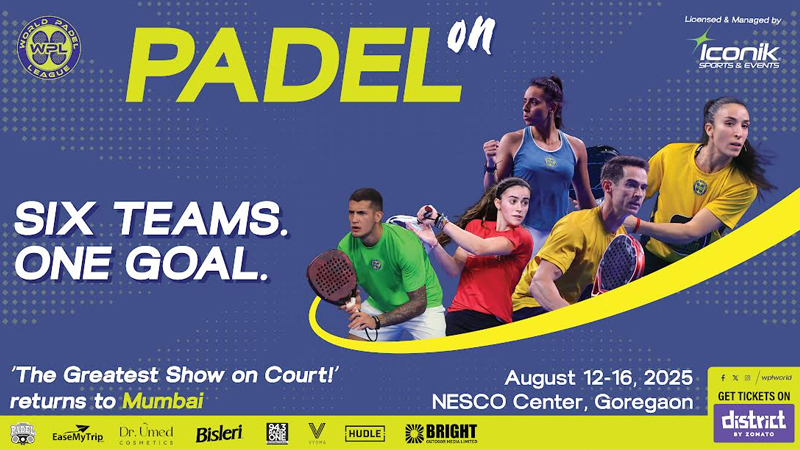
MUMBAI: The World Padel League (WPL) is back and it’s bigger, bolder, and now backed by a brand-new ticketing ace. ‘District by Zomato’ has been announced...

Mumbai: Sahil Chopra has been promoted as associate VP at Viacom18 Media Pvt. Ltd. He announced the news via Linkdin post stating, “I’m happy to share...
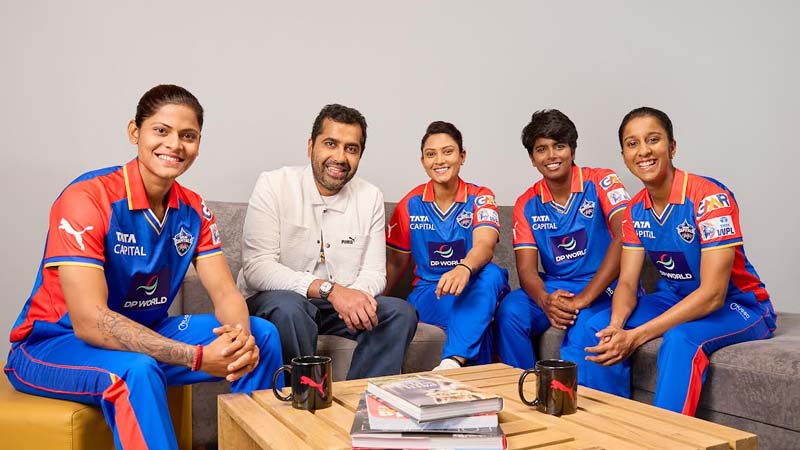
Mumbai: Sports brand PUMA India has joined forces with Delhi Capitals as the official kit partner, ahead of the year’s high-powered WPL and IPL season. PUMA’s...
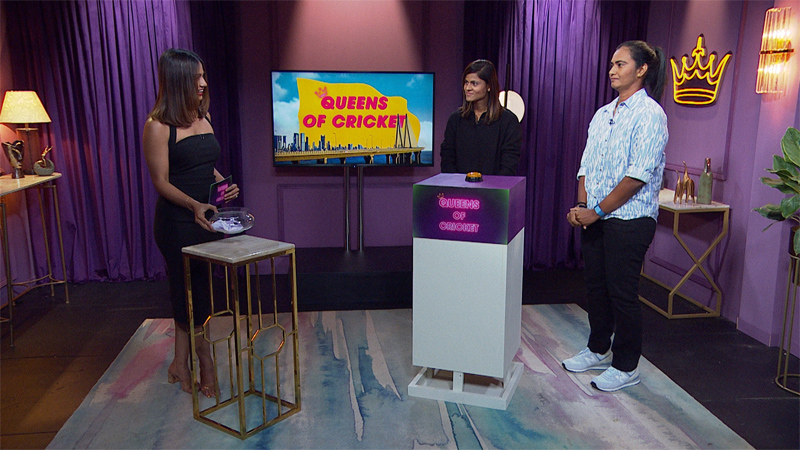
Mumbai: CricFan TV, today announced the exclusive India broadcast of the world’s first ever women’s cricket chat-show titled “Queens of Cricket”. Shooting for the first of...


