Tag: wellness

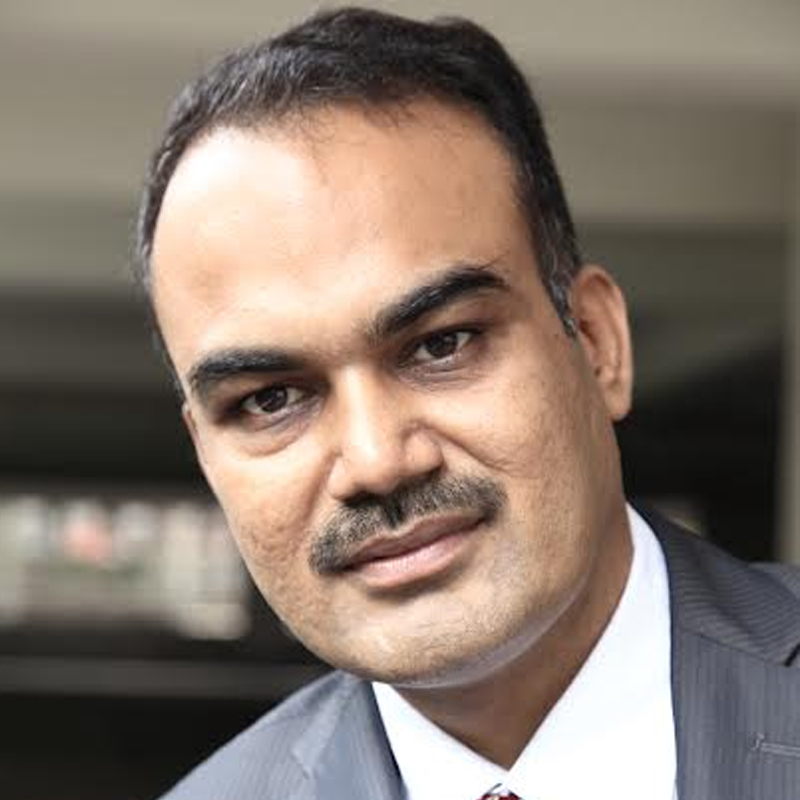
  • “Consumer education is essential to our approach:” Magniflex’s Anand Nichani

    “Consumer education is essential to our approach:” Magniflex’s Anand Nichani

    Mumbai: As burnout and sleep issues become more prevalent, people are increasingly recognising the importance of quality sleep for their well-being. In response to this growing awareness, the quest for both comfort and affordability in sleep solutions has intensified.

    Magniflex, Europe’s leading luxury mattress brand with 63 years of Italian craftsmanship, is addressing this need in India’s price-sensitive market through its Magniflex Investment Plan (MIP). This initiative offers an EMI option, making high-quality mattresses accessible without financial strain. By combining luxury with affordability, the MIP campaign caters to evolving consumer priorities and enhances access to premium sleep solutions.

    Indiantelevision.com’s Arth Chakraborty caught up with Magniflex India’s managing director Anand Nichani to discuss the evolving consumer trends in sleep health post-pandemic, the inspiration behind the Magniflex Investment Plan (MIP), and how the campaign addresses the challenge of balancing luxury with affordability.

    Edited Excerpts:

    On the trends that are emerging among consumers regarding sleep and the need for high-quality mattresses, and the influence of pandemic on these trends

    Post-COVID, we have observed that people have started prioritising their health over money; they are willing to go the extra mile and spend on products that make a positive difference to their well-being.

    The Indian market is becoming very educated—by educated, I mean that today, due to access to information, people are aware of their choices. Moreover, with the increase in disposable income, people are inclined to spend on well-researched products.

    Our sales grew post-COVID because of the technologically advanced products we offered and the certifications our products came with.

    On the inspiration behind introducing the Magniflex Investment Plan (MIP) in India

    Since its launch in 2010, Magniflex has been favored by a niche group of customers. However, post-COVID, we noticed a significant shift in customer behaviour. People became more aware of the critical role sleep plays in their overall health and wellness.

    As interest in our mattresses grew, many customers began asking about EMI options. This inspired us to launch the Magniflex Investment Plan (MIP), an easy EMI option that allows customers to invest in high-quality mattresses.

    To make this possible, we partnered with Bajaj EMI and ShopSe, offering no-cost EMI options at all our franchise and dealer stores. ShopSe also enables customers to opt for EMI options directly on our website. This shift in consumer priorities post-COVID has led to an increased demand for affordable luxury, and our EMI options provide an accessible way for customers to enjoy the comfort and benefits of our premium mattresses while spreading the cost over time.

    On the MIP campaign addressing the challenge of balancing luxury with affordability

    The EMI option allows customers to spread the cost of a luxury mattress over several months rather than paying the full price upfront. This makes the purchase more manageable for those who aspire to own a premium product but might be deterred by the initial cost.

    By offering a luxury product on EMI, the campaign emphasizes the value of the mattress while reducing the immediate financial burden. Customers perceive that they are getting a high-quality product at an affordable monthly rate, which enhances the brand’s appeal.

    The EMI campaign democratises luxury by making it accessible to a wider demographic. It allows people from various economic backgrounds to experience the comfort and benefits of a premium mattress, reinforcing the brand’s commitment to offering luxury for all.

    On the role that strategic product placements and media interactions play in the success of the MIP campaign

    They help the brand reach a wider section of the target audience and help them understand why an investment in their health is crucial. This approach targets potential customers who might not have been actively searching for a mattress but could be persuaded by seeing the product in a relatable context.

    Media interactions, such as features in respected publications or interviews on well-known platforms, lend credibility to the MIP campaign. When consumers see trusted sources discussing or endorsing the product, they are more likely to consider the MIP offer a reliable and beneficial option.

    Strategic product placements can create an emotional connection with the audience by showcasing the product in settings that resonate with their lifestyle or aspirations. This connection can be a powerful motivator in driving purchase decisions, especially when EMI options make the product more accessible.

    On the role that consumer education plays in Magniflex’s strategy for promoting the long-term health benefits of high-quality sleep solutions

    Consumer education is essential to our approach. Often, customers visiting our stores aren’t aware of the underlying causes of their health issues. Our sleep experts take the time to understand their sleep patterns and frequently discover that inadequate sleep is a major contributor. This prompts an examination of the mattress they’re using.

    Our trained staff then identify the specific issues the customer is facing and recommend the most suitable mattress accordingly. In India, we’ve achieved a 99 per cent customer satisfaction rate, and we’re proud to note that our mattresses are rarely returned due to dissatisfaction.

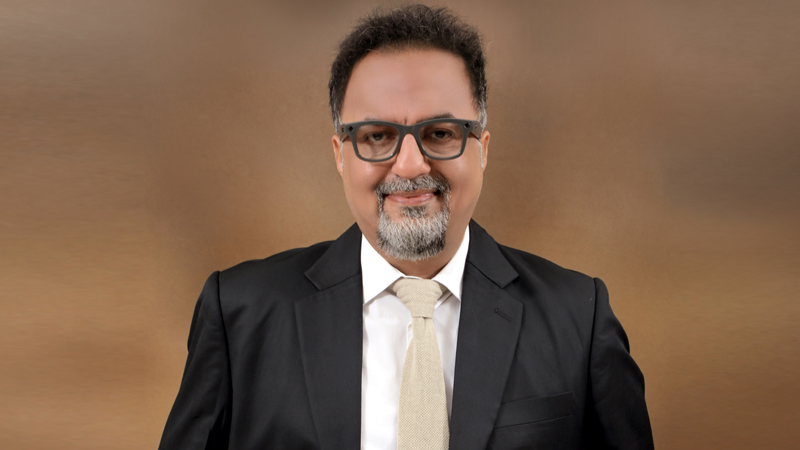
  • “The average sleep duration of Indians varies between five to six hours and 47 minutes:” Magniflex’s Anand Nichani

    “The average sleep duration of Indians varies between five to six hours and 47 minutes:” Magniflex’s Anand Nichani

    Mumbai: Most working individuals understand the importance of quality sleep, which is crucial for overall health and well-being. However, sleep deprivation has become a widespread concern, particularly amidst the pandemic. Studies reveal that a significant proportion of Indian adults face difficulties initiating sleep or maintaining it. These issues, compounded by erratic lifestyles, can lead to various health problems.

    In this context, choosing the right mattress is imperative. With a legacy spanning 63 years, Magniflex, Europe’s premier luxury mattress brand renowned for its Italian craftsmanship and cutting-edge technology, strives to provide its customers uninterrupted and healthy sleep.

    Indiantelevision.com caught up with Magniflex India’s managing director Anand Nichani to know more about the mattress industry, common sleep challenges faced by Indians, mattress certifications and much more…

    Edited Excerpts:

    On an overview of the mattress market

    The mattress category in India is valued at 12,000-13,000 crore; with the organised segment holding a 40 per cent share (5,000 crores). India’s overall mattress market has grown at a CAGR of over 11 per cent in the last five years, with increase in awareness and high consumer earning capability The organized industry has grown at a CAGR of 17 per cent during the same period. The mattress market in India is expected to grow at a CAGR of five per cent by 2027.

    The low-segment (<8K) constitutes 25 per cent of the market, the mid-segment (8K-30K) constitutes 50 per cent of the market, the premium segment (30K-99K) constitutes 24 per cent of the market share, and the luxury segment (> one lakh) constitutes one per cent (50 crore) of the market share. The market for luxury mattresses is projected to expand at a CAGR of 25 per cent

    Magniflex holds a 42 per cent market share in the organized and luxury segments. Overall, Magniflex is experiencing 40 per cent growth, and the annual revenue stands at 21 crore.

    On Magniflex India addressing common sleep challenges faced by Indians, and the innovations that Magniflex has made to meet India’s diverse sleep needs

    Numerous surveys have shown that Indians are not very good sleepers. The average sleep duration of Indians varies between five to six hours and 47 minutes. But, post the pandemic, we have seen people prioritise their sleep for their overall health and wellness. Today, because of the awareness, people are asking for specific mattresses to address their sleep problems, which was not the case earlier. People today are more aware of the different solutions the mattress industry provides and are willing to spend extra for an uncompromised sleep experience.

    People today come to us looking very specifically for orthopedic mattresses, excellent mattresses, and adjustable electric beds.

    On Magniflex setting itself apart from other mattress brands, and could you give us an insight into the patented technologies and certifications Magniflex holds

    Studying the trends and keeping up with what consumers require is crucial for us, and that is why Magniflex has been in the market for 63 years today; the brand is available in more than 100 countries, and 50 million people sleep on our mattresses.

    We launched Magnicool last year when we received enquiries for cooling mattresses. With the temperatures soaring in summer, our consumers were looking for a mattress that provided some respite from the heat and helped them sleep through the scorching summers. Magnicool, thanks to its special Japanese fabric, has a temperature-regulating feature; that wicks away moisture and maintains a perfect microclimate for a cool and refreshing sleep.

    Similarly, when we have enquiries about back pains and spine-related problems, we introduced our patented product, Magnistretch. This product has undergone years of research and development. We worked with the doctors at the University of Zaragoza to develop this patented product that provides relief and support to your back and decompresses your spine in India. Magnistretch is the only valid- Orthopaedic Mattress certified by the American Chiropractors’ Association (ACA).

    Our patented memoform sets us apart from ordinary foam mattresses in the country. Patented memoform responds to body weight, not body heat, thus maintaining a constant level of comfort through the night and in all seasons. It is designed in such a way that it provides contoured support to all the critical pressure points of the body. This allows for uninterrupted sleep throughout the day and helps prevent aches and pains.

    On Magniflex ensuring affordability for a wider audience, and the ways in which your EMI option makes premium mattresses accessible to the working-class population

    Magniflex has partnered with Bajaj EMI and ShopSe to enable customers to opt for no-cost EMIs at all our franchisee and dealer stores. ShopSe enables customers to opt for EMI options on our website. Post COVID, we noticed a drastic shift in how Indians started prioritising their sleep leading to an increase in enquiries about EMI options. With the EMI options, our customers can spread the cost over a period of time; EMI offers an affordable way to indulge in the world of luxury mattresses like ours.

    What do mattress certifications mean for consumers and can you outline the benefits of Magniflex’s product portfolio

    India, today, is a very well-informed and educated country. Our target consumers do a lot of research before investing in our products. Certifications matter to the customers who are well-informed and have a lot of travel experience. Magniflex’s every claim is backed by certifications.  

    Certificates like – OEKO-TEX and GOTS (Global Organic Textiles Standard) – are a testament to our commitment to practicing eco-friendly, organic and sustainable practices in our production facilities and one that reflects in the end products.

    American Chiropractic Association (ACA) and our Magnistretch patent certify the benefits of the Magnistretch mattress, which is designed to stretches and relaxes your back.

    IMCI, or the Made in Italy certification, guarantees that all design, production, and raw material supply processes took place in Italy.

    On Magniflex’s future goals, including sustainable development

    Magniflex has always placed its responsibility towards the environment as its top ethic. Our entire production is designed to support sustainability. Magniflex has adhered to the sustainable development goals of the United Nations, which aims at achieving 17 objectives by 2030. These 17 objectives are essential to ensure a better and more sustainable future for all inhabitants of planet Earth.

    Our production facility uses solar photovoltaic panels, thereby reducing our CO2 emissions. Our invention of a patented vacuum packaging system allows the handling of 13 mattresses instead of only three, translating into fewer trucks and ships in circulation. Our constant ecological commitment is also recognised in certifications like OEKO-TEX and GOTS – which certify the absence of toxic substances and the usage of 100 per cent organic fabrics in our products. 

  • Nagessh’s SilverEdge looking to stir the D2C market; eyes Rs 25 mn revenue

    Nagessh’s SilverEdge looking to stir the D2C market; eyes Rs 25 mn revenue

    Mumbai: He might have contemplated his thoughts and decisions prior to this story, but not anymore. Curry Nation Brand Conversations (CNBC) co-founder Nagessh Pannaswami (a first-generation entrepreneur, an ad veteran along with famous ad woman, Priti Nair) has now made a move to the brand side by launching SilverEdge. SilverEdge is the country’s first ever personal care and wellness brand to specifically target adults aged 40 and above (generally known as mature adults).

    After working at agencies such as Clarion (now Bates Chi & Partners), Lowe Lintas (now part of the Mullenlowe Lintas Group), McCann Erickson (now McCann World Group), and BBDO, and spending a significant portion of his career managing FMCG and telecom businesses, Nagessh founded Curry Nation, which is now a creative powerhouse, having created brands from the ground up to make them formidable in the categories in which they operate.

    Eventually, the brand entrepreneurial bug bit him, and he incorporated Really Useful Enterprise in December 2021. The brand SilverEdge was born in May 2022, with Nagessh’s innate need and desire to do something different. It was his personal experience of suitable products being unavailable that led him to give shape to an idea whose time had come. “Having built so many brands for clients, I wanted to give shape to a brand of my own. Today, D2C has opened up a lot of avenues. I wanted to utilise this opportunity and a latent need to plug the gap in the market,” quipped SilverEdge CEO & founder Nagessh.

    But why a name such as SilverEdge? The broad age group of 40 to 60 is called the “silver age,” and the silver economy is a thing of the near immediate future. The current population of people aged 40 to 60 is 310 million, and it is expected to grow by 37 per cent to 426 million by 2040 (source: Statistica). It is growing faster than the youth segment, but no brand addresses their age-specific needs. “SilverEdge as a brand gives you the edge in your silver years. That’s how the brand has been conceptualised,” stated Nagessh.

    Revenue, market size and competition

    Talking about revenue numbers, SilverEdge is eyeing approximately Rs 25 million in the first year of the brand’s operations. Considering strategy, the brand wants to be the go-to ‘destination’ for mature adults in the wellness and personal care space. Eventually, the platform will provide them with tips across a spectrum of ageing solutions. Nagessh specified, “Our ultimate vision is to lead the pro-age solution in India by providing specially curated age-specific products for mature adults.”

    SilverEdge, the mother brand, has six variants: SilverEdge Beauty Elixir (age defence), SilverEdge Joint Care, SilverEdge Immuno Enhance, SilverEdge Energy Booster, SilverEdge She Power, and SilverEdge Lung Defence.

    The Indian nutraceutical market will be an approximately Rs 18 billion market by 2025. There are a host of players in this industry, such as Wow Health, Bbetter, Prorganiq, Bionova, Bodywise—a slew of D2C brands, and also legacy brands like Himalaya.

    Also, the Indian skin care market is estimated to be worth Rs 11 billion by 2025. SilverEdge will not lag behind—very soon it will be launching its skin care range for mature adults, and also a few more nutraceutical products by the turn of 2023. Accessories are also on the horizon, confirmed Nagessh.

    The fact is, SilverEdge has embarked on a behaviour change mission. On one hand, there are no direct competitors to the brand since nobody is targeting the group that SilverEdge is talking to. But on the other hand, every brand in the wellness and personal care segment is a competition for it, said Nagessh.

    Digital, influencer marketing and advertising

    Digital has been the keyword for all brands starting in 2019. Considering that a person like my mum had a tough time handling and learning how to use a smartphone when it was launched, one tends to wonder how responsive this group of mature adults is to the digital medium. Nagessh revealed that SilverEdge’s website has been up and running for some time, and the response has been encouraging. The mature adults segment is active on social media, with Facebook being the lead medium, followed by WhatsApp and LinkedIn. Covid has advanced technology adoption across all population strata, and this segment isn’t lagging behind either.

    Like most brands adopting the influencer marketing route in a robust manner, SilverEdge is likely to follow suit. All the levers of digital marketing will be pushed at various points in time. Influencer marketing is an essential part of the brand’s marketing mix for specific targeting of the audience. SilverEdge is looking at influencers, but of a different sort. Aged 45 years and above, this is a whole new segment of influencers who are gaining traction in the social media space—they have a lower number of followers, but their bond with and traction from their followers is strong.

    SilverEdge is obviously targeting the followers of these influencers, so that there is less wastage of advertising money and more traction for the brand.

    The spectrum of marketplaces is another opportunity that the brand has leveraged. SilverEdge is listed on many and will soon be available at various touch points where its customers exist in the digital purchase journey.

    Nagessh stated that they would go brand first when describing SilverEdge’s advertising and marketing strategy. They would focus solely on brand building and behaviour change communication. These are the two pillars of the brand’s communication strategy. “We understand the need to create a lighthouse brand and be the beacon of change in this category,” he said.

    Targeting mature adults – a decision

    India has the world’s largest youth population, with nearly 66 per cent of the total (more than 808 million) under the age of 35, and nearly 40 per cent between the ages of 13 and 35. Despite the fact that targeting this age group would have been more profitable, Nagesh stuck to his decision to target mature adults. He emphasised, “There isn’t a single brand that speaks to the desires and aspirations of mature adults. Can you beat that? It’s almost as if this age cohort doesn’t exist for the marketeers! The mature adult segment in India is a neglected and underrepresented market from a product and services perspective.”

    Mature adults, by the time they turn 40, are well settled in life. A large chunk of their worldly responsibilities are almost taken care of (EMI’s, children’s basic education, stability in their jobs). They have all the time in the world to pursue their passion and do things that they would have probably sacrificed in their youth to pursue career stability.

    “With the cultural changes happening around us, men and women are now responding to ageing with a drive to improve aspects of their lives that they’ve been unhappy about over the years. Some are even willing to uproot their lives for betterment. They are also looking for specific curated products and services that cater to their aspirations. All this led us to walk on a path where no one had ventured in the past and guided the launch of SilverEdge,” pointed out Nagessh.

    Backed by research

    A lot of research, data collection, testing, checking responses, etc., was involved in bringing out the final product. The team at SilverEdge did a lot of consumer listening and ethnographic studies. It was how, on their probing, most of the consumers comprehended that there were no brands targeting them. The latter also realised that they had been using the same legacy products for a long time and that they may no longer be serving their purpose.

    One of SilverEdge’s most essential and obvious findings was that India is undergoing a cultural change. Mature adults are no longer resigned to living a life of seclusion or minimalism. More and more mature adults are picking up passion projects, whether it’s singing, travelling, adventure sports, etc. The retirement corpus, which was stashed away for some unforeseen event and as an inheritance for the younger generation, is now being used for self-fulfilment and self-gratification.

    Additionally, children are egging their parents to live a fuller life. Now, as people are ageing, they realise that they don’t want to turn back the body clock or hinder the natural progression of ageing. However, they want to ensure that they remain healthy for the long run. Today, more and more mature adults are taking their health into their own hands. Nagessh calls them the ‘proactive healthy agers.’ And that is the audience SilverEdge is singling out and catering to through the range of its products.

    “Doesn’t this audience of mature adults have aspirations? desires? need to be fulfilled? Why should they be using the same set of products that they have been using for years? It’s a proven fact that as people age, their nutrition and skin care needs change. They need age-specific solutions, and that’s where SilverEdge steps in,” explained Nagessh.

    Trends and innovations

    Noting the recent trends, increasingly in nutraceuticals, consumers are taking health into their own hands. They want to prolong their good health and keep illnesses and niggles away. They are willing to pick these products off the shelf. These are the proactive health-seekers. They believe in the power of preventive health management.

    In personal care, consumers are looking for targeted solutions. Consumers today are content with their appearance and their skin. In fact, most don’t want to cycle through the natural process of ageing. They know that the biological clock is ticking. And they won’t get the same youthful look back ever again. But what they really want to do is to extend their good skin health a few more years to retain their natural radiance. Any product willing to do this is welcome in their kitty.

    Speaking about the innovations that one can look forward to in the beauty, wellness, and personal care market, which caters to mature adults, Nagessh signed off, “There will be ingredient-led and claim-led innovations.”

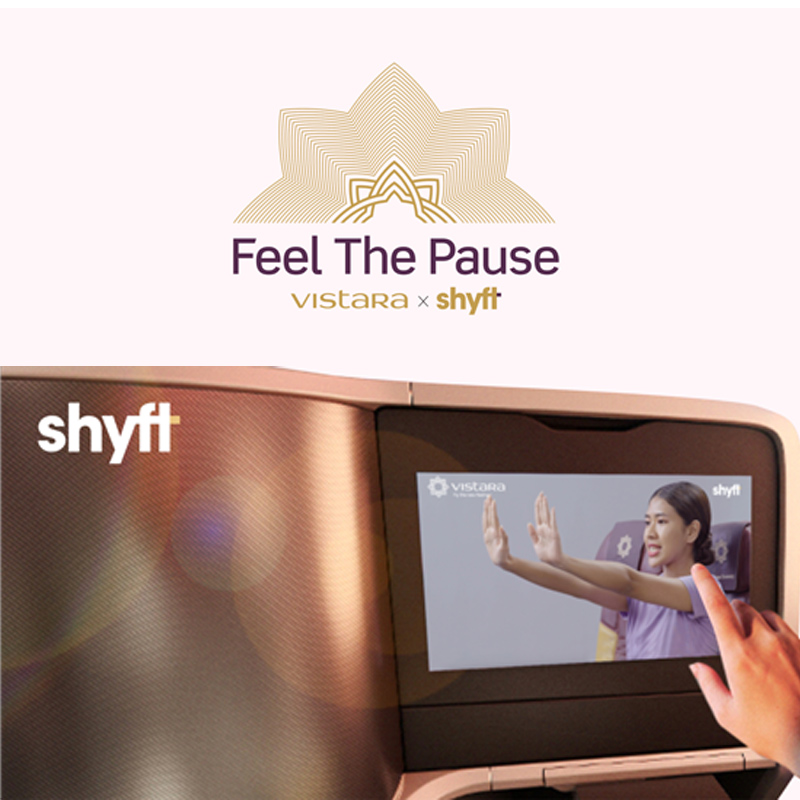
  • Shyft & Vistara partner to launch in-flight wellness content series ‘feel the pause’

    Shyft & Vistara partner to launch in-flight wellness content series ‘feel the pause’

    Mumbai: Leading health and wellness platform, Shyft has launched ‘feel the pause’, a series of in-flight health & wellness content curated for full-service carrier Vistara, brought to you by TATA and Singapore Airlines.

    The company will produce over a 1,000 minutes of health and wellness based content, which will be hosted exclusively on ‘Vistara World’, the in-flight entertainment system onboard Vistara aircraft globally. 

    The series will include four key libraries – sleep solutions, relaxing the body, relaxing the mind and working aid; and will comprise a variety of content formats including sleep inducing stories, in-flight stretches, breathing exercises, meditation and music tracks. 

    The content from Shyft will offer tools that will allow flyers to deal with insomnia and travel anxiety, with sleep stories based on classic tales such as the Pied Piper of Hamelin and tranquil music tracks.

    Commenting on the partnership, Shyft founder Pooja Khanna said, “We’re delighted to partner with Vistara to launch ‘Feel the Pause’, and bring our expertise in health & wellness to add to the wonderful flying experience. As more people around the world start to increasingly focus on their health & well-being, we view this partnership as a tremendous opportunity for millions of flyers to experience Shyft.”

    Vistara chief commercial officer Deepak Rajawat added, “We are excited to bring more elements of delight to our customers, and enhance their journeys. As we continue to find ways to elevate premium travel experiences, we are proud to become the first Indian airline to offer special ‘wellness-focused’ IFE content in partnership with Shyft. We are sure that our customers will appreciate this enhancement, and it will become yet another reason for them to enjoy travelling with India’s finest full-service carrier.”

  • NDTV launches channels on StarHub TV

    NDTV launches channels on StarHub TV

    MUMBAI: India’s leading News broadcaster entered Singapore on 18 October with two of its premium channels, NDTV 24×7 and NDTV Good Times showcasing on StarHub TV

    NDTV 24×7 is a 24hour English language news and infotainment channel with news from India and around the world now available in over 78 countries. NDTV Good Times, India’s first travel & lifestyle channel, is for global viewers keen to experience and explore the Indian lifestyle. Be it food, travel, wellness, shopping or just plain indulgence, it is India’s everyday lifestyle expert.

    Speaking on the occasion, Rohit Jaiswal, Associate Vice President, Network Distribution and Affiliate Sales, NDTV, said, “We are very pleased to announce the launch of our channels on StarHub TV. Like in other parts of the world, our channels, which are now available in over 78 countries, will aid Indian expatriates and everyone else who has an interest in India keep abreast with a constantly evolving India.”

    “We are pleased that India’s leading broadcaster, New Delhi Television, has chosen StarHub TV as its preferred platform to showcase their premium channels to the Singapore audience. The addition of NDTV 24×7 and NDTV Good Times will strengthen StarHub TV’s Indian content line-up by offering more entertainment choices for our customers. NDTV 24×7 will help our viewers stay informed with round-the-clock news updates from award-winning newscasters, whilst lifestyle-centric channel NDTV Good Times will cater to viewers with a keen interest in Indian fashion, travel, food and wellness”, said Ms Lee Soo Hui, Head of Media Business Unit, StarHub.

    The channels are also available on StarHub TV Anywhere via www.starhubtvanywhere.com. TV Anywhere is StarHub’s multiscreen solution which allows StarHub TV customers to watch their favorite TV channels on their subscription plan using their personal devices.

  • Everyday objects to become smarter, finds JWT trends forecast

    MUMBAI: The world will see everyday objects become smarter as technology gets embedded into everything from eyeglasses to socks to bikes helping measure, navigate and augment the surroundings.

    This is one of the key findings of WPP-owned global marketing communications brand JWT‘s eighth annual forecast of key trends that will drive or significantly impact consumer mind-set and behaviour in the approaching year.

    The forecast also predicts that smartphones will become de facto fingerprints as they evolve into wallets, keys, health consultants and more. It also puts a spotlight on health, with two separate trends examining the rising awareness around the impact of stress and happiness on well-being and how businesses are addressing it.

    JWT‘s “10 Trends for 2013” is the result of quantitative, qualitative and desk research conducted throughout the year. It includes input from nearly 70 JWT planners across more than two dozen markets and interviews with experts and influencers across sectors including technology, health and wellness, retail, media and academia.

    The following trends have been outlined by JWT

    1. Play as a Competitive Advantage: Adults will increasingly adopt for themselves the revitalized idea that kids should have plenty of unstructured play to balance out today‘s plethora of organized and tech-based activities. In an age when people feel they can‘t spare time for pursuits that don‘t have specific goals attached, there will be a growing realization that unstructured time begets more imagination, creativity and innovation-all competitive advantages. (Example: Spacious, a recently formed organization in Washington, D.C., champions the idea of adult play and has sponsored events such as an “adult recess” that included pie-throwing and games of Twister.)

    2. The Super Stress Era: While life has always been filled with stressors big and small, these are mounting and multiplying: We‘re entering the era of super stress. And as stress gets more widely recognized as both a serious medical concern and rising cost issue, governments, employers and brands alike will need to ramp up efforts to help prevent and reduce it. (Example: Recognizing that the drive to succeed for white-collar workers in Chinese megacities has led to intense pressure and long working hours, outdoor brand The North Face created a campaign advocating that people escape-if only for a weekend-to nature.)

    3. Intelligent Objects: Everyday objects are evolving into tech-infused smart devices with augmented functionality. As more ordinary items become interactive, intelligent objects, our interactions with them will get more interesting, enjoyable and useful. (Example: Designed for skiers and snowboarders, Oakley‘s new Airwave goggles use GPS sensors, Bluetooth and a display so that skiers can see their speed, location, altitude and distance traveled, and can also read text messages or emails on the screen.)

    4. Predictive Personalization: As data analysis becomes more cost efficient, the science gets more sophisticated and consumers generate more measurable data than ever, brands will increasingly be able to predict customer behavior, needs or wants-and tailor offers and communications very precisely. (Example: As a part of its “Know Me” program, British Airways relies on a database of passenger info it gathered from many sources over the course of several years to give highly personalized service to its VIP frequent flyers.)

    5. The Mobile Fingerprint: Our smartphones are evolving to become wallets, keys, health consultants and more. Soon they‘ll become de facto fingerprints, our identity all in one place. (Example: A commercial from Indian telecom Idea Cellular reflects the notion that a mobile number can serve not only as an identifier but as an equalizer: A group of men having an argument approach the head of their town council, who declares that to end name-calling and fighting over caste status, people will be identified by their mobile number.)

    6. Sensory Explosion: In a digital world, where more of life is virtual and online, we‘ll place a premium on sensory stimulation. Marketers will look for more ways to engage the senses-and as they amp up the stimuli, consumers will come to expect ever more potent products and experiences. (Example: Dunkin‘ Donuts installed a technology in buses around Seoul that released coffee aromas whenever the brand‘s jingle was played.)

    7. Everything Is Retail: Shopping is shifting from an activity that takes place in physical stores or online to a value exchange that can play out in multiple new and novel ways. Since almost anything can be a retail channel, thanks largely to mobile technology, brands must get increasingly creative in where and how they sell their goods. (Example: During the 2012 holiday shopping period, Mattel and Walmart Canada created a “virtual pop-up toy store” in Toronto‘s underground walkway, featuring two walls of 3D toy images accompanied by QR codes; consumers could use their smartphones to scan the codes and pay, then the items would be delivered.)

    8. Peer Power: As the peer-to-peer marketplace expands in size and scope-moving beyond goods to a wide range of services-it will increasingly upend major industries from hospitality and education to tourism and transportation. (Example: Peer-to-peer lodging companies, such as Airbnb, Wimdu and 9flats, are challenging traditional hotels by enabling consumers to host travelers in a wide variety of often unique and affordable accommodations, from couches to rooms to full homes.)

    9. Going Public in Private: In an era when living publicly is becoming the default, people are coming up with creative ways to carve out private spaces in their lives. Rather than rejecting today‘s ubiquitous social media and sharing tools outright, we‘re reaping all the benefits of maintaining a vibrant digital identity while gradually defining and managing a new notion of privacy for the 21st century. (Example: Argentina‘s Norte Beer ensures that “What happens in the club stays in the club” with the Photoblocker beer cooler, distributed to local bars: When it detects the flash from a photo, the cooler emits a bright light, making potentially incriminating images unusable.)

    10. Health & Happiness: Hand in Hand: Happiness is coming to be seen as a core component of health and wellness, with the rising notion that a happier person is a healthier person-and, in turn, a healthier person is a happier person. (Example: In Australia, Nestlé‘s “Happily Healthy Project” is a bid to educate consumers about the health-happiness link. The campaign‘s website lets users take a test to measure their HHQ, or Happily Healthy Quotient, which asks about lifestyle, behaviors and attitudes.)

    JWT director of trendspotting Ann Mack said, “In our forecast of trends for the near future, new technology continues to take center stage, as we see major shifts tied to warp-speed developments in mobile, social and data technologies. Many of our trends reflect how businesses are driving, leveraging or counteracting technology‘s omnipresence in our lives, and how consumers are responding to its pull.”

    JWT Worldwide chairman and CEO Bob Jeffery said, “JWT recognizes the need to anticipate and actively participate in the changes that will fundamentally define the future of our business and our clients‘ businesses. Our annual trends forecast helps us to do just that. With our Worldmade outlook, we identify emerging global opportunities that we can leverage on behalf of our multinational roster of brands.”