Tag: WatConsult

  • ONLY launches anti-Valentine campaign

    ONLY launches anti-Valentine campaign

    MUMBAI: ONLY India has released a new campaign that revolves around the much talked about Valentine’s Day. Created by WATConsult, the digital and social media agency from Dentsu Aegis Network India, the campaign does not take the usual route. Instead, sketching a little outside the lines, ONLY presents an anti-Valentine’s campaign that resonates with its TG, the 16-24 age group. It is bold and dares to think differently about Valentine’s Day.

    Keeping the brand philosophy of this Denmark-headquartered clothing brand in mind – ONLY is about you and ONLY you – WATConsult has rolled out a content series that appeals to the things one really loves. Based on the concept, ‘It understands you’, sometimes a whole lot better than your partner, the series revolves around the things that millennials really care about – shopping, Pizza and chocolate among others. The campaign also highlights interesting ‘Valentine’s Day’ offers by ONLY across its social media channels.

    BESTSELLER India country head Vineet Gautam says, “With ONLY, we have always kept the brand communication relevant to the young audience through exciting talking points and have thus, successfully established the brand as a go-to destination for millennials. This campaign embodies the fun loving and edgy ONLY girl, who challenges the stereotypes with self-confidence and embraces the possibilities within everyday life.”

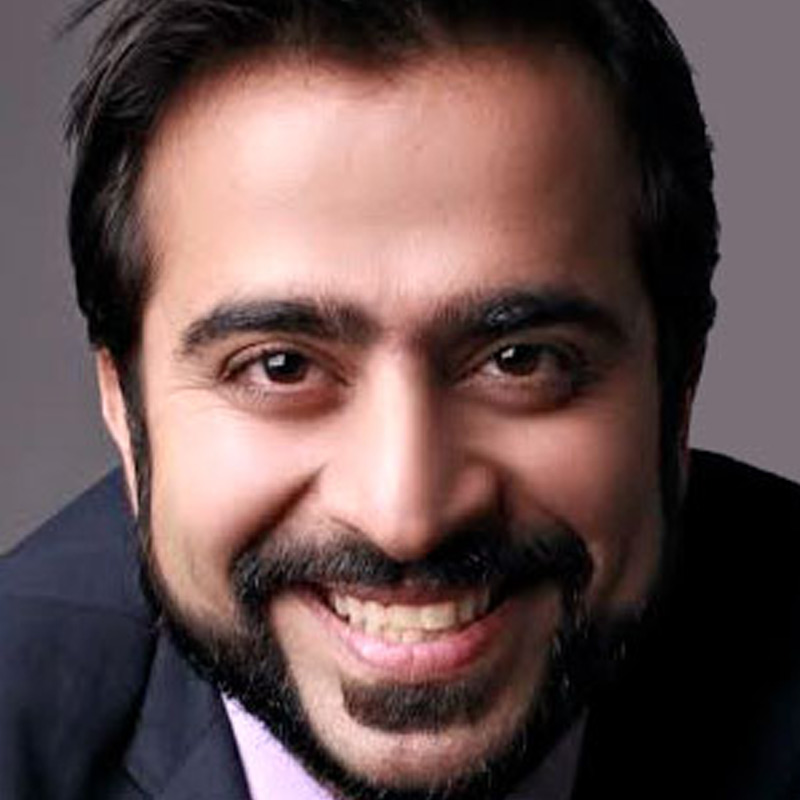
    Highlighting the facets of the campaign, WATConsult founder and CEO Rajiv Dingra, “The campaign works on the insight that girls have other loves in their life beyond their boyfriend and we take a tongue-in-cheek route to the usually mush filled valentine day campaigns. The ONLY audience is the young and fun loving girl and this campaign resonates very well with their personas.”

    The campaign that went live over the weekend has already received an encouraging response. On Instagram, it has reached out to over 28,000 users with 450+ engagement on this content series alone. Meanwhile, Instagram Stories, which play a key role in driving campaign reach, have garnered an average reach of over 12,000 impressions per story advertised. On Facebook, it has reached out to over 54,000 users with 130+ likes, comments and shares of these posts. The campaign will stay live till February 14 with a few more interesting pieces lined up!

  • 2018 will be a year of video campaigns: WATConsult’s Rajiv Dhingra

    2018 will be a year of video campaigns: WATConsult’s Rajiv Dhingra

    MUMBAI: If you see an advertisement on a website or your app, you are a well defined consumer of digital advertising. Thet ads on the website you visit are primarily revenue source for internet companies.

    Digital advertising is no longer a joke. The emails were considered pointless and annoying and banner ads used to be laughed at but today, with smartphone penetration being higher than ever and decreasing low data costs, digital advertising needs to be done and done well as the market is highly saturated and consumer’s attention span is shorter than ever.

    Some twenty years ago, digital advertising was just a couple of banners placed cleverly on websites. They were considered super annoying, as if you happened to click on one of them intentionally or unintentionally, you would soon be bombarded with banners all over your website. Today, digital advertising has become extensive with different types of online ads being produced based on the website content and target audience. Online advertising is one of the fastest growing way to reach an audience which includes banner ads to social media networking, email marketing, site takeovers, online classified ads, Search Engine Optimisation (SEO) and even

    SPAM.

    With the accessibility of internet on smartphones and low data cost, companies are now spending millions of rupees trying to find a way to advertise on digital platforms without creating an unpleasant experience for the consumer.

    Digital advertising doesn’t come cheap but it is far more affordable for marketers than traditional advertising model. There are over hundreds of different digital advertising models available today and every ad we see on digital platforms today is paid by one of those models. The most popular method though are CPA (Cost Per Action), PPC (Pay Per Click) and CPM (Cost Per Mille).

    To get some insights on the changing face of digital industry in India, Indian Television Dot Com got talking to WATConsult founder and CEO Rajiv Dhingra who has seen and been a part of the digital revolution in India and recently completed 11 years in digital advertising business.

    The company which started off as a social media specialist in 2007 has expanded its reach and portfolio to become the most sought after full service digital agency in the country. WATConsult today specialises in digital marketing, social media marketing, search marketing, mobile marketing, digital analytics and digital video production.

    How has the digital ecosystem in India evolved along with WATConsult?

    When I look back to the industry’s growth in context of the past 11 years, there has been a tremendous change in the digital industry. Digital industry has become so large today in terms of advertising yet it is only 15 per cent of the overall market advertising and there is so much more growth opportunity left. While digital has been around for around 20 years, the industry has just started to become significant in terms of advertising efficiently on the platform.

    Since the market is highly competitive today, how does associating oneself with a bigger network help since WATConsult was also acquired by Dentsu Aegis Network back in 2015?

    It is the comfort of being associated with a large network that helps in getting global processes in line. That is the core level where a global network helps. Beyond that, every agency is unique and every agency has to work hard to earn its bread. I don’t think you can credit any agency or network all the accolades they achieve and if that was the case, all agencies under a network would work equally efficiently which is not the case.

    How is the Indian digital ecosystem different from the rest of the world as it sure does have its own challenges and uniqueness?

    India is still a very small market for advertising and within the small market, it has an even smaller advertising pie for digital. But what is similar is that Indian marketers are now open to new ways of leveraging digital. Execution and creative wise digital is not a very backward market as we see some amazing work happening in digital which is globally comparable as well.

    and the challenges…?

    In India, we need to up our ante when it comes to our creative and overall work level. Only that will help in bringing more clients and get them to spend more money. Digital still needs to simplify in our country as to what it is that an agency or marketer is trying to tell and achieve. Today, there are too many people selling digital in 100 different ways. We need to focus on business and brand objectives rather than focusing on 100 different t metrics that digital brings.

    How much do you project the ad spends to increase by 2020?

    There are no doubts about it that ad spends will definitely increase on digital. Ad spends will increase by 32 per cent CAGR y-o-y  and by 2020 it is going to be 24 per cent of the market which is almost 1/4 of the advertising market.

    How soon will the shift happen where digital becomes a dominant medium over television?

    I believe for digital to become dominant over television medium will take another 5-6 years in my mind and it is not going to happen by 2020. Although it is definitely going to happen by 2022-23 and that is when it will come very close to the advertising share of television.

    We have been hearing a lot about AI, Big data and Machine Leaning and the buzzwords lately. Is the Indian media ready and understands the concepts or we still have a long way to go?

    I don’t see these as buzzwords or jargons. Social media 10 years ago was considered a jargon and a buzzword but today it is an accepted reality. 10 years from today, AI, big data and machine learning will become accepted reality. Although they may not be called what they are called today and will be referred to as something else entirely. For instance, when social media was launched, it was called, Web 2.0. Similarly, 10 years from now, these new technologies will have a huge impact not only on digital adverting but on businesses in general.

    But why are marketers still reluctant on investing in these newer technologies?

    That is imply because marketers were also reluctant about social media 10 years ago. Marketers are always reluctant because they don’t want to spend their money on or betting on future technology which may or may not happen. They want results of today and hence they will always stay reluctant. Technology moves faster than marketing moves and users move even faster as far as technology adoption is concerned. Globally marketers have got there and back in India, some mature marketers have started experimenting with the technologies. Some of the large FMCG companies in India are looking to create their own data repository data lake to make sure they have detailed data analytics. One of our own automobile client has insisted that we get a data scientist on board for their brand. These are early but significant times of how data, AI and machine learning are going to be big part of digital advertising as we go forward.

    Do you believe influencer marketing is here to stay was that just a passing phase in 2017?

    Influencer marketing is becoming more and more of a professional industry and it is going to only grow. Three to four years from now, marketers will end up spending so much more on this medium and as internet grows and the frequency grows, word of mouth is going to be even more important than paid media as it has its own challenges in terms of cost and credibility.

    Facebook recently announced that it will filter the newsfeed by removing marketing ads to ensure better user experience. Will this hamper businesses in any way?

    Facebook has always focussed on user experience. I am sure they will find other ways to make sure marketers who spend money do reach their audiences. But yes, marketers who would like to use Facebook as a free tool will be hit because clearly Facebook doesn’t think that free advertising should be allowed on Facebook itself.

    What would be the game-changer in digital adverting this year ? How does 2018 look to you?

    Video has been a huge growth factor in 2017 and it is going to continue at a break next speed in 2018. With data consumption going through the roof, you wont see a digital campaign that does not have a video. 2018 looks like a year which has a lot of opportunities and it could be the best year for digital industry ever with so many interesting things happening in the industry.

    ALSO READ:

    How iProspect’s Vivek Bhargava foresaw a digital future two decades ago

    2017 – The year of long-format ads

    Going from clicks to bricks

    Martin Sorrell on how WPP is combating ad world slowdown

    BFSI’s changing communication in the digital era  

  • Vivo YouTube campaign saw better response using Vogon

    Vivo YouTube campaign saw better response using Vogon

    MUMBAI: Chinese smartphone brand Vivo rolled out a digital campaign – ViewTube, giving a new wave to YouTube’s ongoing TrueView Ads. With the launch of its V7 model, Vivo leveraged Google’s Director Mix tool to launch a campaign that offers a unique creative solution to gauge higher viewer attention on YouTube.

    With Vogon – the latest innovation on YouTube, Vivo overcame the challenge of playing relevant ads to viewers based on their content preference and history. The campaign was successfully amplified between 23 to 31 December, and garnered more than 60 million views, 80 per cent completion rate, 7.2 per cent lift in consideration, 8.5 per cent lift in purchase intent, 11.6 per cent lift in brand interest and 24.1 per cent lift in product interest.

    Vogon is a tool to create dynamic videos that allow brands to dynamically embed text, audio or images within their videos to generate unlimited video variations – cutting down on efforts, costs, time, and planning. With Vogon, a different message can be shown to the user depending on the content the user is watching on YouTube.

    Vivo India CMO Kenny Zeng says, “Vivo has always strived for innovation in all its aspects right from products to our marketing approach. With the launch of our new digital campaign, we aim to market Vivo V7 in a non-intrusive way to our consumers.”

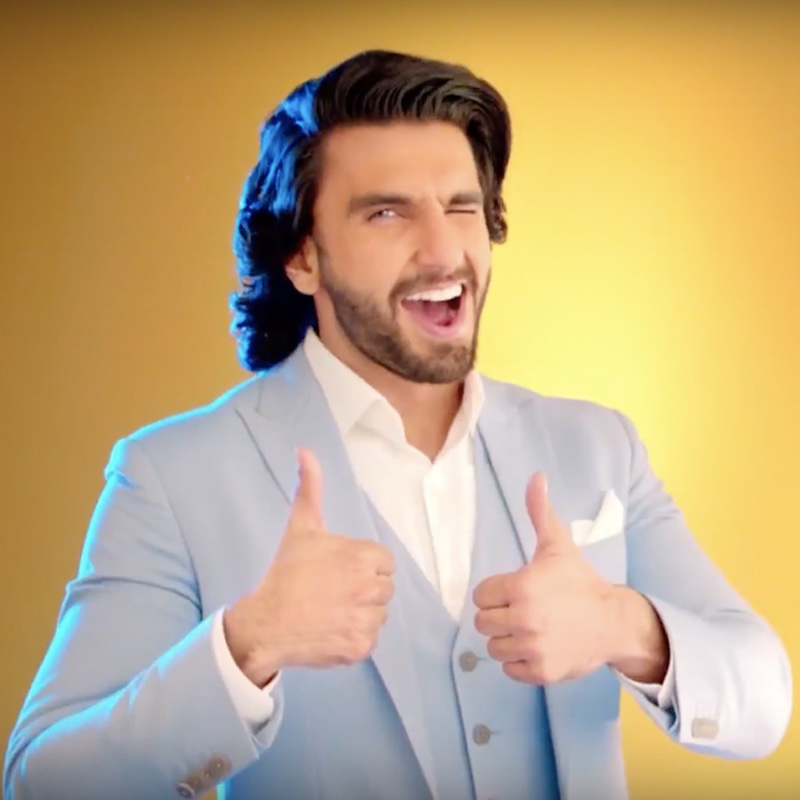
    Vivo executed this campaign by monitoring trends and the most popular categories and channels on YouTube for over 30 days. Vivo created over 550 individual ads featuring Ranveer Singh. These ads were dynamically curated based on identified keywords. For instance, a user searching for any movie trailer was served an ad showing Ranveer Singh in a casual atmosphere with a tub of popcorn in his hand, talking about how the trailer needs to be watched on a V7 Full View Display. If a user searched for a song, they were served with an ad that suggested that the song was best heard on V7 Hi-Fi music. This contextual streaming of ads brought in high amount of relevance that ensured viewers did not skip these ads – giving relevant visibility to Vivo V7.

    WATConsult founder and CEO Rajiv Dingra adds, “The digital marketing world is evolving with newer advertising concepts being introduced every day. Today, consumers prefer relevant content which delivers the intended message quickly and with some quirk. The ViewTube campaign has rightfully delivered on the requirement of Vivo’s new age consumers.”

  • Digital will be core of ad budgets by 2020: DAN report

    Digital will be core of ad budgets by 2020: DAN report

    MUMBAI: The increasing penetration of digital media in India is creating huge opportunities for marketers to reach out to untapped audiences in newer ways than before. Marketers are getting innovative with the way they choose to advertise to their audience.

    As of 2017, the Indian ad industry stands at Rs 55960 crore and is estimated to grow with a CAGR of 11 per cent till 2020 to touch Rs 77623 crore. This growth will be driven by the smart phone revolution and the subsequent spends on digital advertising, according to the second edition of media and digital marketing communications company Dentsu Aegis Network’s (DAN) digital report that was launched yesterday.

    India is on the brink of transitioning into a digital economy with a big push from the government and the public private partnership model. The Indian government’s concerted endeavours to boost digitisation coupled with an array of economic reforms and policies have infused higher momentum into India’s participation in a digital economy. The telecom sector has contributed in equal measure — lower data rates, improved connectivity have put India on a path to a mobile revolution of sorts.

    The Telecom Regulatory Authority of India (TRAI) estimates the internet population in the country to hit 738 million by 2020. Currently India’s internet subscriber count stands at around 430 million. As per TRAI’s performance indicator report for July-September 2017, a total of 129 million rural subscribers and 300 million urban subscribers are connected via internet or broadband services. The tele-density in urban areas is 74 per cent whereas it is around 14 per cent in rural India.

    Ad spends have seen double digit growth rates in e-commerce, BFSI, automotive and telecom in 2017. Ad spends have seen the highest increase in e-commerce with 13 per cent and BFSI at 11 per cent. Television takes the largest share of media spends at 40 per cent (Rs 22526 crore) followed by print at 34 per cent (Rs 18981 crore) and digital media at 15 per cent (Rs 8202 crore).

    While spends on television will grow with a CAGR of eight per cent till 2020, its contribution to the advertising market has been on a decline. The digital ad industry is estimated to grow with a CAGR of 32 per cent by 2020 as advertisers are now adopting digital media as a branding medium, not merely a performance medium. The highest spender on digital is e-commerce followed by telecom and BFSI sector. The spends on digital video is expected to see the highest growth rate followed by display and social media. OTT and an engaging mobile experience will also help in driving the digital growth.

    DAN chairman and CEO South Asia Ashish Bhasin believes that digital is no longer a medium but a way of doing business. It is how consumers interact with brands. “The digital transformation is affecting every business and agencies and marketers who don’t recognise this will be left behind. Digital is a behavioural change taking place with the consumers, not just a way of building a brand. This is a critical difference many don’t understand,” he says.

    Brands are slowly shifting their marketing budgets to digital platforms as the digital medium becomes all pervasive and consumers increase time spent on this medium. Even though digital ad platforms have been instrumental in direct sales, so far they do not match up to traditional media when it comes to brand building. Brand building is largely happening through mature ad mediums such as TV rather than digital.

    Marketers are moving from purely mass-targeting platforms to a mix of traditional
    and digital platforms. This makes use of the relative advantages of both media for an optimal marketing strategy. Traditional media provides a better reach in comparison to digital media while the latter is unparalleled when it comes to measurability. When it comes to performance marketing, digital media has evolved as a powerful platform. The explosive growth of internet-enabled businesses such as e-commerce, digital wallets, etc., has also caused a shift of ad money towards this medium as businesses targeting consumers inclined to online transactions rely on digital ad platforms. Meanwhile, the smaller brands also prefer to make investments on digital platforms as compared to bigger brands it provides better return on investment (RoI).

    Automotive sector has had one of the highest growth in ad spends last year and is expected to spend a large majority of its ad budget on traditional media. Within digital, it distributes the budget across all ad formats. Growth in ad spends for e-commerce has been the highest and it spends the highest proportion of marketing budget on digital media and mostly on search and social media. Additionally, telecom also spends a high amount of its marketing budget on digital media but mostly on media and video.

    Marketing has been an ever-evolving field. It’s normally exposed to so many new technologies and is an early adopter for most of them. This happens because the consumer is nearly always a step ahead and the competition is stiff. Businesses today have to acquire and retain consumers extremely efficiently in the marketing process. There is a limit to how many line items a digital marketer can create and manage effectively at a human level. No matter how many segments our planners create, no matter how finely we slice and dice the data, it’s extremely difficult to connect all the dots. Here is where machines come in helpful.

    But the digital advertising industry is faced by several challenges like slow pace of digital transformation, lack of unified metric system, ROI on programmatic, ad frauds and the growing use of ad blocking softwares.

    Having said that, the future of digital advertising looks bright and optimistic with the rise in video content, engaging mobile experience, voice-based interaction, data science and machine learning and transformation in payment mechanism.

  • WATConsult celebrates 11 yrs with unique board game

    WATConsult celebrates 11 yrs with unique board game

    MUMBAI: WATConsult, the digital and social media agency from Dentsu Aegis Network, has launched PlayAgency, an innovative board-game, as part of its 11th anniversary celebration. To break the monotony of regular anniversary campaigns, the agency came up with something unique which caters to all advertising industry individuals. 

    Facebook

    The idea behind launching PlayAgency is that every agency in India, be it digital, creative, OOH or BTL is somewhere connected. They might be different in nature, but deep down they all are the same; every agency has diverse strengths, but one common aim. The approaches may differ at times, but the challenges connect them; they might be divided by experiences, but their spirit remains the same. 

    Taking this thought forward, the board-game has been made, which allows players to run an ad agency and experience all the highs and lows of it. Players will have to take tough decisions, win clients, acquire companies, manage pay-cheques, chart a vision for the company along with other similar tasks.

    Along with this, WATConsult ran a digital campaign called #EveryAgencyEver, which highlighted the daily challenges and joys which takes place in every agency, in terms of client approvals, campaign ideas, pitches and follow ups amongst others. The agency even launched its own Facebook party filter for everyone to join in the celebrations.

    WATConsult founder and CEO Rajiv Dingra says, “On the occasion of our 11th anniversary, I would take this opportunity to thank every single person who has been a part of the WAT journey. Our team, former teams, clients and our network; it wouldn’t have been the same without you.”

    Dentsu Aegis Network chairman and CEO South Asia Ashish Bhasin mentions, “I would like to congratulate WATConsult on their 11th anniversary and wish them many more successful years ahead. I had a great time playing PlayAgency with Rajiv. It’s interesting to actually play a game of something we all agency individuals live by every day.”

  • Lotus Make-up brings out women’s inner shine

    Lotus Make-up brings out women’s inner shine

    MUMBAI: Lotus Make-up has created a new campaign with digital and social media agency WATConsult called #SparkleEveryday.

    The campaign showcases how modern women break all stereotypes in their life. It features a photographer, cricketer and a stand-up comedian who are fed up of dealing with stereotypes and justifying themselves in a male-dominated world.

    Lotus Herbals director Nitin Passi says, “This is our first amongst many upcoming films that targets a woman who is driven by passion, motivation and independence and Lotus Make-Up is an enabler in the process. It is a holistic digital campaign that calls out to women who shine despite all odds. We had a wonderful time working with the team at WATConsult and will be able to reach the relevant target audience for Lotus Make-up through this brand film.”

    WATConsult founder and CEO Rajiv Dingra adds, “Lotus Make-Up is a brand which stands for style and panache, and our challenge was to maintain that throughout in the video film. This video we created not only focuses on the style quotient of the brand but also portrays its involvement in breaking stereotypes when it comes to women.”
     

  • Mobile ads lack engagement, finds WATConsult report

    Mobile ads lack engagement, finds WATConsult report

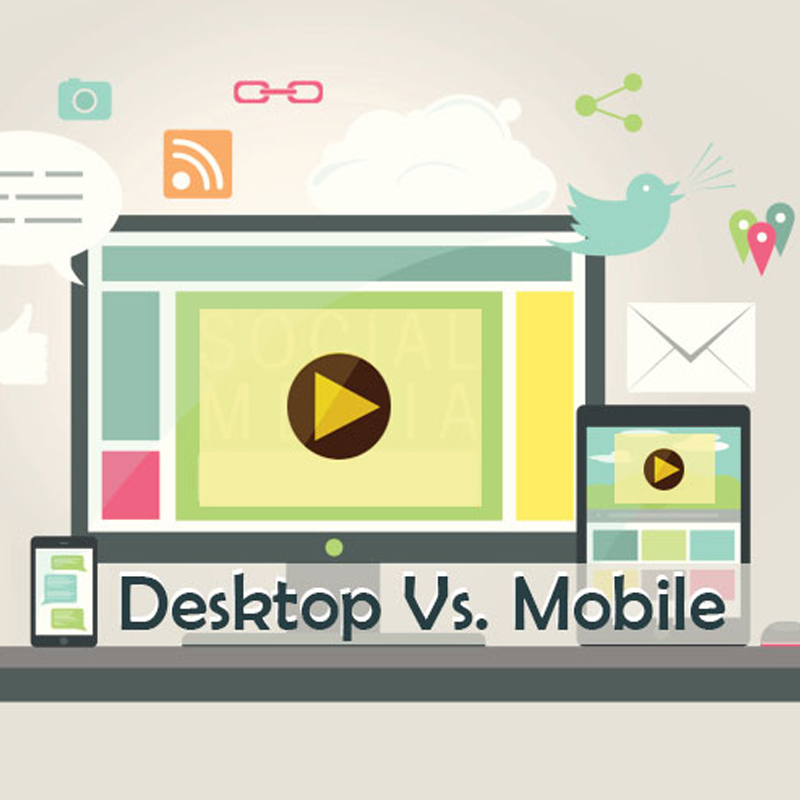
    MUMBAI: WATConsult’s latest report shows that mobile ads, though more useful, are less engaging than desktop ads. This is serious considering 75 per cent people use smartphones for viewing ads while just 42 per cent check them out on desktops. 48 per cent of the respondents prefer social media ads, followed by video ads, e-mail ads and search ads when it comes to mobile ad formats.

    The report on consumer perception and effectiveness of mobile advertising is the third from its portfolio of WATInsights. It also mentions that 4G is the most used data connection followed by 3G and WiFi while mobile devices are maximum used for accessing social networks and e-mails, followed by usage of wallets, watching videos or shows and online shopping. 

    Ad categories such as clothing and footwear, electronic products, books, movies/music/games get highest clicks while jewellery, pharmaceutical products and insurance products ads get the shrug. People also feel that mobile ads are intrusive and irrelevant at times and also fearing breach of privacy.

    WATConsult founder and CEO Rajiv Dingra says, “India is going through a phase of rapid explosion in web content and internet technology and people are beginning to acknowledge the convenience internet provides today. After the roll-out of 4G, the usage has only increased at a dizzying pace. With ad spends on mobile expected to grow at a rate of 59 per cent CAGR by 2020, our research is an attempt to put forward the consumer’s point of view about mobile ads, thus helping marketers plan better campaigns.”

    The summary report can be viewed on: http://recogn.in/watinsights.php

  • WAT’s Your Big Idea wraps up second edition

    WAT’s Your Big Idea wraps up second edition

    MUMBAI: Digital and social media agency WATConsult wrapped up its second season of WAT’s Your Big Idea (#WYBI) yesterday in Mumbai.

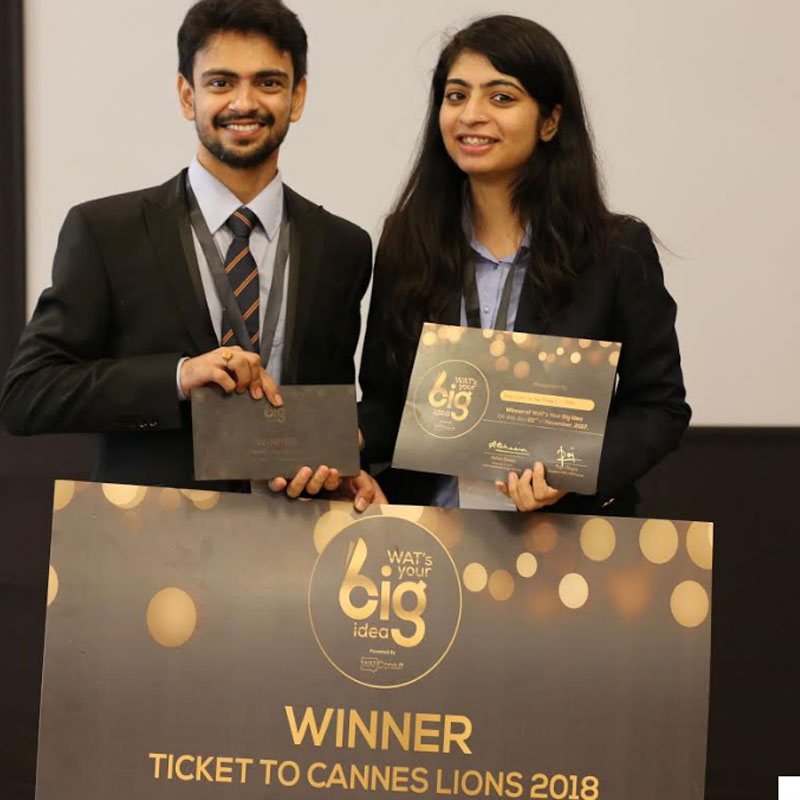
    The winning trophy was awarded to WAT’s in the Name from MICA. The first runner-up was team BhaiBhaiBhai from MICA, while the second runner-up position was awarded to ThreeTwoOne from IIMC – Delhi.

    This year WAT’s Your Big Idea received over 240 entries from 390+ students who participated from leading institutions like MICA, SIMC, XIC, IIMB, IIM (Indore), SP Jain, Jamnalal Bajaj, NMIMS, MET and Jai Hind.

    Teams had to create campaigns on the basis of brand objective, target audience, target market and challenges faced. ITC Savlon’s brief was to increase usage of hand-wash in households and to increase usage, while HE Face Wash looked for an integrated marketing idea for its newly launched product, waterless face wash.

    Naturolax’s marketing objective was to establish a new brand positioning, thereby driving new trials and increase market share. Jack & Jones’ core objective was to establish itself in the men’s comfort zone brand and gain branding visibility along with garnering actual footfalls and sales. Madame Tussauds looked for ideas which helped in increasing repeated walk-ins and ideas on new possible opportunities to drive revenues while Swarovski wanted ideas which helped increase sales and create a brand visibility in its TG.

    The shortlisted teams got an opportunity to work with the team at WATConsult, to understand the nuances of digital campaigns and improvise their entries before presenting in front of the esteemed jury, which comprised Rajiv Dingra (founder and CEO, WATConsult), Jaikishan Chhaproo (head media and PR, ITC), Praveen Das (co-founder & managing director, Happy Mcgarrybowen), Vineet Gautam (CEO, Bestseller Group) Sukanya Dutta Roy (MD, consumer goods division, Swarovski),  Sabia Gulati (head, sales & marketing, Madam Tussauds) Rajesh Kamat (VP, strategy & operations, Piramal Enterprises) and Anoop Agarwal (DGM marketing, Emami Group).

    WATConsult founder and CEO  Rajiv Dingra says, “This year we have received a tremendous response, the entries were more than double from last year and the quality of work was also commendable. We hope to take this initiative to greater heights next year.”

    Dentsu Aegis Network chairman and CEO of South Asia Ashish Bhasin adds, “WATConsult has been doing an excellent job with WAT’s Your Big Idea and I would like to congratulate them on the same. Also, would like to extend my wishes to the winning teams on the fabulous ideas they came up with.”

    WYBI provides a unique platform and opportunities to the next generation in the field of digital advertising and marketing. Launched last year, the first edition saw more than 150+ registrations, 120 entries, 250 students participating and 28 teams. This year besides the cash prize of Rs 1 lakh, an endorsed certificate and an assured job offer, the winning team will also get an opportunity to visit Cannes Lions in 2018.

  • WAT’s Your Big Idea​ 2.0 receives over 240 entries this year

    WAT’s Your Big Idea​ 2.0 receives over 240 entries this year

    MUMBAI: WATConsult, India’s leading and most awarded digital and social media agency, a part of the Dentsu Aegis Network, has received a phenomenal response to their second season of WAT’s Your Big Idea (WYBI). With participation from over 30 educational institutes, WYBI 2.0 has received a total of 240 entries with more than 390students contributing. Out of these, 27 teams have been shortlisted for the second round, and only 12 teams will be selected for the finale round which will take place in Mumbai this week.

    Every brand associated,shared their background and company history along with the objective, target audience, target market, challenges faced and the requirement from each team in terms of a campaign.ITC’s Savlon’s brief was to increase usage of hand-wash inhouseholds and to increase adoption in usage while HE Face Wash looked for an integrated marketing idea for their newly launched product, waterless face wash.

    Naturolax’s marketing objective was to establish a new brand positioning, thereby driving new trials and increasing market share. JACK & JONEScore objective was to establish them in the men’s comfort zone brand and gain branding visibility along with garnering actual footfalls and sales.Madame Tussauds looked forideas which helped in increasing repeated walk-ins and ideas on new possible opportunitiesto drive revenues. Swarovski wanted ideas which helped increase sales and create a brand visibility in their TG.

    WATConsult founder and CEO  Rajiv Dingra says, “We have received a terrific response this year. The entries are nearly double of last year and the quality of work is incredible. We are all set and excited to see the final presentation, wherein the students will get mentored by the team of WATConsult, improvise their ideas and present it to the jury. We look forward to an exciting day ahead this week.”

    WYBI is one of its kind digital ideation competition for colleges across the country which provides a unique platform and massive opportunities to the next generation in the field of digital advertising and marketing. It is a college contact program, where students get an opportunity to work on live projects, understand the nuances of creating digital campaigns for notable brands and showcase their creative skills to the best brand marketers in the country.

    Launched last year, the first edition saw more than 150+ registrations, 120 entries, 250 students participating and 28 teams. This year besides the cash prize of 1 lakh, endorsed certificate and an assured job offer, the winning team will also get an opportunity to visit Cannes Lions in 2018.

    Hyperlink : www.watsyourbigidea.com

  • The hard choice between specialised and full service ad agencies

    The hard choice between specialised and full service ad agencies

    Winter is coming! Old families are preparing their troops and preparing strategies in a quest to secure their territory before it is invaded by new forces.

    HBO’s Game of Thrones is the perfect metaphor here to explain how agencies are buckling up for an advertising future where clients are looking at different support levels from agency groups. In such a time, agencies are defending themselves against a march of specialised marketing services providers.

    In the good old days, business between clients and agencies was simple and straightforward. Clients hired agencies to create 20-30 second ad spots for television, they created creative stills for magazines and outdoor and sent standard emails to addresses stored in their massive database to everyone. But that seems long ago now as clients’ needs and requirements from an agency have changed over time. What we have seen in the industry, a latest ‘trend’ if you may call it, is clients opting to hire multiple specialised agencies to cater their specific needs.

    Clients are smarter today and know what they need from an agency and it is up to the latter to be agile and meet the demands placed on it from time to time. Dentsu Webchutney EVP and branch head of Delhi Anil Kumar points out the hard reality that pockets of specialisation have now been created and most agencies do not have similar strengths across services they offer. As clients are anyway outsourcing, and paying for the services, it makes sound business logic for them to hand-pick the best for their business needs.

    As far as the client-agency relationship goes, all involved believe that trust is the strongest of the ties that binds. 98 per cent of both clients and agencies believe that a trust-based alliance leads to better work. WATConsult Founder and CEO Rajiv Dingra believes that a client-agency relationship is that of ‘partner’ and not that a ‘vendor-buyer’ and when an agency invests in a fruitful partnership with a client then it’s not about retention but about growth and exciting work.

    It is definitely hard for an agency to lose out on valuable business and clients when they hire specialist outfits and distribute the work among all of them rather than having a full service provider doing the full monty.

    But what can or should agencies do in order to retain clients they’ve worked with for so long?

    Maybe agencies need to identify and focus on their core strengths, and grow from there, maybe they need to be consistent and relevant. According to Publicis India chief strategy officer and managing partner Sudeep Gohil, great work, fostering good relationships and always being honest are key to retain clients.

    “It’s hard to do the right thing sometimes, but just getting the job done to placate a client, is much worse. Honesty and respect build mutually beneficial and fruitful relationships,” he adds.

    Lowe Lintas CEO Raj Gupta believes agencies must continue to keep brands relevant and growing in the changing demographics and technology era.

    At such times, ad outfits tend to change their strategy, invest more into technology and get people with expertise on board in order to fulfil all requirements by clients. But some agencies also opt to guide the client to someone with expertise in the service required rather than take a punt at the solution themselves at the client’s risk. In some cases, larger agencies that have multiple networks can divert the client within the network to their own specialised sister agencies — a perfect win-win situation for all. Dentsu Aegis Network is one such example.

    While Lowe Lintas has a mature set of clients which stay put, once they have bought into the brand idea, WATConsult prefers working with a smaller client who has clarity than a confused large client. Its strategy is to pitch work to brands for the long term and focus on their long term health and avoid taking short cuts to winning business. On the other hand, FCB Ulka constantly hires fresh talent while training existing employees to keep up with changing time and client needs.

    Ideally, any agency would not like the changing preferences of clients lead to a situation where they choose to switch between agencies and assign various duties to different agencies. The latter need to ensure that they value the relationship demands and that they continue to do soyear after year. It is only when stagnation and fatigue sets in that a relationship starts turning sour.

    While affirming that clients are only trying to do what they think is best for their business, Webchutney’s Anil Kumar notes that clients do not owe agencies their allegiance. However, a change of agency is often a harder decision for a client than the for agency as their entire business can be at risk. Therefore the latter also need to be cautious about the clients they pick, taking care of each one’s financially viability.

    “It may seem to be a good short term solution to boost year-end targets but it will surely kill you in the long run as your resources are diverted to service a low-yield or no-yield customer at the cost of a high-yield one endangering your entire business.”he adds.

    Sudeep Gohil is of the opinion that once a relationship is broken and minds have been made up, it is difficult to revert. In such cases, creative/strategic workshops tend to be very successful where all parties attend and work to find a solution in a compressed time period.

    FCB Ulka CEO Nitin Karkare stresses that if the current partner (agency) can fulfil the need in a changing dynamic, brands will be comfortable with an existing partner and not look at changing or moving away.

    Ownership of problems, trust, collaboration and an open minded approach serve as major contributors for a successful client-agency relationship. If both parties always believe in and understand each other’s motives, a good level of trust can be nurtured. Also a common understanding of the successful goals that are being set out to be achieved is critical.

    Agencies need to identify and focus on their core strengths, and grow from there. Just because a couple of media or digital or event managers can be roped in, does not make an outfit an expert all-rounder.

    Sure every business unit needs to grow, but that can happen only if they create true specialisations in addition to the verticals they already are good at. Agencies need to grow slow, but grow sustainably!