Tag: VOOT

  • Voot to stream Big Boss’s ‘Unseen Undekha’ videos

    Voot to stream Big Boss’s ‘Unseen Undekha’ videos

    MUMBAI: Viacom18’s OTT platform, Voot, will showcase exclusive content of its reality show Bigg Boss 10. The on-demand destination has developed a special space called Unseen Undekha wherein users can stream videos of any celebrity or commoner of their choice from inside the house anytime.

    Additionally, the content will include stories on nominations, results, weekly task announcements, captain selection, post eviction interviews of the contestants, discussions on the luxury budget, etc.

    “Voot, in just five months of launch, is amongst the leading on-demand services in the country –and much of this can be credited to the hugely popular content across the Viacom 18 network channels, our unmatched kids’ content library (under the Voot Kids brand) and the truly differentiated Voot Originals that we are creating. And now, we bring the biggest entertainment show on Indian television – Bigg Boss, for our users on Voot. Bigg Boss is one of the few shows, where the fandom goes to epic levels and the viewers want “all that they can get” about the contestants and whats going on in the house. ‘Unseen Undekha’ answers all such questions and gives you much more ‘never seen on TV’ content. This unique property, along with the full episodes of Bigg Boss being available on-demand , would complete the offering for the fans of the show,” said Viacom18 Digital Ventures COO Gaurav Gandhi.

    Voot has garnered more than 12 million app downloads, and has over 15 million monthly active users across mobile and web, with viewers spending approximately 40 minutes on an average per day.

  • How to make your content viral?

    How to make your content viral?

    MUMBAI: How often do we hear the term ‘viral’? From the germination of an idea to its execution, the only target people want to achieve is making it go viral. Be it a concept or a new initiative, grabbing the maximum number of eyeballs or reaching out to the masses remains the crucial part.

    This subject was fielded by panelists consisting of Viacom18 Media group CEO Sudhanshu Vats, Twitter CEO Rahul Jaitly, The Viral Fever creative producer Shreyansh Pandey, Yash Raj Films VP Ashish Patil and AIB G. Khamba at Eemax Global Conclave 2016.

    They spoke on the topic everyone is currently excited and interest in — digital. ‘Making the viral go around’, the speakers brainstormed whether they have found or cracked any formula of making their content visible. What echoed in unison was a big ‘no’ by the panelists.

    Adding some perspective to it, Patil said, “That is the stupidest brief I can ever get for making content that should go viral.” Agreeing to that was Khamba who resonated with Patil’s thoughts. “No, we cannot do it. We try to do the best that we can with our content. Fun is the formula for us.”

    Taking the discussion a notch higher, the moderator was curious to know what the starting point is for each one of the players post the brief. “The starting point is the consumer. We don’t go about making it viral, we just hope that it happens. One should not let their ideas remain in a box. Anything can be successful and (go) viral in no time like music for eg, Coke Studio. What goes viral is not matter of functions or data,” said Patil.

    Pandey added, “Two things that are primarily important which lead to something going viral is content and experience of the user. Obviously, it varies with platforms. How users latch on to the content and what they do with it decides the virality.”

    Jaitly opined the starting point for the social media platform is knowing their audiences and their taste. “Truth and personality is what we ride high on. At Twitter, we have a software measuring not the tweets but spikes.”

    “Adding to that, authenticity is also equally important,” added Vats.

    So, what is the process of developing content and the velocity to make it viral? “What excites the consumers is the first step. Delivering it with truth, authenticity and entertainment like some nice music, champions, etc. is the second step. Third comes the right people you want this content to reach out to,” opined Patil.

    Jaitly also seconded his opinion, and said “In India, Bollywood, sports and politics content does very well for us and our strategy is to build across these ‘edges’.”

    At TVF’s office, one of the walls read “Ideas are a piece of shit.” Pandey said, “TVF’s core is story-telling. The process starts with writing posts. You should know the reaction expected by your target audience based on your observation.”

    With branded content getting popular every passing day, advertisers are partly convinced about investing in this new digital era. Developing in the right direction on the brief is one way to win the trust of the brands. Khamba shared, ” How do you work with brands is also important. Brands develop trust on the brief. Finding the trigger of the theme and delivering to the brands by value is equally crucial.”

    Patil, Pandey and Khamba also agreed on the point that the brand parameters had changed. They have started to build on the bigger theme than simply pumping money on a concept for eg, a Truly Madly Creep Qawali.

    With the sense of maturity coming amongst the advertisers, the panelists also expressed their thoughts on the need of having a measurability on content. “Majority of the return on investment comes from brands on board. The rest from talent usage, syndication, merchandising, etc. The commitment of how many views can a certain content get cannot happen.  We have to go in with our eyes open,” said Patil.

    With its reach across the globe, Jaitly opined how he has heard the pressure on revenues more in India than any other country which is something Twitter has done by providing a base for story-tellers without brands to come on board. On the other hand, Vats drew some light on their existing digital platform Voot which follows an advertising model. The VOD platform, within four months of its launch, has done well for Viacom18 Network by having 15 million active users with over 50+ brands, Vats shared, “The ‘average time spend’ on our platform is 45 minutes per user. For us, it’s about how many are watching, what content are they consuming and for how much time are they staying.”

    He further added, “There will be models going forward that will help reach the consumers. The data is crucial right now but it will come down eventually. Also, the payment gateways will evolve to make subscription easier for the viewers. Measurement cannot be ignored if you want to grow. Money follows measurement.”

    The session ended with the panelists discussing the way ahead for each of their platforms. While Patil opined that there is a new breed of celebrities on YouTube coming up, the opportunity of spin-off content is possible. “We want to create IPs and take it beyond TV or digital. Merchandising is also where we see a lot of good opportunities, he said. Pandey resonated with Patil’s thought about extending IPs and added, “Brands are difficult to get and people don’t want to pay. Extending IPs is what we would look at as the dollars lie there.”

    Khamba was of the opinion that on-ground engagement has always been fun for them and they will continue with that and sustain it going forward. “We will do high numbers and branch out,” added Khamba.

    Whereas, for Twitter, Jaitly shared that, going forward, the social media platform will enable users to share and watch live shows from across the country. He said, “The Twitter of future will open shows and videos live stream from across the country.”

    The panelists concluded by sharing that digital in India is only bound to grow and prove profitable to people who play it smart. As its always believed by most of the players in this business, the consumer remains to be the king.


  • How to make your content viral?

    How to make your content viral?

    MUMBAI: How often do we hear the term ‘viral’? From the germination of an idea to its execution, the only target people want to achieve is making it go viral. Be it a concept or a new initiative, grabbing the maximum number of eyeballs or reaching out to the masses remains the crucial part.

    This subject was fielded by panelists consisting of Viacom18 Media group CEO Sudhanshu Vats, Twitter CEO Rahul Jaitly, The Viral Fever creative producer Shreyansh Pandey, Yash Raj Films VP Ashish Patil and AIB G. Khamba at Eemax Global Conclave 2016.

    They spoke on the topic everyone is currently excited and interest in — digital. ‘Making the viral go around’, the speakers brainstormed whether they have found or cracked any formula of making their content visible. What echoed in unison was a big ‘no’ by the panelists.

    Adding some perspective to it, Patil said, “That is the stupidest brief I can ever get for making content that should go viral.” Agreeing to that was Khamba who resonated with Patil’s thoughts. “No, we cannot do it. We try to do the best that we can with our content. Fun is the formula for us.”

    Taking the discussion a notch higher, the moderator was curious to know what the starting point is for each one of the players post the brief. “The starting point is the consumer. We don’t go about making it viral, we just hope that it happens. One should not let their ideas remain in a box. Anything can be successful and (go) viral in no time like music for eg, Coke Studio. What goes viral is not matter of functions or data,” said Patil.

    Pandey added, “Two things that are primarily important which lead to something going viral is content and experience of the user. Obviously, it varies with platforms. How users latch on to the content and what they do with it decides the virality.”

    Jaitly opined the starting point for the social media platform is knowing their audiences and their taste. “Truth and personality is what we ride high on. At Twitter, we have a software measuring not the tweets but spikes.”

    “Adding to that, authenticity is also equally important,” added Vats.

    So, what is the process of developing content and the velocity to make it viral? “What excites the consumers is the first step. Delivering it with truth, authenticity and entertainment like some nice music, champions, etc. is the second step. Third comes the right people you want this content to reach out to,” opined Patil.

    Jaitly also seconded his opinion, and said “In India, Bollywood, sports and politics content does very well for us and our strategy is to build across these ‘edges’.”

    At TVF’s office, one of the walls read “Ideas are a piece of shit.” Pandey said, “TVF’s core is story-telling. The process starts with writing posts. You should know the reaction expected by your target audience based on your observation.”

    With branded content getting popular every passing day, advertisers are partly convinced about investing in this new digital era. Developing in the right direction on the brief is one way to win the trust of the brands. Khamba shared, ” How do you work with brands is also important. Brands develop trust on the brief. Finding the trigger of the theme and delivering to the brands by value is equally crucial.”

    Patil, Pandey and Khamba also agreed on the point that the brand parameters had changed. They have started to build on the bigger theme than simply pumping money on a concept for eg, a Truly Madly Creep Qawali.

    With the sense of maturity coming amongst the advertisers, the panelists also expressed their thoughts on the need of having a measurability on content. “Majority of the return on investment comes from brands on board. The rest from talent usage, syndication, merchandising, etc. The commitment of how many views can a certain content get cannot happen.  We have to go in with our eyes open,” said Patil.

    With its reach across the globe, Jaitly opined how he has heard the pressure on revenues more in India than any other country which is something Twitter has done by providing a base for story-tellers without brands to come on board. On the other hand, Vats drew some light on their existing digital platform Voot which follows an advertising model. The VOD platform, within four months of its launch, has done well for Viacom18 Network by having 15 million active users with over 50+ brands, Vats shared, “The ‘average time spend’ on our platform is 45 minutes per user. For us, it’s about how many are watching, what content are they consuming and for how much time are they staying.”

    He further added, “There will be models going forward that will help reach the consumers. The data is crucial right now but it will come down eventually. Also, the payment gateways will evolve to make subscription easier for the viewers. Measurement cannot be ignored if you want to grow. Money follows measurement.”

    The session ended with the panelists discussing the way ahead for each of their platforms. While Patil opined that there is a new breed of celebrities on YouTube coming up, the opportunity of spin-off content is possible. “We want to create IPs and take it beyond TV or digital. Merchandising is also where we see a lot of good opportunities, he said. Pandey resonated with Patil’s thought about extending IPs and added, “Brands are difficult to get and people don’t want to pay. Extending IPs is what we would look at as the dollars lie there.”

    Khamba was of the opinion that on-ground engagement has always been fun for them and they will continue with that and sustain it going forward. “We will do high numbers and branch out,” added Khamba.

    Whereas, for Twitter, Jaitly shared that, going forward, the social media platform will enable users to share and watch live shows from across the country. He said, “The Twitter of future will open shows and videos live stream from across the country.”

    The panelists concluded by sharing that digital in India is only bound to grow and prove profitable to people who play it smart. As its always believed by most of the players in this business, the consumer remains to be the king.


  • Pricing, analytics, customization, video quality crucial to decide OTT market leader: Frost

    Pricing, analytics, customization, video quality crucial to decide OTT market leader: Frost

    MUMBAI: The nascent over the top (OTT) video market in India is growing as smartphone penetration and 3G and 4G subscribers continue to increase rapidly. The recent launch of Reliance Jio’s affordable data services and initiatives, such as Bharat Net, will continue to drive down data service prices, boosting video consumption over fixed and mobile broadband.

    “It will be critical for market participants to gauge viewership trends, price sensitivity and technical requirements while offering their video services,” said Frost & Sullivan digital media director Vidya S Nath. “Pricing, data analytics, personalization and video quality will be crucial in defining the market leader in the next five years.”

    The Over the Top (OTT) Video Market Update, India, 2016 analysis is part of Frost & Sullivan’s Digital Media Growth Partnership Service program, which includes research, consumer analytics, consulting and advisory services on pay television (TV) services and media technologies.

    While the dominance of YouTube and TV reins in subscription-based models, making digital advertising the most used business model for now, OTT video providers have confidence in the growth prospects of the market:

    . India has over 300 million Internet users and about a billion smartphone users

    . Millennials and Gen Y comprise about a third of the population and are driving viewership trends toward personalized content

    . The country’s fragmented demography offers more than 20 types of audiences by major languages, creating tremendous opportunity for content creators and producers

    . OTT providers can target Indian immigrants internationally

    The market is already crowded with about 25 market participants that include telecom operators, direct-to-home (DTH) TV providers, broadcasters and individual OTT providers. The number of participants will grow further over the next two years.

    “Even though the return on investment for OTT services providers is slow and does not justify the business proposition in the short run, competition will spur all broadcasters to consider the OTT business,” noted research analyst Aafia Bathool. “Exclusive content at a competitive price with a sophisticated, user-friendly interface is the way forward. To achieve this, the market will see increasing strategic alliances among ecosystem players.”

    Key participants in the current market include Hotstar, Eros Now, Ditto TV (Zee Networks), Asianet Mobile, YouTube, and Netflix. New market participants who will likely intensify competition include Amazon and Balaji ALT. Other market participants include Reliance Jio, Airtel, Vodafone, Zee Network, Voot, Viacom, Spuul, Veqta, Yupp TV, Dish TV, HOOQ, Hungama, Shemaroo, SonyLIV, and Tatasky.

  • Pricing, analytics, customization, video quality crucial to decide OTT market leader: Frost

    Pricing, analytics, customization, video quality crucial to decide OTT market leader: Frost

    MUMBAI: The nascent over the top (OTT) video market in India is growing as smartphone penetration and 3G and 4G subscribers continue to increase rapidly. The recent launch of Reliance Jio’s affordable data services and initiatives, such as Bharat Net, will continue to drive down data service prices, boosting video consumption over fixed and mobile broadband.

    “It will be critical for market participants to gauge viewership trends, price sensitivity and technical requirements while offering their video services,” said Frost & Sullivan digital media director Vidya S Nath. “Pricing, data analytics, personalization and video quality will be crucial in defining the market leader in the next five years.”

    The Over the Top (OTT) Video Market Update, India, 2016 analysis is part of Frost & Sullivan’s Digital Media Growth Partnership Service program, which includes research, consumer analytics, consulting and advisory services on pay television (TV) services and media technologies.

    While the dominance of YouTube and TV reins in subscription-based models, making digital advertising the most used business model for now, OTT video providers have confidence in the growth prospects of the market:

    . India has over 300 million Internet users and about a billion smartphone users

    . Millennials and Gen Y comprise about a third of the population and are driving viewership trends toward personalized content

    . The country’s fragmented demography offers more than 20 types of audiences by major languages, creating tremendous opportunity for content creators and producers

    . OTT providers can target Indian immigrants internationally

    The market is already crowded with about 25 market participants that include telecom operators, direct-to-home (DTH) TV providers, broadcasters and individual OTT providers. The number of participants will grow further over the next two years.

    “Even though the return on investment for OTT services providers is slow and does not justify the business proposition in the short run, competition will spur all broadcasters to consider the OTT business,” noted research analyst Aafia Bathool. “Exclusive content at a competitive price with a sophisticated, user-friendly interface is the way forward. To achieve this, the market will see increasing strategic alliances among ecosystem players.”

    Key participants in the current market include Hotstar, Eros Now, Ditto TV (Zee Networks), Asianet Mobile, YouTube, and Netflix. New market participants who will likely intensify competition include Amazon and Balaji ALT. Other market participants include Reliance Jio, Airtel, Vodafone, Zee Network, Voot, Viacom, Spuul, Veqta, Yupp TV, Dish TV, HOOQ, Hungama, Shemaroo, SonyLIV, and Tatasky.

  • Voot launches show on 2016 urban marriages

    Voot launches show on 2016 urban marriages

    MUMBAI: Voot, Viacom18’s digital VOD platform, has added one more feather to its original shows’ hat. It has announced the launch of their new web-series, It’s Not That Simple. Slated to go online from 6 October, the six-part show is a first of its kind relationship drama that explores the complexities of urban marriages.

    Written by Charudutt Acharya and directed by Danish Aslam, the story is about a school reunion, which along with fond memories also brings back a little part of Meera that was lost in the process of just being a wife. Tempting her to go on a journey to find her lost self again, is an unfinished love triangle from days bygone. The story further develops based on the decisions the lead protagonist takes.

    “The one box that digital content needs to check is being relatable to the viewer. And relationships & marriage in India are going through a dynamic change from the classic interpretation we are used to. We really wanted to take a closer look at urban marriages in 2016 with all their pressures and challenges… because at the end of it, marriage is the one choice that is life altering, good or bad, it’s really not that simple,” said VOOT head programming Monika Shergill.

    The starcast of the show includes Swara Bhaskar as Meera, along with Vivan Bhatena as Rajeev, Akshay Oberoi as Sameer and Karanveer Mehra as Jayesh.

  • Voot launches show on 2016 urban marriages

    Voot launches show on 2016 urban marriages

    MUMBAI: Voot, Viacom18’s digital VOD platform, has added one more feather to its original shows’ hat. It has announced the launch of their new web-series, It’s Not That Simple. Slated to go online from 6 October, the six-part show is a first of its kind relationship drama that explores the complexities of urban marriages.

    Written by Charudutt Acharya and directed by Danish Aslam, the story is about a school reunion, which along with fond memories also brings back a little part of Meera that was lost in the process of just being a wife. Tempting her to go on a journey to find her lost self again, is an unfinished love triangle from days bygone. The story further develops based on the decisions the lead protagonist takes.

    “The one box that digital content needs to check is being relatable to the viewer. And relationships & marriage in India are going through a dynamic change from the classic interpretation we are used to. We really wanted to take a closer look at urban marriages in 2016 with all their pressures and challenges… because at the end of it, marriage is the one choice that is life altering, good or bad, it’s really not that simple,” said VOOT head programming Monika Shergill.

    The starcast of the show includes Swara Bhaskar as Meera, along with Vivan Bhatena as Rajeev, Akshay Oberoi as Sameer and Karanveer Mehra as Jayesh.

  • India, China to propel APAC, beat CAS Europe market share

    India, China to propel APAC, beat CAS Europe market share

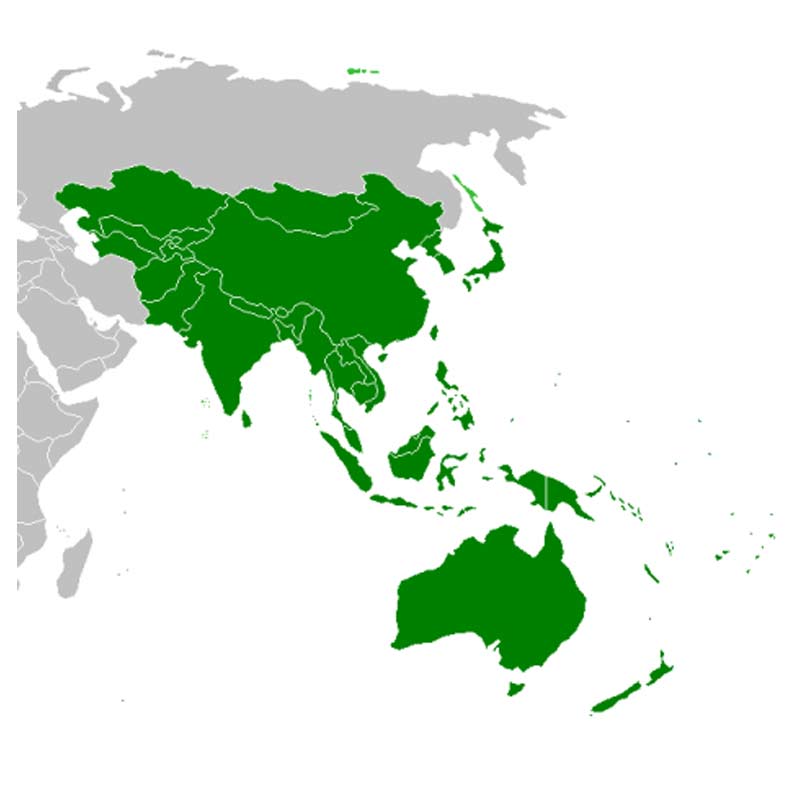
    MUMBAI: APAC is expected to overtake the market share of Europe in future due to an increasing demand for digital TV set-up boxes in countries such as China and India. North America and Europe dominated the global CAS market in 2015. APAC region is estimated to mark a growth rate of 12.0 per cent CAGR during the forecast period 2016 to 2025.

    As per market research by ‘the Insight Partners’, increased digital TV penetration in households coupled with rising internet users will boost the CAS market at a CAGR of 9.1 per cent.

    North America is one of the key regions with the highest demand for CAS due to high adoption of internet services, followed by Europe. Developing countries in APAC and MEA are anticipated to experience significant adoption of CA systems, due to growing internet infrastructure and modernizing traditional TV services. Thus, North America and Europe dominated.

    Conditional Access System (CAS) offers a secure platform to broadcast the digital content through subscription based plans. CAS has set new dimension to the end user viewership and also has set up new revenue opportunities to operators and others who broadcast digital content. Today, CA technology and services are sophisticated, and are more than ever mission-critical for a successful pay TV business venture. In a growing competitive environment, in order to attract customers, traditional pay TV operators have had to diversify their offering from the original idea of offering premium content, to pay per view (PPV).

    The global conditional access systems market was estimated to be $ 2.32 billion in 2015, and is expected to reach $ 5.53 billion by 2025.

    Internet services exhibits a tremendous global growth and creating plethora of opportunities for the CAS market in near future along with increasing number of subscribers. This would also help the CAS market to continue its growth despite of declining STB market. The demand for internet TV and videos for home entertainment would become the prime factor driving the CAS growth. Internet service providers are using CAS for secured content delivery to subscribers. Increasing demand for personalized services and applications such as Netflix, Voot, Hot Star, etc. will accelerate the demand for CAS going ahead.

    Germany Conditional Access Systems market is expected to exhibit highest growth rate of 11.2 per cent during 2016 – 2025. This will outpace the growth rate of the U.K., thereby Germany leading the Europe CAS market by 2025.

    Some of the key players profiled in the report are Nagravision SA, Verimatrix, Inc., Irdeto, Viacess-Orca, Cisco, Inc., Coretrust, Inc., Conax AS, China Digital TV, Wellav Technologies Ltd. and ARRIS International plc.

  • India, China to propel APAC, beat CAS Europe market share

    India, China to propel APAC, beat CAS Europe market share

    MUMBAI: APAC is expected to overtake the market share of Europe in future due to an increasing demand for digital TV set-up boxes in countries such as China and India. North America and Europe dominated the global CAS market in 2015. APAC region is estimated to mark a growth rate of 12.0 per cent CAGR during the forecast period 2016 to 2025.

    As per market research by ‘the Insight Partners’, increased digital TV penetration in households coupled with rising internet users will boost the CAS market at a CAGR of 9.1 per cent.

    North America is one of the key regions with the highest demand for CAS due to high adoption of internet services, followed by Europe. Developing countries in APAC and MEA are anticipated to experience significant adoption of CA systems, due to growing internet infrastructure and modernizing traditional TV services. Thus, North America and Europe dominated.

    Conditional Access System (CAS) offers a secure platform to broadcast the digital content through subscription based plans. CAS has set new dimension to the end user viewership and also has set up new revenue opportunities to operators and others who broadcast digital content. Today, CA technology and services are sophisticated, and are more than ever mission-critical for a successful pay TV business venture. In a growing competitive environment, in order to attract customers, traditional pay TV operators have had to diversify their offering from the original idea of offering premium content, to pay per view (PPV).

    The global conditional access systems market was estimated to be $ 2.32 billion in 2015, and is expected to reach $ 5.53 billion by 2025.

    Internet services exhibits a tremendous global growth and creating plethora of opportunities for the CAS market in near future along with increasing number of subscribers. This would also help the CAS market to continue its growth despite of declining STB market. The demand for internet TV and videos for home entertainment would become the prime factor driving the CAS growth. Internet service providers are using CAS for secured content delivery to subscribers. Increasing demand for personalized services and applications such as Netflix, Voot, Hot Star, etc. will accelerate the demand for CAS going ahead.

    Germany Conditional Access Systems market is expected to exhibit highest growth rate of 11.2 per cent during 2016 – 2025. This will outpace the growth rate of the U.K., thereby Germany leading the Europe CAS market by 2025.

    Some of the key players profiled in the report are Nagravision SA, Verimatrix, Inc., Irdeto, Viacess-Orca, Cisco, Inc., Coretrust, Inc., Conax AS, China Digital TV, Wellav Technologies Ltd. and ARRIS International plc.

  • Saying traditional TV is dying in India is premature

    Saying traditional TV is dying in India is premature

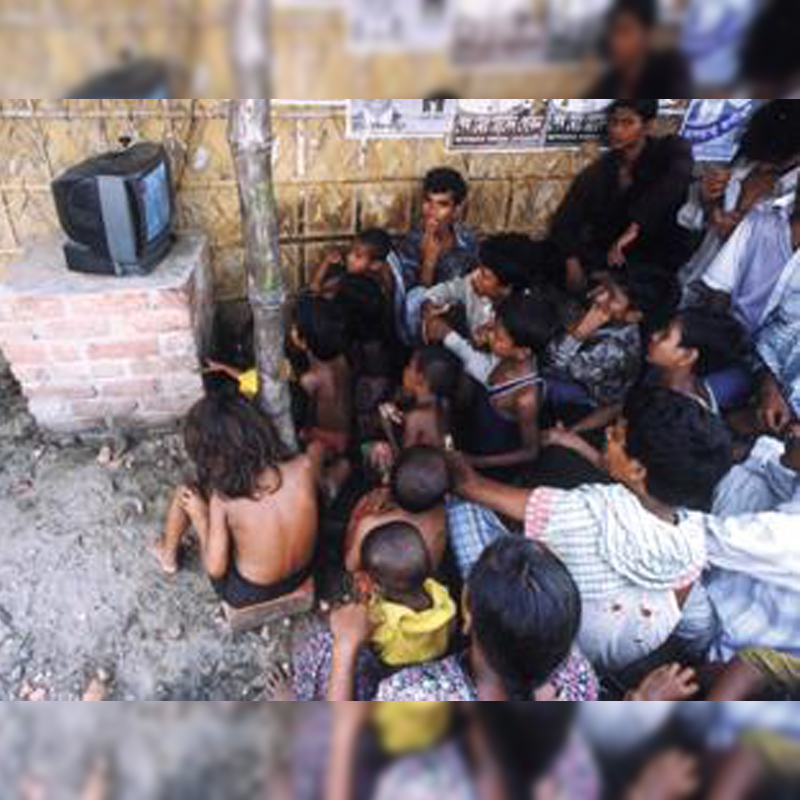
    On a recent road trip to Ladakh with friends we stopped at a nondescript roadside ‘dhaba’ (makeshift eatery) near the Himachal Pradesh and J&K border for tea and to stretch sore limbs. As tea was being boiled, stifled giggling from inside the hutment attracted me. While trying to see if my smart-phone was working so I could check-in on FB, I peeped inside. A group of local kids were enjoying a soap opera on television; courtesy DD FreeDish, a free-to-air DTH platform. My mobile phone, in the meanwhile, showed no signs of life with a No-Network message flashing.

    This, and many other such examples in India’s hinterland, highlight a fact loud and clear: India may be going digital, but Bharat (as non-urban hinterlands of India is referred to by some sociologists and marketers) still roots for the traditional. Such instances also tell us that in a country as diversified, complex and challenging as India, traditional habits, like TV watching, are there to stay despite technological disruptions like streaming video and smart-phones.

    Globally, death of traditional TV viewing has been predicted for past few years. But data and analytics from more mature and developed markets and even some East Asian nations – where digital is a big draw – show that TV as we know it is not going away anytime soon.

    A US Department of Labour Survey, released early 2016, states that watching TV was the leisure activity that “occupied the most time (2.8 hours per day), for those aged 15 and over.”

    BARB (UK equivalent of BARC India) data shows that average daily video viewing by all individuals is 4hrs 35mins and that TV accounts for 94 per cent of all video advertising time. Over the last decade, despite several “disruptive” technological developments, time spent watching TV has hardly dipped, as was being forecast. More importantly, TV continues to have largest reach of all media: it reaches 71per cent of population in a day, 93per cent in a week, and 98 per cent in a month.
    And, these are markets with near total saturation of TV homes, and a highly developed and widespread digital eco-system.

    What about India?

    Appetite for more TV content is only bound to grow given that only 153 million homes in India have TV out of a total of about 250 million (a penetration of about 60 per cent). Rise in disposable incomes, increasing fragmentation of families and continued challenges of Indian infrastructure are bound to push TV viewing higher.

    All-India BARC data for 47 weeks appear to validate that. Average daily TV viewing stands at 3 hours 16 minutes, showing headroom for growth, compared to more mature TV markets that have higher TV penetration rate of 97+ per cent.

    India has close to 900 licensed channels and while Ministry of Information and Broadcasting (MIB) agrees some of these licensees may not be on air, but scores of applicants are in queue too — another indicator of growth in appetite for TV.

    But, what about the perception that traditional TV viewership is losing out due to growth of digital platforms?

    Let’s look at BARC India data for a recent TV event, the Rio Olympics. TV viewership for Rio 2016 grew 2.65 times as compared to London 2012. While 16 million unique viewers watched the broadcast of London Games in India, the corresponding figure for Rio Games is 43 million (using the same viewership base – 1million+ towns). If one looks at the all-India (Urban+Rural) base, Rio 2016 set another high of 203.8 million unique viewers.

    This brings us to cricket, India’s fav sports (apart from politics). BARC data shows that a new viewership high was achieved during an India-Pakistan ICC T20 World Cup match in 2016, which generated a whopping 80.5 million impressions across Star Sports Network and DD National. And these numbers came on the back of not just a larger number of people watching TV, but also considerable higher time spent on TV.

    When asked about linear TV’s impending death in India owing to digital’s growth, Colors CEO and President of the Advertising Club (of India) Raj Nayak waved away the analysis asserting, “I am ready to stick out my neck on this. People who say that traditional television is dying don’t know what they are talking about. TV has been growing and there is still big headroom for its growth in India.”

    India may be adopting mobile phones faster than the US or other western countries, and a major percentage of them are smart-phones. Still, challenges for digital players are big and many ranging from costly data, indifferent bandwidth speed and getting the right content mix for a country that has 22 official languages and over 700 dialects.

    At Vidnet2016, an OTT conference organised by indiantelevision.com recently, Hotstar chief Ajit Mohan admitted that high cost of data is a major hurdle for expansion of streaming services like Hotstar and others like Voot, dittoTV, BoxTv, Arre, Savvn, Hooq, Viu, SonyLiv, etc.

    Data pointing to greater consumption of TV is one side of the picture. Globally, studies and data also indicate that TV remains a highly effective form of advertising.

    A study by the Institute of Practitioners of Advertising (UK’s equivalent of India’s AAAI) shows that TV continues to guarantee best commercial outcomes of campaigns for things such as sales, profit, market share, etc. Echoing similar sentiments, Colors’ Nayak added, “Digital advertising does not have the same impact that TV (advertising) has… Even Amazon, Google and other e-commerce companies have to use TV to make an impact.”

    US-based eMarketer (started in 1996 to study digital trends and considered one of the most widely cited research providers in the media) admits that despite a drop in TV watching time, in general, it hasn’t stopped marketers from pouring significant amounts of money into television advertising.

    Without discounting the strides being made by digital players in India (and they seem to be mushrooming all over like dotcoms during the dotcom boom of the late 1990s), traditional TV’s importance and reach still outstrips that of digital.

    Pointing out that digital does offer consumers choices of watching TV (government lingo for video consumption) at different time and in different formats, a senior government official, having worked at MIB, on condition of anonymity admitted that TV is not going away from India. Rather, the size of India will help it retain its pre-eminence as opposed to other media.

    GroupM too testifies to TV’s strong presence in India compared to other segments of media like print, OOH and digital. In projections made in January 2016, which are re-visited mid-year to do any course corrections if necessary, the company said television was estimated to grow by 17.6 per cent to touch Rs 27,074 crore (Rs. 2,7,0740 million) this year against Rs 23,022 crore (Rs. 23,02,20 million) last year as far as advertising spends go.

    Colors’ Nayak aptly sums up the issue: “There is no doubts that digital will see growth at a phenomenal pace especially with Reliance Jio addressing the bandwidth and speed issues, but digital must be seen as another platform for delivering content and that’s it. There will be lot of content consumption on digital platforms, but it will not be at the cost of (traditional) TV viewing.”

    Like Nayak, I too am ready to bet my bucks on linear or traditional TV in India. Digital has to travel many more miles in India before it can be a replacement for TV, which is still far off from near-saturation point or even plateauing off.

    (Author is Consulting Editor to indiantelevision.com)