Tag: Volkswagen

  • Communications veteran moves to realise Value 360’s growth ambitions

    Communications veteran moves to realise Value 360’s growth ambitions

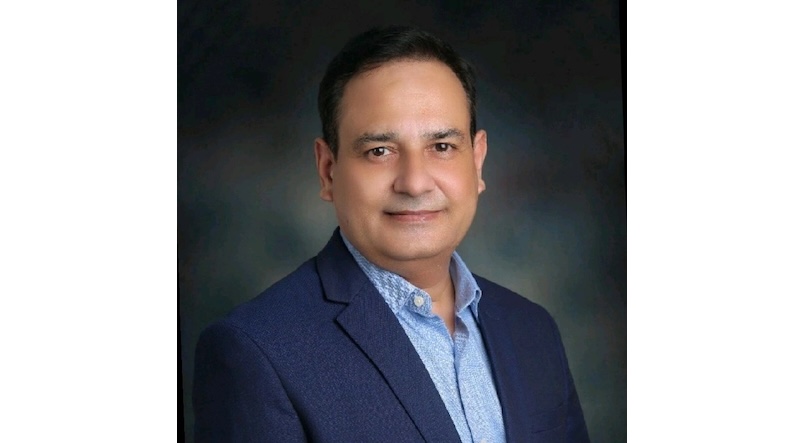
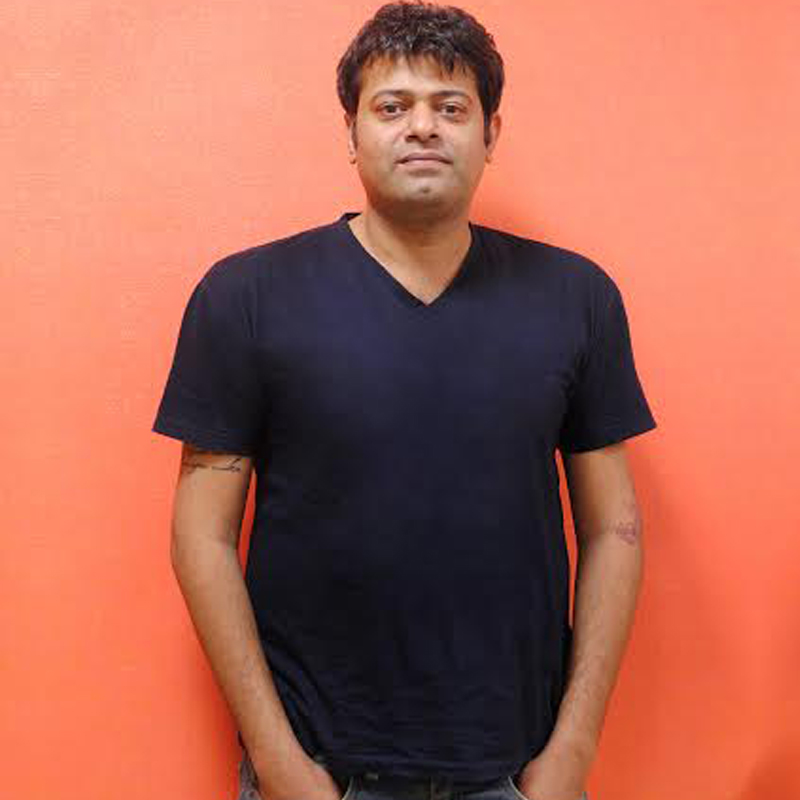
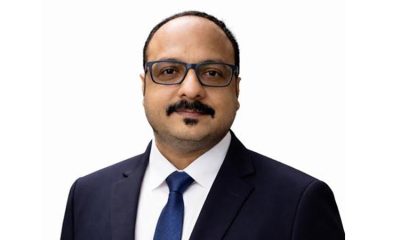
    NEW DELHI: Abhishek Dikshit, a communications specialist with over 20 years of experience crafting narratives for global brands, has joined Value 360 as vice-president. The appointment signals the PR firm’s intent to accelerate its evolution from challenger to trusted partner in India’s competitive communications landscape.

    Dikshit arrives from Kaizzen, where he spent four years as associate vice-president leading campaigns for healthcare, IT, energy and infrastructure clients. His portfolio included high-profile mandates for CMRI Hospital, Cairn Energy, FabIndia and BM Birla, among others.

    The new hire brings particular expertise in crisis management—a skill that earned his previous firm PR Professionals two golds. His crisis communication blueprint helped clients navigate reputational challenges whilst maintaining stakeholder trust.

    Before his agency stint,  Dikshit spent over four years at Amway India, where he led corporate communications across north India. His CSR initiatives there earned him the company’s regional trophy for three consecutive years and a spot representing India at Amway’s global CSR summit in Michigan in 2013.

    His career spans blue-chip clients including Google, Intel, Volkswagen, Canon and TataSky. At 20:20 Media, he orchestrated regional campaigns across 10 states, amplifying brand visibility for technology and automotive brands in tier-one and emerging markets.

    The appointment comes as Value 360 seeks to capitalise on India’s growing demand for strategic communications. The firm, led by Kunal Kishore, Gaurav Patra and Manisha Chaudhary, has built its reputation on what it calls a “will do” culture—emphasising execution over promises.

    Dikshit holds a postgraduate diploma in mass communication from Jaipuria Institute of Management and is certified in digital marketing. His approach combines traditional storytelling with data-driven strategy, tailored for diverse audience ecosystems across traditional, digital and owned media platforms.

    “In a world full of noise, the power of communication lies in crafting clarity that connects,” Dikshit said, outlining his philosophy as he settles into his new role.

  • Vivek Makker returns to NDTV as national revenue head

    Vivek Makker returns to NDTV as national revenue head

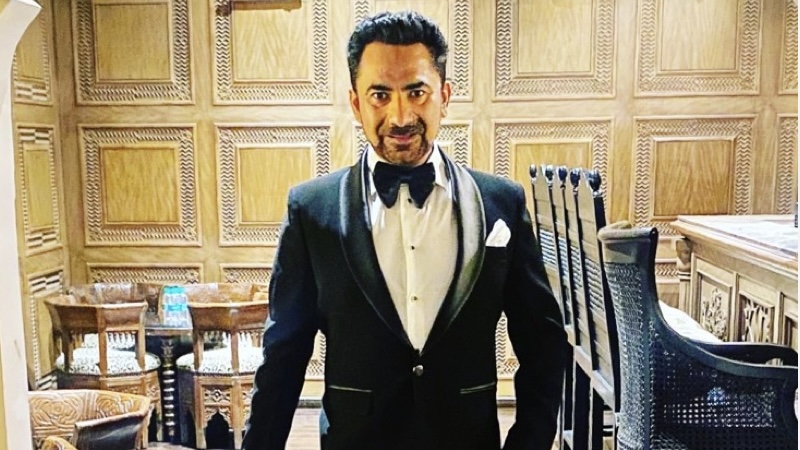
    NEW DELHI: NDTV has brought back seasoned sales leader Vivek Makker as national revenue head for NDTV India, NDTV Madhya Pradesh–Chhattisgarh and NDTV Rajasthan, entrusting him with the task of supercharging advertising revenues across its flagship Hindi news network.

    Makker knows the terrain well. From 2012 to 2022 he climbed the NDTV ladder to become national head of NDTV India, shaping strategy and client relationships in the intensely competitive Hindi news segment. He now returns after a three-year stint at News Nation, where as executive vice-president he steered national sales, digital marketing and customer experience.

    His earlier career spans nearly every corner of India’s broadcast and out-of-home market. At Star India he managed northern-region sales, while at JSL Media he headed the outdoor revenue function. At Times Innovative Media he was part of the core team that launched airport advertising in Delhi and Mumbai in 2007, taking monthly billings from zero to Rs 10 crore within a few years. He recruited and retained a high-performing team and built direct relationships with top developers such as DLF, Emaar and Unitech, as well as brands from Volkswagen to GM and BMW.

    Makker started out in media marketing at Hindustan Times in 1999, later moving to Star TV to handle marquee real-estate and IPO clients. Across these roles he earned a reputation for meticulous client servicing, sharp sales strategy and the ability to build lasting partnerships in a sector known for churn.

    The NDTV executive say his mandate is clear: grow advertising share in Hindi heartland markets while deepening ties with national advertisers and agencies. With more than two decades of experience and a track record of turning fledgling revenue streams into major profit centres, Makker is expected to give NDTV’s Hindi channels fresh commercial momentum as the network readies for the next phase of expansion.

  • Advertising veteran and HR leader pivot to new roles At McCann

    Advertising veteran and HR leader pivot to new roles At McCann

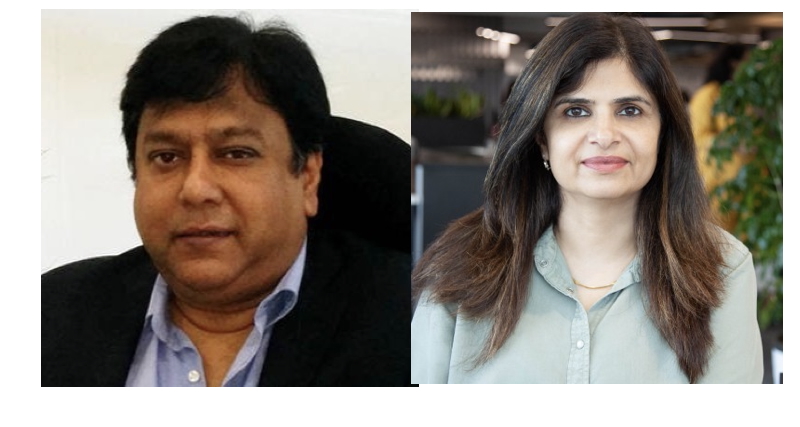
    MUMBAI: Kamal Basu, former CEO of Saatchi & Saatchi India, is embarking on a fresh chapter after a series of high-profile marketing positions in the automotive sector. Meanwhile, Jyoti Mahendru is “coming home” to McCann Worldgroup India as chief talent officer and national communications officer after a stint at VML.

    Basu, who cut his teeth at marquee advertising agencies including Young & Rubicam and Ogilvy before becoming one of the youngest CEOs at Saatchi & Saatchi India in 2008, later headed marketing for Volkswagen Group in India and Nissan India. His tenure at Saatchi & Saatchi saw the agency break into India’s top 10, overseeing launches for brands like Olay, Pampers and the creation of what he calls “the iconic brand OLX India”.

    Since 2021, Basu has been working as a business consultant focusing on brand development projects and serving as a board member for “a leading finance company”. His career trajectory represents the classic adman’s evolution—from agency creative to corporate marketer to independent consultant.

    Mahendru, who describes herself as a “DE&I champion” and “certified mental health ally”, returns to familiar territory at McCann after serving as chief people officer at VML. She previously spent four years at McCann as executive vice president of human resources before her departure in July 2022.

    Her CV boasts an impressive mix of HR leadership roles across diverse sectors—from Bharti Wal-Mart and Star TV Network to the refreshingly frank “sabbatical” period from 2012 to 2017, which she describes simply as “focusing on self & family”.

    The appointments underscore the ongoing talent shuffle in India’s advertising landscape, where agency veterans continue to find new homes even as the industry grapples with transformation.

  • PHD India rolls out new campaign for Volkswagen Taigun

    PHD India rolls out new campaign for Volkswagen Taigun

    Mumbai: PHD India has launched a campaign in partnership with evo India magazine, demonstrating the sheer power of the Volkswagen Taigun and highlighting its one-year journey in a way that has never been done before.

    To showcase the SUVW’s distinctive characteristics, sturdiness, and perseverance, PHD India and evo conceptualised the “Border Patrol” campaign, which shines a light on its state-of-the-art features and puts its safety and endurance to the test.

    The idea behind the campaign involved taking the Taigun on a challenging and thrilling 579-km journey through the unmapped terrain of the Bharatmala Road in the Rajasthan sector, along the borders of Pakistan. From dusk to dawn, the four variants of the Taigun powered through sandy and snowy routes to reach their final destination, setting a national record in the India Book of Records for the longest drive along the Western border and establishing a high performance and safety benchmark for the segment.

    Volkswagen head of marketing Abbey Thomas flagged off the epic event, and the evo India team, led by Sirish Chandran, undertook the journey while Team PHD took on the reins of the marketing strategy.

    Speaking about the campaign, PHD Media CEO Monaz Todywalla said, “As challenger brands, both Volkswagen and PHD Media share a highly ambitious mindset, and redefining the status quo is in our DNA. It was an exciting opportunity for us to execute a campaign that draws inspiration from this viewpoint and helps Volkswagen create unparalleled experiences unlike any other.”

    Adding to this, Omnicom Media Group chief content officer Shailja Saraswati stated, “Milestones are a terrific moment to spark joy, and as celebrations go, nothing speaks volumes like a stand-out immersive experience that draws audiences in. The Border Patrol campaign is an ode to Volkswagen’s journey in India and captures Taigun’s ‘hustle mode’ with evocative storytelling of heroic stories and pizzazz!”

    Volkswagen Passenger Cars India head of marketing and PR Abbey Thomas said, “The Volkswagen Taigun is one of our most admired models by virtue of being the first SUVW made with love in India for the Indian market. Our goal is to stay true to our roots and create a slick SUV built on the core DNA of the Volkswagen brand. The hustle that could take on the most challenging terrains in India with ease while delivering the highest level of safety and comfort. To showcase its capabilities and celebrate its first anniversary, we needed to go the extra mile and do something out of the ordinary. Thanks to PHD Media and evo India, we delivered an experience that is off the beaten track and puts the spotlight on the unmatched endurance and performance of the Volkswagen Taigun.”

    evo India editor Sirish Chandran said, “Our partnership with Volkswagen and PHD India enabled us to carry out a thrilling campaign that we were glad to be a part of. Having the opportunity to do something we had never done before was an exciting prospect in itself. Undertaking such a challenging but exciting journey and setting a new national record in the process was an experience unlike any other. We knew it was not going to be easy, but the Taigun’s capabilities on the road far exceeded our expectations and made it an unforgettable journey unlike any other.”

  • Famous Innovations onboards Mitali Srivastava Hough as national planning head

    Famous Innovations onboards Mitali Srivastava Hough as national planning head

    Mumbai: Famous Innovations has roped in Mitali Srivastava Hough as national planning head for its Mumbai, Delhi and Bangalore offices. She will also lead strategic planning for Garage, the digital and content agency from the group.

     With nearly 22 years of work experience, Hough is the first planner in Indian advertising who co-founded a successful ad agency called Utopeia Communicationz and followed it up by another agency called Equal that specialised in CSR solutions. An accomplished strategic planner, digital expert, trainer and researcher, she has undertaken in-depth thought leadership on various consumer groups and is known for her disruptive approach to brand building.

    Her career spans over brands like Volkswagen, J&J, Reliance Retail, Bournvita, Neutrogena, Nivea, Big Bazaar, Asian Paints, etc. Prior to steering the ship as an entrepreneur, she worked in DDB Mudra as associate vice president, across verticals of DDB India, DDB Health & Lifestyle, Rapp India & Tribal DDB. She has also worked at Ogilvy & Mather and TBWA India. Her awards include golds at Effies, AME, James Burke & Indian Marketing Awards.

    Famous Innovations founder and chief creative officer Raj Kamble commented, “At Famous Innovations, we don’t just make ads. We aim to be partners with our clients and take accountability for their business, growth, and brands.  Hough is one of those rare planners who champions this approach and has been effective and disruptive with MNC brands as well as entrepreneur-led brands from India. We are really excited about our partnership with her. Famous Innovations is gearing up to take a bigger leap as a group by bringing such unique talent together.”

     Hough adds, “After being an entrepreneur for so long, I have evolved as a planner, and I wasn’t comfortable joining a place that would put me in just one box. Kamble has created a very interesting hybrid creative, planning and digital culture in Famous that resonated with my journey. His sharp creative acumen matches an equally strong business mind and everyone in the Famous group is being led to follow this new approach to advertising and marketing which is media agnostic, insight-led, creatively sharp and ROI focused for the client.”

    For the record, Famous Innovations is a seven-time winner of South Asia Independent Agency of the Year, Digital Agency of the Year 2021 and the second most awarded agency at Goafest Abby’s x The One Show. Its list of clients includes Haier, Burger King, Titan, Times Group, Unilever, Van Heusen, Platinum Jewelry, Pernod Ricard, AB InBev, etc

  • Volkswagen Virtus unveils 360° campaign to boost premium mid-size sedan market

    Volkswagen Virtus unveils 360° campaign to boost premium mid-size sedan market

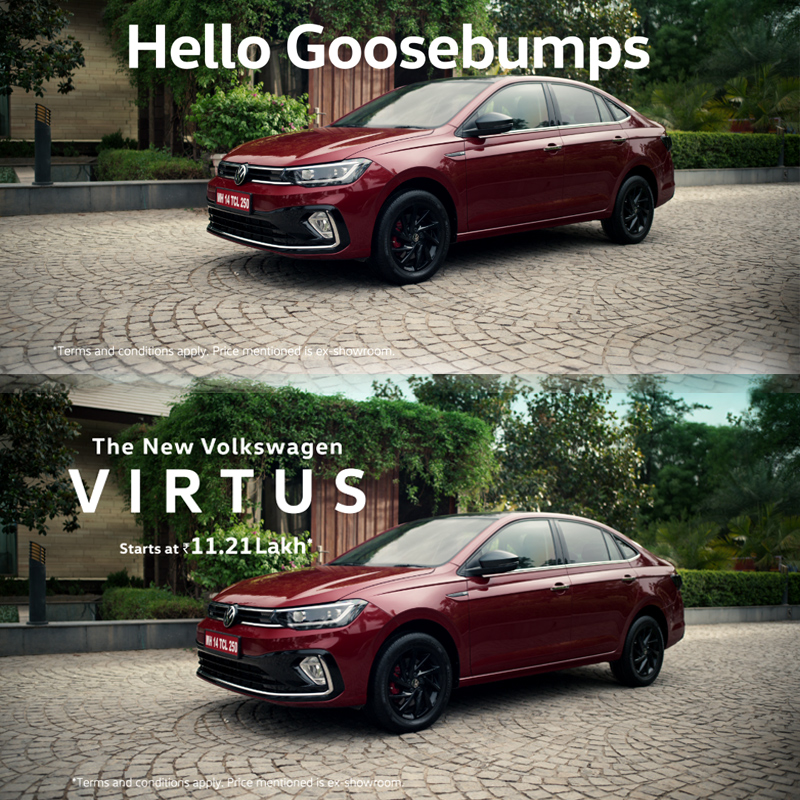
    Mumbai: Volkswagen has launched a new campaign, titled ‘Hello Goosebumps’, for its sedan Virtus. Conceptualised by DDB Mudra Group, the film aims to plug in excitement and energy into the premium mid-size sedan segment by highlighting the thrill and joy of driving the new Volkswagen Virtus.

    The striking, exhilarating and German-engineered new Volkswagen Virtus aims to reignite the premium midsize sedan with its ‘Big by’ design, performance, safety, connectivity, convenience and comfort. The Virtus is a true Volkswagen developed on the core DNA of the brand of build quality, safety and fun-to-drive experience and each element has been captured through the new TVC campaign.

    Volkswagen’s media agency, PHD India, further elevated the launch campaign via its 360-degree incisive approach, covering all vital media channels, and crafting an effective marketing strategy. PHD was tasked with building enthusiasm and maximising outreach amongst its target audience to amplify the launch experience of Volkswagen Virtus.  

    The campaign kick-started on a high note with the ‘French Window Innovation’ in India’s top-read newspaper, The Times of India. Garnering scores of impressions across the country, this large-canvas innovation delivered high-visibility engagement that today’s audiences desire and was augmented by high-impact roadblocks on leading business and news digital publications to maximise reach and frequency.

    The integrated campaign was further strengthened with an influencer marketing strategy featuring India’s leading mega influencers like Tamanaah Bhatia, Yami Gautam, Mrunal Thakur, and more, perfectly encapsulating the essence of Virtus’ tagline – ‘Hello Goosebumps!’ through their own personal and professional journeys.

    Speaking on the campaign launch, Volkswagen Passenger Cars India head of marketing & PR Abbey Thomas commented, “With the launch of the new Volkswagen Virtus, our intention was to showcase the potential of the premium midsize sedan segment. The Virtus boasts of a striking design, exhilarating performance and German-engineered built and safety that has the ability to reignite the segment. Our communication positioning for the Virtus’ ‘Hello Goosebumps’ has been rightly captured by our partner DDB Mudra Group and amplified by PHD media in reaching out to our intended consumers. The combined efforts have elevated the excitement and thrill of driving sedans paving the way for an introduction truly befitting of the Virtus.”

    DDB Mudra creative head – west Pallavi Chakravarti said, “This sedan looks like a dream and drives like one too. ‘Hello Goosebumps’ captures the essence of the Volkswagen Virtus in a simple, visceral campaign that every passionate driver will undoubtedly relate to.”  

    PHD Media India CEO Monaz Todywalla said, “Our partnership with Volkswagen gave us the opportunity to steer another big launch campaign to its true potential while staying true to PHD’s tradition of helping its clients make significant leaps in the marketing space. Utilising key strategies across all touchpoints to maximise reach, an outcome like this always gives us the impetus to continue building impactful experiences for brands like Volkswagen and elevate their marketing strategies to be a cut above the rest”.

  • Happy April fool’s day! ‘Voltswagen’ was a prank, after all

    Happy April fool’s day! ‘Voltswagen’ was a prank, after all

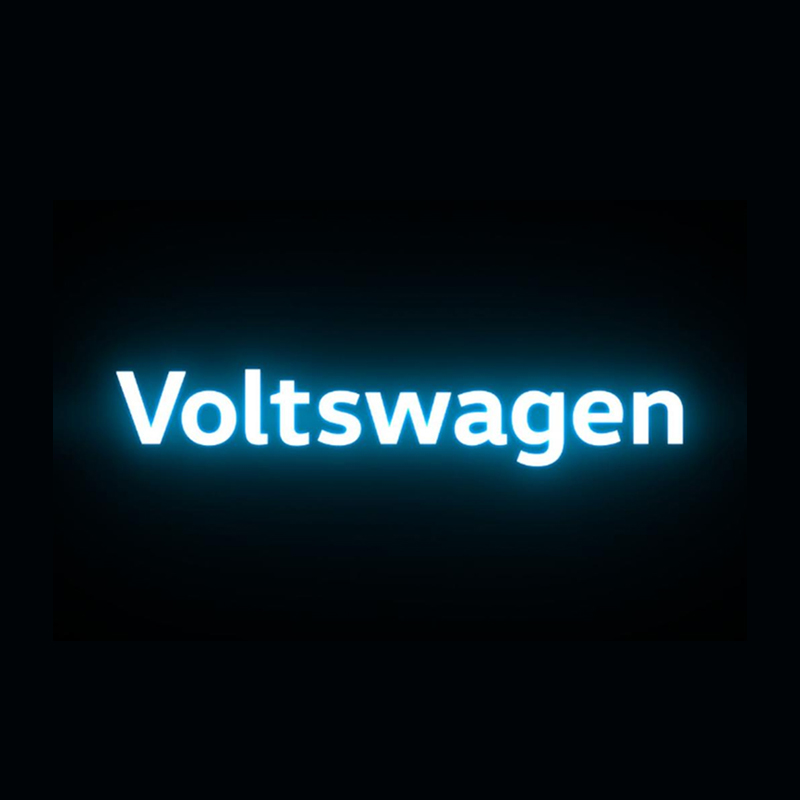
    MUMBAI: German automaker Volkswagen made a splash on social media when it announced Tuesday its US operations would be rechristened as "Voltswagen" . The rebranding move apparently was in lieu of its all-electric ID.4 SUV roll-out in the US earlier this month.  

    The American division of the automobile manufacturer put up a press release on its media site stating that Volkswagen Group of America “is unveiling the official change of its US brand name from Volkswagen of America to Voltswagen of America” to lean into its electric vehicle production plans.

    Volkswagen of America president & CEO Scott Keogh was even quoted as saying, "We might be changing out our K for a T, but what we aren't changing is this brand's commitment to making best-in-class vehicles for drivers and people everywhere.” 

    The automaker also took to micro-blogging site Twitter to make the announcement public: “We know, 66 is an unusual age to change your name, but we’ve always been young at heart. Introducing Voltswagen. Similar to Volkswagen, but with a renewed focus on electric driving. Starting with our all-new, all-electric SUV the ID.4 – available today. #Voltswagen #ID4,” and even going so far as to update its Twitter profile name to "Voltswagen".

    Expectedly, there were responses galore to the rebranding declaration!

    A few were supportive of the change, saying, “Congratulations on this courageous decision, it takes some getting used to, but is suitable for the new e-mobility.” Conversely, there were many who felt it was a bad idea. One person pointed out: “So now it’s the “Volts’ Car” and not the “people’s car”? –a reference to the literal meaning of the brand name Volkswagen, which means the people’s car in German.

    Some even exhorted the carmaker: “This is a bad idea… Don't lose your identity over electrification!”

    Netizens even went to the extent of saying “Anyone who was involved in this decision should be fired immediately.” Another’s response was an accurate foreshadowing: “This best be #AprilFools. This is worse than #Dieselgate. Don’t do this!”

    The #Dieselgate refers to the carmaker’s tryst with controversy in 2015 when Volkswagen’s emissions scandal broke out. Volkswagen had admitted to having installed emissions-cheating devices in its vehicles. This cost the company over $33 billion in vehicle refits and regulatory fines, mostly in the United States, and is infamously termed dieselgate.

    Well as it turns out, it was an April fool’s prank!

    The auto company admitted on Wednesday that the press release stating its rebranding as ‘Voltswagen’ was only a “pre-April fool’s day joke”. It confirmed the same to multiple media outlets and reporters, after the news of the name change broke on Tuesday and denied rebranding itself as ‘Voltswagen’ in the US market.

    The gimmick garnered a great deal of press coverage for Volkswagen on Tuesday, and specifically for its ID.4 vehicles in the US. Many of the big outlets like CNN, NBC News and even The Washington Post fell for the prank.

    Hoax news releases are commonplace on April fool's day, and in some cases even manage to make it into news coverage. However, Volkswagen managed to get some broad coverage for a sham news release, for it's essentially unheard of for April fool's day news releases, especially from large multinational corporations, to not actually come on April fool's day – and in fact coming two days early!

    VW was trolled on social media platforms for misleading piece of news, with some commenters recalling the company's diesel emissions scandal and years of misleading customers and regulators.

    Many were critical of the company’s capacity to joke over a sustainable future after its “dieselgate” hullabaloo. Some wondered that while the marketing ploy got the company publicity, “But is the company behind #Dieselgate making jokes about a sustainable future & their impact on the environment a great look? Will it help push EVs to a US audience?”

    Well, the verdict is yet to come in on whether the “pre-April fool’s joke” backfired on the automaker or did it have its desired effect for the brand.

    The company may just get to have the last laugh though. Apparently Volkswagen's move was well-received on Wall Street, as it also ramps up production of electric vehicles and the company's stock price soared almost nine per cent on Tuesday—far outpacing other large car companies.

    However, there may still be a catch – the upsurge in its stock prices following the fake press release could potentially land Volkswagen in hot water with the US Securities Regulators.

  • Auto industry steps on the gas to lift festive season sales

    Auto industry steps on the gas to lift festive season sales

    NEW DELHI: India's automobile industry has had a bumpy ride these last few years. Add a global pandemic on top of that and the sector was completely stalled. However, with the onset of the festive season, the industry finally seems to be on the road to recovery.

    Factors like consumers shifting to personal mobility (due to Covid risk), new product launches, increase in bookings and enquiries have raised the pent-up demand among buyers. The month of August and September has seen an improvement in retail volumes with sales picking up marginally. The rebound in auto sales is an important barometer that economic recovery is on a progressive track. The festive period has helped boost the sentiment across demographics.

    Traditionally, the industry has always been optimistic around the Diwali-Dussehra period, and this year too, car and two-wheeler makers are busy unveiling new products, giving discounts on service and older models. The recent surge in demand has led companies to focus more on their marketing strategies and get the best possible return out of it.

    Maruti Suzuki India executive director, marketing and sales Shashank Srivastava held the view that car buying is a discretionary purchase and therefore is influenced hugely by sentiment. "Festival season always brings in positive sentiment and therefore sales improve during this time. We saw that positive jump during the Onam festival in Kerala. We are optimistic about the festive season sales. A caveat here is that this time there could be headwinds because of Covid2019. So, our optimism is a bit muted because of this. But our dealers are well-prepared to take care of consumer demand and have replenished their stocks which were made possible by the improved production levels in September,” he elaborated.

    There’s little doubt that this year’s festive season will be crunch time for the auto industry, with customers looking to make big-ticket purchases post the lockdown, shares Vivek Srivatsa, head of marketing, passenger vehicles business unit at Tata Motors head.

    “Despite the slowdown caused by the pandemic, our market share has already doubled after the first quarter of this financial year to 9.5 per cent, as compared to the number at the end of the last fiscal year. Tata Motors was the only carmaker to see a visible growth of 10 per cent in passenger vehicle sales between April and September 2020, at 69,366 units,” said Srivatsa.

    Post the festive season, auto players will have to see how the demand sustains and the impact of underlying macro-economic factors. “We continue to witness a robust recovery and our supplies are being steadily ramped up to cater to the growing demand, despite industry-wide challenge in the supply chain.”

    In order to capitalise on the crucial festive period sales, a Volkswagen spokesperson said the car manufacturer has rolled out 360-degree campaigns extending customised offers to customers.

    “It is definitely a crucial spell for the industry and us. There has been an increase in the uptake for accessible individual mobility as consumers prioritise health, sanitization, and hygiene, steering them away from shared mobility,” the spokesperson added.

    Yamaha Motors deputy general manager Vijay Kaul also explains that the auto category has seen bigger growth every in this golden quarter. “We are hopeful that retails will be better in this period, primarily because of two reasons. Natural festive demand and fear of public transport due to covid19. This is seen by the upward trends in search volume for the auto category and sales numbers compared to pre-covid.”

    This year, the festive season happens to coincide with the IPL, and auto brands are keen to make the most of this golden opportunity. Since the unlock phase, they have trotted out aggressive marketing campaigns to fire up flagging consumer demand.

    For example, Hyundai’s launched a ‘thank you’ campaign with the anthem Haq Hai Hamara, “to honour the spirit of mankind.” Similarly, TVS Motor roped in Amitabh Bachchan and MS Dhoni for a new corporate brand creative. Brands like Honda (cars), and Hero MotoCorp released print ads to announce offers. Recently, Volkswagen rolled out ‘Volksfest 2020’ festive promotion to introduce the red and white edition of the Polo and Vento models.

    Srivatsa shared that before the pandemic the focus was equally spread across mediums. But given the current scenario, digital is leading the way as that is where most consumption of content is taking place.

    This year, Tata Motors is betting big on the IPL, building its marketing strategy across TV and digital medium around the cricketing extravaganza.

    “The former (TV) should help us with a wide reach amongst the audience and the latter (digital) will help us in engaging with the customers by giving them an innovative and immersive experience. We are looking at multiple engagement opportunities with the audience and players across mediums,” explained Srivatsa.

    Kaul also defines that digital has taken a leap. “We are currently betting on the two strong medium TV & Digital. Within digital, we are highly skewed towards performance. That’s the need of the hour to get the call for action.”

    Volkswagen echoed the sentiment, saying that digital and online media communication are definitely key in its media planning. “Traditionally, we have focussed 60 per cent of our ad spends on traditional mediums of TV, Print and OOH while 40 per cent on digital. Now, we are balancing our traditional and digital media spend equally and believe that the media spend on digital will increase in the upcoming years.”

    Dentsu Impact president Amit Wadhwa also agreed that the festive season should certainly be a big step towards pushing up retail sales for the industry. “In fact, we can see it happening across both four-wheelers and two-wheelers brands. The hope is that it brings the same cheer back to some other categories too,” he said.

    While on the subject, which medium are advertisers spending the most on, and is the ad revenue cycle geared up for the festive season?

     Wadhwa explained that business performance is directly proportional to the ad spends/ revenue, so this certainly will reflect on that front too. “Digital has seen a significant upswing in time spent by consumers – and hence, bucks spent by advertisers, despite the high affinity for TV. What is heartening to see is the traction that even print and outdoor is getting with life getting somewhat back on track.”

    In the past few months, digital buying has emerged as a new trend among auto buyers due to its bankability. For instance, Tata Motors launched an online portal called ‘Click to Drive’ to connect with all its dealerships across the country.  The end-to-end digital sales platform allows the customer to make the purchase from the safety and the comfort of their homes.

    However, with the gradual lifting of the lockdown, customers are once again heading back to showrooms.

    The Volkswagen spokesperson shared that the brand is experiencing an increase in footfalls at its offline locations, while online platforms are also registering strong growth and demand. When shopping for a car, it’s natural for prospective buyers to visit a showroom to touch and feel a vehicle before finalizing the purchase. However, now the brand has observed a significant shift in the buying habits of consumers, as people are learning about the product online and then setting-up virtual discussions to understand the vehicle with the salesforce team.

    Clearly, the auto industry is showing signs of recovery and banking on the festive season to deliver good cheer in the form of exceptional retail sales. While significant challenges lie on the road ahead, for now, the only mantra automakers need to follow is 'drive on.'

  • Brands and their digital-first avatars

    Brands and their digital-first avatars

    NEW DELHI: We are the natives of a digital world. Most of the resources that were earlier physical for us have turned into pouches of kilobytes and megabytes; be it our photographs, watches, or music systems. Wrapped in a screen of five inches, a big part of our hobbies, our jobs, and our social communications are now soldered onto motherboards.

    Quick to react, the marketing industry shifted a big chunk of their annual spends to digital platforms. In India alone, the digital marketing industry is growing by more than 30 per cent annually. Not just advertising, a lot of brands have been investing in revamping their identities for a digital world.

    Last year, the industry noticed a lot of brands, including big names like Mastercard and Doritos, doing away with names in their logos and sticking to just their symbols. The brands argued that simpler logos appeal better to GenZ, who do not prefer over-the-top marketing and a loud brand presence.

    This year, brands like Volkswagen, Durex, and Cadbury started another trend, called flattening of their logos. They are getting rid of any 3D elements in their logo design and shifting to bolder, simpler typefaces. Again, the wish is to connect better with a younger audience.

    Madison BMB CEO and chief creative officer Raj Nair says: “There has been, particularly in the last five odd years, a multitude of companies going in for a revamp of their logo/identity. These include companies that owe their origins to the online world as well as traditional companies, which primarily conduct their business in the offline world.  So you have online natives like Google, Pinterest, Airbnb, Spotify and GoDaddy that have conducted this exercise as well as traditional giants like Cadbury, Durex and Volkswagen that have also undergone a change.”

    However, more than appealing to a younger audience, reshaping of logos make a great sense for the mobile-dominated world of today.

    DDB Mudra Group NCD Rahul Mathew explains: “Brands have to adapt to the world their consumers live in, and logos are a big part of every brand’s identity. As more and more of brand engagement, research and even purchase are moving from the physical world to the digital one, brands are also evaluating what they can or should carry with them. Their 3D logos are like massive four-poster beds that have looked beautiful where they have been living but are a pain to move.”

    He adds: “2D logos are much more flexible. The absence of shadows and gradients makes it easy to use them across platforms and formats. The minimalism also makes digital assets easier on the eye and more recognisable.”

    Google was, probably, one of the first brands to react to this need. It came with a revamped identity in the year 2015, bringing down the size of its digital logo from 14,000 bytes to only 305 bytes. Back then, in a blog post, the technology giant had revealed that the move was made to make the logo look good on small screens. According to experts, it also made easy to load on the devices of those living in remote locations, possibly with slow internet speeds.

    And, additionally, this restructuring of logos for a digital world can open up a plethora of opportunities for the martech companies.

    According to a machine learning engineer, it is easier for machines to identify 2D logos from a low-resolution image as compared to a 3D image, as the number of vectors is lesser in the former, not taking into account other external factors. This might allow martech companies to scan user images from online sources and create a better database for better-targeted marketing.

    Havas Group India chairman and chief creative officer Bobby Pawar elaborates: “Flat logos are simpler and generally more easily identifiable. They are easier to reproduce without losing anything across all touchpoints, platforms, and user interfaces. It, therefore, will (help in creating richer databases for marketing).”

    Brands and marketers are thinking digital-first these days, thus, creating a vast playfield for martech companies to innovate and come with solutions that can utilise these opportunities. On the other hand, it is equally important for platforms and governments to safeguard user data as the technology is making it easier to access by alien parties. However, whatever may be the individual discourse from here, the world is surely entering into an exciting data-dominated phase of unusual marketing opportunities, which will be a delight to observe. 

  • Brands alter logos to spread awareness on social distancing

    Brands alter logos to spread awareness on social distancing

    MUMBAI/NEW DELHI: If there’s something sacred for any brand, it is the logo! A logo is like the skin to a brand’s soul. It is what distinguishes the brand from competitors and makes it identifiable with a distinctive character of its own. For decades, brands have invested significantly in promoting their identities using these signs and symbols and any changes in them require a huge strategic and economic planning. It is seldom that we see brands adapting their logos for moment marketing but the ongoing global pandemic of Covid-19 has made many brands take this crucial call.

    Understanding their social responsibility by virtue of their popularity, many brands have synced their logo designs with the message of isolation and social distancing. While most experts would suggest a likely hit on their revenues, some brands have made significant investment on this to show their commitment to the cause.

    The most prominent names in the list of brands that have rebranded their logos for the moment could be McDonald’s, which had its golden arches engraved in its logo in 1962, and Coca Cola.

    According to Mirum India executive creative director Naila Patel, all creativity done by the brands are welcomed. Majorly, at the time of crisis, this kind of move attracts the attention of consumers. “It puts the brand in a humane and emphatic light which increases positivity towards the brand. In today’s times, brands which have a cause in their corner attract consumers. The young, educated and evolved consumers identify themselves better with the brands that stand by causes or show empathy in tough times.”

    Brand-nomics managing director Viren Razdan said: “The Pandemic has brought the world together, united in fear and hope. As all the stops are being pulled out to spread the prevention message, iconic brands are making their popular following count by cleverly weaving in the message into their well-ingrained logos. Coca-Cola Times Square spot is perhaps the most expensive signage, and the impact would be great.”

    He also adds a word of caution for brands. “In the hypersonic media landscape we operate in, marketers and brands do their best to stay relevant in consumer conversations. But as McDonald’s would have learned, any such act requires your own house to be open to public scrutiny or else all this backfires as superficial, clever, opportunistic, and tactical brownie points. The McDonald’s campaign of moving the arches was withdrawn after public outcry on internal policies,” he adds.

    Let’s take a look at some of the brands that have re-shaped their logos.

    Sending out the message that social distancing is the only way to stop the spread of SARS-CoV-2 virus, McDonald’s Brazil changed the logo for the company on its official social media handles, separating the letter M, saying “Separados por um momento para estarmos sempre juntos” which translates to “separated for a moment to always be together.” The brand has recently extended the campaign in India and Pakistan as well.

    The quick service restaurant chain, through its social handles including Facebook, Twitter and Instagram, has urged citizens worldwide to stay indoors.

    Meanwhile, Coca-Cola has changed its ad on Times Square billboard with letters spread apart in its spelling. The new tagline of the reads, “Staying apart is the best way to stay connected”.

    According to reports, the changes will only be seen on Times billboard.

    German multinational automotive manufacturing company Volkswagen and Audi are also changing their logos temporarily.

    The iconic Volkswagen logo now has its ‘V’ and ‘W’ separated to project the distance that needs to be maintained in this crucial time. Audi has also done the same thing by separating the four rings that have been associated with the brand since the 1930’s.

    Another brand joining the league is Swiss banana producer and distributor Chiquita Brands International. The company posted a new version of its logo without Miss Chiquita saying, ‘I’m already home. Please do the same and protect yourself’.

    Argentina’s ecommerce platform, Mercado Libre, too, tweaked its logo, changing the shaking hands to elbow bumps.

    Closer home, in India, Shopper’s Stop has launched a new creative logo, transforming its identity into a heart-and-infinity sign to salute and applaud frontline professionals for their dutiful actions during these tough times.

    CARS24, a tech-enabled used car platform, has launched “Home24” campaign urging people to stay at home and spreading awareness around hygienic practices including washing hands and self-isolation. As part of this campaign, the company has tweaked its logo from ‘CARS24’ to ‘Home24’ to spread awareness about COVID 19 and conveying the importance of social distancing and ‘stay at home’. The logo has replaced the old logo of CARS24 on the company’s website and across all the social media platforms including Facebook, Twitter and Instagram.

    Not just logo designs, brands are actively playing with their propositions to spread awareness during these tough times.

    As published in USA Today, Nike is promoting social distancing through a new ad highlighting the importance of staying apart. The ad reads: “If you ever dreamed of playing for millions around the world, now is your chance. Play inside, play for the world.”

    The sports company has, in fact, shut down stores in some countries until 27 March.

    Sports icon Michael Jordan, who had worked with Nike contracts, also shared a message, “Now more than ever, we are one family. #JUMPMAN #playinside