Tag: voice

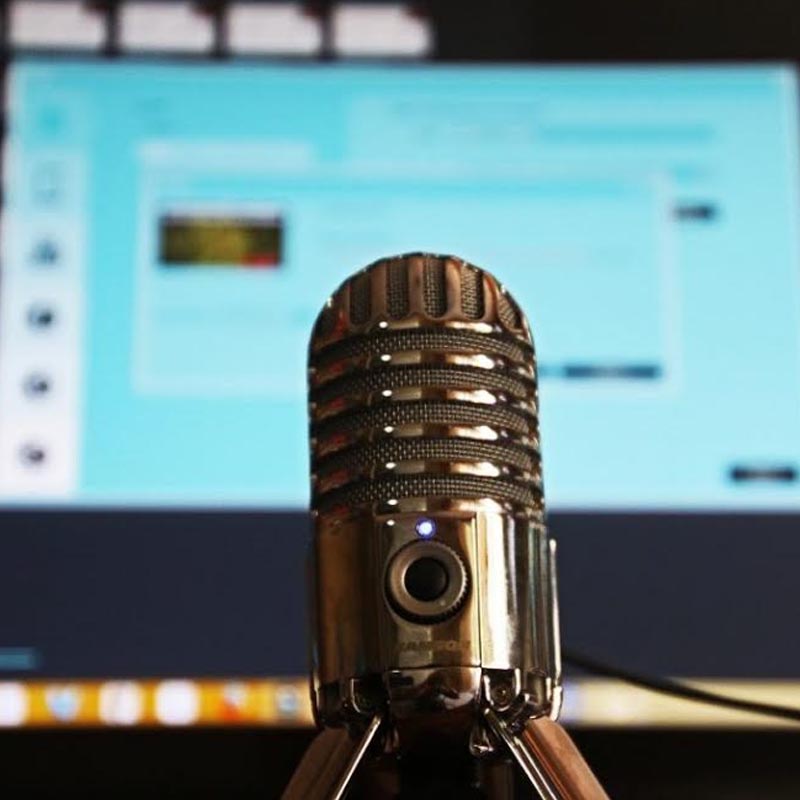
  • GUEST COLUMN: What marketers will need to learn about voice and audio

    GUEST COLUMN: What marketers will need to learn about voice and audio

    New Delhi: A renowned Content and Marketing Strategist, Lee Odden says “Content isn’t the king, it’s the Kingdom”.

    In a world of digitization and technological advancements, there are certainly no bounds to evolution in any industry. And, the content space is one such area that has seen a major evolution in the marketing landscape, especially in the audio space.

    Audio messaging has been around for a long time but the approach and outlook towards it has changed over the years. Consumer’s interests keep changing and their form of convenience too. Earlier, people were dependent on the radio for entertainment and news, and then TV took over the role. And now audio is back as the preferred medium of content consumption.

    With technological advancements and the demand for convenience, audio has become the forerunner in not only the marketing world but also in our regular lives.

    Audio – An old form of communication gaining popularity in modern times

    Audio holds great prominence in the world of social media and digital marketing. The audio-only feature has the power to eliminate all the distractions that are usually faced by a consumer consuming content on a visual medium, thus improving their attention span.

    With busy lifestyles and hectic schedules, people prefer consuming information or experiencing entertainment on the go. Tuning in to a podcast or live audio session on your topic of interest while driving, is a preferred option than being glued to TV and laptop screens or mobile screens for consuming the same information. Be it in a car, or at a gym, or in a public vehicle, access to an audio form of information and entertainment has become convenient. Audio mediums allow a consumer to consume content with ease while multitasking. It allows them to listen to their favourite audiobooks or podcasts while walking, cooking, doing laundry, or traveling.

    Voice-based technology – A better companion or convenient dependency?

    Audio mediums offer highly immersive experiences, and also make us perceive the depth of emotions. We all still have the voice of Vidya Balan’s ‘Good Morning, Mumbai’ from the Munnabhai MBBS movie playing fresh in our ears. It is this connection created by audio mediums with characters and hosts, which has led to the rise of the podcast wave and voice-based technology hardware.

    Consumer behaviour has evolved over the years, and there is an innate desire to adopt a relaxing and luxurious lifestyle. This explains why consumers opt for more enhanced sound systems at home for a theater-like experience to an increased dependency on virtual assistants. ‘Alexa, switch on the lights’ or ‘Hey Google, Play the latest music tracks’ has become a more convenient way of getting work done.

    Voice-controlled devices also provide a personalized experience, and marketers as well as brands and businesses use voice search interfaces to connect with consumers. Whether it is voice assistant applications or smart products like smart TV and speakers, voice search has great significance.

    Types of Voice Marketing tactics:

    ● Sonic Branding – Sound and music have a recall factor. Audio branding will be common and marketers will be seen creating audio logos to create a unique audio identity for audio-based content and to strengthen brand recognition, like the Nokia’s ringtone or Nirma’s iconic “washing powder Nirma”.

    ● Podcasts – The wave of podcasts has created a buzz. A few marketers have already created their market space with their branded podcasts, which have proven to be one of the highly engaging forms of audio marketing.

    ● Audiograms – Audiograms is the evolving fad and brands have started making the most of it by overlaying images with audio-based elements

    ● Voice Search Optimization (VSO) – The era of digital marketing saw brands market search engine optimization (SEO) based content for enhanced search results. With the evolution of search optimization, the voice-based search will be the next frontier, and voice traffic will soon be witnessed as an advantage for brands.

    Future of Audio and Voice-based technology

    The future of marketing will be based on voice recognition and audio formats. With more and more advancements in artificial intelligence and machine learning, we will soon see a revolution in the world of audio and voice-based technology. An increasing number of marketers and brands are using voice marketing tactics and using audio-based mediums to increase customer engagement.

    This is the sole reason why there have been new players in the market that offer only audio and voice features. Even existing social media platforms have realized the need for audio and are evolving their platforms accordingly. Clubhouse disrupted the live social audio market and it has been phenomenally adopted by the Indian audience. Twitter Spaces has also gained popularity and seen an increase in user base. Facebook has also launched live audio rooms and Spotify has come up with Spotify Greenroom.

    Voice and audio are certainly the future of social media and the digital world and can be leveraged by a country like India, where there are still limitations in context to writing. Audio content eliminates the barrier of writing appropriately and opens up a plethora of languages for a marketer to produce content for different audiences. Marketers now have an added advantage to reach a wider audience, which otherwise was restricted due to the limitations offered by visual mediums.

    Hence, voice-enabled search and audio-based technology open a whole new dimension for marketers to bank on. It will be interesting to see how marketers leverage audio content and voice marketing strategies for brands to create a buzz in the market.

    (Sowmya Iyer is the founder & CEO of DviO Digital. The views expressed in the column are personal and Indiantelevision.com may not subscribe to them.)

  • As podcasts take off in India, how can the medium win more consumers & brands?

    As podcasts take off in India, how can the medium win more consumers & brands?

    KOLKATA: There are stories to listen to, lessons to learn, advice to follow – podcasts have all sorts of content in store. The plethora of genres, the intrusive experience are among many reasons that have made the audio format fairly popular all across the world, especially with millennials. Though podcasts kicked off the block in the Indian market relatively later, they have nevertheless amassed a loyal following here. India has emerged as the third largest podcast listening market, after the US and China, according to reports.

    Podcasts might be relatively novel and known to a fewer number of people here, but the country has a long history of listening to content disseminated through the spoken word. Audio has been widely accepted by the Indian audience as well as brands at large. But are businesses showing interest in the podcast trend? Aawaz.com CEO Sreeraman Thiagarajan believes the medium offers an interesting avenue to reach consumers.

    “Every single person loves anything audio whether its podcast, whether its audio stories, audio shows, they are really committed to listening to those,” said Thiagarajan during a panel at Pixels 2021, hosted by IAMAI and moderated by Hubhopper CEO & founder Gautam Raj Anand.

    “It may not be as big as video. Podcast definitely appeals to an affectionate audience. It is longer in format and can be curated by the users as per their own choice. You need to think of telling an audio story, creating compelling audio experiences, living your brand into it and not just think of it as ad insertions, not equate it with a display campaign, performance campaign,” he added.

    Gaana podcasts & monetisation products VP Vipul Bathwal noted that when music streaming platforms introduce podcasts, there is some sort of captive audience available to leverage the medium. It may not be as large as the user base that turns up solely for music, but there is an overlap that can be leveraged. The role a platform like Gaana has to play, he said, is of taking this format to a larger audience.

    Although a small portion of music listeners engage through podcasts but those who do, they engage very deeply, shared Bathwal, basing this nugget off of the trends they have witnessed. Hence, the metric brands should look at advertising via podcast should be more related to a very strong brand recall from the audience which is highly engaged but may not have the same sort of volume as music. It is more about quality of the audience rather than the quantity, he explained.

    “If I am an advertiser, my goal is to reach the audience. Most of our targeted campaigns are across formats. Music is bigger than any format. But each format offers some sort of advantages in exposing the brand to a certain set of audience but does the brand care through which format I am reaching? Not till now,” he highlighted.

    Opportunity for creators has also increased as podcasts are easier to produce. Hungama senior vice president Soumini Sridhara Paul mentions that good storytelling and authenticity are extremely important for this format. It is also important to build a community and good content library for small podcasters to monetise their content. Moreover, they should look at collaborations as well.

    At the initial stage, podcasts are going to need some popular faces to get more attention from consumers as well as to give ideas about what can be created. From a business point of view, and platform point of view, there is a need to have content with popular faces whether that is from Bollywood or other fraternities. While creativity and uniqueness are mandatory, there is no harm in a novelty value, be it face or a name, opined Paul.

    While all other online content is gradually marching towards interactivity with the audience, interactive podcasts are still a tough nut to crack, mentioned Thiagarajan. Either there is synchronous communication like Clubhouse or asynchronous communication like podcasts. Anything that comes in between should look at features like polls, Q&A, comments for interactive experience, he suggested. Another way to do this is creating a podcast by getting people to offer ideas on what they want to hear. However, podcast as a content format is meant to be heard uninterruptedly, she emphasised.

  • Voice technology market to register 2.8X growth by 2022: WATConsult

    Voice technology market to register 2.8X growth by 2022: WATConsult

    MUMBAI: In the past few years, India has witnessed a rapid rise in its internet consumption, leading to the emergence of voice technology and the ways in which it is consumed across the country. There is a dire need to understand how the audiences interact and perceive voice technology with an increase in its adoption and growing usage across India. From voice-assistant-enabled feature phones to connected devices like Alexa and Google Home, the ecosystem is taking an encouraging turn, and thus, opening up many more avenues for brands and businesses.

    WATConsult, the globally awarded hybrid digital agency from the house of Dentsu Aegis Network India (DAN), under its market research division, Recogn, has launched its latest report, titled ‘Voice Technology in India: Now and Future – Consumer and business perspective’.  The main objective of this report is to share deep insights on voice-tech usage patterns, to consult brands and to help businesses make better decisions.  The report focuses on the market of voice technology in India, the perception of voice assistants, home management with the use of voice and data security concerns. It also highlights the usage patterns of voice -tech across most-used voice assistants including shopping recommendations.

    The agency has integrated with Google Assistant for the launch of this report and will be made available with a bot command.

    Below are some of the key findings from the report:

    ·  Speech and voice recognition technology market stands at Rs. 149.95 Cr as of December 2019

    ·  It is expected to grow at 40.47% to reach Rs. 210.63 Cr by the end of 2020

    ·  76% of the users are familiar with the speech and voice recognition technology

    ·  On an average, users are interacting with voice assistants on various devices for at least a year’s time

    ·  The users residing in Top Metros have been using the voice assistants for around more than a year

    ·  60% of the users give voice commands on their smartphones. Users of the Google Assistant use it for results on their queries and check for navigation while travelling

    ·  Even at this early stage, the majority of users (49%) prefer a combo of speaking and typing that occurs frequently, especially on phones.  38% of users prefer to speak their queries aloud

    ·  On a daily basis, voice assistants are frequently used to listen to music (65%), get daily news and updates (64%)

    ·  When it comes to usage patterns, most of the users search for queries online and are comfortable to use assistants indoors

    ·  Google Assistant is perceived to be smart, intelligent and helpful in search queries

    ·  Alexa is perceived as a reliable assistant in terms of managing smart home devices and usability by its users

    ·  Majority of the users have considered product/service recommendations from the voice assistant and shopped online

    ·  46% of the users feel that voice assistant on their devices are always recording and listening. The users are conscious about their privacy and feel that the tech companies are not safe. They do not feel secure in terms of their data being used elsewhere.

    WATConsult CEO Heeru Dingra said, “We are glad to bring across our latest report in the space of voice technology and have for the first time integrated our report with Google Assistant. Voice marketing has indeed changed the dynamics of the digital marketing landscape and is growing at a fast pace. This report is a one-stop store for brands and industry leaders to understand the growing crescendos of the voice-tech market, giving them a detailed analysis of user behaviour and patterns to abide by.” 

  • AI powered conversational analytics platform, Scoop to help brands glean unique insights from all customer conversations across voice, video, and, text

    AI powered conversational analytics platform, Scoop to help brands glean unique insights from all customer conversations across voice, video, and, text

    MUMBAI: In a recent development that highlights how rep-customer interactions can be leveraged to gain market intelligence. Scoop, a Mumbai based startup, has developed an AI-powered conversational analytics platform designed to help Inside Sales teams to maximize sales conversion optimization.

    Scoop leverages machine learning to mine insights from customer conversations across voice, video, and text sources to discover sales opportunities. The insights gleaned by the AI can be utilized to coach sales representatives, helping them win more deals with more efficient conversations over time.

    Conversations between a sales representative and a customer are a storehouse of valuable information that usually lies untapped.These conversations usually happen across channels and mediums. Scoop ensures that all the conversations are transcribed and searchable, which are then mined by ML algorithms to uncover unique market insights.

     The platform provides a clear and timely view of customer intent, while revealing the gaps and strengths of the representatives. This information can thus be analyzed to prepare a personalized coaching plan, shared with each representative, to unravel the mystery of why deals are won or lost. Scoop aims to enable enterprises to leverage conversational analytics, understand the key problems and eventually skyrocket their conversions.

    VeerChand Bothra, Co-founder of Scoop said, “Although enterprises have CRMs to address multiple customer problems, there is a need to go beyond that. Rep-customer conversations comprise a barrage of hidden details, which CRMs fail to cover. Analyzing this information is critical for an enterprise to win customers. Our latest product, Scoop leverages ML algorithms to decode conversations and perform conversational analytics for generating effective marketing leads, helping digital sales teams close a deal during customer interactions. We foresee this product emerging as a game-changing tool for enterprises, helping them identify areas of improvement, and achieve large-scale success in the long run.”

    Several enterprises are already leveraging new-age tools like chatbots, live chat, natural language processing, and automated speech recognition, among others to decipher conversations and help sales teams maximize conversions.

    Scoop is an expansion of SalesTech that goes beyond CRM and is intricately designed to help enterprises secure more customers in the future.

  • India’s internet market is no longer male, metro, millennial: Rajan Anandan

    India’s internet market is no longer male, metro, millennial: Rajan Anandan

    MUMBAI: Lightning speed – that’s how India’s internet adoption can be described. With an abundance of growth opportunities, India’s rural areas are leading the way for every company wanting to make a mark in the digital space.
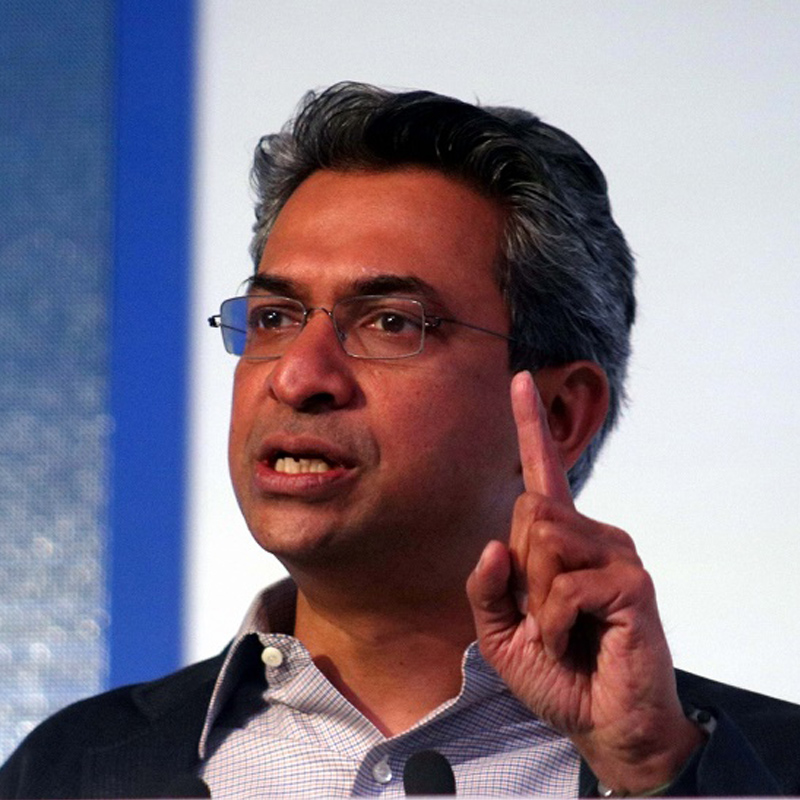
    When the online space is turning into more class agnostic nature, the gender divide is also abolishing. Google (http://www.indiantelevision.com/mam/marketing/brands/how-google-views-indias-internet-landscape-180531) vice president India and South Asia Rajan Anandan was speaking about new age internet users, notable trends and changes at the Subhash Ghosal Memorial Lecture recently. The veteran said that Indian internet users are no longer restricted to the metro, male, millennial phenomenon.
    Rajan highlights a gender disparity in internet usage that was prevalent in India three years ago, which wasn’t the case even in places like Africa or the Middle East. Just one in ten internet users was female. Several factors like lack of awareness and access worked in favour of the divide. Today, 37 per cent of India’s internet users are women which is expected to rise to 45 per cent by 2020.
    “If you go back even 8-10 months, you characterise India’s internet as male, metro and millennial. So millennial males in metro India was really what the internet was about. That has changed pretty dramatically. We see more women coming online. In fact, in terms of new internet users, there are many women than men actually and a lot of them are from rural India, small towns,” he commented.
    Speaking about megatrends in the Indian internet market, he said that voice, video, vernacular are grabbing high attention. Over the last 12-18 months, voice has shown the most surprising growth. There has been a 270 per cent growth in voice searches. “So, they (new users) are more comfortable speaking to internet than typing, tapping. India is going to be the world’s first voice driven internet market,” he said.
    Commenting on the vernacular(http://www.indiantelevision.com/iworld/social-media/google-assistant-becomes-bilingual-180901)growth, he said that almost 100 per cent of new Indian internet users access internet in local languages, not in English. The man with the statistics said over 200 million users access internet in regional languages. Moreover, there has been a 400 per cent growth in Hindi voice searches.

    Indian market went from a messaging first internet market to video first internet market over the time thanks to affordable data prices. “The journey of new age internet users has been pretty straightforward. They started with messaging, generally WhatsApp, then started using social networks, watched a little bit of video because data was expensive. That has actually changed. Almost every new internet user today actually starts his internet journey with video because they all understand video,” Anandan said. He also said 75 per cent of all traffic in mobile data in Indian internet actually comes from video, among which 95 per cent of total video consumption is happening in local languages.
    Indians are consuming higher amount of data, 8 GB per month, compared to developed markets like South Korea, the US and the UK. India is consuming more mobile data than the US and China combined. Even the smartphone quality has improved in India as 70 per cent of phones used here have a 2 GB RAM or more.
    The Google head said that the company is concerned with solving the problems of the common man. He said that the internet can even solve problems related to agriculture, financial institutions and health and education systems.

  • FY-2015: Time Warner Cable adds net video customers, revenue up 3.9%

    FY-2015: Time Warner Cable adds net video customers, revenue up 3.9%

    BENGALURU: This the first time since 2006 that Time Warner Cable Inc., (TWC) has reported year-over-year nett video subscriber additions. The company closed the year and quarter ended 31 December, 2015 (FY-2015, current year and Q4-2015, current quarter) with 10.821 million video subscribers, 32,000 (0.3 per cent increase) more than the 10.789 million at the close of FY-2014. The additions were made in Q4-2015, when the company added 54,000 subscribers, hence wiping out the fall of 22,000 until 30 September, 2015. In Q4-2015, TWC reported 10.821 million video customers as compared to 10.727 million in Q3-2015 (0.5 per cent increase).


    The company closed the current year with 681,000 more customer relationships than in the previous year. Total customer relationships at the end of FY-2015 and Q4-2015 were 15.129 million as compared to 14,511 million (4.3 per cent increase) at the end of FY-2014 and Q4-2015, and 14.929 million (1.3 per cent increase) in the immediate trailing quarter.


    Overall revenue and income


    The company reported 3.9 per cent growth in revenue in FY-2015 at $23,697 million as compared to $22,812 million in FY-2014. For Q4-2015, TWC reported 4.9 per cent YoY revenue growth at $6,072 million as compared to $5,790 million. Operating income in FY-2015 however declined 8.5 per cent YoY to $4,239 million as compared to $4,632 million in the previous year. Operating Income in the current quarter declined by 8.2 per cent YoY to $1,125 million as compared to $1,226 million.


    Company speak


    Time Warner Cable chairman and CEO Rob Marcus said, “I’m incredibly proud of everything we achieved this quarter and in 2015. We made our network more reliable, our products more compelling and our customer service better. And, importantly, our subscriber improvement over the last eight quarters, including our record subscriber performance in 2015, has begun to show up in our financial results. As we begin 2016, we intend to continue to improve the customer experience and build value for our shareholders.”


    Segment numbers


    Residential video: Residential video revenue in the current year declined 0.9 per cent to $9,907 million as compared to $10,002 million in the previous year. Video revenue in Q4-2015 increased 0.3 per cent YoY to $2,471 million as compared to $2,464 million in Q4-2014. Video Subscription numbers have been mentioned above.


    High Speed Data: High Speed Data revenue increased 9.3 per cent in FY-2015 to $7,029 million as compared to $6,428 million in FY-2014. For Q4-2015, the segment’s revenue increased 10.6 per cent YOY to $1,819 million as compared to $1,644 million in Q4-2014. High Speed Data subscribers in FY-2015 increased 8.6 per cent to 12.675 million as compared to 11.675 million in FY-2014. QoQ, relationships increased by 2.3 per cent as compared to 12.394 million in Q3-2015.


    Voice: Voice revenue declined 0.1 per cent in FY-2015 to $1,931 million as compared to $1,932 million in FY-2014. In Q4-2015, Voice revenue increased 5.7 per cent YoY to $497 million as compared $470 million. Voice subscribers increased 19.6 per cent in FY-2015 to 6.23 million as compared to 5.284 million in FY-2014. QoQ Voice subscribers increased 3.7 per cent in Q4-2015 as compared to 6.093 million in the immediate trailing quarter.


    Multi-Play: In FY-2015, while single play customers increased 2.2 per cent to 5.75 million from 5.63 million and triple play customers increased 21.9 per cent to 5.31 million from 4.356 million, double play customers declined 10.1 per cent to 4.067 million from 4.525 million in FY-2014. QoQ, Single play customers increased 0.8 per cent, triple play customers increased four per cent, while double play customers declined 1.2 per cent.


    Business Services: Business services contribution to TWC’s revenue increased to 13.9 per cent in FY-2015 from 12.4 per cent in FY-2014. Overall Business Services Revenue (BSR) in the current year increased 15.7 per cent to $3,284 million from $2,838 million in FY-2014. Total revenue in Q4-2015 increased 14.4 per cent YoY to $864 million (18 per cent of overall revenue) as compared to $755 million (16.4 per cent of overall revenue). A major portion (a little less than 50 per cent) of BSR comes from high speed data and almost 90 per cent of TWC’s business services subscribers opting for this service.

  • FY-2015: Time Warner Cable adds net video customers, revenue up 3.9%

    FY-2015: Time Warner Cable adds net video customers, revenue up 3.9%

    BENGALURU: This the first time since 2006 that Time Warner Cable Inc., (TWC) has reported year-over-year nett video subscriber additions. The company closed the year and quarter ended 31 December, 2015 (FY-2015, current year and Q4-2015, current quarter) with 10.821 million video subscribers, 32,000 (0.3 per cent increase) more than the 10.789 million at the close of FY-2014. The additions were made in Q4-2015, when the company added 54,000 subscribers, hence wiping out the fall of 22,000 until 30 September, 2015. In Q4-2015, TWC reported 10.821 million video customers as compared to 10.727 million in Q3-2015 (0.5 per cent increase).


    The company closed the current year with 681,000 more customer relationships than in the previous year. Total customer relationships at the end of FY-2015 and Q4-2015 were 15.129 million as compared to 14,511 million (4.3 per cent increase) at the end of FY-2014 and Q4-2015, and 14.929 million (1.3 per cent increase) in the immediate trailing quarter.


    Overall revenue and income


    The company reported 3.9 per cent growth in revenue in FY-2015 at $23,697 million as compared to $22,812 million in FY-2014. For Q4-2015, TWC reported 4.9 per cent YoY revenue growth at $6,072 million as compared to $5,790 million. Operating income in FY-2015 however declined 8.5 per cent YoY to $4,239 million as compared to $4,632 million in the previous year. Operating Income in the current quarter declined by 8.2 per cent YoY to $1,125 million as compared to $1,226 million.


    Company speak


    Time Warner Cable chairman and CEO Rob Marcus said, “I’m incredibly proud of everything we achieved this quarter and in 2015. We made our network more reliable, our products more compelling and our customer service better. And, importantly, our subscriber improvement over the last eight quarters, including our record subscriber performance in 2015, has begun to show up in our financial results. As we begin 2016, we intend to continue to improve the customer experience and build value for our shareholders.”


    Segment numbers


    Residential video: Residential video revenue in the current year declined 0.9 per cent to $9,907 million as compared to $10,002 million in the previous year. Video revenue in Q4-2015 increased 0.3 per cent YoY to $2,471 million as compared to $2,464 million in Q4-2014. Video Subscription numbers have been mentioned above.


    High Speed Data: High Speed Data revenue increased 9.3 per cent in FY-2015 to $7,029 million as compared to $6,428 million in FY-2014. For Q4-2015, the segment’s revenue increased 10.6 per cent YOY to $1,819 million as compared to $1,644 million in Q4-2014. High Speed Data subscribers in FY-2015 increased 8.6 per cent to 12.675 million as compared to 11.675 million in FY-2014. QoQ, relationships increased by 2.3 per cent as compared to 12.394 million in Q3-2015.


    Voice: Voice revenue declined 0.1 per cent in FY-2015 to $1,931 million as compared to $1,932 million in FY-2014. In Q4-2015, Voice revenue increased 5.7 per cent YoY to $497 million as compared $470 million. Voice subscribers increased 19.6 per cent in FY-2015 to 6.23 million as compared to 5.284 million in FY-2014. QoQ Voice subscribers increased 3.7 per cent in Q4-2015 as compared to 6.093 million in the immediate trailing quarter.


    Multi-Play: In FY-2015, while single play customers increased 2.2 per cent to 5.75 million from 5.63 million and triple play customers increased 21.9 per cent to 5.31 million from 4.356 million, double play customers declined 10.1 per cent to 4.067 million from 4.525 million in FY-2014. QoQ, Single play customers increased 0.8 per cent, triple play customers increased four per cent, while double play customers declined 1.2 per cent.


    Business Services: Business services contribution to TWC’s revenue increased to 13.9 per cent in FY-2015 from 12.4 per cent in FY-2014. Overall Business Services Revenue (BSR) in the current year increased 15.7 per cent to $3,284 million from $2,838 million in FY-2014. Total revenue in Q4-2015 increased 14.4 per cent YoY to $864 million (18 per cent of overall revenue) as compared to $755 million (16.4 per cent of overall revenue). A major portion (a little less than 50 per cent) of BSR comes from high speed data and almost 90 per cent of TWC’s business services subscribers opting for this service.

  • Star India beefs up mobile audio service ‘Voice’

    Star India beefs up mobile audio service ‘Voice’

    MUMBAI: Pushing the ‘digital’ envelope further, Star India has announced the full-fledged launch of its mobile audio entertainment service Voice. The service now offers audio capsules of some of the leading programmes in the Star Network.

    The programmes now available on Voice include prime time soaps Kyunki Saas Bhi…, Kahani Ghar Ghar Ki, Kasauti Zindagi Ke, Viraasat, the afternoon serials Bhabhi and Kumkum. Also in the pipeline is, content based on the upcoming Star One celeb talent hunt show Nach Baliye 2.

    States Star Interactive senior vice president Viren Popli, “There is a ready demand for popular TV content and interactivity on the go. STAR 7827 Voice is a platform for the non-SMS, non English-speaking viewers of our channels to enable them to keep up, and interact with our channels and with their favourite shows.”

    As already reported by indiantelevision.com, Star India debuted Voice on with an audio-episode of Plus’ new prime-time show Karam Apnaa Apnaa 23 August. Now the entry of more shows on the platform has made Voice a full-fledged service, according to Popli.

    “We tested waters with Karam Apnaa Apnaa and got a very encouraging respose. This has inspired us to launch more content on Voice. STAR 7827 Voice will be fully integrated into Star channels, thereby increasing the channels’ interactivity. We are also looking to enter the Tamil Nadu market through Vijay TV,” says Popli.

    The service will be available to BSNL subscribers and Hutch, Spice (Karnataka & Punjab) will follow thereafter. To explore STAR 7827 Voice, mobile subscribers can dial in 127827 from their BSNL and 5057827 from their Hutch mobile phones for the latest in mobile content.

    The BSNL service costs RS 3.50 per minute, while the Hutch/Spice service is charged Rs 6 per minute.

  • Star India unveils interactive audio service ‘Voice’

    Star India unveils interactive audio service ‘Voice’

    MUMBAI: Star Entertainment has launched what it claims as the organisation’s biggest endeavor in the mobile entertainment space Star 7827 Voice. The interactive audio- service is kicking off with an audio-episode of Star Plus’s new prime-time show Karam Apnaa Apnaa.

    The audio episode will launch on 23 August, ahead of the soap’s premiere, which is scheduled for 29 August.

    To explore Star 7827 Voice, mobile subscribers can dial in 127827 from their BSNL mobile phones and say ‘STAR’ to get a sneak preview of what the new show Karam Apnaa Apnaa, is all about. This service will also be extended to other telecom subscribers in the due course, informs an official release.

    This May, Star India had announced a slew of initiatives to enhance & expand its services from television-focused interactivity to entertainment specially created and aggregated for the mobile screen through Star 7827.

    Says Star India Interactive senior VP Viren Popli on the new initiative, “Star 7827 is one of the key focus areas of our business and by creating such special content, we have put together an offering that synergizes our programming strength with global learnings of entertainment ‘on the go’. We will continue to make such efforts and refresh our content to offer compelling entertainment for our mobile & television consumers.”

    Adds Star India marketing’s Satya Raghavan, “Star Plus’ new prime time show Karam Apnaa Apnaa is one of the biggest launches of the year for us, therefore we wanted to extend the service of Star 7827 Voice, first with this show. Going forward we would integrate this interactive service with other ongoing programs of the channel, as well. This platform is really our endeavor to reach the consumer further, and deliver him content at his convenience and time, so he can catch up with his favorite programs, which will help him to be abreast of all that is happening on television, even when he is on the move.”