Tag: Vodafone

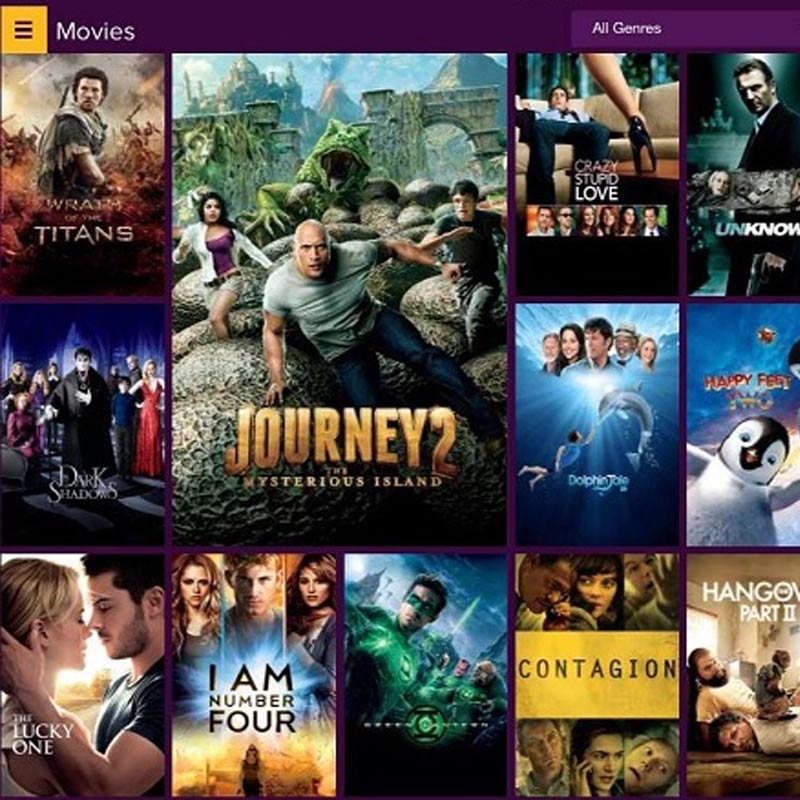
  • Shemaroo to further focus on digital

    Shemaroo to further focus on digital

    MUMBAI: Content aggregation and distribution company Shemaroo Entertainment is going into an overdrive on the digital ecosystem. And it’s working for the firm which is quoting currently at Rs 382 (on Wednesday 03pm) on the Bombay stock exchange.

    In an interview with CNBC TV18 on 20 December, Shemaroo’s wholetime director and CFO Hiren Gada said, “Digital is currently contributing 20 per cent of its top line revenues,” and growth has been at a healthy 50 per cent and more.

    Gada further elaborated that around Rs 24 crore of its previous quarter’s revenues of around Rs 100 crore came courtesy digital or new media. He was specially buoyant about the 4.5 million views per day that its channels on YouTube were generating. Its mother channel Shemaroo had 2.28 million subscribers, Filmi Gaane had 1.8 million subscribers, Shemaroo Movies had 431,579 subscribers, and Shemaroo Kids had 281,000 subscribers cumulatively generating 1.42 billion views, 1.26 billion views, 142 million views and 186 million views, respectively.

    “So, that kind of bears out as a strategy and conviction that the content strategy that we are following is getting tremendous traction with the audience,” he said.

    Gada disclosed that telcos such as Vodafone, Idea and Airtel which it has partnered are already adding a “large component of revenues” to the company’s topline. “Then, there are all these (platforms) which are the next level of services, some of which are nascent or new like Reliance Jio or Hotstar or iTunes or any other international platforms. They hold tremendous potential.”

    Gada added that the company’s content is unmissable. “.. given the kind of content we are sitting on, no one can run a meaningful Bollywood service without some content from Shemaroo. So, to that extent, we are either in talks or already deployed on many of the platforms that are already operating.”

    Gada was hopeful of maintaining or hiking the revenue growth levels of 50 per cent that its new media focus has been generating over the next quarter as well. He also highlighted that margins for this segment were also higher than for the company as a whole as operating costs are being kept in check.

    Shemaroo has also tied up with DTH operators such as Tata Sky, Dish TV and Airtel to run specialised value added services for them covering movies, comedy, religious songs.

  • Shemaroo to further focus on digital

    Shemaroo to further focus on digital

    MUMBAI: Content aggregation and distribution company Shemaroo Entertainment is going into an overdrive on the digital ecosystem. And it’s working for the firm which is quoting currently at Rs 382 (on Wednesday 03pm) on the Bombay stock exchange.

    In an interview with CNBC TV18 on 20 December, Shemaroo’s wholetime director and CFO Hiren Gada said, “Digital is currently contributing 20 per cent of its top line revenues,” and growth has been at a healthy 50 per cent and more.

    Gada further elaborated that around Rs 24 crore of its previous quarter’s revenues of around Rs 100 crore came courtesy digital or new media. He was specially buoyant about the 4.5 million views per day that its channels on YouTube were generating. Its mother channel Shemaroo had 2.28 million subscribers, Filmi Gaane had 1.8 million subscribers, Shemaroo Movies had 431,579 subscribers, and Shemaroo Kids had 281,000 subscribers cumulatively generating 1.42 billion views, 1.26 billion views, 142 million views and 186 million views, respectively.

    “So, that kind of bears out as a strategy and conviction that the content strategy that we are following is getting tremendous traction with the audience,” he said.

    Gada disclosed that telcos such as Vodafone, Idea and Airtel which it has partnered are already adding a “large component of revenues” to the company’s topline. “Then, there are all these (platforms) which are the next level of services, some of which are nascent or new like Reliance Jio or Hotstar or iTunes or any other international platforms. They hold tremendous potential.”

    Gada added that the company’s content is unmissable. “.. given the kind of content we are sitting on, no one can run a meaningful Bollywood service without some content from Shemaroo. So, to that extent, we are either in talks or already deployed on many of the platforms that are already operating.”

    Gada was hopeful of maintaining or hiking the revenue growth levels of 50 per cent that its new media focus has been generating over the next quarter as well. He also highlighted that margins for this segment were also higher than for the company as a whole as operating costs are being kept in check.

    Shemaroo has also tied up with DTH operators such as Tata Sky, Dish TV and Airtel to run specialised value added services for them covering movies, comedy, religious songs.

  • Eros Now gets 4-5 million subs from telcos & OEMs

    Eros Now gets 4-5 million subs from telcos & OEMs

    MUMBAI: Folks at Eros are popping bottles of champagne! Eros International’s OTT platform Eros Now has achieved two million paid subscribers worldwide through significant deals in place with all major telecom players in India such as Reliance Jio, Airtel, IDEA Cellular Network and Vodafone.

    Between the four platforms, there is a potential reach of 686 million subscribers which is almost 60 per cent of India’s total mobile user base of more than a billion. Jio has announced a user base of 52 million users in just a few months following their launch.

    “Our strategy remains to distribute Eros Now, a world class OTT platform, to consumers across telecoms and OEMs with compelling content and product features. We view the recent demonetization move in India as a great opportunity for the OTT business as more consumers are signing up for online and mobile pay systems. I am really excited about the exponential growth in front of Eros Now and am confident we will continue to consolidate our leadership position and first mover advantage,” said Eros Digital CEO Rishika Lulla Singh.

    These deals across 20 different telecom operators and OEMs alone provide visibility to a minimum of 4-5 million subscribers annually to Eros Now at an average annual ARPU of $4-5 in India and average annual ARPU of $35 internationally. Since these deals were agreed at various points in time in FY 2017, Eros Now will see the full year benefit of these deals flowing through in fiscal 2018. Most of these contracts are long term deals averaging five years.

    With a movie library of over 5,000 films and a further library of 5,000 films being added to this list, Eros Now plans to offer the widest repertoire of Indian movie content across any OTT platform in the world.

    In another development, Eros International’s Sanam Teri Kasam was one of the eight chosen films that were screened across 21 cities at the Bollywood Film Festival in Russia. The week-long event flagged off on 30 November.

    The film debuts Harshvardhan Rane and Mawra Hocane and is directed by Radhika Rao and Vinay Sapru. Rane was also invited for the film’s screening and was overwhelmed with the love and appreciation the movie received.

  • Eros Now gets 4-5 million subs from telcos & OEMs

    Eros Now gets 4-5 million subs from telcos & OEMs

    MUMBAI: Folks at Eros are popping bottles of champagne! Eros International’s OTT platform Eros Now has achieved two million paid subscribers worldwide through significant deals in place with all major telecom players in India such as Reliance Jio, Airtel, IDEA Cellular Network and Vodafone.

    Between the four platforms, there is a potential reach of 686 million subscribers which is almost 60 per cent of India’s total mobile user base of more than a billion. Jio has announced a user base of 52 million users in just a few months following their launch.

    “Our strategy remains to distribute Eros Now, a world class OTT platform, to consumers across telecoms and OEMs with compelling content and product features. We view the recent demonetization move in India as a great opportunity for the OTT business as more consumers are signing up for online and mobile pay systems. I am really excited about the exponential growth in front of Eros Now and am confident we will continue to consolidate our leadership position and first mover advantage,” said Eros Digital CEO Rishika Lulla Singh.

    These deals across 20 different telecom operators and OEMs alone provide visibility to a minimum of 4-5 million subscribers annually to Eros Now at an average annual ARPU of $4-5 in India and average annual ARPU of $35 internationally. Since these deals were agreed at various points in time in FY 2017, Eros Now will see the full year benefit of these deals flowing through in fiscal 2018. Most of these contracts are long term deals averaging five years.

    With a movie library of over 5,000 films and a further library of 5,000 films being added to this list, Eros Now plans to offer the widest repertoire of Indian movie content across any OTT platform in the world.

    In another development, Eros International’s Sanam Teri Kasam was one of the eight chosen films that were screened across 21 cities at the Bollywood Film Festival in Russia. The week-long event flagged off on 30 November.

    The film debuts Harshvardhan Rane and Mawra Hocane and is directed by Radhika Rao and Vinay Sapru. Rane was also invited for the film’s screening and was overwhelmed with the love and appreciation the movie received.

  • Branded Content isn’t all about visibility: Maxus ESP’s Pooja Verma

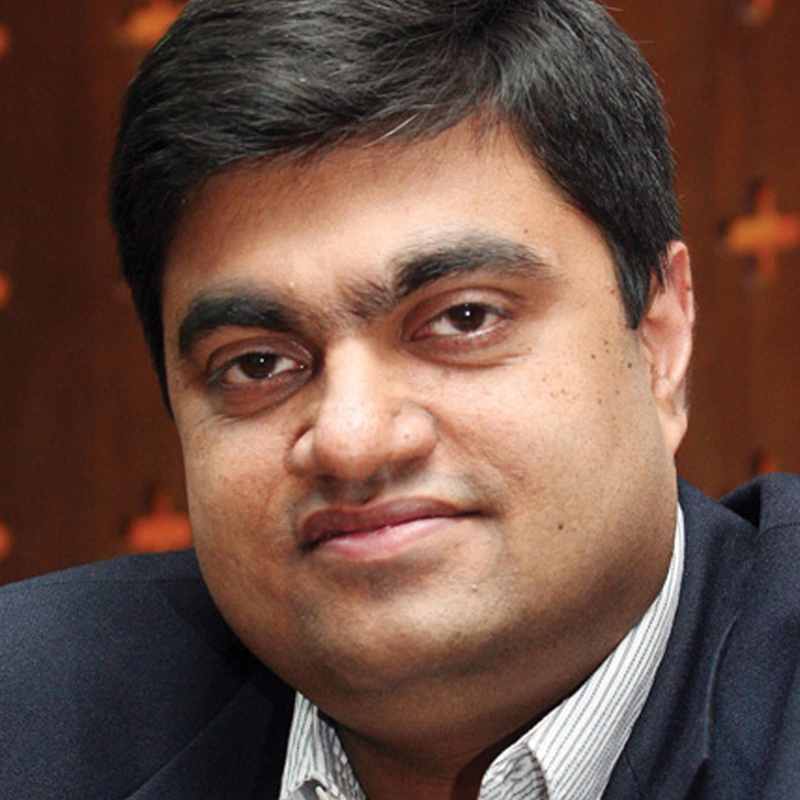
    Branded Content isn’t all about visibility: Maxus ESP’s Pooja Verma

    MUMBAI:  Gone are the days when brands would like a piece of  popular content and sponsor it, or spend some marketing budget over product placements. It starts with finding out the brand objectives first and matching it with the relevance of the content.  It is not limited to a movie association or being a title sponsor of a prime time show; a plethora of content is available for brands to smartly associate with. Moving on from simple sponsorship deals, brands are donning the role of content creators themselves, both, short and long form, on television and the digital media. Content or, more precisely, branded content, is the new buzz word in the industry, as digital is becoming the norm. Naturally, traditional brands look at it as a risk, the same way digital was spoken of 10 years ago.

    While there are several brands jumping the content bandwagon following a few success stories, it is important to understand what content will work for them, and when. That is when specialists such as Pooja Verma come in. Verma took on the role of head of content, Entertainment and Sports Partnerships  (ESP) at Maxus  a little over a year ago and  life has been very busy since, she happily shares.

    Maxus ESP, the content solutions arm of Maxus stepped up the branded content ante by facilitating some very innovative brand and content associations — Vodafone’s ‘Be Super’ that went live on Independence Day to promote its 4G connections, Maybellene and  Manmarziyan, Tata Tiago’s association with TVF’s Tripling, and recently Vodafone’s association for Rock On 2 are some of the golden examples.

    In a candid chat with indiantelevision’s Papri Das, Verma looks back on the year, and opens up on the current trends in branded content, Indian cinema’s prospects of building franchises, and what brands look for in a piece of content.

    Excerpts:

    What is the truth behind the current buzz for branded content?

    Media agencies understand that it is not about the 30-seconder anymore, ever since social media became the norm. Thus they are investing significantly in technology, data and content of-course. Storytelling is a big part of how brands want to bring its message alive.

    While digital as a medium has gone from  a risk to the norm, content or storytelling for brands has taken up that space. Words like ‘native advertising’, ‘content marketing’ are being thrown up, because today’s consumers aren’t interested in being talked down to. They want to participate and engage, and then make a conscious decision to whether associate with a particular content, brand or product.

    Therefore, good storytelling that is organic and intuitive and captures the essence of a brand is playing a much bigger role.

    Are brands really finding it appealing and willing to spend on it?

    Marketers, brands and advertisers are increasingly looking at content from a partnership perspective. The old concept of buying an IP or putting some money on show is being redefined. Content sponsorships have taken a much larger and smarter role.

    For example, a brand spending  Rs 10 in sponsoring a TV show now thinks how that money can work for the brand as if it were Rs 20. Which is where innovative partnerships come in. Yes, the run-of-the-mill sponsorship is the route taken but the difference is in how those sponsorships bring the brand alive. Moving forward that is the route we see becoming a norm for brands. Making the investment make harder for you and more memorable as well.

    2016 has seen some interesting brands-movie associations. Yet Bollywood has a long way to catch up to international cinema when it comes to being brand-friendly. What do you think is holding Bollywood back?

    I would give the industry credit for sitting up and taking notice. Firstly, stories are becoming central to the craft. The craft of storytelling and how it has changed is more than visible today. The thing with franchises is that it’s the next level. I can tell you very safely that the franchise culture will soon hit Bollywood as well. ‘Dhoom’ has three editions already. The way characters are being created shows that content makers, storytellers are thinking long term when making it. Characters around which you can spin another tale. That is great news for brands.

    Look at all the bond movies, Aston Martin for car, and the Omega watch is a given. I can’t say how soon India will adopt the franchise culture, but it will be sooner than you are expecting. Hollywood saw the franchise boom because the studios took notice of the opportunity in allied businesses. The good thing is brands have started budgeting annually for movie partnerships.

    At which point does a brand start its association with a piece of content?

    It is around the same time a story is conceived. The thing about branded content is — whether you look at it from the film lens, or the passion point lens of sports, live gigs and others, or from a pure-play content perspective of TV, digital etc — stories are at the center of it. The whole point is ‘a brand should be spoken of in the context of the right story, which the consumers can relate to. Brands should come in at a time when it spots a great story, knows that there is future to the story, characters are memorable, and the product or the brand seems organic to it.

    When it comes to films, studios take the call when stories come to them, and it is usually when they are making up mind for cast, shoot plans etc. Since it is a relationships based business, we are always in touch with the studios and keep an out for which film they are investing in.

    How pressing are clients when it comes to RoI from branded content? How do you measure the success of branded content for your clients?

    Looking for RoI is a given and rightly so. True, though, that the measurement of a successfully done brand integration is an industry wide debate. Everyone has a different opinion, a different take on how to measure. The way we look at it is not as simple as how many times a brand’s logo popped up in the content. It is not about how many times your brand’s name appears. It is equally if not more important to ask ‘How many people are speaking of the core thought of the  brand.’

    For example, when we did the ‘Be Super’ campaign for Vodafone during Independence Day, the entire exercise brought alive how one can be super. People were talking about it. Of course, we got good views on the video, but that 20 other things can get you. A 30-sec TVC also gets great views. Acknowledging that measurement in the field of branded content is important, however the lens needs to be changed a bit.

    How do you convince a traditional brand to agree to an unconventional brand association? What parameters do you follow to decide if particular content works for a brand?

    We focus in getting the context and relevance of the content that we are recommending  fits well with the brand. Then comes the efficacy of the platform itself. Then, we discuss how we are making it ‘discoverable’. These are the questions that keep brand managers up at night as well.

    There are two ways to approach it: art and science. Art is great story, memorable characters, uniqueness of content. The science part is platform, ‘discoverability,’ finding if it’s being delivered to the right TG, is it in line with the cultural codes of the brand.

    I have had a client keen on associating with Bigg Boss, but the brand’s message was socially inclined. I couldn’t possibly recommend that. Yes, your product might be spoken about, but the brand’s positioning in the market and the psychographics it wanted to fit in will not be matched with Bigg Boss. It is not about just visibility.

    Can you think of any brand associations in recent times that were a bad fit according to you?

    Quite a few, and the examples are not just from outside, some of them were done by us. The kind of branded content we are doing now didn’t have several decades of precedence. It takes time to figure out what works for a brand and what doesn’t. But, increasingly, brands are becoming more aware of the value that good branded content can bring them. And, it is only because these bad examples exist that I can speak about the good ones.

  • Branded Content isn’t all about visibility: Maxus ESP’s Pooja Verma

    Branded Content isn’t all about visibility: Maxus ESP’s Pooja Verma

    MUMBAI:  Gone are the days when brands would like a piece of  popular content and sponsor it, or spend some marketing budget over product placements. It starts with finding out the brand objectives first and matching it with the relevance of the content.  It is not limited to a movie association or being a title sponsor of a prime time show; a plethora of content is available for brands to smartly associate with. Moving on from simple sponsorship deals, brands are donning the role of content creators themselves, both, short and long form, on television and the digital media. Content or, more precisely, branded content, is the new buzz word in the industry, as digital is becoming the norm. Naturally, traditional brands look at it as a risk, the same way digital was spoken of 10 years ago.

    While there are several brands jumping the content bandwagon following a few success stories, it is important to understand what content will work for them, and when. That is when specialists such as Pooja Verma come in. Verma took on the role of head of content, Entertainment and Sports Partnerships  (ESP) at Maxus  a little over a year ago and  life has been very busy since, she happily shares.

    Maxus ESP, the content solutions arm of Maxus stepped up the branded content ante by facilitating some very innovative brand and content associations — Vodafone’s ‘Be Super’ that went live on Independence Day to promote its 4G connections, Maybellene and  Manmarziyan, Tata Tiago’s association with TVF’s Tripling, and recently Vodafone’s association for Rock On 2 are some of the golden examples.

    In a candid chat with indiantelevision’s Papri Das, Verma looks back on the year, and opens up on the current trends in branded content, Indian cinema’s prospects of building franchises, and what brands look for in a piece of content.

    Excerpts:

    What is the truth behind the current buzz for branded content?

    Media agencies understand that it is not about the 30-seconder anymore, ever since social media became the norm. Thus they are investing significantly in technology, data and content of-course. Storytelling is a big part of how brands want to bring its message alive.

    While digital as a medium has gone from  a risk to the norm, content or storytelling for brands has taken up that space. Words like ‘native advertising’, ‘content marketing’ are being thrown up, because today’s consumers aren’t interested in being talked down to. They want to participate and engage, and then make a conscious decision to whether associate with a particular content, brand or product.

    Therefore, good storytelling that is organic and intuitive and captures the essence of a brand is playing a much bigger role.

    Are brands really finding it appealing and willing to spend on it?

    Marketers, brands and advertisers are increasingly looking at content from a partnership perspective. The old concept of buying an IP or putting some money on show is being redefined. Content sponsorships have taken a much larger and smarter role.

    For example, a brand spending  Rs 10 in sponsoring a TV show now thinks how that money can work for the brand as if it were Rs 20. Which is where innovative partnerships come in. Yes, the run-of-the-mill sponsorship is the route taken but the difference is in how those sponsorships bring the brand alive. Moving forward that is the route we see becoming a norm for brands. Making the investment make harder for you and more memorable as well.

    2016 has seen some interesting brands-movie associations. Yet Bollywood has a long way to catch up to international cinema when it comes to being brand-friendly. What do you think is holding Bollywood back?

    I would give the industry credit for sitting up and taking notice. Firstly, stories are becoming central to the craft. The craft of storytelling and how it has changed is more than visible today. The thing with franchises is that it’s the next level. I can tell you very safely that the franchise culture will soon hit Bollywood as well. ‘Dhoom’ has three editions already. The way characters are being created shows that content makers, storytellers are thinking long term when making it. Characters around which you can spin another tale. That is great news for brands.

    Look at all the bond movies, Aston Martin for car, and the Omega watch is a given. I can’t say how soon India will adopt the franchise culture, but it will be sooner than you are expecting. Hollywood saw the franchise boom because the studios took notice of the opportunity in allied businesses. The good thing is brands have started budgeting annually for movie partnerships.

    At which point does a brand start its association with a piece of content?

    It is around the same time a story is conceived. The thing about branded content is — whether you look at it from the film lens, or the passion point lens of sports, live gigs and others, or from a pure-play content perspective of TV, digital etc — stories are at the center of it. The whole point is ‘a brand should be spoken of in the context of the right story, which the consumers can relate to. Brands should come in at a time when it spots a great story, knows that there is future to the story, characters are memorable, and the product or the brand seems organic to it.

    When it comes to films, studios take the call when stories come to them, and it is usually when they are making up mind for cast, shoot plans etc. Since it is a relationships based business, we are always in touch with the studios and keep an out for which film they are investing in.

    How pressing are clients when it comes to RoI from branded content? How do you measure the success of branded content for your clients?

    Looking for RoI is a given and rightly so. True, though, that the measurement of a successfully done brand integration is an industry wide debate. Everyone has a different opinion, a different take on how to measure. The way we look at it is not as simple as how many times a brand’s logo popped up in the content. It is not about how many times your brand’s name appears. It is equally if not more important to ask ‘How many people are speaking of the core thought of the  brand.’

    For example, when we did the ‘Be Super’ campaign for Vodafone during Independence Day, the entire exercise brought alive how one can be super. People were talking about it. Of course, we got good views on the video, but that 20 other things can get you. A 30-sec TVC also gets great views. Acknowledging that measurement in the field of branded content is important, however the lens needs to be changed a bit.

    How do you convince a traditional brand to agree to an unconventional brand association? What parameters do you follow to decide if particular content works for a brand?

    We focus in getting the context and relevance of the content that we are recommending  fits well with the brand. Then comes the efficacy of the platform itself. Then, we discuss how we are making it ‘discoverable’. These are the questions that keep brand managers up at night as well.

    There are two ways to approach it: art and science. Art is great story, memorable characters, uniqueness of content. The science part is platform, ‘discoverability,’ finding if it’s being delivered to the right TG, is it in line with the cultural codes of the brand.

    I have had a client keen on associating with Bigg Boss, but the brand’s message was socially inclined. I couldn’t possibly recommend that. Yes, your product might be spoken about, but the brand’s positioning in the market and the psychographics it wanted to fit in will not be matched with Bigg Boss. It is not about just visibility.

    Can you think of any brand associations in recent times that were a bad fit according to you?

    Quite a few, and the examples are not just from outside, some of them were done by us. The kind of branded content we are doing now didn’t have several decades of precedence. It takes time to figure out what works for a brand and what doesn’t. But, increasingly, brands are becoming more aware of the value that good branded content can bring them. And, it is only because these bad examples exist that I can speak about the good ones.

  • Hooq brings exclusive content for India

    Hooq brings exclusive content for India

    MUMBAI: Hooq has announced the addition of new exclusive set of DC titles to its already extensive content catalogue especially for its Indian audience. The new title includes illustrious and renowned names such as Supergirl, DC Legends of Tomorrow, Flash and Lucifer which will be available for Hooq users.

    Indian audiences can now view new episodes of Supergirl on the same day as the US premier. Hooq complimentary trials are available for postpaid customers of Airtel, Vodafone and ACT Fiber net.

    “The new addition of DC titles to our extensive library comes exclusively for our Indian audiences this time. This foregrounds how India is one of the key markets for HOOQ. We want to offer our customers the best and most exciting content from across the world and genres. HOOQ has one of the largest numbers of Hollywood titles and we are very excited to continuously add more content every month. With varied content on our platform, we aim to offer our audiences different flavors with an uninterrupted viewing experience. To propagate our efforts further, we have multiple partnerships in place, to give a few examples, the HOOQ complimentary trials are available for Postpaid customers of Airtel, Vodafone and ACT Fiber net. These partnerships will help consumer experience the freedom of viewing content anytime, anywhere with HOOQ and give them a window to what we have to offer,” said Hooq India MD Salil Kapoor.

    Supergirl is an American drama television series that is based on the comic character, Supergirl, a costumed superheroine cousin to Superman. The series is about Supergirl’s journey of becoming a National City protector and how she deals with the feud between Earth and its extraterrestrial communities. What’s more? Indian audiences would now be able to view new episodes of Supergirl on the same day as the US premier. Hooq users will have an access to a new episode every Wednesday for the series.

    Flash an American television series developed by Greg Berlanti, Andrew Kreisberg and Geoff Johns is based on the DC Comics character Barry Allen / Flash, a costumed superhero crime-fighter with the power to move at superhuman speeds.

    DC’s Legends of Tomorrow is an American superhero action-adventure television series. The show is a spin-off from Arrow and The Flash, existing in the same fictional universe. Lucifer is the story of a fallen angel who decides to retire and reside in Los Angeles

  • Hooq brings exclusive content for India

    Hooq brings exclusive content for India

    MUMBAI: Hooq has announced the addition of new exclusive set of DC titles to its already extensive content catalogue especially for its Indian audience. The new title includes illustrious and renowned names such as Supergirl, DC Legends of Tomorrow, Flash and Lucifer which will be available for Hooq users.

    Indian audiences can now view new episodes of Supergirl on the same day as the US premier. Hooq complimentary trials are available for postpaid customers of Airtel, Vodafone and ACT Fiber net.

    “The new addition of DC titles to our extensive library comes exclusively for our Indian audiences this time. This foregrounds how India is one of the key markets for HOOQ. We want to offer our customers the best and most exciting content from across the world and genres. HOOQ has one of the largest numbers of Hollywood titles and we are very excited to continuously add more content every month. With varied content on our platform, we aim to offer our audiences different flavors with an uninterrupted viewing experience. To propagate our efforts further, we have multiple partnerships in place, to give a few examples, the HOOQ complimentary trials are available for Postpaid customers of Airtel, Vodafone and ACT Fiber net. These partnerships will help consumer experience the freedom of viewing content anytime, anywhere with HOOQ and give them a window to what we have to offer,” said Hooq India MD Salil Kapoor.

    Supergirl is an American drama television series that is based on the comic character, Supergirl, a costumed superheroine cousin to Superman. The series is about Supergirl’s journey of becoming a National City protector and how she deals with the feud between Earth and its extraterrestrial communities. What’s more? Indian audiences would now be able to view new episodes of Supergirl on the same day as the US premier. Hooq users will have an access to a new episode every Wednesday for the series.

    Flash an American television series developed by Greg Berlanti, Andrew Kreisberg and Geoff Johns is based on the DC Comics character Barry Allen / Flash, a costumed superhero crime-fighter with the power to move at superhuman speeds.

    DC’s Legends of Tomorrow is an American superhero action-adventure television series. The show is a spin-off from Arrow and The Flash, existing in the same fictional universe. Lucifer is the story of a fallen angel who decides to retire and reside in Los Angeles

  • India to have a billion unique mobile subscribers by ’20; Delhi talent favourite

    India to have a billion unique mobile subscribers by ’20; Delhi talent favourite

    MUMBAI: The contribution of mobile industry to the country’s gross domestic product (GDP) amounts to approximately US$140 billion (Rs 9,60,783 crore), the Department of Industrial Policy and Promotion and the Department of Telecom recently reported. India’s current GDP employs over four million people. At present, at 6.5 per cent, the government of India has stated that the mobile industry’s contribution is likely to rise to 8.2 per cent by 2020.

    According to the report, India is expected to cross the one billion unique mobile phone subscribers mark by 2020. India will also see an increase in adoption of 4G services with number of 4G connections estimated to grow to 280 million by 2020 from just three million in 2015. Further, the report claimed that the mobile industry is expected to add 800,000 more jobs.

    A survey by human resource (HR) solutions company PeopleStrong suggested that Delhi has emerged as the most preferred region for hiring in telecom and allied sectors. Hiring intent in this sector is expected to increase from 16% in 2016 to 20% in 2017.

    In 2011-12, telecom sector contributed about 2.1 per cent of GDP with revenue of Rs 1,85,930 crore while, due to the increase in revenue next year to Rs 2,07,498 crore, the net contribution came down to 2.07 per cent. The revenue generated by the telecom sector in 2014-15 was Rs 2,42,900 crore, making it a contribution of 1.94 per cent to GDP.

    Vodafone tops the list of investments with Rs 10,299 crore ($1,500.79 million) followed by Videocon International Electronics with Rs 4924 crore ($719.76 million). At third position stands Telenor at $573.15 million followed by Sistema Shyam Teleservices $451.83 million, Bharti Infratel $240.37 million, and Idea Cellular $123.22 million.

    PeopleStrong CEO Pankaj Bansal said Delhi’s emergence for hiring could be attributed to the availability of the engineering and general graduate talent pool in this area or to the fact that many telecom and allied industries are headquartered in Delhi NCR.

  • India to have a billion unique mobile subscribers by ’20; Delhi talent favourite

    India to have a billion unique mobile subscribers by ’20; Delhi talent favourite

    MUMBAI: The contribution of mobile industry to the country’s gross domestic product (GDP) amounts to approximately US$140 billion (Rs 9,60,783 crore), the Department of Industrial Policy and Promotion and the Department of Telecom recently reported. India’s current GDP employs over four million people. At present, at 6.5 per cent, the government of India has stated that the mobile industry’s contribution is likely to rise to 8.2 per cent by 2020.

    According to the report, India is expected to cross the one billion unique mobile phone subscribers mark by 2020. India will also see an increase in adoption of 4G services with number of 4G connections estimated to grow to 280 million by 2020 from just three million in 2015. Further, the report claimed that the mobile industry is expected to add 800,000 more jobs.

    A survey by human resource (HR) solutions company PeopleStrong suggested that Delhi has emerged as the most preferred region for hiring in telecom and allied sectors. Hiring intent in this sector is expected to increase from 16% in 2016 to 20% in 2017.

    In 2011-12, telecom sector contributed about 2.1 per cent of GDP with revenue of Rs 1,85,930 crore while, due to the increase in revenue next year to Rs 2,07,498 crore, the net contribution came down to 2.07 per cent. The revenue generated by the telecom sector in 2014-15 was Rs 2,42,900 crore, making it a contribution of 1.94 per cent to GDP.

    Vodafone tops the list of investments with Rs 10,299 crore ($1,500.79 million) followed by Videocon International Electronics with Rs 4924 crore ($719.76 million). At third position stands Telenor at $573.15 million followed by Sistema Shyam Teleservices $451.83 million, Bharti Infratel $240.37 million, and Idea Cellular $123.22 million.

    PeopleStrong CEO Pankaj Bansal said Delhi’s emergence for hiring could be attributed to the availability of the engineering and general graduate talent pool in this area or to the fact that many telecom and allied industries are headquartered in Delhi NCR.