Tag: Vizeum

  • Gaurav Saxena steps up as associate director at Havas Media Network

    Gaurav Saxena steps up as associate director at Havas Media Network

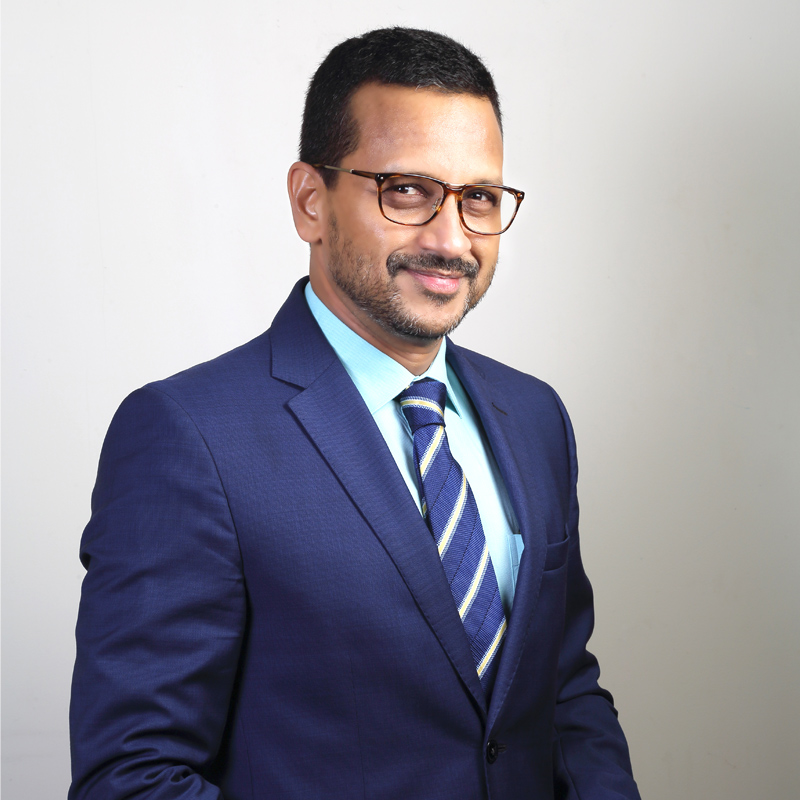
    MUMBAI: Gaurav Saxena is riding a wave of momentum at Havas Media Network, clinching a promotion to associate director after nearly four years of sharp planning, strategic buys, and delivering results that clients love to brag about.
    Armed with more than nine years of experience in optimising, negotiating, and snapping up prime media real estate across TV, radio, and print, Saxena has earned a reputation for mixing market insight with financial discipline — squeezing every drop of ROI from client budgets.
    His journey has criss-crossed some of the industry’s biggest names, with stints at Omnicom Media Group, GroupM, and Vizeum, before parking himself firmly at Havas, where he rose through the ranks from buying manager to media group head, and now associate director.
    Known for his calm critical thinking and strong vendor relationships, Saxena has consistently translated high-stakes briefs into high-impact campaigns. Whether crafting media plans or negotiating killer rates, he brings the same passion to every challenge — and it’s clearly paying off.

  • Media veteran Yesudas S Pillai and his personal  Tata Mumbai Marathon triumph

    Media veteran Yesudas S Pillai and his personal Tata Mumbai Marathon triumph

    MUMBAI: You don’t seem to be getting  it right, no matter how hard you try, should you just surrender and give up? 

    Surrender yes, but, don’t give up , is  the advice of media veteran Yesudas Pillai.

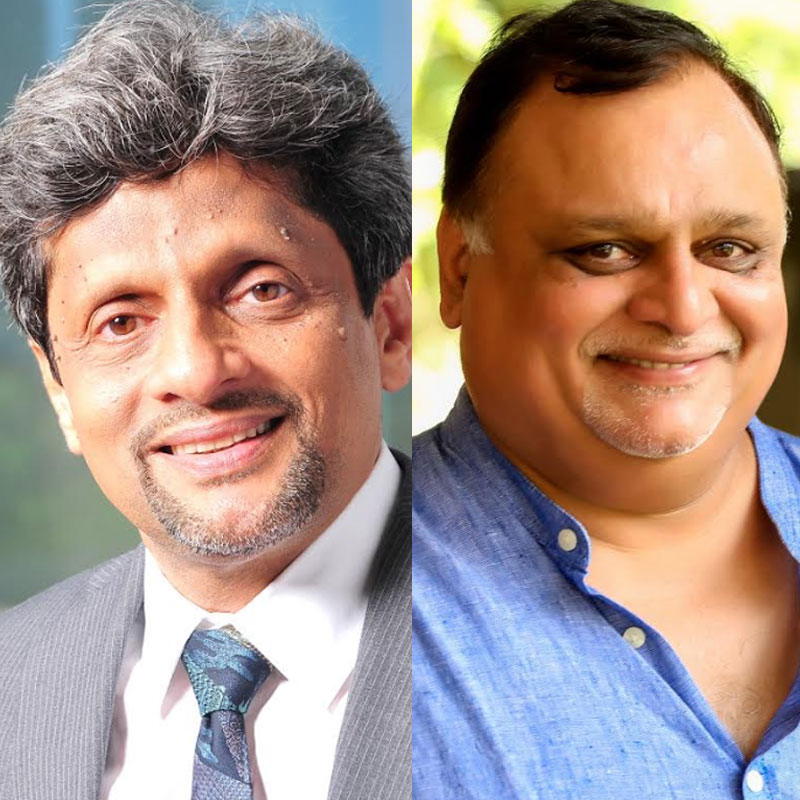
    Yesu  completed the  Tata Mumbai Marathon half marathon with a time  of 2:20 : 36 seconds on the morning of 19 January. In the process, he shaved 10-20 minutes off what he had managed to clock over the past couple of seasons. His  determination and hard work paid off. This milestone victory is the culmination of months of intense training and dedication for Yesu.

    After struggling with his fitness last season, averaging times between 2 hours 30  minutes and 2 hours 40 minutes  he vowed to rebuild and push himself to new heights. The result is a testament to his unwavering commitment to fitness and his ability to overcome adversity.(His previous personal best is 2:02 minutes, however). 

    “I’m overjoyed and humbled by my achievement,” Pillai said. “It’s not just about the time; it’s about the journey, the struggles, and the triumphs. I believe that setbacks are an opportunity for growth, and this experience has taught me to stay focused and push through difficulties. “

    “It’s hard to put into words how it feels to see the results of sheer determination and hard work. This is more than just about a marathon; it’s a reminder that setbacks aren’t the end—they’re just a setup for comebacks,” he added. “To anyone struggling in their own race, remember: progress is progress, no matter how small. Keep pushing, keep believing, and trust the process. The finish line feels that much sweeter when you’ve earned it.”

    Yesu’s  impressive feat showcases his remarkable resilience and perseverance. His journey to run long distance is a true inspiration to anyone striving to achieve their goals.

    As a successful entrepreneur, Yesu has built a reputation for driving innovation and excellence in the business world. His company, Y&A Transformation, helps enterprises connect with their customers by simplifying complex practices and leveraging cognitive and intuitive approaches.

    In addition to his entrepreneurial pursuits, Yesu is an avid cyclist and marathon runner, with a proven track record of 28 years in business building. He has founded and led successful ventures like Triggerbridge and has been involved in various business initiatives, including the launch of Channel Factory, a YouTube measurement partner certified by Google.

    Yesu’s achievements are a testament to his boundless energy, dedication, and innovative spirit. His remarkable accomplishment in the Tata Mumbai Marathon serves as a reminder that, with determination and hard work, anything is possible.

  • S Yesudas launches Y&A Transformation

    S Yesudas launches Y&A Transformation

    MUMBAI: S Yesudas, former MD and co-founder of Triggerbridge and MD Vizeum (Dentsu Aegis) has launched his new venture, a business transformation company, Y&A Transformation.

    Y&A is a pureplay business transformation company and works with the vision of helping enterprises erase the legacy #BestPractices mindset to build the #NextPractices in the areas of digital, tech, data, content, customer centricity, marketing ROI, organisation culture and CSR/sustainability.

    Talking about the road ahead, Yesudas said, “We are very fortunate to have the support of clients who believe in our philosophy, from day one. As a result, the operation kickstarted with some revenue; unheard of, otherwise. We are building very agile, collaborative, innovative and adaptive framework, tools and processes, which are detailed on our website www.ynatransformation.comWe will help forward-looking clients with all the necessary support to get the very best out of the ever dynamic digital ecosystem where speed is the necessity. We don’t believe data in its current avatar allows clients to take bold and beautiful decisions on customer centricity. And we believe, most attributions being tracked to paid efforts are contrary to the reality of the testimonial economy.  We find it funny when “targeted” and “exposure” are used in the same breath. We are here to make a big difference to clients and compel the agencies to re-think.”

    S Yesudas has spent over two decades in the media business, where he helped launch agencies, for Lintas, Dentsu Aegis; scaled up existing ones, for TrikayaGrey,  RK Swamy BBDO and Initiative Media, both in India and overseas markets. He added immense value to his clients, built front-running managers, two youngsters from his team even represented India at the Cannes way back in 2008 and he also received many industry recognitions. He has been a jury member for various industry awards including the Festival of Media and Spikes Asia.

    Yesudas is an avid cyclist and a marathon runner.

  • The rise of young execs in agencies

    The rise of young execs in agencies

    MUMBAI: When you walk into a government office or a bank, chances are you will find over half the employees above the age of 35 years. The office environment is dull, boring and serious. On the contrary, if you were to visit an advertising agency, you would be surprised to see young executives driving the growth for the company and donning the executive hat. Today, agencies don’t blink an eye before appointing exes who are as young as 25 years and oh boy, they run the company!

    Generation-Y is the first generation that grew up with the internet, and these youngsters, also termed as millennials, are used to having everything at their fingertips. They are pragmatic, connected, bold, and eclectic. Millennials also have a heightened social consciousness compared to previous generations. They believe they can change the world and are not afraid to take risks and challenge the status quo. They are forthright and fearless, insist that their voices are heard, keen to share their ideas, opinions and views on a subject, not afraid of hierarchies to ask questions. This obviously leads to a positive business impact and makes them a great asset for companies.

    Big brands hop onto campus placements to source the next wave of fresh talent for their businesses or offer internships that turn into fully fledged employment. The world’s largest advertising media company, GroupM, hires close to 30 leadership trainees from the top B-schools and they undergo a six-month training before they are assigned to their roles. GroupM also hires lateral talent from premier B-schools due to which they are able to assign bigger roles to them fairly early in their careers.

    iProspect India CEO Rubeena Singh notes that we are currently in the digital age of disruption and millennials are better equipped to navigate it. They are usually more abreast with the latest in technology and are comfortable in using it for seeking solutions. In many ways, they are making agencies more tech-savvy, helping them meet complex client needs in a fast-changing digital economy.

    Mentioning that this generation has led to breaking silos and more collaboration, which is good for clients and agencies, Singh believes this is because millennials tend to work across departments, tapping into broader expertise rather than struggling on their own in the hope of claiming the glory. She adds that they are quick learners and are willing to go the extra mile, not limited to a hierarchy or an insular structure and the focus is on getting the job done.

    Having internal employee mobility programmes is the core of ensuring talent retention and elevating the younger lot to explore various roles early in their career. GroupM chief HR and talent officer of South Asia Rohit Suri mentions that the group runs an extensive employee mobility program which provides its employees the opportunity to apply for various roles within the organisation in India and across the region and GroupM India is the largest exporter of talent to the APAC region.

    Agencies are also increasingly investing in employee training programmes which help them in updating their skills and talent. Media agency Vizeum appoints its star performers to a program called Route 500 every year wherein such candidates are accorded disproportionate training and development opportunities and a fast track growth path within the network.

    India’s largest integrated communications agency Ogilvy undertakes leadership sessions to enhance the younger generation’s skills through workshops and training sessions. Ogilvy India national head of talent and HR Monty Bharali believes that learning interventions potentially accelerate a professional’s capability and possibly, growth and these days that’s very welcome.

    The people and teams are usually the backbone of a company. Without them, it’s impossible to run a business, especially one involving servicing. Investing in talent is extremely crucial for companies as it’s now almost a prerequisite for organisations to have development programmes for their employees. iProspect has a number of programmes to nurture talent and give its employees scope to move forward. A program such as NEXTGEN is designed for individuals to identify their calibre and accelerate their career to a higher / leadership level, employee exchange programs providing them with the opportunity for knowledge sharing and collaboration across global markets, iProspect University which is a central learning platform, Certified iProspect Learning Series that is crafted for employees to be informed on every aspect of digital marketing, national and international conferences, employee of the month title and fun Fridays.

    The millennial employee group is extraordinarily creative, believes in excellence and is impatient to be shown in all of its capabilities. In an organisation built around creativity and excellence, its human capital will always be the greatest strength. Bharali opines that it’s essential to retain great young talent today as agility and adaptability are the need of the hour.

    Young talent is probably the most expensive asset for agencies and Vizeum media associate general manager Saumya Agarwal points that talent retention continues to gain more importance as the availability of right talent remains a big challenge and it takes far more time, energy and money to replace than to groom an existing talent.

    On a different note, The Glitch co-founder and content chief Varun Duggirala thinks that the idea should not be talent retention but talent farming. “Companies need to build great talent, nurture them and if and when they move on, be happy that you’ve sent the right kind of talent into the world,” he says.

    One can criticise millennials for being fickle job-hoppers who show little interest in their work, but they actually care more about professional development than the previous generations which will only lead to more young executives in the industry going forward.  

    ALSO READ:

    The Glitch to leverage GroupM data to reach rural India

    We focus on employee learning & development: Rohit Suri, GroupM

    How agencies deal with defaulters

    Has advertising finally begun to embrace AI?


  • Vizeum launches Binary, special advisory unit for media clients

    Vizeum launches Binary, special advisory unit for media clients

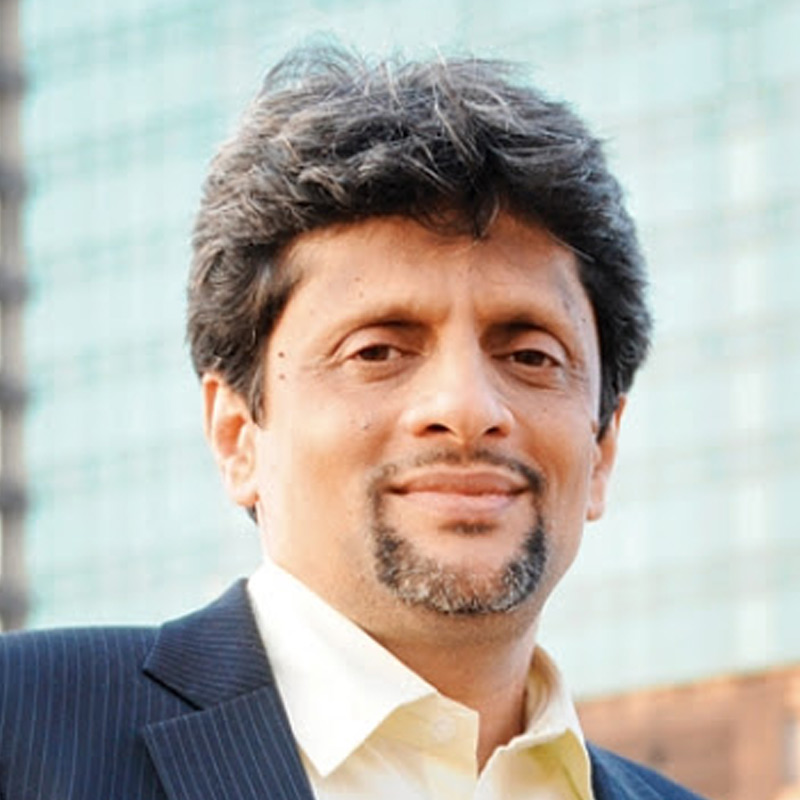
    Mumbai: “Media business is, in the short term, headed for a tipping point, driven by the changing consumer-media interface,” emphasises Vizeum India MD Shripad Kulkarni, who strongly believes that media companies need a definitive transformation strategy in place now.

    “While planning marketing communication for a media client, an agency’s focus is on acquiring new customers/ audience and retaining them. Thus, you have to wear very different hats,” Kulkarni states, speaking exclusively to indiantelevision.com.

    Keeping these two point of views in mind, Vizeum has launched a strategic advisory and consultancy for media networks in the print/TV and radio domain. “We are currently establishing a separate specialist team outside our media planning and buying outfit to handle media clients, because it needs a unique orientation and perspective,” Kulkarni asserts. This unit will be headed by Shilpa Dhanu, who has over 20 years’ experience in media strategy and Marcom with TV channels.

    The agency also caters to several major media clients including Viacom18. Dentsu Aegis Network strengths in Digital are unparalleled and this is a major advantage Vizeum has. With Isobar, iProspect WATConsult and Web Chutney they have a suite of companies specialising in every major aspect of digital depending on the need.

    As an entrepreneur, Kulkarni has good experience in consulting and training media organisations such as Indian Newspaper Society, Sony Television, Red FM and many other media companies. Binary thus claims to have just the right combination of old-world learning and new-age solutions for the challenges faced by mainstream media.

    The service would offer focused transformation strategies and customised solutions for TV channels, radio stations and print media. The service covers two modules which would be customised to each media network as per the specific need of the business. India is a market where mainstream media is still growing. So managing the transition is an immediate plan of action. But there must be a Digital Transformation Roadmap.

    The Transition module covers four services :1) New age pricing and sales strategies for revenue maximisation titled RevenueMax; 2) A holistic marcom strategy relevant in the new milieu called True 3600; 3) Trainware to getting the team trained for the new age challenges and 4) Sales Assist: technology based real time sales support.

    This will also include update on various happenings and trends across media, competitive analysis of rates across regional publications, analysis of ad spends by category for TV and print, special analysis of various databases like IRS/TAM/TGI are some of the specialised offerings of this advisory. Under this module, the special unit will also cater to the client’s creative requirements as per the marketing communications plans.

    The transformation roadmap, likewise covers five stages : a digital review covering an audit, evaluating the business model and assessment of the new business model needs, content strategy, assessing routes for the ‘new company’, followed by digital transformation roadmap. “This is a unique Service and I am quite bullish on the business prospects,” Kulkarni added.

    Kulkarni strongly believes that media companies, although are brands themselves, have special media management requirements that is distinct from a FMCG or automobile brand. “The fact that a brand comes to a media company to reach out to an audience differentiates it from a regular advertiser,” he said.

    Vizeum India was recently awarded the media duties of one of the giants of film studio – Warner Bros Pictures. Following the win, the first movie from the Warner Bros slate that Vizeum worked on was “The Conjuring 2.” For the record, after the theatrical run of its recent release Batman v Superman, Warner Bros has now lined up as many as 15 new releases in 2016. Apart from this, the agency also caters to several major media clients including Viacom18.

    To how media clients spend differently than other brands, Kulkarni added that films and television channels operate on different ecosystem altogether. “Speaking specifically of television channels, to start with, we consider how it can use its own channel differently, because at the end of the day the broadcaster is a medium of its own. Brands and advertisers come to a broadcaster, so that its his strength. Maximising own media is the starting point. The second question a broadcaster asks is how it can maximise its reach through its home network,” Kulkarni explains.

    Keeping a clear idea of the end goal makes the planning sharper and more efficient. “The broadcaster needs to be sure of what it is chasing — new audience, or the channel’s loyal audience or home network. The media planners then need to ask if its client’s chasing the end goal through one property or multiple property, and what will get it tune ins. That’s the single-minded proposition. Because, once the tune-in happens, the channel, and the program take care of the rest,” Kulkarni adds.

    In that way films and channels are similar; in both cases the opening week or weekend (for the former) makes a huge difference.

    As per industry guesstimates, on an average, a leading GEC spends Rs 25 to 30 crore worth of media within its home network in the first two to three weeks of a show launch. If one were to monetise the value of the media, the channels’ use in it own network, it is the value of the advertising opportunity the broadcaster has lost. Beyond this, a channel can spend close to Rs 1 crore–5 crore if ‘across network’ promotion is involved, which would include outdoor and on-ground activation as well. This figure may rise up to Rs 10 crore if the channel’s home network isn’t strong enough.

  • Vizeum launches Binary, special advisory unit for media clients

    Vizeum launches Binary, special advisory unit for media clients

    Mumbai: “Media business is, in the short term, headed for a tipping point, driven by the changing consumer-media interface,” emphasises Vizeum India MD Shripad Kulkarni, who strongly believes that media companies need a definitive transformation strategy in place now.

    “While planning marketing communication for a media client, an agency’s focus is on acquiring new customers/ audience and retaining them. Thus, you have to wear very different hats,” Kulkarni states, speaking exclusively to indiantelevision.com.

    Keeping these two point of views in mind, Vizeum has launched a strategic advisory and consultancy for media networks in the print/TV and radio domain. “We are currently establishing a separate specialist team outside our media planning and buying outfit to handle media clients, because it needs a unique orientation and perspective,” Kulkarni asserts. This unit will be headed by Shilpa Dhanu, who has over 20 years’ experience in media strategy and Marcom with TV channels.

    The agency also caters to several major media clients including Viacom18. Dentsu Aegis Network strengths in Digital are unparalleled and this is a major advantage Vizeum has. With Isobar, iProspect WATConsult and Web Chutney they have a suite of companies specialising in every major aspect of digital depending on the need.

    As an entrepreneur, Kulkarni has good experience in consulting and training media organisations such as Indian Newspaper Society, Sony Television, Red FM and many other media companies. Binary thus claims to have just the right combination of old-world learning and new-age solutions for the challenges faced by mainstream media.

    The service would offer focused transformation strategies and customised solutions for TV channels, radio stations and print media. The service covers two modules which would be customised to each media network as per the specific need of the business. India is a market where mainstream media is still growing. So managing the transition is an immediate plan of action. But there must be a Digital Transformation Roadmap.

    The Transition module covers four services :1) New age pricing and sales strategies for revenue maximisation titled RevenueMax; 2) A holistic marcom strategy relevant in the new milieu called True 3600; 3) Trainware to getting the team trained for the new age challenges and 4) Sales Assist: technology based real time sales support.

    This will also include update on various happenings and trends across media, competitive analysis of rates across regional publications, analysis of ad spends by category for TV and print, special analysis of various databases like IRS/TAM/TGI are some of the specialised offerings of this advisory. Under this module, the special unit will also cater to the client’s creative requirements as per the marketing communications plans.

    The transformation roadmap, likewise covers five stages : a digital review covering an audit, evaluating the business model and assessment of the new business model needs, content strategy, assessing routes for the ‘new company’, followed by digital transformation roadmap. “This is a unique Service and I am quite bullish on the business prospects,” Kulkarni added.

    Kulkarni strongly believes that media companies, although are brands themselves, have special media management requirements that is distinct from a FMCG or automobile brand. “The fact that a brand comes to a media company to reach out to an audience differentiates it from a regular advertiser,” he said.

    Vizeum India was recently awarded the media duties of one of the giants of film studio – Warner Bros Pictures. Following the win, the first movie from the Warner Bros slate that Vizeum worked on was “The Conjuring 2.” For the record, after the theatrical run of its recent release Batman v Superman, Warner Bros has now lined up as many as 15 new releases in 2016. Apart from this, the agency also caters to several major media clients including Viacom18.

    To how media clients spend differently than other brands, Kulkarni added that films and television channels operate on different ecosystem altogether. “Speaking specifically of television channels, to start with, we consider how it can use its own channel differently, because at the end of the day the broadcaster is a medium of its own. Brands and advertisers come to a broadcaster, so that its his strength. Maximising own media is the starting point. The second question a broadcaster asks is how it can maximise its reach through its home network,” Kulkarni explains.

    Keeping a clear idea of the end goal makes the planning sharper and more efficient. “The broadcaster needs to be sure of what it is chasing — new audience, or the channel’s loyal audience or home network. The media planners then need to ask if its client’s chasing the end goal through one property or multiple property, and what will get it tune ins. That’s the single-minded proposition. Because, once the tune-in happens, the channel, and the program take care of the rest,” Kulkarni adds.

    In that way films and channels are similar; in both cases the opening week or weekend (for the former) makes a huge difference.

    As per industry guesstimates, on an average, a leading GEC spends Rs 25 to 30 crore worth of media within its home network in the first two to three weeks of a show launch. If one were to monetise the value of the media, the channels’ use in it own network, it is the value of the advertising opportunity the broadcaster has lost. Beyond this, a channel can spend close to Rs 1 crore–5 crore if ‘across network’ promotion is involved, which would include outdoor and on-ground activation as well. This figure may rise up to Rs 10 crore if the channel’s home network isn’t strong enough.