Tag: Vivek Couto

  • Difficult to balance consumer interest with stakeholder objectives: TRAI’s RS Sharma

    Difficult to balance consumer interest with stakeholder objectives: TRAI’s RS Sharma

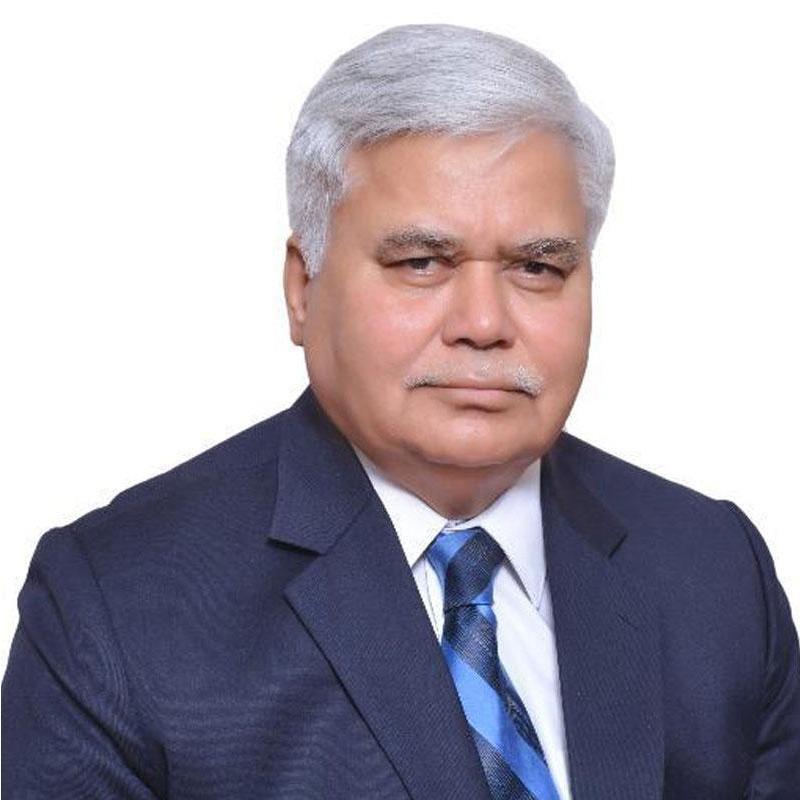
    NEW DELHI: Telecom Regulatory Authority of India chief RS Sharma, on Thursday, demystified myths and impressions about the regulation of the sector in a panel discussion at FICCI FRAMES 2020.

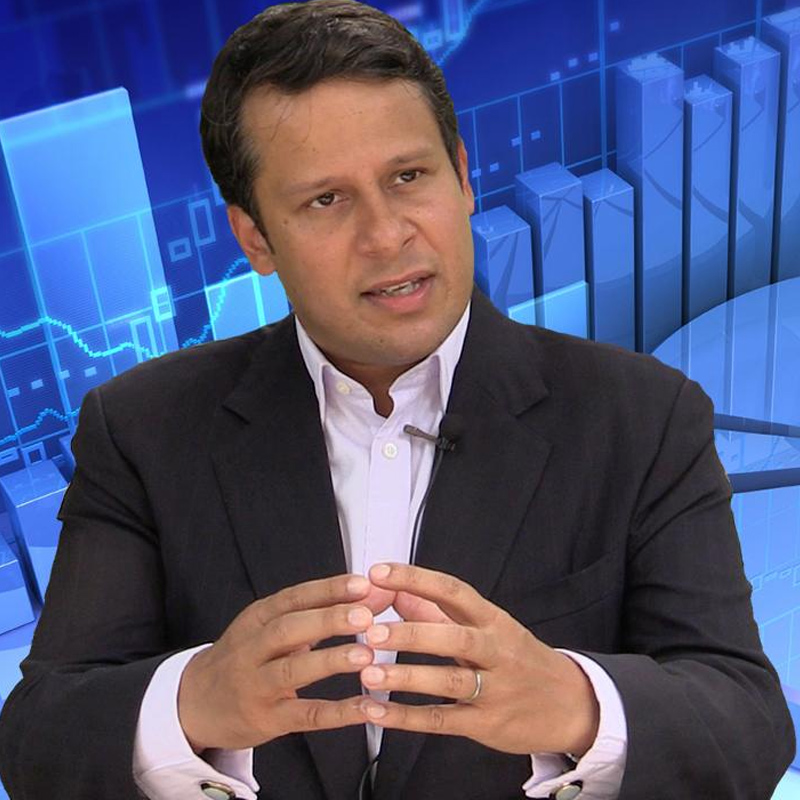
    He said that it is immensely difficult for regulators to strike a balance between consumer interest and objectives of other stakeholders. Sharma commented when Media Partner Asia executive director and co-founder Vivek Couto asked about heavy-handed TV regulations.

    "The objective of TRAI is to ensure the interest of consumers, stakeholders, distributors and creators and ensure there is a growth of the sector. Since 2004 to 2017, there were price caps. If you put these price caps, it disincentivises the producers. Why should I keep any control on pricing? The industry thinks the regulator is heavy-handed and the regulator thinks they are light touch. The basic approach TRAI has had in regulating this sector is that we have adopted a light-touch approach and allowed market forces to operate in this space. We believe that the market is the best determinant and accelerator for the adoption of new technologies and satisfying consumers, so long as there is fair play, transparency, non-discrimination. Then, we don’t need to intervene.”

    Sharma emphasised that for regulators consumers’ choice will always have major importance.

    Speaking about the evolution of the sector and change in consumption patterns of viewers, he pointed out that proliferation of cheap data that will drive OTT services.

    According to the new tariff order (NTO), consumers could choose the TV channels they want to watch and pay only for them at maximum retail prices (MRPs) set by broadcasters, instead of the pre-set bouquets offered earlier. It was said that the NTO will make channels cheaper but it seems prices of like-to-like option went up. Sharma argued that the amendments to NTO and the TRAI channel selector app were introduced to make things transparent for consumers.

    “As technology moves forward, with 5G, there will be more disruption and change in watching habits. Emerging trends will necessitate a new framework. Regulation should ensure that technological developments are not throttled or scuttled. They should be allowed to grow and take place," he said.

    Meanwhile, the ministry of information & broadcasting additional secretary Atul Kumar Tiwari spoke on the contentious subject of regulatory structure for OTT platforms. He said, "We invited them to come back to us with some kind of self-regulatory mechanism. We would like to have a light-touch regulation but there has to be some kind of regulation on the streaming content."

  • MPA announces launch of APOS 2020 Virtual Series

    MPA announces launch of APOS 2020 Virtual Series

    MUMBAI: APOS, the defining voice and global platform for the Asia Pacific media, telecoms and entertainment industry, is shifting online in 2020 with two virtual editions on 21-23 July and 1-3 September 2020.

    Created and curated by Media Partners Asia (MPA), the APOS 2020 Virtual Series provides unparalleled conversations, insights and connectivity across global markets, uniting diverse industry leaders and players focused on addressing the challenges and future catalysts for growth and investment across media, entertainment, sports, telecoms and technology sectors. 

    “Bringing together TMT industry leaders across continents to provide strategic vision online with interactive and on-demand functionality, the APOS 2020 Virtual Series will be a definitive experience and knowledge platform, enabling key stakeholders to navigate the future of video globally with a special focus on Asia Pacific,” said MPA executive director Vivek Couto.

    KEY TOPICS

    Asia's Path to Recovery

    The world faces major economic challenges in the midst of the pandemic. What does the path to recovery look like and which countries have momentum as economic activity resumes? What policies need to be emphasized?

    Investment Dynamics

    With depressed valuations, markets are signalling downgraded views of profitability. How true is this narrative and what structural changes do key players need to embrace? How can consolidation across key verticals and geographies generate synergies and value? What are the potential sources of funding?

    Priming the Advertising Pump

    After more than three months of Covid2019-induced hibernation, brands and advertisers are re-engaging with consumers. What are the new priorities for marketers and advertisers? How are advertisers working with media owners to engage with audiences to accelerate growth?

    Rise of The Streaming Economy

    1H 2020 has witnessed unprecedented growth in online video consumption. Does this represent a fundamental change in behaviour or is it temporary? Has this accelerated OTT scalability? Will libraries be sufficiently deep and the consumer experience positive enough to retain users? What specific strategies need to be implemented to see that gains are expanded?

    The Future of TV

    With viewership higher than any time in recent history, traditional TV retains vitality. But ad revenues are shrinking and, in most markets, subscription revenues are under pressure as existing business models are stressed. How are key players managing the present and positioning themselves for the future?

    Connectivity and The Bundle

    The demand for broadband is stronger than ever. What are the implications for fibre broadband and 5G in emerging markets? What is the potential for new bundles and partnerships to meet consumer entertainment needs?

    Live Sport's Future

    With shortened or eliminated play seasons, dramatically reduced sports attendance, TV rights obligations under review, and pay-TV sports bundles under pressure, many issues are compressing professional league profits. How are leagues responding? Will an incremental bridge to next year surface or is a more radical approach required?

    Opportunities in Online Gaming

    A multibillion-dollar industry with its own ecosystem, from IP creation to distribution, has seen unprecedented demand over the last 6 months. What does the future roadmap look like for the online gaming ecosystem and which parts of the value chain will benefit most?

    The Creative Economy

    With unparalleled demand for video content and social distancing norms stressing traditional production processes, how are the current challenges for content creation being navigated and what is online video’s evolving impact on storytelling?

    Premium Video Advertising

    While consumption has spiked, low realization rates plague the sector. What are the strategies to fuel the growth of AVOD as global social video platforms, connected platforms and local broadcasters expand the digital video advertising pie?

    Theatrical Trends

    Theatres have been closed. Hollywood tentpoles delayed while other films go direct to VOD. Social distancing is the new normal. How are producers and exhibitors responding to this unprecedented environment?

    Phygitisation and the Video-First Future of E-commerce

    E-commerce is pervasive. Short video apps are starting to look more like commercials, but e-commerce apps may also have to become video apps as the lines between the two start to blur. In parallel, new hybrid ‘phygital’ models are developing in large scale emerging markets.

    CONFIRMED SPEAKERS

    Over two series (alphabetical company order): 

    .          Allen Lew, Chairman, AIS

    ·         Somchai Lerstutiwong, CEO, AIS

    ·         Mike Hopkins, SEVP, Amazon Prime Video and Amazon Studios 

    ·         Henry Tan, Group CEO, Astro

    ·         Nicholas Swierzy, Group Chief Strategy Officer, Axiata

    ·         Sunil Taldar, MD, Bharti Airtel DTH India 

    ·         Kishore Moorjani, Senior MD, Blackstone Group 

    ·         Kevin Mayer, CEO, TikTokand COO, ByteDance

    ·         Manuel Rougeron, EVP, APAC, Canal+

    ·         Peter Chernin, Founder and CEO, Chernin Entertainment

    ·         Jean-Briac (JB)Perrette, President and CEO, Discovery Networks International

    ·         Alvin Sariaatjama, CEO, Emtek

    ·         Ajit Mohan, CEO, Facebook India

    ·         Scott Lorson, CEO, Fetch TV

    ·         Patrick Delany, CEO, Foxtel

    ·         Ernest Cu, President, Globe Telecom

    ·         Ashutosh Srivastava, CEO, APAC, GroupM

    ·         Gong Yu, CEO, iQiyi

    ·         Xianghua Yang, SVP, iQiyiand President, Overseas Business Group, iQiyi

    ·         Joy Lee, CEO, Kakao Page 

    ·         Andy Kaplan, Co-Founder, KC Global Media Entertainment

    ·         Jae-Ho Song, EVP, Korea Telecom

    ·         Johannes Larcher, MD, Digital and VOD Websites, MBC

    ·         HaryTanoesoedibjo, CEO, MNC Group 

    ·         Michael Nathanson, Partner, Moffett Nathanson 

    ·         Vivek Couto, Executive Director and Co-Founder, MPA

    ·         Andre Kudelski, Chairman and CEO, Nagra

    ·         Juliet Dongwha Kim, Director, Business Development (Korea), Netflix

    ·         Hugh Marks, CEO, Nine Entertainment 

    ·         Patrick Tillieux, CEO, OSN

    ·         Janice Lee, MD, PCCW Media 

    ·         Alfred S. Panlilio, CEO, Smart and Chief Revenue Officer, PLDT

    ·         Joseph Ravitch, Co-Founder and Partner, Raine 

    ·         Arthur Lang, CEO, International, Singtel 

    ·         Jared Grusd, Chief Strategy Officer, Snap 

    ·         Nana Murugesan, MD, International Markets, Snap

    ·         Joonpyo (JP) Lee, CEO and Managing Partner, Softbank Asia Ventures

    ·         Soo Hugh, Executive Producer and Writer

    ·         Peter Kaliaropoulos, CEO, StarHub 

    ·         Maaz Sheikh, CEO and Co-Founder, Starz Play Arabia

    ·         Jinhee Choi, CEO, Studio Dragon 

    ·         Hyun Park, MD, Studio Dragon International

    ·         Abe Peled, Chairman, Synamedia

    ·         Jamie Lin, President, Taiwan Mobile

    ·         Harit Nagpal, CEO, Tata Sky 

    ·         Dan Brody, MD, International, Tencent Investments

    ·         David Goldstein, CEO, Towers AP

    ·         Afshin Mohebbi, Senior Advisor, TPG     

    ·         Robert Bakish, President and CEO, ViacomCBS 

    ·         David Lynn, President and CEO, ViacomCBS Networks International

    ·         Nancy Dubuc, CEO, Vice Media

    ·         Uday Shankar, President, The Walt Disney Company APAC and Chairman, Star and Disney India 

    ·         Gerhard Zeiler, CRO, WarnerMediaand President, WarnerMediaInternational Networks

    ·         Stephanie McMahon, CMO, WWE

    ·         Punit Goenka, CEO, Zee Entertainment
  • Sports media revenues to grow at 7 per cent CAGR IN 11 APAC markets over 2019-2024 to reach $7.2 bn

    Sports media revenues to grow at 7 per cent CAGR IN 11 APAC markets over 2019-2024 to reach $7.2 bn

    MUMBAI: Sports rights costs across 11 Asia Pacific markets grew 2.4 per cent in 2019 to reach $5.5 billion. in aggregate while sports revenues across TV & online video increased 7.8 per cent in 2019 to reach $5.2 billion in total, according to a new report published today by Media Partners Asia (MPA). MPA projections indicate sports rights costs will grow 3.8 per cent CAGR between 2019-24 to reach $6.6 billion by 2024 while sports revenues in TV & online video will grow at a 6.7 per cent CAGR to reach $7.2 billion by 2024. The report, entitled ASIA PACIFIC SPORTS MEDIA 2020, tracks the growth trajectory of sports rights and TV & online video sports revenues across 11 markets in Asia Pacific with historical data & projections as well as analysis of key players & sports properties by geography.

    OTT accounted for 21 per cent of sports media revenue generation in 2019 in the 11 Asia Pacific markets. This is likely to almost double over the next five years to reach 40 per cent by 2024. Excluding China, OTT will account for 23 per cent of sports media monetisation in 2024 across the measured markets, up from 12 per cent in 2019. The MPA report notes: (1) Sports rights costs & revenues are seasonal and lumpy; major global events typically occur every 2-4 years and can either inflate or adversely impact sports economics on a year on year basis and (2) Global sporting events in 2020 (i.e. the Tokyo 2020 Olympics and UEFA Euro 2020) are a key driver of value in Asia Pacific markets but are subject to risk given the global spread of the coronavirus.

    Commenting on the key findings, MPA Senior Analyst Srivathsan AR said, “The market for premium sports remains relatively healthy in Asia Pacific, in spite of uneven structural dynamics and the corrosive impact of piracy. Sports rights investments in China, India, Australia and Japan are driven by a strong domestic sports ecosystem, supported by premium international rights for football, basketball and baseball. Rights costs in China are driven by growing appetite for domestic and international football as well as basketball. Growth momentum, strong between 2016-19, will stabilise post 2021-22. Cricket continues to drive more 85 per cent of India’s costs. Rationalising of pay-TV spends on domestic rights in Australia will affect the overall market in the future while domestic baseball and football will drive growth in Japan’s sports rights market. Greater Southeast Asia, including Hong Kong, is dependent on growth in international football and basketball. Local football in markets such as Thailand, Indonesia and basketball in Philippines will continue to deliver additional growth.”

    MPA Executive Director Vivek Couto added: “A number of themes are emerging across the region. Investment in premium sports rights is often proving scalable and sustainable, when driven by: (1) Large scale internet players with pole position in a vast digital ecosystem, which helps subsidize investment in premium content (i.e. Tencent in China) or integrated pure play entertainment and sports OTTs with AVOD and SVOD business models (i.e. Hotstar in India and iQiyi in China); (2) Pay-TV operators investing to retain high-ARPU customers and grow a new OTT segment, anchored to product innovation with premium sports at the forefront (i.e. Foxtel, Sky Network TV, Astro and PCCW’s Now TV); and (3) Local & regional TV broadcasters that have a combination of mass reach and premium segmentation with branded sports networks (i.e. Star and Sony in India; select free TV players in Southeast Asia and regional pay network beIN Sports).”

    In 2019, football led the sports rights market across the 11 APAC territories with the Premier League topping the list of individual properties. The Premier League rights value is expected to moderate after 2022, particularly in China. Cricket is growing fast as Indian sports broadcasters continue to pay a premium for the IPL, the ICC and the India international (BCCI) rights. The IPL is the most valued domestic league in APAC currently. Cricket is growing its pie in Australia & New Zealand markets as well. Basketball is growing in demand regionally. Rugby World Cup 2019 drove Rugby’s share.

    China, India, Australia and Japan will contribute on average ~85 per cent to sports rights fees & sports media revenues over 2019-24. Greater Southeast Asia, including Hong Kong, will average ~15 per cent over the 2019-24 period. In terms of sports revenues across TV & online video, Japan led in 2019 with a 27 per cent contribution; by 2024, China will lead with a 33 per cent contribution.

  • Star, Sony lead India’s 62% share in regional APAC pay channel revenue in 2018

    Star, Sony lead India’s 62% share in regional APAC pay channel revenue in 2018

    MUMBAI: Media Partners Asia (MPA) has found that India accounted for 62 per cent of regional Asia Pacific pay channel revenues in 2018, led by Star India (now owned by Disney) and Sony. If revenues from Star and Sony India are excluded, Southeast Asia leads, contributing 32 per cent of revenue in 2018, driven by Disney (including Fox), WarnerMedia and BeIN. India would then contribute 18 per cent, led by Disney, Discovery and WarnerMedia, followed by Japan with 16 per cent, led by Disney, Discovery, WarnerMedia and Viacom. Hong Kong & Taiwan and Australia & New Zealand contribute 10 per cent each in this scenario.

    The pay-TV market in Asia Pacific is entering a phase of accelerated consolidation as subscriber growth and spends deteriorates across key territories, according to MPA. The latest edition of MPA’s Pay-TV Networks Channel Database shows that aggregate revenues across 13 major pay-TV networks in Asia Pacific grew by just 1 per cent in 2018 to reach $4.9 billion (after 5 per cent growth in 2017), while combined EBITDA fell by 5 per cent in 2018 to $0.9 billion, approximately the same rate of decline as 2018, ramping up industry pressure. India stands alone as the last major buffer against secular weakness in pay-TV in Asia, although new regulations threaten pay-TV subscription and advertising growth in India too, at least in the near term. The 2018 fall in EBITDA steepens to an 8 per cent drop to $0.5 billion for the measured companies when Star India and Sony India are excluded.

    Commenting on the key findings from MPA’s Pay-TV Networks Channel Database, executive director Vivek Couto said, “Consumer demand for traditional pay-TV has been impacted forever by high-speed broadband, which is driving rapid increases in online video consumption as well as piracy. These trends have intensified downward pressure across Asia’s pay-TV ecosystem, especially in Southeast Asia, led by Singapore and Malaysia, alongside secular shifts in Australia and New Zealand. This will accelerate consolidation as well as major shifts in how channels and content are marketed and sold. Pay-TV’s first big wave of consolidation, led by Disney buying Fox and AT&T buying branded networks from Turner and HBO, will play out with momentum across Asia Pacific over the next year. Future consolidation and rationalization will be defined by global moves and M&A possibilities involving large assets in India. Major players such as Discovery, CBS, Viacom, A+E, Sony and Universal are now competing for the consumer wallet with an increasingly scalable Disney and a newly integrated WarnerMedia within AT&T.”

    Meanwhile, factual & lifestyle channels had the biggest share of revenue by genre, excluding large local networks in India, with 21 per cent in 2018, closely followed by kids channels (21 per cent), then English GE (17 per cent, a material decline from 19 per cent in 2017), sports (15 per cent, up from 14 per cent in 2017), English movies (12 per cent, up from 11 per cent); Asian entertainment (9 per cent, up from 8 per cent), news (3 per cent), and music (2 per cent).

    At the same time, Asia’s relatively young online video market continues to expand rapidly, fueled by advertising scale in particular. Excluding China, where internet video is a highly regulated domestic phenomenon, online video revenues in Asia Pacific grew 40 per cent in 2018 to total $8 billion, according to MPA. As part of this, online video advertising grew 36 per cent to reach more than $5 billion while subscription revenue grew 50 per cent to surpass $2.8 billion. Outside China, Google (YouTube), Facebook, Netflix and Amazon still dominate advertiser and wallet share, although local players are starting to emerge with scale, including Stan in Australia, Hotstar (now owned by Disney) in India, Hulu in Japan and Viu in Hong Kong and Southeast Asia. Pay-TV and telecom operators are also increasingly investing in platforms and technology to aggregate OTT services and provide more choice to their customers along with simpler packages of pay channels with digital rights.

    MPA’s Pay-TV Networks Channel Database includes the following businesses: (1) Star India & Fox Networks, both now part of Disney, as well as Disney’s own branded channels; (2) WarnerMedia networks owned & operated by HBO and Turner; (3) Sony India (including Ten Sports) plus Sony’s ex-India branded networks business; (4) Discovery, including Scripps; (5) BeIN Media; (6) Viacom (excluding an unconsolidated 49 per cent interest in Viacom18 India in 2018); (6) Universal; (7) A+E.

  • Indian pay TV revenue to touch $16 bn by 2023: MPA

    Indian pay TV revenue to touch $16 bn by 2023: MPA

    MUMBAI: As per a new report by Media Partners Asia (MPA), the pay TV revenue in Asia will top $56 billion in 2018. This will continue to grow at 3 per cent CAGR till 2023 and likely to exceed $66 billion by then. Pay TV revenue consists of subscription fees and local and regional advertising sales.

    Over the next five years, the biggest gains will come from China, where pay-TV revenues are projected to grow at a 3 per cent CAGR to reach $25 billion by 2023, and the more accessible and commercial India market, where pay-TV revenue is set for a whopping 8 per cent CAGR to reach $16 billion by 2023. That makes India the highest growing and most scalable pay-TV market in Asia Pacific. At the same time, South Korea will grow at a 3 per cent CAGR to reach $7.4 billion in revenue by 2023, according to MPA forecasts, while pay-TV revenue in Japan will climb at a meagre 1 per cent CAGR to touch $7.1 billion over the same time-frame.


    Elsewhere, pay-TV momentum will moderate in Indonesia and the Philippines, two of Southeast Asia’s biggest growth economies, according to MPA, while Australia, Hong Kong, New Zealand, Malaysia, Singapore and Thailand will register revenue declines ranging between a -1 per cent to a -6 per cent CAGR over 2018-23.

    Commenting on the findings from the Asia Pacific Pay-TV Distribution report, MPA executive director Vivek Couto said, “Pay-TV stakeholders are adjusting to new realities as the industry shifts to IP-based distribution. The growth of high-speed broadband and online video is driving fundamental changes in content consumption and investment across key markets. This, together with piracy, will continue to adversely impact pay-TV industry growth. There will be more fixed broadband subs than pay-TV subs across much of Asia Pacific by 2021, while the gap between the mobile broadband subs base and pay-TV & fixed broadband subs will further widen as mobile networks emerge as a major means for mass content distribution, accelerating the shift in content consumption from households to individuals. M&A activity for the Asia Pacific broadcasting and pay-TV sectors for 2017 and the first half of 2018 reached $10.5 billion in aggregate, with the biggest deals taking place in Australia, India and Korea. More M&A and consolidation is likely in these markets with Southeast Asia likely to join the action over 2019-20.”

    MPA analysis indicates that the pay-TV subscriber base in Asia Pacific will grow by 3 per cent in 2018 to reach 645 million subs, representing 57 per cent of TV homes with at least one pay-TV service. The Asia Pacific pay-TV subs base will grow at a 2 per cent CAGR between 2018-23 to reach ~696 million by 2023, according to MPA projections. Pay-TV penetration by 2023 will fall to 55 per cent of TV homes when adjusted for multiple subscriptions, largely due to an acceleration in cable cord cutting in China.

    Ex-China, net customer additions across Asia Pacific will significantly slow from 10.4 million in 2017 to 6.5 million in 2018. India will account for 47 per cent of the growth in 2018, followed by Indonesia (12 per cent), the Philippines (12 per cent), Korea (10 per cent), Pakistan (7 per cent) and Sri Lanka (3 per cent). The pay-TV base ex-China will grow from 267 million subs in 2018 to 288 million subs by 2023, representing a 2 per cent CAGR, with adjusted pay-TV penetration remaining flat at 57 per cent of TV homes.
     

  • India leads growth for regional pay-TV networks in Asia

    India leads growth for regional pay-TV networks in Asia

    MUMBAI: New research on the pay-TV channel ecosystem shows India powering revenue and profit growth for regional pay-TV broadcasters in Asia Pacific. Revenue for pay-TV channel groups owned by global media companies expanded by 4 per cent in 2017 to reach USD 5 billion across the region, while ebitda grew by 9 per cent year-on-year (yoy) to reach USD 1 billion according to leading industry analysts Media Partners Asia (MPA).

    India continues to make a massive contribution to this pie, led by large local channel businesses owned and operated by 21st Century Fox, Sony and Viacom. MPA’s figures show India comprising 65 per cent of revenue for regional pay-TV channel groups in 2017, followed by Southeast Asia with 15 per cent, Japan with 7 per cent and Australia with 5 per cent.

    Media Partners Asia executive director Vivek Couto said, “Success in a large-scale market such as India shows that regional broadcasters that invest in IP and local businesses can create a lot of long-term value.”

    Excluding large local pay channel businesses in India, pay-TV channel revenue for regional broadcasters declined by 1 per cent across the region in 2017, inching down to USD 2.2 billion while ebitda contracted by 4 per cent yoy to USD560 million. The performance reflects a more challenging wholesale and retail market for pay-TV in Southeast Asia as well as in Australia and New Zealand, Japan and Hong Kong and Taiwan. Nonetheless, Southeast Asia still leads the top-line contribution for this revenue segment at 33 per cent, followed by India (20 per cent), Japan (16 per cent), Australasia (11per cent) and Hong Kong and Taiwan (11 per cent).

    Ex-India, declines have been evenly spread across most genres. The notable exception is sports, wherein the growth of BeIN Media has helped boost the category. Together, factual, lifestyle, kids, news, music, movie and Asian entertainment channels experienced an aggregate contraction of close to US$150 million in affiliate and advertising sales ex-India in 2017.

    Nonetheless, a number of global broadcasters with investments in Asia are still seeing sustained growth in the region on the back of licencing deals and partnerships with online video and telecom platforms, growth of consumer products and nascent online video advertising. Leading broadcasters will also accelerate development of their own branded online video services in the region, a trend already underway with the launch of key entertainment and sports OTT platforms over 2016-17. Partnerships with streaming and telecom services will also proliferate over 2018.

    In India, macro hurdles as well as competitive and regulatory pressures will impact near-term performance for foreign-owned pay channels, MPA said.

    Nonetheless, major players should still outperform the market with strong double-digit growth along with longer-term upside from the growth of branded online video networks.“Success in a large-scale market such as India shows that regional broadcasters that invest in IP and local businesses can create a lot of long-term value,” said Couto. “These bets are starting to percolate across Southeast Asia, Korea and Japan. At the same time, businesses are starting to tap more growth from streaming platforms, including partnerships with online video and telco services.”

    Also Read:

    Indian pay-TV expanding by 10.6 pc, 77 pc to be digitised, ARPUs to rise by ’22: MPA

    Pay-TV in vital stage; service providers must innovate: Study

  • Indian online video to grow to US 1.6 bn at 35 percent CAGR by 2022

    MUMBAI: Media Partners Asia (MPA) estimates that the Indian online video industry generated approximately US$ 230 million in total sales in 2016, and is on course to reach approximately US$340 million in 2017. MPA projects a 35 percent CAGR to 2022 as total industry sales top US$1.6 billion.

    Further, the MPA report entitled Asia Pacific Online Video & Broadband Distribution, says that the Asia Pacific online video market will scale to US$ 46 billion by 2022, with China contributing more than 75 percent. MPA indicates that online video revenues, including net advertising and subscription fees, will grow at a 21 percent CAGR across the region between 2017 and 2022, climbing from US$17.6 billion in 2017 to US$46 billion by 2022.

    Said Mumbai-based MPA Vice President Mihir Shah: “In 2016, Jio’s 4G launch intensified competition slashing mobile data prices. The currency demonetization initiative by the government, implemented towards the end of 2016, also helped spur a significant improvement in the digital payments infrastructure in the country. Both these events have served as catalysts for online video consumption and monetization. By 2022, SVOD will account for 17 percent of the online video market in terms of revenues. Online video consumption will remain dominated by YouTube with domestic challengers Hotstar and Voot performing robustly but in a distant second and third place, respectively.”

    China will continue to contribute the lion’s share of customers and revenues to the online video industry in Asia Pacific, garnering 85 percent of SVOD customers and 78 percent of online video sector revenues by 2022. Such growth and scale reflects: (1) Wide-scale investment in original and acquired OTT content, including early and exclusive windows; (2) A weak market for traditional pay-TV, creating an opportunity for premium content distribution and monetization through online video; (3) Steady improvements in broadband reach and infrastructure, as well as increased adoption of smart TVs and set-top boxes; (4) Consumer adoption of seamless payment systems, developed by the owners of some of the most popular online video services, who are also leveraging data analytics and bundling to create new cohesive new ecosystems for content, commerce and communication. China’s online video market is largely ad-supported but with subscription’s share of revenue hitting 33 percent in 2017 (compared to 18 percent in 2015 and 26 percent in 2016), prospects for a demand-driven subscription model remain bright.

    Japan, Australia, India, Korea and Taiwan will emerge as the markets ex-China with the most scale in online video revenues and distribution. This reflects robust payment infrastructure, including in India, along with the growth of advertising-funded platforms and the steady rise of premium, subscription-based platforms. Piracy and under-developed payment infrastructure will continue to limit growth across much of Southeast Asia although increased broadband penetration (led by mobile connectivity) positions telcos as key partners to drive online video revenues. Online video advertising, in particular, remains a scalable and vital opportunity in Southeast Asia while SVOD revenues will grow rapidly from a very low base.

    Said MPA executive director Vivek Couto: “Advances in telecoms and payment infrastructure continue to point the way forward for the online video sector in Asia Pacific, although business models and regulations continue to evolve in a sector that’s still nascent in most territories. Key trends are emerging: (1) Services anchored to nimble, robust and sustainable business models – built around strong execution and scalable content consumption – are rising to the top; (2) Access to local and Asian content is increasingly essential in almost all markets, while demand for recent windows for franchise-based Hollywood product is also robust. Demand for original content along with movies, kids content and sports is also becoming more important; (3) Content curation, packaging and pricing remain critical, along with brand equity. Telecom operators, which have been focused on either paid conversion or mass reach to drive value, are increasingly moving to tighter payment per consumption models in pursuit of ROI across key video partnerships; (4) The value of branded destinations will increase rapidly within the online video ecosystem as platforms and operators forge partnerships with broadcasters and content players; (5) Leading local and regional players ex-China will start to capitalize on a massive online video advertising opportunity, hitherto dominated in the main by YouTube.”

    According to MPA, the online video advertising pie in Asia Pacific will grow from under US$12 billion in 2017 to more than US$25 billion by 2022. Ex-China, this opportunity equates to US$7 billion by 2022 versus US$3 billion in 2017. YouTube and to some extent Facebook will remain dominant, with an average 75 percent market share of online video advertising between them ex-China by 2022, versus 85 percent in 2017. Japan, India and Australia, followed by Korea, will be the biggest online video ad markets after China over this period. In SVOD, consumer spend ex-China will accelerate from a low base as revenues reach ~US$3.1 billion in 2022 versus US$1.5 billion in 2017. Japan and Australia will account for a combined 55 percent of value by 2022 versus 68 percent in 2017. Southeast Asia’s contribution will climb rapidly from a mere 9 percent in 2017 to 15 percent by 2022. Indirect SVOD revenues, which reflect wholesale fees paid by telcos to online video platforms as part of bundling and integration agreements, will remain important in the medium term but become less significant longer-term. Even in the short-to-medium term, telecom operators are recalibrating their approach to ROI with a greater focus on payment per consumption models. Ex-China, SVOD indirect fees will grow from only US$110 million in 2017 to US$213 million by 2022. Average SVOD subscriber penetration of the population will only reach 9.8 percent in 2017. This should increase to ~19 percent by 2022 as total SVOD subs, including direct and indirect connections, scale from 341 million in 2017 to 676 million by 2022 (from 58 million to 102 million ex-China).

    Exponential growth of mobile internet connectivity, combined with a slow but steady transition to next-generation fixed broadband, will provide a significant boost to online video consumption, reach and monetization. According to MPA, data revenues across fixed and mobile networks in Asia Pacific are sizable at US$236 billion in 2017. These will reach US$318 billion by 2022, with the ex-China market size at ~US$175 billion by 2022 versus US$126 billion in 2017. Average mobile broadband penetration will reach 73 percent per capita by 2022 versus 59 percent in 2017, with some of the biggest growth coming from India, Indonesia, the Philippines, Thailand and Vietnam. Average fixed broadband penetration will grow steadily from 44 percent to 52 percent of households over 2017-22, with the focus increasingly on upgrading high-speed networks using fibre and next-generation cable technologies.

  • MPA: India & China power APAC ad rev, ads in largest medium TV still robust

    MUMBAI: Global media research and consulting firm Media Partners Asia’s findings in “Asia Pacific Advertising Trends” indicate that net advertising revenues in Asia Pacific, measured after discounts across 14 markets, were up by 6.8 per cent in 2016 to reach ~$ 170 billion (€160bn), compared with an 8.5 per cent expansion in 2015.

    Ad spend across these markets will increase by a further 6.4 per cent in 2017, and at a 4.9 per cent CAGR between 2017 and 2022, according to MPA forecast. This follows a 7.6 per cent CAGR between 2012 and 2017, Advanced Television reported.

    India is on path to become the third largest advertising market across the Asia-Pacific region, after China and Japan to touch $17.1 billion by 2022 from the existing 9.2 billion in 2017, according to the report. India is poised to replace Australia which may touch $13.2 billion by 2022 from $11.8 billion in 2017, added from the report.

    MPA executive director Vivek Couto said that future growth was becoming more challenged, as markets mature and working populations stagnate or decline. “This leaves China and India as the main dynamos of advertising growth.”

    India is likely to become Asia Pacific’s best performing ad market over the next five years, with net ad revenue expanding at a 13.1 per cent CAGR between 2017 and 2022. This will help India overtake Australia to become the region’s third largest ad market by 2022, after China and Japan. Australia will fall to fourth place, while Korea will remain in fifth.

    India, forecast to enjoy the fastest growth over the next five years, will see net ad revenue expanding to $17.1 billion by 2022, up from $9.2 billion in 2017. For Australia, another mature market, net ad revenue will rise to $13.2 billion by 2022, from $11.8 billion in 2017. Despite slow growth, Korea will hold onto its position as Asia Pacific’s fifth largest ad market, with net ad revenue touching $9.7 billion by 2022, up from $9.0 billion in 2017.

    That momentum will make the Philippines the second-fastest growing ad market after India, among the 14 Asia Pacific markets measured by MPA. Thailand follows as the third quickest, with a 6.8 per cent CAGR forecast for 2017 to 2022. Next is Indonesia, projected to notch up a 6.2 per cent CAGR over the same period.

    “Domestic demand is stabilising across key Asian economies, helping boost consumption, which is encouraging for advertising expenditure,” Couto said. “External demand is also improving, as exports reach new highs in a number of markets, but activity may decelerate significantly in 2H 2017. In general, economic growth is slowing down, although among growth markets, China, India, Indonesia and the Philippines remain strong. Among mature markets, Japan is proving to be somewhat resilient and robust.”

    Internet advertising continues to grow at a red-hot pace, climbing 20.8 per cent in 2016 across the 14 markets in MPA’s report to reach $66 billion. In 2016, the internet was the biggest medium for advertising in Australia, China, Korea, New Zealand and Taiwan. MPA expects that by 2022, Hong Kong, Japan and Singapore will join their ranks.

    Television advertising remains robust in many territories, especially in India, Indonesia, Japan, the Philippines, Thailand and Vietnam. However, net TV ad spend as a whole slightly contracted in 2016, by 0.5 per cent across the 14 markets surveyed by MPA. Free-to-air TV ad revenues are becoming weaker in Australia and Korea among larger markets, and in Hong Kong, Malaysia and Singapore among smaller markets.

    Nonetheless, TV will still be the largest ad medium in India, Indonesia, the Philippines, Thailand and Vietnam by 2022. At the same time, the internet will also become the second-largest ad medium in these geographies over the next five years. The biggest swings will take place in Southeast Asia, as mobile and video advertising drive internet ad spends to new heights.

    “Consumers are spending more time on mobile, social and online video platforms, driving demand for internet advertising,” Couto notes. “In most places, Google, including YouTube, and Facebook are dominant. In some markets however, especially in India, Japan and Korea, local digital players, as well as key incumbents in TV and print, are beginning to grab a bigger slice of the pie. China, meanwhile, is entirely dominated by a local ecosystem.”

  • Decoding the Indian online video watchers remains an enigma

    Decoding the Indian online video watchers remains an enigma

    MUMBAI: Perhaps the biggest challenge for programmers on online media is to define and segregate the online viewers who will take to OTT mediums in India.

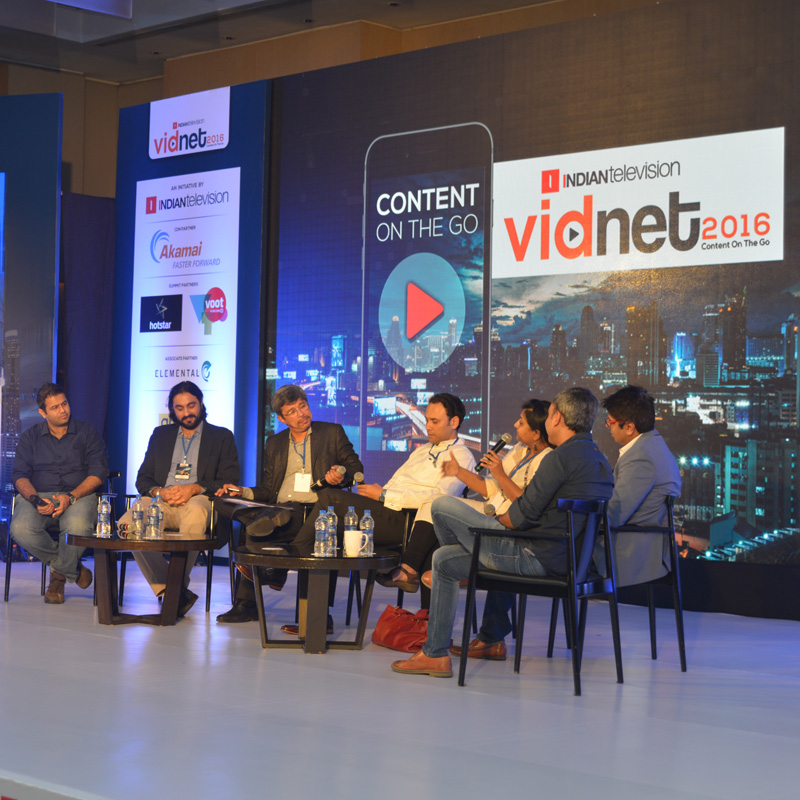
    Following the presentation on OTT trends in the APAC region by Media Partners Asia executive director Vivek Couto at VidNet, this question expectedly assumed importance.

    Indian Television Dot Com’s founder CEO and editor in chief Anil Wanvari flagged off the discussion by asking Isobar India MD Shamsuddin Jasani to define who is a customer for him?

    “A person who is consuming digital content through any medium be it TV, mobile, YouTube, Facebook, etc is my customer. I would spend dollars on a person who is consuming content via digital platforms, what is he consuming, time spent on that piece of content,” said Jasani.

    Adding his perspective on defining a digital customer was FoxyMoron co-founder Suveer Bajaj. He seconded the definition of an OTT consumer and added that he was one who migrated to the digital medium. “I have come across consumers who are consuming three hours on digital. There is a very powerful change that we are seeing right now. These people are plunging on digital than TV.”

    Citing example from his own personal experience, Jasani highlighted how his 6-year old kid consumes around six to seven hours of video content on various platforms like Voot, YouTube, etc. He opined that this is a powerful change that he is witnessing from TV which happens through demand. Bajaj further added that it is not just on demand but also on the go.

    dittoTV business head Archana Anand strongly believed on the platform’s subscription model. Underlining the success of ditto TV’s campaign and aggressive pricing, Anand believed that she and her team had grown the pie by reaching out to people who are not internet savvy audience and is very clear on not getting content for free. “We have marked the people who perhaps are not typical OTT audience to whom TV is being provided at a subscription of Rs 20. There is a huge audience who is alien to OTT in India and we are trying to get them on board by handholding them throughout the entire procedure of getting our app by just a missed call.

    Arre co-founder Ajay Chacko was sure he did not intend to become an OTT platform. “The way we are defining our consumers is not just through access and comfort but by creating new forms of content to drive change.”

    Voot, the AVOD platform from Viacom18 which is often credited with bolstering kids and originals apart from content from the various channels falling under the network, has targeted their digital natives. Their Head marketing and partnerships Akash Banerji dissected consumers into different categories depending upon-access and comfort, demographics and content business offers.

    Discussing the first point, he explained that there are 180 million TV households in India with an average of at least two persons in every house, meaning 350 million subscribers on Internet who are not necessarily active users. “In India, we have 120 video consumers out of which 20-30 million are native digital who are consuming videos online. It is up to a platform whether they are targeting digital natives or getting internet consumers who are not consuming videos or are looking at growing the pie of digital.”

    The discussion went a notch up with the panelists enlightening the audience on the regional content that the content providers have created so far.

    Even the consumers come from varied backgrounds. At the base of the pyramid is the young, college or office going people who are mostly from the metropolitans. The older males and women who are consuming on mobile and desktop are not consuming high velocity content like the youth comprise the mid level. Banerji said that in the past 18-24 months, he has also seen consumers evolving from tier 2 and tier 3 markets primarily consuming content on mobiles. “Rural consumers which are about 200 million i.e 80 per cent of India are also coming up on board in the next few years.”

    Voot follows clear cut understanding of content and is leveraging on its popular content library of TV shows from market. Kids content and Voot originals are the other two important key factors for the platform. “Our Voot originals do not have to follow any format or template. They have to resonate with the consumers”, he added.

    Banerji strongly believes that it is a myth for any business to chase app download numbers. “The players should work on active users and the video watch time.”

    With the second most important driver being content, focusing on just the demographics is not enough. Yash Raj Films Head of content and development Nikhil Taneja said the digital audience is primarily between the ages of 18 to 34. “We are not targeted at providing entertainment to the audiences through effective storytelling and providing emotions through content.”

    He also spoke about the different gender differences by sharing some interesting statistics about the traction and viewership of YRF’s shows. The platform, being a YouTube channel, manages to get some revenue from their channel but also has various other ways to make money. “We launch our own talent and if that talent gets picked by an advertiser, we are benefitted. Our show Love Shots has been picked up by airlines. It is definitely early for advertisers to invest but that does not stop us from creating good quality content.”

    Adding to that, Jasani said, “The customers are agnostic in accessing content and consume digital data through Wi-fi and other services available to them. The offline viewing space is also brewing up rapidly in India. If we are putting an advertiser on every stage of digital consumption, there is no need for him to be on TV.” With various service providers launching 4G, Jasani opined that within 18 months the data is going to become cheap. “Adding to cheap data rates is the launch of smartphones for Rs 2,000 which is also going to grow in the future.”

    Banerji also shed light on how the viewing dynamics are changing and why that change is happening. “With consumers in control of what they consume and content being the king, the need for quality content is just going to grow. The illusion that most of us have on the content that can go on a digital platform has to be broken”.

    The panel discussion also concentrated on the discovery of content in various languages which is currently difficult. The players said they were collectively working on the challenge.

    One thing that all the panelists accepted was to keep innovating and experimenting with content.

    Anand spoke of how asked how she is facing a challenge from payment gateways as they are in English which majority of the Indians do not understand. “Even if there is a potential customer, he has to be guided to pay for my subscription and so.80 per cent of my potential subscribers cannot be captured.” She opined that all the players in the eco-system and various payment platforms have to think in this direction.

    But are there advertisers willing to get on board? Bajaj said that it is no more about ads but content. Selective content will attract specific advertisers.

    “Advertisers are squeamish to put money. We decide after evaluating how it will help the brand after a year. We are no more selling a product but brand through its content,” said Taneja.

    “We are not finicky about not putting ads on dittoTV. There is an ad replacement technology through which I can have two different ads on TV and digital for the same content,” added Anand.

    Jasani said the digital advertising pie is small as the major audience is not yet online. The consumers are not ready to pay for content but the fact that innumerable content creators are evolving cannot be sidelined. With both AVOD and SVOD having their own perks and challenges, there is no tangible answer that any player can provide currently.

    It is an exciting space where everyone is experimenting and innovating. The panel discussion concluded by citing that both the models will co-exist at least for 10 years down the line.

  • Decoding the Indian online video watchers remains an enigma

    Decoding the Indian online video watchers remains an enigma

    MUMBAI: Perhaps the biggest challenge for programmers on online media is to define and segregate the online viewers who will take to OTT mediums in India.

    Following the presentation on OTT trends in the APAC region by Media Partners Asia executive director Vivek Couto at VidNet, this question expectedly assumed importance.

    Indian Television Dot Com’s founder CEO and editor in chief Anil Wanvari flagged off the discussion by asking Isobar India MD Shamsuddin Jasani to define who is a customer for him?

    “A person who is consuming digital content through any medium be it TV, mobile, YouTube, Facebook, etc is my customer. I would spend dollars on a person who is consuming content via digital platforms, what is he consuming, time spent on that piece of content,” said Jasani.

    Adding his perspective on defining a digital customer was FoxyMoron co-founder Suveer Bajaj. He seconded the definition of an OTT consumer and added that he was one who migrated to the digital medium. “I have come across consumers who are consuming three hours on digital. There is a very powerful change that we are seeing right now. These people are plunging on digital than TV.”

    Citing example from his own personal experience, Jasani highlighted how his 6-year old kid consumes around six to seven hours of video content on various platforms like Voot, YouTube, etc. He opined that this is a powerful change that he is witnessing from TV which happens through demand. Bajaj further added that it is not just on demand but also on the go.

    dittoTV business head Archana Anand strongly believed on the platform’s subscription model. Underlining the success of ditto TV’s campaign and aggressive pricing, Anand believed that she and her team had grown the pie by reaching out to people who are not internet savvy audience and is very clear on not getting content for free. “We have marked the people who perhaps are not typical OTT audience to whom TV is being provided at a subscription of Rs 20. There is a huge audience who is alien to OTT in India and we are trying to get them on board by handholding them throughout the entire procedure of getting our app by just a missed call.

    Arre co-founder Ajay Chacko was sure he did not intend to become an OTT platform. “The way we are defining our consumers is not just through access and comfort but by creating new forms of content to drive change.”

    Voot, the AVOD platform from Viacom18 which is often credited with bolstering kids and originals apart from content from the various channels falling under the network, has targeted their digital natives. Their Head marketing and partnerships Akash Banerji dissected consumers into different categories depending upon-access and comfort, demographics and content business offers.

    Discussing the first point, he explained that there are 180 million TV households in India with an average of at least two persons in every house, meaning 350 million subscribers on Internet who are not necessarily active users. “In India, we have 120 video consumers out of which 20-30 million are native digital who are consuming videos online. It is up to a platform whether they are targeting digital natives or getting internet consumers who are not consuming videos or are looking at growing the pie of digital.”

    The discussion went a notch up with the panelists enlightening the audience on the regional content that the content providers have created so far.

    Even the consumers come from varied backgrounds. At the base of the pyramid is the young, college or office going people who are mostly from the metropolitans. The older males and women who are consuming on mobile and desktop are not consuming high velocity content like the youth comprise the mid level. Banerji said that in the past 18-24 months, he has also seen consumers evolving from tier 2 and tier 3 markets primarily consuming content on mobiles. “Rural consumers which are about 200 million i.e 80 per cent of India are also coming up on board in the next few years.”

    Voot follows clear cut understanding of content and is leveraging on its popular content library of TV shows from market. Kids content and Voot originals are the other two important key factors for the platform. “Our Voot originals do not have to follow any format or template. They have to resonate with the consumers”, he added.

    Banerji strongly believes that it is a myth for any business to chase app download numbers. “The players should work on active users and the video watch time.”

    With the second most important driver being content, focusing on just the demographics is not enough. Yash Raj Films Head of content and development Nikhil Taneja said the digital audience is primarily between the ages of 18 to 34. “We are not targeted at providing entertainment to the audiences through effective storytelling and providing emotions through content.”

    He also spoke about the different gender differences by sharing some interesting statistics about the traction and viewership of YRF’s shows. The platform, being a YouTube channel, manages to get some revenue from their channel but also has various other ways to make money. “We launch our own talent and if that talent gets picked by an advertiser, we are benefitted. Our show Love Shots has been picked up by airlines. It is definitely early for advertisers to invest but that does not stop us from creating good quality content.”

    Adding to that, Jasani said, “The customers are agnostic in accessing content and consume digital data through Wi-fi and other services available to them. The offline viewing space is also brewing up rapidly in India. If we are putting an advertiser on every stage of digital consumption, there is no need for him to be on TV.” With various service providers launching 4G, Jasani opined that within 18 months the data is going to become cheap. “Adding to cheap data rates is the launch of smartphones for Rs 2,000 which is also going to grow in the future.”

    Banerji also shed light on how the viewing dynamics are changing and why that change is happening. “With consumers in control of what they consume and content being the king, the need for quality content is just going to grow. The illusion that most of us have on the content that can go on a digital platform has to be broken”.

    The panel discussion also concentrated on the discovery of content in various languages which is currently difficult. The players said they were collectively working on the challenge.

    One thing that all the panelists accepted was to keep innovating and experimenting with content.

    Anand spoke of how asked how she is facing a challenge from payment gateways as they are in English which majority of the Indians do not understand. “Even if there is a potential customer, he has to be guided to pay for my subscription and so.80 per cent of my potential subscribers cannot be captured.” She opined that all the players in the eco-system and various payment platforms have to think in this direction.

    But are there advertisers willing to get on board? Bajaj said that it is no more about ads but content. Selective content will attract specific advertisers.

    “Advertisers are squeamish to put money. We decide after evaluating how it will help the brand after a year. We are no more selling a product but brand through its content,” said Taneja.

    “We are not finicky about not putting ads on dittoTV. There is an ad replacement technology through which I can have two different ads on TV and digital for the same content,” added Anand.

    Jasani said the digital advertising pie is small as the major audience is not yet online. The consumers are not ready to pay for content but the fact that innumerable content creators are evolving cannot be sidelined. With both AVOD and SVOD having their own perks and challenges, there is no tangible answer that any player can provide currently.

    It is an exciting space where everyone is experimenting and innovating. The panel discussion concluded by citing that both the models will co-exist at least for 10 years down the line.