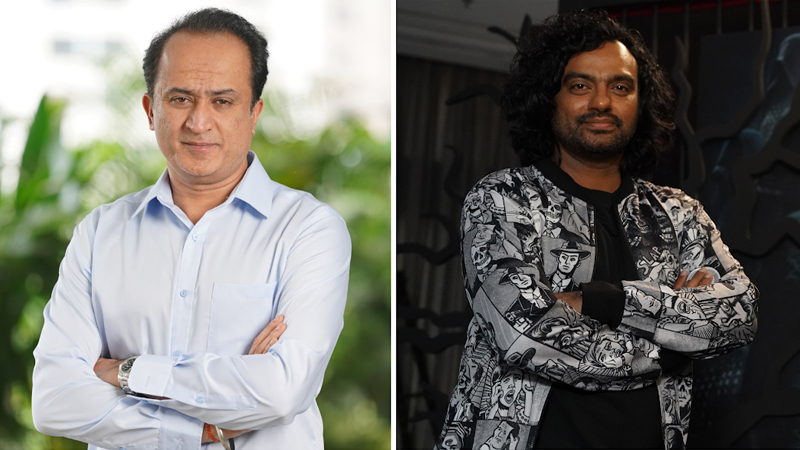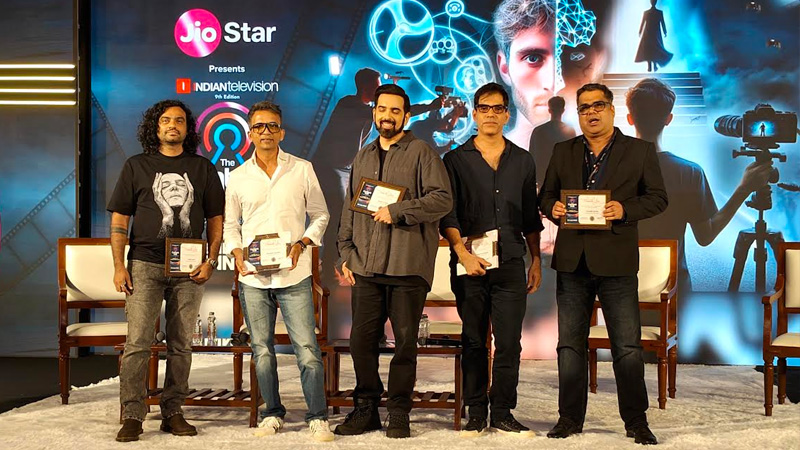
MUMBAI: Jump scares, script flips and streaming hits, if there’s one thing Indian content creators agree on, it’s that the lines between genres are getting as blurred as a high-stakes thriller. At the 9th edition of The Content Hub Summit 2025, an insightful session titled “Genre Dynamics: Pushing Creative Boundaries in Indian Cinema, OTT and Television” brought together leading storytellers who are breaking the mould and mixing genres with flair. Chaired by filmmaker and trade analyst Saurabh Verma, the panel featured director Vishal Furia (Chhorii), writer-director Ravindra Gautam, Banijay Asia’s Mrinalini Jain, Applause Entertainment’s Rahul Ved Prakash, and filmmaker Kussh S Sinha (Nikita Roy).
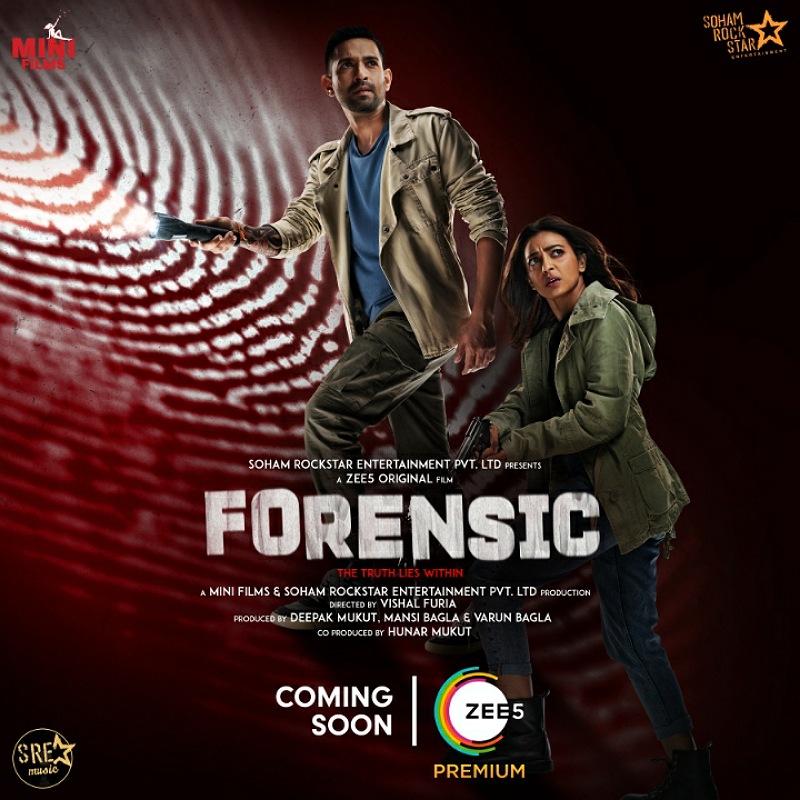
Horror director Vishal Furia kicked off the conversation by pointing out how genre films have matured. “We’re finally moving past jump scares. Indian horror is now about deeper themes like motherhood and social realities. Chhorii was scary, yes, but it also tackled female agency.” With Chhorii 2 on the way, he promised more genre-defying elements.
Mrinalini Jain noted the surge in creators experimenting with “genre cocktails.” Think courtroom dramas that are also comedies, or thrillers laced with social commentary. “We’re seeing a healthy overlap between what entertains and what provokes thought. Audiences want content that works on multiple levels.”
Ravindra Gautam emphasised that Indian television is slowly catching up with OTT and films in storytelling ambition. “We are moving away from just ‘kitchen politics’. There’s a demand now for fantasy, mystery, even dystopia, if told well and rooted in Indian ethos.”
For Rahul Ved Prakash, whose work at Applause spans crime thrillers, political dramas and quirky comedies, the shift is evident in how stories are greenlit. “There’s a rise in shows that can’t be boxed into one genre and that’s a good thing. Viewers now want layered narratives.”
Kussh Sinha, who’s working on genre-blending projects himself, argued that Indian creators shouldn’t just chase global formats. “We must create our own grammar rooted in Indian emotions, tropes and chaos. The global audience is already watching. Let’s show them our unique flavour.”
The panellists highlighted a set of unmistakable shifts shaping India’s evolving content landscape. Genre fusion has firmly taken root, with historical thrillers, horror-romance hybrids, and docu-dramas gaining popularity across platforms. Writers now have more creative control, with writers’ rooms involved earlier in the process to help define genre direction and narrative tone. Regional content is leading much of this innovation, with Tamil, Telugu, and Marathi creators delivering some of the boldest and most genre-defying storytelling. And above all, audiences are choosing character over category they are drawn to emotionally resonant, layered protagonists, regardless of the genre label.
As the session wrapped, one thing was clear: the days of sticking to safe genre formulas are over. Whether it’s a horror film that makes you cry, a mythological show with sci-fi twists, or a soap opera with supernatural undertones, Indian creators are pushing past traditional formats and building new blueprints for storytelling.
If 2024 was the year of experimentation, 2025 might just be the year of reinvention, one genre-bending frame at a time.