Tag: Virtual Reality

  • ZEE takes one more giant pioneering step – builds a technology platform to satisfy 5 senses of the viewers to offer immersive customer experience!

    ZEE takes one more giant pioneering step – builds a technology platform to satisfy 5 senses of the viewers to offer immersive customer experience!

    Mumbai: ZEE Entertainment Enterprises Ltd. (“ZEE”), a global media and entertainment powerhouse, has taken a yet another pioneering giant leap by securing a United States (US) Patent on a technology platform developed in the Silicon Valley at its very own – ZEE Media Lab. This unique platform stems from the Vedic culture of offering an immersive experience to the viewers, satisfying all the 5 senses.

    Built on robust and state of the art technologies like 3D Audio, Augmented Reality (AR), Virtual Reality (VR), Digital Scent, Holograms and touch, this platform aims to transform the viewers’ home environment by providing exceptional immersive experience. Apart from offering a unique viewing experience in delivering extraordinary entertainment and information-based content, the platform will also enable the viewers to touch, feel, smell and experience products, with a seamless transaction (e-commerce) ecosystem.

    Be it immersive entertainment content, or informative education-based solutions, or gaming, or e-commerce; this comprehensive technology platform is built to cater to every single need of the viewer.

    • Immersive Entertainment – The platform is empowered with 3D Audio, AR, VR, Digital scent, holograms and touch, to transform the viewers’ living rooms into an immersive mode, be it a serene beach or an action-packed fight scene.
    • Immersive Education – The platform is capable to not just educate the viewers about a given topic, say an internal combustion engine, but is also equipped to offer an immersive journey for the viewer right into the cylinders of the combustion engine, taking the learning experience to an altogether different level.
    • Gaming – The platform will not just offer a 3D gaming experience but will also give the players a unique experience to feel the heat of an ongoing combat with the opponent, and even experience the smell of the battle field.
    • Entertainment Commerce – The platform will enable the viewers to order any product which they witness being consumed or used by the lead protagonist on the screen, at the touch of a button. Viewers will be able to smell the perfume worn by their favorite actor / actress on screen and purchase the same within seconds. If the viewer owns a 3D printer, the platform is also capable of even printing the food which one watches on the screen!
    • Home Environment Control – The platform will also be equipped to control the viewers’ home environment, right from the lights, security solutions, to heating, ventilation & air conditioning equipment, ensuring that the viewers’ immersive experience while consuming content is not interrupted at any stage. 

    Speaking on this revolutionary step, ZEE’s Chairman, Subhash Chandra said, “At ZEE, we envisioned 4-5 years back, that the overall media landscape is poised to evolve at an extremely rapid pace, with content companies blending into technology companies. Hence, we started investing our time and energy in building a technology for the future, which enhances the content viewing experience by many folds. ZEE’s lab in the Silicon Valley was set up in 2016 to create this robust platform, and I’m very glad that the US Patent is secured. It is a concrete step in realizing our vision of transforming ourselves from a media & entertainment powerhouse to a technology Company, offering immersive experiences”.

    Adding to this statement, Amit Goenka, CEO, Z5 Global said, “We are extremely excited to offer this unique immersive experience to our viewers. Under the guidance of our visionary Chairman, we are building this unique platform which is futuristic in nature. The US Patent is a major milestone achieved in this process giving us the required level of confidence and reassurance. This is just the beginning of an extraordinary journey of transforming the viewers content viewing experience”.

    While the five senses have not yet been deployed on a commercial scale, with the grant of the US Patent, ZEE can now make the platform available to millions of users across the world. The commercially viable prototype will be ready in the next 12 months. This emboldens ZEE’s plan to target mainstream global viewers across US, Europe, Asia, China and Latin America.

    ZEE Media Lab will continue to innovate in the Silicon Valley to work towards integrating technologies with a sheer focus on enhancing the overall viewer experience.
  • Tight deadlines holding Indian agencies back: Roopak Saluja, The 120 Media Collective

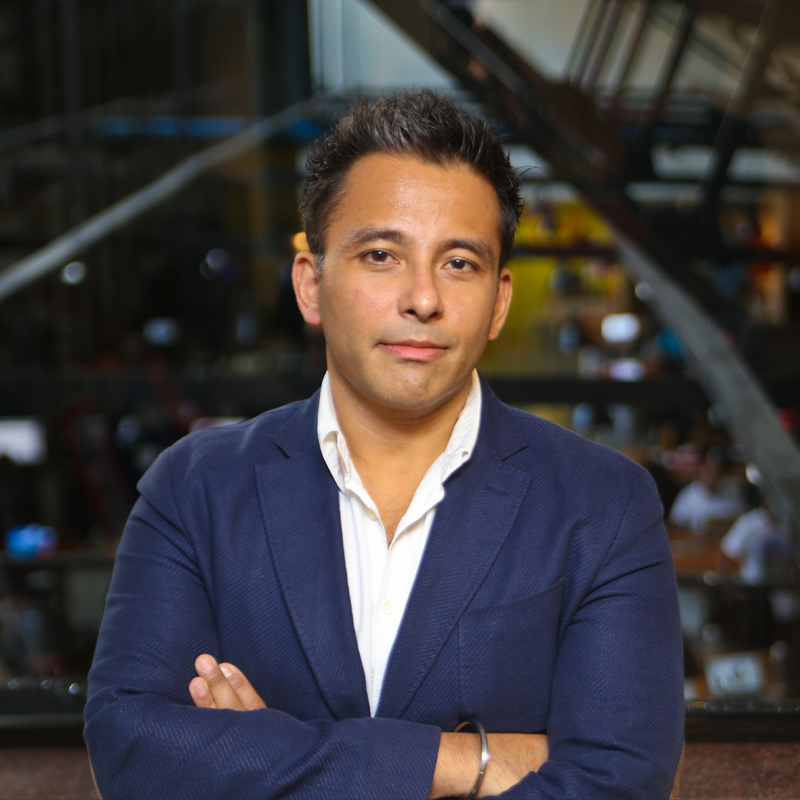
    Tight deadlines holding Indian agencies back: Roopak Saluja, The 120 Media Collective

    MUMBAI: Who can forget the catchy viral sensational song – Why This Kolaveri Di – from a few years ago? It might seem like just a song that went viral but the reality is far from that. The song has an interesting story.

    It was back in 2011 when Jack in the Box Worldwide, the digital agency brand of The 120 Media Collective, helmed by Roopak Saluja got a call from Sony Music to help them control the damage that was done when their upcoming movie, 3’s song had been leaked from the recording studio. That’s when a new viral marketing strategy was born.

    Soon enough, Jack in the Box Worldwide , Sony Music’s digital Agency of Record, decided to create an ‘official video’ of the song. Within 24 hours, the video was shot and humorously sub-titled, 12 hours after that the action began on social and 48 hours later, it was trending on Twitter.  The song to date has over 156 million views on YouTube.

    Why are we telling you this story though? Well, because it was Roopak Saluja and his team, who utilised the power of digital when Facebook and Twitter were still experiencing their nascent days in India.

    A former DJ, media businessman, an angel investor, owner of a record label in Europe, and an actor in few movies, Saluja has seen it all. While he originally wanted to become a writer, Saluja worked for six years in Y&R (Young and Rubicam) in Budapest and Ogilvy & Mather in Paris.

    Featured in Campaign India’s A-List of the Most Influential People in India’s advertising, media & marketing industry between 2010-2014, Saluja is founder and chief executive officer of The 120 Media Collective – a communications and content group comprising subsidiaries, Jack in the Box Worldwide, Sniper, Bang Bang Films and Sooperfly.

    Today, the agency handles digital and content marketing mandates for Unilever, PepsiCo, Reckitt Benckiser, Amazon, Novartis, Aditya Birla Group, Loreal, Indigo, Budweiser, IKEA and the Taj Group among others. It has been 12 years since he started his entrepreneurial journey in the advertising and media industry in India and a lot has changed ever since. While he was one of the earliest entrants in digital marketing, today we have over 150+ digital agencies in India. The challenges are shortcomings are more than ever before.

    Indiantelevision.com spoke to Saluja to understand the agency model, Indian creativity, use of technology by 2020 and more.

    You have always maintained that Jack In The Box is ‘premium priced’. Isn’t is hard for you to get clients in that scenario or are clients actually willing to spend that kind of an amount?

    Yes, we are premium in our pricing and that is because we know we deserve it for what we bring to the table. We do discuss the pricing before we start working for the client. And it is actually not about the size as not everyone has the appetite for it (big budget). It’s not always the big advertisers that spend a lot, there are also some smaller startups who are trying to build the brand and they will over invest.

    Larger clients today are reconsidering their investments and want to consolidate their spends in fewer agencies rather than having 10 different agencies on board doing 10 different things. Do you see that as a challenge?

    I think 10-15 years ago, getting marquee clients was considered good for an agency’s reputation and it was something everyone could brag about. Today, it has become hard for agencies to make money with large clients due to the rise of procurement. We had a large client that paid us well back in the day for the work we did for them but now they have changed their pricing value and pay us peanuts for the same kind of work.

    How do you view the work that comes out of India as compared to the rest of the world? Although we are getting there, so far we clearly aren’t winning a lot of awards at international film festivals.

    I think we definitely are getting there. The work that came out of India at Cannes this year was better than last year. What happens at Cannes usually is that you tend to support your home country’s work but when an Indian work comes up, the Indian jury is never happy with it. I don’t know if it’s the jealousy or what, but you won’t find Indians supporting a fellow Indian’s work.

    What is holding us back in terms of creativity?

    The biggest difference and what’s holding us back is not money and budget. Obviously, clients expect moon and stars for peanuts but it’s more importantly about time. What we Indian agencies get four weeks for, they (international agencies) get 14 weeks. In India, agencies are put under a lot of pressure to finish the creative under a tight deadline. When the pressure is put on agencies, that pressure is in turn put on the production team to finish off the final product soon. This results in a substandard quality of creative.

    Moving forward, do you think artificial intelligence, virtual reality and other technologies will become indispensable in ads, say 5 years from now?

    Use of technology will change the way we advertise now but the basics will still remain the same. Jack in the Box or digital agencies, in general, will no longer be called a ‘digital’ agency by 2020. Someone once said to me, “Digital marketing is dead, long live digital marketing!” Going forward, digital marketing will just be a way of advertising.

    What do you think will be the game changers for A&M in 2019?

    It will be a mix of technology and data. My brother has a PhD in AI and he laughs about what we call AI in our industry. I intend to deliver better business results with the technology. Content for business impact is really important for us. Everyone is looking at the effectiveness of budget and its accountability.

    Finally, what next for 120 Media Collective and what next for Roopak Saluja?

    I want 120 to be the most effective company in the marketing space. I want it to be effective, not the best, not most creative. When I say effective, I mean in terms of business results. I say company and not agency because the ability to do and deliver the results will not come only from agencies.  Who knows we may not even be an agency anymore as agency implies that you are a part of the advertising world. I don’t think this holy grail belongs to the advertising industry anymore. Accenture and other technology companies are going into play as marketing and technology start to converge and technology companies will have as much of a claim over those marketing budgets as agencies.

  • BBC News invests in VR documentary series

    BBC News invests in VR documentary series

    MUMBAI: Hotly tipped as one of the digital trends to look out for in 2018, virtual reality (VR) has made significant steps towards becoming a more integrated offering from BBC News. The BBC is investing in bringing its award-winning journalism to audiences seeking new experiences by launching a VR documentary series.

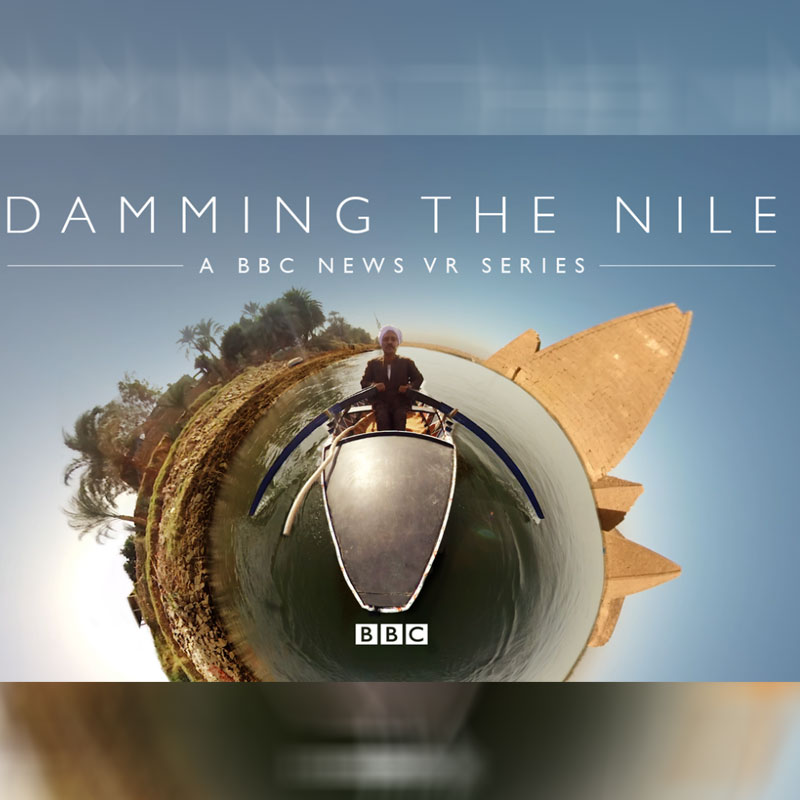
    Produced by BBC News and the BBC VR Hub, Damming the Nile comprises a two-part VR documentary, a half-hour programme on BBC World News and a radio documentary on BBC World Service, as well as video and text on BBC.com. BBC VR Hub is a studio spearheading the VR production at the BBC and exploring how VR can create real audience impact.

    With VR at the heart of the production, the documentary follows BBC Africa Correspondent, Alastair Leithead, on a captivating journey along the Nile, exploring the politics and potential impact of Ethiopia’s $4.7 billion hydroelectric dam. Audiences are put in a correspondent’s shoes – through Ethiopia and Sudan, coming to an end at the mouth of the river Nile in Egypt – provoking an unmatched, emotional experience.

    To support the viewing of Damming the Nile, the BBC has launched an app on the Oculus Store, where Samsung Gear VR users can access an array of BBC VR content across news, factual and entertainment.

    BBC News digital development director James Montgomery said, “We’re committed to looking at ways in which to engage audiences with news, and – for the right project – VR can be an impactful and memorable way of doing our journalism. As an international broadcaster, it’s important for us to develop our storytelling and editing expertise to keep abreast of these rapidly improving technologies.” 

    Leithead said, “Damming the Nile is a fascinating series exploring the geopolitical struggle for regional power and influence surrounding the world’s longest river. It shows that virtual reality can be used to give a new perspective on world affairs and engage new audiences with world-class BBC News reporting. There’s nothing more exciting than taking the audience on an immersive journey with you.”

    The VR series allows audiences to fly high above the river Nile and its waterfalls, explore ancient Sudanese pyramids and take in the spectacular views of Egyptian temples from a hot air balloon before coming back down to earth in chaotic Cairo. Damming the Nile allows audiences to gain a whole new perspective on the conflict surrounding the world’s longest river.

    Damming the Nile will be available on the BBC VR Oculus app, bbc.com, BBC News Facebook and BBC News YouTube from 21 February.

  • Star India to introduce VR for IPL 2018

    Star India to introduce VR for IPL 2018

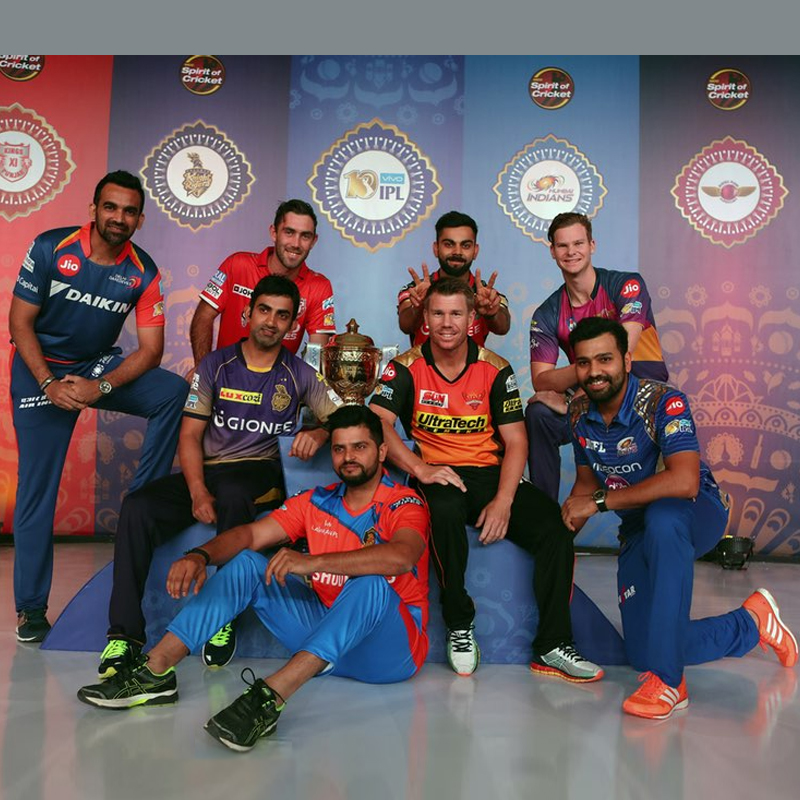
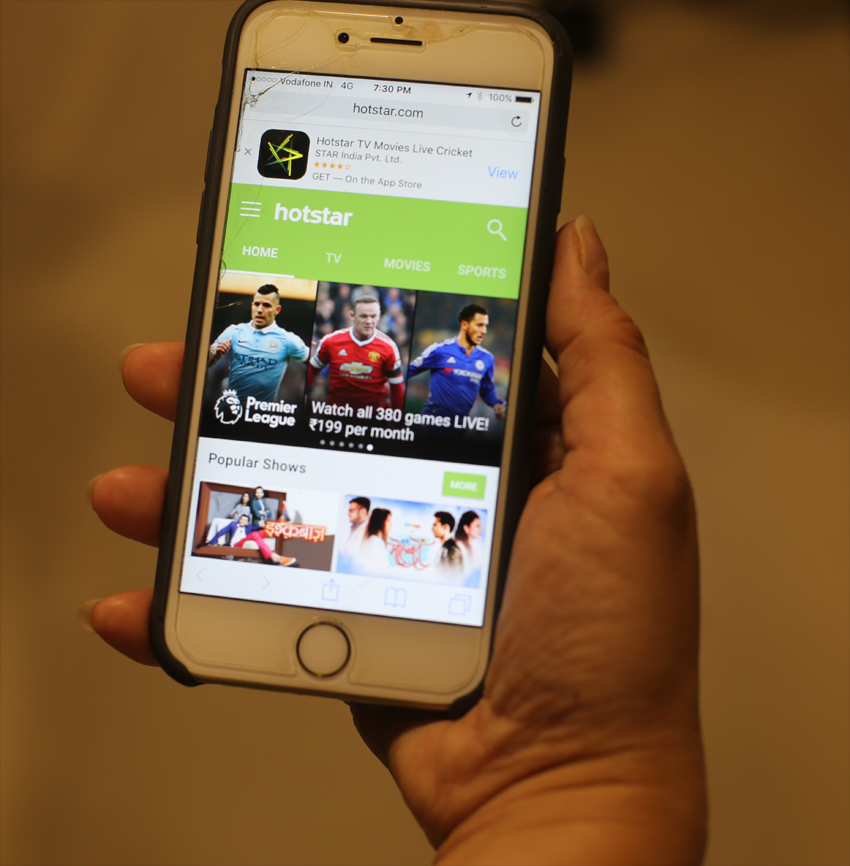
    NEW DELHI: With Star India, you can always expect the unexpected or something high-octane. In line with this philosophy, the broadcaster, along with its over-the-top (OTT) service Hotstar, is exploring the use of virtual reality, or VR, to heighten viewer experience during the 2018 season of the Indian Premier League (IPL).

    Speaking at a session themed ‘10 Media Transformations for 2018 & Beyond’ at the CII Big Picture Summit 2017 here yesterday, Hotstar’s consumer and revenue head Prabh Singh gave a sneak peek into the innovations being planned around the IPL, which included the VR experience for viewers.

    “Yes,” Singh said when asked by session moderator and NDTV consulting editor Vikram Chandra whether he had heard correctly that Star/Hotstar was mulling introducing VR headsets for viewers in IPL matches in 2018.

    Apart from VR, Singh divulged that Hotstar had been experimenting with other innovations such as score overlays to give additional benefits to subscribers watching cricket matches on the streaming service so they could not only watch the video but also enjoy extra information to add to the overall viewing experience.

    On the sidelines of the event, when asked by Indiantelevision.com how the VR experiment would play out, Singh mysteriously said: “wait and watch”. Pressed further on the issue whether VR headsets would be given to random spectators in stadiums or select subscribers of Hotstar, he added that the logistics were still being worked out, which included a possible tie-up with a VR (headset) company, too.

    Will the VR experience be extended to all the IPL matches? Singh refused to comment on the question.

    Star India, earlier in the year, had won the five-year global broadcast and digital rights to the IPL for $ 2.55 billion, a sum that has been described as from being `staggering’ to `over-priced’ to simply OTT.

    In September, when asked how the company planned to monetise the IPL, Star India chairman and CEO Uday Shankar (now elevated as head of 21st Century Fox Asia) in an interview to Indiantelevision.com had said: “All I know is that IPL is a very powerful tournament and cricket runs really deep in everybody’s bones in this country. To be successful, you just need to work on intensifying and heightening the experience of cricket further.”

    ALSO READ:   

    http://www.indiantelevision.com/television/tv-channels/sports/star-bids-highest-for-ipl-media-rights-and-is-the-winner-170904

    http://www.indiantelevision.com/television/tv-channels/gecs/stars-uday-shankar-on-distribution-challenges-ipl-fta-vs-pay-tv-innovations-make-in-india-content-and-much-more-170919

    http://www.indiantelevision.com/specials/event-coverage/asia-tv-forum/17-to-be-year-of-survival-for-vr-market-161209

    http://www.indiantelevision.com/specials/event-coverage/vidnet/republic-to-debut-vr-content-from-august-for-viewers-170714

  • Times Network makes a 180-degree and 3D 360-degree virtual reality move

    Times Network makes a 180-degree and 3D 360-degree virtual reality move

    MUMBAI: We all thought virtual and augmented reality (VR/AR) are something in the future, right? Well, no, not really. It is here, right here, right now.

    Take a look at the way in which Indian news television channels are beginning to sprint towards the two innovative ways of delivering content and immersing viewers in news stories.

    The first mover was NDTV which quietly started putting out flat VR videos online. Republic TV made a big bang announcement a few months ago with its plans to launch a VR production studio and to produce some clips and shows. Zee Media’s English language channel WION has also been uploading and hosting some sourced world news VR clips online.

    And, even as other TV news channels have been pawing at the VR starting line, Times Network has already begun to take rapid strides in that direction. The news network is going the full Monty – 3D 360 degree video-based VR and Google’s new 180 degree VR formats.

    “It’s a natural attempt. Ultimately, video experiences are changing because of technology,” says Times Network CEO MK Anand. “So, we are creating a lab internally. Our camera and content people are currently being put through the paces and training to produce videos and pilots in 3D 360 degree video and 180 degree VR.”

    Dubai-based Real Vision founder and VR expert Clyde DeSouza has been roped in to train a handful of Times journos and cameramen to understand the nuances of VR/AR and also what kind of content and stories are suitable for VR and immersive journalism.

    Says Clyde: “Times Now’s use of the new VR180 format compatible with Google’s Daydream headsets will be a first for immersive journalism globally as it allows the videos to be viewed as regular flat clips on any device. But, these videos become immersive and 3D once they are inserted into a Google Cardboard or a DayDream headset. Google is working with a few select partners on this at the moment. The Times Network has made some initial investments in VR hardware and is now investing in gaining skillsets.”

    Clyde reveals the first VR step is to pick up the VR gear, good gear. “Most companies are going for Chinese cameras which are cheaper at around $3,500 to $33,000 but don’t have full capabilities as the cameras are not in sync with each other or they exhibit only 3D VR artifacts,” he explains.

    “Flat 360 video does not show scale of the various subjects being presented, and hence is not a true immersive experience. To get good quality videos with all the concomitant, full blown VR 180-degree or 3D 360-degree capabilities, the investments are much higher or there are cheaper solutions available like renting the Google Jump system which includes the camera and the cloud stitching.”

    He points out to the VR efforts being put in by the US-based broadsheet New York Times and the UK pubcaster, the BBC, as real standouts. “The Beeb’s videos on the refugee induction programme in the UK for instance have transcended video-based VR and are exploring hybrid VR storytelling and experiential news journalism.”

    Clyde is quite excited about the potential of VR in Indian TV news because of the plethora of news channels operating nationally and he sees himself as a bit of an evangelist for the new format. “I am excited about VR/AR news videos in the Indian ecosystem,” says he, with a gleam in his eye. “I am sure more and more editors and news CEOs will follow.”

  • Arnab to start ‘original VR journalism’ on Republic World

    MUMBAI: For the first-ever time in India, Republic TV is all set to launch VR television next week. This was announced at Zee Melt, one of the biggest festival for disruptive marketing and communications under way at Mumbai.

    Republic TV editor Arnab Goswami said that VR will have a separate and original feed on Republic World digital platform.

    “We have got cameras, we have studios and we are shooting in VR. It will be available on all native devices and will take us to a new level — it is going to be principally journalism,” Goswami said.

    “It will come to you free of cost but you will have to use your VR gear,” he added. Republic World has tied up with American and Canadian companies on the technology front, he said.

    Virtual Reality (VR) is the computer-generated simulation of a three-dimensional image or environment that can be interacted with in a seemingly real or physical way by a person using special electronic equipment, such as a helmet with a screen inside or gloves fitted with sensors.

    Is VR really how we will all watch TV in years to come? At an earlier media industry’s annual meet in Cannes, VR was discussed as the next mass medium that will take TV to a new level.

    Films such as The Lawnmower Man and The Matrix, as well as books such as Ready Player One presented visions of technology whereby strapping on a VR headset enabled people to explore virtual, computer-generated worlds, the Guardian had reported.

    In 2017, these cultural highs are fresh in mind for the television industry, as it tries to understand whether real-life headsets can be used to deliver new forms of documentary, drama, and storytelling.

    Several attempts to make VR a real-world success had failed. The release of a new-generation VR headsets, however, from Sony, HTC, Google, Samsung, and Facebook-owned Oculus VR has brought the technology back to prominence.

    At MIPTV industry conference in Cannes, VR was a major theme for producers, broadcasters and tech companies alike. HTC’s Rikard Steiber had said that VR, the new computing platform, was going to be the next mass medium.

    VR is however far less popular than apps. YouTube has over a billion monthly viewers and Instagram has over 600 million. VR experts however agree that only around 20 million headsets have been sold, including fewer than two million of the “tethered” devices, which require a connection to a powerful computer.

    Republic TV COO Jay Chauhan said: “Virtual Reality is the first of our initiatives to bring new content experiences to the audience. It’s a cool way of storytelling because it transports people right to where the action is – no barriers stand in the way. Besides it also opens up new monetisation opportunities for us.”

    He further added, “The VR content will be available on RepublicWorld.com, as a new stream and the company’s newly-constituted VR Cell built in collaboration with experts from across the globe will begin rolling out amazing VR content in the weeks ahead.”

  • How VOKE is helping Hotstar to bring 3D VR to Kabaddi

    How VOKE is helping Hotstar to bring 3D VR to Kabaddi

    MUMBAI: That India’s leading video streaming OTT player Hotstar is making its coverage of the World Kabaddi League available to viewers in 3D Virtual Reality(VR)  is known to many now. But what’s not known by most is who is behind making this is a reality. Well, it’s a Silicon Valley based company called VOKE, which has helped stream the NCAA Men’s Basketball Final Four, the CBS Morning Show and live streams of concerts, NBA, NFL and college football games, courtesy its live TrueVR technology. It is ranked as amongst the best in the live event VR space and its focus is on building the next generation of fan engagement for live sports and entertainment.

    “Star India is one of the most iconic media companies in the world and has been focused on transforming sports in India. This partnership will allow them to provide live, immersive virtual reality experiences to their users for the first time,” says VOKE co-founder & CEO Sankar Jayaram. The flexibility of our technology platform is unique and enables media companies to reach their audiences across a variety of mediums and deliver personalized VR experiences to all fans like never before.”

    Adds Hotstar CEO Ajit Mohan: “We owe our loyal and growing platform users the very best video experience in the world. Fans in India look to Hotstar to set the benchmark for video streaming. We are excited to collaborate with VOKE to bring a dramatic new live experience to sports fans.”

    The flexibility of VOKE’s platform is significant and it enables media companies to host the VR content on their own sites and branded applications instead of requiring that it be aggregated on the VOKE VR site. Hotstar users will be able access the TrueVR™ stream by selecting the Google Cardboard feature in Hotstar’s iOS and Android apps or by downloading the Hotstar Gear VR app from the Oculus Store. Highlights and video on demand content will be available through the same outlets for those who are unable to watch it live.

    http://www.indiantelevision.com/sites/drupal7.indiantelevision.co.in/files/styles/large/public/vokeger800x800_0.jpg?itok=splOyeGv
    The Voke Camera Pod

    VOKE’s live TrueVR™ stream for the Kabaddi World Cup will be available to Hotstar users on both Google Cardboard and Gear VR headsets. In addition, a personalized, 2D user-controlled experience will also be available for viewers without headsets on Hotstar.com or on the Hotstar app. It is the first time TrueVR™ content from a live event of this magnitude will be available on multiple headsets and mobile operating systems.

    Speaking to SportsVideoGroup in late August, Jayaram explaining the virtues of VOKE’s VR expertise had said: “So we put multiple pods on the field, and we allow users to choose where they want to be…. One, we can do a produced feed and take people where we think they might want to be. But we feel that, if a user really just wants to be sitting down by the players and coaches in VR, those are options and choices we want to give them. All of our cameras are completely synced, down to the frame level. Which means, when you want to do a replay or you pause one camera position, you can pick the action up from another camera at the exact same frame. Our cameras can go down to that level of detail if our viewers want to use it that way. So we provide full multi-POV, synchronized, DVR-capable streams, and that spans across VR, mobile, VOD, everything.”

    VOKE says that the Hotstar partnership will continue for more live sporting events going forward. That should be good news for immersive virtual reality sporting event lovers.

  • How VOKE is helping Hotstar to bring 3D VR to Kabaddi

    How VOKE is helping Hotstar to bring 3D VR to Kabaddi

    MUMBAI: That India’s leading video streaming OTT player Hotstar is making its coverage of the World Kabaddi League available to viewers in 3D Virtual Reality(VR)  is known to many now. But what’s not known by most is who is behind making this is a reality. Well, it’s a Silicon Valley based company called VOKE, which has helped stream the NCAA Men’s Basketball Final Four, the CBS Morning Show and live streams of concerts, NBA, NFL and college football games, courtesy its live TrueVR technology. It is ranked as amongst the best in the live event VR space and its focus is on building the next generation of fan engagement for live sports and entertainment.

    “Star India is one of the most iconic media companies in the world and has been focused on transforming sports in India. This partnership will allow them to provide live, immersive virtual reality experiences to their users for the first time,” says VOKE co-founder & CEO Sankar Jayaram. The flexibility of our technology platform is unique and enables media companies to reach their audiences across a variety of mediums and deliver personalized VR experiences to all fans like never before.”

    Adds Hotstar CEO Ajit Mohan: “We owe our loyal and growing platform users the very best video experience in the world. Fans in India look to Hotstar to set the benchmark for video streaming. We are excited to collaborate with VOKE to bring a dramatic new live experience to sports fans.”

    The flexibility of VOKE’s platform is significant and it enables media companies to host the VR content on their own sites and branded applications instead of requiring that it be aggregated on the VOKE VR site. Hotstar users will be able access the TrueVR™ stream by selecting the Google Cardboard feature in Hotstar’s iOS and Android apps or by downloading the Hotstar Gear VR app from the Oculus Store. Highlights and video on demand content will be available through the same outlets for those who are unable to watch it live.

    http://www.indiantelevision.com/sites/drupal7.indiantelevision.co.in/files/styles/large/public/vokeger800x800_0.jpg?itok=splOyeGv
    The Voke Camera Pod

    VOKE’s live TrueVR™ stream for the Kabaddi World Cup will be available to Hotstar users on both Google Cardboard and Gear VR headsets. In addition, a personalized, 2D user-controlled experience will also be available for viewers without headsets on Hotstar.com or on the Hotstar app. It is the first time TrueVR™ content from a live event of this magnitude will be available on multiple headsets and mobile operating systems.

    Speaking to SportsVideoGroup in late August, Jayaram explaining the virtues of VOKE’s VR expertise had said: “So we put multiple pods on the field, and we allow users to choose where they want to be…. One, we can do a produced feed and take people where we think they might want to be. But we feel that, if a user really just wants to be sitting down by the players and coaches in VR, those are options and choices we want to give them. All of our cameras are completely synced, down to the frame level. Which means, when you want to do a replay or you pause one camera position, you can pick the action up from another camera at the exact same frame. Our cameras can go down to that level of detail if our viewers want to use it that way. So we provide full multi-POV, synchronized, DVR-capable streams, and that spans across VR, mobile, VOD, everything.”

    VOKE says that the Hotstar partnership will continue for more live sporting events going forward. That should be good news for immersive virtual reality sporting event lovers.

  • Hotstar innovates; to explore 3D virtual reality with Kabaddi World Cup

    Hotstar innovates; to explore 3D virtual reality with Kabaddi World Cup

    MUMBAI: The Twenty First Century Fox owned video streaming platform is setting new benchmarks. First, it announced that it had become the most downloaded video app in India with the figure at about 90 million. Then it announced that it was looking at a watch time of a billion minutes a day. And then it made it possible for users to download its portfolio of local TV shows, movies and sports highlights to the phone Now it has announced that it will be streaming the upcoming Kabaddi World Cup in Ahmedabad from 7-22 October in stereoscopic 3 D virtual reality, something which has been rarely attempted in more developed streaming markets.

    All that viewers have to do to enjoy the 3D VR experience on is don the Samsung VR headsets and Google Cardboard devices while watching the action on both IoS and Android handsets. The VR experience will allow sports fans to get a complete panoramic view of the game and the stadium using touch and gyroscope. Fans will also be able to switch between different cameras in a 360 degree experience, thereby taking full control of their experience

    “We owe our loyal and growing platform users the very best video experience in the world,” says Hotstar CEO Ajit Mohan. “Fans in India look to Hotstar to set the benchmark for video streaming. We are excited to bring a dramatic new live experience to sports fans.”

    To enable this dramatic new experience, the Kabaddi World Cup games are being shot in stereoscopic 3D using two camera pods (in addition to the multi camera setup of the traditional production) including 12 cameras per pod, which allows for an immersive production and stereoscopic capture. Users of Samsung Gear VR will have access to the Hotstar app on the Oculus store, another groundbreaking initiative from the video streaming service.

    The live VR stream for the Kabaddi World Cup will be available to fans in two formats: a personalized, 2D user-controlled experience for viewers without headsets, and in full stereoscopic, TrueVRTM for Google Cardboard and Gear VR headsets. It is the first time VR content from a live event of this magnitude will be available on multiple headsets and mobile operating systems.

    Hotstar users will be able access the live TrueVR feed by either selecting the Google Cardboard feature in Hotstar’s iOS and Android apps or by downloading the Hotstar Gear VR app from the Oculus Store.

    The Kabaddi World Cup will see 12 National teams participating from across the globe. These teams have been divided into two groups, namely A and B. Group A comprises of India, Bangladesh, South Korea, Australia, England and Argentina, while Iran, Thailand, Japan, the US, Poland and Kenya are placed in Group B. Tournament favourites India begin their tournament journey with the first match against South Korea on 7 October , 8 pm IST onwards.

    The Kabaddi World Cup, meawhile, has managed to attract five sponsors among which figure Patanjali Special Chawanprash as co-presenting sponsor, Volini, Thums Up, Indo-Nissin as partners with the fifth sponsor being Syska LEDs. Star has made the telecast of the Cup available in four languages: while Star Sports 1 and 2 will provide English commentary. Star Sports 2 and 3 will provide the Hindi feed and Suvarna Plus and Maa Movies will telecast in Kannada and Telugu respectively

  • Hotstar innovates; to explore 3D virtual reality with Kabaddi World Cup

    Hotstar innovates; to explore 3D virtual reality with Kabaddi World Cup

    MUMBAI: The Twenty First Century Fox owned video streaming platform is setting new benchmarks. First, it announced that it had become the most downloaded video app in India with the figure at about 90 million. Then it announced that it was looking at a watch time of a billion minutes a day. And then it made it possible for users to download its portfolio of local TV shows, movies and sports highlights to the phone Now it has announced that it will be streaming the upcoming Kabaddi World Cup in Ahmedabad from 7-22 October in stereoscopic 3 D virtual reality, something which has been rarely attempted in more developed streaming markets.

    All that viewers have to do to enjoy the 3D VR experience on is don the Samsung VR headsets and Google Cardboard devices while watching the action on both IoS and Android handsets. The VR experience will allow sports fans to get a complete panoramic view of the game and the stadium using touch and gyroscope. Fans will also be able to switch between different cameras in a 360 degree experience, thereby taking full control of their experience

    “We owe our loyal and growing platform users the very best video experience in the world,” says Hotstar CEO Ajit Mohan. “Fans in India look to Hotstar to set the benchmark for video streaming. We are excited to bring a dramatic new live experience to sports fans.”

    To enable this dramatic new experience, the Kabaddi World Cup games are being shot in stereoscopic 3D using two camera pods (in addition to the multi camera setup of the traditional production) including 12 cameras per pod, which allows for an immersive production and stereoscopic capture. Users of Samsung Gear VR will have access to the Hotstar app on the Oculus store, another groundbreaking initiative from the video streaming service.

    The live VR stream for the Kabaddi World Cup will be available to fans in two formats: a personalized, 2D user-controlled experience for viewers without headsets, and in full stereoscopic, TrueVRTM for Google Cardboard and Gear VR headsets. It is the first time VR content from a live event of this magnitude will be available on multiple headsets and mobile operating systems.

    Hotstar users will be able access the live TrueVR feed by either selecting the Google Cardboard feature in Hotstar’s iOS and Android apps or by downloading the Hotstar Gear VR app from the Oculus Store.

    The Kabaddi World Cup will see 12 National teams participating from across the globe. These teams have been divided into two groups, namely A and B. Group A comprises of India, Bangladesh, South Korea, Australia, England and Argentina, while Iran, Thailand, Japan, the US, Poland and Kenya are placed in Group B. Tournament favourites India begin their tournament journey with the first match against South Korea on 7 October , 8 pm IST onwards.

    The Kabaddi World Cup, meawhile, has managed to attract five sponsors among which figure Patanjali Special Chawanprash as co-presenting sponsor, Volini, Thums Up, Indo-Nissin as partners with the fifth sponsor being Syska LEDs. Star has made the telecast of the Cup available in four languages: while Star Sports 1 and 2 will provide English commentary. Star Sports 2 and 3 will provide the Hindi feed and Suvarna Plus and Maa Movies will telecast in Kannada and Telugu respectively