Tag: Virtual Reality

  • AutoVRse launches AI-powered VR training platform VRseBuilder

    AutoVRse launches AI-powered VR training platform VRseBuilder

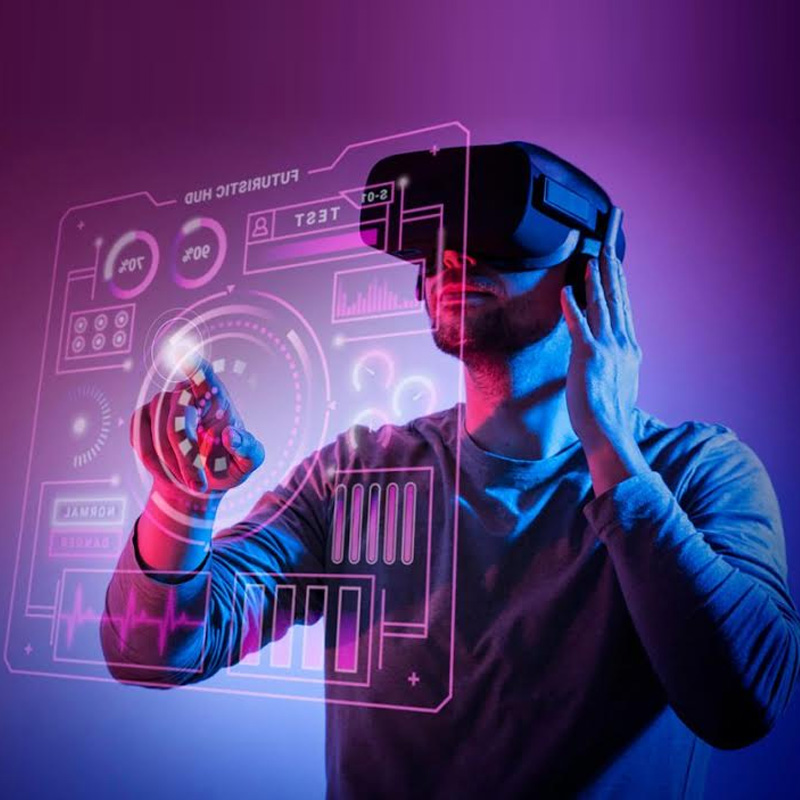
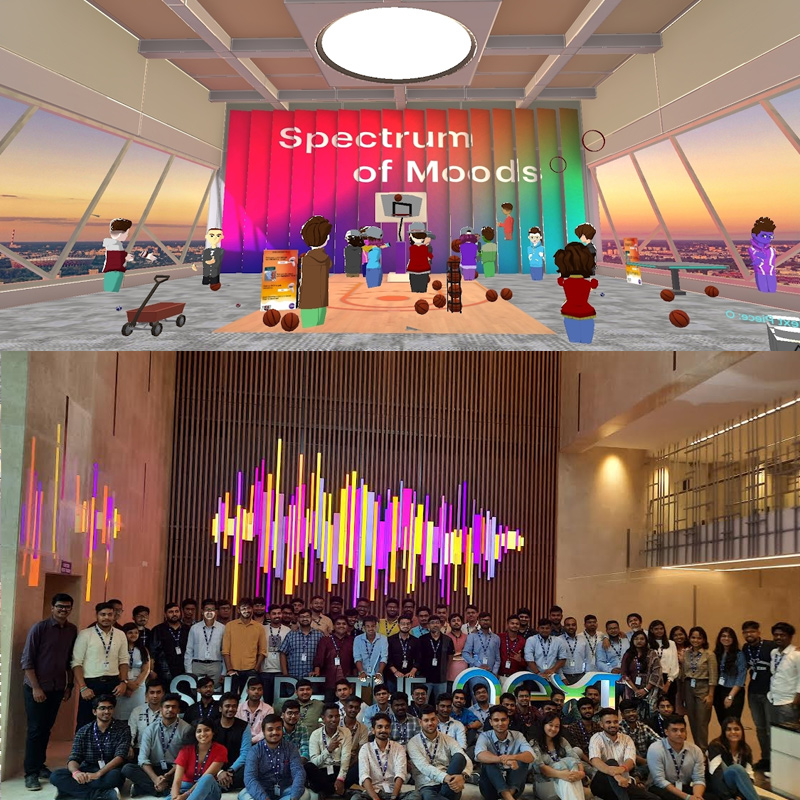
    Mumbai: AutoVRse has introduced ‘VRseBuilder,’ an AI-powered platform designed to transform VR training creation, deployment, and scaling for enterprises worldwide. Serving over 100 clients with 250 large-scale deployments and 300,000 trained employees, VRseBuilder tackles the high costs, time demands, and engagement issues of traditional training methods.

    In today’s corporate landscape, scaling effective training globally is challenging. Traditional methods are often costly, time-intensive, and lack engagement, resulting in inconsistent outcomes and lost productivity. Recognizing this need, AutoVRse developed VRseBuilder to simplify the process by reducing development time by up to 93 per cent, enabling businesses to deploy immersive training programs easily. This innovation helps companies train employees faster, improve performance, and prepare for future challenges, all while managing costs and complexity effectively.

    AutoVRse business development lead Vishal Ahankari stated, “VRseBuilder is revolutionising how enterprises approach training. Our AI-powered creation studio has reduced development time by up to 93 per cent, turning months of work into days while maintaining the highest quality standards.”

    VRseBuilder’s innovative modular design approach enables organizations to build once and reuse infinitely. This Lego-like system allows training managers to mix, match, and customize modules, creating unlimited scenarios while maintaining consistency across the organization.

    VRseBuilder features are as follows:

    1    Convert SOP Pdfs, Jpegs & spreadsheets into VR prototypes: Hand-tracking-based simulations simplify the process of converting static documents into immersive VR training experiences.

    2    Meaningful measurement: A web-based dashboard provides quantifiable metrics to assess the effectiveness of VR training, ensuring an ROI-focused approach through a VR-native LMS.

    3    Customisable VR templates: VRseBuilder’s Creation Studio offers customisable templates that can be adapted in real time to maximise training efficacy.

    With eight years in the VR industry, AutoVRse is a trusted partner to major global enterprises. Its team of experts collaborates with organizations to create tailored VR modules, allowing internal teams to modify and expand training content as needed. This approach enables businesses to independently scale their VR training programs.

    Organisations implementing VRseBuilder have reported:

    1    80 per cent reduction in training time

    2    60 per cent improvement in performance metrics

    3    Significant cost savings through rapid development and deployment

    4    Enhanced employee engagement and knowledge retention

    This launch aligns with the vision of Industry 4.0, advancing automation, real-time data, and intelligent systems to transform India’s industrial landscape. As Digital India 2.0 drives digital adoption, platforms like VRseBuilder help equip the workforce with future-ready skills, bridge the digital gap, and boost economic growth through increased productivity and innovation.

    “We don’t just provide software – we become an extension of our clients’ L&D teams,” added Vishal. “Our frontier team of subject matter experts works closely with organizations to develop initial modules, transfer knowledge, and empower them to scale their VR training programs independently.”

    For organisations looking to transform their corporate learning programs, VRseBuilder offers a comprehensive solution that combines cutting-edge technology with proven methodologies and expert support.

  • How AR & VR are revolutionising the advertising landscape

    How AR & VR are revolutionising the advertising landscape

    In the digital age customers are continuously bombarded with ads. This has led to customers purposely ignoring them reducing their efficacy. How can marketers then connect with their target audience? The answer is simple, to not just display ads to the customers but make them a part of it. Augmented reality (AR) and virtual reality (VR) are a couple of ways to do so. Digital assets are either superimposed on top of the real world as in augmented reality or create a completely exclusive virtual world as in VR.

    These engaging and immersive experiences not only deliver the brand message but build a strong positive bond with their target audience. They have become mainstream and have numerous benefits to leveraging them in advertising.

    1. Deeper engagement with customers – as the attention span of people is on the decline, brands are forced to think of creative ways to advertise. AR/VR campaigns immerse the customer into the brand’s world increasing the time spent by the customer with the brand.

    2. More convincing – While traditional ads are considered intrusive and are being ignored, AR/VR are considered as storytelling mediums and have higher convincing power. Making it ideal for e-commerce brands to sell their products online since studies suggest that AR experiences boost impulse buys and online shopping in general.

    3. Better data driven insights – Since the customers will be spending more time experiencing the AR/VR campaigns it will be easier for brands to not just collect customer data but gain insights into their target audience’s preferences. They can study their behaviour and customise their campaigns based on those insights for optimal results. These insights help brands build better personalised experiences.

    4. AR/VR powered by AI – while AR/VR themselves are powerful advertising tools, their implementation with AI has led to improved performance of ads and data analysis. Computer vision and machine learning has enabled marketers to automate email marketing, social media campaigns, and content creation but also study facial expressions, emotional response, sentiment analysis and attention of the customer to brand products. Computer vision and machine learning can enable gesture-based control and feedback. Leading to the creation of personalised and adaptive AR/VR experiences. AI based plugins such as ConvAI adds human-like conversational capabilities to characters in the virtual worlds. There are attempts made to incorporate edge AI to AR/VR experiences to reduce latency and improve real-time performance.

    While there are several advantages to AR and VR experiences within the advertising space a few drawbacks might impede their adoption.

    1. Cost – developing AR/VR experiences can be cost-intensive especially for smaller businesses. Limiting the access to these technologies to brands with deeper pockets.

    2.  Error in perception – While digital assets within the AR/VR experience might help customers become acquainted with the products they will not be exactly the same as the real product and may lead to errors in perception. For example a real estate property in VR might feel very different in real life when the customer is in the actual space.

    3. Difficulty in integrating AI into AR/VR experiences – VR experiences especially need to be optimised for performance, keeping in mind the frame rate, latency and resolution. AI computation is resource-intensive and relies on remote cloud servers. This can slow down the AR/VR experiences turning a delightful experience to frustration for the end user. Moreover testing AI models in the AR/VR environment takes additional time and resources to test its effectiveness.

    The article has been authored by Tagglabs founder Hariom Seth.

  • “Deltin has always been known as a brand which provides personalised experience to our guests”: Arindam Basu

    “Deltin has always been known as a brand which provides personalised experience to our guests”: Arindam Basu

    Mumbai: In the realm of hospitality and entertainment, few names shine as brightly as Deltin. Known for its commitment to luxury, impeccable service, and world-class gaming experiences, Deltin has carved a niche for itself as a leading brand in the industry.

    One of the key pillars of Deltin’s allure is its hospitality services and unique offerings. From lavish casino to suites and elegant rooms, every space is meticulously designed to exude comfort and style. Guests are enveloped in an atmosphere of indulgence, where every need is anticipated and catered to with utmost care.

    Continuing the celebrations of completing a decade of Deltin Royale, the brand organised a swanky event going by the name of “Deltin Star Weekend” from February 9thto 11th.

    For this event, Deltin rolled out tech-integrated campaign where personalised videos featuring Bollywood star – Tamannaah Bhatia were shared with their patrons in two phases; one video has been rolled out in wishing the patron a “Happy New Year” on New Years’ eve and second video which was rolled out in mid-January with the invitation and details about the event.

    For readers to know more about Deltin and the marketing strategies which have been incorporated into their campaign, Indiantelevision.com caught up with Mr. Arindam Basu, General Manager – Marketing, Delta Corp.

    Edited excerpts

    On the brief introduction of Deltin Royale

    Deltin as a brand, started in 2013, with our first flagship property called Deltin Royale in Goa. As we crossed 2023, Deltin Royale completed a decade ofthrill, excitement and entertainment. To celebrate that same, Deltin Royale hosted a month-long event with non-stop gaming, live entertainment and impeccable hospitality offerings. Not only that, the celebrations consisted of mega prices and celebrity visits from Bollywood celebs like Tejasswi Prakash, Hina Khan and Shamita Shetty. But as you know, Deltin is a place where celebrations never end. We party every day and the party is never going to end. So we aim to continue the ten-year celebration with such numerous event round the year.

    On the specialty of “Deltin Star Weekend” event

    The “Deltin Star Weekend” is one of ourIntellectual Property amongst the other events curated that are hosted in Deltin Royale and as the name suggests, it gives our guests a golden opportunity to mingle with the famous b-town faces. This time three day event kicks off from February 9th with Shilpa Shetty on board to add her charm. On the next day, we have a live performance of the Bollywood duo singers Salim-Sulaiman. On the last day, we have Tamannaah Bhatia coming in to add some lady luck along with meet and greet with the crowd. That’s not all, throughout the week, we are going to have lots of exciting entertainment options where guests can come and experience live performances from various local Goa bands and international dancers. Even the FnB part will be taken care of with meticulously crafted dishes of multiple Indian cuisines thereby catering the set of audiences coming on board to experience a mix of live entertainment and appetizing cuisine. Moreover, the event coincides with Goa carnival which has footfall from across the India and a lot of guests come in to experience the carnival. So this is going to be a jam packed weekend where people can come and have fun, mingle with the celebs, taste their favorite foods and beverages, try their hand in gaming, all at one destination in the middle of Mandovi river in Goa.

    On the role of AI and it’s integration in the campaign

    Deltin has always been known as a brand which provides a very customised and personalised experience to our guests. We always give this unrivaledservices to each of our guests, which they cherish forever. Levelling up the legacy of the Deltin offerings, we thought to make our guests feel even more special with personalised tech infused invitations. Hence leveraging AI we curated a customized video featuring Tamannaah Bhatia to roll out invitations for our signature event – Deltin Star Weekend!. We strategically rolled out the videos in two phases to create and sustain a chain of conversations and excitement for the event.

    Understanding the locality of a large set of our target group and that Tamannaah Bhatia being popular in Northern and Southern states of India, we were successful in creating a buzz around the event thereby receiving an array of queries and registrations.

    On analysing the segmentation of customer databases

    We have our customers segmented into various types.Though Deltin is primarily into casino business, it is not that only gamers who is our audience.We get customers from areas with various demographics and goals.Apart from the gaming enthusiast, we have a segment of customers coming in to experience the realm of casinos, the live entertainment along side lip-smacking food.We have yet another set of audience coming in to just a have leisure time with their friends and family while cherishing a unique blend gaming thrill, live entertainment and hospitality. Hence our campaigns and communications are carefully curated understanding the consumers preferences so as to meet the desired results and conversions. I think that has created a very distinguished bond of getting with the customer, which has helped us in keeping getting the eating position, the top of the mind portion of customers.

    On technology shaping the advertising and marketing industry in India

    Technology has been with us for last 10-20 years. However, recently the technology has been changing continuously and adding layers to it. With technology coming in, things are becoming more precise to where you can reach out to your customer base. One such advancement is that you can precisely target your audience. Second advancement is you can accurately measure your ROI for each and every undertaken task. With these technological advancements, we have been able to decode the data thereby understanding consumer pain points and preferences and with the help of this knowledge we have been successfully curating the campaigns thereby staying ahead of the curve in such a cluttered industry.

    Yet another gift of technology is digital marketing in almost every sector which I believe is disrupting the marketing scenarios in almost all sectors across the globe.Previously all these mainline mediums of marketing were not very precise in targeting the desired set of audiences, but in digital marketing with geographical, behavioral and intent based segmentationone can precisely reach out to the consumer and customer as well.

    The third revolution, which has happened with technology, is automation. Now over the years marketing communication strategy has been automated. Throughout the customer journey right from a customer is introduced to the brand till the purchase is made and even post that the brand can track their journey to automation and can issue precise communication so that the customer is intended to move up in the conversion funnel not just once but multiple times.This automation has helped a lot not only to Deltin but to the entire industry.

    Yet another blessing that we have is CRM.Whenthe CRM mechanism in place wherethe customers preferences are comprehended, highly effective strategy can be devised. With the advent of technology, the brand is able to let the audience can physically experience everything with the entire world being accessible at your fingertips.

    Last but not least, AI has proven to be a breakthrough in the marketing ecosystem. Though AI has been here for quite some time, the conversations around the same manifolded post the launch of OpenAI in November 2022. Within a week’s time, they got a million customers and billion users coming in.

    Generative AI is a category of AI that understands human languages, the way a human talks and it responds accordingly. Hence this tool, is quite beneficiary in the field of marketing where quite a concrete and precise communication strategy can be curated.

    On the current landscape of marketing in India’s hospitality sector and its growth trajectory

    It’s absolutely on the rise and all the data points are suggesting that; owing to multiple reasons.To my opinion, the travel restrictions born due to pandemic that stretched for over a couple of years, the urge to travel and spend quality time with friends and family has significantly surged. This has led to a spike in domestic and international tourists across the nation.

    Moreover, with the corporate eco-system adapting to hybrid and work from home working models, the business travel has also witnessed a surge in bleisure travel. This shift in the perception of travel has resulted in the change in customer expectations. People prefer to seek distinct experiences, ready to pay more for quality,look for an eco-friendly travel options and also has a quest for a personalised travel experience.

    In addition to the same, the government initiatives in hosting a large scale national and international event such G20 summit, National Games, sports tournaments, India Energy Week, etc across the locations in India has shoot up international tourism in India. Henceforth, I believe, this industry holds an immense potential.

    On other strategic campaigns that Deltin has lined up throughout 2024

    Goa is a vacation destination for a large chunk of people across the nation. Hence round the clock we have tourists coming in Goa to seek various experiences, be it night life, beach life or casino experiences. Therefore, we at Deltin, ensure to have an array of unique events round the year to provide our guests with an unparalleled experience – seamless blend of non-stop gaming, live entertainment and hospitality. With such events, we have been able to live up to the expectations of our patrons to be Asia’s largest offshore casino destination. Moreover, at Deltin, we have been leveraging performance marketing, SEO, SEM and social media marketing. Not only that, on a regular basis we collaborate with content creators to widen our reach.

    All in all, at Deltin, we are geared to continue ten-year celebrations throughout the year ultimately sparking a chain of conversations around Deltin and Deltin Royale. We would be, like I earlier mentioned, utilising a 360 degree marketing and communications approach to reach out to our customers and consumers. 

  • OTTs are regarded as one of the most important aspects that influence consumer behaviours: MMA Report

    OTTs are regarded as one of the most important aspects that influence consumer behaviours: MMA Report

    Mumbai: In India, OTTs are regarded as one of the most important aspects that influence consumer behaviors. In a recently published report, in collaboration with Warc, MMA Asia Pacific examines how the industry is approaching these challenges, focusing on current trends and future opportunities. To drive growth in the digital age, marketing needs to modernise a specific set of capabilities and mindsets.

    Findings from this study suggest that over a third (36 per cent) of Indian marketers will spend more than 60 per cent of their budgets on digital marketing, compared to 25 per cent of Apac marketers overall.

    19 per cent of Indian marketers are investing in AR/VR in efforts to promote marketing advancements, the report added.

    A majority of marketers are using data analytics and collection to drive improvements in their digital marketing. While 69 per cent marketers expect the metaverse to significantly impact the space, a budget of 36 per cent identified it as the biggest barrier to digital marketing growth in India.

    To drive growth in the digital age, marketing needs to modernise a specific set of capabilities and mindsets. But as complexity grows, marketers face increasingly difficult choices about where to allocate their investments, what objectives and tactics to choose, and what capabilities to develop in order to drive future growth.

  • GUEST ARTICLE: Impact of 5G in marketing and communication

    GUEST ARTICLE: Impact of 5G in marketing and communication

    Mumbai: While the 5G discourse has been mainly centred on autonomous vehicles and telecom capabilities, the truth is that there is more to this emerging technology than simply enhancing our mobile connectivity. To elaborate, 5G will accelerate technological innovation by enabling AI and machine learning (ML) at the edge, bringing with it unprecedented new enterprises and technological capabilities. According to the report, 1.4 billion devices will be connected to 5G by 2025, opening up a world of possibilities for explosive data. As new devices and technologies are created across industries, what used to take years or months to reach the market will now be accomplished at breakneck speed.

    5G network design and connectivity are rapidly becoming more widely available. It can benefit from the rising availability of this service in a variety of ways, including marketing and communications. The faster the customers and prospects can connect to and navigate the network, the happier they’ll be. 5G ensures that more people can connect to and utilise your network or website more quickly and consistently, even when traffic levels are higher than usual.

    So, what does this all ultimately mean for marketing and communication?

    Because many industries are expected to be impacted, marketing and communications professionals must be ready to develop their messaging and properly explain the results of 5G to key influencers and stakeholders. Here’s how it works:

    5G will help in enhancing experiential marketing

    The promise of 5G — from high-power edge computing to lightning-fast speed — is an opportunity for both consumers and companies. Communication can help brands to position themselves in the community as visionaries, discussing trends and projections while emphasising the growth of their business and generating interest and enthusiasm about the beneficial effects of brands in the community through 5G. Marketing will also assist in allowing the consumer to personally experience the brand or product and obtain brand rewards through 5G. Experiential marketing has always been known for highlighting a brand’s physical presence. With 5G, brands can use artificial intelligence (AI), virtual reality (VR), and augmented reality (AR) approaches to communicate with those who are still striving to reach consumers faster.

    5G technology opens up AR and VR

    Online interactions will increasingly revolve around immersive experiences, and 5G will make this transition more seamless. Virtual reality experiences can take the role of video in marketing by immersing the client in the experience rather than simply showing them what is available. For example, you could allow a customer to enter the store where they want to buy something; allow them to try on hundreds of different items of clothing without entering a changing room; or even allow them to dine with their favourite celebrity.

    Personalization

    Data collection is probably going to get much better under 5G. Discovering your customer might take less time. From this, marketing and communication will be able to help brands know how they can connect with their target audience and consumers faster. Due to such fast connectivity, they can also help brands connect with the media. Such technology will also help marketing by making brands more personalised and immersive experiences for their consumers.

    Marketing and communication will become more interactive

    With 5G’s high-speed capabilities, communication may become more appealing in addition to being more prevalent in the media. Marketing will become more interactive, which was previously thought to be impossible. However, 5G may make this tactic more feasible for marketing professionals. It will become more digital and immersive in the future.

    5G signifies that more individuals can connect to and use the companies’ experiences or goods more swiftly and reliably. The future of marketing and communication will help brands connect with customers and prospects faster and more passively, boosting the brand’s image and awareness with the aforementioned points.

    The author of this article is Scenic Communication co-founder Anindita Gupta.

  • Guest article: What to know about the modern marketing playbook in the era of web 3.0 and AI

    Guest article: What to know about the modern marketing playbook in the era of web 3.0 and AI

    Mumbai: For quite a while now, two terms have been making very speedy rounds in marketing circles-web3.0 and artificial intelligence. This new wave of the internet is set to disrupt the way marketing is done globally, commanding quick and agile systems. The reason: this is where the consumers of the future are. As marketing tactics change along with the advent of the digital revolution, new standards will be established at the same time, drastically altering modern marketing.

    What is web 3.0, and what are the new trends it brings to the table

    The third generation of the internet, or web 3.0, integrates data in a decentralised manner to provide a quicker and more individualised user experience. Constructed with the help of artificial intelligence, machine learning, and the semantic web, it uses the blockchain security system to improve privacy and provide an immersive experience with a marketing opportunity. So, businesses stand to benefit from an online presence here, and marketers will get a stronger opportunity to connect with their target customers.

    Web 3.0’s degree of functionality has been attained in the previous two web generations. Its technical ancestor, known as web 1.0, was born in 1989 and reached its prime in the 1990s and early 2000s. Then came web 2.0, which reached its maturity in the middle of the 2000s and introduced the novelty of collaborating and communicating online.

    A rich and interactive marketing experience

    A marketing challenge today is delivering a hyper-personalised experience at a time when users are expected to have more control over their data. And it indicates that reaching out to both present and future consumers will soon become more difficult. Users now create information on the internet as well as consume it, which is helpful for marketing. Here is where web 3.0 components such as AI help make sense of the massive creator data.

    Web 3.0 marketing uses the rapidly changing internet to improve results. For instance, marketers can examine customer chats using natural language processing technologies. AI has also been utilised to further personalisation, particularly in the areas of online content rendering and presentation, the delivery of e-commerce goods, and automated customer assistance. A greater symbiotic link between humans and machines will lead to more web 3.0 features having a significant impact on marketing. Besides this, the other brilliant arms of web 3.0 are NFTs and the metaverse, which is an all-consuming version of the internet that uses tools like virtual reality (VR) and augmented reality (AR) to work, play, and amuse others in a 3D environment.

    How to market effectively on Web 3.0

    Any kind of creative work can be represented by NFTs, giving advertisers the opportunity to reach consumers with a range of interests. They can be implemented into customer loyalty programmes where participants are given the chance to acquire exclusive products. This is being done to perfection by brands like Taco Bell, Macy’s, and Budweiser.

    Immersive surroundings, virtual user identities, and a working virtual economy are all distinctive aspects of the Metaverse. Its objective is to mirror physical environments and lives in digital form, thus enhancing human potential. The metaverse offers marketers the chance to connect with consumers in a brand-new setting where they are fully engaged. Businesses will have the ability to increase their reputation by highlighting the assured security of blockchain transactions.

    Web 3.0/AR & VR are being touted as game-changers in modern marketing. Given its immersive and ‘phygital’ nature, interoperability, and collaboration capabilities, however, an ongoing commitment to the platform is key. Many web 3.0 principles are still up for dispute.

    Web 3.0 is still being defined as a whole since there isn’t a single, agreed definition of what it exactly is. In other words, we are creating the aircraft while we fly. Despite this, there is no denying that web 3.0 is changing the way that the modern corporation interacts with its clients. In addition to the numerous potential advantages for early adopters, marketers should be actively involved in the process of establishing this next phase of the internet because they have a duty to future generations. Numerous companies have begun experimenting in this realm, including brands like Airtel, MakeMyTrip, Amazon and Swiggy.

    In one classic example Alpenliebe brand house which comprises candies, pop & Eclair collaborated with Nickelodeon’s annual awards property – Kid’s Choice Awards which screened in the metaverse. Hosted at Decentraland which is one of the biggest metaverse platforms globally, the brand organized a quirky entry for its participants where they were asked to form their own ‘’Avatars’’ upon registrations. A slime pool, a blimp pool, slime fountains & fun slides also appealed to the kids. The metaverse event was mobile friendly which delivered an immersive user experience and created good brand value.

    Again, for companies like Starbucks, technology need not alienate us. To quote Tata Starbucks director of marketing, category, loyalty and digital Deepa Krishnan, who is also a jury member at MMA India Smarties 2022, the future will be all about marrying technology with purpose, experiences, and value by getting to know consumers, their interests, and preferences and making their lives simpler through deep analytics, harnessing multi-point data and insights.

    Five years ago, marketers were beginning to shift more spends online through advertising and digitisation, notes Krishnan, adding that the pandemic hastened that significantly. “The future will be about bringing the offline experience online. It is going to be about humanising the digital. People realise and appreciate the power of human connections and are increasingly craving community-driven engagements. How a brand connects with its consumers is still very much significant and will always remain paramount,” she adds.

    Revolutionising the marketing and advertising industry

    The future customer won’t be susceptible to today’s issues, such as obtrusive marketing and inadequate data protection, thanks to a solid foundation. But for businesses looking for success in the new era of the internet, AI and the metaverse-based research technology will not only introduce them to the developing web 3.0 marketing but will also give them access to the consumer and market intelligence necessary to grow a company.

    The author of this article is MMA India country head Moneka Khurana.

  • GUEST ARTICLE: What are the advantages of the advertising industry with the new 5G technology

    GUEST ARTICLE: What are the advantages of the advertising industry with the new 5G technology

    Mumbai: In the recently ended spectrum sale, India auctioned 51,236 MHz of spectrum to incumbent operators for Rs 1,50,173 crore across several 5G networks. This implies a speedier experience for customers, with mobile devices interacting with wireless networks significantly faster and users seeing enhanced download and upload speeds. According to a Deloitte analysis, India’s digital economy is expected to reach one trillion dollars by 2025 as a result of growing smartphone use, fast internet penetration, and the acceleration of mobile broadband and data connectivity. However, 5G is expected to be the primary driver of this expansion.

    5G, like the radio, the internet, and other disruptive technologies before it, will allow advertisers to better engage customers by sending enormous amounts of data at speeds significantly quicker than current 4G technologies allow. Although 78 per cent believe 5G technology will be superior to 4G, 95 per cent are unaware of which 4G features are currently available on their devices. More than 70 per cent are prepared to pay for new technologies (with payment used as a proxy for perceived value). Faster downloads are significant for 71 per cent of 5G users. Respondents do not grasp the phrases “connectivity,” “capacity,” and “latency” and place a low value on these benefits. Here are the advantages for the advertising industry with the new 5G technology:

        Making your creatives suitable for 5G users.

    5G users interact with gadgets in a unique way, which can assist in personalising advertisements to what they’re most interested in. 5G has several concrete benefits, such as downloading a two-hour HD movie in roughly 18 minutes, live streaming a concert or live event to friends or family in HD, and low-latency gaming with 30-50 millisecond ping. However, tailoring your ads to fit consumers’ preferences is extremely critical for 5G over 4G. Users that have a strong interest in gaming, entertainment, and live streaming are more likely (92 per cent) to pay for 5G technology and purchase a 5G enabled phone early on, compared to the overall average (81 per cent). With all of the new 5G updates, there is also a huge opportunity to get creative with brand advertisements and innovate with new benefits.

        5G technology unlocks AR/VR advertising

    Because of 5G’s low latency and rapid download rates, advertisers and publishers will have more options to build new streaming media formats with better capabilities. As customers spend more time on 5G phones, they want new experiences to justify the higher cost. Therefore, advertising must capitalise on this. AR and VR have several applications. Over the next year, it is predicted that 100 million consumers will utilise augmented reality for purchasing. Creating increasingly meaningful, immersive experiences is the future of online engagement, and 5G will usher in those capabilities more naturally.

        Analytics will go real-time

    Already, a fraction of the data we can handle and analyse is considered real-time data. 5G will enable the integration of a broader variety of activities and impressions in real time. If a consumer makes a purchase in the future, they may no longer get any advertising connected to that product or product category. Fundamentally, this will improve targeting, segmentation, customer experience, and customer journey, as well as brand and consumer efficiencies.

        Serve advertisements that leverage 5G advantages

    Users may interact with adverts in novel ways thanks to the ability of 5G for advertisers to create more creative and original immersive content. Real, realistic on-device advertising experiences may be made possible in various ways with minimal latency. Advertisers may display full-screen commercials that let viewers see how a character or product appears in various settings that they can design and modify right from the creative. Additionally, brands may employ VR to present a 360-degree image of the gaming or social environment. Greater capacity also allows for the production of advertisements in a wide variety of audio and video formats. 5G technology has a tonne of unrealized potential, so businesses should be committed to coming up with fresh approaches to interacting with consumers through advertising.

    As with previous technological breakthroughs, advertisers will need to have their fingers on the pulse in order to fully capitalise on the new opportunities presented by 5G and avoid falling behind. Fundamentally, it’s fantastic for innovation that our most imaginative ideas may now confront fewer technological constraints. However, adapting our strategy to the new digital context will be a problem.

    The author of this article is Hotstuff Medialabs founder and CEO Arun Fernandes.

  • GUEST ARTICLE: How will metaverse shape the influencer and consumer engagement landscape

    GUEST ARTICLE: How will metaverse shape the influencer and consumer engagement landscape

    Mumbai: The internet is constantly evolving and has become more interactive. Soon, we will be able to experience it as a network of real-time virtual worlds. The metaverse is a three-dimensional virtual environment that allows your digital avatar to live, play, work, and socialise. It is a self-contained digital counterpart to the real world where you are engaged in your surroundings and experience and have access to various places, events, and activities while sitting in your living room.

    This next-generation version of the virtual space is a powerful tool. It offers excellent comfort, accessibility, interactions, and brand promotion opportunities, with user-generated content (UGC) playing an essential part in the form of text, images, audio, and videos. It will be a crucial building component for the metaverse in the coming years, providing uniqueness, credibility, and scalability.

    Brands and creators have acknowledged the first-mover advantage and are capitalising on consumer interest. As mega brands begin to leverage the metaverse, another trend that can stand to benefit is the realm of influencer marketing.

    Metaverse and influencer marketing

    Influencer marketing as a social media marketing tool emphasises product endorsements and recommendations from experienced influencers with a substantial social following. These influencers are highly regarded by their audience, and their product recommendations serve as social validation for brands’ prospective customers.

    Social media platforms have dramatically boosted the number of niche influencers and viewership in recent years. These creators have begun to engage with their audiences in new ways to widen the influencer-audience engagement time. They are eager to leverage the metaverse as a space to connect with a larger audience and provide a better consumer experience. Numerous opportunities exist for creators to collaborate and create engaging and multi-dimensional content to bond with their audience in the metaverse.

    Growth in virtual circles

    Social media platforms have significantly increased the number of influencers who interact with their audience. However, these interactions are frequently constrained to certain platform features.

    Metaverse can make the experience seamless and convenient for everyone. Creators can host virtual meetups and organise livestream sessions, fan fests, and other activities. Through metaverse, they can connect directly with their audiences’ digital avatars on the platform, garnering better engagement.

    Immersive influencer marketing

    The innovative use of technologies such as AR and VR expands the possibilities for generating immersive and engaging content while allowing creators to enter into new dimensions like the metaverse. For example, influencers in the music industry can stage virtual performances in the metaverse to attract viewers from all over the world, crossing all geographical boundaries.

    Similarly, artists can create and sell 3D art to display in virtual homes; fashion influencers can introduce their digital merchandise that their audience can purchase; and travel influencers can go on virtual world tours with their fans, making the experience more thrilling.

    The growing number of influencers has helped brands reach various demographics and engage with existing and potential consumers. Influencers can be present in more than one virtual space in the metaverse, which amplifies their reach. Brands can leverage this benefit to optimise their marketing strategies and interact with larger consumer segments.

    The future of influencer marketing

    Although celebrity influencers have pioneered influencer campaigns, micro influencers’ growth has expanded and will continue to strengthen business opportunities. Brands can easily connect with their consumers by leveraging a network of smaller influencers rather than investing in one or two big influencers.

    In addition, social media has witnessed an increase in AI influencers across sectors. Interestingly, brands have started creating virtual influencers, aka meta-influencers. This strategy enables brands to have ambassadors who can interact with consumers.

    In the coming years, AI influencers will coexist with their human counterparts in the metaverse, with brands having the power to control how they communicate their message and narrative.

    Way forward

    The metaverse is set to bring about profound changes in how we all live. It will alter our interaction with the physical world, from perception to content creation. There is an enormous potential for all creators to harness technology to create outstanding content in the metaverse and thrive in their domains. Content creators will play a critical role in the development of the metaverse, which will be pivotal to their success in the long term.

    The author of this article is AnyTag India Lead Shuchi Sethi.

  • GUEST ARTICLE: Experiential marketing to thrive in the post-pandemic world

    GUEST ARTICLE: Experiential marketing to thrive in the post-pandemic world

    Mumbai: The immersive experience was popular earlier, but the Covid-19 pandemic accelerated its application by several companies, making it take centre stage rather than being offered as an add-on. Let’s see how the dynamics changed during the pandemic and the way forward.

    The world is seeing the light on the other side of the tunnel. The Covid-19 pandemic’s effect has weakened now and after two years of struggle and adversity, the world is slowly paving its way back to normalcy. As the world starts connecting in person once again, experiential marketing is seeing an uptick in demand from consumers. Before the pandemic hit, experiential marketing was well perceived by consumers, with marketers seeing the potential of immersive brand experiences and events. With a locked-down lifestyle of over two years, the demand for real-life experiences has now grown exponentially.

    Live events, which were seen in their element after a hiatus of over two years, got all the more creative and we could see they are now heavy on technology to bring out the personalised impact. Intimate experiences are what consumers in the modern day are striving for, and after the upheaval of the pandemic, wherein the uncertainty surged suddenly, people now want to live it to the fullest with their dear ones.

    Weddings have evolved to be upbeat and intimate. For that matter, destination weddings are slowly gaining standard status in India across all economic classes. From event companies to branded hotel chains, everyone has tailored their offerings to thrive in this space by providing exhilarating experiences at bespoke destinations with breathtaking natural views in the background. Customers are now looking beyond just what is basic. They want all that with their close ones, and ideally, only close ones will witness it all. The one big event inviting multiple people is not what patrons are looking at for multiple reasons, with the Covid-safe environment taking centre stage.

    People have been striving to immerse themselves in human interactions and in-person events for the longest time. Covid-19 kept them away from each other. Yet, the world somehow found ways to connect, though virtually. Events were being hosted online. Live events and destinations have started hosting virtual tours through the internet. Be it concerts, corporate events, car and bike expos, or destination conventions and trade shows, the brand value was kept alive online, but people longed to witness them again in person. Hence, marketers redefined how customers experience these events with an added value. For example, a tour and travel firm, during the Covid times, introduced a subscription-based VR experience to showcase to customers how they can sense various destinations. If they liked the appeal of a close-to-real experience, the customer could engage in a valuable package to travel to the destination once the lockdown was lifted.

    Real-life experiences create happy memories for the customers, and that has been shown to contribute a lot to increased conversions or sales. In the foodservice industry, many upbeat events saw drastic closures during the pandemic. Hotels turned into quarantine centres, and their restaurants remained confined to receiving delivery orders only. However, they conceived things differently. Instead of sending just the end products, hotels reimagined the live-kitchen experience of their award-winning restaurants at the patron’s home. Hence, the concept of DIY signature dishes was born. The hotel sent individual ingredients for the signature dishes, and patrons were guided on how to make the dish via a note or virtual live guidance from the executive chef. The results were lip-smacking. The hotels that practised this approach expressed an increase in customers visiting them currently who wanted to experience the signature dishes at the hotel in the ambience provided by the hotel.

    Experiential marketing has come a long way, and digitization has certainly helped people remain connected all the time. People are finding newer ways to stay connected, and experiential marketers are trying their best to make a point of how the patron is as immersed in the product or service as possible. While 4D in cinema dates back several years, the application of virtual reality and augmented reality has come a long way in the events sector too. From headphones-based beach parties to VR gaming zones, experiential marketing has revolutionised how people looked at events previously.

    The crux of the success of experiential marketing remains the feeling of ownership that it creates. People love taking control of things and using them for the best according to themselves, so experiential marketing creates just the environment. For example, the new-age apparel stores online are coming up with features wherein one can see how they will look in a particular outfit even before deciding to buy it. They sense how they would look in it and how it’d feel to own it. This can lead the customers to buy or choose another outfit. So, the feeling of ownership even before making the sale has led to the success of experiential marketing. In the case of events, people love to witness how their prospective event will look through a virtual environment. A virtual walkthrough of the event’s flow helps the customer visualise how their event will look before the day.

    Experiential marketing has come a long way in these years where it originally came as an ancillary service but has become a crucial element of the marketing mix for many corporates. It is in line with the evolving needs of customers, who are now savvy and demand more from brands and are well over the age-old advertising tactics.

    The author of the article is Hubble Entertainment co-founder and managing partner Hafiz Khan.

  • GUEST ARTICLE: Metaverse- A marketing trick or future of the internet

    GUEST ARTICLE: Metaverse- A marketing trick or future of the internet

    Mumbai: The metaverse is a concept of a persistent, online, 3D universe that combines multiple different virtual spaces. It is the intersection of virtual reality, augmented reality, and the world wide web. The 3D virtual reality ecosystem allows you to play games, create, explore, communicate, work, and socialise.

    From the advent of the internet in the 1990s to the web 3.0 wave, one of the most remarkable social developments is the confluence of real and digital worlds. The pandemic prompted brands to reach audiences worldwide using engaging ways that appeal to people while maintaining their authenticity, compelling the industry to resort to technology and tap into the metaverse.

    According to KPMG, by 2030, we may spend far more time in the metaverse than in the physical realm. People would use the metaverse’s virtual abilities to seek employment, generate an income, socialise with friends, shop, or even get married.

    Not just games but digital worlds

    The metaverse is so much more than solely a gaming environment; it’s a sci-fi vision come true. It is also not confined to tech giants; it’s open to creators from across industries. Established businesses are preparing for the virtual world. For instance, McDonald’s has applied for a trademark for a virtual fast-food restaurant and virtual goods and services. It will provide consumers another alternative to ordering food online and getting it delivered to their homes. Surely, creativity will drive the economy as experts from diverse professions integrate their expertise.

    The progression of the metaverse economic system will have a direct financial impact on the real-world balance sheets of entities. Which is why brands have started to employ creative marketing tactics to penetrate the metaverse and cash in on that early mover advantage. The metaverse is likely to transform the brand marketing paradigm as marketers will be able to engage consumers in immersive new ways while simultaneously working on developments and innovations to propel them forward with a seamless user experience.

    Additionally, metaverse allows employees’ digital avatars to enter and exit virtual workplaces and conference spaces in real-time. They can use their avatar to deliver live presentations, unwind with colleagues in a networking area, and perform any task with the ease of sitting at their desk.

    Marketing in metaverse

    With the rise of the internet, social media marketing has become essential to driving traffic and revenue for small and large businesses. Brands are shifting their digital marketing approach towards the metaverse to remain relevant, particularly to millennial and Gen Z audiences. They are the most fervent adopters of the metaverse. More importantly, metaverse platforms offer far more immersive and engaging experiences in comparison to traditional social media platforms. Some brands have even experimented with real-time monitoring of their brand visibility and engagement across many virtual platforms. It enables marketers to analyse data such as how long users hold digital products, how long they have users’ attention, and where users gaze while viewing advertisements.

    High-end fashion brands such as Gucci, Nike, and others are vying to “get there first,” putting their advertisements in front of a massive audience in innovative and engaging ways.

    Future of metaverse

    The future of the metaverse could be similar to our present world in many ways and may even replace some real-world activities, or it could almost overshadow our present world in a Ready Player One-esque future. The future trends are looking at the world through AR/VR devices and using immersive technology. Early adopters will have a huge advantage, making it essential for businesses to begin researching and experimenting as the pace of change accelerates.

    The metaverse is still at a nascent stage, and everyone is experimenting to see if they can see success stories as they explore, interact, and try out new marketing tactics. There are a few measures that brands may take to gain an edge by creating virtual experiences, offering in-world purchases, organising virtual events, exploring NFTs, streamlining social media marketing, developing a metaverse marketing strategy, and so on. More brands view the metaverse as a probability to interact with audiences in ways that are beyond their imagination and deliver new and unique brand experiences.

    The author of this article is Blink Digital director of technology Amer Ahmad.