Tag: Vikas Chawla

  • Social Beat Films launches video campaign for Livguard Energy’s Sine-Wave technology inverter

    Social Beat Films launches video campaign for Livguard Energy’s Sine-Wave technology inverter

    Mumbai: Social Beat Films, digital video marketing agency launched a digital campaign for Livguard Energy’s sinewave technology inverters that remain silent during power cuts. The campaign focuses on the daily struggles of the Indian middle class, which is precisely the target group for the prominent energy storage company.

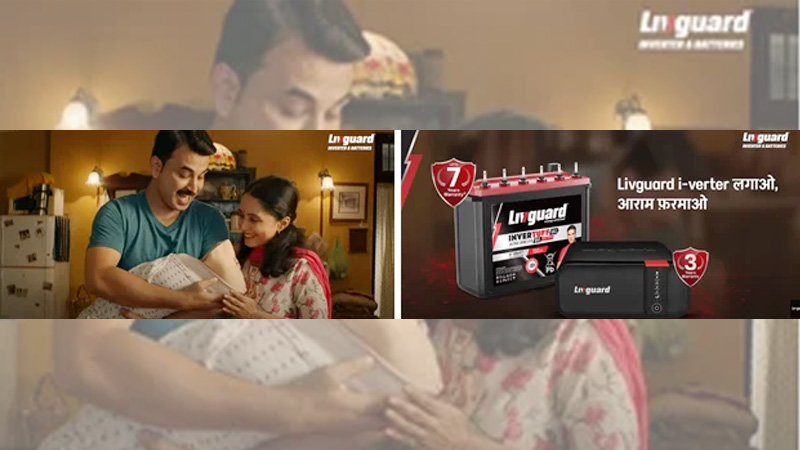
    This film is largely relatable to all parents who have struggled to put their children to sleep, especially in the hot summers in North India. It emphasizes the problems that people face with ‘not-so-efficient’ inverters that may be unreliable, unstable, and loud.

    In this humorous video campaign, the father and the mother put their child to sleep and are relieved to see their child sleep. They both look happy to have succeeded in this strenuous task, but little did they know of the lurking power cut. The moment the power goes out, the fan turns on, making a creaky noise, thanks to the ordinary inverter. They both know what’s going to happen next. As soon as they hear the child cry, the wife gets angry and leaves the room, leaving the husband in charge of the task. If only he had installed Livguard’s latest sinewave technology-powered inverter, things would have been so much better for him.

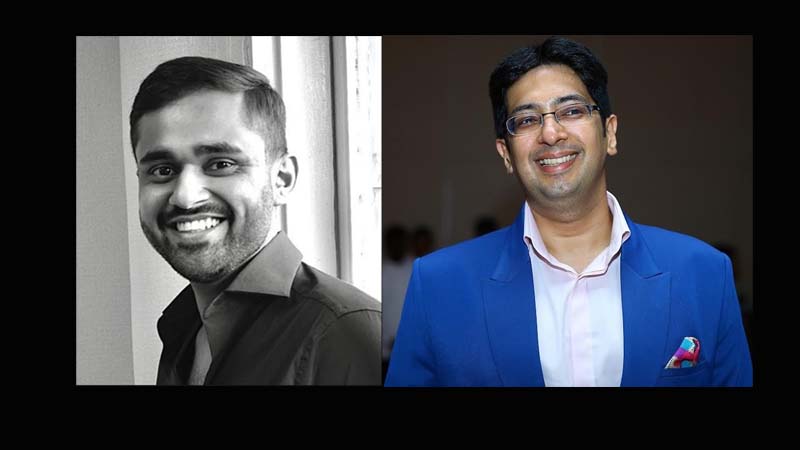
    Social Beat co-founder Vikas Chawla said, “The film hit the right chord with the target audience, as it reached over 1 million people on YouTube and more than 6.5 million on Instagram. Once again, Social Beat Films has successfully helped its clients achieve their marketing objectives.”

    Livguard Energy digital head Ashish Sahani said, “Our campaign resonated with young parents, blending humor and addressing everyday challenges. Its success was evident in the heightened engagement and positive response from our target audience during the festive season.”


  • Measuring ROI is the biggest challenge: Digital Marketing Industry Report 2016

    Measuring ROI is the biggest challenge: Digital Marketing Industry Report 2016

    MUMBAI: According to the Digital Marketing Industry Report 2016 released by Social Beat, 87 per cent brands leverage digital and 38 per cent of them allocate a third of its budget to digital marketing. The reason why the later figure is low is probably due to inability of the medium to take accountability for the brands.

    Tracking Return on Investment (ROI) is the biggest challenge being faced by brands, closely followed by content creation, quality lead generation and attracting talent. Currently, CMOs are using Sales / Leads, Engagement, Brand Reach and Mentions as the metrics to track the effectiveness of their campaigns.

    The report is the result of a survey sampled across 376 CMOs and Marketing Heads in India. The companies that participated in the study were from various sectors and verticals including e-Commerce, FMCG, Media/Entertainment, healthcare, education, real estate, and travel.

    Most of the respondents said they focus on Social Media Marketing, Search Engine Optimization, Content Marketing and Emailers for marketing their brand online. Not surprisingly, Facebook (89%) and Google (78%) have emerged as the most popular platforms followed by Twitter (56%) and LinkedIn (51%).

    Penetration of smartphones, faster internet connectivity and interesting video content have resulted in 51% brands targeting YouTube for marketing their brand. It would be interesting to track the growth of newer channels like Instagram and Snapchat in India for brand marketing in the near future.

    Speaking on the report, Social Beat Co-Founder Vikas Chawla said “The report highlights the rise of digital marketing, though brands continue to use television and print mediums to have a 360-degree approach. It was encouraging to see that 87% of the brands surveyed leverage digital marketing. While brand awareness and lead generation/sales seem to be the primary goals set by the CMOs, digital marketing is increasingly being leveraged for Customer Engagement (46%) and customer service (35) too.”

    The responses from the survey indicate that digital marketing spends are about one-third of the total marketing spends. The results here are considerably different from the IAMAI – IMRB International Report which pegs the digital spends at 12% of the total marketing spends.

    Speaking about the survey, Social Beat cofounder Suneil Chawla said, “Around 10% brands surveyed spend more than Rs. 1 crore annually on digital marketing while around 50% brands spend more than Rs. 6 Lakhs annually. Overall, 20% brands plan to increase their digital marketing spends by 25% in the next financial year. This is important in the context of growing internet and digital penetration in India – brands understand that digital is the way forward. With an expected 500 million internet users in India by 2017, brands understand the massive opportunity to reach out to their consumers.”

  • Measuring ROI is the biggest challenge: Digital Marketing Industry Report 2016

    Measuring ROI is the biggest challenge: Digital Marketing Industry Report 2016

    MUMBAI: According to the Digital Marketing Industry Report 2016 released by Social Beat, 87 per cent brands leverage digital and 38 per cent of them allocate a third of its budget to digital marketing. The reason why the later figure is low is probably due to inability of the medium to take accountability for the brands.

    Tracking Return on Investment (ROI) is the biggest challenge being faced by brands, closely followed by content creation, quality lead generation and attracting talent. Currently, CMOs are using Sales / Leads, Engagement, Brand Reach and Mentions as the metrics to track the effectiveness of their campaigns.

    The report is the result of a survey sampled across 376 CMOs and Marketing Heads in India. The companies that participated in the study were from various sectors and verticals including e-Commerce, FMCG, Media/Entertainment, healthcare, education, real estate, and travel.

    Most of the respondents said they focus on Social Media Marketing, Search Engine Optimization, Content Marketing and Emailers for marketing their brand online. Not surprisingly, Facebook (89%) and Google (78%) have emerged as the most popular platforms followed by Twitter (56%) and LinkedIn (51%).

    Penetration of smartphones, faster internet connectivity and interesting video content have resulted in 51% brands targeting YouTube for marketing their brand. It would be interesting to track the growth of newer channels like Instagram and Snapchat in India for brand marketing in the near future.

    Speaking on the report, Social Beat Co-Founder Vikas Chawla said “The report highlights the rise of digital marketing, though brands continue to use television and print mediums to have a 360-degree approach. It was encouraging to see that 87% of the brands surveyed leverage digital marketing. While brand awareness and lead generation/sales seem to be the primary goals set by the CMOs, digital marketing is increasingly being leveraged for Customer Engagement (46%) and customer service (35) too.”

    The responses from the survey indicate that digital marketing spends are about one-third of the total marketing spends. The results here are considerably different from the IAMAI – IMRB International Report which pegs the digital spends at 12% of the total marketing spends.

    Speaking about the survey, Social Beat cofounder Suneil Chawla said, “Around 10% brands surveyed spend more than Rs. 1 crore annually on digital marketing while around 50% brands spend more than Rs. 6 Lakhs annually. Overall, 20% brands plan to increase their digital marketing spends by 25% in the next financial year. This is important in the context of growing internet and digital penetration in India – brands understand that digital is the way forward. With an expected 500 million internet users in India by 2017, brands understand the massive opportunity to reach out to their consumers.”

  • Coca-Cola India announces top level organisational changes

    Coca-Cola India announces top level organisational changes

    MUMBAI: Coca-Cola India has announced some key senior leadership changes, aligned with its long term plans of becoming one of the Coca-Cola company’s top five markets (in volume terms) by 2020. The Company is already committed to an investment of $ five billion to further capture growth opportunities in the Indian packaged beverage market.

    Announcing the senior leadership changes, deputy business unit president, India and South West Asia Venkatesh Kini said, “As we move into the next phase of our journey in India, we have a solid foundation and the necessary momentum in our business. We now need to have the scale and resources to capture latent growth. Building our talent pipeline and developing people capability is one of our key pillars for success. The new senior level management changes is a step in that direction. The entire team will work closely with our bottling partners to achieve our Vision 2020 goals in India.”

    The following are the key organisational changes effective 1 October, 2013. All these senior leaders of the company will report to Kini. There are no changes in the organisational structure at Hindustan Coca-Cola Beverages, led by its CEO T. Krishnakumar.

    Vikas Chawla, currently VP operations, is moving to Athens, taking over as the franchise operations head in South East Europe where he will lead operations for 12 European countries. This is yet another endorsement of the quality of talent in India. He adds to the list of 47 managers that the BU has exported to the global TCCC system.

     For a deeper focus on operations and aligned to achieving the business targets for 2020, Coca-Cola India will have two operation leaders going forward.

    Sumanta Datta, currently VP – customer and commercial leadership, will take over as vice president, Company Bottling Operations (including Delhi region and national key accounts). He will work closelywith the team at Hindustan Coca-Cola to deliver the volume and profitability targets for Coca-Cola India. Datta has been with the Coca-Cola system since 1995 in a variety of roles in marketing, operations, customer & commercial leadership, strategy in India as well as China. In his most recent role he has helped drive exponential growth in the national key accounts business.

    Bhupendra Suri, currently director, franchise operations, is being elevated as vice president – Franchise Bottling Operations. He will work with the 11 franchise bottlers in India and provide leadership and strategic direction to them. Suri has spent 17 years in India in a variety of functional and general management roles, with the company as well as the bottling operations.

    Andriy Avramenko, currently VP – juice, will take over as vice president strategy and still beverages. Avramenko has had diverse experiences within Coca-Cola in strategy, mergers and acquisitions, business integration, supply chain and finance. Avramenko has been instrumental in putting the juice brands on a path of sustainable profitable growth in India and SWA over the past two years.

    Debabrata Mukherjee, currently vice president, strategy and still beverages, will take on the role of vice president, marketing and commercial. The marketing and commercial roles are being brought together under one head, for a deeper and combined focus on commercial and shopper marketing as well as product commercialisation.

    Mukherjee is a veteran of the Coca-Cola system, who joined the company in 1998. He has done a series of marketing and general management roles. He was the head of marketing for the company in Korea before coming back to India in 2011.

    Anupama Ahluwalia, currently VP marketing, will take up a short term leadership assignment with Hindustan Coca-Cola Beverages to get direct experience within our bottling system. Upon completion of the assignment, Ahluwalia will then return to Coca-Cola India. He has led the marketing function for over two years, leading the creation of the iconic crazy for happiness campaign for Coca-Cola, achieved record market shares for the brand and led the company into the forefront of digital marketing by launching the social media center.