Tag: Vijay TV

  • Vijay TV’s Pongal lineup breaks records with stellar viewership

    Vijay TV’s Pongal lineup breaks records with stellar viewership

    MUMBAI: Festive entertainment doesn’t get better than this. Vijay TV delivered a Pongal lineup for the ages, smashing viewership records and proving once again why it reigns supreme as Tamil Nadu’s leading satellite channel. From blockbuster premieres to its iconic reality shows, the channel left no stone unturned in ensuring that audiences had a Pongal to remember.

    Vijay TV’s Pongal offerings were anchored by the sensational world television premiere of Amaran, starring Sivakarthikeyan and Sai Pallavi. This biographical action-drama captivated audiences with an impressive 8.5 TVR, reaching a jaw-dropping two crore viewers and generating 1.2 billion minutes of watch time.

    Joining the fray, the nostalgic family drama Meiazhagan, featuring Karthi and Arvind Swamy, became another viewer favourite. With a heartfelt storyline, the movie garnered a stellar 7.4 TVR, cementing its place in Tamil Nadu’s festive tradition.

    The Pongal movie lineup didn’t stop there. Vijay TV also premiered Vaazhai and the supernatural thriller Aranmanai 4, further bolstering its reputation for curating cinematic spectacles.

    Vijay TV’s ability to merge cinematic brilliance with its signature reality shows, mega-serials, and game shows continues to set it apart from competitors. This Pongal, the channel didn’t just entertain—it dominated.

    From securing high-profile premieres to delivering diverse content, Vijay TV consistently raises the bar for festive entertainment. As it continues to push boundaries and set new industry benchmarks, audiences know where to tune in for premium entertainment during Tamil Nadu’s most cherished occasions.

    This year’s Pongal programming wasn’t just about numbers; it was about creating shared moments of joy across households. With record-breaking ratings, overwhelming audience appreciation, and unforgettable stories, Vijay TV ensured that Pongal 2025 was a cinematic celebration like no other.

  • Vijay TV donates Rs 75 lakh to producers

    Vijay TV donates Rs 75 lakh to producers

    MUMBAI: Tamil-language GEC Vijay TV has provided a relief amount of Rs 75 lakh to the production workers who produce content for the channel. Two content producers have thanked Vijay TV for the gesture. In separate social media posts, they have expressed gratitude to the channel for providing financial help to distressed producers who have been out of work since the lockdown.

    “In the time of Covid2019 lockdown, where no shoot or no media activities have been taking place for the past one month, the livelihood of numerous workers and technicians became a question mark. Considering these stressful circumstances, Star Vijay has provided Rs 75 Lakhs (approx) through its production houses to distribute this amount to all the workers and technicians working in their respective projects. Star Vijay has also ensured that the money reaches each one of them. On behalf of Global Villagers and team, we express our heartfelt gratitude to general manager of Star Vijay Krishnan Kutty, senior vice president Balachandran, programming head Pradeep Milory Peter for their kind gesture and support at this time of Crisis . Thank you,” said Global Village in its Facebook message.

    “tv series and shows have been affected by Covid issue. Channels have been paralyzed without broadcasting new series shows. Channels have faced the loss without advertising revenue. 750 people from Pepsi Union, who believed in Vijay tv's series and shows, were unable to work throughout April. They are all daily income workers. For those 750 people, Vijay Tv has provided Rs 75 lakh. I produce two tv series for Vijay tv. Everyone who helped is thanking us on the phone thinking that we have given that money. Really that thanks should go to Vijay tv. They didn't even advertise what they did. This post is because thank you should always go to the right place. My heartfelt thanks to Vijay tv for doing this great help with humanity. In an adverse situation, Vijay tv is standing by everyone”, wrote another producer Ramana Giri Vasan, head of Fiction Team.

    Post-production works for television programmes and films resumed in Tamil Nadu from 11 May.

  • TRAI tariff issue back in Supreme Court

    TRAI tariff issue back in Supreme Court

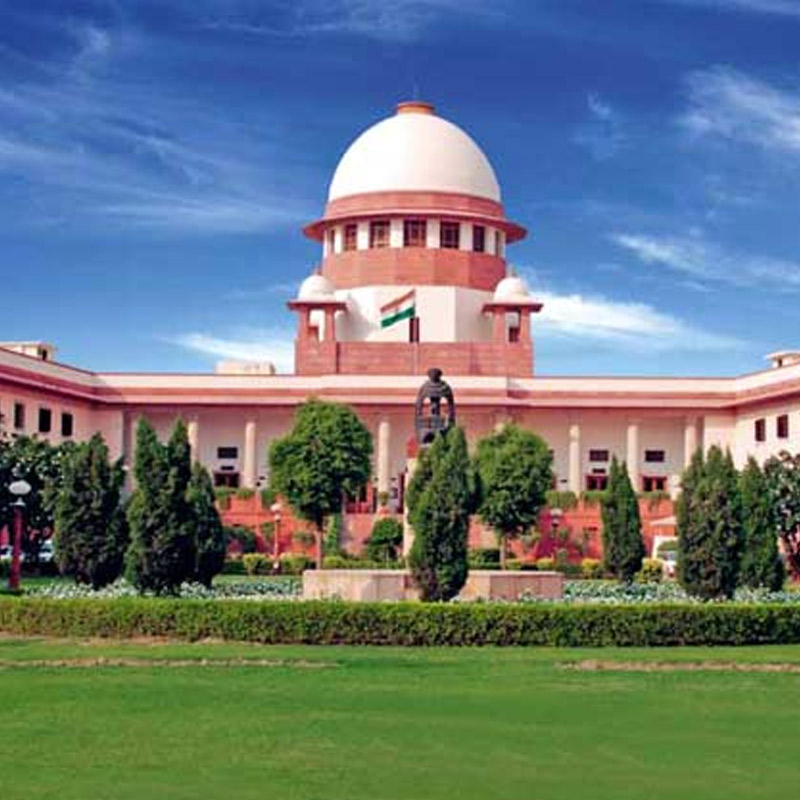
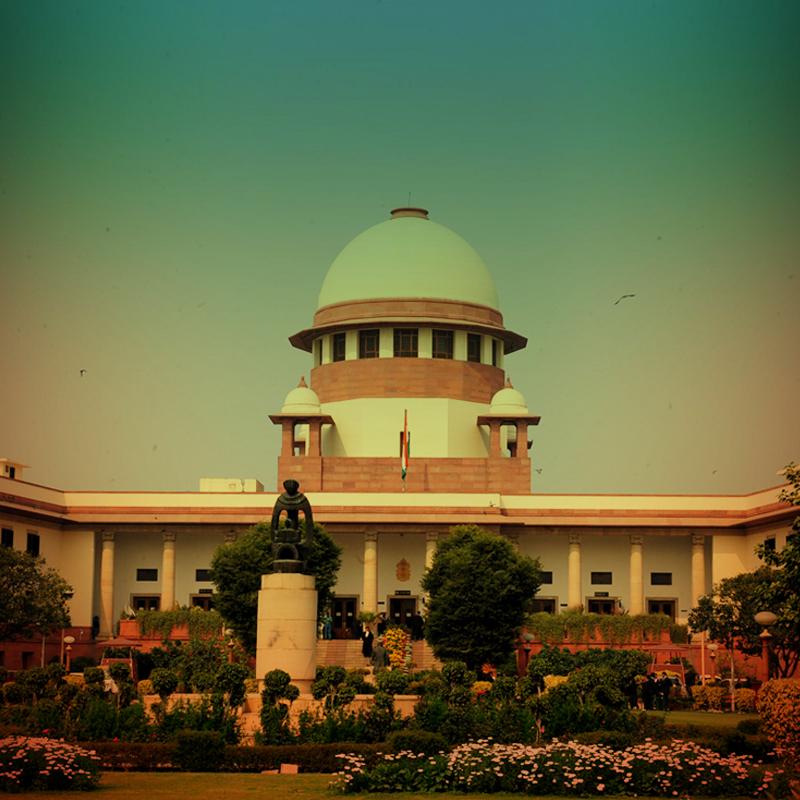
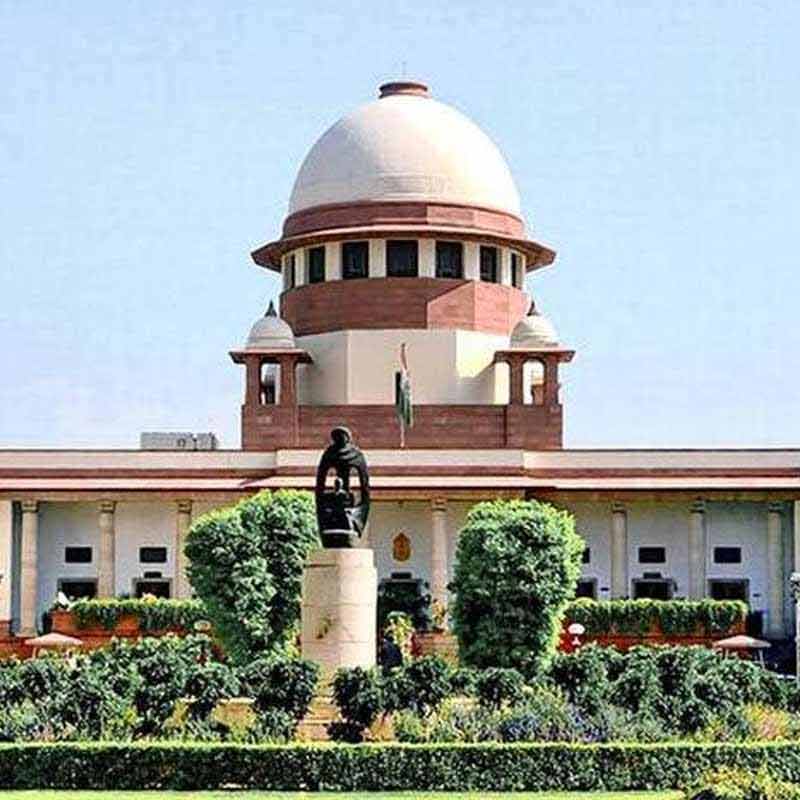
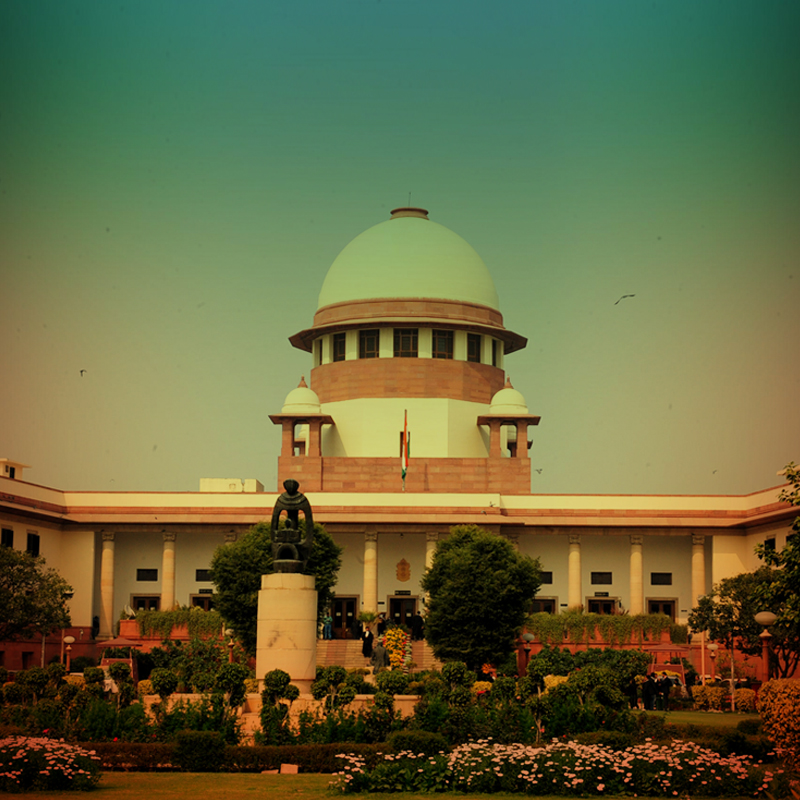
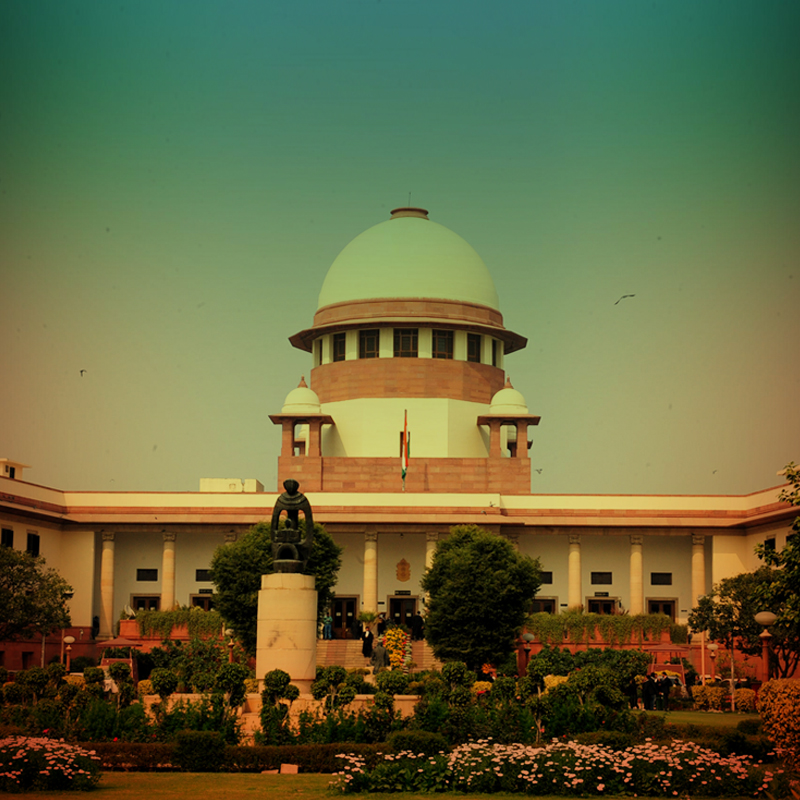
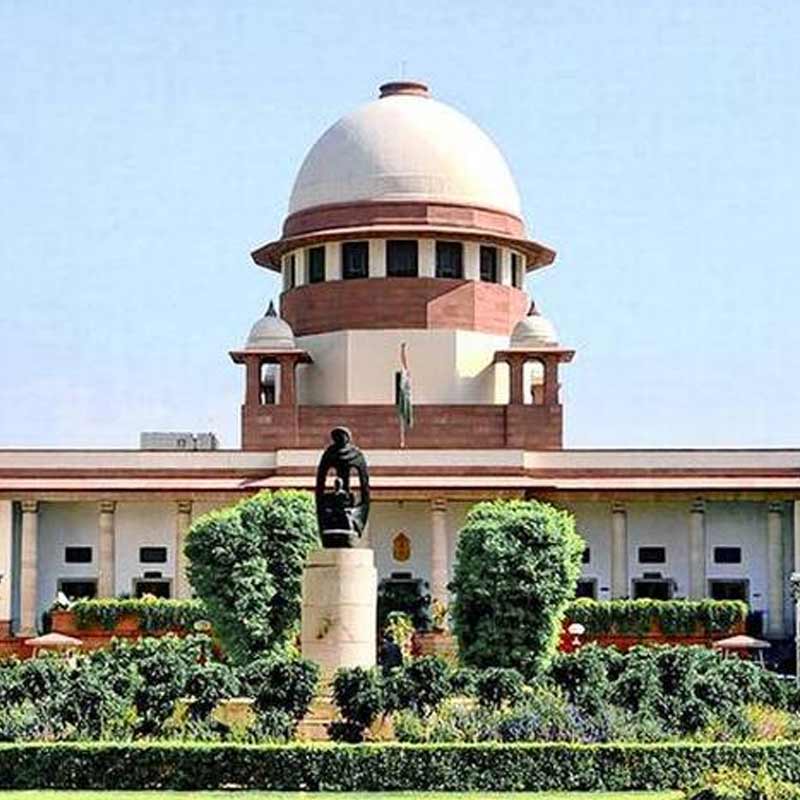
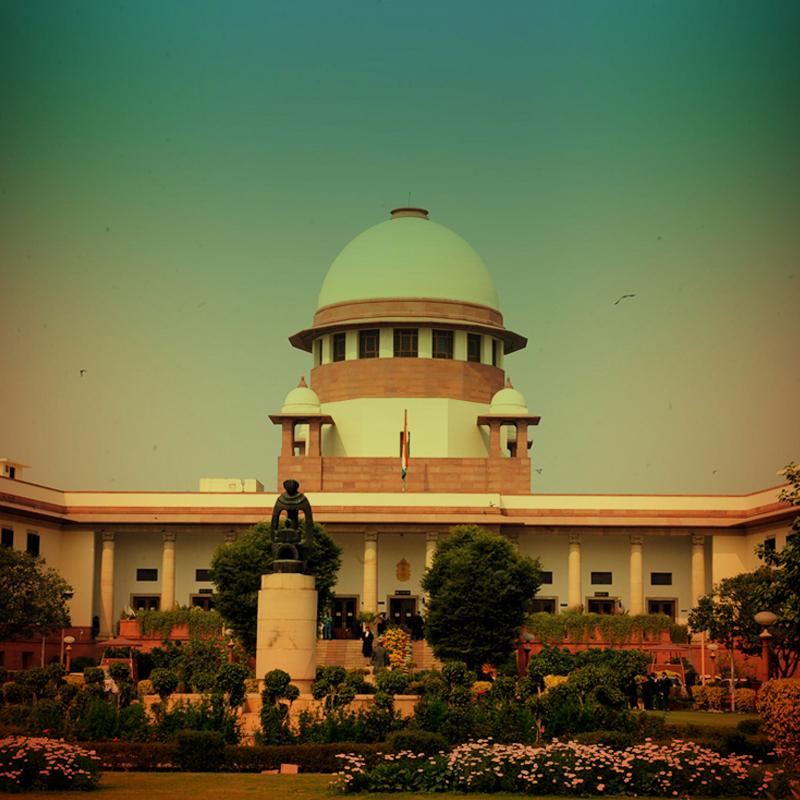
    NEW DELHI: The twists and turns in the case of a new tariff regime being sought to be implemented by broadcast and telecoms regulator TRAI continues. It has filed a petition in the Supreme Court on the issue of 15 per cent cap on discount on a bouquet price of TV channels to consumers that had been set aside by Madras High Court while upholding TRAI’s right to regulate the broadcast sector.

    On a matter that’s complicated, TRAI’s petition, in layman’s language, exhorts the Supreme Court to set aside that portion of the high court judgement that frowns on the 15 per cent cap on discounts on bouquet prices of TV channels.   

    The Madras High Court, while upholding most of the TRAI tariff order — issued middle of 2016 and challenged by Star India and Vijay TV later that year on grounds of overstepping of jurisdiction — had struck down as arbitrary almost 18 months later the 15 per cent cap on bouquet prices.

    With the case finally disposed of by the Supreme Court earlier this year, upholding the high court’s views, TRAI had issued a notification stating that India’s broadcast and cable industry stakeholders implement its tariff regime in phases and report on compliance.

    As the final compliance deadline nears the end of the year, the new twist in the tariff tale — nudged by an appeal of Chandigarh-headquartered MSO Fastway in disputes tribunal TDSAT — may add to the ambiguity and result in further delays in signing of contracts between TV channels and distribution platforms.

    A hearing of the fresh TRAI petition is likely early next week. Keep tuned in for soap-opera type twists in the script.

  • Trai vs. Star case: next SC hearing on Sept. 18

    Trai vs. Star case: next SC hearing on Sept. 18

    MUMBAI: The Supreme Court has deferred the hearing of Star India’s petition against TRAI tariff and inter-connect order to 18 September 2018 due to insufficient time. This is the fourth time in this month that the hearing has been deferred. Despite the impending ruling, several broadcasters have already published their RIOs.

    Zee Entertainment Enterprises Ltd (ZEEL) was first out of the blocks in publishing the RIO, declaring the MRP and nature of channels in connection with its tariff order , which had a 31 August deadline. The Punit Goenka-led company was followed by TV18 Broadcast Limited ( TV18), Sony Pictures Networks India Private Limited (SPNI), who adhered to the regulator’s directive on September 4. Later, Disney India, Turner India International, Sun TV Networks have also published their RIOs in compliance with the order.

    All the broadcaster have stuck to a maximum 15 per cent MRP discount to distributors. Earlier, Madras High Court chief justice did not uphold TRAI’s proposal of allowing highest 15 per cent cap on discounts despite giving the go-ahead to all other proposals. As any clarification did not come from TRAI, all the broadcasters are adhering to the order to avoid any further confusion.

    The TRAI tariff orders, first contested in Madras High Court by the petitioners, were cleared by the Chennai court with certain riders after hearings that continued almost over 16 months in front of two benches of the court.

    Though the petitioners were unable for comments, a legal eagle explained that the very fact the Supreme Court has allotted a day for hearing the petition of Star India and Vijay TV, which basically revolves around copyright and why the regulator doesn’t have jurisdiction over such issues, highlights the fact that the judge doesn’t want to take a decision in a hurry.

    After the Madras HC had given a thumb up to TRAI tariff order, and both the petitioners and the defendant (TRAI) had filed caveats in the Supreme Court, the regulator had bowled a googly saying that its tariff order would come into effect from 3 July 2018 () as all judicial compliances had been completed.

    “Having complied with  the  judicial  mandates  in  the  matter,  the Telecommunication (Broadcasting and Cable) Services (Eighth) (Addressable Systems)  Tariff   Order, 2017 and  the Telecommunication (Broadcasting and Cable) Interconnection (Addressable Systems) Regulations, 2017 as upheld by the Hon’ble Madras High  Court and the Telecommunication (Broadcasting and Cable) Services Standards  of   Quality  of  Service and  Consumer  Protection (Addressable Systems) Regulations, 2017 come into effect from 3rd July 2018,” the regulator had said in a statement pointing out that all timelines mentioned in the original order should be adhered to immediately.

    According to TRAI, implementation of the new regulatory framework will “bring in transparency”, enable provisioning of affordable broadcasting and cable TV services for the consumer and, at the same time, “would lead to an orderly growth of the sector”.

  • SC adjourns Star India’s petition on TRAI tariff order to 13 September

    SC adjourns Star India’s petition on TRAI tariff order to 13 September

    MUMBAI:  The Supreme Court has deferred the hearing of Star India’s petition against TRAI tariff and inter-connect order to 13 September 2018 due to insufficient time. This is the third time in this month that the hearing has been deferred. Despite the impeding ruling, several broadcasters have already published their RIOs.

    Zee Entertainment Enterprises Ltd (ZEEL) was first out of the blocks in publishing the RIO, declaring the MRP and nature of channels in connection with its tariff order, which had a 31 August deadline. The Punit Goenka-led company was followed by TV18 Broadcast Limited ( TV18), Sony Pictures Networks India Private Limited (SPNI), who adhered to the regulator’s directive on September 4. Later, Disney India, Turner India International, Sun TV Networks have also published their RIOs in compliance with the order. 

    All the broadcaster have stuck to a maximum 15 per cent MRP discount to distributors. Earlier, Madras High Court chief justice did not uphold TRAI’s proposal of allowing highest 15 per cent cap on discounts despite giving the go-ahead to all other proposals. As any clarification did not come from TRAI, all the broadcasters are adhering to the order to avoid any further confusion. 

    The TRAI tariff orders, first contested in Madras High Court by the petitioners, were cleared by the Chennai court with certain riders after hearings that continued almost over 16 months in front of two benches of the court.
    Though the petitioners were unable for comments, a legal eagle explained that the very fact the Supreme Court has allotted a day for hearing the petition of Star India and Vijay TV, which basically revolves around copyright and why the regulator doesn’t have jurisdiction over such issues, highlights the fact that the judge doesn’t want to take a decision in a hurry.

    After the Madras HC had given a thumb up to TRAI tariff order, and both the petitioners and the defendant (TRAI) had filed caveats in the Supreme Court, the regulator had bowled a googly saying that its tariff order would come into effect from 3 July 2018 as all judicial compliances had been completed.

    “Having complied with  the  judicial  mandates  in  the  matter,  the Telecommunication (Broadcasting and Cable) Services (Eighth) (Addressable Systems)  Tariff   Order, 2017 and  the Telecommunication (Broadcasting and Cable) Interconnection (Addressable Systems) Regulations, 2017 as upheld by the Hon’ble Madras High  Court and the Telecommunication (Broadcasting and Cable) Services Standards  of   Quality  of  Service and  Consumer  Protection (Addressable Systems) Regulations, 2017 come into effect from 3rd July 2018,” the regulator had said in a statement pointing out that all timelines mentioned in the original order should be adhered to immediately.

    According to TRAI, implementation of the new regulatory framework will “bring in transparency”, enable provisioning of affordable broadcasting and cable TV services for the  consumer and, at the  same time, “would lead to an orderly growth of the sector”

  • SC adjourns Star India’s petition on TRAI tariff order to 12 September

    SC adjourns Star India’s petition on TRAI tariff order to 12 September

    MUMBAI: The Supreme Court has deferred the hearing of Star India’s petition against TRAI tariff and inter-connect order to 12 September 2018 due to unavailability of time.  Last week also, the hearing was deferred to 11 September for the same reason.

    Zee Entertainment Enterprises Ltd (ZEEL) was first out of the blocks in publishing the RIO, declaring the MRP and nature of channels in connection with its tariff order, which had a 31 August deadline. The Punit Goenka-led company was followed by TV18 Broadcast Limited ( TV18), Sony Pictures Networks India Private Limited (SPNI), who adhered to the regulator’s directive on September 4. Later, Disney India, Turner International India, Sun TV Networks have also published their RIOs in compliance with the order. 

    All the broadcaster have stuck to a maximum 15 per cent MRP discount to distributors. Earlier, Madras High Court chief justice did not uphold TRAI’s proposal of allowing highest 15 per cent cap on discounts despite giving the go-ahead to all other proposals. As any clarification did not come from TRAI, all the broadcasters are adhering to the order to avoid any further confusion. 

    The TRAI tariff orders, first contested in Madras High Court by the petitioners, were cleared by the Chennai court with certain riders after hearings that continued almost over 16 months in front of two benches of the court.

    Though the petitioners were unable for comments, a legal eagle explained that the very fact the Supreme Court has allotted a day for hearing the petition of Star India and Vijay TV, which basically revolves around copyright and why the regulator doesn’t have jurisdiction over such issues, highlights the fact that the judge doesn’t want to take a decision in a hurry.

    After the Madras HC had given a thumb up to TRAI tariff order, and both the petitioners and the defendant (TRAI) had filed caveats in the Supreme Court, the regulator had bowled a googly saying that its tariff order would come into effect from 3 July 2018 as all judicial compliances had been completed.

    “Having complied with  the  judicial  mandates  in  the  matter,  the Telecommunication (Broadcasting and Cable) Services (Eighth) (Addressable Systems)  Tariff   Order, 2017 and  the Telecommunication (Broadcasting and Cable) Interconnection (Addressable Systems) Regulations, 2017 as upheld by the Hon’ble Madras High  Court and the Telecommunication (Broadcasting and Cable) Services Standards  of   Quality  of  Service and  Consumer  Protection (Addressable Systems) Regulations, 2017 come into effect from 3rd July 2018,” the regulator had said in a statement pointing out that all timelines mentioned in the original order should be adhered to immediately.

    According to TRAI, implementation of the new regulatory framework will “bring in transparency”, enable provisioning of affordable broadcasting and cable TV services for the  consumer and, at the  same time, “would lead to an orderly growth of the sector”.

  • SC adjourns Star India’s petition on TRAI tariff order to 11 September

    SC adjourns Star India’s petition on TRAI tariff order to 11 September

    MUMBAI: The Supreme Court has deferred the hearing of Star India’s petition against TRAI tariff and inter-connect order to 11 September 2018.

    Zee Entertainment Enterprises Ltd (ZEEL) was first out of the blocks in publishing the RIO, declaring the MRP and nature of channels in connection with its tariff order, which had a 31 August deadline. The Punit Goenka-led company was followed by TV18 Broadcast Limited ( TV18), Sony Pictures Networks India Private Limited (SPNI), who adhered to the regulator’s directive on September 4.

    The TRAI tariff orders, first contested in Madras High Court by the petitioners, were cleared by the Chennai court with certain riders after hearings that continued almost over 16 months in front of two benches of the court.

    After the Madras HC had given a thumb up to TRAI tariff order, and both the petitioners and the defendant (TRAI) had filed caveats in the Supreme Court, the regulator had bowled a googly saying that its tariff order would come into effect from 3 July 2018 as all judicial compliances had been completed.

    “Having complied with  the  judicial  mandates  in  the  matter,  the Telecommunication (Broadcasting and Cable) Services (Eighth) (Addressable Systems)  Tariff   Order, 2017 and  the Telecommunication (Broadcasting and Cable) Interconnection (Addressable Systems) Regulations, 2017 as upheld by the Hon’ble Madras High  Court and the Telecommunication (Broadcasting and Cable) Services Standards  of   Quality  of  Service and  Consumer  Protection (Addressable Systems) Regulations, 2017 come into effect from 3rd July 2018,” the regulator had said in a statement pointing out that all timelines mentioned in the original order should be adhered to immediately.

    According to TRAI, implementation of the new regulatory framework will “bring in transparency”, enable provisioning of affordable broadcasting and cable TV services for the   consumer and, at the  same time, “would lead to an orderly growth of the sector”.

  • SC defers hearing of Star India petition on TRAI tariff order to 5 September

    SC defers hearing of Star India petition on TRAI tariff order to 5 September

    NEW DELHI: The Supreme Court has deferred the hearing of Star India’s petition filed against TRAI tariff and inter-connect order to 5 September, 2018.  The order had been given a go-ahead by the Madras High Court.

    The TRAI tariff orders, first contested in Madras High Court by the petitioners, were cleared by the Chennai court with certain riders after hearings that continued almost over 16 months in front of two benches of the court.

    Though the petitioners were unable for comments, a legal eagle explained that the very fact the Supreme Court has allotted a day for hearing the petition of Star India and Vijay TV, which basically revolves around copyright and why the regulator doesn’t have jurisdiction over such issues, highlights the fact that the judge doesn’t want to take a decision in a hurry.

    However, ahead of 31 August 2018 deadline for publishing TV channel prices in a new format Zee Entertainment Enterprises Ltd  (ZEEL) has made public its channel prices in line with the tariff order, setting an example for owners of other TV channels.

    All ZEEL channels will be available on a-la-carte basis, as required by regulations, and the consumers will also have the option to choose from specifically created bouquets for Hindi speaking markets (HSM) and different regional language markets like Marathi, Bangla, Odia, Bhojpuri, Tamil, Telugu, Kannada and Malayalam.

    After the Madras HC had given a thumb up to TRAI tariff order, and both the petitioners and the defendant (TRAI) had filed caveats in the Supreme Court, the regulator had bowled a googly saying that its tariff order would come into effect from 3 July 2018 as all judicial compliances had been completed.

    “Having complied with  the  judicial  mandates  in  the  matter,  the Telecommunication (Broadcasting and Cable) Services (Eighth) (Addressable Systems)  Tariff   Order, 2017 and  the Telecommunication (Broadcasting and Cable) Interconnection (Addressable Systems) Regulations, 2017 as upheld by the Hon’ble Madras High  Court and the Telecommunication (Broadcasting and Cable) Services Standards  of   Quality  of  Service and  Consumer  Protection (Addressable Systems) Regulations, 2017 come into effect from 3rd July 2018,” the regulator had said in a statement pointing out that all timelines mentioned in the original order should be adhered to immediately.

    According to TRAI, implementation of the new regulatory framework will “bring in transparency”, enable provisioning of affordable broadcasting and cable TV services for the   consumer and, at the   same time, “would lead to an orderly growth of the sector”.

  • ZEEL announces new TV channel prices ahead of deadline

    ZEEL announces new TV channel prices ahead of deadline

    MUMBAI: Ahead of 31 August 2018 deadline for publishing TV channel prices in a new format and a day before the Supreme Court hears a case relating to TRAI’s new tariff regime, Zee Entertainment Enterprises Ltd  (ZEEL) has made public its channel prices as suggested by the regulator in 2016, setting an example for owners of other TV channels.

    All ZEEL channels will be available on a-la-carte basis, as required by regulations, and the consumers will also have the option to choose from specifically created bouquets for Hindi speaking markets (HSM) and different regional language markets like Marathi, Bangla, Odia, Bhojpuri, Tamil, Telugu, Kannada and Malayalam, an official statement from ZEEL said on Monday evening.

    The Punit Goenka-led ZEEL’s initiative to be first off the blocks with a-la-carte pricing could very well put pressure on other broadcasters to follow the example. Goenka also happens to be the president of the Indian Broadcasting Foundation, an industry body that claims its members manage 350+ TV channels and about 90 per cent of television viewership across the country.

    [[{“fid”:”836178″,”view_mode”:”default”,”fields”:{“format”:”default”,”alignment”:””,”field_file_image_alt_text[und][0][value]”:”graph”,”field_file_image_title_text[und][0][value]”:”graph”},”link_text”:null,”type”:”media”,”field_deltas”:{“1”:{“format”:”default”,”alignment”:””,”field_file_image_alt_text[und][0][value]”:”graph”,”field_file_image_title_text[und][0][value]”:”graph”}},”attributes”:{“alt”:”graph”,”title”:”graph”,”height”:266,”width”:624,”class”:”media-element file-default”,”data-delta”:”1″}}]]

    Meanwhile, according to ZEEL, for each market, there will be multiple bouquets available to consumers across the country at different price points. Each bouquet would constitute a mix of channels of different genres, including general entertainment, movies, news, infotainment and music. The starting bouquet (B1) is likely to exclude English entertainment and English movie channels whereas the premium bouquet would include all channels offered by Zee.

    ZEEL is likely to keep the prices of Hindi language bouquets from Rs. 45 upwards. For other languages, bouquet prices will be higher in those markets where Zee has multiple offerings and lower in other cases. For the discerning high definition (HD) consumers, Zee is creating additional bouquets that will make it convenient for various operators to offer to their respective subscribers, the statement said. The Hindi language HD bouquets are likely to be priced Rs. 60 upwards.

    ZEEL has decided to offer all its News channels along with its other popular channels like Zee Anmol, Big Ganga and Big Magic as part of these pay bouquets. As a result, these channels would not be available in the FTA pack.

    In a related development, the Supreme Court is scheduled to hear a case filed by Star India and Vijay TV against Madras High Court clearing regulator TRAI’s new tariff regulations, which were first announced middle 2016 but has been in suspended animation since late 2016 due to various legalities.

  • SC to hear Star India petition on TRAI tariff order late August

    SC to hear Star India petition on TRAI tariff order late August

    NEW DELHI: The Supreme Court today listed for 28 August the special leave petition filed by Star India and Vijay TV against a tariff and inter-connect orders of regulator TRAI that had been given a go-ahead by the Madras High Court.

    The TRAI tariff orders, first contested in Madras High Court by the petitioners, were cleared by the Chennai court with certain riders after hearings that continued almost over 16 months in front of two benches of the court.

    Though the petitioners were  unavailable for comments, a legal eagle explained that the very fact the Supreme Court has allotted a day for hearing the petition of Star India and Vijay TV, which basically revolves around copyright and why the regulator doesn’t have jurisdiction over such issues, highlights the fact that the judge doesn’t want to take a decision in a hurry.

    The next date of hearing of the case in the apex court on 28 August 2018 is few days before the deadline kicks in for filing of new inter-connect agreements by stakeholders of the Indian broadcast industry.

    After the Madras HC had given a thumb up to TRAI tariff order, and both the petitioners and the defendant (TRAI) had filed caveats in the Supreme Court, the regulator had bowled a googly saying that its tariff order would come into effect from 3 July 2018 as all judicial compliances had been completed. 

    “Having complied with the judicial mandates in the matter,  the Telecommunication (Broadcasting and Cable) Services (Eighth) (Addressable Systems) Tariff Order, 2017 and the Telecommunication (Broadcasting and Cable) Interconnection (Addressable Systems) Regulations, 2017 as upheld by the Hon'ble Madras High  Court and the Telecommunication (Broadcasting and Cable) Services Standards  of   Quality  of  Service and  Consumer  Protection (Addressable Systems) Regulations, 2017 come into effect from 3rd July 2018,” the regulator had said in a statement pointing out that all timelines mentioned in the original order should be adhered to immediately.

    According to TRAI, implementation of the new regulatory framework will “bring in transparency”, enable provisioning of affordable broadcasting and cable TV services for the consumer and, at the same time, “would lead to an orderly growth of the sector”.

    Keep tuned in for another episode of this legal saga, which started to air sometime in 2016.