Tag: Vice President

  • From Bhojpuri  to global bigwig: Abhay Sinha’s star turn at FIAPF

    From Bhojpuri to global bigwig: Abhay Sinha’s star turn at FIAPF

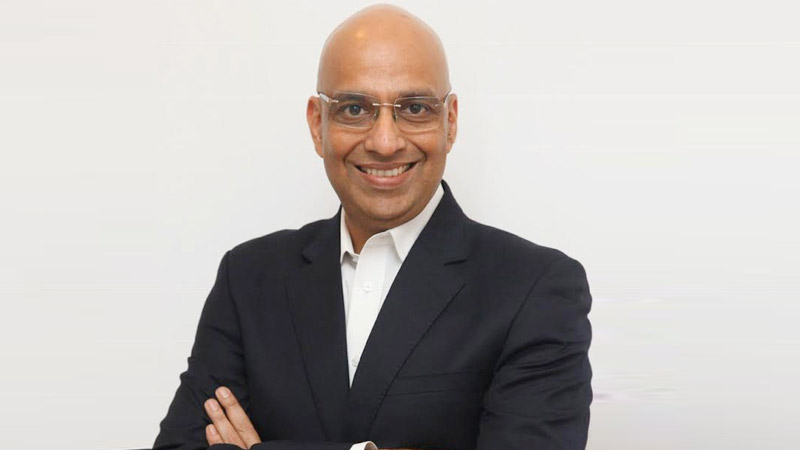
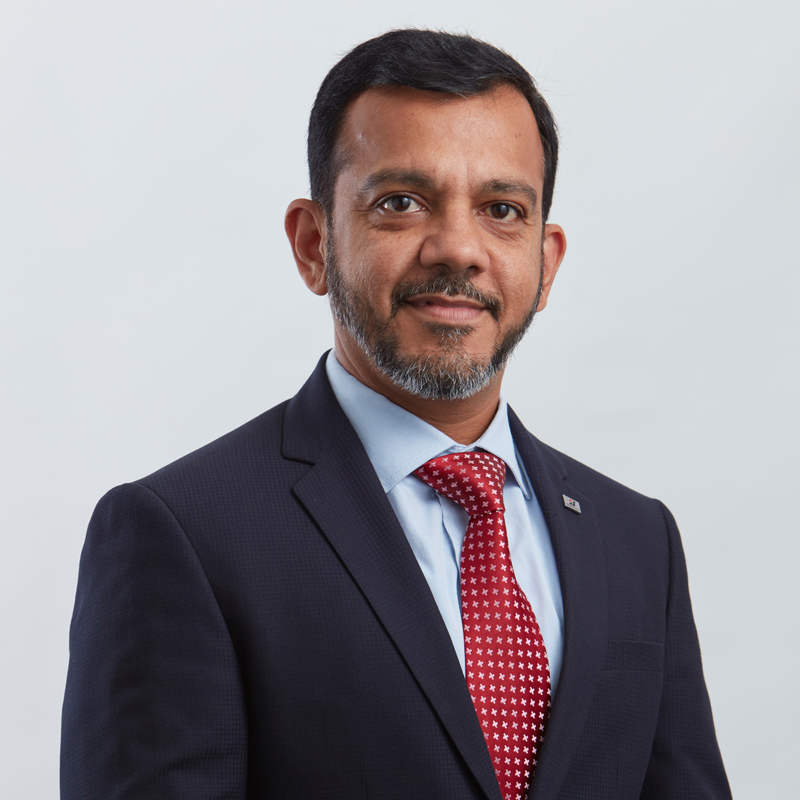
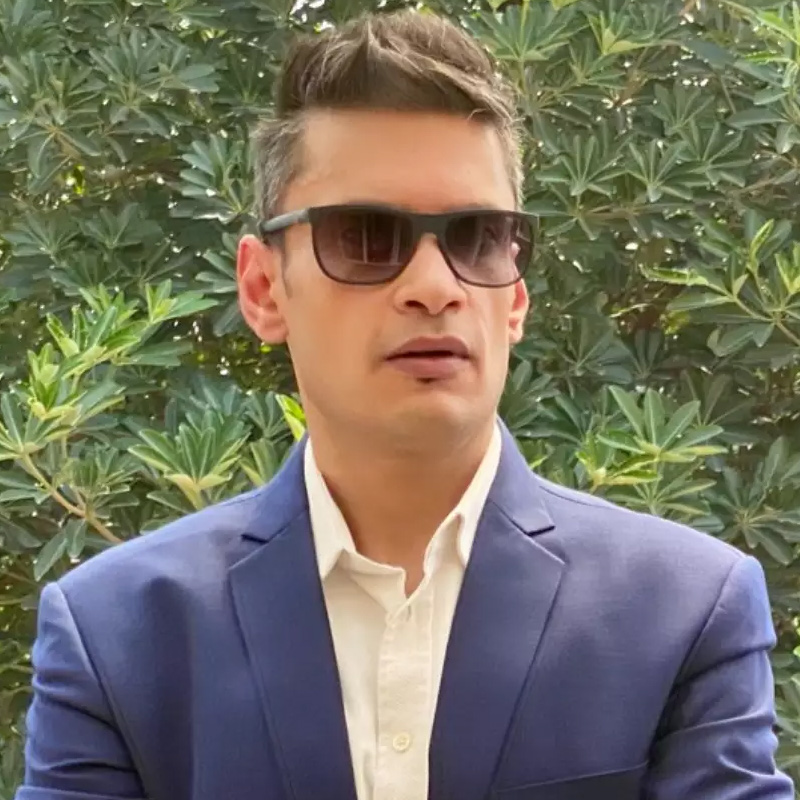
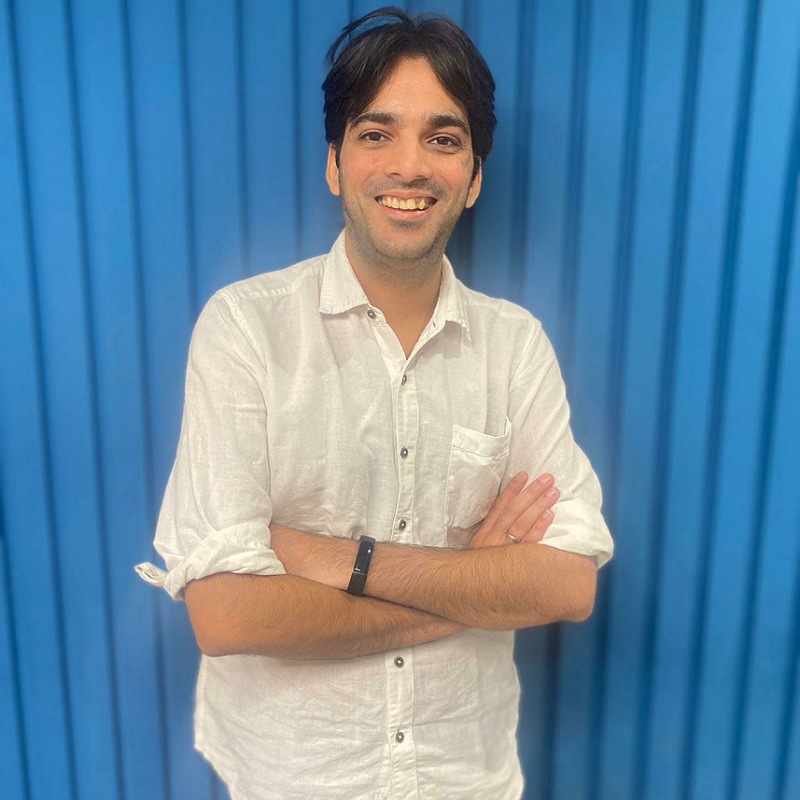
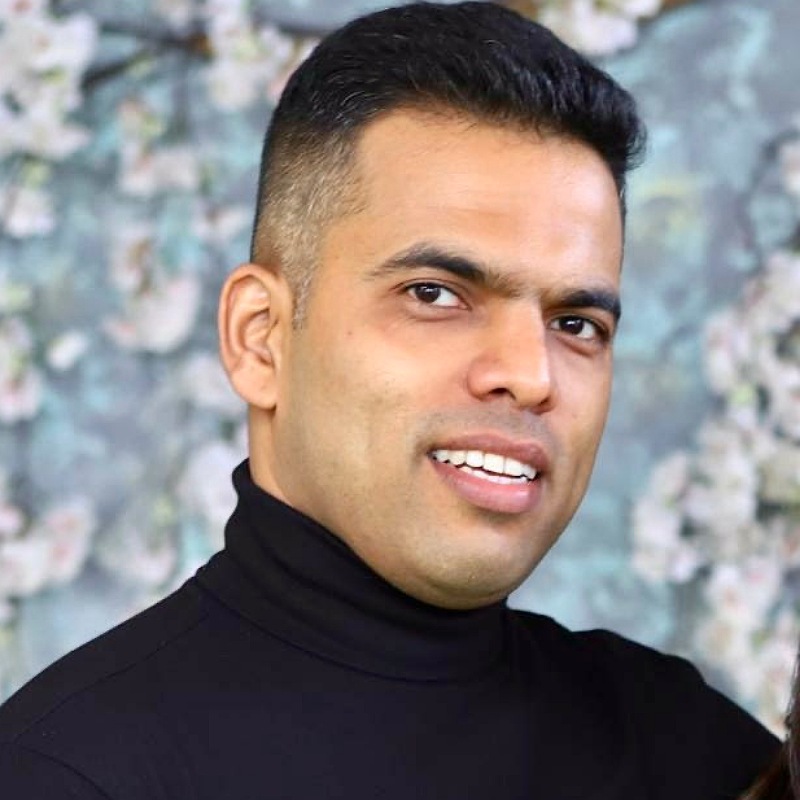
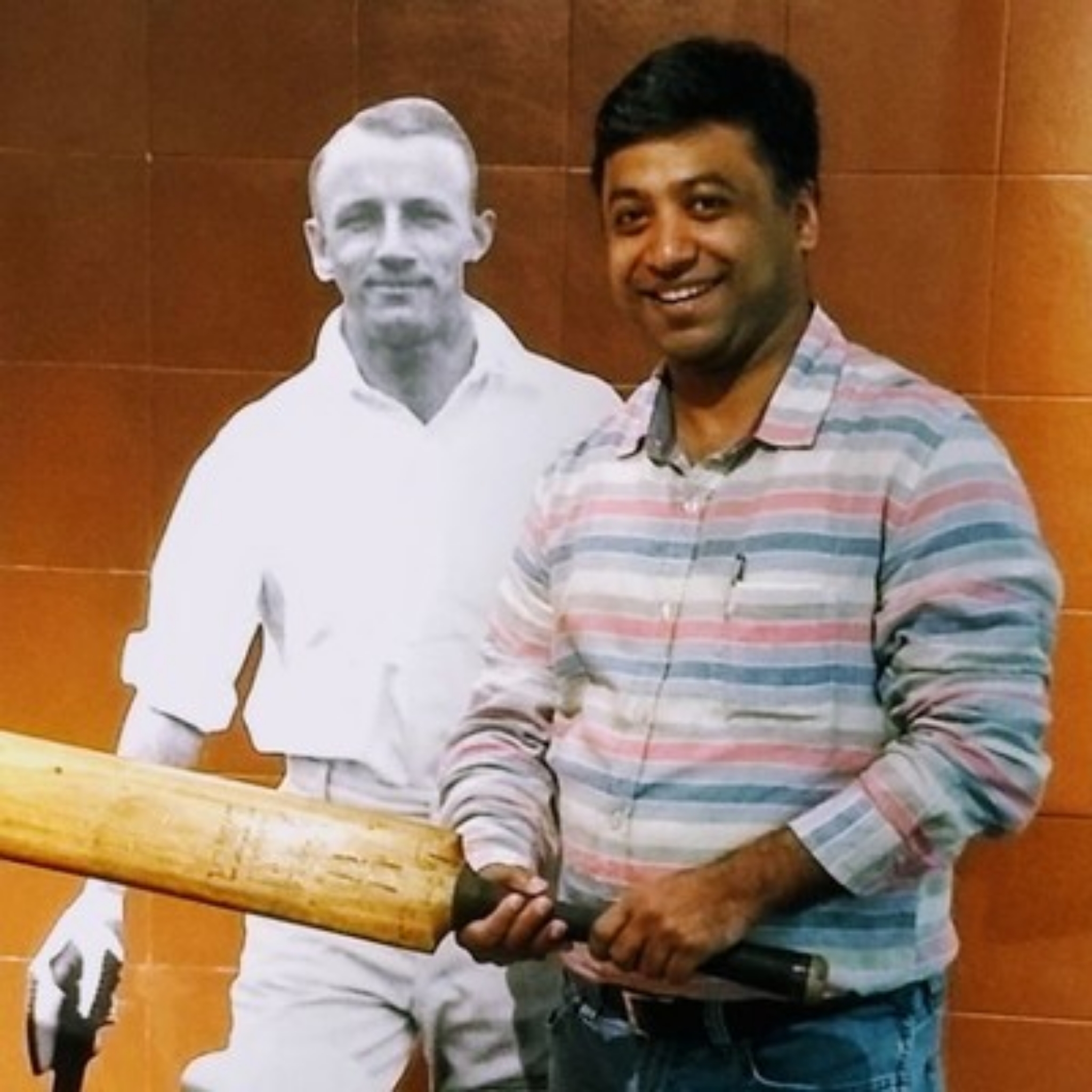
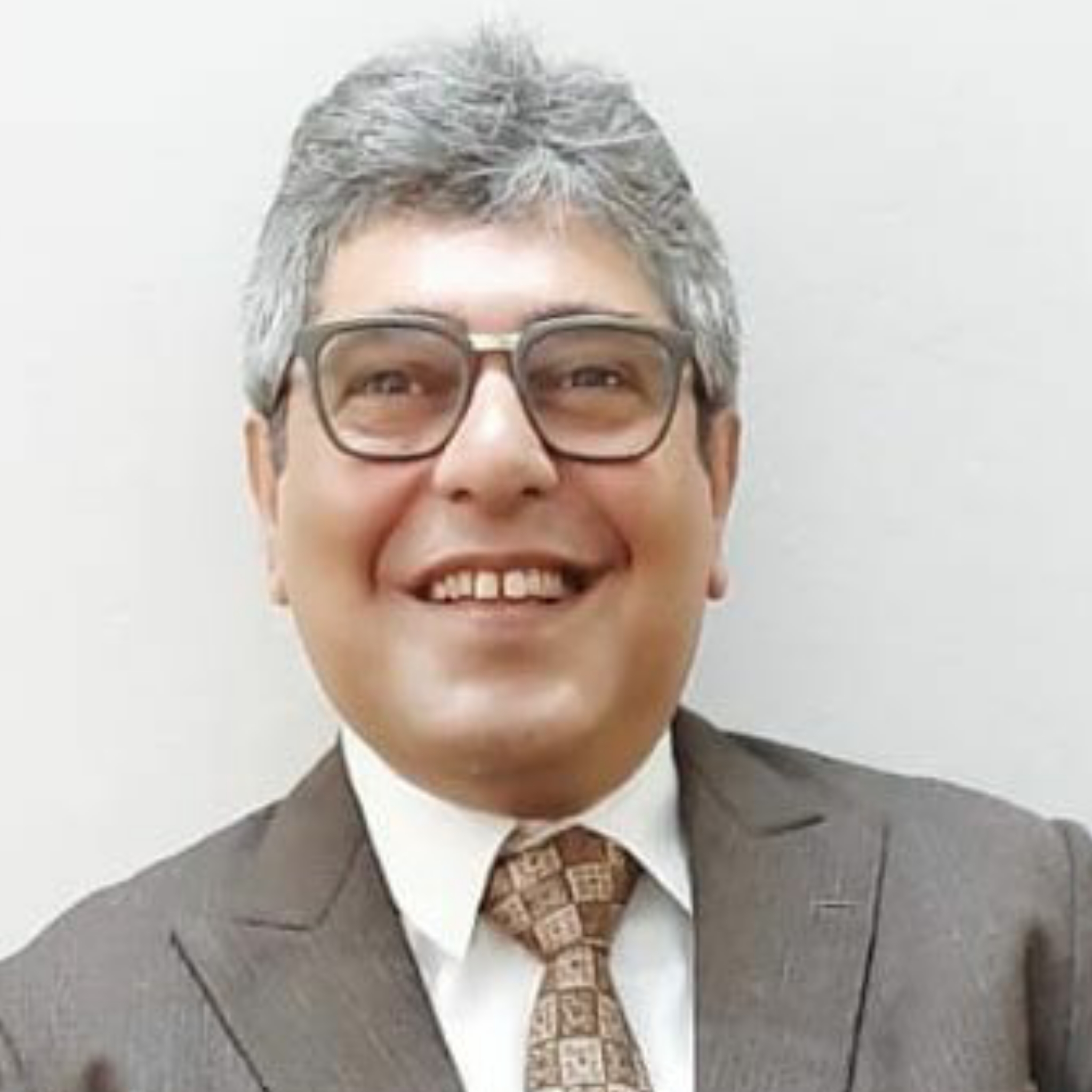
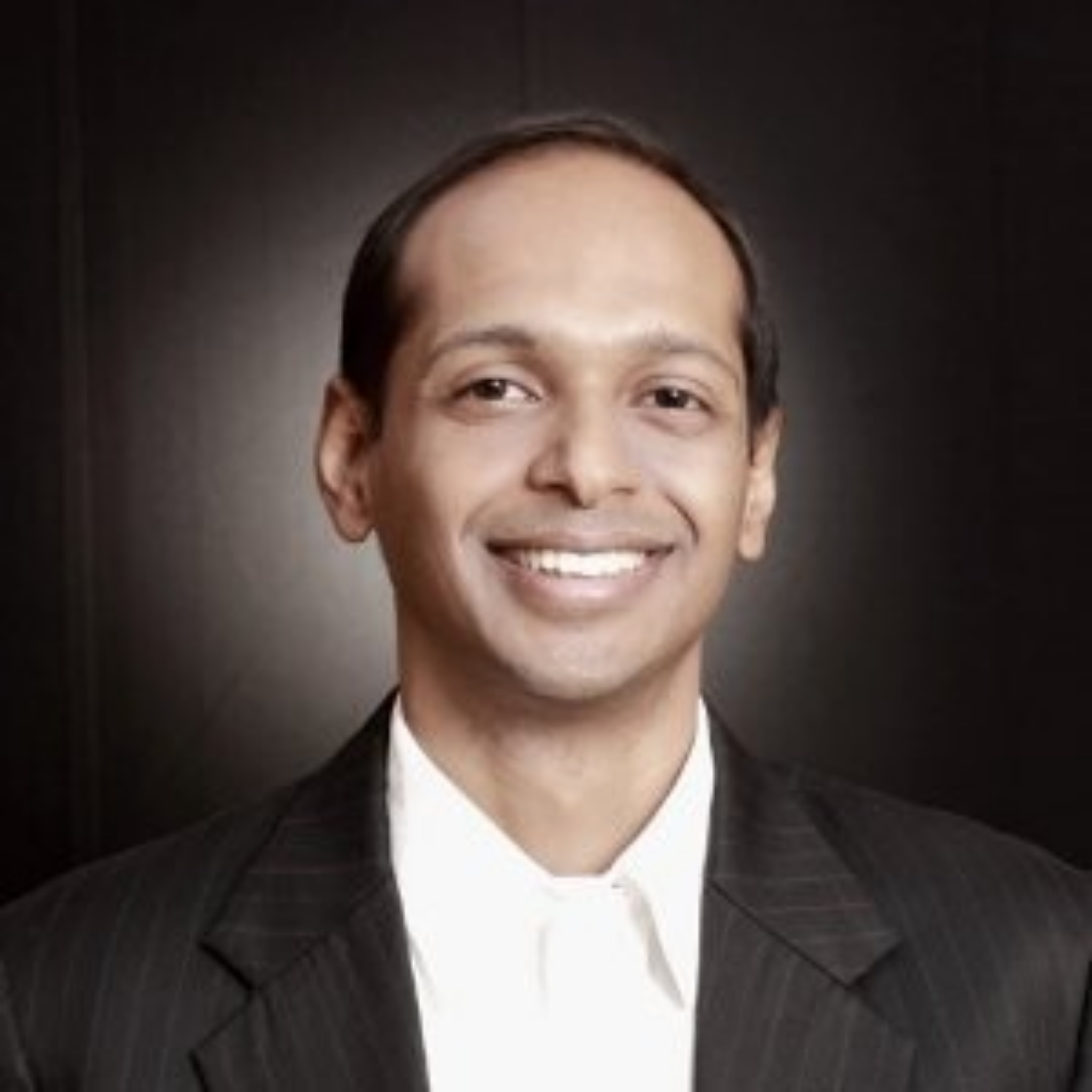
    MUMBAI: Abhay Sinha, the Indian Motion Picture Producers’ Association (Imppa) president, has sashayed his way into a starring role on the global stage. He’s been unanimously elected vice-president of FIAPF (International Federation of Film Producers Associations), the apex body of  of film producers from over 30 countries. The vote took place on 17 May, 2025, at the FIAPF Annual General Assembly in Cannes, France,

    This isn’t just a proud moment for Immpa, which has been in the game since 1937, but for the entire Indian film industry. Under Sinha’s leadership, Imppa has become a veritable dynamo, championing Indian producers and filmmakers both at home and abroad. He’s been working tirelessly to ensure Indian content creators get the recognition they deserve.

    One of Sinha’s greatest hits has been leading Imppa’s  presence at the Cannes Film Festival for two years running. In 2025, over 40 Indian films and a legion of delegates graced the festival, putting India’s diverse cinema firmly in the global spotlight. He even graced the Bharat Pavilion with his wisdom, speaking on a panel about the Changing Paradigm of Film Screening: Theatres to OTT, Digital Platforms and Beyond. He’s truly got his finger on the pulse of where film viewing is headed.

    But Sinha isn’t just about the glitz and glamour of international festivals. He’s been a driving force behind shaping better film policies across India. Think improved subsidy systems in Maharashtra, Bihar, Gujarat, Uttar Pradesh, Madhya Pradesh, and Uttarakhand. He’s also pushed for easier film certification and greater industry representation in national film bodies.

    Ever the industry advocate, Sinha has tackled critical concerns like vrtual print fees (VPF), exhibition hurdles, and taxation reforms, aiming to lighten the financial load on producers and distributors. And he’s not one to shy away from a fight, having actively voiced concerns about the proposed 100 per cent tariff by the US on foreign entertainment content. He argues such tariffs are a real cliff hanger for cultural exchange and the global reach of Indian cinema, calling for fair trade policies to protect the creative and economic interests of Indian filmmakers.

    Beyond his leadership roles, Sinha is also the founder of Yashi Films, a production powerhouse with over 150 feature films in various languages and more than 5,000 TV episodes under its belt. He’s also the mastermind behind the International Bhojpuri Film Awards (IBFA), the only global award platform for Bhojpuri cinema, which has travelled to multiple countries with the backing of Indian tourism bodies. These events have truly given regional Indian cinema and Bhojpuri artists a global stage.

    Sinha’s election as FIAPF vice-president is a landmark moment, giving Indian producers a much stronger voice on the world stage and opening up a treasure trove of new opportunities for collaboration and growth. It seems the reel world just got a whole lot more exciting for India.

  • Dabur India entrusts Rajiv Dubey with expanded role as VP

    Dabur India entrusts Rajiv Dubey with expanded role as VP

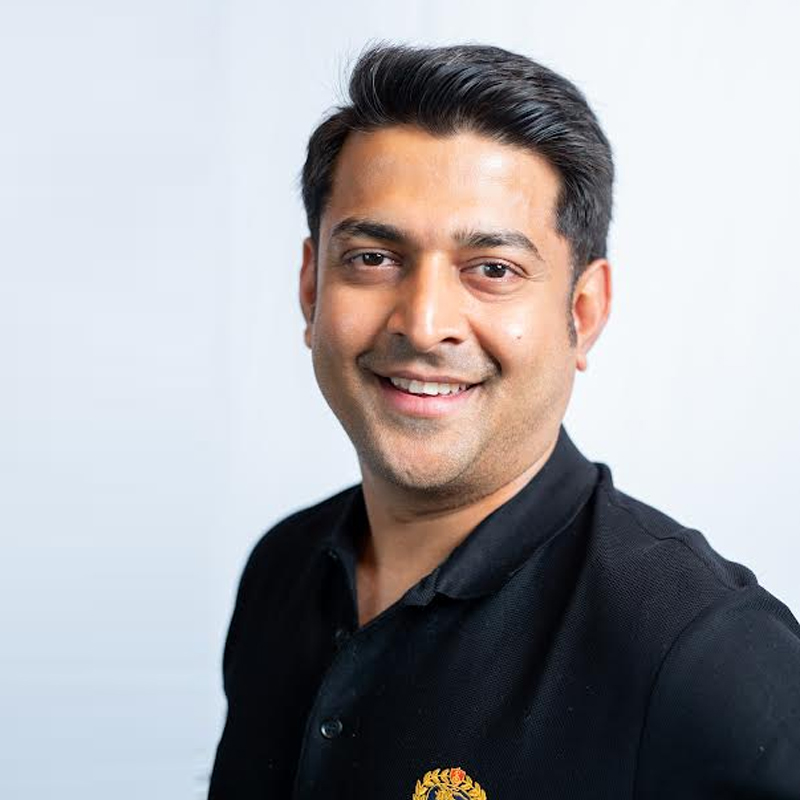
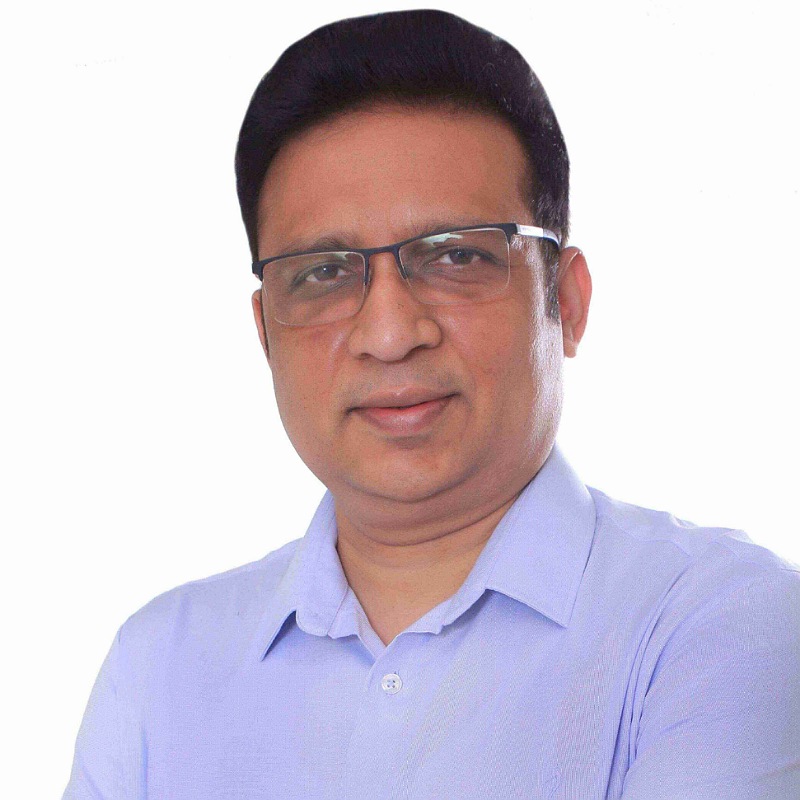
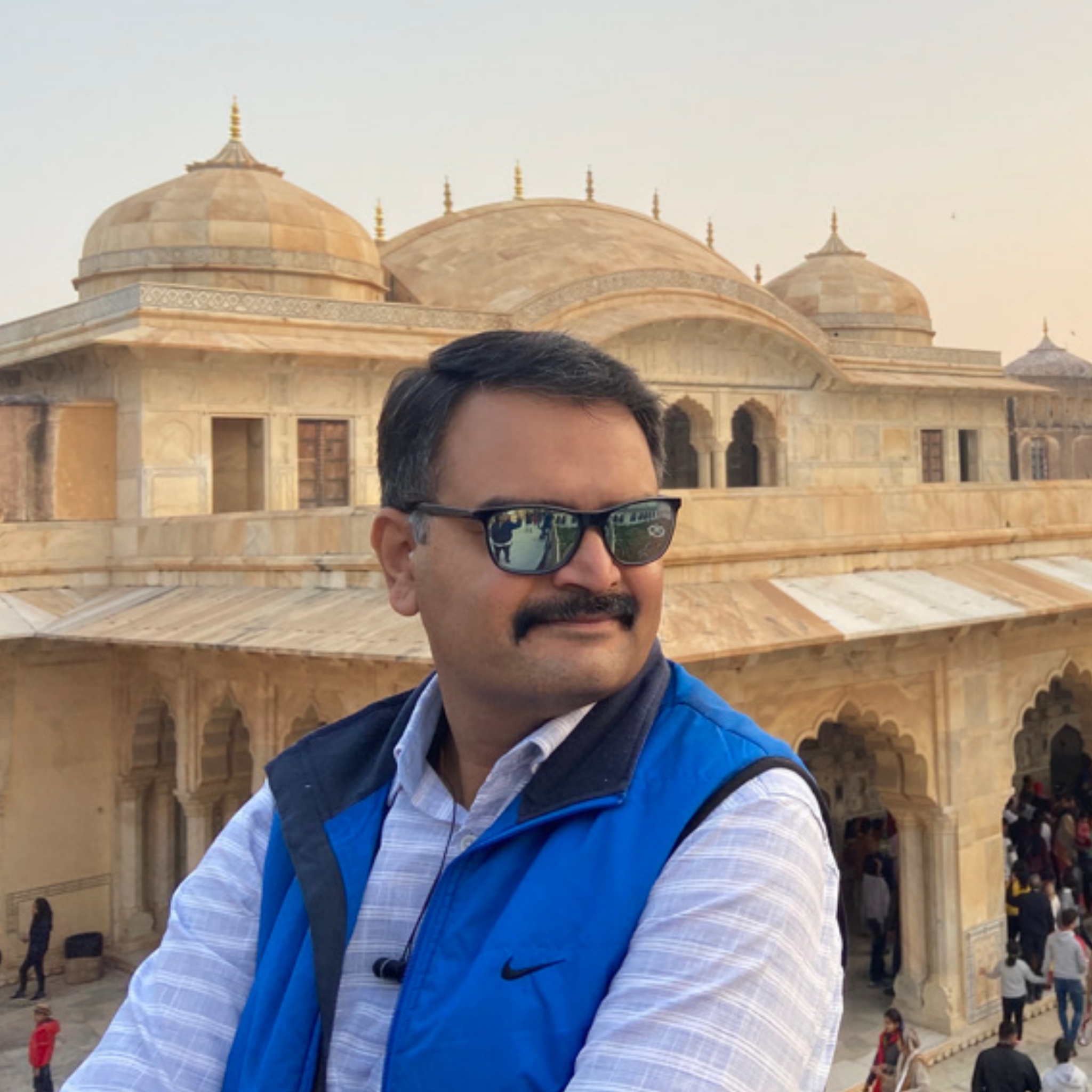
    Mumbai: Dabur India has entrusted Rajiv Dubey with an expanded role as vice president, where he will now lead brand activations and experiential marketing initiatives.

    Alongside his continued leadership in media strategy and execution, Dubey will focus on creating immersive brand experiences that enhance Dabur’s connection with its customers.

    He manages media spending across a wide range of platforms, including TV, digital, print, radio, outdoor, and both consumer and trade activations, ensuring optimal ROI and growth for the company’s diverse brand portfolio.

    With over three decades at Dabur, Dubey has developed expertise across various roles, with core competencies in media planning and buying, digital transformation, mar-tech, and emerging media practices.

    Since joining Dabur in 1994 as a media manager, Dubey played a key role in establishing Adbur, the company’s in-house agency, and in fostering partnerships with prominent broadcasters such as All India Radio, Doordarshan, Zee, and Star Network, as well as major newspapers like Times of India.
     

  • Kalli Purie is the new executive editor-in-chief of India Today Group

    Kalli Purie is the new executive editor-in-chief of India Today Group

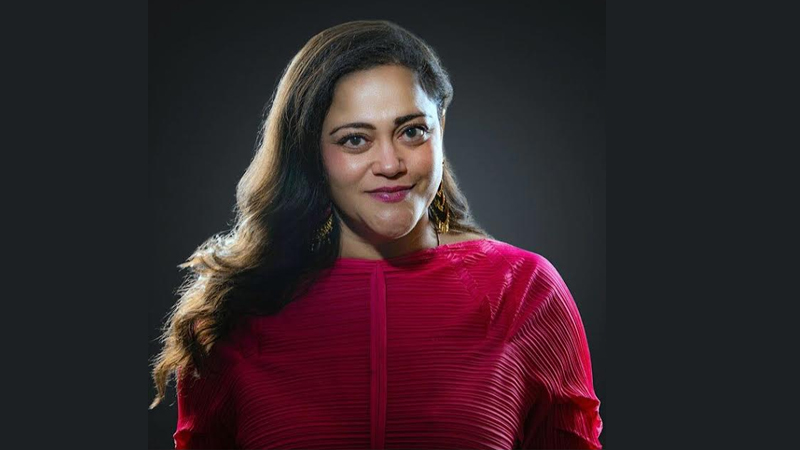
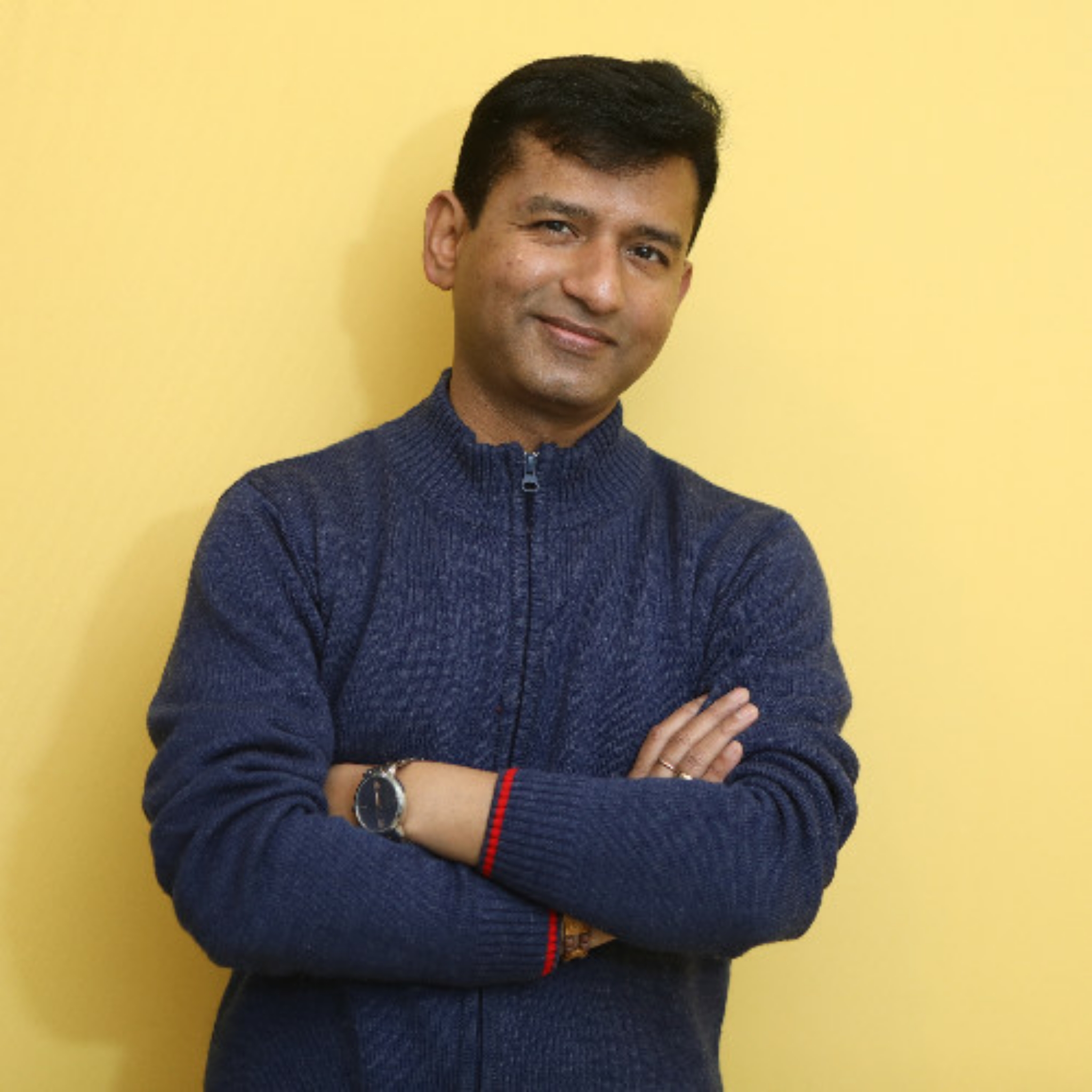
    Mumbai: Existing vice president Kalli Purie of India Today Group was assigned additional charge as executive editor-in-chief of the group. She has been serving as vice president of the group since 2017. She is the daughter of Aroon Purie. In the internal communication in the company he wrote, ‘  I am designating her additional responsibility as executive editor in chief to being vice president chairperson of India Today Group.’

    In brief mail, Aroon Purie stated ‘ As you all know KP has been successfully heading the business and editing domains for a while. In line with her role, I would like to announce an additional designation for her as editor in chief of the India Today Group. This will not require any operational change for now.’

    She has been part of the group since 1996 heading from magazine, she also successfully served as Chief Operating Officer of the India Today Group Digital.

  • WebEngage onboards three new strategic hires

    WebEngage onboards three new strategic hires

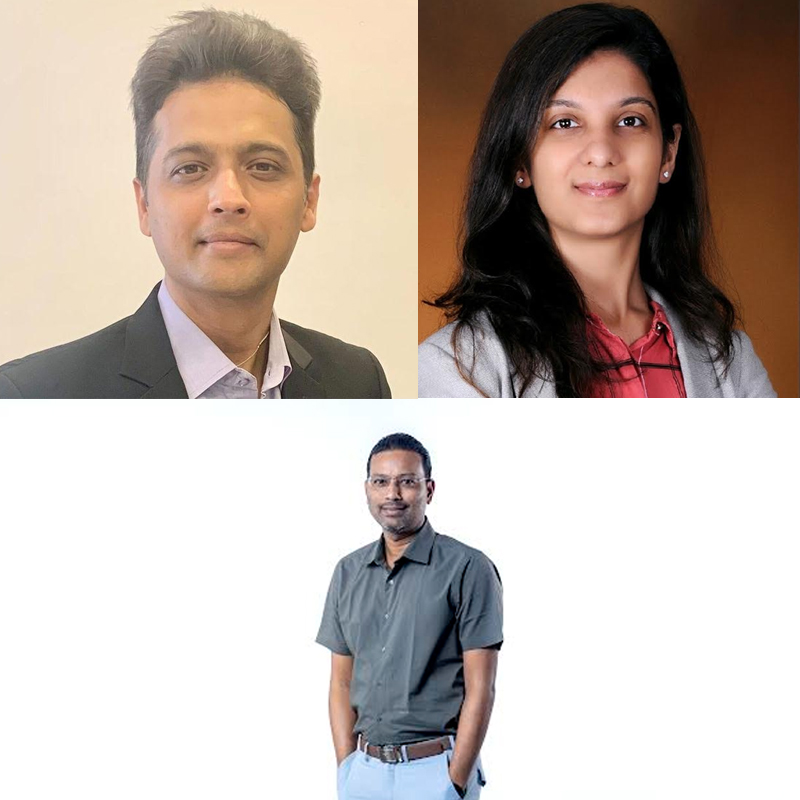
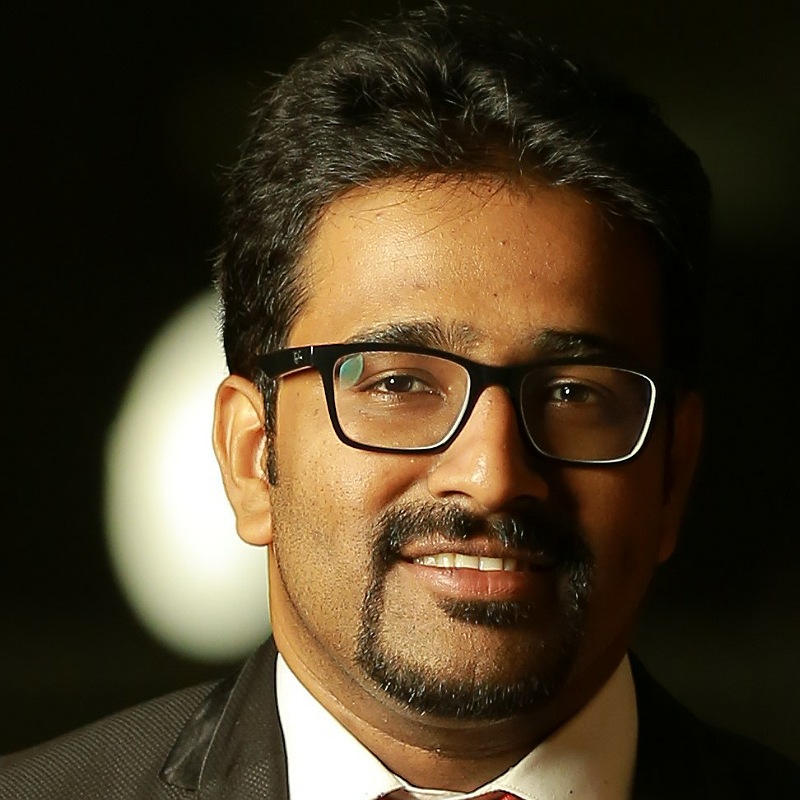
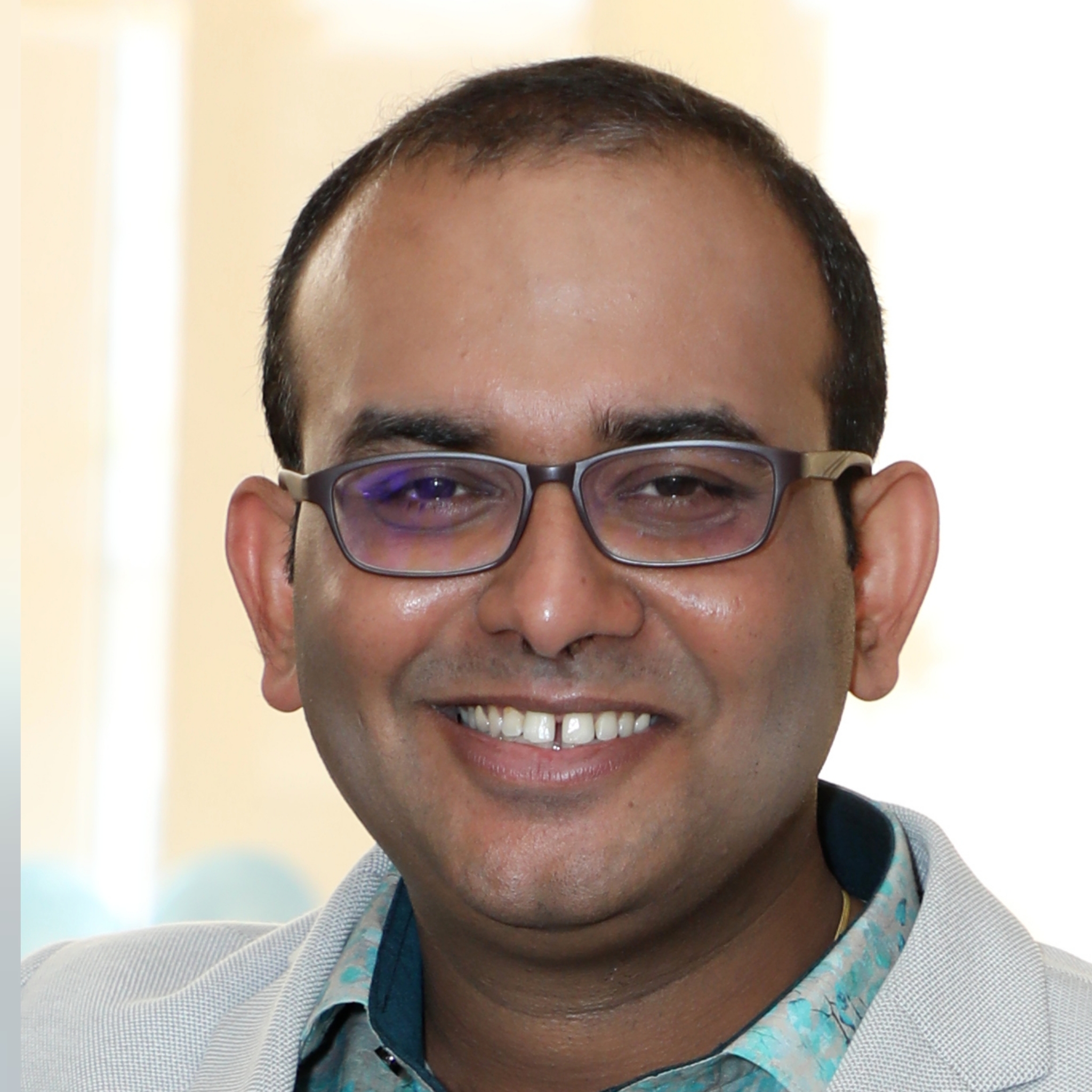
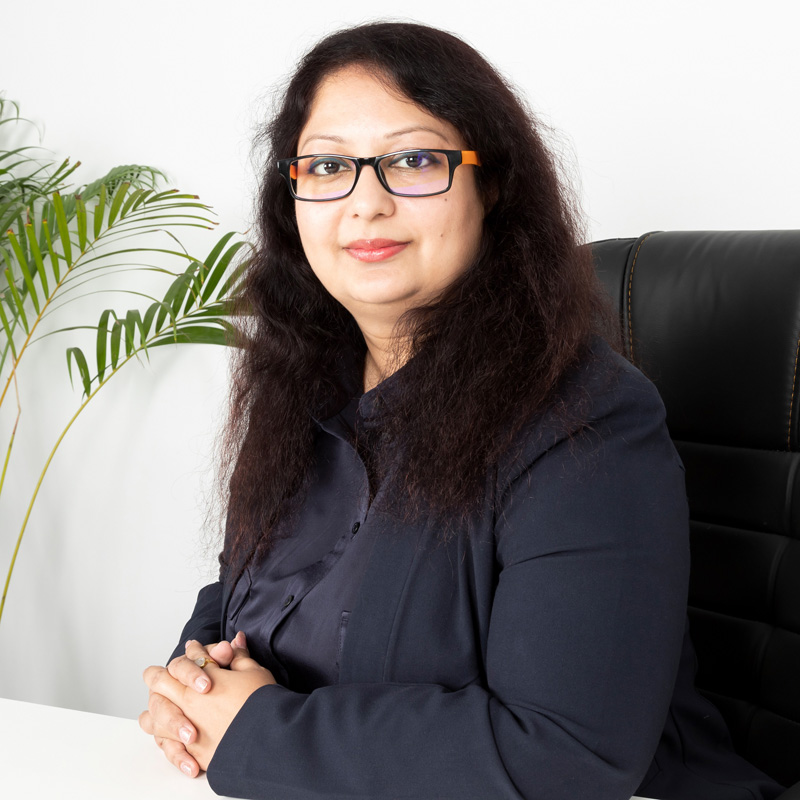
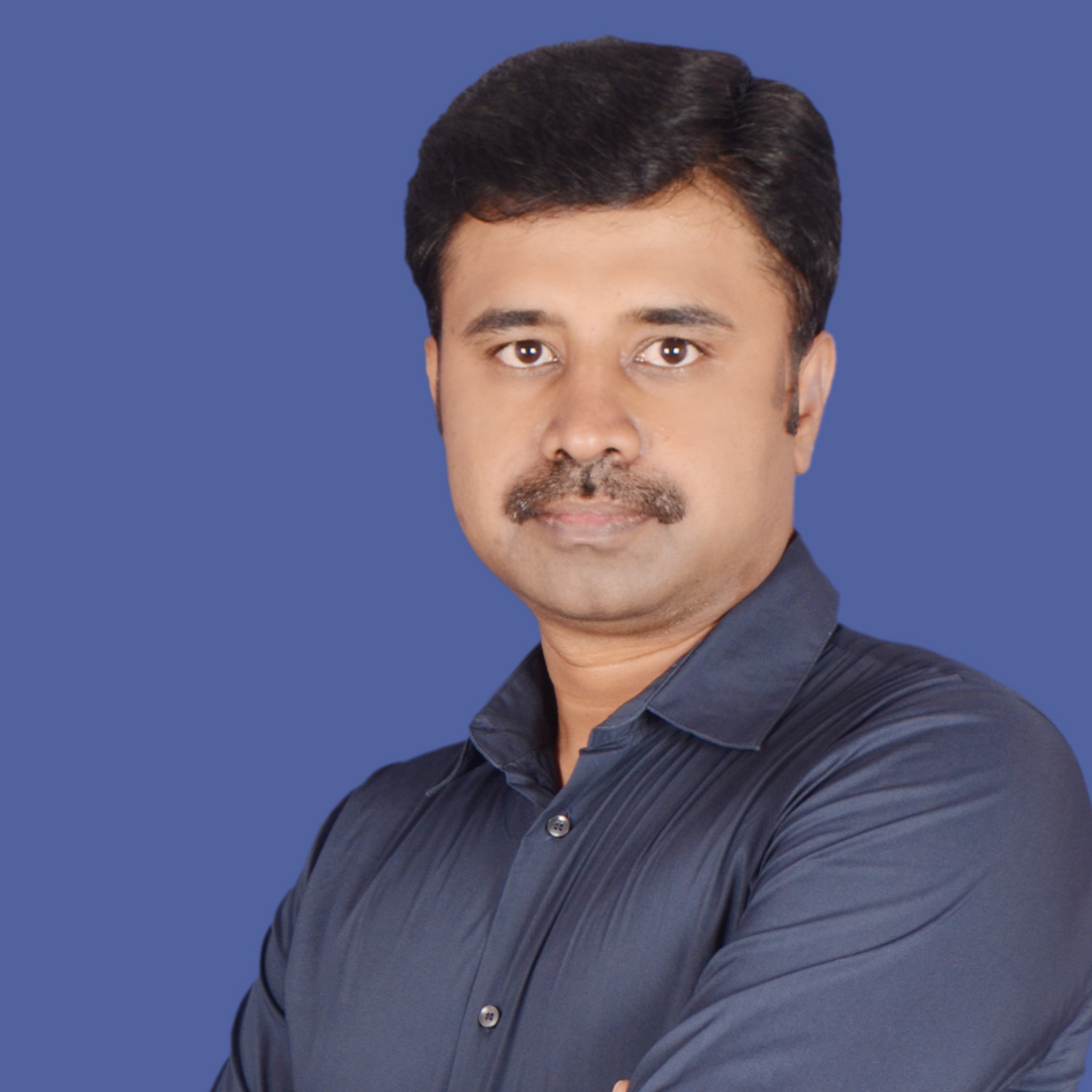
    Mumbai: B2B Saas company and a leading full-stack retention operating system, WebEngage, has announced the onboarding of three strategic hires to help the company catapult into its next phase of growth. Hetarth Patel comes in as vice president – MENA & managing director – UAE; Shreya Trivedi joins as WebEngage’s first-ever chief of staff, and Apurva Chawla has been roped in as associate director – product led growth in India.

    Having recently started operations across Indonesia, the company has also announced that it has opened up more than 100 positions across departments and geographies.

    MENA region is the second-largest market for WebEngage and Patel will helm the company’s growth vision in the Middle East & North Africa region by harnessing its award-winning CDP-powered marketing automation platform and building on its commendable track record in the region.

    With a distinguished career spanning about a decade, Trivedi, will play an instrumental role in supporting the founders and executive body in achieving strategic goals. Her job will also involve enabling the scale-up of the business and optimizing productivity across the teams. She will help keep every employee glued to the mothership and its mission.

    Chawla will be responsible for a zero-to-one journey for brands that hold the potential for generating new revenue streams for WebEngage. He will enable the process of making integration, onboarding, and adoption easier for clients by standardising events, metrics, and campaigns.

    Commenting on the announcement, WebEngage CEO & co-founder Avlesh Singh said, “As we continue to ride the wave of success, Patel, Trivedi and Chawla’s appointments come at a very opportune time. WebEngage is on a mission to revolutionize retention marketing through a full-stack solution, by enabling brands to maximize the utility of data and meaningfully engage customers. The appointment of these leaders will help us with this mission and fuel the company’s growth ambitions.”

    “As a philosophy, we have always maintained discipline in our growth and kept an eye on the long haul. This is the reason why WebEngage is considered one of the most enduring companies within the B2B SaaS ecosystem. In our 11 years journey, the company has never laid off a single employee and we will never have to do so in the future. In fact, we are looking to hire more than 100 folks for over 30 open positions currently across multiple locations in India, UAE and Indonesia. The ride has just begun and we have the tickets to the front row seats for anyone who wants to join our journey of simplifying retention for the world.” he added.

    For the record, WebEngage has been growing 100 per cent YoY and intends to maintain the momentum. It has also picked up $20 million in funding this August. WebEngage has showcased unusual frugality and resilience in an 11-year journey filled with ups and downs, burning only six million dollars in capital to reach a $20 million annual revenue run rate, an enviable position to be in. Peers in SaaS spend about 3 – 5x more to get to the same scale. The company works with 600+ clients, including new-economy and internet-first businesses, and propels the digital transformation journey for enterprise clients.

  • Meesho appoints Divyesh Shah as vice president of engineering

    Meesho appoints Divyesh Shah as vice president of engineering

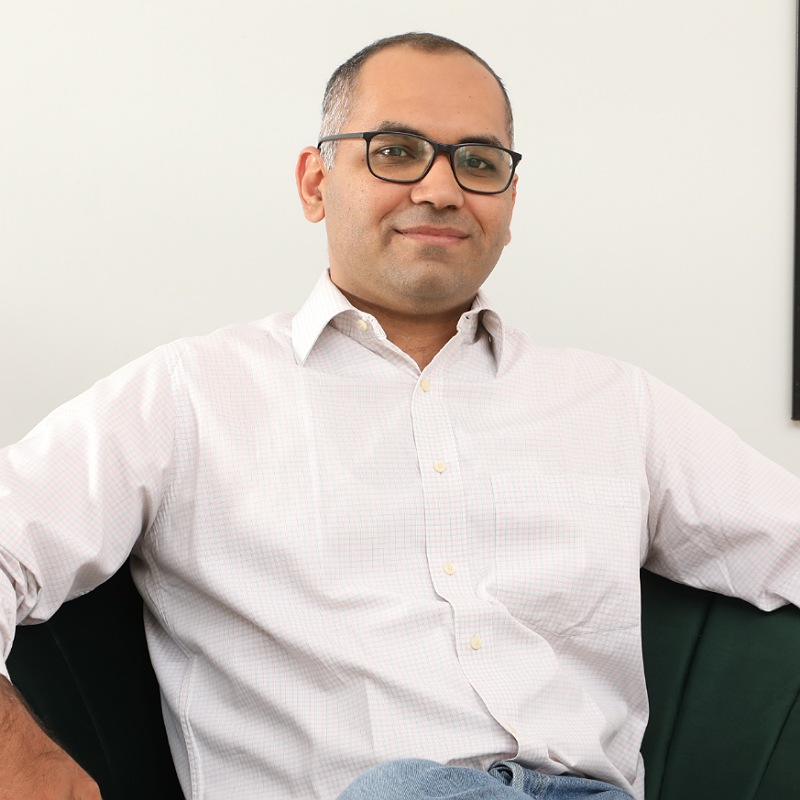
    Mumbai: Meesho, one of India’s fastest growing internet commerce companies, has announced the appointment of Divyesh Shah as vice president, engineering. He will lead the supply, monetisation and fulfillment & experience (F&E) engineering teams at Meesho. Shah will oversee Meesho’s efforts in using technology to build solutions that will further enhance user experience on the platform.

     Shah joins Meesho with over 16 years of work experience, having worked at companies like Google and Uber in the US. He started his career at Google building containers on Linux which are now utilized by most large Linux deployments, and later went onto build TV ads and Analytics for Google Fiber.

    More recently, his teams built the product platform for Google Assistant. In between these Google stints, he also worked at Uber where his teams solved complex problem statements related to marketplace health, adtech data & measurement and vehicle solutions.

     “Shah brings a wealth of experience to our talented Tech team and we’re really pleased to have him join us. Right from our very first conversation with him we could sense his enthusiasm towards our mission statement of democratizing e-commerce for every Indian and we’re confident that his skill set & leadership will help Meesho scale newer heights in the near future,” said Meesho founder and CTO Sanjeev Barnwal.

     “After spending the last 16 years working in the US, I was keen to return home and be a part of the Indian tech ecosystem. Of all the opportunities, Meesho stood out because of the scale at which it operates and the mission statement of democratizing e-commerce for everyone in India which also translates into the opportunity to serve a large underrepresented demographic.

    I’m absolutely delighted to join one of India’s fastest growing startups and look forward to understanding the behavior and needs of a user base that stretches beyond the country’s first 50-100 million internet users,” said Shah.

    The latest appointment will strengthen Meesho’s tech leadership team as the company looks to onboard more users and increase its presence in India’s underserved markets. Earlier this year, the company announced the appointment of Debdoot Mukherjee as chief data scientist to oversee their efforts to make every pillar of the e-commerce marketplace smarter and more efficient with the use of AI.

  • Schbang brings in Jennifer Chhor as vice president of integrated solutions

    Schbang brings in Jennifer Chhor as vice president of integrated solutions

    Mumbai: With talents across Mumbai, Delhi, Bangalore, and now London, UK, Schbang continues to strengthen its senior leadership. The company ropes in Jennifer Chhor as vice president of integrated solutions. She will help grow the digital media and marketing business at Schbang’s headquarters in Mumbai.

    Chhor joins from Tata Consumer Products, where she was the associate director of digital media and marketing. She led digital media and social marketing across all business units at Tata Consumer Products and worked on Tata Tea’s debut in the metaverse.

    She brings over 11 years of experience in the digital marketing industry, having worked with brands like Maybelline New York, Ariel, Godrej Aer, Cadbury Bournvita, and BBlunt.

    Previously, Chhor was leading marketing and media at Godrej Consumer Products Ltd where she led the digital business for brands across the African continent along with other brands in the Indian portfolio. She also handled the e-commerce business for BBLUNT with multiple channels, like Nykaa and Amazon, and set up direct-to-consumer (D2C) as well.

    At Schbang, Chhor will be reporting to Schbang co-founder and CEO Akshay Gurnani. She will focus on growing the digital media and marketing business at the Mumbai headquarters while setting up a stronger base in the personal care and beauty sector for the company.

    Chhor said, “Being a part of the core team at Schbang is a great feeling. The knowledge gained from my past experience paired with the agility that digital has to offer will make for a very exciting journey ahead. I see this as a great opportunity to do fruitful and fulfilling work that will deliver brand growth and nurture our work culture amongst the teams and future Schbangers.”

    Commenting on her appointment, Gurnani said, “Jenny comes with the perfect blend of creative-meets-media through all the knowledge she has gained across her past agency and brand experiences. Having led the digital transformation for some of the top D2C and CPG brands across Godrej and Tata Consumer Products, I am confident she will add immense value to the brands she will be working on at Schbang. Having worked with her in the past on numerous occasions, I am thrilled to welcome her to the Schbang family and create some impactful work for our clients.”

  • Bridgestone India’s MD Parag Satpute dons global role

    Bridgestone India’s MD Parag Satpute dons global role

    Mumbai: Tyres and sustainable mobility solutions provider Bridgestone India has announced that its managing director, Parag Satpute, will be assuming a new global role in Bridgestone’s Solutions business and will be stationed in Amsterdam, Netherlands. He is succeeded by Stefano Sanchini, who will assume Satpute’s role at Bridgestone India. These leadership changes will be effective 1 January 2023 onwards.

    Satpute assumed the role of managing director of Bridgestone India in November 2017. It was during his tenure that Bridgestone India reinforced its position in the Indian market and gained a leadership position. In recent years, the company has expanded its operations in terms of capacity as well as expertise, launching a solutions business and tyre-as-a-service for its customers.

    On his move into a global role, Satpute said, “It has been an enriching experience heading Bridgestone India and working alongside a dedicated team that saw Bridgestone India gain leadership in the Indian market. The last few years have been as rewarding as they have been challenging, and I am pleased to see the fruit of our efforts. I am also excited and looking forward to contributing towards Bridgestone’s ambitions as a global leader in mobility solutions.”

    Sanchini moves from his current role as vice president for the region of the Middle East & Africa (MEA). He will take up the position of managing director, Bridgestone India, and will be based out of Pune, India. Sanchini has been with Bridgestone since 2017 as sales director for MEA and was appointed vice president of region for MEA in 2019.

    “I am looking forward to working in India. India is one of the most diverse markets, and it comes with its own challenges, which the current team has remarkably addressed. As we move into new technologies and mobility solutions, the Indian market is going to be a focus area, and I am happy to be here as we spread out these solutions to the vast Indian customer base,” said Sanchini.


  • Chris Riedy is now head of advertising sales at Twitter

    Chris Riedy is now head of advertising sales at Twitter

    Mumbai: Chris Riedy, who previously held the designation of vice president – EMEA at Twitter, has now been made incharge as head of advertising sales at the company. He takes on the reins from Robin Wheeler who was sacked by Elon Musk for declining to lay off more members of his team.

    As per his LinkedIn profile, Reidy has been with the social media giant for about a decade, and has about 25 years of experience across sales, marketing and business development. He has a Bachelor’s degree in Arts (History) from Denison University in Granville, Ohio and is an MBA from Santa Clara University, California.

    Riedy is currently based in Dublin.

  • A human appeal + a priced blue tick verification: Elon Musk’s evolving Twitter strategy

    A human appeal + a priced blue tick verification: Elon Musk’s evolving Twitter strategy

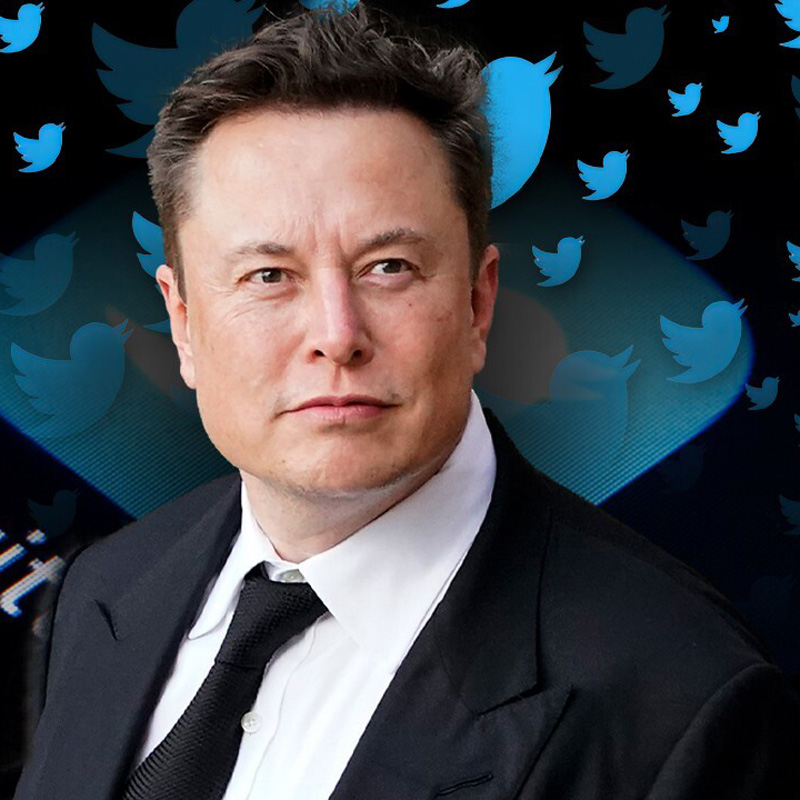
    Mumbai: Business baron Elon Musk has caught the world in a frenzy with the daily evolution of his Twitter strategy.

    From entering the social media company’s headquarters with a sink in his hand, his human appeal to advertisers on Twitter, him firing senior executives from the company since day one of his takeover, forming a content moderation council for Twitter, suggesting to charge a $20 fee for verification to becoming the sole director at Twitter after firing the board of directors and finally proposing a price tag of $8 for a blue tick verification on the social media portal – Musk has changed the face of Twitter drastically within the last week.

    One could only wonder what else the social media company has to go through under Musk’s reign. In a confab with industry veterans, I set out to explore the nitty gritty of Musk’s appeal to advertisers, wherein he claims that he wants to use the social media platform for the betterment of humanity, and also the blue-tick verification priced at eight dollars, which has led to a storm of reviews across the advertising fraternity.

    Discussing the human plea that Musk has made to advertisers, it’s an obvious point to ponder what could be going on in the minds of the several advertisers/brands that take to Twitter for their publicity purposes. Madison World vice president Kosal Malladi understands that Musk is a businessman at the end of the day. “He has said all the right things, but the intention is clear. How will he show better ads unless he collects more data? And collecting more data will mean more control over what people say. And this will mean having the power to veer conversations either towards the right or left basis of your agenda,” he brings out.

    Tonic Worldwide CEO Chetan Asher emphasises, “Advertisers are watching the developments at Twitter with keen interest. But it is too early for them to react to his appeal. His actions in the next few days in making Twitter advertiser-friendly will matter more than any appeal.”

    Thought Blurb Communications founder and chief creative officer Vinod Kunj seconds Asher’s opinion, he thinks that the overall sentiment among advertisers is “wait and watch.” He points out, “Musk’s public statements of purpose and actual actions seem to be surprisingly at odds with each other. The troubles of social media have always been about self-editing or the lack of it, quite unlike professional media. Freedom of speech is all very well as long as it is regulated by a mature journalistic authority. That is flagrantly absent in social media, hence the series of crises attributed to these platforms over the years.”

    Restricted brand opinion/advertising or not?

    Needless to say, the natural question pops up in the mind: Would this human appeal restrict a brand’s opinion or a brand’s advertising in any way?

    Malladi refutes that this could impact a brand’s advertising in any way. “In today’s world, a brand is always very careful about the opinion it puts out. At this stage, human appeal will in no way change the way we advertise. A brand will continue to be careful until such a time where opinions do not have a direct and immediate negative repercussion on its sales,” he clarifies.

    Asher feels otherwise. “While he assured the advertisers in his note that Twitter cannot become a “free-for-all hellscape,” brands will take a cautious approach as it’s not clear what his plans for moderation are. The fact that he has hinted at tweaking the advertising model on the platform also adds to the confusion,” he points out.

    Kunj feels that it puts the onus of caution on the brand. He says, “With one sweeping stroke, advertisers will have lost the ability to control the quality of discourse in the conversation. On one hand, brands actively seek out reviews, opinions, and experiences from customers. Twitter allows us to respond to issues in real-time.”

    “But there have always been issues that Twitter has been able to clamp down on. Fashion brands can face the brunt of sexist comments, and lifestyle brands have come under heated fire from conservative thinking. And then there is always the incipient fear that customers will turn on each other with opinion clashes leading to personal attacks,” he adds.

    Sensible step or not?

    Also, as part of this discussion, is this human appeal a sensible step taken by Musk with the thought of helping advertisers not get off the platform and to avoid any kind of extremist views on it?

    Malladi thinks that the problem Twitter has been facing due to its “lack of control” is that advertisers have started seeing it as a negative platform. Two factors will play an important role in attracting advertisers. One, is the overall “negativity” going down on Twitter? And second, is there enough of your audience on Twitter?

    “Point number one is under Musk’s control. But in the process, he needs to ensure that people do not leave the platform. In fact, he needs to figure out a way to grow the base. If that happens, brands will advertise. Sensible step or not, only time will tell,” he specifies.

    Kunj chooses to give in to cautious optimism. He elucidates, “I don’t imagine this allows advertisers to be more or less free. Advertising communication will always cater to the centre of the mean. It doesn’t help to cater to the fringe. If and when the fringe becomes the norm, things might change.”

    The human appeal – good or not?

    Speaking about whether he is in favour of human appeal or not, Malladi is of the opinion that, as a business, Musk needs to change the narrative of Twitter. So he has taken the logical step. Further, he says, “We can find loopholes in his appeal, see through his appeal, but the intention is clear. And he will need to make a few more such statements and eventually show some real change for brands to start getting really comfortable.”

    Giving a thumbs up to the human plea, Asher is of the view that Musk recognises that advertising is the fuel that is vital for Twitter, and hence the outreach to allay the fears, and was a move in the right direction.

    Kunj explains, “Advertising has always tried to push boundaries. Sometimes we get it right, but not always. The further we stretch the band, the greater the chance for it to snap. It’s like advertising underwear. There is a thin line between flirty-sexy and downright obscene. It’s that notional thin line that we never cross. Musk’s appeal may be to persuade advertisers to go ahead and cross it anyway.”

    Blue tick verification at $8

    The blue tick verification has been priced at eight dollars, and this fee applies only to USA-based Twitter users. Musk stated that the membership fee would vary in different countries according to the respective nations’ purchasing power parity. What does this entail for advertisers/brands, content providers, and obviously the users of Twitter? Malladi fathoms that it makes it much easier for anyone to get a blue-tick verification now. “These users/brands get additional benefits. In a way, blue tick seems to be a subscription model, hence an additional revenue stream for Twitter. Brands will also get even more audience understanding, and hence the ability to target better,” he describes.

    On the contrary, Kunj of Thought Blurb Communications feels that this makes absolutely no sense. This is like a bank charging you for KYC every month. Or the government charging you a monthly fee on your passport to accept that you are a citizen. There is no call for it. “Either I am who I claim to be, or I am not. This doesn’t change by the month. Unless Musk intends to make Twitter subscription a tradeable commodity, which might be a whole different bag of beans,” he suggests.

    Blue tick verification at $8 – yay or nay?

    In the whole scheme of things that is taking place, what could be the advantages and repercussions of pricing the blue-tick verification at eight dollars? Malladi senses that people will get an opportunity to easily flaunt the tick, until the point it no longer has a flaunt value. “Musk said that he wants to break the loads and peasants system where only lords get the blue tick. I am not so sure if that is his real motivation. Audience segmentation will be a real benefit for Twitter,” he cites.

    Asher elaborates, “Blue tick will obviously help in reducing spam on the platform and will also allow advertisers to do qualitative advertising to users who are invested in the platform. Musk has also talked about reducing the number of ads for users and this ties in with advertisers getting the opportunity to target small but qualitative users.”

    Kunj feels the opposite and imagines that a lot of celebrities and personalities will walk off immediately. That makes Twitter a platform for commercial and showbiz personalities only. “I don’t imagine a brilliant thinker, serious journalist, or upcoming artist using this platform as it was originally meant to be. There is no reason for anybody to pay every month for the pleasure of being authenticated,” he says, making his point.

  • Meta India head Ajit Mohan calls it quits

    Meta India head Ajit Mohan calls it quits

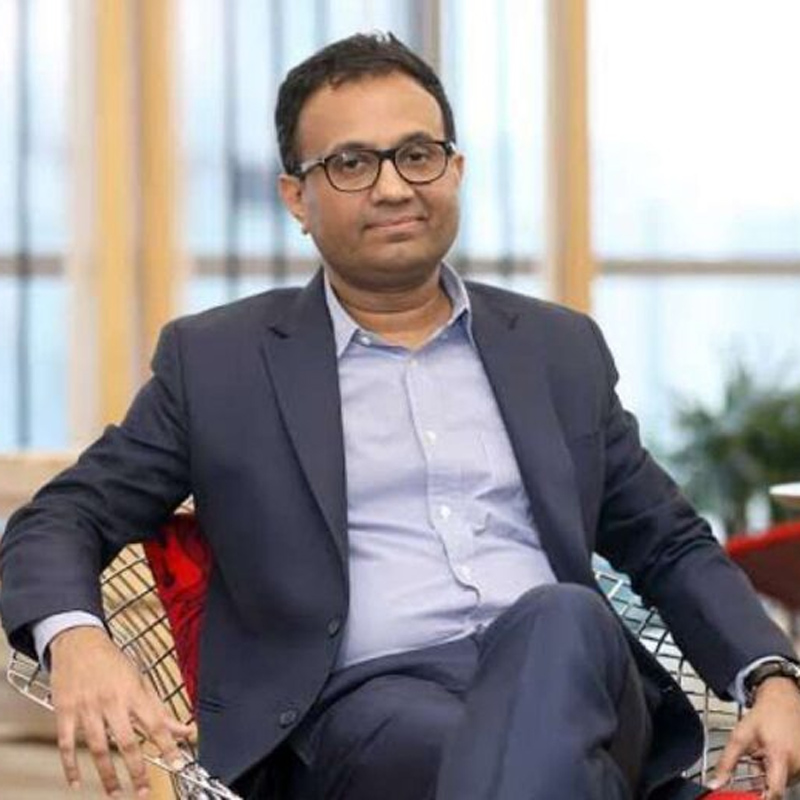
    Mumbai: Meta India country leader Ajit Mohan has decided to move on. His resignation comes into immediate effect. Reports suggest that he is all set to join Snap, the social media company.

    Mohan had joined Meta (the erstwhile Facebook) as the managing director for the India market in January 2019. He was preceded by Umang Bedi who quit in October 2017.

    Prior to Meta, Mohan was chief executive officer of Star India’s (now Disney Star’s) video streaming service Hotstar for four years.

    As per reports, Meta vice president of global business group Nicola Mendelsohn said in a statement, “Mohan has decided to step down from his role at Meta to pursue another opportunity outside of the company.”

    “Over the last four years, he has played an important role in shaping and scaling our India operations so they can serve many millions of Indian businesses, partners and people. We remain deeply committed to India and have a strong leadership team in place to carry on all our work and partnerships. We are grateful for Mohan’s leadership and contribution and wish him the very best for the future.” he added.