Tag: Viacom18

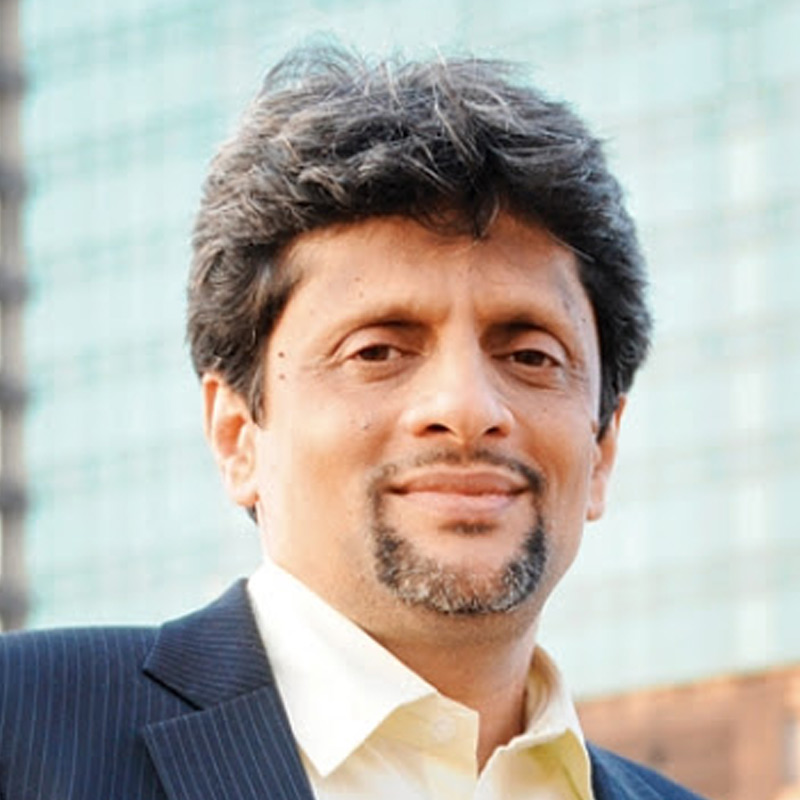
  • Global Citizen Festival enables us to drive behavioural change, says Viacom18’s Sudhanshu Vats

    Global Citizen Festival enables us to drive behavioural change, says Viacom18’s Sudhanshu Vats

    MUMBAI: Viacom18 has entered into a strategic tie-up with the Global Citizen Festival to amplify a hi-decibel public awareness campaign in India on the issues of quality education, gender equality and clean water and sanitation.

    As part of this partnership, the festival will be telecast live exclusively on Vh1, streamed exclusively on Voot, with the network’s flagship channel Colors airing it in December while Colors Infinity and MTV will showcase content around the festival.

    The Global Citizen Foundation India has been mobilising Indian youth in the run-up to the festival to take action on various challenging issues for India. These are in the areas of quality education, gender equality, and clean water & sanitation; causes that Viacom18 has been supporting, through both, its corporate and media brands, since inception.

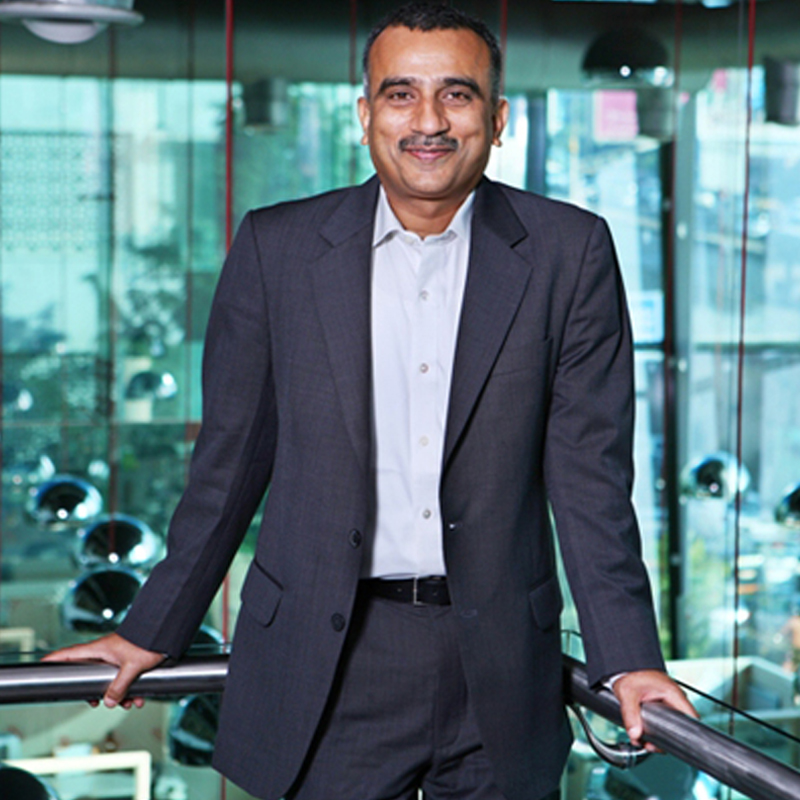
    On the GCF partnership, Viacom18 Group CEO Sudhanshu Vats said, “We saw this partnership as a natural extension of our own beliefs and perfectly in sync with the kind of work we have been doing since inception. It gives us the ideal springboard to channel a much larger force towards driving change in modern-day India. The Global Citizen Festival enables us to work with like-minded organisations as we use all our media assets to drive behavioral change when it comes to WASH (Water, Sanitation and Hygiene) related matters.”

    The festival will see a galaxy of international musicians like Colday, Jay Z and Demi Lovato and Indian icons like A. R. Rahman, Aamir Khan, Ranveer Singh, Katrina Kaif, Farhan Akhtar, Kareena Kapoor Khan, Arijit Singh, Arjun Kapoor, Amitabh Bachchan, Ayushmann Khurrana, Dia Mirza, Freida Pinto, Malaika Arorha Khan, Monali Thakur, Parineeti Chopra, Sachin Tendulkar, Sakshi Malik, Shah Rukh Khan, Shankar-Ehsaan-Loy, Shraddha Kapoor, Sonakshi Sinha, Vidya Balan, Vijendar Singh and Vivek Oberoi come together in support of the GCF’s cause at MMRDA Grounds on 19 November 2016.

    Viacom18 will be multiplying the reach of the festival by broadcasting it live on the all new VH1, streaming it on the network’s OTT service VOOT with repeat telecasts on MTV and Colors Infinity, and telecast of Hindi content on Colors at a later date.

  • Vh1 reincarnates; to air Global Citizen 2016 live

    Vh1 reincarnates; to air Global Citizen 2016 live

    MUMBAI: It seems like a win-win for the two eventful happenings. In a move to be the go-to destination for international music, entertainment and pop culture, Vh1 is all set to unveil its new refreshed branding. The channel’s logo, which has two windows (perpendicular) in red and magenta, will now change to purple. The philosophy of the channel — Get With It, will remain unchanged.

    The brand’s new logo will come into effect on 19 November. Introducing India to the refreshed Vh1 experience will be Demi Lovato, Coldplay and Jay-Z Live at the most awaited Global Citizen Festival 2016. The channel will air the live broadcast of all the performances.

    “There could not have been a bigger, more entertaining and relevant platform than Global Citizen Festival to showcase the brand new Vh1. As we are partnering with them as a network, we spoke to the organisers and they were more than happy to telecast it live on Vh1. Only 100,000 people will be able to watch it impulsively but what about the millions of people who cannot witness the concert for whatever reason,” said Viacom18 business head English and youth entertainment Ferzad Palia.

    The live telecast is an overall arrangement of the network and has the same advertisers that go across the communities. Added to the channel’s existing loyal advertisers, it has got few new advertisers on board from across the categories (FMCG, e-commerce, automobiles, etc).

    Palia added, “We have followed our own identity in India all through. Our rebranding has nothing to do with the international logo. However, we had rebranded five years ago. We need to give the brand a completely new look. It needs to be in sync with the way viewership palettes are moving. We have put the logo through a lot of testing and this one came out unanimously as the preferred layout. The colour is more vibrant, more holistic. We are still the window for India about what is going on, on the international music circuit and we have just expanded that window with the channel’s new look.

    With the refreshed look, the channel now has a new primetime at 8:30pm which has shows based on pop culture, entertainment, etc. It also boasts a whole new set-up of music and non-music based programming.

    “We have expanded from being a music channel to things which revolve around them which stood for the plus to being music plus plus and, of course, the local programming,” added Palia.

    The channel will, for the first time, bring alive engaging original programming like Vh1 Inside access with Miss Malini and Vh1 India Diaries. The former show is based on how Indian and international celebrities react to pop culture and what they do with things synonymous to the channel.

    Vh1 has led several special events in the past. Right from the time of its launch till date, Vh1 has been home to live telecasts such as Live Earth, Grammy Awards, Golden Globe Awards, American Music Awards, etc across countries at the same time. This has not only brought the channel exceptional surge in its viewership but has also increased the consumer engagement with the brand. “From being the window to a world, our endeavour is to be the one-stop destination for everything and special events form a very important part of it. That is why we have 12 or 13 award shows, which will keep increasing. The social quotient is humongous with the amount of conversations, engagements that you can drive with your audiences, etc is unparalleled,” Palia added.

    The rebranding will be also promoted through touch-point based activation in 10-12 markets which will be doubled to 20-25 markets. There will be heavy on-ground activities across colleges, buses, salons, cinema halls, etc. It plans to have over a 1000 touch points that will be active on an on-going basis.

    By reaching out to 50 million households in India, Vh1 by far is the most differentiated channel on TV because of its offering. “If you look at it from a differentiation point of view, there is no other channel that does it. The consumers and advertisers both love us for it,” asserted Palia.

    The channel is not looking at rural India for now and believes that it is not its core audience. “The BARC-defined ‘rural’ is not our immediate audience. With Phase IV of digitisation, there will be a new set of people who will be able to receive the channel. But, that is not our core audience. The urban audience itself is very wide. Even within that, our focus is on the one million-plus audience which we have deeply penetrated into and see great growth coming from,” opined Palia.

    With the demand for international music growing in India, the channel is observing huge growth in its consumption. Palia added, “English music is clearly expanding. When we speak to individual parties having interest in both western and Indian music, there seems to be a clear surge in the amount of consumption of international music (including that on the streaming sites). The demand is coming from people between in 15-30 age-group. A few years ago, the share of international music consumption in India was around three per cent which has lately jumped to 20-25 per cent. We have several indicators to look at in the absence of one source of data.”

    Palia does not see any threat from online streaming services in India. He asserted, “We have always maintained that what we lacked in India since the channel’s inception in 2005 is an eco-system that supports international music. And, we being at the forefront of it, do everything feasible on TV, digital, etc. — it is fantastic to see more and more people now seeing the benefit of pushing it. We have done the hard work and cultivated the genre which more and more people are benefitting from. The share of international music is only increasing and the streaming services are a benefit to us. None threatens to cannibalise our viewers. It is our viewers eventually that are expanding the consumption of international music across platforms.”

    With scope for more entrants in this space, Palia is optimistic about different players coming into the eco-system irrespective of the platform and only sees the sector growing in coming years.

  • Vh1 reincarnates; to air Global Citizen 2016 live

    Vh1 reincarnates; to air Global Citizen 2016 live

    MUMBAI: It seems like a win-win for the two eventful happenings. In a move to be the go-to destination for international music, entertainment and pop culture, Vh1 is all set to unveil its new refreshed branding. The channel’s logo, which has two windows (perpendicular) in red and magenta, will now change to purple. The philosophy of the channel — Get With It, will remain unchanged.

    The brand’s new logo will come into effect on 19 November. Introducing India to the refreshed Vh1 experience will be Demi Lovato, Coldplay and Jay-Z Live at the most awaited Global Citizen Festival 2016. The channel will air the live broadcast of all the performances.

    “There could not have been a bigger, more entertaining and relevant platform than Global Citizen Festival to showcase the brand new Vh1. As we are partnering with them as a network, we spoke to the organisers and they were more than happy to telecast it live on Vh1. Only 100,000 people will be able to watch it impulsively but what about the millions of people who cannot witness the concert for whatever reason,” said Viacom18 business head English and youth entertainment Ferzad Palia.

    The live telecast is an overall arrangement of the network and has the same advertisers that go across the communities. Added to the channel’s existing loyal advertisers, it has got few new advertisers on board from across the categories (FMCG, e-commerce, automobiles, etc).

    Palia added, “We have followed our own identity in India all through. Our rebranding has nothing to do with the international logo. However, we had rebranded five years ago. We need to give the brand a completely new look. It needs to be in sync with the way viewership palettes are moving. We have put the logo through a lot of testing and this one came out unanimously as the preferred layout. The colour is more vibrant, more holistic. We are still the window for India about what is going on, on the international music circuit and we have just expanded that window with the channel’s new look.

    With the refreshed look, the channel now has a new primetime at 8:30pm which has shows based on pop culture, entertainment, etc. It also boasts a whole new set-up of music and non-music based programming.

    “We have expanded from being a music channel to things which revolve around them which stood for the plus to being music plus plus and, of course, the local programming,” added Palia.

    The channel will, for the first time, bring alive engaging original programming like Vh1 Inside access with Miss Malini and Vh1 India Diaries. The former show is based on how Indian and international celebrities react to pop culture and what they do with things synonymous to the channel.

    Vh1 has led several special events in the past. Right from the time of its launch till date, Vh1 has been home to live telecasts such as Live Earth, Grammy Awards, Golden Globe Awards, American Music Awards, etc across countries at the same time. This has not only brought the channel exceptional surge in its viewership but has also increased the consumer engagement with the brand. “From being the window to a world, our endeavour is to be the one-stop destination for everything and special events form a very important part of it. That is why we have 12 or 13 award shows, which will keep increasing. The social quotient is humongous with the amount of conversations, engagements that you can drive with your audiences, etc is unparalleled,” Palia added.

    The rebranding will be also promoted through touch-point based activation in 10-12 markets which will be doubled to 20-25 markets. There will be heavy on-ground activities across colleges, buses, salons, cinema halls, etc. It plans to have over a 1000 touch points that will be active on an on-going basis.

    By reaching out to 50 million households in India, Vh1 by far is the most differentiated channel on TV because of its offering. “If you look at it from a differentiation point of view, there is no other channel that does it. The consumers and advertisers both love us for it,” asserted Palia.

    The channel is not looking at rural India for now and believes that it is not its core audience. “The BARC-defined ‘rural’ is not our immediate audience. With Phase IV of digitisation, there will be a new set of people who will be able to receive the channel. But, that is not our core audience. The urban audience itself is very wide. Even within that, our focus is on the one million-plus audience which we have deeply penetrated into and see great growth coming from,” opined Palia.

    With the demand for international music growing in India, the channel is observing huge growth in its consumption. Palia added, “English music is clearly expanding. When we speak to individual parties having interest in both western and Indian music, there seems to be a clear surge in the amount of consumption of international music (including that on the streaming sites). The demand is coming from people between in 15-30 age-group. A few years ago, the share of international music consumption in India was around three per cent which has lately jumped to 20-25 per cent. We have several indicators to look at in the absence of one source of data.”

    Palia does not see any threat from online streaming services in India. He asserted, “We have always maintained that what we lacked in India since the channel’s inception in 2005 is an eco-system that supports international music. And, we being at the forefront of it, do everything feasible on TV, digital, etc. — it is fantastic to see more and more people now seeing the benefit of pushing it. We have done the hard work and cultivated the genre which more and more people are benefitting from. The share of international music is only increasing and the streaming services are a benefit to us. None threatens to cannibalise our viewers. It is our viewers eventually that are expanding the consumption of international music across platforms.”

    With scope for more entrants in this space, Palia is optimistic about different players coming into the eco-system irrespective of the platform and only sees the sector growing in coming years.

  • Vizeum launches Binary, special advisory unit for media clients

    Vizeum launches Binary, special advisory unit for media clients

    Mumbai: “Media business is, in the short term, headed for a tipping point, driven by the changing consumer-media interface,” emphasises Vizeum India MD Shripad Kulkarni, who strongly believes that media companies need a definitive transformation strategy in place now.

    “While planning marketing communication for a media client, an agency’s focus is on acquiring new customers/ audience and retaining them. Thus, you have to wear very different hats,” Kulkarni states, speaking exclusively to indiantelevision.com.

    Keeping these two point of views in mind, Vizeum has launched a strategic advisory and consultancy for media networks in the print/TV and radio domain. “We are currently establishing a separate specialist team outside our media planning and buying outfit to handle media clients, because it needs a unique orientation and perspective,” Kulkarni asserts. This unit will be headed by Shilpa Dhanu, who has over 20 years’ experience in media strategy and Marcom with TV channels.

    The agency also caters to several major media clients including Viacom18. Dentsu Aegis Network strengths in Digital are unparalleled and this is a major advantage Vizeum has. With Isobar, iProspect WATConsult and Web Chutney they have a suite of companies specialising in every major aspect of digital depending on the need.

    As an entrepreneur, Kulkarni has good experience in consulting and training media organisations such as Indian Newspaper Society, Sony Television, Red FM and many other media companies. Binary thus claims to have just the right combination of old-world learning and new-age solutions for the challenges faced by mainstream media.

    The service would offer focused transformation strategies and customised solutions for TV channels, radio stations and print media. The service covers two modules which would be customised to each media network as per the specific need of the business. India is a market where mainstream media is still growing. So managing the transition is an immediate plan of action. But there must be a Digital Transformation Roadmap.

    The Transition module covers four services :1) New age pricing and sales strategies for revenue maximisation titled RevenueMax; 2) A holistic marcom strategy relevant in the new milieu called True 3600; 3) Trainware to getting the team trained for the new age challenges and 4) Sales Assist: technology based real time sales support.

    This will also include update on various happenings and trends across media, competitive analysis of rates across regional publications, analysis of ad spends by category for TV and print, special analysis of various databases like IRS/TAM/TGI are some of the specialised offerings of this advisory. Under this module, the special unit will also cater to the client’s creative requirements as per the marketing communications plans.

    The transformation roadmap, likewise covers five stages : a digital review covering an audit, evaluating the business model and assessment of the new business model needs, content strategy, assessing routes for the ‘new company’, followed by digital transformation roadmap. “This is a unique Service and I am quite bullish on the business prospects,” Kulkarni added.

    Kulkarni strongly believes that media companies, although are brands themselves, have special media management requirements that is distinct from a FMCG or automobile brand. “The fact that a brand comes to a media company to reach out to an audience differentiates it from a regular advertiser,” he said.

    Vizeum India was recently awarded the media duties of one of the giants of film studio – Warner Bros Pictures. Following the win, the first movie from the Warner Bros slate that Vizeum worked on was “The Conjuring 2.” For the record, after the theatrical run of its recent release Batman v Superman, Warner Bros has now lined up as many as 15 new releases in 2016. Apart from this, the agency also caters to several major media clients including Viacom18.

    To how media clients spend differently than other brands, Kulkarni added that films and television channels operate on different ecosystem altogether. “Speaking specifically of television channels, to start with, we consider how it can use its own channel differently, because at the end of the day the broadcaster is a medium of its own. Brands and advertisers come to a broadcaster, so that its his strength. Maximising own media is the starting point. The second question a broadcaster asks is how it can maximise its reach through its home network,” Kulkarni explains.

    Keeping a clear idea of the end goal makes the planning sharper and more efficient. “The broadcaster needs to be sure of what it is chasing — new audience, or the channel’s loyal audience or home network. The media planners then need to ask if its client’s chasing the end goal through one property or multiple property, and what will get it tune ins. That’s the single-minded proposition. Because, once the tune-in happens, the channel, and the program take care of the rest,” Kulkarni adds.

    In that way films and channels are similar; in both cases the opening week or weekend (for the former) makes a huge difference.

    As per industry guesstimates, on an average, a leading GEC spends Rs 25 to 30 crore worth of media within its home network in the first two to three weeks of a show launch. If one were to monetise the value of the media, the channels’ use in it own network, it is the value of the advertising opportunity the broadcaster has lost. Beyond this, a channel can spend close to Rs 1 crore–5 crore if ‘across network’ promotion is involved, which would include outdoor and on-ground activation as well. This figure may rise up to Rs 10 crore if the channel’s home network isn’t strong enough.

  • Vizeum launches Binary, special advisory unit for media clients

    Vizeum launches Binary, special advisory unit for media clients

    Mumbai: “Media business is, in the short term, headed for a tipping point, driven by the changing consumer-media interface,” emphasises Vizeum India MD Shripad Kulkarni, who strongly believes that media companies need a definitive transformation strategy in place now.

    “While planning marketing communication for a media client, an agency’s focus is on acquiring new customers/ audience and retaining them. Thus, you have to wear very different hats,” Kulkarni states, speaking exclusively to indiantelevision.com.

    Keeping these two point of views in mind, Vizeum has launched a strategic advisory and consultancy for media networks in the print/TV and radio domain. “We are currently establishing a separate specialist team outside our media planning and buying outfit to handle media clients, because it needs a unique orientation and perspective,” Kulkarni asserts. This unit will be headed by Shilpa Dhanu, who has over 20 years’ experience in media strategy and Marcom with TV channels.

    The agency also caters to several major media clients including Viacom18. Dentsu Aegis Network strengths in Digital are unparalleled and this is a major advantage Vizeum has. With Isobar, iProspect WATConsult and Web Chutney they have a suite of companies specialising in every major aspect of digital depending on the need.

    As an entrepreneur, Kulkarni has good experience in consulting and training media organisations such as Indian Newspaper Society, Sony Television, Red FM and many other media companies. Binary thus claims to have just the right combination of old-world learning and new-age solutions for the challenges faced by mainstream media.

    The service would offer focused transformation strategies and customised solutions for TV channels, radio stations and print media. The service covers two modules which would be customised to each media network as per the specific need of the business. India is a market where mainstream media is still growing. So managing the transition is an immediate plan of action. But there must be a Digital Transformation Roadmap.

    The Transition module covers four services :1) New age pricing and sales strategies for revenue maximisation titled RevenueMax; 2) A holistic marcom strategy relevant in the new milieu called True 3600; 3) Trainware to getting the team trained for the new age challenges and 4) Sales Assist: technology based real time sales support.

    This will also include update on various happenings and trends across media, competitive analysis of rates across regional publications, analysis of ad spends by category for TV and print, special analysis of various databases like IRS/TAM/TGI are some of the specialised offerings of this advisory. Under this module, the special unit will also cater to the client’s creative requirements as per the marketing communications plans.

    The transformation roadmap, likewise covers five stages : a digital review covering an audit, evaluating the business model and assessment of the new business model needs, content strategy, assessing routes for the ‘new company’, followed by digital transformation roadmap. “This is a unique Service and I am quite bullish on the business prospects,” Kulkarni added.

    Kulkarni strongly believes that media companies, although are brands themselves, have special media management requirements that is distinct from a FMCG or automobile brand. “The fact that a brand comes to a media company to reach out to an audience differentiates it from a regular advertiser,” he said.

    Vizeum India was recently awarded the media duties of one of the giants of film studio – Warner Bros Pictures. Following the win, the first movie from the Warner Bros slate that Vizeum worked on was “The Conjuring 2.” For the record, after the theatrical run of its recent release Batman v Superman, Warner Bros has now lined up as many as 15 new releases in 2016. Apart from this, the agency also caters to several major media clients including Viacom18.

    To how media clients spend differently than other brands, Kulkarni added that films and television channels operate on different ecosystem altogether. “Speaking specifically of television channels, to start with, we consider how it can use its own channel differently, because at the end of the day the broadcaster is a medium of its own. Brands and advertisers come to a broadcaster, so that its his strength. Maximising own media is the starting point. The second question a broadcaster asks is how it can maximise its reach through its home network,” Kulkarni explains.

    Keeping a clear idea of the end goal makes the planning sharper and more efficient. “The broadcaster needs to be sure of what it is chasing — new audience, or the channel’s loyal audience or home network. The media planners then need to ask if its client’s chasing the end goal through one property or multiple property, and what will get it tune ins. That’s the single-minded proposition. Because, once the tune-in happens, the channel, and the program take care of the rest,” Kulkarni adds.

    In that way films and channels are similar; in both cases the opening week or weekend (for the former) makes a huge difference.

    As per industry guesstimates, on an average, a leading GEC spends Rs 25 to 30 crore worth of media within its home network in the first two to three weeks of a show launch. If one were to monetise the value of the media, the channels’ use in it own network, it is the value of the advertising opportunity the broadcaster has lost. Beyond this, a channel can spend close to Rs 1 crore–5 crore if ‘across network’ promotion is involved, which would include outdoor and on-ground activation as well. This figure may rise up to Rs 10 crore if the channel’s home network isn’t strong enough.

  • MIB favours self-regulation, TRAI says some regulation mandatory

    MIB favours self-regulation, TRAI says some regulation mandatory

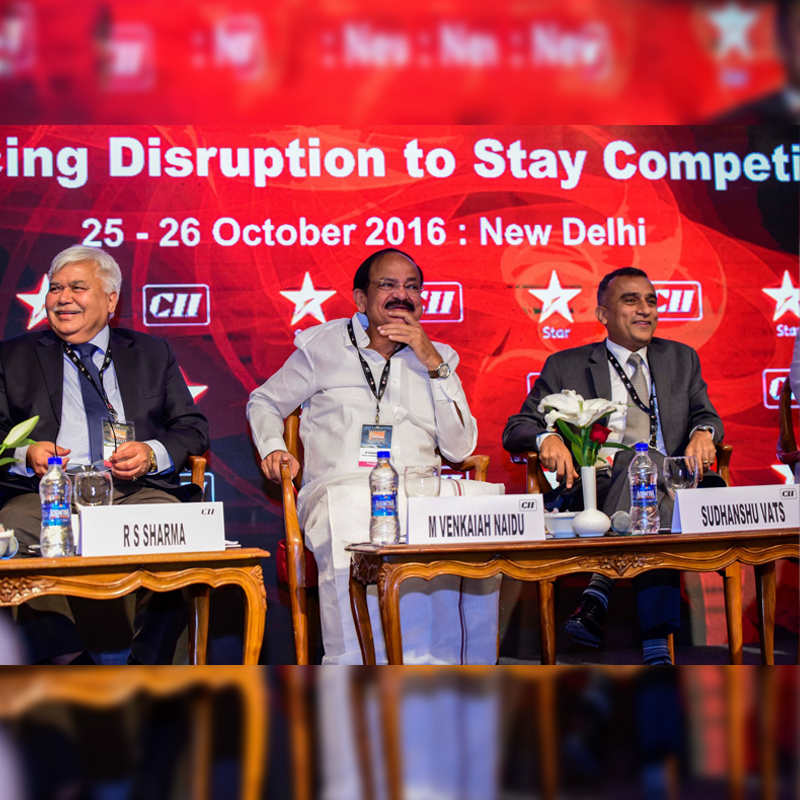
    NEW DELHI: Even as he favoured the idea of self-regulation in the media, Minister for Information and Broadcasting (MIB) M Venkaiah Naidu stressed that “regulation should not become strangulation” and added the government wants to be a facilitator for creating a good business environment for the media and entertainment (M&E) sector.

    Delivering the keynote address at the inaugural session of 5th edition of CII-organised `Big Picture Summit’ at New Delhi here yesterday Naidu said that digital and mobile tools have been leading to paradigm shifts in the M&E sector and the growth of varied platforms such as 4G, broadband, mobile technologies and digital media has enabled the sector to move towards “convergence across platforms and content”.

    According to the Minister, 500 million mobile phones were expected in India by 2020 and music streaming had grown from 49 per cent to 61 per cent in just one year with video on demand gaining popularity as number of internet connections had grown to 81 million of which 41 million used local languages. “The entertainment industry was today capable of creating five billion jobs a year,” he said.

    Referring to the broadcast segment, the MIB Minister said Indian television was very vibrant and exciting, which is exemplified in the over 800 TV channels licensed by the government.

    Dwelling on some initiatives taken by the government to boost the M&E sector, Naidu said that foreign direct investment norms had been liberalized further earlier in the year with an aim to help the industry grow. Similarly, the Minister said, the radio category too has shown impressive growth and the third Phase of auctions of Radio FM licenses was expected to bring in $390 million.

    While he was impressed with the growth achieved by cinema — India produced more films than any other country in the world — Naidu took note of a big problem of less number of screens in the country and that Indian cinema had a share of less than one per cent in world cinema.

    Expressing his concerns on the growth of the media, the Minister highlighted that there were some problems that had been inherited by this government and that those would take some time to be resolved as he plans to hold separate meetings with all stakeholders.

    TRAI Says Regulatory Framework Necessary For Big M&E Sector

    While MIB made a case for self-regulation, Telecom Regulatory Authority of India Chairman R S Sharma said some regulatory framework was necessary for such a large media sector, but regulations should be non-discriminatory, transparent, ensure quality and empower the consumer.

    Speaking at the inaugural session, along with the Minister and industry representatives, Sharma said India was a very cost-effective market where the average mobile recharge was just Rs 10. As connectivity had to be cost-effective and price-sensitive, cable television can be used to provide broadband connectivity as well.

    Holding forth on audience measurement, Sharma said there was still scope for better audience measurement systems as it was important to let the consumer decide what he wanted.
    As TRAI has a recommendatory role in the broadcast sector, except the carriage part where its recommendations can be implemented by it, Sharma also highlighted that several set of recommendations by the regulator on a variety of issues were pending at the Ministry concerned.

    Viacom18 Group CEO Sudhanshu Vats’ On Disruption & Competition

    Amongst the pantheon of Indian gods and goddesses, the Trinity of  Brahma, Vishnu and Shiv hold a special place as they ensure the world, as we know it, goes through a cycle of creation, preservation and destruction to continue growing and surviving. Is this also true for a business sector? Yes!

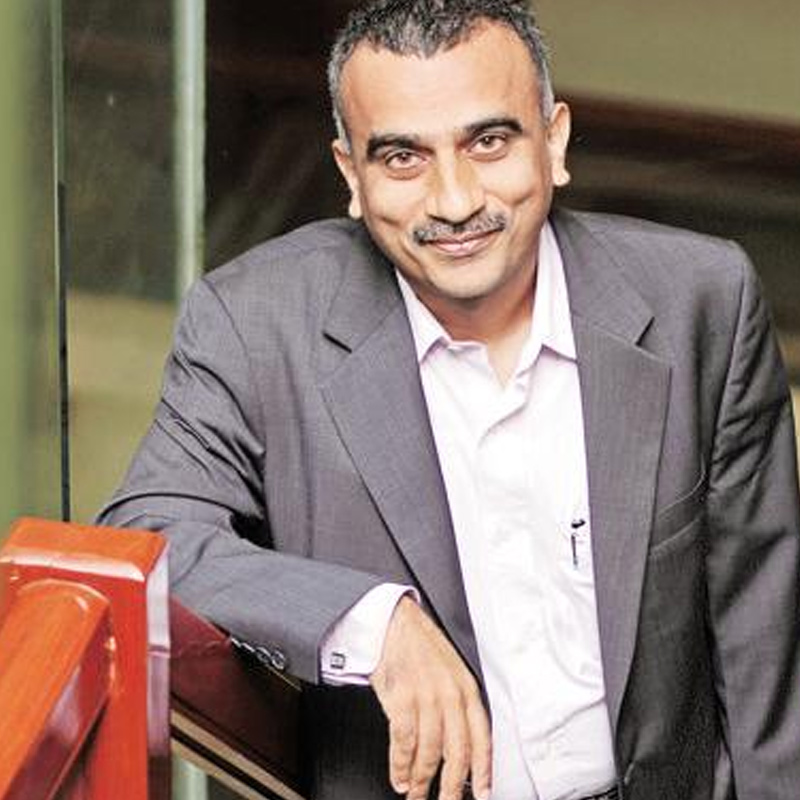
    Dwelling on the theme of the two-day media conference, ‘Embracing Disruption to Stay Competitive’, Sudhanshu Vats, Chairman of National Committee on Media & Entertainment, CII and Group CEO, Viacom18, said if the cycle, as highlighted in the Indian Trinity or to some extent in economist Schumpeter’s theory of creative destruction, is not followed by businesses (including those in the M&E sector), it’d be disrupted

    “Our systems discourage destruction. In our minds we have this notion that the word ‘destruction’ itself is wrong. But if you look back, our belief system has always emphasised on the need to destroy. If we don’t destroy, then we will be disrupted,” Vats said setting the tone for the Big Picture Summit and emphasizing the need for a well-balanced mix of all three — creators, preservers and destroyers.

    Vats went on to give some examples of the Big Picture Summit’s theme of disruption or reinvention to stay relevant and competitive, which are as follows:

    –    It’s a theme that explains how the sport of cricket reinvented itself 8 years ago to create a completely new avatar (called the IPL) that is arguably it’s most lucrative and successful one till date.

    –    It’s a theme that explains how a new Hindi GEC called Colors launched in 2008 and became number 1 in just 9 months of launch.

    –    It’s a theme that probably explains how a government owned distribution platform known as DD FreeDish revolutionized the world of Indian television so much so that it is a topic of conversation in the boardroom of every M&E organization.

    –    It’s a theme that explains how a show idea rejected by MTV, led to the creation of one of India’s most iconic YouTube channels: The Viral Fever.

    –    It’s also a theme that explains why a telco called AT&T is expected to close a deal to acquire a media conglomerate called Time Warner in what is amongst this year’s biggest acquisitions.  “Of course, I’d like to see this as ‘convergence in action’,” explained Vats.

    Dwelling on some industry vital stats — based on knowledge partner Boston Consulting Group’s yearly report for the event — Vats said the M&E industry’s size had been pegged at approximately Rs. 13, 000,00 million, almost one per cent of the Indian GDP with a direct employment base of half a million.

    “If we look at indirect employment, the number will multiply several times over. If we look at employment in sectors in which we have a multiplier effect, say telecom, tourism, sports and so on, and we are looking at a much larger base. If we have to, say, double in size (and this is not impossible)… then there are three fundamental truths that we need to prepare for. Bear in mind, that none of these can be leveraged if we fear ‘destruction’. Each of these truths has significant implications for us,” Vats elucidated.

    Vats also dwelt on several issues ranging from the need to develop direct-to-consumer offerings, importance of listening to suggestions and ideas, benefits of discovering new talents and embracing technology and data as a friend and not foe, apart from several other issues, including the need to put aside squabbles amongst stakeholders in the M&E sector.

    However, not the one to every shy away from making a factual statement, even though it may sound contentious, Vats aptly said the M&E sector was amongst the biggest stars of the PM Modi’s  `Make in India’ programme. “In the last two years, India has seen 35 new smart-phone factories, with a production capacity of 18 million devices per month and employment to 37,000 Indians. While the focus here – at least in the popular context- is on telecom handset manufacturing, think what is the use of the smart-phone with a 5-inch screen if you don’t have video content? I have no qualms in stating that our industry will play the biggest role in the 4G revolution that this country is about to witness,” he concluded.

     

  • MIB favours self-regulation, TRAI says some regulation mandatory

    MIB favours self-regulation, TRAI says some regulation mandatory

    NEW DELHI: Even as he favoured the idea of self-regulation in the media, Minister for Information and Broadcasting (MIB) M Venkaiah Naidu stressed that “regulation should not become strangulation” and added the government wants to be a facilitator for creating a good business environment for the media and entertainment (M&E) sector.

    Delivering the keynote address at the inaugural session of 5th edition of CII-organised `Big Picture Summit’ at New Delhi here yesterday Naidu said that digital and mobile tools have been leading to paradigm shifts in the M&E sector and the growth of varied platforms such as 4G, broadband, mobile technologies and digital media has enabled the sector to move towards “convergence across platforms and content”.

    According to the Minister, 500 million mobile phones were expected in India by 2020 and music streaming had grown from 49 per cent to 61 per cent in just one year with video on demand gaining popularity as number of internet connections had grown to 81 million of which 41 million used local languages. “The entertainment industry was today capable of creating five billion jobs a year,” he said.

    Referring to the broadcast segment, the MIB Minister said Indian television was very vibrant and exciting, which is exemplified in the over 800 TV channels licensed by the government.

    Dwelling on some initiatives taken by the government to boost the M&E sector, Naidu said that foreign direct investment norms had been liberalized further earlier in the year with an aim to help the industry grow. Similarly, the Minister said, the radio category too has shown impressive growth and the third Phase of auctions of Radio FM licenses was expected to bring in $390 million.

    While he was impressed with the growth achieved by cinema — India produced more films than any other country in the world — Naidu took note of a big problem of less number of screens in the country and that Indian cinema had a share of less than one per cent in world cinema.

    Expressing his concerns on the growth of the media, the Minister highlighted that there were some problems that had been inherited by this government and that those would take some time to be resolved as he plans to hold separate meetings with all stakeholders.

    TRAI Says Regulatory Framework Necessary For Big M&E Sector

    While MIB made a case for self-regulation, Telecom Regulatory Authority of India Chairman R S Sharma said some regulatory framework was necessary for such a large media sector, but regulations should be non-discriminatory, transparent, ensure quality and empower the consumer.

    Speaking at the inaugural session, along with the Minister and industry representatives, Sharma said India was a very cost-effective market where the average mobile recharge was just Rs 10. As connectivity had to be cost-effective and price-sensitive, cable television can be used to provide broadband connectivity as well.

    Holding forth on audience measurement, Sharma said there was still scope for better audience measurement systems as it was important to let the consumer decide what he wanted.
    As TRAI has a recommendatory role in the broadcast sector, except the carriage part where its recommendations can be implemented by it, Sharma also highlighted that several set of recommendations by the regulator on a variety of issues were pending at the Ministry concerned.

    Viacom18 Group CEO Sudhanshu Vats’ On Disruption & Competition

    Amongst the pantheon of Indian gods and goddesses, the Trinity of  Brahma, Vishnu and Shiv hold a special place as they ensure the world, as we know it, goes through a cycle of creation, preservation and destruction to continue growing and surviving. Is this also true for a business sector? Yes!

    Dwelling on the theme of the two-day media conference, ‘Embracing Disruption to Stay Competitive’, Sudhanshu Vats, Chairman of National Committee on Media & Entertainment, CII and Group CEO, Viacom18, said if the cycle, as highlighted in the Indian Trinity or to some extent in economist Schumpeter’s theory of creative destruction, is not followed by businesses (including those in the M&E sector), it’d be disrupted

    “Our systems discourage destruction. In our minds we have this notion that the word ‘destruction’ itself is wrong. But if you look back, our belief system has always emphasised on the need to destroy. If we don’t destroy, then we will be disrupted,” Vats said setting the tone for the Big Picture Summit and emphasizing the need for a well-balanced mix of all three — creators, preservers and destroyers.

    Vats went on to give some examples of the Big Picture Summit’s theme of disruption or reinvention to stay relevant and competitive, which are as follows:

    –    It’s a theme that explains how the sport of cricket reinvented itself 8 years ago to create a completely new avatar (called the IPL) that is arguably it’s most lucrative and successful one till date.

    –    It’s a theme that explains how a new Hindi GEC called Colors launched in 2008 and became number 1 in just 9 months of launch.

    –    It’s a theme that probably explains how a government owned distribution platform known as DD FreeDish revolutionized the world of Indian television so much so that it is a topic of conversation in the boardroom of every M&E organization.

    –    It’s a theme that explains how a show idea rejected by MTV, led to the creation of one of India’s most iconic YouTube channels: The Viral Fever.

    –    It’s also a theme that explains why a telco called AT&T is expected to close a deal to acquire a media conglomerate called Time Warner in what is amongst this year’s biggest acquisitions.  “Of course, I’d like to see this as ‘convergence in action’,” explained Vats.

    Dwelling on some industry vital stats — based on knowledge partner Boston Consulting Group’s yearly report for the event — Vats said the M&E industry’s size had been pegged at approximately Rs. 13, 000,00 million, almost one per cent of the Indian GDP with a direct employment base of half a million.

    “If we look at indirect employment, the number will multiply several times over. If we look at employment in sectors in which we have a multiplier effect, say telecom, tourism, sports and so on, and we are looking at a much larger base. If we have to, say, double in size (and this is not impossible)… then there are three fundamental truths that we need to prepare for. Bear in mind, that none of these can be leveraged if we fear ‘destruction’. Each of these truths has significant implications for us,” Vats elucidated.

    Vats also dwelt on several issues ranging from the need to develop direct-to-consumer offerings, importance of listening to suggestions and ideas, benefits of discovering new talents and embracing technology and data as a friend and not foe, apart from several other issues, including the need to put aside squabbles amongst stakeholders in the M&E sector.

    However, not the one to every shy away from making a factual statement, even though it may sound contentious, Vats aptly said the M&E sector was amongst the biggest stars of the PM Modi’s  `Make in India’ programme. “In the last two years, India has seen 35 new smart-phone factories, with a production capacity of 18 million devices per month and employment to 37,000 Indians. While the focus here – at least in the popular context- is on telecom handset manufacturing, think what is the use of the smart-phone with a 5-inch screen if you don’t have video content? I have no qualms in stating that our industry will play the biggest role in the 4G revolution that this country is about to witness,” he concluded.
     

  • Voot to stream Big Boss’s ‘Unseen Undekha’ videos

    Voot to stream Big Boss’s ‘Unseen Undekha’ videos

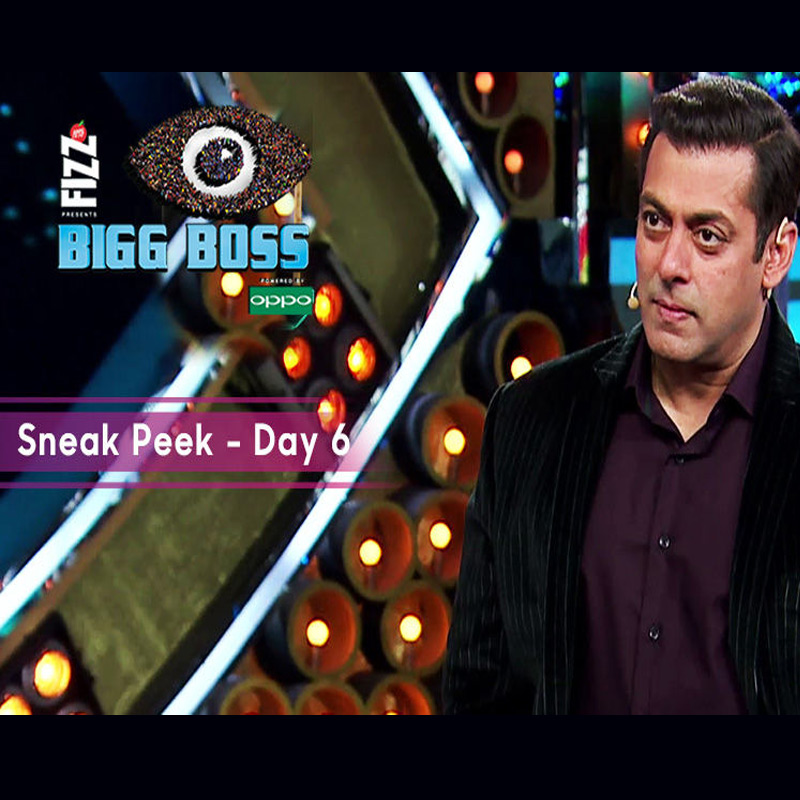
    MUMBAI: Viacom18’s OTT platform, Voot, will showcase exclusive content of its reality show Bigg Boss 10. The on-demand destination has developed a special space called Unseen Undekha wherein users can stream videos of any celebrity or commoner of their choice from inside the house anytime.

    Additionally, the content will include stories on nominations, results, weekly task announcements, captain selection, post eviction interviews of the contestants, discussions on the luxury budget, etc.

    “Voot, in just five months of launch, is amongst the leading on-demand services in the country –and much of this can be credited to the hugely popular content across the Viacom 18 network channels, our unmatched kids’ content library (under the Voot Kids brand) and the truly differentiated Voot Originals that we are creating. And now, we bring the biggest entertainment show on Indian television – Bigg Boss, for our users on Voot. Bigg Boss is one of the few shows, where the fandom goes to epic levels and the viewers want “all that they can get” about the contestants and whats going on in the house. ‘Unseen Undekha’ answers all such questions and gives you much more ‘never seen on TV’ content. This unique property, along with the full episodes of Bigg Boss being available on-demand , would complete the offering for the fans of the show,” said Viacom18 Digital Ventures COO Gaurav Gandhi.

    Voot has garnered more than 12 million app downloads, and has over 15 million monthly active users across mobile and web, with viewers spending approximately 40 minutes on an average per day.

  • Voot to stream Big Boss’s ‘Unseen Undekha’ videos

    Voot to stream Big Boss’s ‘Unseen Undekha’ videos

    MUMBAI: Viacom18’s OTT platform, Voot, will showcase exclusive content of its reality show Bigg Boss 10. The on-demand destination has developed a special space called Unseen Undekha wherein users can stream videos of any celebrity or commoner of their choice from inside the house anytime.

    Additionally, the content will include stories on nominations, results, weekly task announcements, captain selection, post eviction interviews of the contestants, discussions on the luxury budget, etc.

    “Voot, in just five months of launch, is amongst the leading on-demand services in the country –and much of this can be credited to the hugely popular content across the Viacom 18 network channels, our unmatched kids’ content library (under the Voot Kids brand) and the truly differentiated Voot Originals that we are creating. And now, we bring the biggest entertainment show on Indian television – Bigg Boss, for our users on Voot. Bigg Boss is one of the few shows, where the fandom goes to epic levels and the viewers want “all that they can get” about the contestants and whats going on in the house. ‘Unseen Undekha’ answers all such questions and gives you much more ‘never seen on TV’ content. This unique property, along with the full episodes of Bigg Boss being available on-demand , would complete the offering for the fans of the show,” said Viacom18 Digital Ventures COO Gaurav Gandhi.

    Voot has garnered more than 12 million app downloads, and has over 15 million monthly active users across mobile and web, with viewers spending approximately 40 minutes on an average per day.

  • How to make your content viral?

    How to make your content viral?

    MUMBAI: How often do we hear the term ‘viral’? From the germination of an idea to its execution, the only target people want to achieve is making it go viral. Be it a concept or a new initiative, grabbing the maximum number of eyeballs or reaching out to the masses remains the crucial part.

    This subject was fielded by panelists consisting of Viacom18 Media group CEO Sudhanshu Vats, Twitter CEO Rahul Jaitly, The Viral Fever creative producer Shreyansh Pandey, Yash Raj Films VP Ashish Patil and AIB G. Khamba at Eemax Global Conclave 2016.

    They spoke on the topic everyone is currently excited and interest in — digital. ‘Making the viral go around’, the speakers brainstormed whether they have found or cracked any formula of making their content visible. What echoed in unison was a big ‘no’ by the panelists.

    Adding some perspective to it, Patil said, “That is the stupidest brief I can ever get for making content that should go viral.” Agreeing to that was Khamba who resonated with Patil’s thoughts. “No, we cannot do it. We try to do the best that we can with our content. Fun is the formula for us.”

    Taking the discussion a notch higher, the moderator was curious to know what the starting point is for each one of the players post the brief. “The starting point is the consumer. We don’t go about making it viral, we just hope that it happens. One should not let their ideas remain in a box. Anything can be successful and (go) viral in no time like music for eg, Coke Studio. What goes viral is not matter of functions or data,” said Patil.

    Pandey added, “Two things that are primarily important which lead to something going viral is content and experience of the user. Obviously, it varies with platforms. How users latch on to the content and what they do with it decides the virality.”

    Jaitly opined the starting point for the social media platform is knowing their audiences and their taste. “Truth and personality is what we ride high on. At Twitter, we have a software measuring not the tweets but spikes.”

    “Adding to that, authenticity is also equally important,” added Vats.

    So, what is the process of developing content and the velocity to make it viral? “What excites the consumers is the first step. Delivering it with truth, authenticity and entertainment like some nice music, champions, etc. is the second step. Third comes the right people you want this content to reach out to,” opined Patil.

    Jaitly also seconded his opinion, and said “In India, Bollywood, sports and politics content does very well for us and our strategy is to build across these ‘edges’.”

    At TVF’s office, one of the walls read “Ideas are a piece of shit.” Pandey said, “TVF’s core is story-telling. The process starts with writing posts. You should know the reaction expected by your target audience based on your observation.”

    With branded content getting popular every passing day, advertisers are partly convinced about investing in this new digital era. Developing in the right direction on the brief is one way to win the trust of the brands. Khamba shared, ” How do you work with brands is also important. Brands develop trust on the brief. Finding the trigger of the theme and delivering to the brands by value is equally crucial.”

    Patil, Pandey and Khamba also agreed on the point that the brand parameters had changed. They have started to build on the bigger theme than simply pumping money on a concept for eg, a Truly Madly Creep Qawali.

    With the sense of maturity coming amongst the advertisers, the panelists also expressed their thoughts on the need of having a measurability on content. “Majority of the return on investment comes from brands on board. The rest from talent usage, syndication, merchandising, etc. The commitment of how many views can a certain content get cannot happen.  We have to go in with our eyes open,” said Patil.

    With its reach across the globe, Jaitly opined how he has heard the pressure on revenues more in India than any other country which is something Twitter has done by providing a base for story-tellers without brands to come on board. On the other hand, Vats drew some light on their existing digital platform Voot which follows an advertising model. The VOD platform, within four months of its launch, has done well for Viacom18 Network by having 15 million active users with over 50+ brands, Vats shared, “The ‘average time spend’ on our platform is 45 minutes per user. For us, it’s about how many are watching, what content are they consuming and for how much time are they staying.”

    He further added, “There will be models going forward that will help reach the consumers. The data is crucial right now but it will come down eventually. Also, the payment gateways will evolve to make subscription easier for the viewers. Measurement cannot be ignored if you want to grow. Money follows measurement.”

    The session ended with the panelists discussing the way ahead for each of their platforms. While Patil opined that there is a new breed of celebrities on YouTube coming up, the opportunity of spin-off content is possible. “We want to create IPs and take it beyond TV or digital. Merchandising is also where we see a lot of good opportunities, he said. Pandey resonated with Patil’s thought about extending IPs and added, “Brands are difficult to get and people don’t want to pay. Extending IPs is what we would look at as the dollars lie there.”

    Khamba was of the opinion that on-ground engagement has always been fun for them and they will continue with that and sustain it going forward. “We will do high numbers and branch out,” added Khamba.

    Whereas, for Twitter, Jaitly shared that, going forward, the social media platform will enable users to share and watch live shows from across the country. He said, “The Twitter of future will open shows and videos live stream from across the country.”

    The panelists concluded by sharing that digital in India is only bound to grow and prove profitable to people who play it smart. As its always believed by most of the players in this business, the consumer remains to be the king.