Tag: VFX

  • Prime Focus provides VFX, DI & Cameras for ‘Udta Punjab’

    Prime Focus provides VFX, DI & Cameras for ‘Udta Punjab’

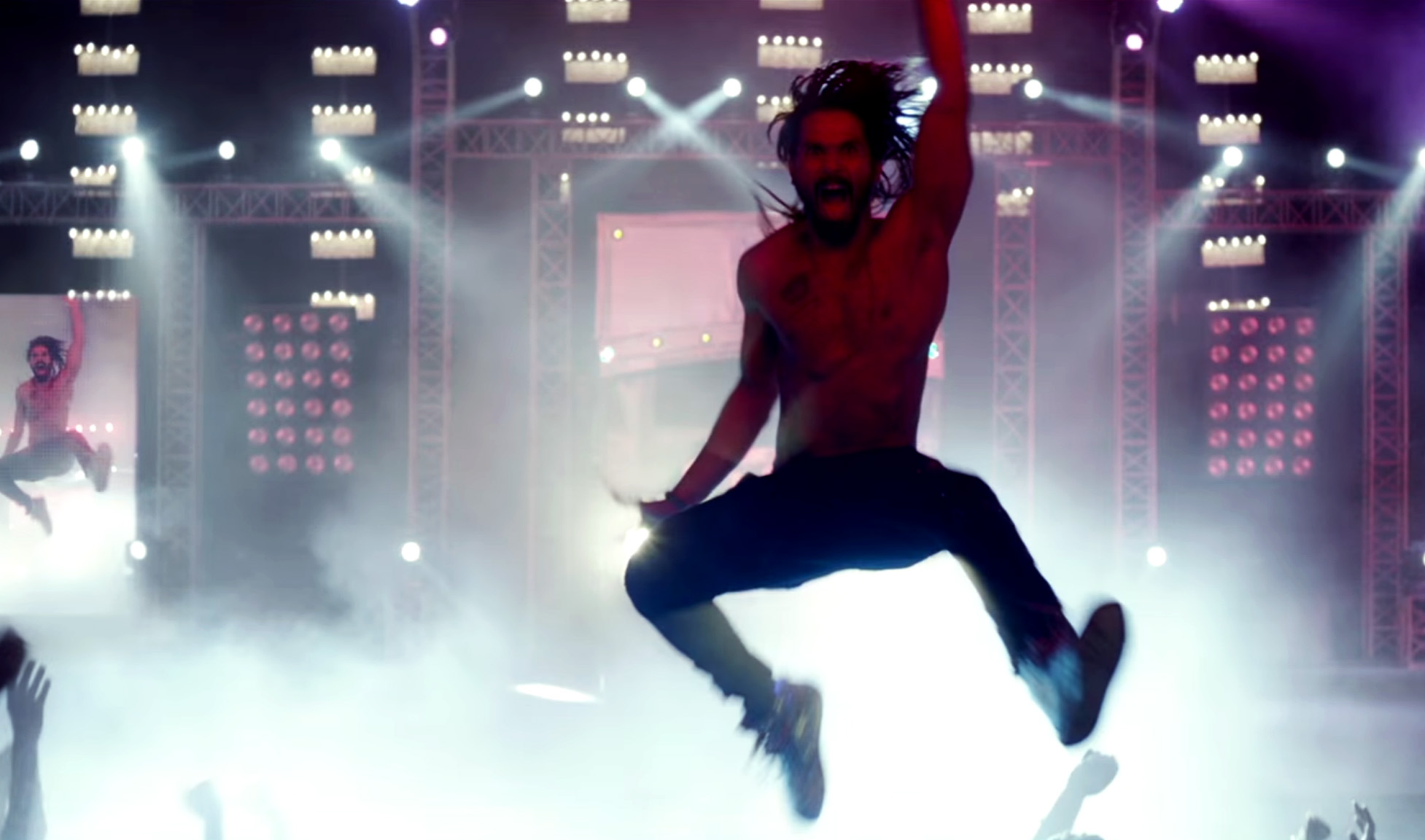
    MUMBAI: From Abhishek Chaubey, the critically-acclaimed writer and director of ‘Ishqiya’, comes ‘Udta Punjab’, a gritty, crime thriller exploring the drug abuse in Punjab from a number of perspectives: a rock star, a migrant labourer, a doctor and a cop. Prime Focus provided visual effects (VFX), Digital Intermediate (DI) services and camera rental for ‘Udta Punjab’, which stars Shahid Kapoor, Alia Bhatt, Kareena Kapoor Khan and Diljit Dosanjh.

    Prime Focus delivered more than 345 VFX shots for ‘Udta Punjab’, including crowd multiplication and LED screen compositing for the ‘Chitta Ve’ song sequence, set extension and enhancement, picture-in-picture (PIPs) and clean-up work. One of the most challenging VFX sequences was a drug injection sequence which required the creation of a surreal dreamlike environment.

    “In the scene in which Alia can be seen freefalling against a pitch-black backdrop, the idea was to portray the calming and sedating effect of drugs on a junkie,” commented VFX Supervisor Vishal Kapoor. “Even after grading we weren’t quite satisfied with the static look of the frame, so in order to impart more dreaminess to sequence we added subtle transverse wave motions to help bring the sequence to life.”

    The grade of the film varied for each of the main characters – from colourful and vibrant for Tommy (a high-on-drugs, Punjabi rockstar), to earthy and raw for Pinky (a Bihari migrant who works in the fields). A rather cold treatment was given to the scenes featuring Preet and Sartaj – the characters battling the drug menace in the state of Punjab.

    “In addition to the overall dark treatment of the movie a grungy texture was added to the drug sequences to bring about the squalid, drug-fuelled underbelly of the region,” said Prime Focus Colourist Aashirwad Hadkar.

    Produced under the banner of Phantom Films & Balaji Motion Pictures, which was also the distribution company, ‘Udta Punjab’ released on 17th June 2016.

  • Prime Focus proud to partner with the 100 crores grosser Housefull 3.

    Prime Focus proud to partner with the 100 crores grosser Housefull 3.

    MUMBAI: After stupendous success of Housefull and Housefull 2, Sajid Nadiadwala is back with the latest installment in the Housefull series – Houseful 3 and Prime Focus is proud to have delivered for the third consecutive time a full suite of VFX, DI & wide range of shooting kit for the movie.

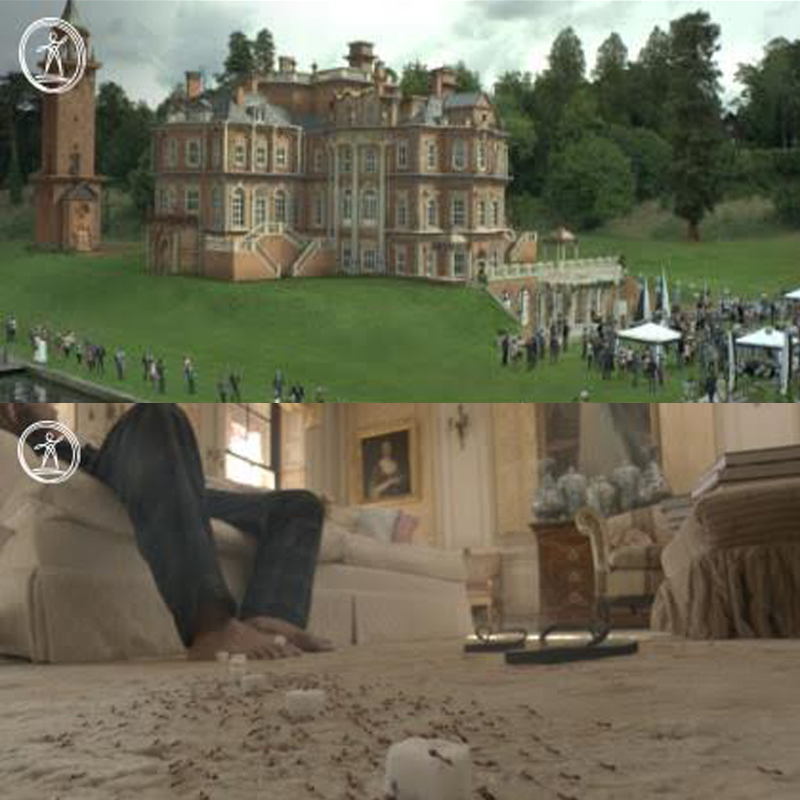
    Of the many VFX shots delivered for Housefull 3, Prime Focus predominantly worked on restructuring the entire architecture of the house, adding crucial extensions and backgrounds.

    Mahesh Baria, VFX Supervisor explains, “The complexity came in making the castle look bigger which we were able to achieve with the help of CGI. We replaced the original building with a much larger structure and at the same time ensured that the lighting conditions matched the original live footage.”

    Additionally, CGI was used to create a colony of ants for what might be one of the most hilarious sequences in the film. The greatest challenged faced by the CG team at Prime Focus was to capture the randomness of the ants’ movement on an uneven surface. The animation team went through huge amounts of reference footage of ants’ movements, which they developed into a behavioral pattern so that the ants in the film reacted realistically to their environment.

    In addition to providing VFX, Prime Focus also provided a flawless DI service and supplied a wide range of shooting equipment and technical support to the production. Colorist Aashirwad Hadkar, who also graded Housefull 2, set the overall look and colour palette of the film.

    Speaking on Prime Focus’ contribution to Housefull 3, Sajid-Farhad said, “Having already worked on the first two films in the series, the VFX and DI teams at Prime Focus were the perfect partners for us on Housefull 3. We were more than impressed by the creative services and the camera rental services that they delivered for the film.”

    Housefull 3 released on 3rd June 2016 and emerged as the highest opening weekend grosser of 2016.

  • Prime Focus proud to partner with the 100 crores grosser Housefull 3.

    Prime Focus proud to partner with the 100 crores grosser Housefull 3.

    MUMBAI: After stupendous success of Housefull and Housefull 2, Sajid Nadiadwala is back with the latest installment in the Housefull series – Houseful 3 and Prime Focus is proud to have delivered for the third consecutive time a full suite of VFX, DI & wide range of shooting kit for the movie.

    Of the many VFX shots delivered for Housefull 3, Prime Focus predominantly worked on restructuring the entire architecture of the house, adding crucial extensions and backgrounds.

    Mahesh Baria, VFX Supervisor explains, “The complexity came in making the castle look bigger which we were able to achieve with the help of CGI. We replaced the original building with a much larger structure and at the same time ensured that the lighting conditions matched the original live footage.”

    Additionally, CGI was used to create a colony of ants for what might be one of the most hilarious sequences in the film. The greatest challenged faced by the CG team at Prime Focus was to capture the randomness of the ants’ movement on an uneven surface. The animation team went through huge amounts of reference footage of ants’ movements, which they developed into a behavioral pattern so that the ants in the film reacted realistically to their environment.

    In addition to providing VFX, Prime Focus also provided a flawless DI service and supplied a wide range of shooting equipment and technical support to the production. Colorist Aashirwad Hadkar, who also graded Housefull 2, set the overall look and colour palette of the film.

    Speaking on Prime Focus’ contribution to Housefull 3, Sajid-Farhad said, “Having already worked on the first two films in the series, the VFX and DI teams at Prime Focus were the perfect partners for us on Housefull 3. We were more than impressed by the creative services and the camera rental services that they delivered for the film.”

    Housefull 3 released on 3rd June 2016 and emerged as the highest opening weekend grosser of 2016.

  • DQ Entertainment revenue up, reports profits in FY-16

    DQ Entertainment revenue up, reports profits in FY-16

    BENGALURU: The Tapas Chakravarti led DQ Entertainment (International) Limited (DQEIL) reported 8 percent growth in total income from operations (TIO) for the fiscal ended 31 March, 2016 (FY-16, current year) as compared to the previous year. The company has reported Profit after tax (PAT) of Rs 29.94 crore (14.2 percent PAT margin of TIO) in FY-16 as compared to a loss of Rs 19.71 crore in FY-15. The company reported TIO of Rs 210.39 crore in the current year as compared to Rs 194.80 crore in the previous year.

    Note: The unit of currency in this report is the Indian rupee – Rs (also conventionally represented by INR). The Indian numbering system or the Vedic numbering system has been used to denote money values. The basic conversion to the international norm would be:
    (a) 100,00,000 = 100 lakh = 10,000,000 = 10 million = 1 crore.
    (b) 10,000 lakh = 100 crore = 1 arab = 1 billion.

    Segment Performance

    The company’s Animation segment reported an operating profit of Rs 72.94 crore in FY-16 from operating revenue of Rs 164.29 crore as compared to the operating profit of Rs 70.27 crore from operating revenue of Rs 142.34 crore in FY-15.

    The company’s distribution segment reported an operating loss of Rs 13.57 crore on operating revenue of Rs 46.11 crore in FY-116 as compared to an operating profit of Rs 13.67 crore on operating revenue of Rs 52.46 crore in FY-15.

    Let us look at the other numbers reported by DQEIL

    Total Expenditure in FY-16 increased 25.3 percent to Rs 164.50 crore (78.2 percent of TIO) from Rs 131.31 crore (84. percent of TIO) in the previous year.

    The company’s finance expense in FY-16 increased 38.3 percent at Rs 59.09 crore (28.1 percent of TIO) as compared to the Rs 42.73 crore (21.9 percent of TIO) in FY-15.

    DQEIL Production expense (PE) in FY-16 reduced 48.9 percent to Rs 11.06 crore (5.3 percent of TIO) from Rs 21.63 crore (11.1 percent of TIO) in the previous year.

    The company’s Employee Expense (EBE) in FY-16 at Rs 54.13 crore (25.97 percent of TIO) reduced 15 percent from Rs 63.71 crore (32.7 percent of TIO) in FY-15.

    Company speak

    The company in its earnings release says, “Our drive is to improve the collections from customers even if it leads to short term reduction of revenue. We see that with the market improving worldwide we will be able to meet the dual objective of reducing debtors while securing good orders from the customers. We have a strong visibility of orders for production for the next 18-24 months.”

    “In order to map our specialized offerings better with the market opportunities, we have streamlined our business divisions into Animation including VFX and Licensing and Distribution including digital media. 

  • DQ Entertainment revenue up, reports profits in FY-16

    DQ Entertainment revenue up, reports profits in FY-16

    BENGALURU: The Tapas Chakravarti led DQ Entertainment (International) Limited (DQEIL) reported 8 percent growth in total income from operations (TIO) for the fiscal ended 31 March, 2016 (FY-16, current year) as compared to the previous year. The company has reported Profit after tax (PAT) of Rs 29.94 crore (14.2 percent PAT margin of TIO) in FY-16 as compared to a loss of Rs 19.71 crore in FY-15. The company reported TIO of Rs 210.39 crore in the current year as compared to Rs 194.80 crore in the previous year.

    Note: The unit of currency in this report is the Indian rupee – Rs (also conventionally represented by INR). The Indian numbering system or the Vedic numbering system has been used to denote money values. The basic conversion to the international norm would be:
    (a) 100,00,000 = 100 lakh = 10,000,000 = 10 million = 1 crore.
    (b) 10,000 lakh = 100 crore = 1 arab = 1 billion.

    Segment Performance

    The company’s Animation segment reported an operating profit of Rs 72.94 crore in FY-16 from operating revenue of Rs 164.29 crore as compared to the operating profit of Rs 70.27 crore from operating revenue of Rs 142.34 crore in FY-15.

    The company’s distribution segment reported an operating loss of Rs 13.57 crore on operating revenue of Rs 46.11 crore in FY-116 as compared to an operating profit of Rs 13.67 crore on operating revenue of Rs 52.46 crore in FY-15.

    Let us look at the other numbers reported by DQEIL

    Total Expenditure in FY-16 increased 25.3 percent to Rs 164.50 crore (78.2 percent of TIO) from Rs 131.31 crore (84. percent of TIO) in the previous year.

    The company’s finance expense in FY-16 increased 38.3 percent at Rs 59.09 crore (28.1 percent of TIO) as compared to the Rs 42.73 crore (21.9 percent of TIO) in FY-15.

    DQEIL Production expense (PE) in FY-16 reduced 48.9 percent to Rs 11.06 crore (5.3 percent of TIO) from Rs 21.63 crore (11.1 percent of TIO) in the previous year.

    The company’s Employee Expense (EBE) in FY-16 at Rs 54.13 crore (25.97 percent of TIO) reduced 15 percent from Rs 63.71 crore (32.7 percent of TIO) in FY-15.

    Company speak

    The company in its earnings release says, “Our drive is to improve the collections from customers even if it leads to short term reduction of revenue. We see that with the market improving worldwide we will be able to meet the dual objective of reducing debtors while securing good orders from the customers. We have a strong visibility of orders for production for the next 18-24 months.”

    “In order to map our specialized offerings better with the market opportunities, we have streamlined our business divisions into Animation including VFX and Licensing and Distribution including digital media. 

  • Prime Focus reloads advertising services

    Prime Focus reloads advertising services

    MUMBAI: Independent media services provider Prime Focus Limited has reloaded its advertising services offering in India with a series of hires across its creative team and a new offline editing facility. The newly revamped division offers advertising clients world-class post production technology and access to some of the nation’s leading creative talent.

    Bhaarath Sundar has rejoined the Prime Focus advertising team as chief business development officer for Advertising & Animation after a period of two years as group CEO and managing partner of Teamwork Studios. Sundar is leading the reloaded advertising offering, which operates across three integrated sites in Khar, Mumbai, offering online editing and grading, a dedicated CG / VFX and animation team and a brand new dedicated offline editing studio.

    Commenting on the re-launch, Sundar said, “Indian agencies and brands are producing truly world-class advertising, and we have reloaded thePrime Focus Advertising division to give our clients access to the best facilities and talent in India. Following our recent hires, we estimate we have almost 90 per cent of the high-end advertising services creative talent available in India, working under one banner and with all the latest technology at their finger-tips. The way ads are finished and delivered is constantly changing, and we’re here not only to help realize our clients’ ideas as beautifully as possible, but also to take away the headaches of the technical aspects of delivery.”

    Joining Prime Focus co-founders and creative heads Huzefa Lokhandwala and Prakash Kurup on the creative team is an exciting list of some of the advertising services industry’s top talent in India.

    “We have been a market-leader in the Advertising post production space for many years, but standing still is not in our DNA,” said Prime FocusLimited global CEO executive chairman founder and founder  Namit Malhotra.

    “This investment in talent and technology shows our commitment to the advertising community and the incredible work that they are producing. Our full-service post production offering, working alongside our Camera and Equipment Rental division, ensures that our advertising clients have access to the very latest kit and the best artistic talent from shoot all the way through post-production to multi-platform delivery.”

    The Prime Focus Advertising team has recently delivered a number of high-profile commercials, including Advertising Age India’s ‘Top Ads of the Week’: IndiaMART ‘#IndiaKiKhoj’ (Show&Tell Productions / Bang In The Middle); Maggi ‘Hostel’ (Breathless Films / McCann Erickson); and Cadbury Dairy Milk Silk ‘Puppets’ (Breathless Films / Ogilvy & Mather).

    Click here for the full list of the team

  • Prime Focus reloads advertising services

    Prime Focus reloads advertising services

    MUMBAI: Independent media services provider Prime Focus Limited has reloaded its advertising services offering in India with a series of hires across its creative team and a new offline editing facility. The newly revamped division offers advertising clients world-class post production technology and access to some of the nation’s leading creative talent.

    Bhaarath Sundar has rejoined the Prime Focus advertising team as chief business development officer for Advertising & Animation after a period of two years as group CEO and managing partner of Teamwork Studios. Sundar is leading the reloaded advertising offering, which operates across three integrated sites in Khar, Mumbai, offering online editing and grading, a dedicated CG / VFX and animation team and a brand new dedicated offline editing studio.

    Commenting on the re-launch, Sundar said, “Indian agencies and brands are producing truly world-class advertising, and we have reloaded thePrime Focus Advertising division to give our clients access to the best facilities and talent in India. Following our recent hires, we estimate we have almost 90 per cent of the high-end advertising services creative talent available in India, working under one banner and with all the latest technology at their finger-tips. The way ads are finished and delivered is constantly changing, and we’re here not only to help realize our clients’ ideas as beautifully as possible, but also to take away the headaches of the technical aspects of delivery.”

    Joining Prime Focus co-founders and creative heads Huzefa Lokhandwala and Prakash Kurup on the creative team is an exciting list of some of the advertising services industry’s top talent in India.

    “We have been a market-leader in the Advertising post production space for many years, but standing still is not in our DNA,” said Prime FocusLimited global CEO executive chairman founder and founder  Namit Malhotra.

    “This investment in talent and technology shows our commitment to the advertising community and the incredible work that they are producing. Our full-service post production offering, working alongside our Camera and Equipment Rental division, ensures that our advertising clients have access to the very latest kit and the best artistic talent from shoot all the way through post-production to multi-platform delivery.”

    The Prime Focus Advertising team has recently delivered a number of high-profile commercials, including Advertising Age India’s ‘Top Ads of the Week’: IndiaMART ‘#IndiaKiKhoj’ (Show&Tell Productions / Bang In The Middle); Maggi ‘Hostel’ (Breathless Films / McCann Erickson); and Cadbury Dairy Milk Silk ‘Puppets’ (Breathless Films / Ogilvy & Mather).

    Click here for the full list of the team

  • Balaji Telefilms’ ‘Naagin,’ a slithering success for Colors

    Balaji Telefilms’ ‘Naagin,’ a slithering success for Colors

    MUMBAI: Balaji Telefilms’ fiction show Naagin has swiftly slithered above competition with its special effects, storyline and star cast. Just 30 episodes old, Naagin has left behind all the saas-bahu dramas and has been the number one show with maximum ratings proving to be a game changer for Colors.

    In the first week of launch itself, the weekend fiction show Naagin overtook the top five programmes on Hindi general entertainment channels (GECs). Additionally, Naagin also became one of the first weekend shows, which totted more ratings than top rated weekdays shows.

    A source close to the development informs Indiantelevision.com that the per episode expenditure of the show is between Rs 20 – 25 lakh. On the ad rates front, Naagin commands Rs 1.5 lakh for a 10 second slot.

    Colors has roped in Chutki as the presenting sponsor for the show.

    A media planning expert on condition of anonymity said, “Fifty per cent of the ad inventory must have been allotted to the sponsors and the remaining 50 per cent is what Colors is selling at around Rs 1.5 lakh per 10 second. My assessment suggests that from the 50 per cent, Colors could easily be raking in around Rs 50 lakh, which is a great number and that is why we are seeing multiple channels bringing in the same concept in different ways.”

    Though the concept is not new to the audience, Balaji Telefilms’ portrayal of the story is commendable, which is what sets it apart from the others. The show is loaded with outstanding VFX effects, offering an authentic film-like experience, which only means more cost.

    Another senior media planner opined, “Just because one show is working, we cannot generalise. Different genres are working so the content has to be strong, interesting and has to be told in a different manner. That said, if Naagin is working, it doesn’t mean that the supernatural trend is working on Indian television. It has a supernatural element but it’s all about the presentation and storyline, hence everything has to work together.”

    As was earlier reported by Indiantelevision.com, Naagin glided to the numero uno position in the Top 5 programs on Hindi GECs with 15676 (‘000s) in its launch (week 44 of 2015) beating Star Plus’ prime time show Saath Nibhaana Saathiya, Zee TV’s Kumkum Bhagya, Colors’ weekday prime time show Sasural Simar Ka and Zee Anmol’s Ek Se Bhale Do. Naagin show saw a rise in ratings in its first day telecast in its second week (week 45) with 16,741 (‘000s) while on the second day telecast, the ratings fell to 12,761 (‘00os).

    That said, according to the latest week BARC India ratings data (week 6 of 2016), Naagin is still comfortably coiled on top of the chart with 20680 (‘000s).

  • Balaji Telefilms’ ‘Naagin,’ a slithering success for Colors

    Balaji Telefilms’ ‘Naagin,’ a slithering success for Colors

    MUMBAI: Balaji Telefilms’ fiction show Naagin has swiftly slithered above competition with its special effects, storyline and star cast. Just 30 episodes old, Naagin has left behind all the saas-bahu dramas and has been the number one show with maximum ratings proving to be a game changer for Colors.

    In the first week of launch itself, the weekend fiction show Naagin overtook the top five programmes on Hindi general entertainment channels (GECs). Additionally, Naagin also became one of the first weekend shows, which totted more ratings than top rated weekdays shows.

    A source close to the development informs Indiantelevision.com that the per episode expenditure of the show is between Rs 20 – 25 lakh. On the ad rates front, Naagin commands Rs 1.5 lakh for a 10 second slot.

    Colors has roped in Chutki as the presenting sponsor for the show.

    A media planning expert on condition of anonymity said, “Fifty per cent of the ad inventory must have been allotted to the sponsors and the remaining 50 per cent is what Colors is selling at around Rs 1.5 lakh per 10 second. My assessment suggests that from the 50 per cent, Colors could easily be raking in around Rs 50 lakh, which is a great number and that is why we are seeing multiple channels bringing in the same concept in different ways.”

    Though the concept is not new to the audience, Balaji Telefilms’ portrayal of the story is commendable, which is what sets it apart from the others. The show is loaded with outstanding VFX effects, offering an authentic film-like experience, which only means more cost.

    Another senior media planner opined, “Just because one show is working, we cannot generalise. Different genres are working so the content has to be strong, interesting and has to be told in a different manner. That said, if Naagin is working, it doesn’t mean that the supernatural trend is working on Indian television. It has a supernatural element but it’s all about the presentation and storyline, hence everything has to work together.”

    As was earlier reported by Indiantelevision.com, Naagin glided to the numero uno position in the Top 5 programs on Hindi GECs with 15676 (‘000s) in its launch (week 44 of 2015) beating Star Plus’ prime time show Saath Nibhaana Saathiya, Zee TV’s Kumkum Bhagya, Colors’ weekday prime time show Sasural Simar Ka and Zee Anmol’s Ek Se Bhale Do. Naagin show saw a rise in ratings in its first day telecast in its second week (week 45) with 16,741 (‘000s) while on the second day telecast, the ratings fell to 12,761 (‘00os).

    That said, according to the latest week BARC India ratings data (week 6 of 2016), Naagin is still comfortably coiled on top of the chart with 20680 (‘000s).

  • ‘Augmented reality will become a big part of the film marketing & promotions:’ Merzin Tavaria

    ‘Augmented reality will become a big part of the film marketing & promotions:’ Merzin Tavaria

    Anything is possible” is the powerful thought that Prime Focus co-founder & chief creative director Merzin Tavaria lives by. His colorful career, which spans over almost two decades took a different turn when he partnered with Prime Focus founder and CEO Namit Malhotra, and co-founders Prakash Kurup and Hufeza Lokhandwala to set up the digital solutions provider that brought about a creative revolution within Bollywood and the entertainment industry in India before moving on to become an international success.


    Tavaria has donned several roles through his journey with Prime Focus, though his biggest contribution to the company and to the world of entertainment remains as a creative leader. His ability to think out of the box allowed him to experiment with the technology was available two decades ago to push the boundaries of special effects on screen. He was instrumental in guiding Prime Focus through its many phases — starting from editing TVCs in a small garage in Mumbai to packaging for channels like MTV and Channel [V], to making India cinema more familiar with motion control technology… the list goes on. Today Prime Focus is a key provider of visual effects and digital conversion solutions globally.


    Their work on film projects like Gravity, Guzarish, Ghajini, Avatar and Blue speak highly of the quality and handwork that Prime Focus puts in them, and there is no question about Tavaria’s role as a creative genius in their success. 


    In a free wheeling conversation with Indiantelevision.com’s Papri Das, Tavaria speaks on recent projects, the ever changing landscape of technology as well as on the emerging trends in VFX in India and Hollywood.


    Excerpts:


    Take us through Prime Focus’ journey and how the company became an international name?


    The big change that happened in the usage of visual effects in Indian cinema was in 2006. From 50 to 100 shots per film, we jumped to 1500 shots. VFX became a part of the entire film making process rather than coming in only during post production. However when recession hit in 2008, the entire progress that we had made till then, came to a stand still. With budget cuts, visual effects dropped low on filmmakers’ priority list. That’s when we started our foray into the international market and things started looking bright for us as a digital solutions provider. We were proud to be part of Avatar in 2008, and by 2010, we had established our market abroad.


    The year 2010 saw us introducing the concept of conversion, from 2D to 3D and that opened up a myriad of new opportunities for us. Before that movies were shot in 3D but after Avatar, filmmakers in Hollywood wanted to explore conversions.


    What are the current international trends in visual effects?


    3D is pretty big internationally and it is going hand in hand with virtual reality. That would be the next big thing. Augmented reality too is picking up pace, not just in movies but in many other different arenas. Augmented reality combined with virtual reality can work wonders for films. It was a phase that came in a few years back and quietened down but I think augmented reality is going to make a huge come back as we have seen it emerging in a big way this year.


    Virtual reality will push the budget of the films up by quite a few notches as well as it’s a new medium that needs to be explored. That said, augmented reality will become a big part of the film marketing and promotions, and bring it into your house, in malls or just outside theatres. It will add another way to engage the consumers and so the entire landscape needs to be changed to prepare for its wide range of applications.


    What new is happening with 3D in Indian cinema?


    Unfortunately, emerging trends in 3D are mostly global. Nothing interesting is really happening in the Indian landscape. I feel bad about that because there is so much we can explore with 3D and filmmakers must realise that it’s not just about releasing movies in the 3D format. 3D is a very immersive experience and some of our action films can greatly benefit from it wherein viewers can become part of the whole experience. I don’t see that happening in India soon but I hope the situation changes.


    What is the current demand for VFX in Indian cinema? 


    India has always been a try and test market, before going forward. We have seen a big change in the last two years when it comes to demand, specially in mainstream blockbusters like Bang BangKick and even recently released films like Bajrangi Bhaijaan and Phantom. All these movies have started using technology in a big way. Brothers is another big example where without the use of visual effects, the movie would not have been what it is. Technology played a huge part in the production and narrative process. The crowd that is seen in the film was not just about crowd multiplication but crowd stimulation, which was done through Computer Graphics (CG). It was a big project for us to use VFX at that scale and volume.


    How far behind is Indian cinema from its international counterparts? Are you happy with the kind of budgets Indian films set aside for VFX?


    It is unfair to compare the two because one is an Indian audience and the other is global. When you are making films for a global audience, your opportunity and footprint is much wider so the final revenue cannot be compared to that of India. 


    However, I feel that we need to do a bit of rationalisation and work on how producers locate their resources including VFX within their available budget. We are working with certain filmmakers and producers to create awareness for visual effects and the many ways that they can use it to enhance their films. They also need to budget for visual effects upfront rather than at the end, so there are no hidden surprises as far as cost is concerned.


    On the brighter side, filmmakers are starting to acknowledge the role VFX that plays in a film’s success. For example, scenes that were supposed to be shot in Shimla in Bang Bang, were actually shot in Delhi. It would have taken a huge hit on the film’s budget to shoot the entire thing in Shimla. The complete landscape had to be changed to make Delhi look like Shimla. We had to place mountains and rivers and the entire terrain needed to be changed. There was definitely a monetary benefit in it for the film’s producers.


    What are types of VFX that are popularly being used in India now?


    Right now whats popular is embedding VFX in scenes, specially to enhance action sequences. We are also seeing demand for the type of technology that we used for Brothers


    In general, there are two primary ways in which VFX is used in films. One would be the ‘in your face’ visual effects that we are so used to seeing in sci-fi and superhero movies. The other, which is increasingly becoming more popular in India, is visual effects blended in the narrative to enhance the entire look and feel of the film.


    The reason why we don’t see the other type more often is simply because we are not making too many films like AvengersIron Man, or Gravity here. Of course, when films like Ra.One or Krrish are made, we do use in-your-face VFX. But those films are rare and come out after long intervals unlike in Hollywood. If you take their summer line-up for 2015, there were multiple VFX and CG heavy films like Ant Man, Jurrasic World, Avengers and Transformers amongst many others. India is more into action and dramas.


    Why do you think India shies away from producing movies like Ant Man or Jurassic World? Do you think India picking up?


    It’s an evolution that needs to happen. Hats off to Rakesh Roshan, who reinvented himself to do projects like that. We need more pioneering people like him in the industry to actually attempt that type of filmmaking. We also need the right kind of script that supports such visual effects. It can’t be forced into a script, which has no room for such effects.


    We have enough super hero characters in our mythology, which haven’t really used to their potential. Baahubali would be a good example, and those films need to be taken seriously going forward. We haven’t been able to cash in on that yet but there is scope for sure. It takes investment of money and time, and the minute you short circuit that, the outcome isn’t that good. Filmmakers immediate knee jerk into thinking that those type of films don’t work, when in reality you need more patience for the formula to work. It just takes someone to do that.


    Why do you think Indian cinema are obsessed with mythology? Why don’t we make enough sci-fi films?


    Writers need to think big and make a story that is fit for sci-fi like visual effects. It starts with storytelling without which you can’t move forward in that direction. With mythology, they have a ready script and a story, which has worked for ages and their characters are ready as well. Our filmmakers like the tried and tested formula route and shy away from experimenting. We often hear people saying that India doesn’t have the technology to do so, which is wrong. If we had a ready script that allowed us to use special effects in a more futuristic way, we would absolutely love to do that for India. If we can do it for the rest of the world, why can’t we do it for India?


    Can you see VFX playing a role in Indian television?


    Visual effects plays a big role in television globally. I am not happy with its use in India though. There is so much more that producers can do with it. It requires the same seriousness, which they give to producing a show in general. Once we get used to a certain quality and see that it has worked, we often don’t want to put in an effort to upgrade.


    Visual effects and CG on international television has grown by leaps and bounds as compared to India. There are so many TV shows that cater to the super hero genre and sci-fi, like Star Trek. India isn’t looking at those kind of projects and therefore there is no opportunity to bring in such technologies to television here. Additionally, the narrative of technology is also limited because of the kind of stories we consume on television, if you consider just fiction.


    Tell us about Prime Focus’ new production facility in Mumbai?


    That is the part of our whole expansion measure. Through out last year we have been consolidating our visual effects team with Double Negative in London, which is one the leading studios in the world. Everything from Terminator to Avengers have done by Double Negative. The idea has always been to do some of that high end work and bring that to India. The merger deal we did with film city also brought up this property that we aim on redoing for launching this studio. We will be using Double Negatives technology and experience of years on the bigger Hollywood projects


    Which movies according to you have made good use of visual effects?


    There are quite a few that have caught my eye and it is always a learning experience to see our others use VFX. Transformers, for example, is a beautiful movie and use of CGs is completely mind blowing. Michael Bay is a an amazing story teller and he has done a good job with VFX too. Then there’s the new Star Trek that comes out as well as the new Avengers. They just keep surprising you with new ways to use visual effects. The icing on the cake was Dawn Of The Planet of Apes, which brings reality so close to you that you forget after five minutes into the movie that the characters are all created in CG.


    What are the upcoming projects that Prime Focus is working on?


    We are working on quite a few projects both here and internationally. However, I can’t name some of them due to non disclosure agreements.


    We completed working on Mission Impossible 5 and we should be working on Snow White and the Hunstmen Part II as well as on Inferno, which is the part three of The Da Vinci Code.


    In India, we have a whole line up of releases, one of them being the Shahid Kapur and Alia Bhatt starrer Shandaar. We also worked on the recently released Katti Batti and Hero. There are many more to come.