Tag: VFX

  • Elitehubs opens Pune’s first luxury PC showroom with at-home support

    Elitehubs opens Pune’s first luxury PC showroom with at-home support

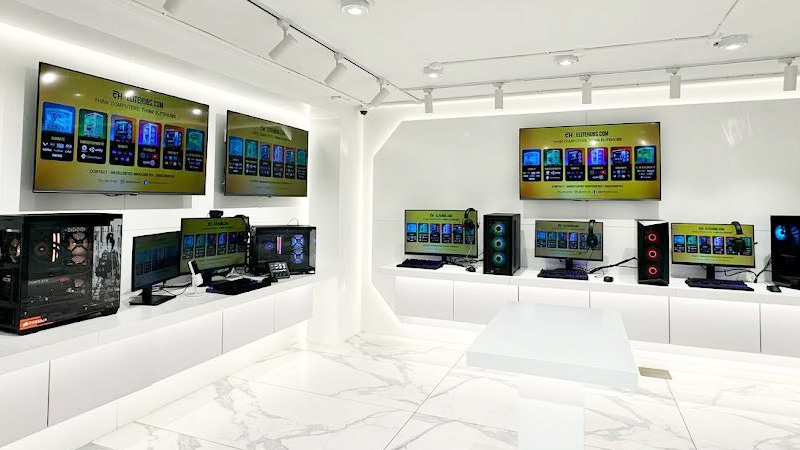
    MUMBAI: Elitehubs has officially opened its doors in Pune with a premium, hands-on custom PC showroom experience a first-of-its-kind space in the city designed for gamers, content creators, and professionals seeking high-performance setups.

    Unlike traditional IT stores, the Elitehubs showroom offers an immersive, luxury-style consultation space where customers can explore high-end components, get tailored PC recommendations, and customise their builds for gaming, editing, rendering, or development all under expert guidance.

    What sets this launch apart is the industry-first three year at-home support for all custom PC purchases made in Pune. Customers no longer need to lug heavy machines for servicing Elitehubs sends technicians directly to their homes for repairs, diagnostics, warranty handling, and part replacements.

    “Whether you’re building for VFX, animation, streaming, or AAA gaming our Pune showroom lets you experience power and precision before you buy,” said Elitehubs CEO Jai Desai. “We’re not just selling PCs; we’re offering a premium experience from consultation to long-term care.”

    The store also doubles as a PC consultancy zone, where personalised assistance replaces generic pre-built sales pitches. Every build is optimised for individual needs, ensuring unmatched performance and value.

    With India’s PC market on the rise particularly in high-performance and gaming categories Elitehubs’ Pune expansion lands at the perfect time.
     

  • Another one bites the VFX dust: Jellyfish Pictures ceases operations

    Another one bites the VFX dust: Jellyfish Pictures ceases operations

    MUMBAI: In a shocking turn of events, UK-based VFX and animation powerhouse, Jellyfish Pictures, has suspended its global operations temporarily. This news comes close on the heels of the recent downfall of Technicolor group, casting uncertainty on the future of the AVGC sector at large.

    Speaking exclusively to Animation Xpress, a senior source from Jellyfish Pictures India confirmed that the company has been grappling with investor-related issues in the UK. As a result, the management has decided to halt operations temporarily rather than risk leaving employees in the dark about the company’s uncertain future. The studio has assured staff that salaries for March will be paid, with the workforce being notified promptly about the situation.   Click here to read the full news item on ours sister publication AnimationXpress.com

  • Detective Dotson cracks the big screen case at Animela 2025

    Detective Dotson cracks the big screen case at Animela 2025

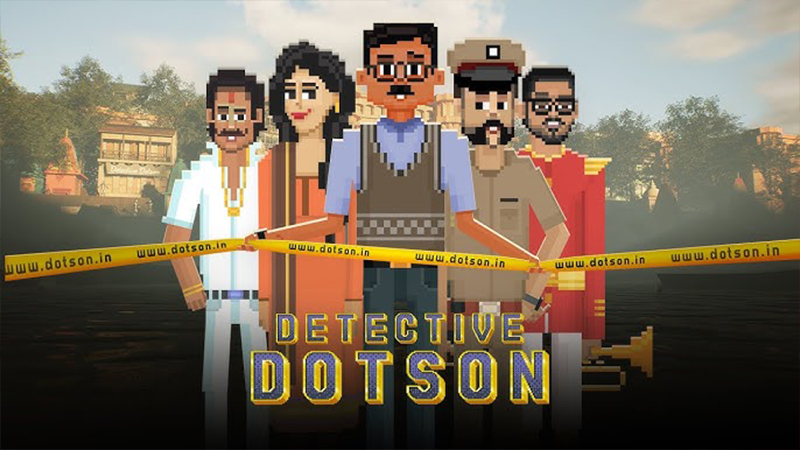
    MUMBAI: Mumbai is about to witness a thrilling cinematic investigation as Detective Dotson: The Movie, the animated companion to the highly anticipated cosy mystery game Detective Dotson makes its grand premiere at AniMela 2025. Marking a first-of-its-kind moment, the film will be the inaugural video game adaptation to be showcased at India’s International Animation, VFX, Gaming, Comics & XR Festival.

    The screening is set for March 8, 2025, at 6 pm at P.C. Saxena Lecture Theatre, IDC, IIT Mumbai campus. Following the premiere, Masala Games’ CEO and co-founder, Shalin Shodhan, will take centre stage for an exclusive Q&A session, offering insights into the game’s world and its transition into film.

    Crafted in Unreal Engine 5, Detective Dotson: The Movie takes audiences deep into the gripping tale of Dotson, an amateur detective grappling with personal loss while uncovering a sinister corporate conspiracy, a mysterious assassin, and a hidden family truth. As chaos unfolds amidst a high-stakes cricket match, Dotson must piece together clues before catastrophe strikes.

    Bringing a fresh visual identity, the film blends stylised 2D-meets-3D animation, mirroring the game’s modern Indian aesthetic. The experience is further enriched by an evocative original soundtrack created in collaboration with Nikhil Rao of Indian Ocean, pioneers of Indian rock.

    “This film offers an in-depth look into Detective Dotson’s world, setting the stage for the game’s official launch on April 3,” said Shodhan. “AniMela is the perfect platform to debut this project, celebrating the confluence of gaming and cinema.”

    AniMela’s artistic director, Anne Doshi stated, “We are thrilled to feature Detective Dotson: The Movie as the first-ever game-to-movie adaptation at the festival. It exemplifies the kind of passion projects that showcase India’s growing influence in the gaming and animation industry.”

    The film serves as a prequel to Detective Dotson, the mystery-adventure game that picks up where the movie leaves off. Set in a vividly realised contemporary India, the game puts players in the role of Dotson, challenging them to solve puzzles, crack cases, and uncover the hidden truths lurking beneath the surface.

    As AniMela 2025 returns to Mumbai for its second year from 7-9 March at IDC, IIT Bombay, Detective Dotson: The Movie promises to be a standout feature, merging gripping storytelling with cutting-edge animation and gaming. Whether you’re a film buff, a gaming enthusiast, or a mystery lover, Dotson’s world is one you won’t want to miss.

  • The fall of VFX titans: Technicolor to follow Rhythm & Hues’ tragic path?

    The fall of VFX titans: Technicolor to follow Rhythm & Hues’ tragic path?

    MUMBAI: A decade and two years after the dramatic collapse of Oscar-winning studio Rhythm & Hues, history appears to be repeating itself as Technicolor faces imminent shutdown, highlighting the persistent vulnerabilities in the global visual effects industry.

    The parallels are striking. Like Rhythm & Hues, which ironically filed for bankruptcy just weeks before winning an Academy Award for Life of Pi  in 2013, Technicolor’s potential closure comes despite its stellar creative achievements, including work on blockbusters like The Lion King and The Jungle Book.

    Both cases expose a fundamental flaw in the VFX industry’s business model: studios maintaining expensive executive operations in Western markets while relying on lower-paid artists in outsourcing hubs like India. This structure, which prioritised top-heavy management over sustainable artist compensation, has proven unsustainable twice over.

    Technicolor’s recent mismanagement compounds these structural issues. The company’s third-quarter 2023 results tell a devastating story: revenue declines of over 45 per cent across its creative divisions, masked by corporate buzzwords about “transformation journeys.”
    Technicolor's WARN noice

    The appointment of an interim chief executive from the car rental industry, rather than someone with media expertise, echoes the kind of decision-making that plagued Rhythm & Hues in its final days.

    “The industry hasn’t learned from its past,” notes one veteran VFX artist who witnessed both collapses. “When Rhythm & Hues fell, we said ‘never again,’ but here we are, watching another giant stumble under the weight of mismanagement and unsustainable business practices.”

    Technicolor, the Paris-headquartered company has begun issuing Worker Adjustment and Retraining Notification (WARN) notices to its US employees, alerting them of potential mass layoffs and closure. The shutdown would affect thousands of visual effects artists across the company’s  global operations in the US, UK, Canada, and India..

    “Technicolor has been facing severe financial challenges,” states the WARN notice obtained by us at indiantelevision.com “Despite exhaustive efforts — including restructuring initiatives, discussions with potential investors, and exploring acquisition opportunities — we have been unable to secure a viable path forward.”

    The issuance of WARN notices to US employees, signalling potential closure by 24 February, eerily mirrors the sudden unravelling of Rhythm & Hues. Then, as now, thousands of artists across global studios face uncertain futures, while ongoing projects hang in limbo.

    This second major collapse in a decade raises serious questions about the sustainability of the VFX industry’s current model. Despite the increasing demand for visual effects in film and television, the businesses creating these spectacles continue to struggle with profitability, suggesting that fundamental reform may be necessary for the industry’s survival. 

    The content creation industry needs to understand, creating realistic visuals costs, and the cheques – probably much fatter than given out now –  need to be kept aside for those bringing  realism to green-screen shot sequences. These days, VFX is the real hero of most action filled films; without it most films would fall flat and seem uninteresting. While onscreen talent walks away with tens of hundreds of millions of the box office collections, the VFX folks who labour on a film for  a  couple of years —  after putting in millions of dollars for software licences and hardware –  end up with as much or even less than what the onscreen talent does in terms of profits. 

    What makes Technicolor’s potential demise particularly troubling is that it comes despite the lessons of Rhythm & Hues’ collapse. The company’s aggressive merger strategy and failure to maintain operational efficiency – evidenced by missed EBITDA targets and withdrawn financial outlooks – suggest that even recent history’s harsh lessons went unheeded.

    As employees in seven US states prepare for possible closure, submitting direct deposit details for final paycheques, the industry faces a moment of reckoning. The question remains: how many giants must fall before the visual effects industry finds a sustainable path forward?

    The development also  raises concerns about the global AVGC-XR (Animation, Visual Effects, Gaming and Extended Reality) industry, particularly in markets like India where both animation and visual effects sectors are reportedly struggling despite official optimism. 

    Industry observers await Monday’s developments as Technicolor continues last-minute efforts to keep its doors open, while the future of thousands of visual effects artists hangs in the balance.

  • FICCI MEBC south kicks off with star power

    FICCI MEBC south kicks off with star power

    MUMBAI: Tamil Nadu’s media and entertainment industry took centre stage as deputy chief minister Udhayanidhi Stalin and cinematic legend Kamal Haasan inaugurated the FICCI MEBC South Conclave in Chennai. The two-day event, aimed at exploring the evolution of films, television, OTT, gaming, and digital media, saw an array of industry stalwarts mapping out the future of India’s creative economy.

    Stalin unveiled plans for a state-of-the-art film city in Chennai spanning 152 acres. The ambitious project will feature cutting-edge post-production studios, animation and VFX facilities, virtual production tech, LED walls, and even a five-star hotel for industry professionals.

    Further honouring Kalaignar’s (M. Karunanidhi) vision, Stalin announced that 90 acres near Kelambakkam, previously allocated for industry housing, would now be reinstated for its original purpose following a revised government order.

    A highlight of the event was Haasan’s appointment as chairman of the FICCI Media and Entertainment Committee, south. Speaking at the conclave, Haasan emphasised the need for progressive regulations that integrate, rather than hinder, emerging technologies in cinema.

    “Indian cinema is our cultural ambassador, and we need a long-term vision for it. Both state and central governments must frame policies that encourage technology adoption without stifling existing markets,” said Haasan. He also urged the Tamil Nadu government to reform entertainment tax policies, ensuring greater ease of doing business for filmmakers.

    The conclave featured key insights from JioStar chairman of FICCI media and entertainment committee and CEO – entertainment Kevin Vaz, who celebrated south Indian cinema’s meteoric rise from regional to global prominence, thanks to blockbusters like RRR and KGF-2.

    “With digital media’s rapid expansion, India is an ‘AND’ market where TV and digital will continue to coexist. The industry is primed for a global breakthrough,” Vaz stated.

    The event will feature workshops, masterclasses, and exhibitions on key industry trends, including the global rise of Indian cinema, OTT and television’s transformation, and AI-driven innovations in broadcasting and music. With gaming, animation, and VFX booming, discussions will also focus on regulatory policies shaping the sector. PlayNext – Developer’s Day will spotlight India’s growing esports and interactive entertainment industry, reinforcing its leadership in AVGC-XR.  

    The inaugural session saw participation from Meta India’s Sandhya Devanathan, Warner Bros. Discovery’s Arjun Nohwar, FICCI Tamil Nadu State Council’s G.S.K. Velu, and a stellar line-up of media executives including Ashish Pherwani, Sanjay A. Wadhwa, Ankur Vaish, Krishnan Kutty, Ravikant Sabnavis, Munjal Shroff, Vaibhav Chavan, Jakes Bejoy, and Bejoy Arputharaj.

  • Cylndr India delivers  CGI TVC  for Boroplus Soft launch

    Cylndr India delivers CGI TVC for Boroplus Soft launch

    MUMBAI: Winters are synonymous with cozy sweaters, warm beverages, and, yes, dry skin woes.

    But this year, Boroplus is ditching the mundane for the magical.

    The iconic winter trusted skincare brand has teamed up with Cylndr India—an advertising and digital storytelling production studio run by CEO Umesh Bopche  — to unveil its Boroplus Soft moisturising cream in a way never seen before. With a stunning CGI-driven campaign, the duo has transformed a winter essential into a vibrant visual masterpiece, proving that skincare can be as fun as it is functional.

    Who knew moisturising could steal the spotlight this season?

    Using advanced CGI techniques, the video brings the product and its natural ingredients to life, creating a vibrant and seamless visual story. The film highlights the cream’s transformative moisturising properties while showcasing Cylndr’s technical precision and creative prowess.

    For this project, the concept note came directly from Emami, and Cylndr’s  in-house team of over 50 skilled CGI and VFX artists delivered an immersive and interactive experience aligned with the brand’s vision.

    Harbouring a robust portfolio, Cylndr India has produced content for leading brands like Samsung, Nippo Batteries, Rollick Ice Creams, Evocus, Linc Pen, and Luminous Solar.  It integrates  the latest animation tools and artificial intelligence into its  production process.

    The Boroplus Soft project represents Cylndr’s commitment to impactful storytelling and cutting-edge visuals. 

    Watch the CGI film here: Cylndr India 


    A post shared by CYLNDR (@cylndr.india)


  • Steep Climbs, Little Foothold: The Challenges of Indian Indie Game Developers

    Steep Climbs, Little Foothold: The Challenges of Indian Indie Game Developers

    In his Independence Day speech this year, PM Modi hoped that Indian game developers can make a mark on the global scene. This was not without reason. Indian gaming offers a unique landscape. From media choices to playing durations, from game formats to variations, this uniqueness offers a ripe Make in India opportunity. Be it playing rummy on a popular rummy app or shuffling their favourite cricket players in a fantasy league game, there is Indianness to gaming here.

    But has the average indie game developer managed to capitalise on this opportunity? Global gaming giants like Xbox are keen to harness the potential of these indie developers. Its India Lead for global expansion, Arjun Varma, has even hinted at including more Indian games in their Xbox Game Pass.

    However, the road to recognition for the Indian indie game developer is not without challenges.

    High on Skill, Low on Resource

    Independent businesses in any industry have to operate within their limited resources. This is a major challenge in a vocation like game development. Games developed with cutting-edge technology and high-quality sound and graphics have a better chance of success. However, it requires a budget that only big gaming studios can afford.

    Developing a game can cost you anything between ₹50 lakhs to ₹3 crores. Games remain in the development stage for one to three years. High cost and high gestation period are paid off when the game is selected by a streaming platform like Sony or Steam. If the game makes it, it can command a subscription fee of ₹500 to ₹1500. If not, the struggle continues as the game relies on effective marketing.

    Crowded with Competition

    In India, Hyderabad has a growing indie game scene, with around 20 to 30 firms engaged in the development of independent games. Across the country, there are more than 1,500 developers and more than 300 companies, many of whom are into indie games. Making a breakthrough product can be a challenge amidst the competition. Making things difficult is the sweeping popularity of the global AAA gaming titles.

    If an indie game doesn’t end up on a streaming platform, its struggles will continue for a longer spell. An indie game developer may not have access to the marketing resources and teams that big studios have. They rely on gaming forums, social media and online venues and events to reach out to the gamers and gather a fan following.

    Indie game developers must note that getting into a streaming platform is not the end of challenges either. It is a crowded marketplace with thousands of players vying for gamer’s attention. For instance, on Steam, there are over 13,000 gaming titles, out of which nearly 99% are indie games. They share the spoils out of the 48% of the revenue generated in the platform. AA and AAA games, on the other hand, command 52% revenue despite representing a little over 1% of the games present on the platform.

    Balancing Skill and Timeline

    While India is home to hundreds of skilled game developers, developing a game requires a fine balance. High skill can lead to good quality, but adhering to the timeline is just as important. While big studios can afford a delay in the game development, it can lead to dire financial consequences for indie developers.

    With finances as a looming backdrop, indie game developers in India decide on feasible game mechanics, the size of the development team, and the extent of trial and error they can afford. And then conclude the initial debugging and optimisation within the project timeline. All of these call for a meticulously planned game development lifecycle.

    Indie Infrastructure and Efforts in India

    The skill development and infrastructural initiatives undertaken by the Indian government stand to benefit the Indian gaming industry as well. Initiatives like the AVGC (Animation, Visual Effects, Gaming, and Comics) policies are expected to empower aspiring Indian AAA game developers as well as indie developers.

    Regional initiatives like the “IMAGE”, a centre of entrepreneurship for gaming, animation, VFX, computer vision, and AI startups, have also helped indie gamers. IMAGE has confirmed that it has more than 40 indie game startups operating under the centre. Besides, initiatives like the Krafton India Gaming Incubator have shown that impressive Indian indie games like Spice Secrets and Sojourn Past can be given a platform to excel.

    Going back to the uniqueness of the Indian gaming market, the success of certain real money games is an indication of the scope available to indie developers. The preference of Indian gamers for games like rummy has led to the success of apps like RummyCulture and many other real money gaming platforms.

    Continued Optimism

    Industry watchers maintain their optimism when it comes to the potential of Indian indie game developers and studios. Success stories like Asura and Raji, the rise of crowdfunding in gaming and the cultural relevance of indie games can push Indian indie games to higher ground.   
     

  • “Indian stories told well, can move the world:” SS Rajamouli at Lumikai Insignia

    “Indian stories told well, can move the world:” SS Rajamouli at Lumikai Insignia

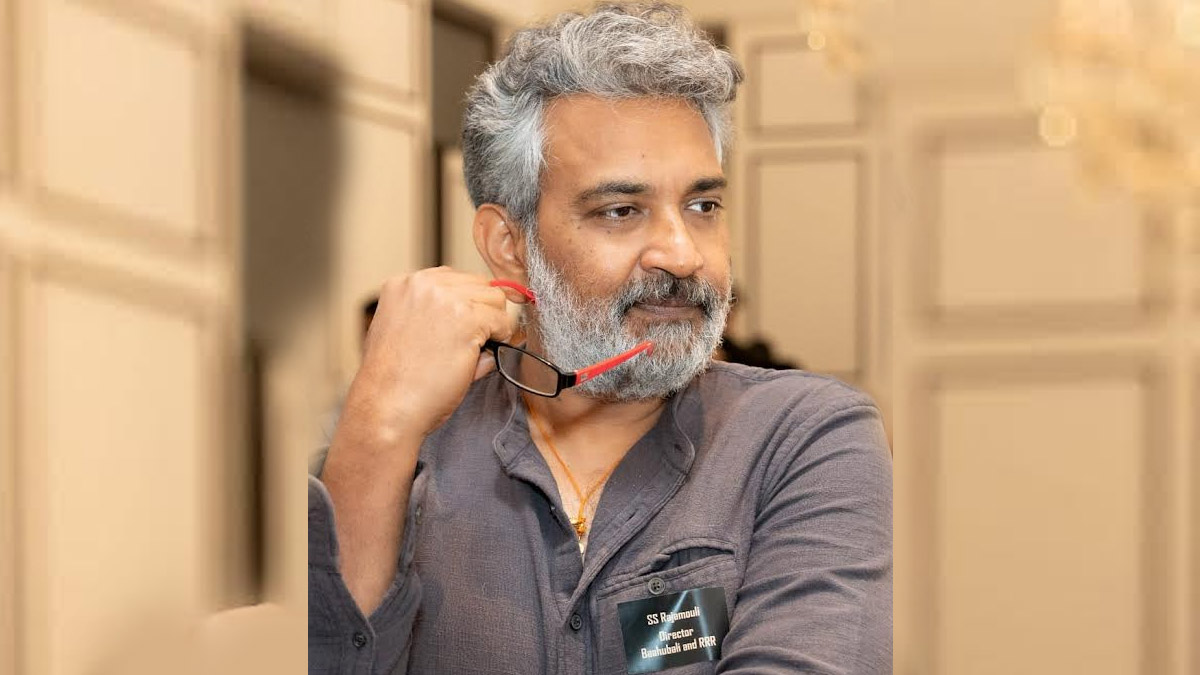
    Mumbai: Academy Award-winning filmmaker SS Rajamouli participated in a keynote session at Lumikai Insignia, India’s top interactive media and gaming summit. He shared the stage with global tech leaders, including Cevat Yerli, Raja Koduri, and Abdullah Alorainy of Saudi Arabia’s Public Investment Fund (PIF).

    Reflecting on his journey from Magadheera to Baahubali and RRR, Rajamouli discussed his focus on high-quality storytelling, blending technology and talent to realize his vision. He stated, “Belief finds believers. With faith that it can be done, we find people who help us achieve it.” Through films like Magadheera and Eega, he pioneered the use of VFX and graphics to enhance storytelling in Indian cinema.

    The success of Baahubali and RRR set new quality standards, bringing Indian cinema to global audiences and achieving both critical and commercial success.

    Rajamouli highlighted the importance of cultural authenticity and quality in his work, explaining, “When we created Baahubali or RRR, every bit was made for Indian viewers with an Indian psyche embedded within. And once audiences taste quality, they demand it. With access to incredible content on their mobile devices, they are expecting even better. Quality in entertainment is non-negotiable.”

    The panel also discussed the growth opportunities in India’s interactive media sector, driven by the country’s young, digitally native audience. They explored the expanding role of AI in entertainment, noting its rapid development.

    Commenting on the evolving audience palate for immersive entertainment, Lumikai founding general partner Salone Sehgal said, “With a young, increasingly affluent audience and a consumer base exposed to global best, the need for entertainment that is high quality and culturally resonant has never been higher. Visionaries like SS Rajamouli have paved the way for fusing storytelling with technology successfully taking Indian films global. It was our privilege to learn from him at Lumikai Insignia. His unique insights fuelled founders in interactive media gaming who have similar aspirations.”

    Capitalising on this one-of-a-kind congregation of industry leaders, Lumikai, an Indian interactive media and gaming VC fund, unveiled its highly anticipated ‘The Lumikai State of India Interactive Media and Gaming Report’ for 2024. This seminal research series has established itself as the authoritative resource for understanding India’s gaming landscape. It has been consistently referenced by government bodies guiding policy decisions and industry planning.

  • 88 Pictures launches its gaming division – 88 Games

    88 Pictures launches its gaming division – 88 Games

    Mumbai: 88 Pictures, an animation and VFX studio from India, has launched a new gaming division, 88 Games, entering the game development sector with a focus on high-quality indie games for PC and console audiences. 88 Games aims to blend visual quality with storytelling inspired by India’s rich history and culture.

    Known for its animation work on shows like Trollhunters: Tales of Arcadia, Gremlins: Secret of Mogwai, Transformers: The Earth Spark, Kung Fu Panda: The Dragon Knight, and Fast & Furious: Spy Racers, 88 Pictures has made a mark in international markets. With 88 Games, the studio builds on its storytelling legacy to offer interactive experiences that entertain, educate, and inspire.

    Led by industry veterans Milind D Shinde and Shiben Bhattacharjee, the team includes experienced professionals from global studios, all dedicated to creating games that showcase India’s cultural heritage.

    88 Games founder & CEO Milind D Shinde said, “88 Games represents the next step in our journey at 88 Pictures. Our team is dedicated to producing premium games that are not only visually stunning but also deeply rooted in our cultural identity. India, being one of the oldest civilizations in the world, has legends, stories, cultures, and art that have existed for thousands of years, forming a unique kaleidoscope that needs to be showcased to the world. It is an exciting challenge to translate the heritage of India into this new medium, with our mission to narrate stories based on this immense cultural capital through video games for the global audience.”

    88 Games plans to introduce titles that will give global gamers a unique glimpse into India’s folklore and history. Through intricately crafted art styles and immersive sound design, each game will present an authentic, engaging experience, drawing from classic Indian tales, legends, and mythological characters.

    “At 88 Games, we see storytelling as a powerful bridge between cultures. Our mission is to create games that entertain while connecting players to India’s rich history and mythology. As India’s gaming market rapidly expands, there remains a significant gap in the availability of high-quality PC and console games that showcase the country’s unique cultural identity. 88 Games aims to fill that void, by providing an exceptional gameplay experience to immerse and contribute to the growth of the video gaming industry,” stated 88 Games’ game director Shiben Bhattacharjee.

    88 Games has three games in development, with its first title—launching on Xbox and PlayStation—set for a reveal at the India Game Developers Conference (IGDC) 2024.

    According to Lumikai’s recent Levelling Up: State of India Interactive Media & Gaming Research FY’24 report, India’s Animation/VFX industry was valued at $1.6 billion in FY 24. The gaming market also grew by 23 million new players, reaching a total of 590 million gamers and projected to exceed $9.2 billion by FY 29, with a 20 per cent five-year CAGR.

    The union cabinet, under prime minister Narendra Modi, recently approved the National Centre of Excellence (NCoE) for AVGC-XR (animation, visual effects, gaming, comics, and extended reality). PM Modi also encouraged Indian game developers to make an international impact in his Independence Day address.

    With 88 Pictures’ animation and VFX expertise, the launch of 88 Games is expected to further boost India’s role in the global AVGC-XR and gaming sectors.

  • Storj Acquires PetaGene, Creator of Distributed Mount Client cunoFS, to Enhance Capabilities for AI and Data-Intensive Industries

    Storj Acquires PetaGene, Creator of Distributed Mount Client cunoFS, to Enhance Capabilities for AI and Data-Intensive Industries

    ATLANTA and CAMBRIDGE, England – Today Storj announces the acquisition of PetaGene, creator of cunoFS, to build on growth propelled by Storj’s recent acquisition of distributed GPU provider, Valdi. With today’s news, Storj now delivers distributed cloud object storage, distributed on-demand GPU compute, and distributed file storage mount. Together, these capabilities provide seamless access to the distributed cloud for video and AI workloads, enhancing performance, security, cost, and carbon savings to more customers at the edge and around the world.

    cunoFS was developed by PetaGene as a high-performance mount client, which is now poised to revolutionize cloud workflows for the data-heavy media and entertainment industry, and for users of all cloud platforms and object storage vendors. Adding to its Linux client, cunoFS launched a Windows-native client at IBC 2024, and its macOS-native client will launch later this year. PetaGene also provides secure, transparent, lossless compression to decrease the size of genomic data, reducing storage costs and data transfer times by 60% to 90% while giving faster access in the original file formats without a decompression step.

    PetaGene works with leaders in genomics and clinical research including the NHS in England and Wales, AstraZeneca, NVIDIA, CeGaT, Princess Máxima Center for Pediatric Oncology, the largest pediatric cancer center in Europe, and one of the top three children’s hospitals in the US. These data heavy arenas are ideally suited to benefit from this acquisition. Jacob Willoughby, Storj CTO, noted: “Storage is vital in AI training, and is seldom talked about. As models grow to include training on large amounts of image, video, and text, data grows significantly. The integration of cunoFS into our ecosystem marks a significant milestone in our goal to revolutionize cloud infrastructure for AI. cunoFS enables performant data loading with intelligent prediction of what will be needed in advance. By combining distributed storage and GPU with cunoFS’s high-performance file system, we’ve created an unparalleled platform for training and deploying large language models like LLaMA, GPT-4, and beyond.”

    Vaughan Wittorff, Co-Founder and CCO of PetaGene said, “Thanks to this acquisition, more customers in sports and news broadcasting, post production, VFX studios and ad agencies can get up and running faster with a drag-and-drop, plug-and-play approach to accessing the benefits of distributed cloud object storage all over the world. We have strong complementary expertise and relationships in AI, genomics and more, and in terms of growth and market leadership – the sky is the limit for us as part of Storj. PetaGene’s current customer base uses their products to help manage 100s of PB of scientific data, and we look forward to serving even more of their storage, compute, and file needs in the years to come.”

    This news brings the value of Storj to more users to set up and run projects even faster. cunoFS requires no additional configuration and doesn’t have a proprietary format that locks-in users like other file management systems. This democratizes data service, giving users more freedom, flexibility and speed.

    “On the heels of the expansion we experienced as a result of bringing Valdi into the fold, we knew cunoFS was another close partner that would deliver its full potential as a part of Storj,” said Colby Winegar, Storj Chief Revenue Officer. “cunoFS satisfies a painful unmet need, the team is extremely talented and cunoFS creates great synergy with Storj – especially in M&E. Their product is a perfect solution for those who want fast, file system-based cloud storage. This acquisition also accelerates our joint efforts to advance and simplify AI learning and inference when utilizing our on-demand GPUs.”

    Storj and cunoFS already work with joint customers including Cambridge University / DiRAC, and partners including Cambridge Computer, CineSys LLC and Tyrell. Brent Angle, CTO of media and broadcast systems integrator CineSys said, “cunoFS delivers highly responsive and POSIX compliant file system access to content on cloud or on-prem object storage platforms, without changing the data format. Combining cunoFS and Storj, creative professionals can access content in an instant, knowing it is protected in a non-proprietary format on the resilient, scalable and cost effective Storj platform. This is an extremely powerful joint solution already, and we look forward to the innovation their teams will bring to the market as a united entity.”

    PetaGene will continue to operate as a wholly owned subsidiary of Storj, and all current PetaGene employees will continue on as employees. PetaGene and Storj will continue to support all current PetaGene products and customers, and cunoFS will continue to be available for users of all object storage vendors and cloud platforms.