KOLKATA: In last June, a number of short video platforms stepped into the limelight after the Indian government’s unceremonious ban on popular Chinese-origin app, TikTok. After riding on the initial wave of fame, these homegrown apps have now started solidifying their business models. This comes at a time when big league players like Instagram, Facebook and YouTube are raising the stakes in the short form video space. Mitron TV, which turned one this April, has rolled out new monetisation models for creators and is looking at various innovative solutions for higher engagement on the app.
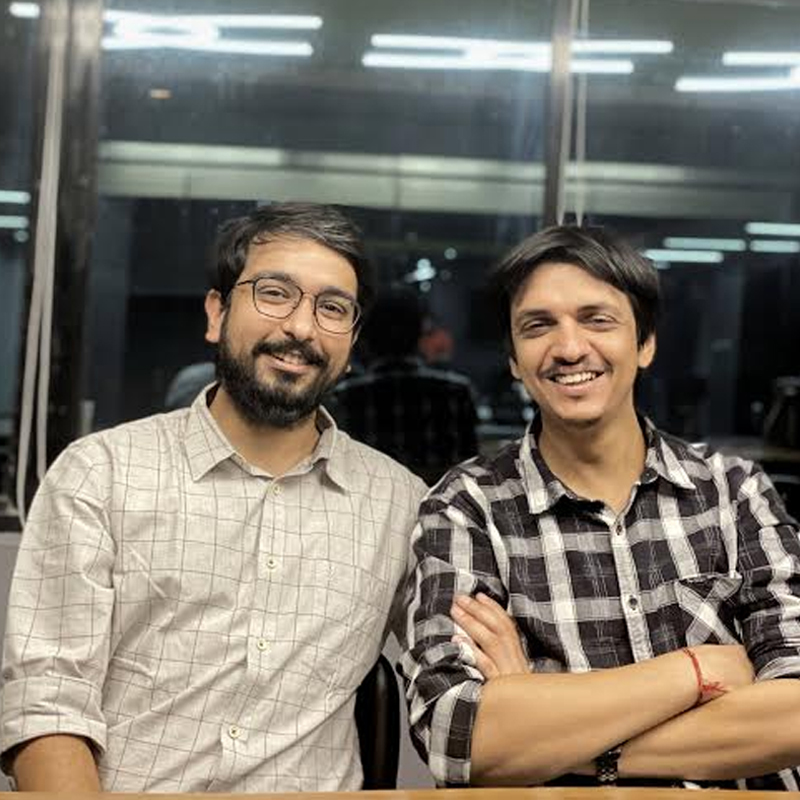
The video sharing app that started with two people now consists of 55+ people in the team. While it is scaling operations across the board, tech is taking centre stage, said Mitron TV CEO & co-founder Shivank Agarwal. With new initiatives, the platform has set the target of 100 million users in the next six months. For the second year, the focus is on how it can go bullish on vernacular and drive monetisation for creators, he added.
Other new features like Mitron Club, Mitron Academy and Mitron On-Demand have been introduced in the app. Through Club, creators can churn out engaging content exclusively for users opting for the service. Through Mitron Academy, content creators get an opportunity to share educational videos to help users learn from the platform. Additionally, with Mitron On-Demand, users will be able to place requests for on-demand content across segments.
Recently, Mitron rolled out the Editor Tool to help remove creators’ dependency to log on to other video editing apps to edit their content. Post this launch, the number of videos created using Mitron camera has jumped 50 per cent. Moreover, the platform has lately seen a huge growth in creator to user ratio, Agarwal stated. Currently, 22 per cent of the total user base falls under the creator category.
To increase brand recall, the Made in India app has also created an opinion platform where users can create videos or add text in different topics – be it sports, politics, entertainment. The initiative has been rolled out to encourage users to create a social asset. Once they come in and create a social asset, the recall to the platform increases a lot, shared Agarwal. Mitron TV is focusing more on the users who are liking, commenting, participating in opinions, along with watching videos as it aims to establish itself as a short video social media platform.
At present, the highest number of users hail from Maharashtra, making up 19 per cent of the overall base. In the western region, Gujarat is also contributing highly to its user base. Among other states, Uttar Pradesh, Rajasthan, Madhya Pradesh, Bihar, Karnataka, Haryana, Telangana, Tamil Nadu, and Odisha make up the lion’s share of members. From the age group perspective, most users belong to the 25-34 segment, followed by 18-24, 35-44, 45+ age groups.
While the platform is eying at markets as its next frontier for growth, Mitron TV CTO and co-founder Anish Khandelwal said that the recommendation engine is already in place to boost the growth but content strategy needs to be aligned in that line.
“I think everybody is trying to innovate the revenue model, somebody is trying the e-commerce model, somebody is going the advertisement way. Everybody has to find which model suits their product and how to benefit. The good part for us is we have seen a good trend in terms of users spending on the platform, not just time but some money since last quarter,” he commented.
“If we can convert 20 per cent customer audience into paying customers, that will be a good target for us,” he added. The platform is developing recommendations for users in such a way that it includes exploration along with personalisation. It does not want to personalise user experience in such a way that it becomes monotonous for the consumer, Khandelwal explained. Moreover, developers are focusing on the metric that if the app is showing a video to the user, he should finish the video.
At a time when short video platforms are splurging on media spend, roping in brand ambassadors, Mitron TV execs want their product to stay low-key. Agarwal stated that they have avoided media spend but users have organically liked the app. The platform is prioritising technology and improving experience for users to improve retention and engagement, rather than going on an acquisition spree by burning cash.
“For us, infotainment and edutainment are two important pillars we are very bullish about. And on the content perspective, technology perspective, recommendation engine and editor tool, we want to create differentiation. The overall idea is anybody with any knowledge to share, skill to share should come to the platform, engage on the platform,” Agarwal concluded.