Tag: Vaccination

  • Kenya Safari Packages from India – How to Plan the Best Trip

    Kenya Safari Packages from India – How to Plan the Best Trip

    From visa application to vaccination-when to travel- places to visit, and for how long – here is a perfect guide on how to plan the best Kenya safari packages from India. Kenya is one of the few countries in Africa that boast all sorts of tourist attractions. From wildlife-rich savannahs to gushing waterfalls to peaceful woodlands and pristine beaches, you never get enough of Kenya’s tourist destinations.

    Planning a successful trip to Kenya from India may be a daunting task. In this article, experts from masaimarasafari.in have put together the following information to assist you in planning. Also, we‘ve highlighted a few of the most sought destinations in Kenya.

    Passport and Travel Visa for Kenya

    All visitors who want to travel to Kenya from India should be in possession of a valid passport with an expiry window of six months after the end of their intended stay in Kenya.

    Next is VISA! There are three ways in which you can obtain a Kenya travel visa. The first and most convenient method is an online application that gives you an e-Visa. This mode of application saves not only money but also time and the energy you could have used traveling to the embassy.

    You can apply for an e-Visa using your phone, laptop, PC, or any other device.

    Secondly, you can obtain an application from the Kenyan Embassy or High Commission and wait for a few days for processing.

    The third option involves a quick and straightforward procedure where you make an application upon arrival at any international airport. A single-entry visa costs US$50, a multiple-entry visa US$100, and transit costs US$20, valid for three months.

    Health and Vaccination

    Kenya falls within the yellow fever zones, and therefore it is mandatory to have the yellow fever vaccine to travel to Kenya. So, this certificate will be required upon arrival by the airport authorities.

    Nowadays, the yellow fever vaccine lasts a lifetime, contrary to previous years when it could only last for ten years. Therefore, you only need to produce your previous vaccine booklet if you had previously received the jab.

    Also, for personal safety, it is advisable that you take malaria preventive medication since some parts of Kenya, such as the coastal region and some game reserves, are Malaria infested zones.

    When To Travel

    Kenya’s climate varies considerably from one region to the other. This is mainly dictated by the altitude, seasonal monsoon wind, and proximity to water bodies. However, the general consensus about Kenya is that there are two seasons, dry and wet seasons.

    In most cases, Kenya Vacation packages from India are scheduled during the dry season, which falls between December-January and July-October. Typically, these are the best months to view the wildlife in their natural habitat. For instance, the wildebeest migration starts in late June, reaches Masai mara in July, and remains in mara until October.

    Nonetheless, the wet season has its perks though. Wet seasons mean an abundance of flora, low prices, and uncrowded national parks.

    For How Long

    There is a lot to do in Kenya; from wildlife viewing in the national park to interacting with the Maasai community to basking in the sandy beaches and hiking at Mt Kenya, there are so many sightseeing destinations that you cannot cover all in a single visit.

    The question of how long to spend on your vacation is dependent on the number of tourist destinations you want to visit, time to spend on each, budget, and time available.

    However, most Kenya tour packages from India run for either 3 days, 5 days a week, or two weeks, but this doesn’t mean you cannot have a longer vacay. Some top tour companies, such as Ajkenyasafaris.com ltd are flexible and offer customized packages. Therefore, you can have your customized package to fit your budget and needs.

    Destinations To Visit

    Kenya is one of the most stunning and sought travel destinations in East Africa. It boasts wildlife-rich savannas, beautiful beaches, mountains, and amazing culture, to mention a few. Here are a few of the best destinations to visit in Kenya

    Masai Mara National Reserve – This is one of Africa’s most magnificent game reserves.

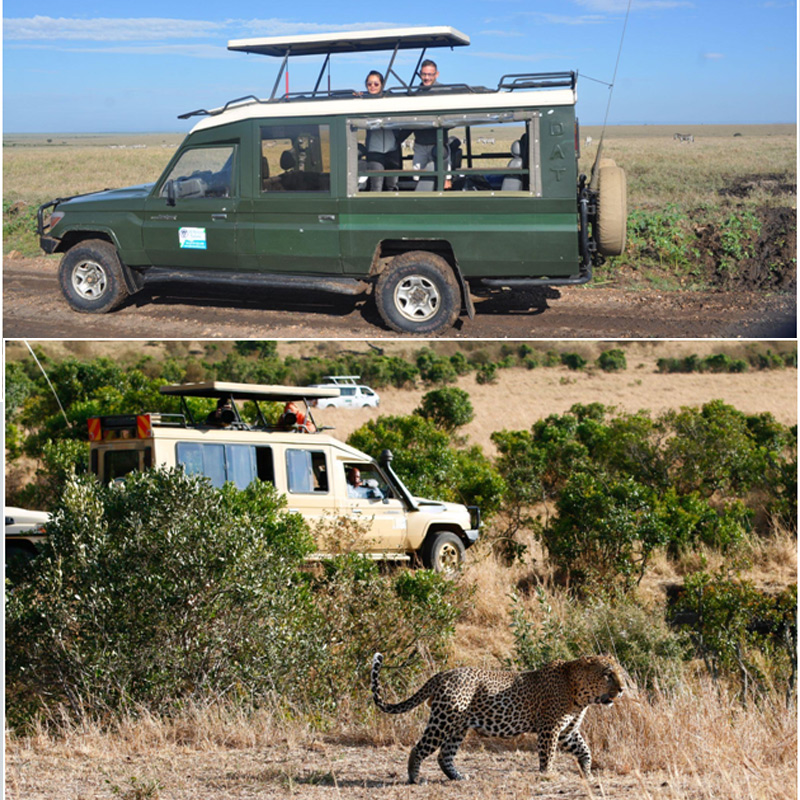
    It is famous for the great migration, when more than two thoIndiand wildebeest, zebra, and Thomson’s gazelle travel to mara from Serengeti between July and October. The park is also home to a large population of predators such as lions, cheetahs, and leopards. Kenya safari packages from India without a day or two at mara are not complete.

    Amboseli National Reserve – The park boasts a large herd of elephants. Other wildlife commonly spotted in the park include; lion, cheetah, giraffe, impala, gazelle, and 600 species of birds.

    Tsavo National Park – This is Kenya’s largest National park, divided into two; Tsavo West and Tsavo East. The attractions include vast savannah, waterfalls, volcanic hills,lava-volcanic plateau, and impressive diversity of wildlife.

    Nairobi National Park – This is a unique park located in the heart of the country’s capital city. It is a 15 minutes drive from Nairobi city. Here you get to view a number of animals such as buffalo, leopards, zebras, wildebeests, elephants, and cheetahs. You also get to see one of the planet’s most endangered species at the rhino’s sanctuary.

    Safety in Kenya

    Most people are always concerned about their safety whenever they visit a new place. Kenya as a whole is considered to rank among the safest countries in Africa. However, it is not immune to common crimes such as pickpocketing, muggings, and confidence tricks. So, you should be cautious. In terms of health, Kenya boasts top-notch medical services. There are top-rated hospitals in the major towns such as Nairobi, Nakuru, Kisumu, and Mombasa well equipped with specialist physicians and surgeons as well as fine dentists and opticians.

  • Ghadi tackles vaccine hesitancy in its latest ad film

    Ghadi tackles vaccine hesitancy in its latest ad film

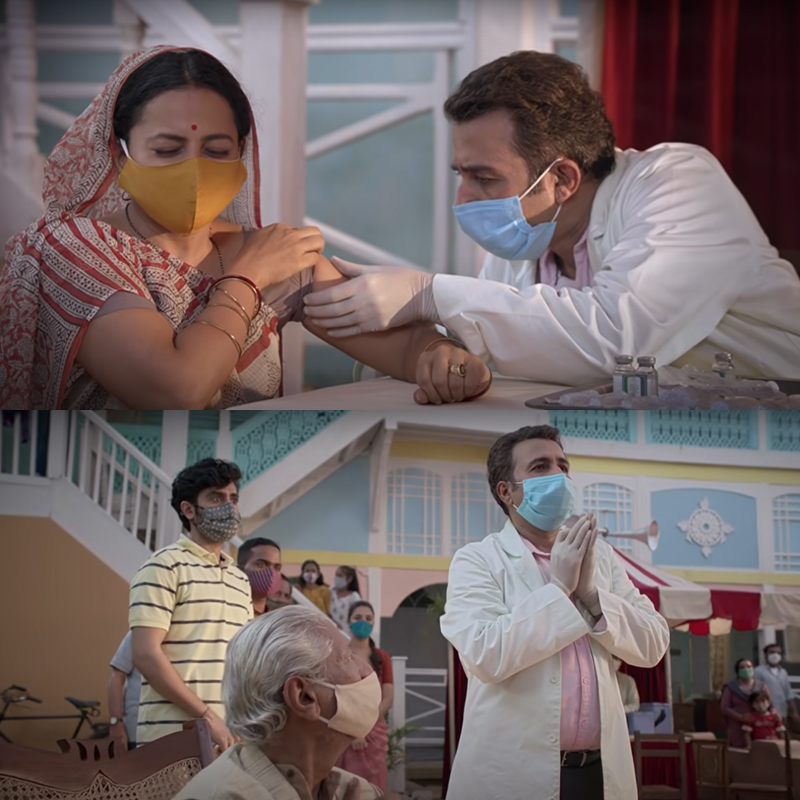
    MUMBAI: India launched the world’s largest Covid-19 vaccination programme on 16 January 2021, to protect its eligible adult population. But misguided hesitancy and misinformation about vaccines continues to pose a substantial threat to the spread of the pandemic. Ghadi decided to do its bit, as a responsible national brand, to tackle these rumours and fake news through a hard-hitting film  that delivers the message simply and effectively.

    Teeka Umeed Ka’ (A vaccine of hope ) is a clarion call from the detergent brand that proves vaccines not only offer a way out of the pandemic, but they are a ray of hope for all of us in these tough times. The challenge was to stay relevant and sound as true as possible because the aim was not just to spread awareness but to encourage people to overcome vaccine hesitancy and get inoculated, said the brand.

    The film was directed by Pradeep Sarkar, and scripted and executed by ADK-Fortune Communications, a WPP company and part of Wunderman Thompson South Asia Group.

    Speaking about the initiative, RSPL joint managing director, Rahul Gyanchandani said, “Ghadi being the leader brand in its category has always taken a lead in issues concerning social change. The pandemic is a challenge like no other for each one of us. And with this campaign, our attempt is to convince people that vaccination is the only way to a brighter future.”

    Elaborating on how the campaign has fared, ADK-Fortune Communications VP and ECD Nakul Sharma, commented, “The idea was to craft a hard-hitting and non-preachy message. We are overjoyed by the initial response and hope that this initiative by Ghadi detergent motivates people to go for their TeekaUmeedKa.”

  • Uber launches music video as ode to India’s 75th Independence Day

    Uber launches music video as ode to India’s 75th Independence Day

    Mumbai: Uber has launched a music video to celebrate India’s 75th Independence Day starring Esther Hnamte, a five-year-old singer from Mizoram performing a rendition of “Maa Tujhe Salaam”.

    The three-minute video also highlights Uber’s efforts to support communities around the country during COVID-19. It pays tribute to India’s fighting spirit throughout the pandemic and reinforces Uber’s commitment to help the country build back better, said the company in a statement.

    The company remained focused on its social impact initiatives in 2021 by pledging free rides to help citizens travelling to vaccination centers, including partnering with social institutions like HelpAge India and Robin Hood Army to support vaccinations for vulnerable and senior citizens.

    “Uber has had a single goal during the pandemic and that was supporting our communities,” said Uber president for India and South Asia, Prabhjeet Singh. “Whether it is helping drivers to get vaccinated, offering free rides to frontline health workers, helping the elderly and vulnerable travel to vaccination centres, Uber is determined to do its part to help India build back better.”

    Uber also allocated Rs 18.5 crore to help get 150,000 driver-partners on the platform vaccinated.

  • Domestic travel picks pace amid vaccine roll-out, easing of rules shows survey

    Domestic travel picks pace amid vaccine roll-out, easing of rules shows survey

    MUMBAI: More than a year into the pandemic, restrictions on movement continue across various countries. However, the global appetite for travel remains intact, with an inclination towards domestic travel (51 per cent) exceeding international (18 per cent). A significant fact is that the resumption of travel will start closer to home.

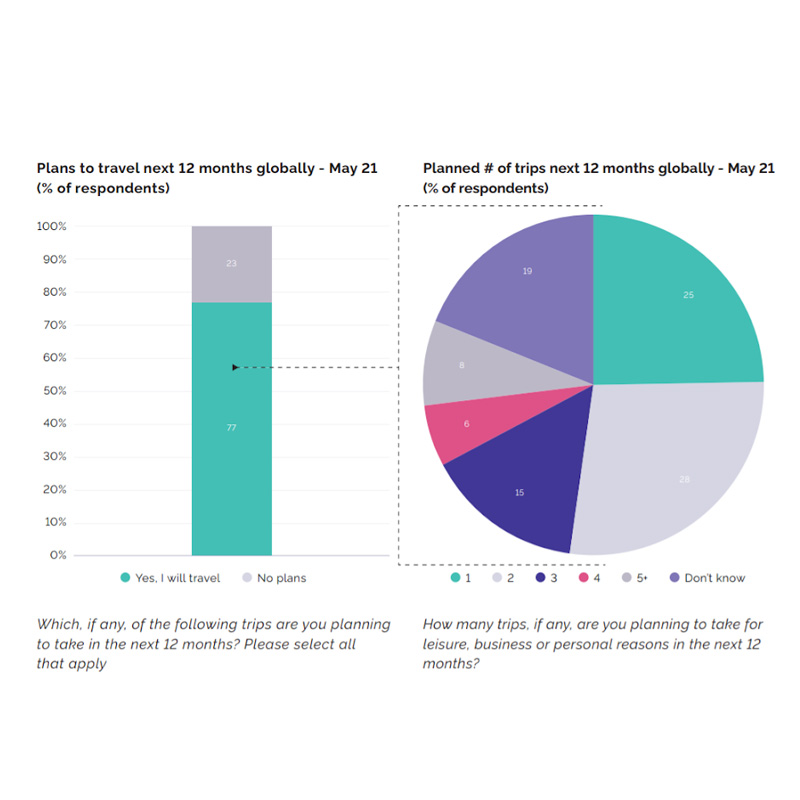
    According to YouGov’s ‘International Travel & Tourism Report 2021: The road back to normality‘ , post-pandemic international travel will begin with familiar destinations, while business travel recovery may take longer. It also showed that 77 per cent of global consumers plan to travel in the next 12 months with 57 per cent planning over two trips. Majority of the travel demand will be led by millennials and Gen X, according to the survey.

    The survey conducted in 25 global markets including India among 1.8 lakh respondents found that there is a gradual fall in the number of people concerned over health risks across the globe since January 2021, in line with the approvals of vaccines and their widespread rollout.

    As the pandemic begins to subside globally and extensive vaccinations buoy up spirits in most parts of the world, what does the road back to normality look like for the travel & tourism sector? Encouragingly for travel companies, the intent to travel domestically for leisure rose sharply at the start of 2021. The recovery of international travel depends on softening of restrictions, found the study which shows that international travel intent in 2020 remained low due to strict restrictions. But as more herd immunity is reached in various parts of the world, it’s reasonable to expect declining health concerns, even if they don’t disappear completely.

    With the European Union all set to roll out its ‘Green Pass’ or Digital Covid certificate to facilitate free movement during these challenging times, there’s a glimmer of hope for the travel industry in 2021. And now with news coming in that European countries, including Switzerland and Germany, are ready to extend the pass to Indians vaccinated by Covishield, there is some respite in store for those pent-up wanderlust emotions lying suppressed for over a year now.

    The road back to normality for the travel industry, however, is going to be a bumpy one. Only one in five consumers globally plan to travel internationally in the next 12 months. The report analyses consumer travel preferences and identifies the emerging opportunities that will prove most lucrative for industry players. As travel attitudes and restrictions shift rapidly, so do travelers’ interests in particular destinations.

    The changes we see in travelers’ consideration of different destinations appear linked to both the seasonal relevancy of the destination, as well as the restrictions that are currently in place to travel to or from the locale.

    Health risks remain the biggest barrier to travel (48 per cent) for global survey respondents, followed by safety (37 per cent) and travel restrictions (35 per cent)- Although, the proportion of those concerned about health risks from travelling has gradually decreased since January, when it stood at 56 per cent, in line with the rollout of the vaccine.

    A clear appetite for travel globally is indicated with more than 77 per cent of the respondents planning trips during the next 12 months and with more than half of this group planning two or more journeys (57 per cent).

    Millennials and Gen X have the confidence and the means

    The youngest generation, Gen Z, has been the hardest hit economically. While they have less concern over health risks, a lack of disposable income is holding them back in terms of their ability to travel freely, the study shows. The oldest generation is on the other side of the coin – with savings due to having spent less in the last year, but more concerns around travel safety. Somewhere in the middle is the audience travel companies are looking for. Millennials and Gen X on average have the combination of confidence to travel, lack of immediate health risks, and the finances to fund trips in the coming months and years.

    The survey indicates that around a third of people globally feel restrictions are preventing them from traveling. Travel restrictions and risks of quarantine have proven to be a more constant dampener than concerns about the virus. Uncertainty over local and national lockdowns as well as international travel will continue to put downward pressure on a fragile recovery.

  • MakeMyTrip users can now book Covid-19 vaccine slots on app

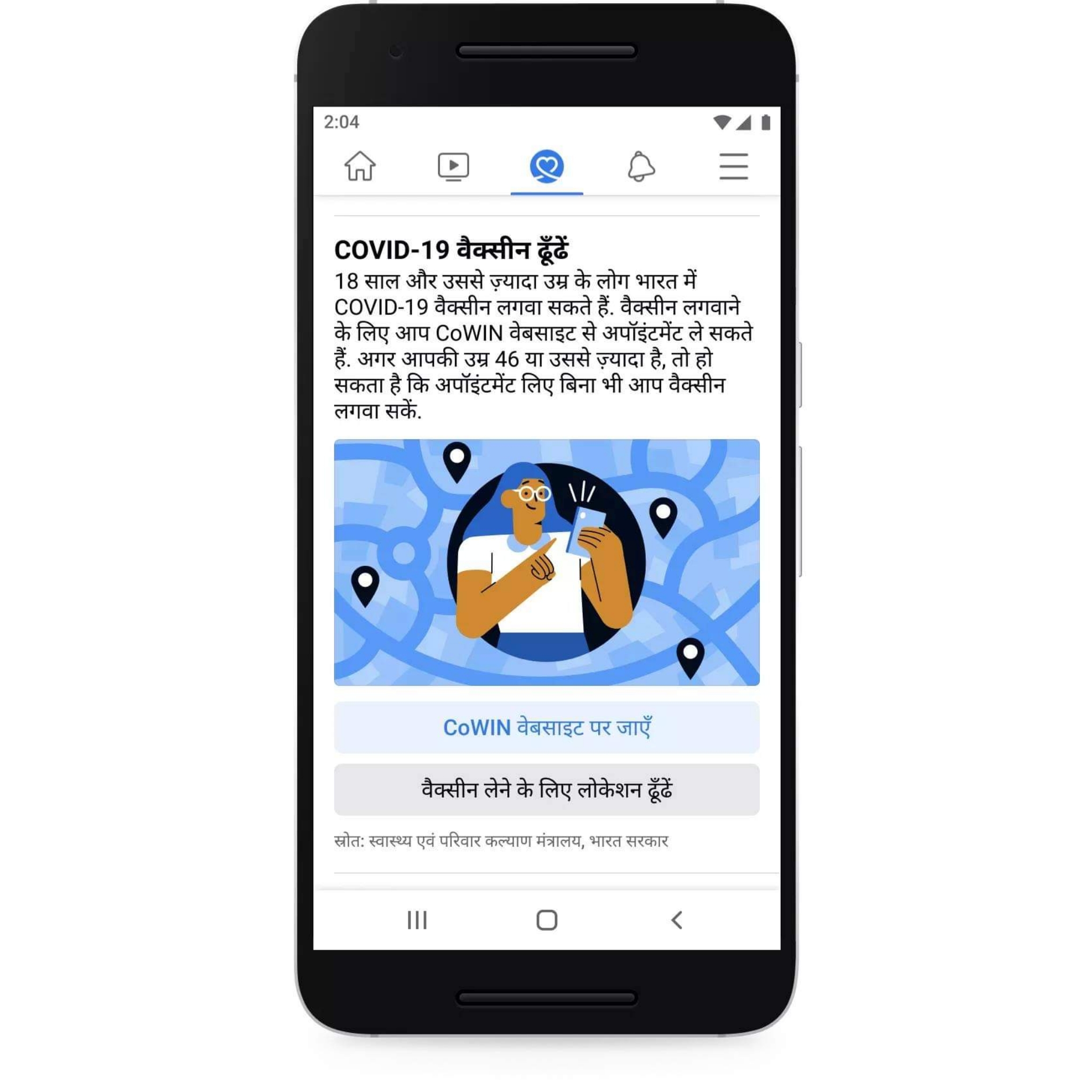
    KOLKATA: As travel picks up, MakeMyTrip is rolling out new functionality on its mobile app to allow customers to book their vaccination slots through its app. Customers can also download the vaccination certificate and link it to their profile to avail special travel offers and value adds on travel bookings made through the platform.

    The initiative is a step towards supporting vaccination drives while making travel hassle-free, seamless, and more rewarding for vaccinated travellers, said the company on Thursday.

    As part of CoWIN integration, MakeMyTrip users will now have access to all relevant travel documents anytime and anywhere. The new functionality further allows users to view the linked certificate offline and also schedule reminders for their second vaccination slot. The option to book slots on CoWIN and to download the certificate for both, online and offline viewing will go live on the homepage of the MakeMyTrip app on 28 June. The downloaded certificate will be visible within the ‘My Profile’ section under the ‘Saved Vaccination Certificates’ option. Vaccinated travellers will also be able to avail special offers while booking travel on the platform.

    Speaking about the API integration with the CoWIN portal, MakeMyTrip COO Vipul Prakash shares, “As travel opens up and the vaccination certificate gains more currency, the functionality will allow travellers to have quick access to the document at all times.”

    The company has also released a digital film titled ‘Make the Trip’ – with an encouraging message from children to elders on the need to get vaccinated for the safety of all.

    MakeMyTrip group CMO Sunil Suresh says, “The most important trip all of us need to take this year is to the vaccination center. The digital film is a plea from children to the ones eligible to take a vaccination shot at the first available slot to protect them and everyone around them – a trip that will help everyone to bring back safe and pleasant days soon. We can all do our bit by encouraging people around us to take a shot and with this film, we hope to make sharing this message even easier.”

  • Cable operators take steps to ease vaccination process for staff

    KOLKATA: Despite the imminent health risks, the cable industry employees have continued to work on the frontlines all through the pandemic. Now with vaccination drives in full swing across the country, leading cable operators, too, are taking a step ahead and getting their employees inoculated. Apart from organising special vaccination drives in some cities, they are also helping employees schedule slots wherever the camps could not be set-up.

    NXTDigital organised a three-day vaccination camp at its head office in Mumbai in conjunction with Hinduja Hospital last week for its workforce in the city. The company extended this drive to also include employees’ families.

    “The philosophy has always been to hold the good health and safety of its employees as a paramount endeavour, something that we strived hard for since the pandemic began. NXTDIGITAL, therefore, set up an Employee Health & Safety (EHS) team to help our personnel and their families across the country impacted by COVID, including organising hospital treatment, access to critical medication and the like,” NXTDigital MD & CEO Vynsley Fernandes said.

    The EHS team is working with NXTDigital employees all across the country, not just supporting personnel to get vaccinated, but also providing every possible assistance to enhance their health and safety.

    GTPL Hathway also arranged vaccination drives for 45+ employees in many of its offices, with the help of state governments, GTPL Hathway cable TV head and chief strategy officer Piyush Pankaj said. However, the company could not organise such drives for 18-45+ due to shortage of vaccines. The human resources are helping employees to get the vaccinations scheduled, especially for people on the frontline. Teams are also trying to get the employees slots through government centres.

    On the other hand, Siti Networks could not organise the vaccination drive in one or two places given its pan-Indian footprint. But the MSO encouraged all employees to get vaccinated and reimbursed the vaccination cost, said Siti Networks group chief executive officer Anil Malhotra.

    Along with vaccination, the company informed that it would help employees procure PPE kits, masks whenever needed. It also imported oxygen concentrators to provide to employees if needed.

  • Get a jab, industry urges staff, workers as it resumes operations

    New Delhi: With the second wave of the pandemic beginning to show signs of a slowdown, organisations across the country are gearing up to welcome their employees back to the office. But with the threat of a third wave looming large, they are taking no chances and making arrangements for their employees to get vaccinated on time. The media and entertainment industry was also hit hard by the pandemic. With TV, film shoots suspended, the losses only mounted. Now as states begin to unlock and restrictions ease, the industry is also taking steps to resume business.

    “Vaccination is the only wave to combat this dreaded disease. I’m sure it will eliminate the disease to a large extent and pave the way for a fearless and anxiety-free shooting in Maharashtra,” said Indian Film and TV Producers Council (IFTPC) president Sajid Nadiadwala.

    IFTPC has already begun vaccinating about 10,000 media and entertainment workers. The trade association has tied up with Kokilaben Ambani Hospital for the vaccination drive at the IFTPC office in Andheri West. It has decided to add two to three more vaccination centers once the return journey of crews shooting outside Maharashtra begins.

    “Vaccination will be given free of cost to all the workers, but a nominal fee will be charged from high-end professionals and technicians,” said IFTPC chairman (TV and web), J D Majethia, adding that the first vaccination drive is being funded by Motion Pictures and TV Producers’ Welfare Trust, the philanthropic wing of IFTPC.

    On 8 June, the Federation of Cine Technicians and Workers of Eastern India (FCTWEI) also conducted a mass vaccination drive and inoculated as many as 108 people, including artists, technicians, executive producers, and writers. 

    The Producers Guild of India (PGI), the association of Indian film, television, and digital content producers also conducted a mass vaccination campaign for its guild members and associated production crews on a multi-day drive on 1 June. “Mass vaccination drives will help to facilitate safer shooting as the production has been resumed in limited hours,” it stated.

    Broadcasters are not far behind either. Zee Entertainment has begun the vaccination drive for artists, technicians, crew members, other associates, and partners. Zee Kannada and Zee Bangla have already conducted the first drive, Zee Telugu will follow suit. Soumi Chakraborty, who plays Kamala in ‘Rani Rashmoni’ received the first dose of the Covid vaccine at the Zee Bangla office on 7 June.

    “As a responsible broadcaster and one of the important broadcasters in the TV ecosystem, we have taken the initiative to provide free vaccination for all our artists, technicians, the crew of production houses, and other associates and partners. This initiative has been driven by a core sense of health and safety first for all the partners and members who are associated with our various projects,” said Zee Entertainment cluster head (East) Samrat Ghosh.

    Yash Raj Films has also opened its studios for the first phase of the vaccination drive, in which it plans to inoculate as many as 4,000 workers. YRF had pledged to sponsor Covid-19 vaccines for 30,000 members of the Federation of Western India Cine Employees (FWICE).

    As the second wave recedes further, it may also become necessary for workers and staff to show proof of vaccination, when they resume work. The organizations are thus making efforts to dispel any concerns that their staff may have regarding vaccination and urging them to take the jabs.

  • McDonald’s India – north and east offers special deals for vaccinated customers

    New Delhi: Fast-food chain McDonald’s announced on Tuesday that its restaurants in north and east India will offer special deals to its customers who are vaccinated.

    The announcement is part of its initiative- ‘We Care’ aimed at encouraging its customers to join the fight against COVID-19 and get themselves vaccinated. Customers can avail the limited time offer by uploading their vaccination certificate on McDonald’s mobile app under the ‘Got Vaccinated’ tab, along with basic details. Post this, they will receive a unique code via SMS that can be redeemed through Getmcdonalds.com. Customers can opt for contactless delivery or contactless take away/in-store, wherever allowed by the local authorities.

    Last month, McDonald’s started employee vaccination covering more than 5,000 employees in its corporate office and restaurants across 11 states in north and east India. “Vaccination is an important step in our country’s fight against the pandemic, one that requires all of us to work together and do our part, including encouraging others to get vaccinated. As a brand with a deep connection with people, we are glad to contribute towards the greater cause in our unique way for the people we serve,” said Connaught Plaza Restaurants’ chief operating officer, Rajeev Ranjan.

    Meanwhile, the fast-food chain is continuously making changes under its global Safety+ program. Hand sanitizers are available at all restaurants all the time for everyone to use. Front counters have been fitted with protective screens and contactless ordering, payment, and contactless delivery options are available for customers to minimize human contact. 

  • Amazon Pay thanks unsung Covid heroes in new campaign

    New Delhi: Amazon Pay announced the launch of UmmeedKeChehre – a digital-led campaign to salute the unseen and unsung heroes of the ongoing pandemic who continue to work tirelessly to help and support others.

    The campaign unfolds with a digital film that captures the extraordinary efforts and commitment of individuals and groups, including the frontline staff, lab technicians and lesser-known heroes like drivers, watchmen and many more who are selflessly doing their best for the society and people.

    Speaking about the campaign, Amazon Pay India, CEO, Mahendra Nerurkar said, “UmmeedKeChehre, is our digital campaign to thank lakhs of Covid heroes for their commitment and aims to spread a strong message of positivity and hope during these tough times. It salutes the spirit of hope that is being exemplified by these ordinary folks through their extraordinary acts of serving and caring for people and communities.”

    As part of the campaign, people can pay gratitude towards Covid heroes by making donations through the partner NGOs’ Milap, Give India, Akshay Patra, Help Age, Humanity for Habitat, or also have an option to or share an Amazon Pay digital gift card as a gesture with their Covid-19 heroes. The campaign runs across multiple media channels to connect and encourage people to join the movement and share a ‘Thank you note’ for their Covid Hero on their own social media channels using #PayYourRespect.

    The company said it is also enabling procurement, airlifting, local transportation and seamless delivery of critical medical equipment to hospitals and communities where it’s needed the most. “We have scaled up relief efforts for our employees and their families too, including access to medical infrastructure and other supplies, quarantine facilities, financial support, and more. Further, we have committed to provide vaccination support for our employees, sellers, partners and their dependents; and our on-premises vaccination camps are functional for employees and associates across multiple cities,” said the company.

  • E-comms ramp up vaccination drive for frontline staff

    E-comms ramp up vaccination drive for frontline staff

    Mumbai:  E-commerce companies have launched a rampant vaccination drive for their frontline staffers and delivery partners who interface with consumers who worry about possible transmission of the newer and more virulent strains of Covid-19.

    This comes in the wake of most e-tailer and logistics firms reporting infections among their frontline staffers who are on daily delivery missions of food and essential products such as medicines, healthcare packages and much more.

    While these customer interfacing personnel busily operated for the better part of the last 14 months, even in the wake of the pandemic, newer and more virulent strains currently in vogue for their high transmitting potential are a constant source of discouragement for customers who got used to remotely ordering the doorstep delivery of their various needs as they stayed locked down

    While the clear and present danger and high risk of infections of these frontline workers got exposed, as they shuttled door-to-door between eateries/ grocery stores/pharmacies and the customers to deliver packages e-tailer and logistics firms have gone into an accelerated mode of ensuring mass jabs for their frontline fleet.

    Online food delivery platform Swiggy started inoculations of its delivery agents and frontline staff in Bengaluru since Thursday. Apart from the delivery staff at the grocery delivery service Instamart, even the company’s cloud kitchens executives have been prioritized for getting the jabs.

    A few thousand delivery partners across varied age groups already received their first dose of the vaccination; Swiggy has announced and added in a public advisory that with drives planned across all major cities, all delivery partners and frontline staff will be covered over the next few weeks.


    Amid reports that Covid-19’s second wave was adversely impacting online shopping volumes over the past several weeks due to infection fears among consumers, many e-tailer companies are pushing ahead with vaccination drives on scale.   

    Last week, rival Zomato said it has begun vaccination of its delivery partners in the NCR. Founder Deepinder Goyal took to twitter last Friday and stated, “We are facilitating a free and safe vaccination drive for more than 150,000 of our frontline staff and employees. Thousands of our delivery partners are already vaccinated”:


    He added, “Vaccinations in Mumbai and Bangalore start tomorrow and multiple other cities (will be covered by) next week. The safety of our customers is the #1 priority for us as well as (the health of) our delivery partners who have selflessly and safely delivered hundreds of millions of orders during the pandemic.” He also thanked hospital chain Max Healthcare for facilitating the vaccination drive. 

    Many e-commerce firms have tied up with hospitals and government authorities while some are even procuring vaccines directly from manufacturers. This will, however, be subject to the continued availability of vaccines, as manufacturers prioritise supply obligations to states before meeting demand from private companies.

    Flipkart has also kicked off vaccination camps for frontline employees and so has Myntra for its units in Bengaluru. The effects of the current wave have especially hit consumer demand for non-essential segments, both in urban and rural markets, with Fashion bearing the brunt of diminishing orders due to infection fears.

    Ecommerce giant Amazon announced earlier this week that it is working to administer vaccines to its frontline teams. Over the coming weeks, it will be hosting on-site vaccination events run by licensed healthcare providers.

    Online marketplace for home services, Urban Company Cofounder & COO Abhiraj Singh Bhal also tweeted, “At @urbancompany_UC , our vaccination efforts continue in full swing. We have vaccinated thousands of service partners in the last one week, and are now close to 25% of our fleet having received at least one jab.”


    As demand slumped for online home delivery service providers amid customer fears of contracting the virus, brands like Urbancompany have begun public announcements declaring the vaccination status of their staff on their online platform.

    Other online delivery services like Swiggy and Zomato also plan to introduce Vaccine transparency on their apps, to notify users that the agent of delivery of goods is not a potential carrier of the infectious disease as well by emphasising the individual’s vaccination status.