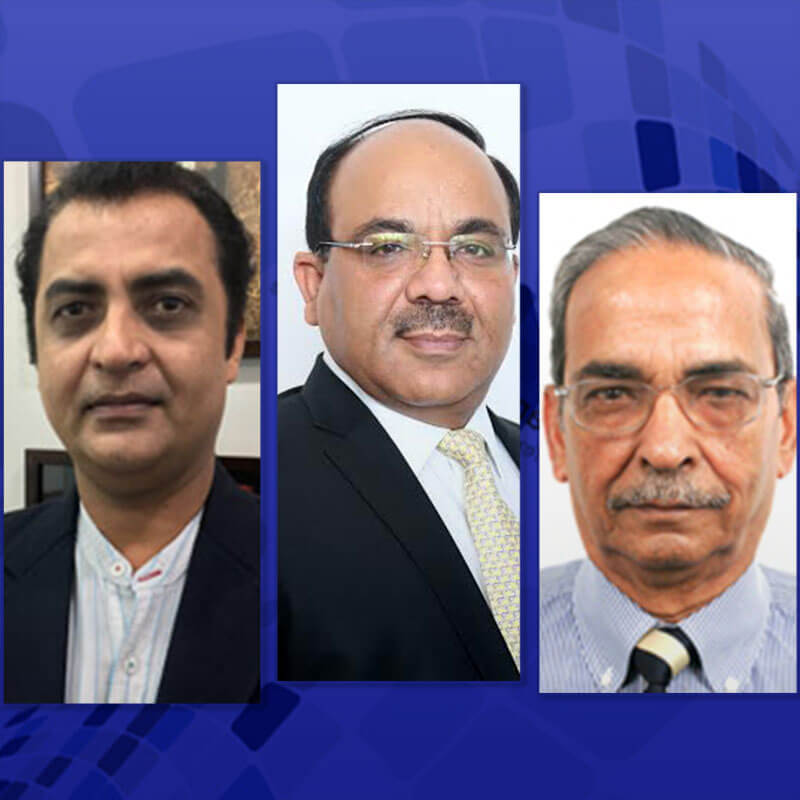
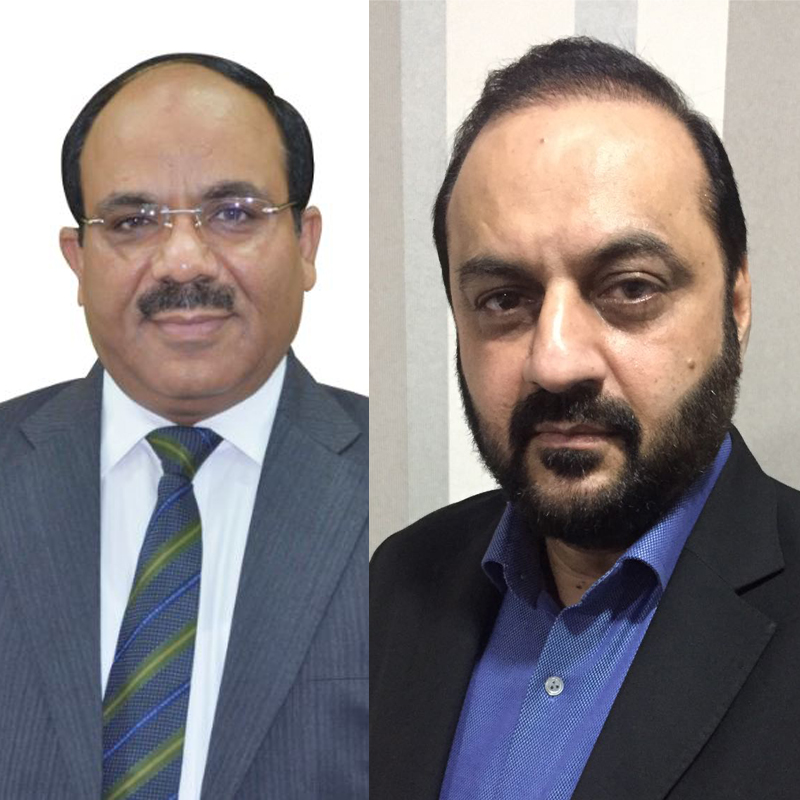
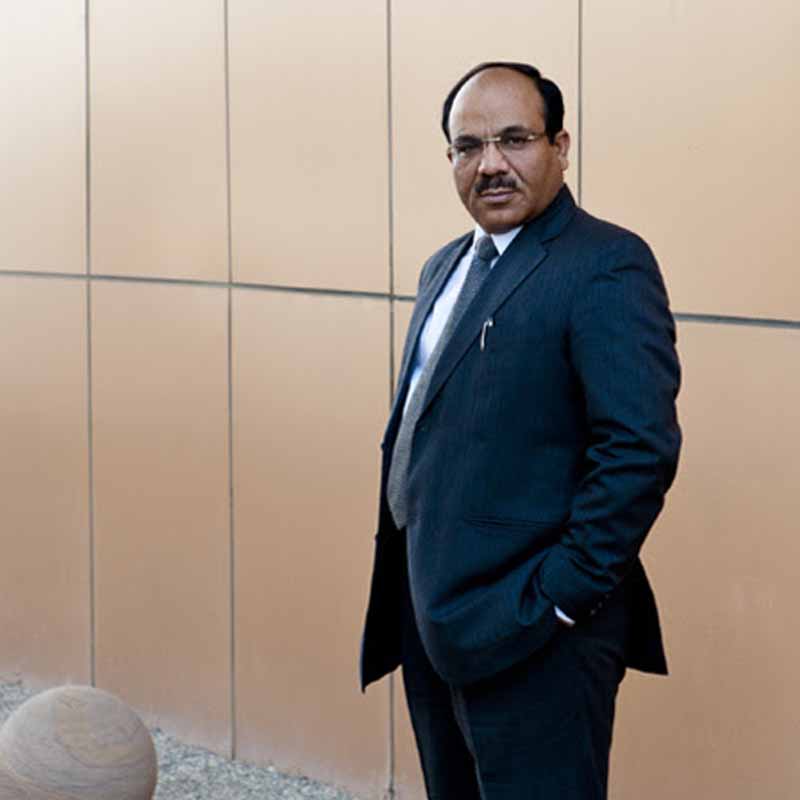
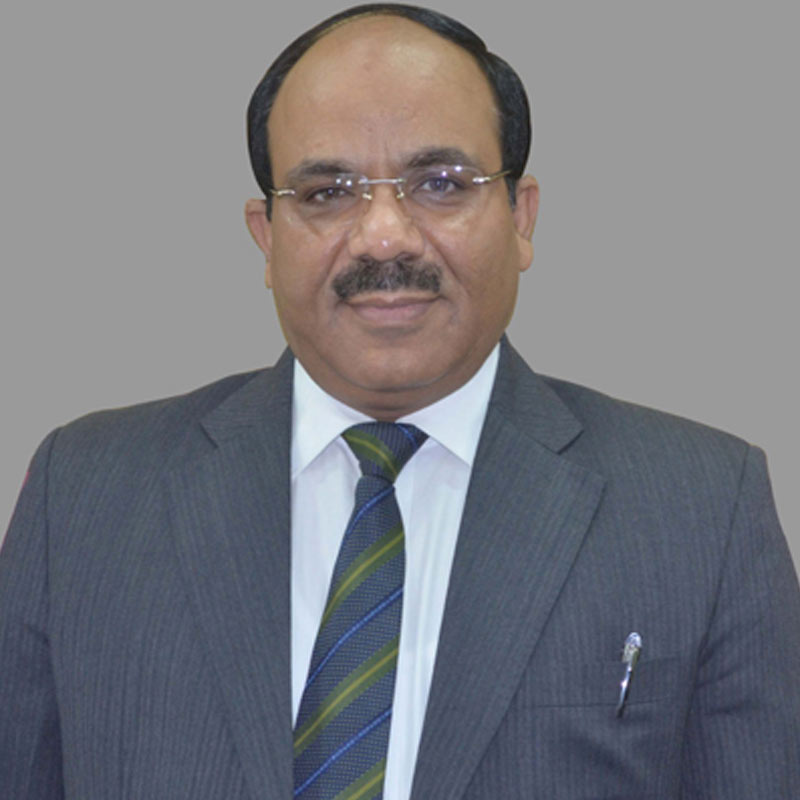
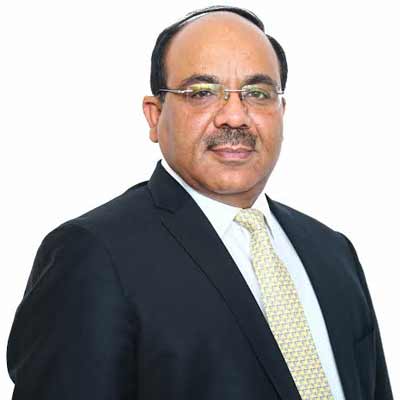
Tag: V D Wadhwa

  • Siti Networks’ operating profit more than doubles in first quarter

    BENGALURU:  The Subhash Chandra led Essel group’s television cable network company Siti Networks Limited (Siti) reported EBIDTA including other income or operating profit of Rs 1,071.65 million (28.9 percent of Total Income) for the quarter ended 30 June 2017 (Q1-18, current quarter). The company’s operating profit for the current quarter was more than double (up 2.26 times) the Rs 474.09 million (16.5 percent of Total Income) the company had reported for the corresponding year ago quarter (y-o-y) and 54.2 percent higher than the Rs 694.88 million (20.6 percent of Total Income) reported for the immediate trailing quarter Q4-17 (q-o-q).

    Consequently, the company reported a lower total comprehensible loss in the current quarter at Rs 151.32 million, which was a little less than one third (1/2.87 times) the total comprehensible loss of Rs 435.26 million in Q1-17 and less than a fourth (1/4.26 times) the total comprehensible loss of Rs 647.16 million in Q4-17.

    Siti’s total income for Q1-18 was 29.4 percent higher y-o-y at Rs 3,711.13 million as compared to Rs 2,868.82 and 10.1 percent higher q-o-q as compared to Rs 3,370.46 million. Revenue from operations increased 29.4 percent y-o-y to Rs 3,649.57 million from Rs 2,819.67 million and increased 12.1 percent q-o-q from Rs 3,255.18 million.

    Breakup of revenue

    Siti’s subscription revenue in the current quarter increased 34.6 percent y-o-y to Rs 1,700 million from Rs 1,263 million and increased 6.3 percent q-o-q from Rs 1,600 million. Carriage revenue in the current quarter increased 6.3 percent y-o-y to Rs 765 million from Rs 720 million, but declined 4.1 percent q-o-q from Rs 798 million. Activation revenue in Q1-18 more than doubled (increased 2.32 times) y-o-y to Rs 849 million from Rs 366 million and was 75.4 percent more q-o-q than Rs 484 million. Broadband internet revenue for Q1-18 increased 32.3 percent y-o-y to Rs 258 million from Rs 195 million, but declined 3 percent q-o-q from Rs 266 million.

    Subscription numbers

    The company says that it deployed more than 1.6 million set top boxes during the quarter in West Bengal, Haryana, Andhra Pradesh and Telengana, primarily in Phase 4 areas. It says that its digital video base was about 11.6 million at the exit of June 2017 and that prepaid migration is on track with 1.16 million subscribers across 134 locations brought under its ambit by August 2017. Siti says that during the year 0.05 million of its customers adopted HD services taking the total HD customer base to 0.22 million by exit Q1-18.

    Siti’s broadband internet subscriber base increased by approximately 12,000 to 0.24 million in Q1-18 from 0.228 million in the immediate trailing quarter. The company says that as a strategy it increased focus on higher ‘Lock-in’ broadband internet plans in Q1-18. About 40 percent of its acquisitions are now coming on longer duration plans. Siti says that it is targeting to take this figure to over 50 percent in Q2-18.

    Company speak

    Siti executive director Sidharth Balakrishna said, ““SITI continues to hold a strong position in the market with record customer additions.We are well positioned to monetize this base from Q2 onwards and maintain a strong growth trajectory. In Broadband, we will selectively expand our offerings and drive increased customer focus. We are also making significant efforts to strengthen processes and optimise costs going forward, while also enhancing customer offerings. This along with a focus on certain revenue streams could potentially provide upsides going forward”

    Let us look at the other numbers reported by Siti

    Consolidated Total Expenditure increased 14.1 percent y-o-y to Rs 3,696.52 million (99.6 percent of Total Income) in Q1-16 from Rs 3,238.75 million (112.9 percent of Total Income) in Q1-18 and increased 0.4 percent q-o-q from Rs 3.680.87 million (109.2 percent of Total Income).

    Consolidated Employee Benefit Expense increased 22.6 percent y-o-y to Rs 234.46 million (6.3 percent of Total Income) in the current quarter from Rs 191.22 million (6.7 percent of Total Income) million but declined 3.9 percent q-o-q from Rs 243.97 million (7.2 percent of Total Income).

    Consolidated Carriage sharing, pay channel and related costs in Q1-18 increased 5.1 percent y-o-y to Rs 1,560.55 million (42.1 percent of Total Income) from Rs 1,484.36.36 million (51.7 percent of Total Income) but declined 3 percent q-o-q from Rs 1,608/94 million (47.7 percent of Total Income).

    Consolidated Finance costs in the current quarter increased 11.6 percent y-o-y to Rs 331.03 million (8.9 percent of Total Income) from Rs 296.71 million (10.3 percent of Total Income), but declined 2.1 percent q-o-q from Rs 338..02 million (10 percent of Total Income).

    Consolidated Other expenses increased 30.7 percent y-o-y to Rs 841.78 million (22.7 percent of Total Income) in Q1-18 from Rs 643.83 million (22.4 percent of Total Income) and increased 11.2 percent q-o-q from Rs 757.12 million (22.5 percent of Total Income).

    Also Read :

    Rajesh Sethi re-designated chief  biz transformation officer of Siti Networks

    Rajesh Sethi succeeds Wadhwa as ED & CEO of SITI Networks

    SPN India-SITI Networks dispute: TDSAT directs SITI to sign SPN RIO agreement (updated)

  • Rajesh Sethi succeeds Wadhwa as ED & CEO of SITI Networks

    NEW DELHI: Senior media expert Rajesh Sethi has been appointed Executive Director CEO of SITI Networks Limited, as V D Wadhwa is stepping down.

    Wadhwa has been asked by the management to help in smooth transitioning by being with Sethi over the next couple of months.

    Sethi has over 22 years of experience in varied industries like Media, Insurance and Automotive sector across India and South East Asia.

    Sethi joined Ten Sports (Taj Television – a then subsidiary of Zee Entertainment) in July 2013 as Chief Executive Officer, where he spearheaded the turnaround and divestment of Ten Sports from multi year losses to a profitable entity and has placed the Distribution & Placement Business on a consistent growth path.

    Before joining Zee Entertainment, Sethi has been associated with large conglomerates like Tata, General Electric and Allianz with a proven track record of progressive leadership and entrepreneurial success. He specializes in enhancing Stakeholder value through large-scale Business Transformation, Leadership Development, Innovation, Organization change management and Customer strategies.

    Sethi completed his under graduation in Mechanical Engineering and received his Executive Education from Harvard Business School, Kellogg School of Management & INSEAD and is a GE certified Quality Green Belt.

    He has been conferred with prestigious awards of “Rashtriya Udyog Ratna” by N.E.H.R.D.O. and “Global Indian Achievers Award for Business Excellence 2012″ by Economic Development Forum.

    Speaking on his tenure at SITI Networks, Wadhwa said, “It was one of my most satisfying careers at SITI. Under the guidance of the Board, we have managed to establish SITI as one of the leading profitable players today. I thank the Board for the opportunity and wish Rajesh and his team all the success.”

    Commenting on his new role, Sethi said “Post our very successful turnaround & divestment of Tensports and thereafter implementation of Digitisation of our broadcasting business, I am very excited to further transform our Delivery Platform with SITI Networks which has immense growth possibilities & opportunities. The sector is on the cusp of reinventing itself with smarter Business Models and ways of delivering & connecting to customers with varied products and services”.

    In a statement, the Board placed on record its appreciation for the role played by Wadhwa during his tenure in turning around the business profitably and inculcating the highest ethical standards and professional work culture in the Company.

  • Siti revenue up across all streams

    BENGALURU: Siti Networks Limited (Siti) reported 4.4 percent growth in revenue for the year ended 31 March 2017 (FY-17, current year or fiscal) as compared to the previous fiscal. Consolidated revenue growth was driven by revenue growth in all the streams that contribute to Siti’s numbers. The company in its earnings release says that its broadband internet services revenue doubled to Rs 970 million, Subscription revenues grew 39 percent to Rs 5,690 million and Carriage revenues increased 17 percent to Rs 3,000 million in the current year vis-à-vis the previous year.

    Overall, Siti reported consolidated total income of Rs 12,208.01 million and Rs 11,691.56 million in the current and previous years respectively. Operating revenue in FY-17 grew 4.3 percent to Rs11,949.16 million from Rs 11,460.40 million in FY-16.

    The company says that it deployed more than 2.1 million set top boxes during the year despite the delay in implementation of phase 3 digitization due to litigation. It says that its digital video base was about 10 million at the exit of March 2017. Siti says that during the year 0.11 million of its customers adopted HD services taking the total HD customer base to 0.16 million by exit FY-17.

    Siti has bolstered its local channels content with tie-ups with Eros, Ultra, Cineprime, ADB Mobile and Entertainment and now has a portfolio of 130 plus local channels on a pan-India basis. It is also looking to add 7 to 8 new local channels for its North India viewers under certain genres and languages.

    The company says that Siti-Ditto OTT services grew strongly with the addition of 29,000 customers during the quarter – 1 January to 31 March 2017, taking the total customer base to 60,000.

    The company’s bottom line however showed some declines. Consolidated loss was higher at Rs 1,792.31 million in the current year as compared to a loss of Rs 412.91 million in the previous year. Consolidated EBIDTA including other revenue in fiscal 2017 at Rs 2,286.94 million (19.1 percent of Total Income) declined 15 percent from Rs 2,690.57 million (23.5 percent of Total Revenue).

    Company speak

    Siti executive director and CEO V D Wadhwa said: “Our tenacious execution has ensured stellar growth in our video revenue whereas broadband growth is falling short of our expectations. The management is highly committed towards improving monetization and operating profit across all phases, during the current year. We are well positioned to reap the benefits of improved monetization across phases as we simultaneously continue to expand our Broadband reach. The implementation of GST is expected to simplify the collection process, bring in greater transparency and will provide a boost to the growth of the sector.”

    Let us look at the other numbers reported by Siti

    Consolidated Total Expenditure increased 6.4 percent y-o-y to Rs 13,607.36 million (111.5 percent of Total Income) in FY-17 from Rs 12,054.82 million (103.1 percent of Total Income) in FY-16

    Consolidated Employee Benefit Expense increased 32 percent to Rs 832.90 million (6.8 percent of Total Income) in the current quarter from Rs 630.90 million (5.4 percent of Total Income) million in FY-16. 

    Consolidated Carriage sharing, pay channel and related costs in FY-17 increased 5 percent to Rs 5,971.33 million (48.9 percent of Total Income) from Rs 5,686.36 million (48.6 percent of Total Income) in the previous year.

    Consolidated Finance costs in the current year reduced 8.9 percent to Rs 1274.47 million (10.4 percent of Total Income) from Rs 1,399.29 million (12 percent of Total Income).

    Consolidated Other expenses increased 28.4 percent to Rs 2,954.67 million (24.2 percent of Total Income) in FY-17 from Rs 2,302.03 million (19.7 percent of Total Income) in FY-16.

  • DAS: MSOs, LCOs give low figure of STB seeding, official sources admit it’s under 80%

    DAS: MSOs, LCOs give low figure of STB seeding, official sources admit it’s under 80%

    NEW DELHI / MUMBAI: Even as the nation has stepped into an era of full cable television digitisation, there are mixed reports coming in from around the country about the situation on the ground.

    While the government had issued a warning to all broadcasters, multi-system and local cable operators about action if they fail to switch off analogue, there are reports from almost every region that Phase IV covering rural India has still a long way to go before full implementation of digital addressable system happens.

    The Government had, in mid-January, told the Task Force that while the seeding of set-top boxes in Phase III was almost complete, the figure for Phase IV was 32 per cent. Minister of state for information and broadcasting Rajyavardhan Rathore told the Parliament in mid-March that around 67 per cent seeding of set-top boxes had been achieved in Phase III and IV while it was total in the first two phases, minus Tamil Nadu.

    A ministry source told indiantelevision.com that the figure had already crossed around 75 per cent in the final two phases. Not wanting to be named, the source ruled out any more grace period, and said that several MSOs and LCOs act only after a final warning, and therefore the chances were that the figure may be higher than those given by him.

    However, since there is no plan to help the poor acquire STBs, it is unlikely that the figure would be much higher.

    In Tamil Nadu, where there is a court stay in operation since Phase I, the state government run Arasu Cable TV Corporation (TACTV) warned MSOs and LCOs against switching off analogue signals anywhere in the state after 31 March 2017.

    Pointing out that the centre had refused to grant DAS licence to TACTV because recommendations of the Telecom Regulatory Authority of India do not permit state-owned TV or distribution networks, an MSO told indiantelevision.com that the case had been gong on for so many years primarily because the Central Government was not clearabout its stand and keeps taking adjournments.

    Meanwhile, in neighbouring Telangana and Andhra Pradesh, MSOs and LCOs said that around 40 per cent of Phase III had still to be fully seeded and the figure was bound to be higher in Phase IV areas. One MSO not wanting to be named said that there was an area in Hyderabad dominated by a particular community where even law had limited reach where analogue signals continued unchecked. “Whatever had been fixed a long time ago, remains,” the MSO said.

    Interestingly, a consumer body Citizens Welfare Society had moved the High Court for the twin states saying that, while the government had made it mandatory that DAS signals should be implemented, there was nothing in law to say that analogue has to be switched off and pleading that the two should be allowed to co-exist till people take to DAS voluntarily. Though the case was not admitted, the bench of the Court heard the viewpoints of several MSOs, LCOs, and consumer bodies over twenty hours for the few days and reserved its orders on 20 February 2017. This order is still awaited keenly by consumers as well as MSOs and LCOs.

    Siti Network Limited (Essel Group) executive director & CEO V D Wadhwa said that analogue signals had been switched off in the East Zone. Network 18/Viacom18 Group distributor Indiacast Media Group CEO (and Jio Media head – content acquisition/ alliances) Anuj Gandhi also said that analogue had been switched off in compliance with the deadline set by the Government. However, sources said that completely shutting off analogue signals in other zones may be a challenge.

    Meanwhile, an MSO in Assam said that while digitisation was complete in Guwahati, it had not even covered fifty per cent of rural Assam. In Madhya Pradesh and Chhatisgarh, MSOs and LCOs interviewed said around 40 per cent seeding had taken place in Phase IV but pointed out that the confusion because of the tariff orders had resulted in direct-go-home players targeting consumers.

    Reports from Uttar Pradesh and Uttarakhand said that while the broadcasters had switched off digital signals in most areas of Phase IV, tthis may trigger some protests over the next few days from consumers as the figure of seeding of set top boxes was very low. The DTH players were also active in these areas.

    Maharashtra Cable Operators Federation sources told www.indiantelevision.com that the broadcasters had switched off analogue signals, but rural Maharashtra which faced extreme poverty was still largely uncovered by DAS STBs. However, he said he would have a more tangible report over the next two days.

    Cable Operators Association of Gujarat president Pramod Pandya said that 80-90 per cent of the state had gone digital, but some broadcasters were still supplying analogue signals in certain areas. Meanwhile, it is learnt that Reliance Jio is planning to bring in cheaper STBs soon, though these may not have many fancy features.

    Phase I covering the Metro cities of Delhi, Mumbai, Kolkata and Chennai was originally slated for 30 June 2012 and modified to 31 October 2012. The second phase covering 38 cities (with population more than one million) was slated for 31 March 2013.

    The third Phase was to cover all other urban areas (Municipal Corporations/ Municipalities) and was originally slated for 30 September 2014 and modified to 31 December 2015 which was extended to 31 January 2017 and the final phase to 31 March 2017.

  • Siti subs rev up; one million subs migrate to pre-paid billing

    BENGALURU: The Subhash Chandra-led Siti Networks Limited (Siti) formerly known as Siti Cable Network Limited, reported 40 percent growth in subscription revenue for the nine month period ended 31 December 2016 (9M-19, YTD) which the company says was Rs 408 in its earnings release.

    To further enhance the collections from the ground, Siti says that it is moving to pre-paid billing from current post-paid mode. To achieve this objective pre-paid billing has commenced in select states including Maharashtra, Madhya Pradesh, Chhattisgarh, Rajasthan, Karnataka and Uttar Pradesh across 60 locations with 1 million subscribers migrated to pre-paid as of now. Siti says that it is looking to roll out pre-paid billing across all geographies in the near future.

    Consolidated Total Income from Operations (TIO) for the quarter ended 31 December 2016 (Q3-17, current quarter) declined 13.2 percent year-over-year (y-o-y) to Rs 298.46 crore from Rs 344 crore in Q3-16, but increased 3.3 percent quarter-over-quarter (q-o-q) from Rs 288.97 crore in Q2-17.

    Consolidated simple EBIDTA without other income for the current quarter declined 42.4 percent y-o-y to Rs 55.02 crore (18.4 percent of TIO, margin) from Rs 95.45 crore (27.7 percent margin), but increased 16.2 percent q-o-q from rs 47.34 crore (16.4 percent margin). The company reported a lower q-o-q net loss in the current quarter at Rs 26.34 crore as compared to a net loss of Rs 46.89 crore in the immediate trailing quarter. Siti had reported a profit after tax (PAT) for Q3-16 of Rs 14.66 crore (4.3 percent margin).

    Company speak in its earnings release

    Siti executive director & CEO, V D Wadhwa said, “Our persistent efforts have resulted in improved monetization in Phase-3 DAS areas as we continue to digitize our subscriber base and expand our footprint. At the same time, commencement of pre-paid billing will simplify our business model and improve collection efficiency.”

    “The expected Tariff Order will provide further impetus to Industry cash flows and aid in rapid growth. Although there were some near term headwinds in Broadband on account of demonetization, we remain confident of retaining the momentum in the coming quarters,” added Wadhwa.

    Siti says that its Broadband internet (Broadband) customer base grew to 2.13 lakh by Q3-17 exit. It has introduced new plans in Delhi and Haryana under both unlimited & limited data category catering to the ever increasing data usage needs of Broadband customers. The company expects to roll out high speed DOCSIS 2 and 3 Broadband Services in 5 locations by Q1-18.

    Siti claims that its continuous focus on HD services has started to yield results, with SITI HD+ customer base up 33 percent over Q2-17 to 1.2 lacs. To further give boost to HD adoption, the company has rolled out an SD to HD STB upgrade offer. The company says that there has been strong adoption being seen in Phase 3 & 4 areas. Siti is offers about 50 HD channels across a wide array of genres across geographies.

    Since the launch of SITI-DITTO OTT services, the company says its OTT customer base has grown strongly to 31,000 subscribers. Siti is aggressively exploring options with other OTT players to harness growth in this fast expanding space.

    Four local channels were launched in Q3-17 on the lines of My Siti channel launched in the earlier quarter.

    Let us look at the other numbers reported by Siti

    Total Expenditure increased 6.4 percent y-o-y to Rs 305.99 crore (102.5 percent of TIO) from Rs 287.67 crore (83.6 percent of TIO) in the corresponding year ago quarter and increased 2.4 percent q-o-q from Rs 298.81 crore (103.4 percent of TIO).

    Employee Benefit Expense increased 33.8 percent to Rs 19.07 crore (6.4 percent of TIO) in the current quarter from Rs 14.26 (4.1 percent of TIO) crore in Q3-16 but reduced 7.9 percent from Rs 20.70 crore (7.2 percent of TIO).

    Carriage sharing, pay channel and related costs in Q3-17 declined 2.9 percent y-o-y to Rs 144.40 crore (48.4 percent of TIO) from Rs 148.66 crore (43. 2 percent of TIO) and was almost flat (increased 0.7 percent) q-o-q as compared to Rs 143.141 crore (49.6 percent of TIO).

    Finance costs in the current quarter increased 2.6 percent y-o-y to Rs 35.97 crore (12.1 percent of TIO) from Rs 35.05 crore (10.2 percent of TIO) and increased 28.5 percent q-o-q from Rs 28 crore (9.7 percent of TIO.

    Note: The unit of currency in this report is the Indian rupee – Rs (also conventionally represented by INR). The Indian numbering system or the Vedic numbering system has been used to denote money values. The basic conversion to the international norm would be:

    (a) 100,00,000 = 100 lakh = 10,000,000 = 10 million = 1 crore.

    (b) 10,000 lakh = 100 crore = 1 arab = 1 billion.

  • No going back on DAS despite difficulties in P-IV: MIB

    No going back on DAS despite difficulties in P-IV: MIB

    NEW DELHI: Even as he admitted the fourth phase of digital addressable system for cable television was the most difficult, advisor (DAS) in the information and broadcasting ministry Yogendra Pal has said there is “no going back on the deadline of 31 March 2017.”

    Pal said that there were difficulties because several MSOs were reluctant to set up headends in far out rural areas, as the fourth and final phase only covers rural areas. He said the 60-plus cases pending in Delhi High Court relating to Phase III had been disposed of with the exception of three which challenged section 4A of the Cable Television Networks (Regulation) Act 1995, and all stay orders had been vacated.

    However, Pal admitted that a new case had been filed in Telengana to the effect that while there was clear reference to switching to DAS in Section 4A, there was no reference to switching off analogue signals. He said this case had been filed by a party not involved with the cable TV business.

    However, cable TV veteran Lt. Colonel V C Khare (retired) who chaired the session on ‘DAS implementation – miles to go before we sleep?” claimed that just around 22 per cent seeding of set-top boxes had been achieved in the third phase as against government claims of almost total seeding.

    Siticable Networks CEO V D Wadhwa also agreed that there were ‘gaps’ in Phase III, and Siticable had yet to seed another 2,50,000 STBs. But, he welcomed DAS, though he felt monetisation was still a challenge.

    Wadhwa said that while the objective of the consumer getting channels of his choice had been achieved, the industry was cable of overcoming soon the problems about SMS or receipts not being issued which had been raised by Khare in a presentation earlier in the day when he showed various loopholes in the DAS legislation.

    Khare had also pointed out that DAS in effect was aimed at involving only the broadcaster and the multisystem operator, conveniently keeping out the LCO who had built the industry.

    Other speakers in the session were unanimous that the cable TV industry had achieved in four years something that the direct to home industry had not been able to do in twelve years.

    In a session on “Business Model and Regulations”, there was general unanimity that the industry needed regulation but it did not have to come from a government regulator. The speakers favoured industry-led regulation.

    Eminent lawyer Kaushik Moitra of TMT Practice who moderated the session said that the Telecom Regulatory Authority of India (TRAI) had been given the additional burden of broadcasting only till a Broadcasting Regulatory Authority of India is set up but this had not happened. He said there was a certain need to move towards self-regulation. He also raised the question of whether TRAI was working to unite the LCOs.

    However, he applauded the growth of the industry with the last five years showing the growth of the highest number of television channels.

    Indiacast EVP Amit Arora said regulation was welcome, but it should not mean “jumping in at all times – this kills enterprise”. Even as no other country had achieved the kind of growth that local cable operators had shown in India, the regulator had to show greater responsibility towards the last mile operator. He also wondered why the MSOs and LCOs could not handle broadband while dealing with cable TV.

    Prag News CMD Sanjive Narain said that the regulator was only mean t to “ease movement” and not strictly regulate. It should solve problems before waiting for them to arise. He said that though TRAI consulted stakeholders, everything was often’pre-decided’.

    He said the primary problem before the industry was one of revenue sharing. Once that was out of the way, things would move smoothly.

    VuClip consultant Sisir Pillai said a regulator is needed, particularly in view of newer technologies like OTT. Referring to the growth of OTT, he said that the aim was to deliver content in whatever manner the subscriber wanted and find revenue for this.

    Answering a question later, he said that wired delivery was still the best medium even if video had to be sent to mobiles or other platforms.

    InDigital senior VP – operations and head of regulatory Subhashish Mazumdar said there was no regulator when the LCO began with VCRs and built the industry. This meant that the last mile operator and multi-system should be capable of solving their own problems. The industry was now geared up for this, he said.

    Agreeing that the primary problem was one of revenue sharing, Mazumdar said that the issue of unity among stakeholders to solve such problems had to come from the top.

    Earlier, Dr A K Rastogi of Aavishkaar which was among the organizers said that the primary problem was one of unity among stakeholders and a step had been taken in this direction with the formation of the Media Club of India.

    A session later on “Significance of wireline operation in Digital India” moderated by Castle Media ED Vinsley Fernandes was unanimous that there was no better technology than wireline.

    The session was addressed by Cisco CTO Gulshan Khurana, Siti Networks COO Anil Malhotra, Ortel Communications President and CEO Bibhu Rath, Suresh Sethiya of ICNCL of Kolkata, and StoreSay founder and CEO Raman Kalra.

  • Hathway’s Panesar succeeds Wadhwa as AIDCF head

    Hathway’s Panesar succeeds Wadhwa as AIDCF head

    MUMBAI/NEW DELHI: Hathway Cable & Datacom’s Video Business CEO T S Panesar has taken over as the new president of the All-India Digital Cable Federation (AIDCF), the apex body of digital cable television players.

    Panesar was unanimously elected at AIDCF’s 11th governing council meeting held in New Delhi. He succeeds SITI Networks ED and CEO V D Wadhwa who completed his two-year term as the founder-president of the Federation.

    Panesar has over 20 years of experience in media and entertainment industry, both on the broadcasting and distribution side.
    The governing council also appointed SITI Networks COO Anil Malhotra as he vice-president and Fastway Transmissions Private Ltd CEO Peeush Mahajan as the treasurer of the Federation.

    AIDCF placed on record its appreciation for the immense contribution made by Wadhwa as the founder and first president of the Federation over two years ago. Under his aegis, the federation earned its stripes with MIB, TRAI, DoT, Ministry of Finance and all the other industry bodies i.e. IBF, DTH Federation, CII, FICCI, ASSOCHAM etc in the media & entertainment Sector.

    The Federation has played key role in bringing all the major players of the industry controlling over 70 per cent of the business under one umbrella and have taken up the issues concerning the cable industry by liaising with the concerned government department/ministry as well as with the other industry bodies of the broadcasters and DTH operators besides playing key role in resolving the deadlock in implementation of phase III of digitization.

    On giving over the baton to Panesar, Wadhwa said, “A solid foundation has been laid for addressing all the concerns of the industry and I am confident that under the leadership of Panesar and active participation by all the members, the federation would further gain strength and shall be able to create an environment for the profitable growth of the cable industry.”

    Commenting on his appointment as the AIDCF president, Panesar said, “I am deeply honored and privileged to be appointed to lead the federation. It’s a big challenge and responsibility entrusted upon me and I look forward to working closely with all members to bring further changes in the environment. Having seen the evolution of the cable & broadcasting industry from the analogue to the digital regime, we are now at the cusp of a another major shift in light of the new regulation which is aimed at improving transparency, empowering customers to exercise choice and ensuring orderly growth of all stakeholders in the eco-system. We strongly believe that technology should be leveraged to address the changing needs of the industry. Together, we will strive towards strengthening our bond with all stakeholders to deliver a world class service to the consumers and improve customer satisfaction levels.”

    AIDCF secretary -general Saharsh Damani said, “With digitisation entering into last phase and focus on wired broadband gaining traction for all the members, I am sure that, under Panesar’s leadership, the digital cable industry will enter into the next orbit of momentum and growth.”

  • Hathway’s Panesar succeeds Wadhwa as AIDCF head

    Hathway’s Panesar succeeds Wadhwa as AIDCF head

    MUMBAI/NEW DELHI: Hathway Cable & Datacom’s Video Business CEO T S Panesar has taken over as the new president of the All-India Digital Cable Federation (AIDCF), the apex body of digital cable television players.

    Panesar was unanimously elected at AIDCF’s 11th governing council meeting held in New Delhi. He succeeds SITI Networks ED and CEO V D Wadhwa who completed his two-year term as the founder-president of the Federation.

    Panesar has over 20 years of experience in media and entertainment industry, both on the broadcasting and distribution side.
    The governing council also appointed SITI Networks COO Anil Malhotra as he vice-president and Fastway Transmissions Private Ltd CEO Peeush Mahajan as the treasurer of the Federation.

    AIDCF placed on record its appreciation for the immense contribution made by Wadhwa as the founder and first president of the Federation over two years ago. Under his aegis, the federation earned its stripes with MIB, TRAI, DoT, Ministry of Finance and all the other industry bodies i.e. IBF, DTH Federation, CII, FICCI, ASSOCHAM etc in the media & entertainment Sector.

    The Federation has played key role in bringing all the major players of the industry controlling over 70 per cent of the business under one umbrella and have taken up the issues concerning the cable industry by liaising with the concerned government department/ministry as well as with the other industry bodies of the broadcasters and DTH operators besides playing key role in resolving the deadlock in implementation of phase III of digitization.

    On giving over the baton to Panesar, Wadhwa said, “A solid foundation has been laid for addressing all the concerns of the industry and I am confident that under the leadership of Panesar and active participation by all the members, the federation would further gain strength and shall be able to create an environment for the profitable growth of the cable industry.”

    Commenting on his appointment as the AIDCF president, Panesar said, “I am deeply honored and privileged to be appointed to lead the federation. It’s a big challenge and responsibility entrusted upon me and I look forward to working closely with all members to bring further changes in the environment. Having seen the evolution of the cable & broadcasting industry from the analogue to the digital regime, we are now at the cusp of a another major shift in light of the new regulation which is aimed at improving transparency, empowering customers to exercise choice and ensuring orderly growth of all stakeholders in the eco-system. We strongly believe that technology should be leveraged to address the changing needs of the industry. Together, we will strive towards strengthening our bond with all stakeholders to deliver a world class service to the consumers and improve customer satisfaction levels.”

    AIDCF secretary -general Saharsh Damani said, “With digitisation entering into last phase and focus on wired broadband gaining traction for all the members, I am sure that, under Panesar’s leadership, the digital cable industry will enter into the next orbit of momentum and growth.”

  • Siti Q2-17 numbers up on higher restated subscription revenues

    Siti Q2-17 numbers up on higher restated subscription revenues

    BENGALURU: The Subhash Chandra led Siti Networks Limited (Siti) formerly known as Siti Cable Network Limited, reported 23.6 percent and 2.9 percent year-over-year (y-o-y) growth in operating revenue and EBIDTA including other income for the quarter ended 30 September 2106 (Q2-17, current quarter). The growth in revenue was led by a 33.3 percent y-o-y growth in restated subscription revenue on net billing basis of Rs 135.3 crore (46.8 percent of Total Income from Operations or TIO) as compared to Rs 101.5 crore (43.4 percent of TIO) reported for the corresponding year ago quarter.

    However, reported subscription revenue as per published financials in the current quarter increased by just 0.9 percent y-o-y to Rs 139.7 crore (48.3 percent of TIO) from Rs 138.5 crore (59.2 percent of TIO) in the corresponding year ago quarter.

    Siti reported TIO of Rs 288.98 crore in Q2-17 or a 23.6 percent y-o-y improvement from the Rs 233.87 crore in Q2-16. EBIDTA including other income for the current quarter was Rs 49.71 crore (17.2 percent margin), for Q2-16 it was Rs 48.30 crore (20.7 percent margin).

    Loss in the current quarter was higher at Rs 46.89 crore as compared to a loss of Rs 31.43 crore in Q2-16, but lower than the loss of Rs 53.62 crore in the immediate trailing quarter (Q1-17).

    Activation, Carriage and Broadband numbers

    Activation fees in the current quarter more than doubled (200.5 percent) y-o-y to Rs 38.3 crore (13.3 percent of TIO) from Rs 19.1 crore (8.2 percent of TIO) in the corresponding year ago quarter. Carriage revenue increased 25.5 percent y-o-y to Rs 75.7 crore (26.2 percent of TIO) in Q2-17 as compared to Rs 60.3 crore (25.8 percent of TIO) in Q2-16.

    Broadband revenue increased 167.7 percent y-o-y to Rs 24.9 crore (8.6 percent of TIO) in the current quarter from Rs 9.3 crore (4 percent of TIO) in Q2-16.

    The company’s cable TV customer base was stable at 1.22 crore in the current quarter as compared to the immediate trailing quarter. The company had 1.07 crore cable customers in Q2-16. The company says that is now present in 400 plus locations in India serving a total digital subscriber base of 87 lakh customers. For the last quarter the company had reported a digital subscriber base of 84 lakh and 59 lakh for Q2-16.

    Siti has added about 28,000 broadband subscribers in Q2-17 taking its subscriber base to 195,000 from 167,000 subscribers in Q1-17. It had a broadband subscriber base of 91,450 in Q2-16.

    Let us look at the other numbers reported by Siti

    Finance costs in the current quarter reduced to Rs 28 crore (9.7 percent of TIO) from Rs 34.76 crore (14.9 percent of TIO) in the corresponding year ago quarter. Total Expenditure increased 29.3 percent y-o-y to Rs 298.81 crore (103.4 percent of TIO) from Rs 231.04 crore (98.8 percent of TIO) in the corresponding year ago quarter. Employee Benefit Expense increased 21.2 percent y-o-y to Rs 20.7 crore (7.2 percent of TIO) in the current quarter from Rs 17.08 crore (7.3 percent of TIO) in Q2-16.  Carriage sharing, pay channel and related costs in Q2-17 increased 15.6 percent y-o-y to Rs 143.41 crore from (49.6 percent of TIO) Rs 124.01 crore (53 percent of TIO) in Q2-16.

    Company speak

    Siti executive director & CEO, V D Wadhwa said, “We continue to grow our digital subscriber base steadily with incremental improvements in monetisation seen in certain phases. This could have been significantly better but for the delay in digitization because of pending court cases, which continues to impact monetization in the phase 3 areas. Although the majority of the stay orders have been vacated by the Honourable Delhi High Court, the closure of the balance pending cases will lead to complete switch off of analogue signals, improve monetization and significantly spur the growth of the industry.

    The expected implementation of the new Draft Tariff Order will be a game changer and is more beneficial for the distribution platforms post execution. However, the success of the same will lie in its effective implementation.”

    Note: The unit of currency in this report is the Indian rupee – Rs (also conventionally represented by INR). The Indian numbering system or the Vedic numbering system has been used to denote money values. The basic conversion to the international norm would be:

    (a) 100,00,000 = 100 lakh = 10,000,000 = 10 million = 1 crore.

    (b) 10,000 lakh = 100 crore = 1 arab = 1 billion.


  • Siti Q2-17 numbers up on higher restated subscription revenues

    Siti Q2-17 numbers up on higher restated subscription revenues

    BENGALURU: The Subhash Chandra led Siti Networks Limited (Siti) formerly known as Siti Cable Network Limited, reported 23.6 percent and 2.9 percent year-over-year (y-o-y) growth in operating revenue and EBIDTA including other income for the quarter ended 30 September 2106 (Q2-17, current quarter). The growth in revenue was led by a 33.3 percent y-o-y growth in restated subscription revenue on net billing basis of Rs 135.3 crore (46.8 percent of Total Income from Operations or TIO) as compared to Rs 101.5 crore (43.4 percent of TIO) reported for the corresponding year ago quarter.

    However, reported subscription revenue as per published financials in the current quarter increased by just 0.9 percent y-o-y to Rs 139.7 crore (48.3 percent of TIO) from Rs 138.5 crore (59.2 percent of TIO) in the corresponding year ago quarter.

    Siti reported TIO of Rs 288.98 crore in Q2-17 or a 23.6 percent y-o-y improvement from the Rs 233.87 crore in Q2-16. EBIDTA including other income for the current quarter was Rs 49.71 crore (17.2 percent margin), for Q2-16 it was Rs 48.30 crore (20.7 percent margin).

    Loss in the current quarter was higher at Rs 46.89 crore as compared to a loss of Rs 31.43 crore in Q2-16, but lower than the loss of Rs 53.62 crore in the immediate trailing quarter (Q1-17).

    Activation, Carriage and Broadband numbers

    Activation fees in the current quarter more than doubled (200.5 percent) y-o-y to Rs 38.3 crore (13.3 percent of TIO) from Rs 19.1 crore (8.2 percent of TIO) in the corresponding year ago quarter. Carriage revenue increased 25.5 percent y-o-y to Rs 75.7 crore (26.2 percent of TIO) in Q2-17 as compared to Rs 60.3 crore (25.8 percent of TIO) in Q2-16.

    Broadband revenue increased 167.7 percent y-o-y to Rs 24.9 crore (8.6 percent of TIO) in the current quarter from Rs 9.3 crore (4 percent of TIO) in Q2-16.

    The company’s cable TV customer base was stable at 1.22 crore in the current quarter as compared to the immediate trailing quarter. The company had 1.07 crore cable customers in Q2-16. The company says that is now present in 400 plus locations in India serving a total digital subscriber base of 87 lakh customers. For the last quarter the company had reported a digital subscriber base of 84 lakh and 59 lakh for Q2-16.

    Siti has added about 28,000 broadband subscribers in Q2-17 taking its subscriber base to 195,000 from 167,000 subscribers in Q1-17. It had a broadband subscriber base of 91,450 in Q2-16.

    Let us look at the other numbers reported by Siti

    Finance costs in the current quarter reduced to Rs 28 crore (9.7 percent of TIO) from Rs 34.76 crore (14.9 percent of TIO) in the corresponding year ago quarter. Total Expenditure increased 29.3 percent y-o-y to Rs 298.81 crore (103.4 percent of TIO) from Rs 231.04 crore (98.8 percent of TIO) in the corresponding year ago quarter. Employee Benefit Expense increased 21.2 percent y-o-y to Rs 20.7 crore (7.2 percent of TIO) in the current quarter from Rs 17.08 crore (7.3 percent of TIO) in Q2-16.  Carriage sharing, pay channel and related costs in Q2-17 increased 15.6 percent y-o-y to Rs 143.41 crore from (49.6 percent of TIO) Rs 124.01 crore (53 percent of TIO) in Q2-16.

    Company speak

    Siti executive director & CEO, V D Wadhwa said, “We continue to grow our digital subscriber base steadily with incremental improvements in monetisation seen in certain phases. This could have been significantly better but for the delay in digitization because of pending court cases, which continues to impact monetization in the phase 3 areas. Although the majority of the stay orders have been vacated by the Honourable Delhi High Court, the closure of the balance pending cases will lead to complete switch off of analogue signals, improve monetization and significantly spur the growth of the industry.

    The expected implementation of the new Draft Tariff Order will be a game changer and is more beneficial for the distribution platforms post execution. However, the success of the same will lie in its effective implementation.”

    Note: The unit of currency in this report is the Indian rupee – Rs (also conventionally represented by INR). The Indian numbering system or the Vedic numbering system has been used to denote money values. The basic conversion to the international norm would be:

    (a) 100,00,000 = 100 lakh = 10,000,000 = 10 million = 1 crore.

    (b) 10,000 lakh = 100 crore = 1 arab = 1 billion.