Tag: UPI

  • Jupiter banks on experience with Akhilesh Jha in the driver’s seat

    Jupiter banks on experience with Akhilesh Jha in the driver’s seat

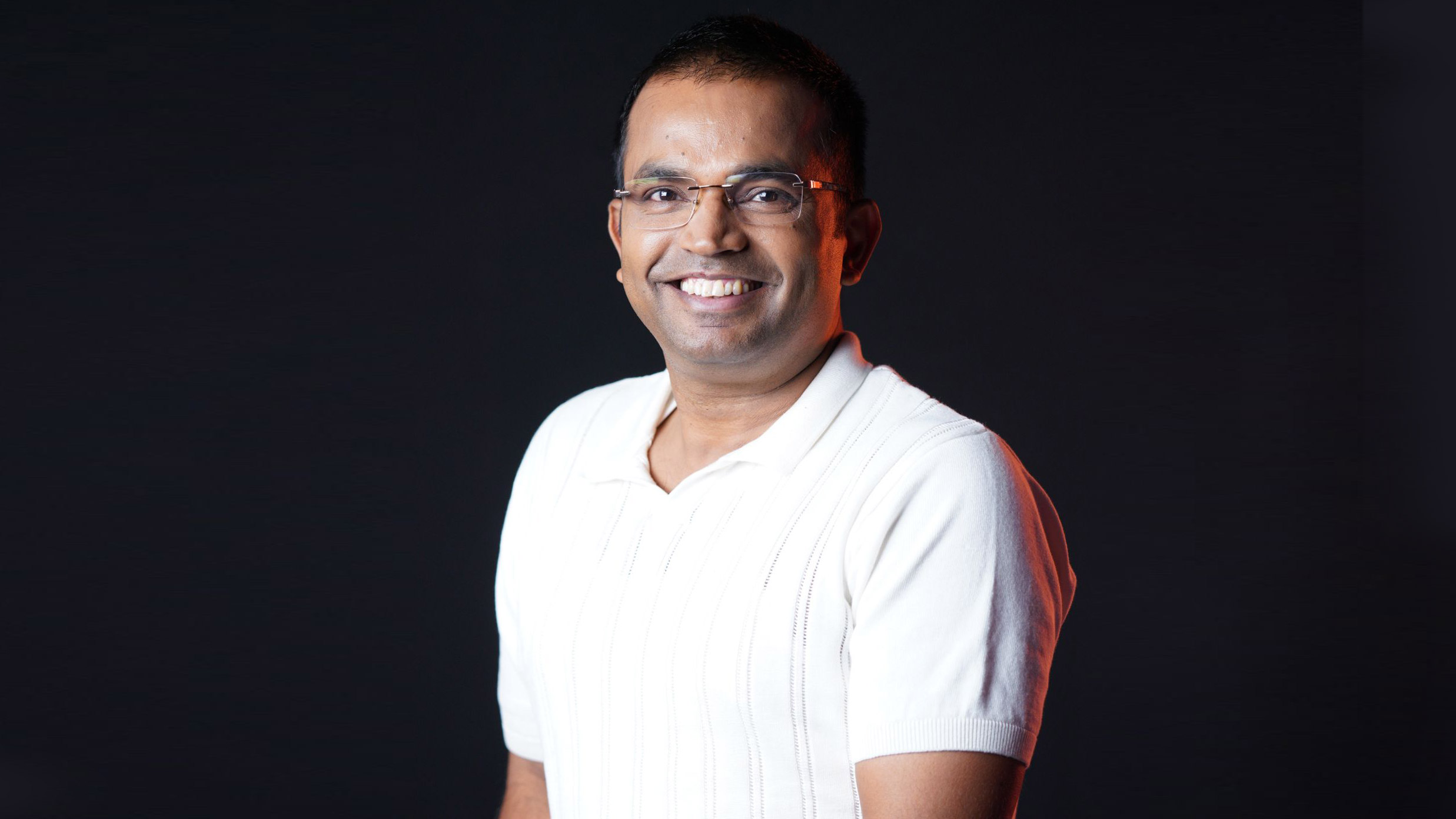
    MUMBAI: If money talks, Jupiter Money just made a power move by bringing banking veteran Akhilesh Jha into the conversation. In a strategic hire that signals its next phase of growth, Jupiter Money has appointed Akhilesh Jha as senior vice president for banking and partnerships. With over 20 years of experience in retail banking and digital strategy most recently as head of retail banking portfolio at DBS Bank Jha steps in to amplify Jupiter’s push toward becoming India’s go-to money platform.

    At a time when fintechs are rewriting the rules of personal finance, Jupiter’s move shows it’s doubling down on what it does best: combining digital ease with meaningful banking experiences. In his new role, Jha will lead the charge on deepening collaborations with banks and financial institutions, helping Jupiter scale its offerings across savings, credit, and payments.

    “We are building a platform that simplifies money for millions of Indians,” said Jupiter Money president, Rohit Kumar Pandey. “Akhilesh brings the perfect mix of legacy banking and fintech edge. As we grow, his insight will be vital in shaping impactful partnerships.”

    Jha echoed the sentiment, noting the “mutually beneficial ecosystem” that fintech-bank alliances can create. “Customers get intuitive, digital-first products; banks unlock new channels and revenues; and Jupiter becomes the bridge that makes it happen,” he said.

    The announcement comes at a time when Jupiter Money is riding strong tailwinds. In the last quarter alone, it secured key regulatory clearances, expanded its credit footprint, and maintained steady user growth. With an eye on Tier 2 and Tier 3 cities, the company is working to unlock financial access for underserved digital users.

    Jupiter’s product suite already includes an all-in-one savings account (powered by Federal Bank), a Rupay credit card with CSB Bank that integrates with UPI and offers cashback, and an upcoming prepaid wallet after receiving RBI nod. Jha’s appointment adds muscle to Jupiter’s ambition of turning its platform into a full-stack, digital-first banking experience, one that’s as easy as it is empowering.

    As Indian consumers grow savvier and seek smarter ways to manage their money, Jupiter Money’s latest leadership bet might just prove that experience is, in fact, the best investment.

  • Fintech disruptor Ambarish Kenghe takes the helm as Angel One’s group CEO

    Fintech disruptor Ambarish Kenghe takes the helm as Angel One’s group CEO

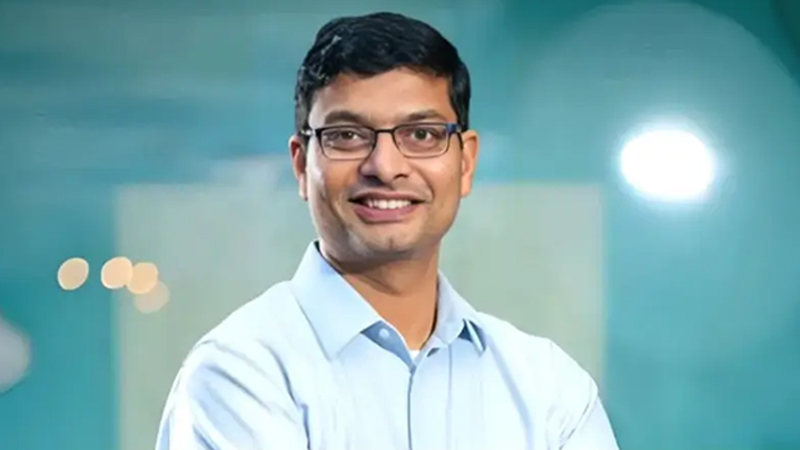
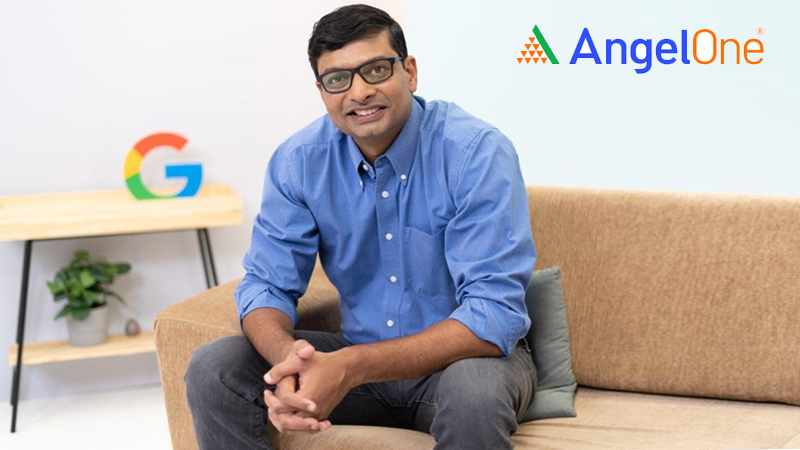
    MUMBAI: Fintech just got a major shake-up. India’s largest listed retail stock broking house, Angel One has roped in Ambarish Kenghe as its new group chief executive officer. The announcement, originally made on 13 January 2025, marks a defining moment for the company as it gears up for an era of digital transformation and hyper-growth.

    A powerhouse in product innovation, digital transformation, and business scaling, Kenghe has built a career at the intersection of technology and finance. Before stepping into Angel One, he made waves at Google Pay APAC as VP & general manager, spearheading the platform’s expansion and strengthening India’s UPI ecosystem. Ever tapped your phone to pay for chai? You might just have him to thank.

    But Kenghe’s influence extends beyond payments. At Google, he played a pivotal role in the launch of Chromecast and the development of Google TV. Prior to that, he revolutionised the fashion e-commerce space as chief product officer at Myntra, where he championed AI and machine learning-driven personalisation.

    His journey through the tech world doesn’t stop there. Kenghe has flexed his strategic muscles at Bain & Company in San Francisco and tackled high-speed switching technologies as an engineer at Cisco Systems in San Jose. With four patents under his belt and an academic background that boasts an MBA from UC Berkeley, a master’s degree from Purdue University, and another from IIT Kanpur, he’s a certified innovator.

    Stepping into his role as group CEO, Kenghe is laser-focused on scaling Angel One’s product and technology portfolio, enhancing customer experiences, and ensuring the company continues leading the Fintech revolution.

    Angel One Chairman & MD Dinesh Thakkar expressed his excitement, “Ambarish’s appointment as group CEO marks an exciting new era for Angel One. With his proven track record of driving innovation and deep expertise in the industry, he is the visionary leader we need to propel us into our next chapter of growth. At Angel One, we believe strong leadership shapes the future of Fintech. Ambarish’s guidance will position us not only to keep pace with the ever-changing financial landscape but also to lead the charge in transforming how financial services are delivered, empowering our customers with groundbreaking solutions and unparalleled value.”

    Kenghe, in turn, shared his enthusiasm for the challenge ahead, “I am truly honoured to be part of Angel One, a brand that has been at the forefront of transforming India’s Fintech landscape. With its focus on innovation and customer-centricity, Angel One has built a strong foundation. I am eager to work with the talented team to drive the next phase of growth and empower users with advanced financial solutions.”

    As Angel One continues to disrupt the financial services industry, Kenghe’s arrival signals a bold new chapter.

  • Fintech POP appoints Navi’s Pancholi to head engineering

    Fintech POP appoints Navi’s Pancholi to head engineering

    MUMBAI: POP, the fintech startup targeting young Indian consumers, has appointed Chandresh Pancholi as its new head of engineering and product.

    Pancholi joins from Navi, where he served as director of engineering, leading a 90-person team that helped propel the company’s UPI payment application from 12th to 4th position in India’s competitive digital payments market.

    During his tenure at Navi, he oversaw several key initiatives including the development of a credit line on UPI with Karnataka Bank and a central abuse detection platform for UPI reward systems.

    Prior to Navi, Pancholi held technical leadership positions at Paytm and Flipkart, building considerable experience in India’s e-commerce and financial technology sectors.

    POP, founded in 2023 by former Flipkart executives, offers a rewards-based payment ecosystem where users earn “POPcoins” worth Rs 1 each for transactions made through its platform. The company is backed by India Quotient and several angel investors from the consumer internet sector.

    At POP, Pancholi will be responsible for scaling the company’s technical infrastructure and developing new product features as the startup attempts to challenge established players in India’s increasingly crowded digital payments market.

  • Angel One names Ambarish Kenghe as group CEO

    Angel One names Ambarish Kenghe as group CEO

    MUMBAI: Known affectionately in fintech circles as AK-no, not the Indian cinema stalwarts Anil Kapoor or Anurag Kashyap-Ambarish Kenghe is poised to script his own blockbuster.

    Angel One has unveiled its ace move, appointing Kenghe as group CEO effective March 2025, marking a bold step in its quest to revolutionise the fintech space. This leadership shake-up signals Angel One’s unyielding commitment to innovation, cementing its role as a trailblazer in the ever-evolving digital financial ecosystem.

    Kenghe is a renowned technology and product leader with a distinguished career spanning fintech, e-commerce, and consumer electronics. Most recently, as Google Pay APAC vice president & general manager, he played a critical role in expanding Google Pay’s footprint and strengthening India’s UPI ecosystem. He also contributed significantly to the development of Chromecast and Google TV.

    Before joining Google, AK served at Myntra as chief product officer, where he led AI/ML-driven innovations that transformed fashion e-commerce. Earlier in his career, he was a strategy consultant at Bain & Company in San Francisco and a high-speed switching engineer at Cisco Systems in San Jose. A prolific inventor with four patents, AK’s academic achievements include degrees from UC Berkeley, Purdue University, IIT Kanpur, and AMU.

    Expressing his enthusiasm for the new role, Kenghe said, “I am truly honoured to be part of Angel One, a brand that has been at the forefront of transforming India’s fintech landscape. With its focus on innovation and customer-centricity, Angel One has built a strong foundation. I am eager to work with the talented team to drive the next phase of growth and empower users with advanced financial solutions.”

    Angel One chairman & MD, Dinesh Thakkar welcomed Kenghe with optimism, stating, “Ambarish’s appointment as CEO marks an exciting new era for Angel One. With his proven track record of driving innovation and deep expertise in the industry, he is the visionary leader we need to propel us into our next chapter of growth. At Angel One, we believe strong leadership shapes the future of fintech. Ambarish’s guidance will position us not only to keep pace with the ever-changing financial landscape but also to lead the charge in transforming how financial services are delivered, empowering our customers with groundbreaking solutions and unparalleled value.”

    Angel One continues to drive the fintech revolution, with this leadership appointment reflecting its commitment to providing groundbreaking, customer-centric financial solutions.

  • Inside Cashfree Payments’ Move Fast refresh with Aditi Olemann

    Inside Cashfree Payments’ Move Fast refresh with Aditi Olemann

    MUMBAI: Remember the days of frantic scrambles for exact change with rickshaw drivers, the despair of handing over a Rs 500 note, and the resigned sigh when left without small notes? Then came the game-changer: Unified Payments Interface (UPI), India’s very own digital savior, swooping in like Superman to transform not just transactions but lives — everyday payments into seamless, one-tap solutions. Life has since taken a fast track to convenience, where paying for chai or groceries no longer requires mental mathematics.

    Fast forward to 2024, India’s fintech market is now a behemoth, estimated at an eye-watering $111.14 billion, with projections soaring to  $421.48 billion by 2029 at a CAGR of 30.55 per cent, according to Mordor Intelligence. It’s a story of rapid growth, innovation, and a market ripe with opportunities.

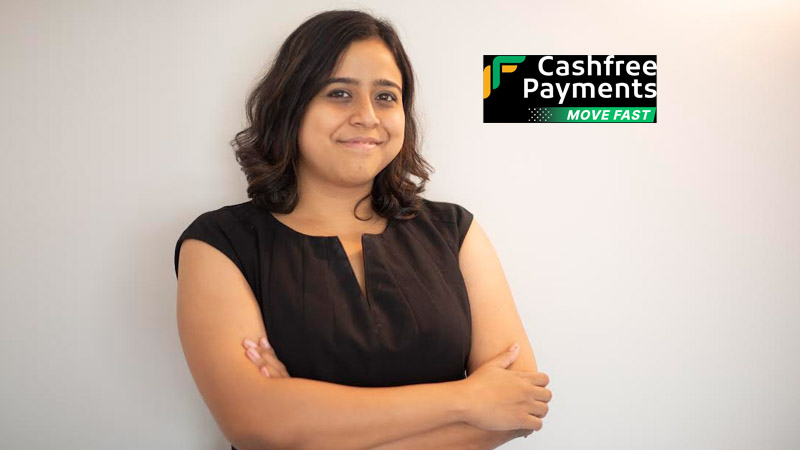
    Amid this transformative boom stands Cashfree Payments, a trailblazer reshaping how India transacts. With a bold new tagline, “Move Fast”, and a high-octane marketing campaign featuring the versatile Rajkummar Rao (insights in our exclusive earlier piece), Cashfree Payments is running at full throttle to define the future of payments. In an exclusive conversation with Indian Television’s Sreeyom Sil, Cashfree Payments, head & senior director of marketing, Aditi Olemann, dives deep into the strategy, the vision, and the high stakes behind staying ahead in this competitive space.

    From nostalgia to numbers, from convenience to cutting-edge marketing, this tete-a-tete with Olemann is your front-row ticket to behind the scenes of the campaign, offering a glimpse into how the brand is shaping India’s payment future.

    Curious?

    Read on for a story of speed, strategy, and a little bit of magic in the world of fintech.

    Edited excerpts

    On the reasons why Cashfree Payments chose “Move Fast” as its new tagline.

    Since our inception, we’ve prioritised building a future-proof digital payments ecosystem. Speed, security, and seamlessness have always been at the heart of our operations. Over the past decade, we’ve observed that businesses consistently value speed—whether it’s onboarding, transactions, or resolving issues. “Move Fast” encapsulates our commitment to empowering businesses with the agility they need to thrive. This tagline reflects our vision to be a catalyst for growth in a fast-paced, digital-first economy.

    On what led to the selection of  Rajkummar Rao –  who seems like an unconventional choice for a fintech brand. 

    Rajkummar Rao exemplifies versatility, reliability, and boldness—qualities that mirror our ethos. His career is a testament to taking calculated risks, challenging norms, and delivering impactful performances. At Cashfree Payments, we strive for the same—redefining the fintech landscape with innovative solutions that solve real-world challenges. Rajkummar’s journey aligns perfectly with our narrative of breaking boundaries to create meaningful change. His dynamic persona brings authenticity and energy to our campaign, making the message resonate deeply with our audience. 

    Rajkumar Rao

    On how messages are being tailored to different platforms and channels.

    Our multi-channel strategy is designed to engage diverse audiences effectively. Collaborating with OML and our internal teams, we’ve created a campaign spanning OOH, digital, social, and print media. For instance, hoardings in startup hubs like Bangalore, Gurugram, and Mumbai target budding entrepreneurs, while digital and social media focus on engaging tech-savvy audiences. Each channel conveys our core message of “Move Fast” while adapting its tone and delivery to suit specific segments, ensuring maximum recall and impact.

    On some behind-the-scenes insights into the making of the corporate film.

    The corporate film encapsulates our brand’s promise of empowering businesses with speed and agility. Featuring Rajkummar Rao, it combines high-energy visuals with relatable storytelling to depict real-world business scenarios. Our goal was to create a film that is both informative and engaging. Every aspect, from scripting to visuals, was meticulously crafted to highlight our offerings—seamless onboarding, smooth transactions, and unparalleled support. The film reflects the passion and dedication of our team and beautifully conveys the essence of “Move Fast.”

    On the  specific challenges Cashfree Payments address for businesses.

    Businesses face hurdles like delayed issue resolution, fraud risks, and complex compliance requirements. At Cashfree Payments, we tackle these challenges head-on. Our dedicated support teams ensure industry-leading resolution times, while tools like Risk Shield offer proactive fraud monitoring. Additionally, real-time compliance updates keep businesses ahead of regulatory requirements. Our approach blends cutting-edge technology with personalised service, enabling businesses to resolve issues swiftly and focus on scaling their success.

    On how the campaign bridges the gap between startups and large enterprises.

    Our solutions cater to over six lakh merchants, ranging from startups to large enterprises. For startups, we emphasise simplicity and speed, providing seamless onboarding and intuitive tools. For larger businesses, we focus on advanced capabilities like payment orchestration and fraud monitoring. The “Move Fast” campaign unifies these offerings under a single, impactful message. By showcasing our adaptability and commitment to all business sizes, we aim to reinforce trust and drive adoption across the spectrum.

    On the KPIs that  will measure the success of this brand refresh.

    In the short term, we are focusing on increased brand recall and consideration. Over the long term, key metrics include adoption rates of new services, customer retention, and revenue growth. These KPIs will help us gauge the campaign’s effectiveness in enhancing visibility and delivering sustained value to the business.

    On how the campaign simplifies complex fintech concepts for non-technical stakeholders.

    We’ve made a conscious effort to translate technical advantages into tangible outcomes that resonate with all stakeholders. For example, faster settlements improve cash flow, while seamless integrations enhance operational efficiency. The campaign uses real-world scenarios and relatable narratives to demonstrate these benefits, ensuring clarity and impact.

    On how the brand refresh prepares Cashfree Payments for long-term growth.

    This refresh solidifies our position as an agile and forward-thinking partner in the fintech space. By emphasising speed, reliability, and innovation, we’re well-equipped to navigate regulatory changes, technological advancements, and evolving customer expectations. It’s a strategic step towards ensuring resilience and sustained growth in a competitive digital economy.

  • National Payments Corp launches campaign for its Rupay mobility card

    National Payments Corp launches campaign for its Rupay mobility card

    MUMBAI: It’s bringing out all its aces in a bid to create awareness and boost adoption of its card. Retail payment and settlement body National Payments Corp of India (NPCI) has launched a campaign, “RuPay On-The-Go,” which is promoting its pre-paid RuPay National Common Mobility Card (NCMC). This campaign showcases the RuPay NCMC as the ultimate payment solution for seamless transit, offering unmatched speed, convenience, and user-friendliness.

    The RuPay NCMC is a payment solution that addresses the challenges of India’s transit ticketing systems. With its unified, open-loop, and interoperable design, the card consolidates payments for metro, bus, tolls, parking, and retail into a single, seamless solution. With the stored value function, travelers enjoy swift, offline transactions, ensuring a quick and uninterrupted journey, even without internet connectivity. The card can be used for travel  on metros in cities like Mumbai, Delhi, Bengaluru, Chennai, Ahmedabad, and Kanpur, as well as bus services in cities like Mumbai, Guwahati, Haryana, Jammu, Srinagar, Himachal and Aurangabad.


    Rupay on the go pre-paid card

    The RuPay On-The-Go new ad uses a clever tactic asking users to flip the ad which has two cards featured upside alongside each other to clearly communicate that it’s easy to use across different modes of transport. It highlights RuPay NCMC’s role as the ideal companion for dynamic individuals who value time and efficiency through its  multimodal utility across metros and buses. The contactless symbol on RuPay cards reinforces its association with public transit, while the card’s versatility as both a transit and payment solution, cements its position as a go-to choice for modern, on-the-move lifestyles.

    NPCI chief of products Kunal Kalawatia highlights that the card offers a quick and convenient transit payment solution.He adds: “It’s not just a payment method, it’s a lifestyle enabler. Designed for those who push boundaries and demand more from every moment, this campaign positions RuPay as the perfect partner for efficient and seamless transit. By expanding this contactless payment option across metros and buses, we are committed to making the daily commute smoother for millions across the country.”

    NPCI is the leading authority for retail payments and settlement systems in the country, having revolutionised the way payments are made with its robust infrastructure and innovative products like RuPay, IMPS, UPI, BHIM, AePS, NETC, and Bharat Connect.

    For further information on obtaining a RuPay NCMC, users can visit participating banks, metro stations, or designated transport offices to get started on their seamless transit journey. 

  • GUEST ARTICLE: Thinking about data ownership in the web3.0 world

    GUEST ARTICLE: Thinking about data ownership in the web3.0 world

    Mumbai: It has been almost two decades since we saw the rise of the internet and various applications like Facebook, Twitter, Gmail, etc. They have brought a revolutionary change in everyone’s lives. From sending messages or doing a video call, there is a powerful solution available for everything. But even though they solve major problems, there is one major concern: user data.

    Data ownership and web2.0: Introduction 

    Most of the applications we use today store a huge amount of data on their servers to design advanced models and algorithms to show advertisements and information. This information includes not only your name and email address but also the posts you read, advertisements you click, and so on. To be more precise, although you can use such applications for free today, you are giving a huge amount of data to the companies in return.

    This has raised several concerns related to data privacy and preservation. As per the recent survey done by termly.io, in 2013, hackers breached Yahoo’s systems and stole information from over three billion accounts. However, the information did not include any sensitive figures like payment data or bank account numbers.

    Likewise, in March 2021, hackers scraped data from Facebook and exposed 533 million users’ information from all across the world. This has all the important information like user locations, biographical, etc. 

    But with constant technological improvements and the emergence of concepts like web3.0, there has been a new gleam of hope seen among everyone, which would return the data ownership to the users.

    Data ownership and web3.0

    By leveraging blockchain, web3.0 addresses several storage, centralisation, and data ownership concerns. Web3’s architecture does not use centralised servers to store data, but rather a large group of nodes spread across the globe.

    Such nodes act like a bridge for the exchange of data between the decentralised applications and end users. A large number of decentralised applications are non-custodial and community-governed. Also, it secures all intellectual property rights algorithmically, giving users a true experience of data ownership. However, the underlying blockchain makes the process quite transparent and preserves privacy through advanced cryptographic algorithms.

    How does web3 achieve its goal of sovereignty over user data and privacy?

    Web3 utilises some of the most advanced features of blockchain and distributed ledger technology to protect users’ data and privacy.

    Encryption: Every asset, message, or even financial transaction is encrypted. Encrypted data is only accessible by decrypting it and requires private keys.

    Private Keys: A private key is like your UPI pin, cryptographically made. It proves data ownership, digital identity, and the blockchain public address.

    Authenticity: With private keys, users own their data and have the absolute right to share it. Users can leverage all the benefits from the data collected and profit earned from assets.

    New ways of consuming data without compromising users’ control over it

    For example, if user data were democratised, big corporations and users would be able to profit together. Recently, there was a conflict of interest between Apple and Meta-related user data.

    Apple has given a choice to users to share data or not. Individual users’ ability to choose whether or not to share their data has no bearing on any small-scale business seeking to advertise to a specific audience.

    Further, there could be a decentralised marketplace where small-scale businesses could pay the communities for their data exchange instead of paying large entities like Facebook for the same information. This would provide a new source of income for the community members.

    Internet data is not just about making great profits or advertising. There is also a segment of people who collect data, not for profit but to invest in something new. Researchers and surveyors often look for user data to support their research or an invention.

    If we could monetise the data, it would help the users earn some passive income and motivate them to increase the amount of data available to work for the betterment of society and research.

    One such great example is credential data networks. The credential data network allows developers to build better products and communities. It opens up a collaborative infrastructure for users to get rewards where their credentials are used. This helps users earn income and build a large data network.

    Challenges while adopting web3 for data ownership

    Web3 has opened up numerous opportunities but is still in the work-in-progress stage. There are a lot of challenges and hurdles coming up while adopting decentralised applications, bringing a revolutionary paradigm shift in how we consume the internet. One such challenge is regulation. It isn’t easy to regulate things in web3.0. Several experts believe it would open up new ways of conducting cybercrime and online abuse, among several other things.

    Secondly, the user wallets that store account information like private keys have a bad user experience, and it is difficult to understand their usage by any layman. It is difficult for people to understand the terminologies of wallets, gas fees, keys, and much more. A lot of work is needed to onboard users and help them learn such concepts.

    What does the future look like with web3?

    The internet is constantly evolving, and recently many issues have come up regarding the safety of users’ data. Web3 opens up new opportunities for people to control their data by leveraging credential data networks and decentralised social graphs. Products like Soclly are leveraging a decentralised social graph called the lens protocol to revolutionise social media applications.

    The decentralised architecture stores data across numerous scattered ledgers. This eventually reduced the chance of hacking and gaining access to the data significantly. Not only this, but it also gives the opportunities to the users to own their data rather than centralised companies such as Meta and Google to own them. In a nutshell, this new age technology will bring a bright future for internet users to own and control their data.

    The author of this article is Soclly co-founder Prayag Singh.

  • Transak launches full suite of services in India

    Transak launches full suite of services in India

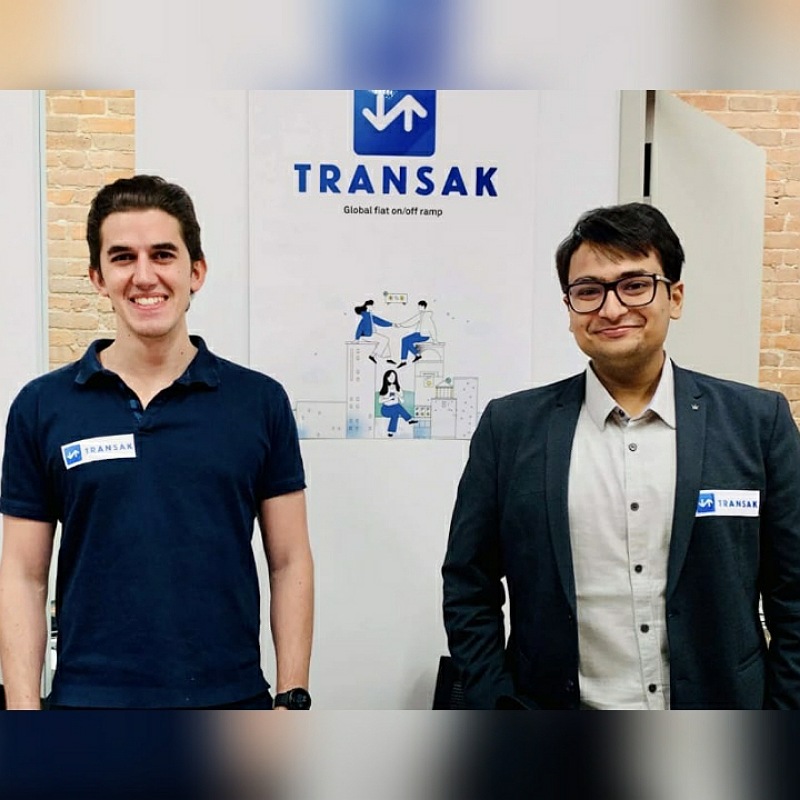
    Mumbai: Transak has announced that it is launching its full suite of services to India with the roll-out of UPI payment integration on platforms including Metamask, Ledger, Decentraland, WazirX NFT, Terra Station, Anchor, BitYard and Hiro.

    Transak provides a single integration for applications to accept fiat-to-crypto deposits and withdrawals from a global user base. It has enabled API-driven fiat payment methods across 100+ countries and with crypto assets on 30+ blockchains through partnerships with Web3 players including Polygon, MetaMask, Trust Wallet, WazirX NFT, Edge Wallet, Decentraland and 100+ applications.

    Founded by Sami Start and Yeshu Agarwal in 2019, Transak’s mission is to make web3 applications accessible. In January, Transak celebrated an all-time high $71 million in volume and hit a record $3.3 million in organic transaction volume in a day.

    “India has shown an incredible appetite for web3 applications and innovation alike. We are thrilled to extend our support towards taking this momentum to the next level by empowering Indian Web3 developers to create a smoother and seamless onboarding experience for their users. With Transak, Indian dApps can become apps making adoption easier than ever,” said Transak co-founder Sami Start.

    “India has always been a priority market for us and we have had the fortune to work with some of the biggest Web3 innovators in India including Polygon, MetaMask, WazirX and more,” said Transak co-founder Yeshu Agarwal. “We are looking to solidify our India presence tremendously by expanding both our partnerships and India team with 150+ open positions across different functions.”  

    “We at Polygon are committed to driving Web3 adoption across the world. Our approach to scaling Ethereum improves the network’s transaction processing speed and tremendously reduces gas fees, removing significant barriers for Web3 developers, leading to 7000+ dApps on Polygon today,” said Polygon VP of growth Arjun Kalsy. “However, Web3 developers still struggle with adoption as currently the onboarding requires existing crypto currency in users’ wallets and complicated fiat to crypto transactions. Transak’s on-ramp infrastructure effectively solves this. We are excited for their India launch and UPI integration.”

  • PhonePe goes all out for IPL 2021, inks 6 different sponsorships

    PhonePe goes all out for IPL 2021, inks 6 different sponsorships

    KOLKATA: In a bid to drive its reach and growth, digital payments platform PhonePe is betting big on the IPL by taking up six different sponsorships for this year’s edition. Besides being the official co-presenting partner for the television broadcast of IPL 2021 on Star Sports Network, PhonePe is also the associate sponsor for the digital broadcast of the league on Disney+ Hotstar. Additionally, the fintech start-up is also bankrolling four IPL franchises – Mumbai Indians, Chennai Super Kings, Royal Challengers Bangalore, and Delhi Capitals.

    This is the third year in a row that PhonePe is co-sponsoring IPL as the league continues to be the biggest sporting event in India, offering its advertising partners considerable national reach. This year, however, its IPL campaign will run equally aggressively across multiple platforms including TV, digital and social media platforms. 

    In the biggest-ever marketing push for the brand, its marketing interventions will run through the year with a focus on the upcoming IPL 2021. The crux of the marketing activities will largely be on expanding the user base from 280 million currently to 500 million by December 2022 and drive preference for PhonePe among millions of new-to-digital users.

    PhonePe founder & CEO Sameer Nigam said, “We are kicking off our most aggressive national marketing campaign ever, starting with IPL 2021 next month. We have invested even more heavily on IPL this year, taking up six different sponsorships. As the category leader, it is our vision as well as our ambition to bring digital payments to every Indian household. Our aggressive marketing efforts are in line with this strategic priority.”

  • WhatsApp Pay goes live in India

    WhatsApp Pay goes live in India

    KOLKATA: In what could be a turnaround for India’s payments market, WhatsApp Pay has gone live today. WhatsApp’s parent company Facebook has been developing the payment feature for a while now, but regulatory hurdles were not easy to overcome.

    The WhatsApp payment feature has been designed in partnership with the National Payments Corporation of India (NPCI) using the Unified Payment Interface (UPI). To carry out transactions via the messaging app in India, it’s necessary to have a bank account and debit card. WhatsApp sends instructions to banks that initiate the transfer of money via UPI between sender and receiver bank accounts. People can send money on WhatsApp to anyone using a UPI supported app.

    The Indian digital payments market is already saturated with homegrown platform Paytm, big players like Google Pay, PhonePe, Amazon Pay, as well as a dozen other start-ups. But an enormous growing user base of 400 million, and a market value projected to reach $1 trillion in the next three years inspires confidence of having more than a fighting chance among new entrants like WhatsApp. Plus, the messaging app already enjoys immense popularity in the country, which also happens to be its largest market.


    “In the long run, we believe the combination of WhatsApp and UPI’s unique architecture can help local organizations address some of the key challenges of our time, including increasing rural participation in the digital economy and delivering financial services to those who have never had access before,” the company stated in a blog post.

    Just like every feature in WhatsApp, payments is designed with a strong set of security and privacy principles, including entering a personal UPI PIN for each payment, the app’s developers added. Payments on WhatsApp is now available for people on the latest version of the iPhone and Android app.