Tag: Unique

  • HDFC ERGO’s launches unique on-ground activation

    HDFC ERGO’s launches unique on-ground activation

    MUMBAI: HDFC ERGO General Insurance, India’s 4th largest private sector general insurance company, recently executed an innovative multiplex campaign which was a mix of online & on-ground activation at PVR Cinemas. The campaign was focused on HDFC ERGO’s Motor Insurance policy which can be bought or renewed through the company’s mobile website anytime, anywhere.


    This unique activation was executed during the opening weekend of Amir Khan starer blockbuster – Dhoom 3 screening at PVR Cinemas. The concept saw a person from the audience surprisingly walking into the big screen and coming back  to his seat enjoying the movie with other audience.


    Storyboard:


    On the onset of the ad, a host on big screen reads out a car number to find out the owner, and invite him on-screen to discuss something important. One of the guy in the audience identifies the said car number as his car and he walks towards the big screen. Suddenly audience sees him on the big screen with the host.  He is than reminded about his motor insurance policy which will lapse in a matter of hours and how he instantly renewed it with the help of HDFC ERGO’s mobile website.
     

    HDFC ERGO managed to perfectly synchronize the entire activation with the live crowd present at the cinema hall, capturing all natural audience reactions which holds the thrill.


    The campaign immediately caught the audience attention while simultaneously delivering its core message of renewing motor insurance policy instantly on HDFC ERGO mobile website. The campaign, once uploaded, immediately went viral and managed to garner an incredible 7.14 Lacs hits in 7 days on youtube.

    Bindi Thakkar, Vice President, Marketing & Corporate Communication says, “The campaign was innovatively conceived to connect with the customer and create buzz with curiosity. This is one of our first viral campaigns to receive such overwhelming response on our YouTube channel within few hours of its upload. We are confident that the campaign would be a great success across geographies thus creating better brand awareness.”


  • Zee Media launches unique crime show

    Zee Media launches unique crime show

    NEW DELHI: Crime Reporter, a new series dealing with crime cases, is being released by Zee Media.

    Naveen Kumar, a seasoned investigative journalist would take the mantle of anchoring this show.

    The new show is unique in its own way as it not only highlights the crime stories but also educates the audience and creates awareness on how to fight back crime.

    Crime Reporter will be featured on Zee News, Zee Uttar Pradesh Uttarakhand and Zee Madhya Pradesh Chhattisgarh from Monday to Friday at 11.00 pm and on Zee Rajasthan Plus at 11:30 pm.

    Crime Reporter will showcase real crime stories without sensationalising it and focusing more to create awareness amongst viewers.

  • ‘Madras Café’ is a spy thriller that pays unique tribute to the armed forces

    ‘Madras Café’ is a spy thriller that pays unique tribute to the armed forces

    NEW DELHI: Madras Café, a film named after a South Indian destination soon after Chennai Express, is to be released on 23 August.

    The film has been produced by Viacom 18 Motion Pictures, JA Entertainment and Rising Sun Films, and directed by the award-winning Shoojit Sircar.

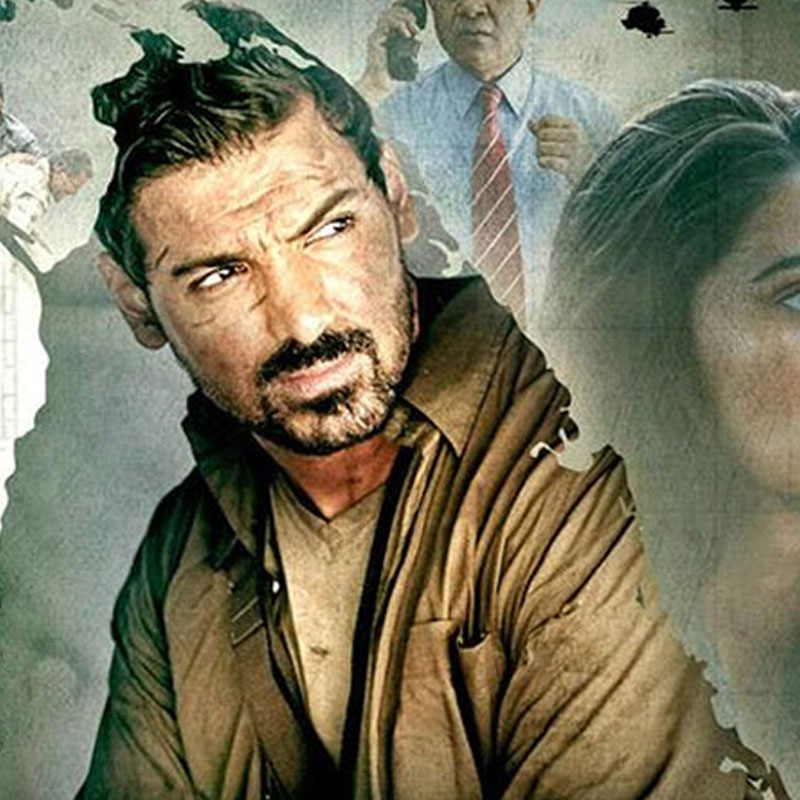
    The trailer of the political espionage thriller was launched in the presence of the director, the film‘s lead John Abraham and co-star Nargis Fakhri amidst a complete army set-up with ammunition, maps, sandbags and the works.

    Talking about the film, director Sircar said: “Madras Cafe is an intense political spy thriller. Since it is the first time I am tackling the subject, over three years of research went into it -It has been my most challenging film this far. Though the film is fictional, it has several references from real episodes.

    Producer and actor John Abraham said, “Madras Café has been my dream project and we‘ve been in discussions for years over the subject – We‘ve worked extremely hard on the film and are satisfied with the outcome – What I can assure you is audiences will be talking about the film even after they‘ve stepped out of the theatre… it is a high-on-content, thought provoking film”


  • Unique Tent theatre gives feel of early silent cinema halls

    Unique Tent theatre gives feel of early silent cinema halls

    NEW DELHI: A unique aspect of the Centenary of Indian cinema held in the capital was a make-shift mini-theatre named ‘Thambu Cinema‘ and housed in a tent-shaped Gulshan Mahal in the lobby of the Siri Fort Auditorium. The Thambu Cinema saw houseful screenings everyday even though the films screened were all from the silent era. Gulshan Mahal is the name of the building in Mumbai in which the Museum of Cinematic Arts is coming up.

    Film Division Zone‘s Picture Palace called Gulshan Mahal had a seating capacity of twenty five (on durries and benches) in a specially erected tent within the ambiance of the larger exhibition evoking an experience of the silent cinema. When the first moving pictures arrived, the world was not ready with cinema houses to show them, so tents were erected in open areas for the public at large. The tents were grandly called Picture Palaces, according to film historian Amrit Gangar who curated this section.
     
    Jamshetji Framji Madan, a Parsi entrepreneur was fascinated by the new invention and he ordered projectors from Pathe. With the projectors he set up regular ‘bioscope‘ shows in tents at key points in Calcutta, including the Maidan. In Bombay‘s Azad Maidan also such tents were set up. While tents, cinemas in the cities were becoming fairly common, small towns and villages where most of Indian population lived, were untouched by the ‘new wonder‘. But soon tents reached there with travelling theatre companies. And so did the moving picture, the cinema.

    One of the earliest itinerant showmen was Abdulally Essoofally, who in 1901, travelled from one Asian country to another. His travelling outfit included a projector, some cans of films, a folding screen and a tent. Sometime his tent was large enough to accommodate1000 people. Between 1908 and 1914, Abdulally‘s touring cinemas had covered most parts of India.

    Some of the films shown were Shri Krishna Janma (1918), Lanka Dahan (1917), Kaliya Mardan; and Raja Harishchandra by the father of Indian cinema, D G Phalke; Gulami nu Patan (Fall of Slavery) (1931) by Shyam Sundar Agarwal; Banga Darshan, Diler Jigar (Gallant Hearts) (1931) by G P Pawar; The Light of Asia (1925) by Franz Osten; and two quickies Watan ki Abru and Hum Ek Hain.