Tag: Union Budget 2017

  • Top M&E industry honchos see no major benefit from Budget ’17

    Top M&E industry honchos see no major benefit from Budget ’17

    MUMBAI: With the Union Budget’s focus on rural and infrastructure sectors, the media and entertainment (M&E) industry seems to be disappointed as the budget does not offer much. Though the sector is hoping to get some benefit through the digital push mentioned in the budget, expectations were high as the budget overlooked the sector even in the previous two budgets.

    No clarity on foreign direct investment (FDI) policy, goods and services tax (GST), no further reduction in the service tax, no direct benefit for the digital ecosystem, MSOs, telecom, and many such misses has upset the M&E industry at large.

    Impetus on digital payments and transactions will eventually help the OTTs/VoDs platforms subscription model. The government’s move to abolish Foreign Investment Promotion Board (FIPB) is believed to make it largely easier for foreign investors to invest in Indian companies.

    Reliance Broadcast Network Limited

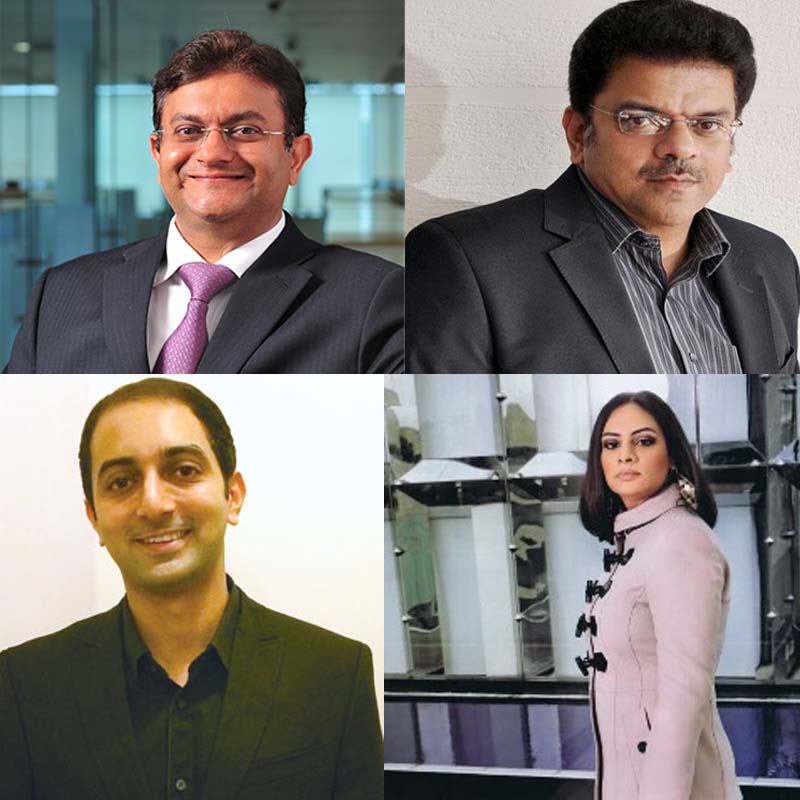
    Reliance Broadcast Network (RBNL) CEO Tarun Katial said, “Budget 2017 is Neutral for the M&E sector although the consumption centric budget will put more money in the pocket of the common man and hence help the advertising and broadcast industries. Radio broadcast industry has requested specific policy measures like five per cent GST rate, reduction in custom duty for capex, etc and we look forward to the announcements when the GST rates are announced.”

    Mukta Arts 

    Mukta Arts MD Rahul Puri asserted, “The Union Budget this year has focused more on uplifting some of India’s poorest sections of society. While this year again the media and entertainment sector has been overlooked, however some announcements will definitely help our industry in many ways. Setting up the cyber security teams will help fight piracy, similarly, the government’s push towards Internet penetration in rural markets will help increase content consumption and increase the audience base. Further the abolishment of FIPB will make it easier for foreign investors to invest in Indian companies.”

    Worldwide Media 

    Worldwide Media CEO Deepak Lamba added, ‘’The Union Budget 2017 announced today, doesn’t include much on the  M&E sector, however there are some points that will have a positive impact on our industry. The budget reinforced India’s huge shift towards digitization especially with the proposed deployment of high optic cables to increase internet penetration in rural India. This is a big positive for content creators like us, as it will boost the digital content consumption across online and mobile platforms. Further impetus on digital payments and transactions will eventually help the subscription model. Also, the government’s move to abolish FIPB to make the inflow of FDI smoother and to consider liberalization of the FDI policy will have a positive impact for players across sectors in the long run.”

    KSS Limited (K Sera Sera)

    KSS Limited group CEO and KSS Digital Cinema CEO Rahul Kanani added, “The Union Budget 2017 introduces the abolition of the Foreign Investment Promotion Board which is a positive step leading to inducing more foreign studios investment in India. More investments coupled with technological upgradation will certainly be a boon for the Indian film industry. Further, with the digital transactions getting a boost the industry especially single screen businesses which have suffered hugely because of the recent demonetization will help get a push.”

    Pixel Pictures 

    Pixel Pictures CEO Prashanti Mallisetti said, “The budget on the onset looks quite positive and is in-line with the recent reforms. Though there are no major takeaways for any industry in particular that can affect a trajectory movement – the curb on cash transactions of 3 Lakhs is the one that is going to be a predominant factor in the demonetization short term scenario. More clarity in GST would have been great, but I guess we have to wait for that a little longer.”

    Dome Entertainment

    Dome Entertainment’s Mazhar Nadiadwala added, “GST would be implemented on the entertainment and events industry, and this would unify the indirect tax administration in India and help the country in two ways. Firstly, it will simplify and make it easy for the consumers to understand. Secondly, it will ease doing business in India. Also, application of GST will result into growth of the country and there will be transparency in the transactions. Under GST, service tax or state tax will be available as a credit which will reduce overall costs and eliminate dual levies of service tax and VAT on transactions. However, every coin has two sides, at one end where we have advantages of GST, on the other end certain businesses will face initial challenges, especially the ones who use traditional methods for transactions.”

    ActorsApply.com 

    An ActorsApply.com spokesperson said, “Government’s proposed reduction in the income tax for smaller organisations will add to the agenda of Startup India thereby expanding the scope for aspiring start ups. Also, the plan to provide a seven-year tax relief will help startups to overcome the losses incurred post demonetisation. The increase in time frame from 5 to 7 years for profit linked deductions was a much needed move specially for emerging start ups. The budget also levelled India’s huge shift towards digitization supporting it with the announcement of use of optic fibre cables for high-speed broadband connectivity in rural areas. This will mean increased Internet penetration through mobile and online mediums thereby boosting the start up sector overall.”

  • Top M&E industry honchos see no major benefit from Budget ’17

    Top M&E industry honchos see no major benefit from Budget ’17

    MUMBAI: With the Union Budget’s focus on rural and infrastructure sectors, the media and entertainment (M&E) industry seems to be disappointed as the budget does not offer much. Though the sector is hoping to get some benefit through the digital push mentioned in the budget, expectations were high as the budget overlooked the sector even in the previous two budgets.

    No clarity on foreign direct investment (FDI) policy, goods and services tax (GST), no further reduction in the service tax, no direct benefit for the digital ecosystem, MSOs, telecom, and many such misses has upset the M&E industry at large.

    Impetus on digital payments and transactions will eventually help the OTTs/VoDs platforms subscription model. The government’s move to abolish Foreign Investment Promotion Board (FIPB) is believed to make it largely easier for foreign investors to invest in Indian companies.

    Reliance Broadcast Network Limited

    Reliance Broadcast Network (RBNL) CEO Tarun Katial said, “Budget 2017 is Neutral for the M&E sector although the consumption centric budget will put more money in the pocket of the common man and hence help the advertising and broadcast industries. Radio broadcast industry has requested specific policy measures like five per cent GST rate, reduction in custom duty for capex, etc and we look forward to the announcements when the GST rates are announced.”

    Mukta Arts 

    Mukta Arts MD Rahul Puri asserted, “The Union Budget this year has focused more on uplifting some of India’s poorest sections of society. While this year again the media and entertainment sector has been overlooked, however some announcements will definitely help our industry in many ways. Setting up the cyber security teams will help fight piracy, similarly, the government’s push towards Internet penetration in rural markets will help increase content consumption and increase the audience base. Further the abolishment of FIPB will make it easier for foreign investors to invest in Indian companies.”

    Worldwide Media 

    Worldwide Media CEO Deepak Lamba added, ‘’The Union Budget 2017 announced today, doesn’t include much on the  M&E sector, however there are some points that will have a positive impact on our industry. The budget reinforced India’s huge shift towards digitization especially with the proposed deployment of high optic cables to increase internet penetration in rural India. This is a big positive for content creators like us, as it will boost the digital content consumption across online and mobile platforms. Further impetus on digital payments and transactions will eventually help the subscription model. Also, the government’s move to abolish FIPB to make the inflow of FDI smoother and to consider liberalization of the FDI policy will have a positive impact for players across sectors in the long run.”

    KSS Limited (K Sera Sera)

    KSS Limited group CEO and KSS Digital Cinema CEO Rahul Kanani added, “The Union Budget 2017 introduces the abolition of the Foreign Investment Promotion Board which is a positive step leading to inducing more foreign studios investment in India. More investments coupled with technological upgradation will certainly be a boon for the Indian film industry. Further, with the digital transactions getting a boost the industry especially single screen businesses which have suffered hugely because of the recent demonetization will help get a push.”

    Pixel Pictures 

    Pixel Pictures CEO Prashanti Mallisetti said, “The budget on the onset looks quite positive and is in-line with the recent reforms. Though there are no major takeaways for any industry in particular that can affect a trajectory movement – the curb on cash transactions of 3 Lakhs is the one that is going to be a predominant factor in the demonetization short term scenario. More clarity in GST would have been great, but I guess we have to wait for that a little longer.”

    Dome Entertainment

    Dome Entertainment’s Mazhar Nadiadwala added, “GST would be implemented on the entertainment and events industry, and this would unify the indirect tax administration in India and help the country in two ways. Firstly, it will simplify and make it easy for the consumers to understand. Secondly, it will ease doing business in India. Also, application of GST will result into growth of the country and there will be transparency in the transactions. Under GST, service tax or state tax will be available as a credit which will reduce overall costs and eliminate dual levies of service tax and VAT on transactions. However, every coin has two sides, at one end where we have advantages of GST, on the other end certain businesses will face initial challenges, especially the ones who use traditional methods for transactions.”

    ActorsApply.com 

    An ActorsApply.com spokesperson said, “Government’s proposed reduction in the income tax for smaller organisations will add to the agenda of Startup India thereby expanding the scope for aspiring start ups. Also, the plan to provide a seven-year tax relief will help startups to overcome the losses incurred post demonetisation. The increase in time frame from 5 to 7 years for profit linked deductions was a much needed move specially for emerging start ups. The budget also levelled India’s huge shift towards digitization supporting it with the announcement of use of optic fibre cables for high-speed broadband connectivity in rural areas. This will mean increased Internet penetration through mobile and online mediums thereby boosting the start up sector overall.”

  • Ad agencies bullish about Union Budget 2017

    Ad agencies bullish about Union Budget 2017

    MUMBAI: The Union Budget 2017 provides the much-needed encouragement to digital India and MSE companies. This, in turn, is said to boost more digital transactions and payments which might boost the growth in advertising in the digital space.

    The biggest highlight for the advertising agencies was that those with billings of less than Rs 50 crore in FY15-16 would benefit from corporate tax reducing to 25 per cent. This is believed to boost their overall profits and cash flows.

    Though, the digital marketing sector was hoping for cuts in service tax on digital advertising and certain clarifications on the soon-to-be-rolled-out GST, the industry is positive about the budget’ implementation. In the design sector, the budget has brought several new opportunities in the areas of user interface and user experience.

    Here’s what the advertising, marketing, communications and design agencies have to say about the budget:

    Advertising

    DAN Performance Group CEO Vivek Bhargava said, “It’s a good budget overall and an extremely positive one for the digital industry. The strong focus on promoting a digital economy through various initiatives on the digital payments front will give a great impetus to the digital revolution that the country is currently undergoing. We are witnessing a significant increase in digital transactions owing to the cashless movement already, which is a huge indication of the times to come – largely in the benefit of the common man. It’s encouraging to see the government introduce movements like ‘Digi-gaav’ and others which will take digital technology to the rural areas where most of the country’s population is actually based. This aggressive digital push is sure to contribute substantially in making India one of the fastest growing economies in 2017.”

    FCB India group chairman and CEO Rohit Ohri asserted, “The focus on reviving rural consumption, digital India and SWAYAM were the highlights of Budget 2017 for me. The high impetus on digitization, will pave the way for empowerment of the common man. And will open doors to a massive opportunity, untapped as of now, in the digital space. Overall, a progressive budget.”

    Marketing

    VML SEA & India CEO Tripti Lochan added, “The government has created a budget with prominence on digital.  Demonetization’s longer term benefits will percolate – as the first step towards a cashless economy.  But more importantly, there are incentives across all areas of the budget pushing digital.”

    Salt Brand Solutions founder Mahesh Chauhan said, “Tax reduction should boost consumption and more than offset the decline post demonetization. ​ It ​​ should boost the real estate sector with tenure reduction for capital gains. ​As the focus continuous on infrastructure good for long term prospects.​”​

    MindShift Interactive CEO Zafar Rais asserted, “The Union Budget 2017-2018 proposes reforms in tax rules with a positive impact on the corporate tax structure by providing a welcoming tax relief to medium and small business after the affects of demonetisation. The initiatives to encourage digital transactions have been maintained with an outlook on a digitized economy. Overall the budget looks progressive though we are awaiting more clarifications on the GST implementation.”

    Communications

    Pulp Strategy Communications founder and MD Ambika Sharma said, “The latest budget announcement holds great promise. I am particularly enthused by the hike in capital allocation for women skill development initiatives to INR 1.84 lakh crore for the 2017-18 fiscal. This move will empower women across the country and help them in becoming active contributors in the country’s growth. The allocation of INR 10,000 crore for the BharatNet project is also promising, as it will bring high-speed internet connectivity to rural citizens in nearly 150,000 gram panchayats through Wi-Fi hotspots. With nearly 70% of the country’s population living in rural and semi-urban geographies, the move will give the vision of a ‘Digital India’ a big boost. On the business side, the reduction of corporate tax for MSMEs with annual turnover up to INR 50 crore to 25 per cent is a very welcome move which is expected to benefit nearly 96% businesses in the industry. Given that corporate tax is one of the major expenses for the country’s MSMEs, the cut in tax rates will promote greater growth within the sector and will allow Indian businesses to become more competitive globally. Increasing the period for profit-linked deductions to three years out of seven years as against five years is also extremely positive news for the country’s entrepreneurial landscape. Since start-ups often do not generate any profits for the first few years of their operations, increasing the consideration period to seven years will benefit more start-ups and promote entrepreneurship across the country. The setting up of Payment Regulatory Board by RBI to replace BPSS (Board for Regulation and Supervision of Payment and Settlement Systems) as the regulator of electronic payments is also a promising development in the quest to become a less-cash and digital-first economy.”

    Mogae Media chairman Sandeep Goyal voiced, “It is a growth oriented budget with special emphasis on youth and rural, and large provisions for skill development and alleviating unemployment. Combined with the digital thrust, this should help brands focussed on younger audiences especially outside cities. Two-wheelers, telecom, handsets, ‘get-ahead’ education products, grooming and accessories (look-good) products should all receive an advertising fillip. Digitisation of payments and purchase should help enhance the geographies of e-commerce making more brands more easily available to larger numbers of newer customers. This is a new opportunity for advertising and a new challenge for targeting right media to right customers through right apertures at the right time.”

    Knowlarity Communciations CEO and founder Ambarish Gupta added, “The Budget for FY 2017-18 has been declared and though it does not have any major reforms as pundits claimed it would, post demonetization, it has tried to incorporate all essential elements that were of prime concern. The flailing agricultural sector has received a big boost as a sum of Rs. 10 lakh crores has been allocated as credit to the farmers, with an interest free period of 60 days. In order to deal with the uncertainties of monsoon, a dedicated micro-irrigation fund will be established under the aegis of NABARD with Rs. 5000 crores as initial corpus.A number of tax SOPs have been directed towards aiding the MSME sector which was the worst hit during demonetization. For companies with an annual turnover of less than Rs 50 crores, corporate tax has been reduced from 30% to 25%. The budget also directed a sum of Rs 24,000 crores for the growth of the MSME sector. For start-ups reeling under high taxes, the Finance Minister has declared that they would have to pay taxes only for three out of seven years-which was earlier just five- that too only if they make profits.With elections in three states coming up, the budget was expected to be a neutral one. It however, has tried to focus on certain areas which needed immediate effect, without attempting any extravagant measures.

    Design

    Factral Ink Design Studio CEO and creative director Tanay Kumar said, “The Union Budget 2017 gives a huge impetus to Digital India. Incentives like no service tax on digital rail bookings, digital pension distribution system for retired defense personnel for easier access to their funds, the DigiGaon initiative to provide tele-medicine, education, and skills, through digital technology and two new schemes to promote use of BHIM should drive digital traffic. Along with this steps to strengthen connectivity with high-speed broadband on OFC will be available in more than 150,000 gram panchayats, with hotspots and access to digital services at low tariffs, and the emphasis on cyber security with computer emergency response team to be established for the financial sector to work in close coordination with financial sector regulators and other stakeholders, with boost confidence in the people to use digital platforms. As a Digital Design company we are really excited on the opportunities that this budget has created in developing some path breaking work in the areas of user interface and user experience.”

    The Minimalist co-founder Chirag Gander said, “This is a welcome budget by our Finance Minister. The advertising industry, which saw a downfall and was hit due to demonetization, has now got relief on many counts. Increased focus on ‘Digital India’ by the Government will encourage the setting up of new companies, eventually bringing in more business for the advertising and marketing sector. Besides, with the Government’s ‘Make In India’ initiative there will be greater focus on the Indian market and consumer, thereby creating a sort of increased competition among the players in the market to occupy the top spot and reach out to the end buyer. In such a scenario, the reduction in Corporate tax by the Government will give Companies and Brands more power to spend on advertising and marketing activities. Also, the early release of the budget will help Companies plan their marketing and advertising budgets well in advance for this.”

  • Ad agencies bullish about Union Budget 2017

    Ad agencies bullish about Union Budget 2017

    MUMBAI: The Union Budget 2017 provides the much-needed encouragement to digital India and MSE companies. This, in turn, is said to boost more digital transactions and payments which might boost the growth in advertising in the digital space.

    The biggest highlight for the advertising agencies was that those with billings of less than Rs 50 crore in FY15-16 would benefit from corporate tax reducing to 25 per cent. This is believed to boost their overall profits and cash flows.

    Though, the digital marketing sector was hoping for cuts in service tax on digital advertising and certain clarifications on the soon-to-be-rolled-out GST, the industry is positive about the budget’ implementation. In the design sector, the budget has brought several new opportunities in the areas of user interface and user experience.

    Here’s what the advertising, marketing, communications and design agencies have to say about the budget:

    Advertising

    DAN Performance Group CEO Vivek Bhargava said, “It’s a good budget overall and an extremely positive one for the digital industry. The strong focus on promoting a digital economy through various initiatives on the digital payments front will give a great impetus to the digital revolution that the country is currently undergoing. We are witnessing a significant increase in digital transactions owing to the cashless movement already, which is a huge indication of the times to come – largely in the benefit of the common man. It’s encouraging to see the government introduce movements like ‘Digi-gaav’ and others which will take digital technology to the rural areas where most of the country’s population is actually based. This aggressive digital push is sure to contribute substantially in making India one of the fastest growing economies in 2017.”

    FCB India group chairman and CEO Rohit Ohri asserted, “The focus on reviving rural consumption, digital India and SWAYAM were the highlights of Budget 2017 for me. The high impetus on digitization, will pave the way for empowerment of the common man. And will open doors to a massive opportunity, untapped as of now, in the digital space. Overall, a progressive budget.”

    Marketing

    VML SEA & India CEO Tripti Lochan added, “The government has created a budget with prominence on digital.  Demonetization’s longer term benefits will percolate – as the first step towards a cashless economy.  But more importantly, there are incentives across all areas of the budget pushing digital.”

    Salt Brand Solutions founder Mahesh Chauhan said, “Tax reduction should boost consumption and more than offset the decline post demonetization. ​ It ​​ should boost the real estate sector with tenure reduction for capital gains. ​As the focus continuous on infrastructure good for long term prospects.​”​

    MindShift Interactive CEO Zafar Rais asserted, “The Union Budget 2017-2018 proposes reforms in tax rules with a positive impact on the corporate tax structure by providing a welcoming tax relief to medium and small business after the affects of demonetisation. The initiatives to encourage digital transactions have been maintained with an outlook on a digitized economy. Overall the budget looks progressive though we are awaiting more clarifications on the GST implementation.”

    Communications

    Pulp Strategy Communications founder and MD Ambika Sharma said, “The latest budget announcement holds great promise. I am particularly enthused by the hike in capital allocation for women skill development initiatives to INR 1.84 lakh crore for the 2017-18 fiscal. This move will empower women across the country and help them in becoming active contributors in the country’s growth. The allocation of INR 10,000 crore for the BharatNet project is also promising, as it will bring high-speed internet connectivity to rural citizens in nearly 150,000 gram panchayats through Wi-Fi hotspots. With nearly 70% of the country’s population living in rural and semi-urban geographies, the move will give the vision of a ‘Digital India’ a big boost. On the business side, the reduction of corporate tax for MSMEs with annual turnover up to INR 50 crore to 25 per cent is a very welcome move which is expected to benefit nearly 96% businesses in the industry. Given that corporate tax is one of the major expenses for the country’s MSMEs, the cut in tax rates will promote greater growth within the sector and will allow Indian businesses to become more competitive globally. Increasing the period for profit-linked deductions to three years out of seven years as against five years is also extremely positive news for the country’s entrepreneurial landscape. Since start-ups often do not generate any profits for the first few years of their operations, increasing the consideration period to seven years will benefit more start-ups and promote entrepreneurship across the country. The setting up of Payment Regulatory Board by RBI to replace BPSS (Board for Regulation and Supervision of Payment and Settlement Systems) as the regulator of electronic payments is also a promising development in the quest to become a less-cash and digital-first economy.”

    Mogae Media chairman Sandeep Goyal voiced, “It is a growth oriented budget with special emphasis on youth and rural, and large provisions for skill development and alleviating unemployment. Combined with the digital thrust, this should help brands focussed on younger audiences especially outside cities. Two-wheelers, telecom, handsets, ‘get-ahead’ education products, grooming and accessories (look-good) products should all receive an advertising fillip. Digitisation of payments and purchase should help enhance the geographies of e-commerce making more brands more easily available to larger numbers of newer customers. This is a new opportunity for advertising and a new challenge for targeting right media to right customers through right apertures at the right time.”

    Knowlarity Communciations CEO and founder Ambarish Gupta added, “The Budget for FY 2017-18 has been declared and though it does not have any major reforms as pundits claimed it would, post demonetization, it has tried to incorporate all essential elements that were of prime concern. The flailing agricultural sector has received a big boost as a sum of Rs. 10 lakh crores has been allocated as credit to the farmers, with an interest free period of 60 days. In order to deal with the uncertainties of monsoon, a dedicated micro-irrigation fund will be established under the aegis of NABARD with Rs. 5000 crores as initial corpus.A number of tax SOPs have been directed towards aiding the MSME sector which was the worst hit during demonetization. For companies with an annual turnover of less than Rs 50 crores, corporate tax has been reduced from 30% to 25%. The budget also directed a sum of Rs 24,000 crores for the growth of the MSME sector. For start-ups reeling under high taxes, the Finance Minister has declared that they would have to pay taxes only for three out of seven years-which was earlier just five- that too only if they make profits.With elections in three states coming up, the budget was expected to be a neutral one. It however, has tried to focus on certain areas which needed immediate effect, without attempting any extravagant measures.

    Design

    Factral Ink Design Studio CEO and creative director Tanay Kumar said, “The Union Budget 2017 gives a huge impetus to Digital India. Incentives like no service tax on digital rail bookings, digital pension distribution system for retired defense personnel for easier access to their funds, the DigiGaon initiative to provide tele-medicine, education, and skills, through digital technology and two new schemes to promote use of BHIM should drive digital traffic. Along with this steps to strengthen connectivity with high-speed broadband on OFC will be available in more than 150,000 gram panchayats, with hotspots and access to digital services at low tariffs, and the emphasis on cyber security with computer emergency response team to be established for the financial sector to work in close coordination with financial sector regulators and other stakeholders, with boost confidence in the people to use digital platforms. As a Digital Design company we are really excited on the opportunities that this budget has created in developing some path breaking work in the areas of user interface and user experience.”

    The Minimalist co-founder Chirag Gander said, “This is a welcome budget by our Finance Minister. The advertising industry, which saw a downfall and was hit due to demonetization, has now got relief on many counts. Increased focus on ‘Digital India’ by the Government will encourage the setting up of new companies, eventually bringing in more business for the advertising and marketing sector. Besides, with the Government’s ‘Make In India’ initiative there will be greater focus on the Indian market and consumer, thereby creating a sort of increased competition among the players in the market to occupy the top spot and reach out to the end buyer. In such a scenario, the reduction in Corporate tax by the Government will give Companies and Brands more power to spend on advertising and marketing activities. Also, the early release of the budget will help Companies plan their marketing and advertising budgets well in advance for this.”

  • Budget 2017: After DeMo, govt. announces sops for digital infra & economy

    Budget 2017: After DeMo, govt. announces sops for digital infra & economy

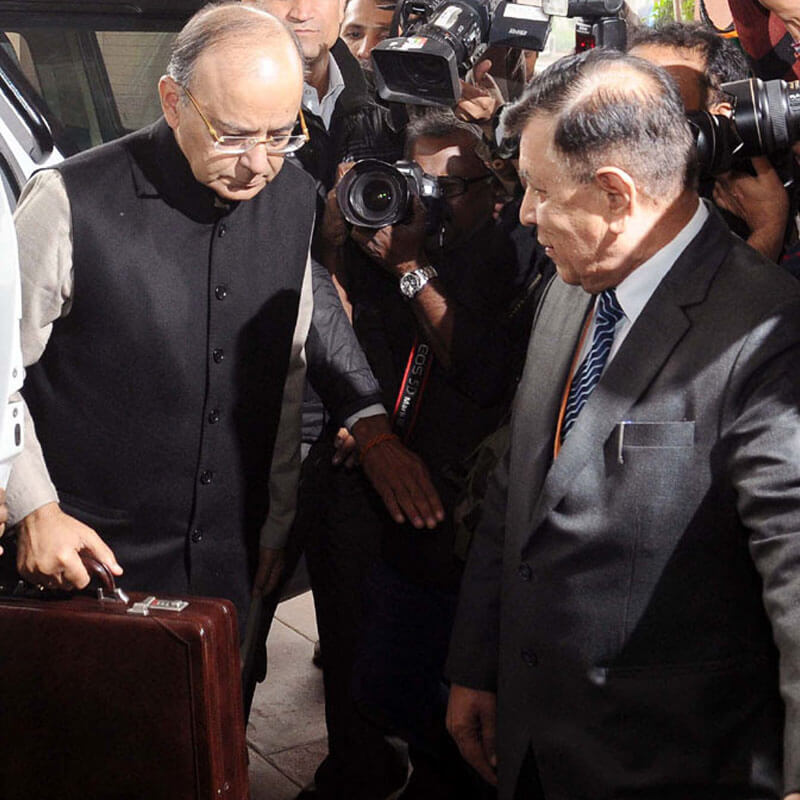
    NEW DELHI: Stating that the budget for 2017-18 was on the agenda to “Transform, Energise and Clean India” in a RAPID (Revenue, Accountability, Probity, Information and Digitisation) way, Finance Minister Arun Jaitley announced various concessions for pushing ahead digital economy, which indirectly may benefit some segments of the media and entertainment sector.

    Under the BharatNet Project, 1, 55,000 km optic fibre cable had been laid in the country. The allocation for BharatNet Project had been increased to Rs 10,000 crore in 2017-18. By the end of 2017-18, high speed broadband connectivity on optical fibre will be available in more than 1, 50,000 gram panchayats (village administrative offices), with wi-fi hot spots and access to digital services at low tariffs. A DigiGaon or digital village initiative will be launched to provide tele-medicine, education and skills through digital technology, Finance Minister Arun Jaitley said.

    The allocation for OFC-based network for defence services had also been increased from Rs 2710 crore in the last budget to Rs 3000 crore in 2017-18.

    Coupled with push towards digital payments for services, including in the broadcast and cable segments, investments in the internet infrastructure and telecom equipments will likely have cascading benefits for the media sector too, especially those offering video streaming services on phones and other hand-held devises.

    The finance minister said a shift to digital payments has huge benefits for the common man. The earlier initiative to promote financial inclusion and the JAM trinity were important precursors to government’s current push for digital transactions.

    In a budget, which for the first time since independence was presented on 1 February instead of the last day of the month, Jaitley said an eco-system was being created to make India a global hub for electronics manufacturing. Over 250 investment proposals for electronics manufacturing had been received in the last two years, totalling an investment of Rs 1.26 lakh crore. A number of global leaders and mobile manufacturers have set up production facilities in India. “I have therefore exponentially increased the allocation for incentive schemes like M-SIPS and EDF to Rs 745 crore in 2017-18. This is an all-time high,” he added.

    A major announcement by Jaitley was the abolition of the Foreign Investments Promotion Board (FIPB) and further liberalisation of FDI policy for which necessary announcements will be made in due course.

    Jaitley said: “Our government has already undertaken substantive reforms in FDI policy in the last two years. More than 90 per cent of the total FDI inflows are now through the automatic route. The FIPB has successfully implemented e-filing and online processing of FDI applications. We have now reached a stage where FIPB can be phased out”.

    He said the telecom sector was an important component of Indian infrastructure eco-system. He claimed the recent spectrum auctions have removed spectrum scarcity in the country and this will give a major fillip to mobile broadband and Digital India for the benefit of people living in rural and remote areas.

    In a boost to domestic industry, a special additional customs duty of 2 per cent is being levied on Populated Printed Circuit Boards (PCBs) for use in the manufacture of mobile phones, subject to actual user condition.

    Noting that India is on the cusp of a massive digital revolution, Jaitley said there was evidence of increased digital transactions. The BHIM (Bharat Interface for Money) app would unleash the power of mobile phones for digital payments and financial inclusion. A total 12.5 million people had adopted the BHIM app so far, Jaitley said, adding that the government will launch two new schemes to promote the usage of BHIM: referral bonus scheme for individuals and a cash back scheme for merchants.

    Aadhar Pay, a merchant version of Aadhar Enabled Payment System, was being launched shortly. This will be specifically beneficial for those who do not have debit cards, mobile wallets and mobile phones. A Mission will be set up with a target of 25,000 million crore digital transactions for 2017-18 through UPI, USSD, Aadhar Pay, IMPS and debit cards. Banks have targeted to introduce additional one million new PoS (point of sales) terminals by March 2017 and they will be encouraged to introduce two million Aadhar-based PoS by September 2017, the finance minister said.

    Jaitley said the Government will consider and work with various stakeholders for early implementation of the interim recommendations of the Committee of Chief Ministers on digital transactions. The Committee on Digital Payments, constituted by Department of Economic Affairs, had recommended structural reforms in the payment eco system, including amendments to the Payment and Settlement Systems Act 2007.

    In a boost for digitisation, the government has removed service tax on e-tickets booked through IRCTC (Indian Railways’ website).

    According to a PTI report, after a flat day time trading Sensex zoomed 485.68 pts to close at 28,141.64.

  • Budget 2017: After DeMo, govt. announces sops for digital infra & economy

    Budget 2017: After DeMo, govt. announces sops for digital infra & economy

    NEW DELHI: Stating that the budget for 2017-18 was on the agenda to “Transform, Energise and Clean India” in a RAPID (Revenue, Accountability, Probity, Information and Digitisation) way, Finance Minister Arun Jaitley announced various concessions for pushing ahead digital economy, which indirectly may benefit some segments of the media and entertainment sector.

    Under the BharatNet Project, 1, 55,000 km optic fibre cable had been laid in the country. The allocation for BharatNet Project had been increased to Rs 10,000 crore in 2017-18. By the end of 2017-18, high speed broadband connectivity on optical fibre will be available in more than 1, 50,000 gram panchayats (village administrative offices), with wi-fi hot spots and access to digital services at low tariffs. A DigiGaon or digital village initiative will be launched to provide tele-medicine, education and skills through digital technology, Finance Minister Arun Jaitley said.

    The allocation for OFC-based network for defence services had also been increased from Rs 2710 crore in the last budget to Rs 3000 crore in 2017-18.

    Coupled with push towards digital payments for services, including in the broadcast and cable segments, investments in the internet infrastructure and telecom equipments will likely have cascading benefits for the media sector too, especially those offering video streaming services on phones and other hand-held devises.

    The finance minister said a shift to digital payments has huge benefits for the common man. The earlier initiative to promote financial inclusion and the JAM trinity were important precursors to government’s current push for digital transactions.

    In a budget, which for the first time since independence was presented on 1 February instead of the last day of the month, Jaitley said an eco-system was being created to make India a global hub for electronics manufacturing. Over 250 investment proposals for electronics manufacturing had been received in the last two years, totalling an investment of Rs 1.26 lakh crore. A number of global leaders and mobile manufacturers have set up production facilities in India. “I have therefore exponentially increased the allocation for incentive schemes like M-SIPS and EDF to Rs 745 crore in 2017-18. This is an all-time high,” he added.

    A major announcement by Jaitley was the abolition of the Foreign Investments Promotion Board (FIPB) and further liberalisation of FDI policy for which necessary announcements will be made in due course.

    Jaitley said: “Our government has already undertaken substantive reforms in FDI policy in the last two years. More than 90 per cent of the total FDI inflows are now through the automatic route. The FIPB has successfully implemented e-filing and online processing of FDI applications. We have now reached a stage where FIPB can be phased out”.

    He said the telecom sector was an important component of Indian infrastructure eco-system. He claimed the recent spectrum auctions have removed spectrum scarcity in the country and this will give a major fillip to mobile broadband and Digital India for the benefit of people living in rural and remote areas.

    In a boost to domestic industry, a special additional customs duty of 2 per cent is being levied on Populated Printed Circuit Boards (PCBs) for use in the manufacture of mobile phones, subject to actual user condition.

    Noting that India is on the cusp of a massive digital revolution, Jaitley said there was evidence of increased digital transactions. The BHIM (Bharat Interface for Money) app would unleash the power of mobile phones for digital payments and financial inclusion. A total 12.5 million people had adopted the BHIM app so far, Jaitley said, adding that the government will launch two new schemes to promote the usage of BHIM: referral bonus scheme for individuals and a cash back scheme for merchants.

    Aadhar Pay, a merchant version of Aadhar Enabled Payment System, was being launched shortly. This will be specifically beneficial for those who do not have debit cards, mobile wallets and mobile phones. A Mission will be set up with a target of 25,000 million crore digital transactions for 2017-18 through UPI, USSD, Aadhar Pay, IMPS and debit cards. Banks have targeted to introduce additional one million new PoS (point of sales) terminals by March 2017 and they will be encouraged to introduce two million Aadhar-based PoS by September 2017, the finance minister said.

    Jaitley said the Government will consider and work with various stakeholders for early implementation of the interim recommendations of the Committee of Chief Ministers on digital transactions. The Committee on Digital Payments, constituted by Department of Economic Affairs, had recommended structural reforms in the payment eco system, including amendments to the Payment and Settlement Systems Act 2007.

    In a boost for digitisation, the government has removed service tax on e-tickets booked through IRCTC (Indian Railways’ website).

    According to a PTI report, after a flat day time trading Sensex zoomed 485.68 pts to close at 28,141.64.

  • Budget ’17: OTT players hoping for tax rationalisation to boost growth

    Budget ’17: OTT players hoping for tax rationalisation to boost growth

    MUMBAI: 2016 was indeed a critical year for the over-the-top (OTT) services in India. In an emerging market like India, the potential of more content consumption is certainly a reality. Increasing availability of smart phones, internet penetration, affordable data rates, 4G rollout, availability of good quality content and new entrants have led the OTT industry to bloom in 2016 and the trend is likely to continue. But the segment players are also looking up to the government for a clearer economic roadmap after the shockwaves of demonestisation.

    “The entertainment industry has always been on the forefront of economic contribution. Though it is expected that GST rollout (as and when it happens later this year) would bring about more uniformity in the system of paying multiple taxes, it is also expected that finance minister Arun Jaitley will announce reforms, which will help control piracy issues in the country and help boost video on demand market in India,” said Muvizz.com COO and co-founder Abhayanand Singh.

    Zee’s business head of digital for India Archana Anand opined that 2016 will go down as the year in which the wheels were set in motion for the growth of OTT. According to her, OTT platforms likely to become the go-to source of entertainment in the coming years, particularly for the millennials, who do not have easy access to a TV set and for whom it’s really about the content and not the size of the screen. But for that economic incentives are also needed from the government.

    Echoing similar views, Web Talkies chairman and managing director Virendra Shahaney asserted the government needs to beef up digital infrastructure like Internet and faster implementation of free wi-fi projects. “A relaxed taxation policy for start-ups would be welcome and tax breaks for start-ups should increase to five years with a significant improvement in ease of doing business,” he added.

    Pointing out that India downloaded six billion apps in 2016 making service usage the highest globally, Dekkho co-founder Tanay Desai said ,”The BHIM app has been downloaded 10 million times already indicating a healthy potential payment pipeline. GST will aid online payments for users as well as brands by reducing tax barriers across states in India and the industry looks forward to additional (tax) relaxation measures in the upcoming Budget.”

    Also Read:

    Budget ’17: Media segments seek succour, digital direction from govt

  • Budget ’17: OTT players hoping for tax rationalisation to boost growth

    Budget ’17: OTT players hoping for tax rationalisation to boost growth

    MUMBAI: 2016 was indeed a critical year for the over-the-top (OTT) services in India. In an emerging market like India, the potential of more content consumption is certainly a reality. Increasing availability of smart phones, internet penetration, affordable data rates, 4G rollout, availability of good quality content and new entrants have led the OTT industry to bloom in 2016 and the trend is likely to continue. But the segment players are also looking up to the government for a clearer economic roadmap after the shockwaves of demonestisation.

    “The entertainment industry has always been on the forefront of economic contribution. Though it is expected that GST rollout (as and when it happens later this year) would bring about more uniformity in the system of paying multiple taxes, it is also expected that finance minister Arun Jaitley will announce reforms, which will help control piracy issues in the country and help boost video on demand market in India,” said Muvizz.com COO and co-founder Abhayanand Singh.

    Zee’s business head of digital for India Archana Anand opined that 2016 will go down as the year in which the wheels were set in motion for the growth of OTT. According to her, OTT platforms likely to become the go-to source of entertainment in the coming years, particularly for the millennials, who do not have easy access to a TV set and for whom it’s really about the content and not the size of the screen. But for that economic incentives are also needed from the government.

    Echoing similar views, Web Talkies chairman and managing director Virendra Shahaney asserted the government needs to beef up digital infrastructure like Internet and faster implementation of free wi-fi projects. “A relaxed taxation policy for start-ups would be welcome and tax breaks for start-ups should increase to five years with a significant improvement in ease of doing business,” he added.

    Pointing out that India downloaded six billion apps in 2016 making service usage the highest globally, Dekkho co-founder Tanay Desai said ,”The BHIM app has been downloaded 10 million times already indicating a healthy potential payment pipeline. GST will aid online payments for users as well as brands by reducing tax barriers across states in India and the industry looks forward to additional (tax) relaxation measures in the upcoming Budget.”

    Also Read:

    Budget ’17: Media segments seek succour, digital direction from govt

  • Budget ’17: Media segments seek succour, digital direction from govt

    Budget ’17: Media segments seek succour, digital direction from govt

    NEW DELHI/MUMBAI: Despite government attempting to allay many fears of the various sectors of the Indian industry, the uncertainty prevailing after demonetisation continues and everybody is looking for the Union Budget 2017 to provide some indications, if not clear-cut answers, on various issues, including a high tax regime, incentivising digital uptake and, of course, the Goods and Services Tax (GST).

    Reliance Broadcast Networks Ltd (RBNL) feels as most radio broadcast players had been advocating for reduction in tax and custom duty on capital equipment, especially given the proposed launch of new frequencies, their expectation this year too remains the same as also the demand for granting infrastructure status to the broadcast industry.

    “Reduction in service tax would be a boon for the media and entertainment industry as a whole,” said Reliance Broadcast Network Limited COO Ashwin Padmanabhan.

    “The media and advertising industry in India is one of the fastest growing in the world. With the Union Budget 2017 expectation will rise for ‘Push for Digital India’ as India ranks second globally with 30 per cent Internet penetration, still to catch up with China (50 per cent) and USA (87 per cent). The implementation of GST is expected to benefit the industry bringing rationalisation of taxation policy by making the taxation process simple, transparent and easy to pay,”  Interspace Solutions CEO Praveen Vadhera.

    Shop CJ COO Dhruva Chandrie, while taking the bigger picture in account, opined if measures are taken to positively impact the overall consumer sentiment and propel their spending trends, it would definitely be good for the Indian economy. “While the government has set a goal of creating around 400 million jobs by 2020, one million people are entering the job market each year. In the given scenario, the government’s quick implementation of programs to create new jobs will give our economy the much needed boost,” he said.

    According to Mukta Arts MD Rahul Puri, the exhibition industry’s biggest hope for the Budget revolved around a formal announcement on the implementation of GST, which is not going to happen till July, but more details could emerge during the Budget speech. “Beside this, we hope that the government would continue to rationalise the corporate tax regime, which would be beneficial for the industry as a whole,” he added.

    Sphereorigins CMD Sunjoy Waddhwa felt that as times were changing for the media and entertainment industry, costs too are going up all round — from remunerations of artistes to costs of production of good programming. “However, I think GST would not have a lot of impact on our industry per se as long as the percentage is not too high,” he added.

    Echoing similar sentiments on rising cost of doing business, Pixel Pictures CEO Prashanti Malisetti said the entertainment industry players were under “heavy burden of multiple taxation and levies” such as license fee, service tax, VAT, etc. Buying props, for instance, currently attract high rates of VAT, depending on the State in question, she explained, adding, “In an ideal world, new technology adaptation should be viewed under a different category and new tax benefits should be applicable despite the age of the production house…(as) current import duties are high and can be a hindrance to smaller companies to make the jump.”

    While highlighting new format of shows in the non-fiction and game show category and arrival of VoD services have led to a host of new opportunities for production companies in the television industry, Malisetti also felt that the entertainment industry was particularly keen to get some clarification on GST.

    Demonetisation and, at times, the present BJP-led government’s unorthodox stand on various policies have been a common theme and, therefore, expectations from various quarters of the media and entertainment industry too have revolved around hoping to get clarifications from the government. Fractal Ink Design Studio CEO, co-founder and CCO Tanay Kumar highlighted that with demonetization “adding friction to our daily routines”, it would be interesting to witness steps taken towards “improving parallel transaction mechanisms”.

    Shop CJ Dhruva Chandrie, while taking the bigger picture in account, opined if measures are taken to positively impact the overall consumer sentiment and propel their spending trends, it would definitely be good for the Indian economy. “While the government has set a goal of creating around 400 million jobs by 2020, one million people are entering the job market each year. In the given scenario, the government’s quick implementation of programs to create new jobs will give our economy the much needed boost,” he said.

    According to Mukta Arts MD Rahul Puri, the exhibition industry’s biggest hope for the Budget revolved around a formal announcement on the implementation of GST, which is not going to happen till July, but more details could emerge during the Budget speech. “Beside this, we hope that the government would continue to rationalise the corporate tax regime, which would be beneficial for the industry as a whole,” he added.

    Sphereorigins CMD Sunjoy Waddhwa felt that as times were changing for the media and entertainment industry, costs too are going up all round — from remunerations of artistes to costs of production of good programming. “However, I think GST would not have a lot of impact on our industry per se as long as the percentage is not too high,” he added.

    Echoing similar sentiments on rising cost of doing business, Pixel Pictures CEO Prashanti Malisetti said the entertainment industry players were under “heavy burden of multiple taxation and levies” such as license fee, service tax, VAT, etc. Buying props, for instance, currently attract high rates of VAT, depending on the State in question, she explained, adding, “In an ideal world, new technology adaptation should be viewed under a different category and new tax benefits should be applicable despite the age of the production house…(as) current import duties are high and can be a hindrance to smaller companies to make the jump.”

    While highlighting new format of shows in the non-fiction and game show category and arrival of VoD services have led to a host of new opportunities for production companies in the television industry, Malisetti also felt that the entertainment industry was particularly keen to get some clarification on GST.

    Demonetisation and, at times, the present BJP-led government’s unorthodox stand on various policies have been a common theme and, therefore, expectations from various quarters of the media and entertainment industry too have revolved around hoping to get clarifications from the government. Fractal Ink Design Studio CEO, co-founder and CCO Tanay Kumar highlighted that with demonetization “adding friction to our daily routines”, it would be interesting to witness steps taken towards “improving parallel transaction mechanisms”.

    “As we see a lot of movement in the start-up world to take on the big pie of the digital world, we hope the Budget 2017 has some easing-down policies on regulatory aspects that will help them concentrate better on problem solving than running after compliance and taxation issues. With unique and easy payment methods like UPI and formation of payment banks, spending patterns and consumer behaviour is going to see a huge shift from being conservative to being more liberal and trusting. We, as a digital experience design agency, expect the Budget to be hugely in favour of creating digitally smart and enabled India in the coming times,” Kumar explained.
    TalentNext.com CEO Shekhar Purohit also felt that this year’s Budget could prove to be critical for the media and entertainment industry as major challenges remain with dual taxation (service tax and VAT), which unduly increases the cost of doing business.

    Pointing out that the media and entertainment industry continues to be a sunrise sector for India, Purohit said, “The implementation, application, and impact of GST on our industry must be addressed immediately and this year’s Budget should also support digitization to the fullest to foster digital empowerment.”

    Also Read:

    Budget 2017 Wish-list: MSOs demand industry status, rationalisation of entertainment & services taxes

    Broadcasters bat for parity with print medium under GST

  • Budget ’17: Media segments seek succour, digital direction from govt

    Budget ’17: Media segments seek succour, digital direction from govt

    NEW DELHI/MUMBAI: Despite government attempting to allay many fears of the various sectors of the Indian industry, the uncertainty prevailing after demonetisation continues and everybody is looking for the Union Budget 2017 to provide some indications, if not clear-cut answers, on various issues, including a high tax regime, incentivising digital uptake and, of course, the Goods and Services Tax (GST).

    Reliance Broadcast Networks Ltd (RBNL) feels as most radio broadcast players had been advocating for reduction in tax and custom duty on capital equipment, especially given the proposed launch of new frequencies, their expectation this year too remains the same as also the demand for granting infrastructure status to the broadcast industry.

    “Reduction in service tax would be a boon for the media and entertainment industry as a whole,” said Reliance Broadcast Network Limited COO Ashwin Padmanabhan.

    “The media and advertising industry in India is one of the fastest growing in the world. With the Union Budget 2017 expectation will rise for ‘Push for Digital India’ as India ranks second globally with 30 per cent Internet penetration, still to catch up with China (50 per cent) and USA (87 per cent). The implementation of GST is expected to benefit the industry bringing rationalisation of taxation policy by making the taxation process simple, transparent and easy to pay,”  Interspace Solutions CEO Praveen Vadhera.

    Shop CJ COO Dhruva Chandrie, while taking the bigger picture in account, opined if measures are taken to positively impact the overall consumer sentiment and propel their spending trends, it would definitely be good for the Indian economy. “While the government has set a goal of creating around 400 million jobs by 2020, one million people are entering the job market each year. In the given scenario, the government’s quick implementation of programs to create new jobs will give our economy the much needed boost,” he said.

    According to Mukta Arts MD Rahul Puri, the exhibition industry’s biggest hope for the Budget revolved around a formal announcement on the implementation of GST, which is not going to happen till July, but more details could emerge during the Budget speech. “Beside this, we hope that the government would continue to rationalise the corporate tax regime, which would be beneficial for the industry as a whole,” he added.

    Sphereorigins CMD Sunjoy Waddhwa felt that as times were changing for the media and entertainment industry, costs too are going up all round — from remunerations of artistes to costs of production of good programming. “However, I think GST would not have a lot of impact on our industry per se as long as the percentage is not too high,” he added.

    Echoing similar sentiments on rising cost of doing business, Pixel Pictures CEO Prashanti Malisetti said the entertainment industry players were under “heavy burden of multiple taxation and levies” such as license fee, service tax, VAT, etc. Buying props, for instance, currently attract high rates of VAT, depending on the State in question, she explained, adding, “In an ideal world, new technology adaptation should be viewed under a different category and new tax benefits should be applicable despite the age of the production house…(as) current import duties are high and can be a hindrance to smaller companies to make the jump.”

    While highlighting new format of shows in the non-fiction and game show category and arrival of VoD services have led to a host of new opportunities for production companies in the television industry, Malisetti also felt that the entertainment industry was particularly keen to get some clarification on GST.

    Demonetisation and, at times, the present BJP-led government’s unorthodox stand on various policies have been a common theme and, therefore, expectations from various quarters of the media and entertainment industry too have revolved around hoping to get clarifications from the government. Fractal Ink Design Studio CEO, co-founder and CCO Tanay Kumar highlighted that with demonetization “adding friction to our daily routines”, it would be interesting to witness steps taken towards “improving parallel transaction mechanisms”.

    Shop CJ Dhruva Chandrie, while taking the bigger picture in account, opined if measures are taken to positively impact the overall consumer sentiment and propel their spending trends, it would definitely be good for the Indian economy. “While the government has set a goal of creating around 400 million jobs by 2020, one million people are entering the job market each year. In the given scenario, the government’s quick implementation of programs to create new jobs will give our economy the much needed boost,” he said.

    According to Mukta Arts MD Rahul Puri, the exhibition industry’s biggest hope for the Budget revolved around a formal announcement on the implementation of GST, which is not going to happen till July, but more details could emerge during the Budget speech. “Beside this, we hope that the government would continue to rationalise the corporate tax regime, which would be beneficial for the industry as a whole,” he added.

    Sphereorigins CMD Sunjoy Waddhwa felt that as times were changing for the media and entertainment industry, costs too are going up all round — from remunerations of artistes to costs of production of good programming. “However, I think GST would not have a lot of impact on our industry per se as long as the percentage is not too high,” he added.

    Echoing similar sentiments on rising cost of doing business, Pixel Pictures CEO Prashanti Malisetti said the entertainment industry players were under “heavy burden of multiple taxation and levies” such as license fee, service tax, VAT, etc. Buying props, for instance, currently attract high rates of VAT, depending on the State in question, she explained, adding, “In an ideal world, new technology adaptation should be viewed under a different category and new tax benefits should be applicable despite the age of the production house…(as) current import duties are high and can be a hindrance to smaller companies to make the jump.”

    While highlighting new format of shows in the non-fiction and game show category and arrival of VoD services have led to a host of new opportunities for production companies in the television industry, Malisetti also felt that the entertainment industry was particularly keen to get some clarification on GST.

    Demonetisation and, at times, the present BJP-led government’s unorthodox stand on various policies have been a common theme and, therefore, expectations from various quarters of the media and entertainment industry too have revolved around hoping to get clarifications from the government. Fractal Ink Design Studio CEO, co-founder and CCO Tanay Kumar highlighted that with demonetization “adding friction to our daily routines”, it would be interesting to witness steps taken towards “improving parallel transaction mechanisms”.

    “As we see a lot of movement in the start-up world to take on the big pie of the digital world, we hope the Budget 2017 has some easing-down policies on regulatory aspects that will help them concentrate better on problem solving than running after compliance and taxation issues. With unique and easy payment methods like UPI and formation of payment banks, spending patterns and consumer behaviour is going to see a huge shift from being conservative to being more liberal and trusting. We, as a digital experience design agency, expect the Budget to be hugely in favour of creating digitally smart and enabled India in the coming times,” Kumar explained.
    TalentNext.com CEO Shekhar Purohit also felt that this year’s Budget could prove to be critical for the media and entertainment industry as major challenges remain with dual taxation (service tax and VAT), which unduly increases the cost of doing business.

    Pointing out that the media and entertainment industry continues to be a sunrise sector for India, Purohit said, “The implementation, application, and impact of GST on our industry must be addressed immediately and this year’s Budget should also support digitization to the fullest to foster digital empowerment.”

    Also Read:

    Budget 2017 Wish-list: MSOs demand industry status, rationalisation of entertainment & services taxes

    Broadcasters bat for parity with print medium under GST