Tag: Union Budget 2016

  • Union Budget 2016: What it means for the media & entertainment industry

    Union Budget 2016: What it means for the media & entertainment industry

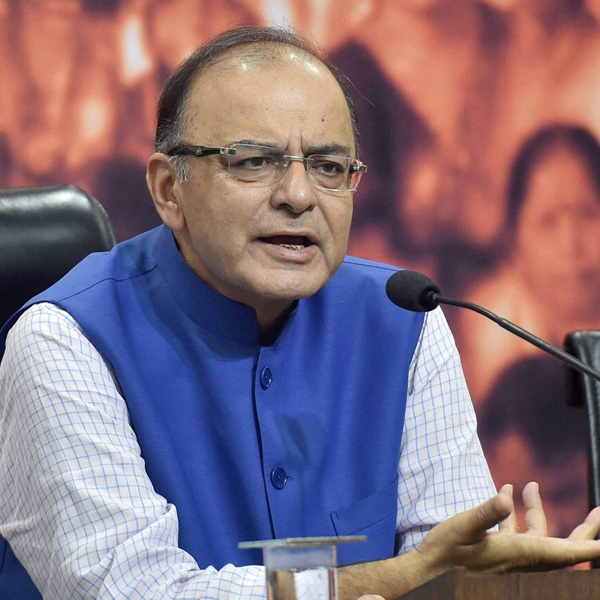
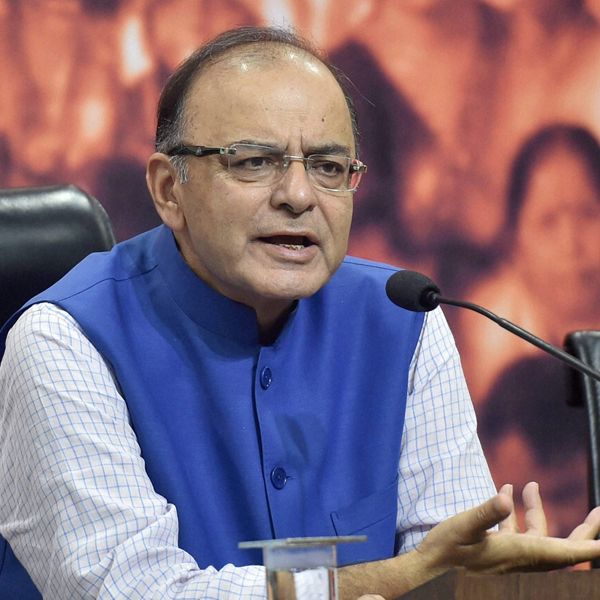
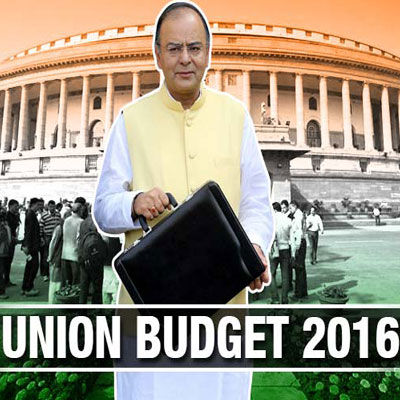
    MUMBAI: 29 February marked an important date in the year’s calendar as Indian Finance Minister Arun Jaitley presented the Union Budget 2016, amidst expectations from all sections. With an aim to give equal attention to all sectors that need financial assistance, Jaitley presented the nine pillars of his budget that focused on multiple subjects; from eCommerce to start-ups; from education to increasing jobs; and from agriculture to health.

    In a quest to find out what it really means for the media and entertainment industry, Indiantelevision.com reached out to several industry stalwarts to find out how they interpret the Union Budget 2016.

    Here’s what they have to say:

     M&E Tax Advisory India, EY, partner and head Rakesh Jariwala

    “As part of the budget proposals, India has levied an equalisation levy – what is known as ‘google tax’ globally. The tax @ six per cent of the consideration will apply on services relating to online advertisement, provisions on online ad space or other facility or services for the purpose of online advertisement, when such services are provided by a non-resident to either an Indian resident or a non-resident having a permanent establishment in India. The payer for these services are required to deduct 6% prior to making the payment. This is the first time that online services are being taxed in India.”

     Videocon director Anirudh Dhoot

    “The Finance Minister presented a balanced budget with a focus on infrastructure and agriculture sectors. By keeping the fiscal deficit target to 3.5 per cent of the GDP, the budget addresses long term positive impact on businesses. For consumer durable and home appliances industry specifically, the budget brings mixed responses. While the focus is more on dispute resolution and simplification of provision, the voluntary income disclosure will dampen the market. The government has lowered the corporate tax for new manufacturing units at 25 per cent with a view to promote industrial activity and generate jobs. With regard to small units having a turnover of Rs 5 crore, the corporate tax rate has been reduced from 30 per cent to 29 per cent. However, there is no relief on the corporate tax for big manufacturers. Government has stressed on GST implementation and proposed changes in customs duty to push make in India initiatives, which is aimed at improving the overall business environment.” 

     Sony Pictures Networks India CEO NP Singh

    “From an overall budget perspective, the enhanced public spending through various social schemes and infrastructure investments should further help to expedite economic growth. The government has also balanced spending with fiscal prudence by reigning-in fiscal deficit. From a media industry perspective, there were no major changes. I feel that a change in the definition of industrial undertaking for the services industry as well as a push to define the GST roadmap would have been sector-positive. There is a landmark attempt in the budget to simplify the tax administration, which should herald a friendlier tax regime.”

     Dentsu Aegis Network South Asia CEO and chairman and Posterscope & MKTG – Asia Pacific chairman Ashish Bhasin 

    “Overall there are some positives and some negatives in the budget. Not increasing the service tax is a positive, particularly for the advertising and media sector. The general expectation was that Service Tax may go up in anticipation of higher GST rates. Controlling the fiscal deficit and several steps to invigorate the rural economy and rural consumption are positive signals. A rural consumption revival will help the economy and the advertising and media sector tremendously. On the negative side, there was an expectation based on what the Finance Minister said in the past, that corporate tax rates would come down. That is not to be so for most large companies. Introducing double taxation on dividends is also a negative. In balance this seems to be a mixed bag budget with a positive bias. If it is able to spur overall economic growth, we could see good times ahead for the advertising and media sector.”

     Times Network CEO and MD MK Anand

    “Digitisation, in my opinion is the most important factor for the broadcast sector currently, we are very happy about the excise duty changes proposed for set-top-boxes, which will help in the last mile infrastructure of Digital Addressable System (DAS) Phase 3 and 4. Overall, a stable and positive fiscal situation is good for the economy and that will support our ad sales growth projections. All in all budget 2016 looks good for the Broadcast sector.”

     Viacom18 Group CEO and National Media and Entertainment Committee CII chairman Sudhanshu Vats

    “Kudos to the government for presenting a disciplined and inclusive budget. The emphasis on rural development and commitment to the fiscal deficit target augur well for the economy in the long-run. The proposal for a more conducive excise duty regime for STBs and other ‘entertainment-access devices’ is welcome. While many of us from the industry were anticipating more sector-specific announcements, I’m sure that this budget will benefit the larger economy and therefore, by extension, have a positive impact on our industry as well.”

  • Union Budget 2016: What it means for the media & entertainment industry

    Union Budget 2016: What it means for the media & entertainment industry

    MUMBAI: 29 February marked an important date in the year’s calendar as Indian Finance Minister Arun Jaitley presented the Union Budget 2016, amidst expectations from all sections. With an aim to give equal attention to all sectors that need financial assistance, Jaitley presented the nine pillars of his budget that focused on multiple subjects; from eCommerce to start-ups; from education to increasing jobs; and from agriculture to health.

    In a quest to find out what it really means for the media and entertainment industry, Indiantelevision.com reached out to several industry stalwarts to find out how they interpret the Union Budget 2016.

    Here’s what they have to say:

     M&E Tax Advisory India, EY, partner and head Rakesh Jariwala

    “As part of the budget proposals, India has levied an equalisation levy – what is known as ‘google tax’ globally. The tax @ six per cent of the consideration will apply on services relating to online advertisement, provisions on online ad space or other facility or services for the purpose of online advertisement, when such services are provided by a non-resident to either an Indian resident or a non-resident having a permanent establishment in India. The payer for these services are required to deduct 6% prior to making the payment. This is the first time that online services are being taxed in India.”

     Videocon director Anirudh Dhoot

    “The Finance Minister presented a balanced budget with a focus on infrastructure and agriculture sectors. By keeping the fiscal deficit target to 3.5 per cent of the GDP, the budget addresses long term positive impact on businesses. For consumer durable and home appliances industry specifically, the budget brings mixed responses. While the focus is more on dispute resolution and simplification of provision, the voluntary income disclosure will dampen the market. The government has lowered the corporate tax for new manufacturing units at 25 per cent with a view to promote industrial activity and generate jobs. With regard to small units having a turnover of Rs 5 crore, the corporate tax rate has been reduced from 30 per cent to 29 per cent. However, there is no relief on the corporate tax for big manufacturers. Government has stressed on GST implementation and proposed changes in customs duty to push make in India initiatives, which is aimed at improving the overall business environment.” 

     Sony Pictures Networks India CEO NP Singh

    “From an overall budget perspective, the enhanced public spending through various social schemes and infrastructure investments should further help to expedite economic growth. The government has also balanced spending with fiscal prudence by reigning-in fiscal deficit. From a media industry perspective, there were no major changes. I feel that a change in the definition of industrial undertaking for the services industry as well as a push to define the GST roadmap would have been sector-positive. There is a landmark attempt in the budget to simplify the tax administration, which should herald a friendlier tax regime.”

     Dentsu Aegis Network South Asia CEO and chairman and Posterscope & MKTG – Asia Pacific chairman Ashish Bhasin 

    “Overall there are some positives and some negatives in the budget. Not increasing the service tax is a positive, particularly for the advertising and media sector. The general expectation was that Service Tax may go up in anticipation of higher GST rates. Controlling the fiscal deficit and several steps to invigorate the rural economy and rural consumption are positive signals. A rural consumption revival will help the economy and the advertising and media sector tremendously. On the negative side, there was an expectation based on what the Finance Minister said in the past, that corporate tax rates would come down. That is not to be so for most large companies. Introducing double taxation on dividends is also a negative. In balance this seems to be a mixed bag budget with a positive bias. If it is able to spur overall economic growth, we could see good times ahead for the advertising and media sector.”

     Times Network CEO and MD MK Anand

    “Digitisation, in my opinion is the most important factor for the broadcast sector currently, we are very happy about the excise duty changes proposed for set-top-boxes, which will help in the last mile infrastructure of Digital Addressable System (DAS) Phase 3 and 4. Overall, a stable and positive fiscal situation is good for the economy and that will support our ad sales growth projections. All in all budget 2016 looks good for the Broadcast sector.”

     Viacom18 Group CEO and National Media and Entertainment Committee CII chairman Sudhanshu Vats

    “Kudos to the government for presenting a disciplined and inclusive budget. The emphasis on rural development and commitment to the fiscal deficit target augur well for the economy in the long-run. The proposal for a more conducive excise duty regime for STBs and other ‘entertainment-access devices’ is welcome. While many of us from the industry were anticipating more sector-specific announcements, I’m sure that this budget will benefit the larger economy and therefore, by extension, have a positive impact on our industry as well.”

  • Budget 2016: Relief to classical & folk music performers with increase in exemption limit in service tax

    Budget 2016: Relief to classical & folk music performers with increase in exemption limit in service tax

    NEW DELHI: In an attempt to promote classical and folk forms of music, the government has announced some relaxation in service tax.

    The exemption limit on services provided by a performing artist in certain folk or classical art forms of music, dance or theatre, has been enhanced to Rs.1.5 lakh per event with effect from 1 April.

    Thus, those paying up to 14 per cent for such performances will not have to pay any service tax.

    Meanwhile, at a time when the government is stressing on green technologies, the Basic customs duty on wood in chips or particles for manufacture of paper, paperboard and news print has been reduced from five per cent.

  • Budget 2016: Relief to classical & folk music performers with increase in exemption limit in service tax

    Budget 2016: Relief to classical & folk music performers with increase in exemption limit in service tax

    NEW DELHI: In an attempt to promote classical and folk forms of music, the government has announced some relaxation in service tax.

    The exemption limit on services provided by a performing artist in certain folk or classical art forms of music, dance or theatre, has been enhanced to Rs.1.5 lakh per event with effect from 1 April.

    Thus, those paying up to 14 per cent for such performances will not have to pay any service tax.

    Meanwhile, at a time when the government is stressing on green technologies, the Basic customs duty on wood in chips or particles for manufacture of paper, paperboard and news print has been reduced from five per cent.

  • CNBC-TV18 unites with Twitter India for Union Budget 2016

    CNBC-TV18 unites with Twitter India for Union Budget 2016

    MUMBAI: CNBC-TV18 has joined hands with Twitter India to breakdown one of the most awaited policy events of the year – the Union Budget 2016. To be announced today dated 29 February by the finance minister Arun Jaitley, the duo has combined to give depth to the many discussions that Indian twitterati will initiate regarding the real effects of budget on every Indian.

    With young India following every move and every initiative of the Modi government, this year’s budget will establish the fact whether India made the right decision two years back.

    CNBC-TV18 VP marketing Priyanka Tiku says, “We at CNBC-TV18 are always setting higher and higher benchmarks for the rest of the news broadcast category. Our partnership with Twitter India is testimony to our daily endeavour to facilitate intelligent financial conversation. As we are the most watched channel on Budget every year, it is only right that we front the debate on Twitter as well.”

    The Budget can expect not only the best markets and business faces of India on the channel, but also broadcast the views and global expectations from international business experts from the various CNBC headquarters across the globe.

    “From real-time updates to live broadcasts, Twitter continues to be the platform where you break news first. News channels have been using Twitter tools to engage with their audiences, using rich media content such as images, live videos and more to innovatively connect with their wide spectrum of audiences on the platform. Through our partnership with CNBC-TV18, Twitter becomes your live connection to the annual Union Budget this year, with this complex policy event broken down for live consumption. All of India will get to understand what the Budget really means for them with live, real-time and decoded analysis #OnlyOnTwitter. With the best of news content and conversations live on our platform, we aim to drive many more innovative engagements and create unique experiences for our users,” adds Twitter India head TV partnerships Viral Jani.

    From exclusive periscope discussions with CNBC-TV18 anchors right after the speech to live simplified updates during the Union Budget, the channel will cover it all in partnership with Twitter. Viewers will not have to sift through tedious lists of budget highlights to pick out the announcements that make sense to one’s life. One can simply tweet #AskCNBCTV18 and team CNBC-TV18 will cull out the policy announcements that answer specific questions.

  • CNBC-TV18 unites with Twitter India for Union Budget 2016

    CNBC-TV18 unites with Twitter India for Union Budget 2016

    MUMBAI: CNBC-TV18 has joined hands with Twitter India to breakdown one of the most awaited policy events of the year – the Union Budget 2016. To be announced today dated 29 February by the finance minister Arun Jaitley, the duo has combined to give depth to the many discussions that Indian twitterati will initiate regarding the real effects of budget on every Indian.

    With young India following every move and every initiative of the Modi government, this year’s budget will establish the fact whether India made the right decision two years back.

    CNBC-TV18 VP marketing Priyanka Tiku says, “We at CNBC-TV18 are always setting higher and higher benchmarks for the rest of the news broadcast category. Our partnership with Twitter India is testimony to our daily endeavour to facilitate intelligent financial conversation. As we are the most watched channel on Budget every year, it is only right that we front the debate on Twitter as well.”

    The Budget can expect not only the best markets and business faces of India on the channel, but also broadcast the views and global expectations from international business experts from the various CNBC headquarters across the globe.

    “From real-time updates to live broadcasts, Twitter continues to be the platform where you break news first. News channels have been using Twitter tools to engage with their audiences, using rich media content such as images, live videos and more to innovatively connect with their wide spectrum of audiences on the platform. Through our partnership with CNBC-TV18, Twitter becomes your live connection to the annual Union Budget this year, with this complex policy event broken down for live consumption. All of India will get to understand what the Budget really means for them with live, real-time and decoded analysis #OnlyOnTwitter. With the best of news content and conversations live on our platform, we aim to drive many more innovative engagements and create unique experiences for our users,” adds Twitter India head TV partnerships Viral Jani.

    From exclusive periscope discussions with CNBC-TV18 anchors right after the speech to live simplified updates during the Union Budget, the channel will cover it all in partnership with Twitter. Viewers will not have to sift through tedious lists of budget highlights to pick out the announcements that make sense to one’s life. One can simply tweet #AskCNBCTV18 and team CNBC-TV18 will cull out the policy announcements that answer specific questions.

  • Encourage greater indigenous STB production with tax holiday in budget for DAS to succeed

    Encourage greater indigenous STB production with tax holiday in budget for DAS to succeed

    NEW DELHI: With the Government hoping to achieve complete digitisation of the cable television sector by the end of this calendar year, it is imperative that the Union Budget for 2016-17 being presented on Monday has important concessions for the industry.

    Perhaps the most important step would be to give infrastructure status to the Broadcast, Cable and direct-to-home (DTH) sector so that it gets all the benefits and incentives available for infrastructure industry including the availability of finance at a concessional rate.

    Though the government claims more than 90 per cent seeding of set top boxes (STBs) in all urban areas covered under Phase III of digital addressable system (DAS) – a figure disputed by most private stakeholders, it is important that the budget should give some concessions that benefit the sector particularly as far as set top boxes go.

    While the Make in India or Digital India initiatives have failed to encourage many indigenous manufacturers of STBs, it is necessary not merely to give some tax concessions under these two schemes but also a tax holiday for some years for those who venture to beat the sale of Chinese STBs and encourage Indian STBs.

    Earlier, the Entertainment Wing of FICCI had said in a pre-budget memorandum to Finance Minister Arun Jaitley that the sector should be allowed tax concessions under Section 80-IA of the Income Tax Act.

    As the digitisation process and the deployment of STBs are heavy capital oriented sectors needing large investments, FICCI had said they should be allowed to set off accumulated losses and unabsorbed depreciation allowances to be carried forward as per Section 72 A of the Act.

    One way of giving greater encouragement to indigenous STBs is to give the broadcast industry the same benefits that the manufacturing sector gets.

    FICCI had in fact also said that the rate of taxes, which range from 30 – 70 per cent, especially the entertainment tax imposed by the states, over and above the service tax are punitive in nature. It is important that the overall taxation level is brought down for the sector as a whole.

    State Entertainment tax legislations levy high taxes on the subscription earned by cable operators and DTH operators. The non-availability of credit of central taxes against the state taxes and vice versa increases the tax burden on the entertainment industry.

    In addition to this, the Central Government has levied service tax at 14 per cent on the transfer of copyrights, which is already being taxed as ‘goods’ under the various state VAT legislations.

    There is therefore need to rationalise taxes or rush through the Goods and Service Tax (GST) Bill to bring parity and clear snags in taxation.

    With so many cases pending before TDSAT and the Telecom Regulatory Authority of India (TRAI) constantly being impleaded in such matters, the Government should provide a clarification that the payments made towards carriage fees are not in the nature of royalty or fees for technical services and TDS is required to be made on such payments as per section 194C of the Act.

    The Indian media and entertainment industry grew from Rs 918 billion in 2013 to Rs 1026 billion in 2014, registering an overall growth of 11.7 per cent. The industry is estimated to achieve a growth rate of 13 per cent in 2015 to touch Rs 1159 billion. The sector is projected to grow at a healthy CAGR of 13.9 per cent to reach Rs 1964 billion by 2019.

    The benefits of Phase I and II of DAS rollout, and continued Phase III rollout are expected to contribute significantly to strong continued growth in the TV sector revenues and its ability to invest in and monetise content. The sector is expected to grow at a CAGR of 15.5 per cent over the period 2015-2019.

  • Encourage greater indigenous STB production with tax holiday in budget for DAS to succeed

    Encourage greater indigenous STB production with tax holiday in budget for DAS to succeed

    NEW DELHI: With the Government hoping to achieve complete digitisation of the cable television sector by the end of this calendar year, it is imperative that the Union Budget for 2016-17 being presented on Monday has important concessions for the industry.

    Perhaps the most important step would be to give infrastructure status to the Broadcast, Cable and direct-to-home (DTH) sector so that it gets all the benefits and incentives available for infrastructure industry including the availability of finance at a concessional rate.

    Though the government claims more than 90 per cent seeding of set top boxes (STBs) in all urban areas covered under Phase III of digital addressable system (DAS) – a figure disputed by most private stakeholders, it is important that the budget should give some concessions that benefit the sector particularly as far as set top boxes go.

    While the Make in India or Digital India initiatives have failed to encourage many indigenous manufacturers of STBs, it is necessary not merely to give some tax concessions under these two schemes but also a tax holiday for some years for those who venture to beat the sale of Chinese STBs and encourage Indian STBs.

    Earlier, the Entertainment Wing of FICCI had said in a pre-budget memorandum to Finance Minister Arun Jaitley that the sector should be allowed tax concessions under Section 80-IA of the Income Tax Act.

    As the digitisation process and the deployment of STBs are heavy capital oriented sectors needing large investments, FICCI had said they should be allowed to set off accumulated losses and unabsorbed depreciation allowances to be carried forward as per Section 72 A of the Act.

    One way of giving greater encouragement to indigenous STBs is to give the broadcast industry the same benefits that the manufacturing sector gets.

    FICCI had in fact also said that the rate of taxes, which range from 30 – 70 per cent, especially the entertainment tax imposed by the states, over and above the service tax are punitive in nature. It is important that the overall taxation level is brought down for the sector as a whole.

    State Entertainment tax legislations levy high taxes on the subscription earned by cable operators and DTH operators. The non-availability of credit of central taxes against the state taxes and vice versa increases the tax burden on the entertainment industry.

    In addition to this, the Central Government has levied service tax at 14 per cent on the transfer of copyrights, which is already being taxed as ‘goods’ under the various state VAT legislations.

    There is therefore need to rationalise taxes or rush through the Goods and Service Tax (GST) Bill to bring parity and clear snags in taxation.

    With so many cases pending before TDSAT and the Telecom Regulatory Authority of India (TRAI) constantly being impleaded in such matters, the Government should provide a clarification that the payments made towards carriage fees are not in the nature of royalty or fees for technical services and TDS is required to be made on such payments as per section 194C of the Act.

    The Indian media and entertainment industry grew from Rs 918 billion in 2013 to Rs 1026 billion in 2014, registering an overall growth of 11.7 per cent. The industry is estimated to achieve a growth rate of 13 per cent in 2015 to touch Rs 1159 billion. The sector is projected to grow at a healthy CAGR of 13.9 per cent to reach Rs 1964 billion by 2019.

    The benefits of Phase I and II of DAS rollout, and continued Phase III rollout are expected to contribute significantly to strong continued growth in the TV sector revenues and its ability to invest in and monetise content. The sector is expected to grow at a CAGR of 15.5 per cent over the period 2015-2019.

  • News broadcasters are all revved up for Union Budget 2016

    News broadcasters are all revved up for Union Budget 2016

    MUMBAI: The Railway Budget was successfully announced by the railway minister Suresh Prabhu, and the fourth pillar of democracy i.e. the press, made justice by covering the entire highlights in detail of the allotment to its viewers. The people are anticipating the same coverage by the media with the announcement of the Union Budget which is right around the corner. The finance minister Arun Jaitley will announce the budget on 29 February 2016.

    With the increase in the number of the channels and the growing competition, the news channels need to focus on various factors to have an upper hand over the others. While, some channels take up on-ground activities to interact with the lehman, some get an esteemed panellist on board to discuss the budget while a few resort to get analysts with a special programming line-up.

    In this brawl, the viewers are left baffled with which channel to be watched and followed for a better insight on the budget. Taking a hint from this, Indiantelevision.com did a quick round-about of how the channels are going to cover the Union Budget 2016.

    Read on:

    Abp news will air a budget special show titledDesh Ka Budget anchored by Kishore Ajwani. ABP News will analyse the budget with FICCI and CII representatives along with political and economy critique.

    Culminating with the Budget announcement, CNBC-TV18 will present a host of special shows, led by India’s most experienced business editorial team that will focus on key aspects of the Government’s fiscal policy. The Channel will speak to the most influential names of Markets & India Inc., to understand their expectations from the Budget. The channel will present a number of special shows to understand the country’s expectations from the Budget.

    The channel will air Budget Caravan traversing the length and breadth of the country and will travel to the growth centres of India, to get a sense of the big expectations, straight from the shop floor and give viewers an economic health check of the nation, with this special series.

    What’s Ailing Rural India will see reporters travelling to the smallest pockets of the nation to understand the rural nerve of the country. With the aim to find an answer to how will the budget impact the rural population of the country and what are their key needs?

    The other show that will be broadcasted on the channel  is Budget Hangout which will feature the young business community and professionals of India; we speak to the young CMOs and CEOs of leading corporate names in India. In a refreshingly new format, team CNBC-TV18 chats with these young icons on their expectations from the budget.


    CNN-IBN and IBN7 will bring rolling coverage on union budget on 29 February 2016 under the umbrella of the special shows The Booster Budget on CNN-IBN and Budget Waale Babu Meri Income Bada Do! on IBN7.

    The shows will be a culmination of a series of pre-budget shows through which both the channels have been capturing the mood, expectations and suggestions of different sections of the society. The network has lined up an extensive live programming to cater to the viewers with all they need to know about the upcoming budget.

    On the general budget day, the channels will have leading economists and industry leaders including the former finance secretary CM Vasudev, executive director India foundation and MD Zeus Caps Shaurya Doval, BIMTECH director Dr. Harivansh Chaturvedi, LocalCircles.com chief strategy officer K Yatish Rajawat and Gaursons MD Manoj Gaur for IBN7 and National Institute of Public Finance and Policy professor Dr. Ila Patnaik (Professor, Swarajya economist, journalist and editorial director R Jaganathan, author and historian Patrick French, Mercury Travels executive VP Ashwini Kakkar, Government of India former chief economic advisor Dr. Arvind Virmani and Shell India executive chairman and Brookings India former chairman Vikram Mehta for CNN-IBN.

    Media experts from around the country will also be seen with the CNBC¬TV18 budget editors. Traders will be guided by technical analysts lead by Ashwani Gujral, Sudarshan Sukhani, Prakash Gaba and Rajat Bose. While the fundamental impact of the budget on individual stocks will be analysed by S P Tulsian, Prakash Diwan and Ambareesh Baleega.

    The channel has dedicated the entire day to cover the Union Budget 2016. Starting from 7 am, the channel will air Time Is Now stretching up till 11 pm followed by the finance minister’s speech going on till 1:30 pm. A second part of the show Time Is Now will begin from 1:30 to 4:30.

    Going further, the viewers can tune into ET NOW Budget Trades till 5 pm followed by a third segment of Time Is Now till 6:30.

    The channel will then broadcast a 30 minute exclusive Tax Effect from 6:30 to 7 pm. Investors Guide Budget Special will be aired from 7:30 pm to 8 pm followed by Markets & Macros will begin from 8 pm extending to 9 pm.

    The channel will be seen debating on the budget with esteemed panelists in The Budget Debate from 9 pm to 10 pm. ET NOW Budget Trades’ will follow till 10:30 pm. Thye Budget Debate will air from 10:30 pm to 11:30 pm. The channel will air its last for the day with Markets & Macros till 12 am.

    To get a clear picture about the budget this year, IBN-Lokmat is already airing Apeksha Budgetcha for exclusive coverage and discussion on the past promises & future expectations of the Union budget.

    The channel will also air budget special show titled Lokmanch, deciphering last year’s budget fulfilment, fund allocation to the state, its utilization and more. The channel will have interviews and discussion special shows talking about the developmental need in agro industries, infrastructure & cooperative sectors. IBN Lokmat will also have an exclusive show with renowned economist Dr. Narendra Jadhav on 27 February at 8  pm.

    On the budget day, the channel will have a dedicated budget special telecast starting from 9 am covering the finance minister’s live speech and an expert panel with eminent personalities from various industries & social segments, discussing the budget and its effect on the Indian economy.

    The channel will decode the budget with Rajat Sharma in the show Namo Budget 2016 from 10 am.

    Budget Buzz will begin on the channel at 8 am with Shweta Rajpal Kohli and Vikram Chandra as they ask  what does the highly anticipated budget mean for industry and the people of India?

    Following that will be a live budget speech with Prannoy Roy with CEOs, analysts and the aam aadmi for their reactions to the Budget at 11 am. At 7 pm Manisha Natarajan will look at the tax implications with a panel of tax experts. Budget Buzz 2016 ends with a full analysis of the budget with Prannoy Roy and a panel of expert analysts from 8- 10 pm

    NDTV Profit’s Budget Buzz has a full day of programming starting at 8 am with Prashant Nair and Manvi Sinha Dhillon with guest experts. Watch full in-depth discussions of highlights post the live Budget speech with market and expert analysts.

    India Ka Budget will begin at 10 am with Ravish Kumar and Aunindyo Chakratvarty with guests as they anticipate what changes the Budget will bring and give us analyses of highlights following the live budget presentation by the finance minister.

    The evening programming will highlight what the budget means as Ravish discusses significant budget points with his guests on primetime at 9 pm.

    The channel will air Budget Debate with Arnab Goswami with a panel of experts debating if the government has delivered on its reform promise. The panelists include Sanjeev Sanyal, Sandeep Gurumurthi, Omkar Goswami, Nalin Kohli, Pavan Varma, Rashesh Shah and Dr. Rajeev Kumar. The debate will happen on 28 February 2016 at 1 pm and a repeat at 9 pm.

    *The channels are arranged in an ascending order

  • News broadcasters are all revved up for Union Budget 2016

    News broadcasters are all revved up for Union Budget 2016

    MUMBAI: The Railway Budget was successfully announced by the railway minister Suresh Prabhu, and the fourth pillar of democracy i.e. the press, made justice by covering the entire highlights in detail of the allotment to its viewers. The people are anticipating the same coverage by the media with the announcement of the Union Budget which is right around the corner. The finance minister Arun Jaitley will announce the budget on 29 February 2016.

    With the increase in the number of the channels and the growing competition, the news channels need to focus on various factors to have an upper hand over the others. While, some channels take up on-ground activities to interact with the lehman, some get an esteemed panellist on board to discuss the budget while a few resort to get analysts with a special programming line-up.

    In this brawl, the viewers are left baffled with which channel to be watched and followed for a better insight on the budget. Taking a hint from this, Indiantelevision.com did a quick round-about of how the channels are going to cover the Union Budget 2016.

    Read on:

    Abp news will air a budget special show titledDesh Ka Budget anchored by Kishore Ajwani. ABP News will analyse the budget with FICCI and CII representatives along with political and economy critique.

    Culminating with the Budget announcement, CNBC-TV18 will present a host of special shows, led by India’s most experienced business editorial team that will focus on key aspects of the Government’s fiscal policy. The Channel will speak to the most influential names of Markets & India Inc., to understand their expectations from the Budget. The channel will present a number of special shows to understand the country’s expectations from the Budget.

    The channel will air Budget Caravan traversing the length and breadth of the country and will travel to the growth centres of India, to get a sense of the big expectations, straight from the shop floor and give viewers an economic health check of the nation, with this special series.

    What’s Ailing Rural India will see reporters travelling to the smallest pockets of the nation to understand the rural nerve of the country. With the aim to find an answer to how will the budget impact the rural population of the country and what are their key needs?

    The other show that will be broadcasted on the channel  is Budget Hangout which will feature the young business community and professionals of India; we speak to the young CMOs and CEOs of leading corporate names in India. In a refreshingly new format, team CNBC-TV18 chats with these young icons on their expectations from the budget.


    CNN-IBN and IBN7 will bring rolling coverage on union budget on 29 February 2016 under the umbrella of the special shows The Booster Budget on CNN-IBN and Budget Waale Babu Meri Income Bada Do! on IBN7.

    The shows will be a culmination of a series of pre-budget shows through which both the channels have been capturing the mood, expectations and suggestions of different sections of the society. The network has lined up an extensive live programming to cater to the viewers with all they need to know about the upcoming budget.

    On the general budget day, the channels will have leading economists and industry leaders including the former finance secretary CM Vasudev, executive director India foundation and MD Zeus Caps Shaurya Doval, BIMTECH director Dr. Harivansh Chaturvedi, LocalCircles.com chief strategy officer K Yatish Rajawat and Gaursons MD Manoj Gaur for IBN7 and National Institute of Public Finance and Policy professor Dr. Ila Patnaik (Professor, Swarajya economist, journalist and editorial director R Jaganathan, author and historian Patrick French, Mercury Travels executive VP Ashwini Kakkar, Government of India former chief economic advisor Dr. Arvind Virmani and Shell India executive chairman and Brookings India former chairman Vikram Mehta for CNN-IBN.

    Media experts from around the country will also be seen with the CNBC¬TV18 budget editors. Traders will be guided by technical analysts lead by Ashwani Gujral, Sudarshan Sukhani, Prakash Gaba and Rajat Bose. While the fundamental impact of the budget on individual stocks will be analysed by S P Tulsian, Prakash Diwan and Ambareesh Baleega.

    The channel has dedicated the entire day to cover the Union Budget 2016. Starting from 7 am, the channel will air Time Is Now stretching up till 11 pm followed by the finance minister’s speech going on till 1:30 pm. A second part of the show Time Is Now will begin from 1:30 to 4:30.

    Going further, the viewers can tune into ET NOW Budget Trades till 5 pm followed by a third segment of Time Is Now till 6:30.

    The channel will then broadcast a 30 minute exclusive Tax Effect from 6:30 to 7 pm. Investors Guide Budget Special will be aired from 7:30 pm to 8 pm followed by Markets & Macros will begin from 8 pm extending to 9 pm.

    The channel will be seen debating on the budget with esteemed panelists in The Budget Debate from 9 pm to 10 pm. ET NOW Budget Trades’ will follow till 10:30 pm. Thye Budget Debate will air from 10:30 pm to 11:30 pm. The channel will air its last for the day with Markets & Macros till 12 am.

    To get a clear picture about the budget this year, IBN-Lokmat is already airing Apeksha Budgetcha for exclusive coverage and discussion on the past promises & future expectations of the Union budget.

    The channel will also air budget special show titled Lokmanch, deciphering last year’s budget fulfilment, fund allocation to the state, its utilization and more. The channel will have interviews and discussion special shows talking about the developmental need in agro industries, infrastructure & cooperative sectors. IBN Lokmat will also have an exclusive show with renowned economist Dr. Narendra Jadhav on 27 February at 8  pm.

    On the budget day, the channel will have a dedicated budget special telecast starting from 9 am covering the finance minister’s live speech and an expert panel with eminent personalities from various industries & social segments, discussing the budget and its effect on the Indian economy.

    The channel will decode the budget with Rajat Sharma in the show Namo Budget 2016 from 10 am.

    Budget Buzz will begin on the channel at 8 am with Shweta Rajpal Kohli and Vikram Chandra as they ask  what does the highly anticipated budget mean for industry and the people of India?

    Following that will be a live budget speech with Prannoy Roy with CEOs, analysts and the aam aadmi for their reactions to the Budget at 11 am. At 7 pm Manisha Natarajan will look at the tax implications with a panel of tax experts. Budget Buzz 2016 ends with a full analysis of the budget with Prannoy Roy and a panel of expert analysts from 8- 10 pm

    NDTV Profit’s Budget Buzz has a full day of programming starting at 8 am with Prashant Nair and Manvi Sinha Dhillon with guest experts. Watch full in-depth discussions of highlights post the live Budget speech with market and expert analysts.

    India Ka Budget will begin at 10 am with Ravish Kumar and Aunindyo Chakratvarty with guests as they anticipate what changes the Budget will bring and give us analyses of highlights following the live budget presentation by the finance minister.

    The evening programming will highlight what the budget means as Ravish discusses significant budget points with his guests on primetime at 9 pm.

    The channel will air Budget Debate with Arnab Goswami with a panel of experts debating if the government has delivered on its reform promise. The panelists include Sanjeev Sanyal, Sandeep Gurumurthi, Omkar Goswami, Nalin Kohli, Pavan Varma, Rashesh Shah and Dr. Rajeev Kumar. The debate will happen on 28 February 2016 at 1 pm and a repeat at 9 pm.

    *The channels are arranged in an ascending order