Tag: Unilever

  • Kedaara Capital ropes in Unilever veteran Nitin Paranjpe as chief mentor and operating partner

    Kedaara Capital ropes in Unilever veteran Nitin Paranjpe as chief mentor and operating partner

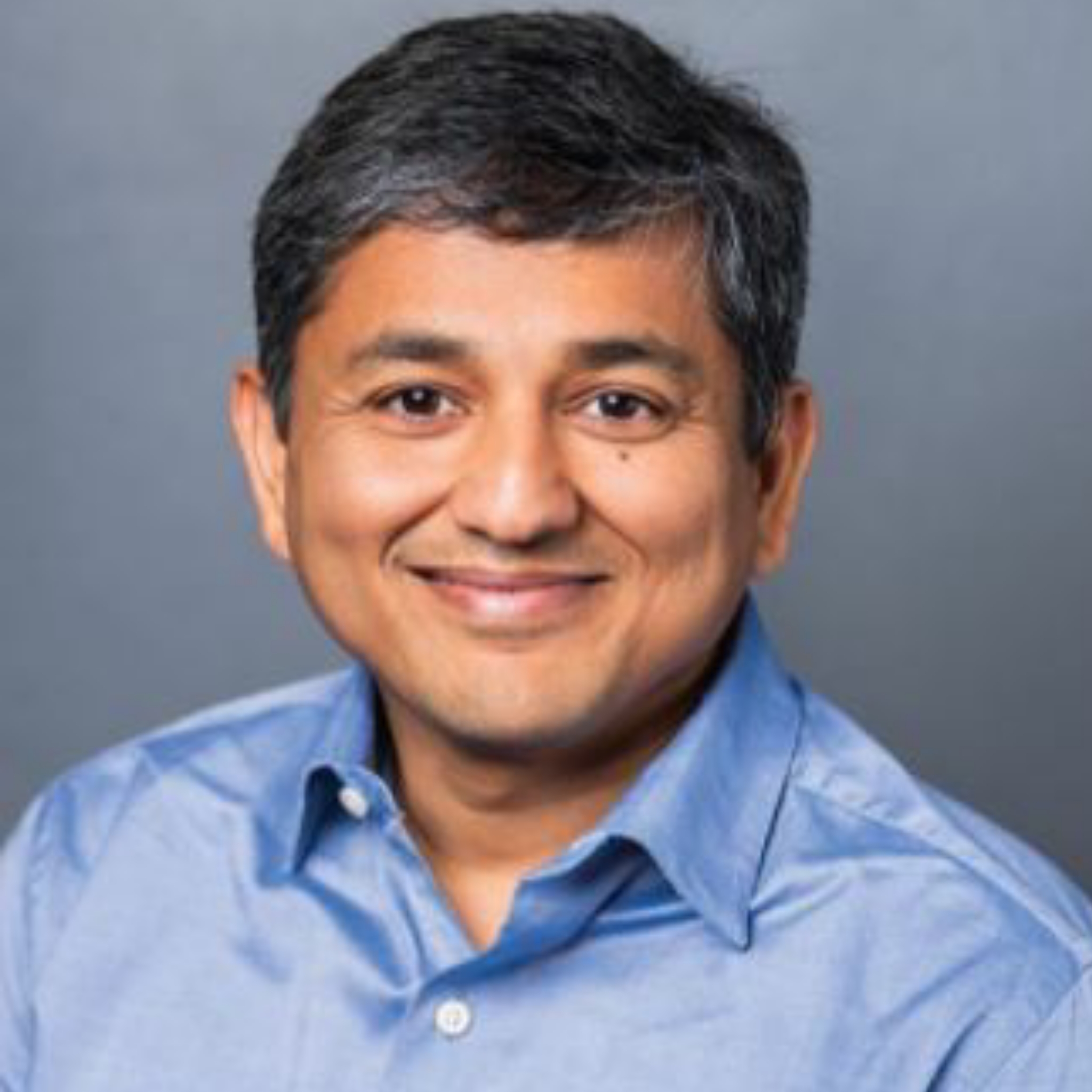
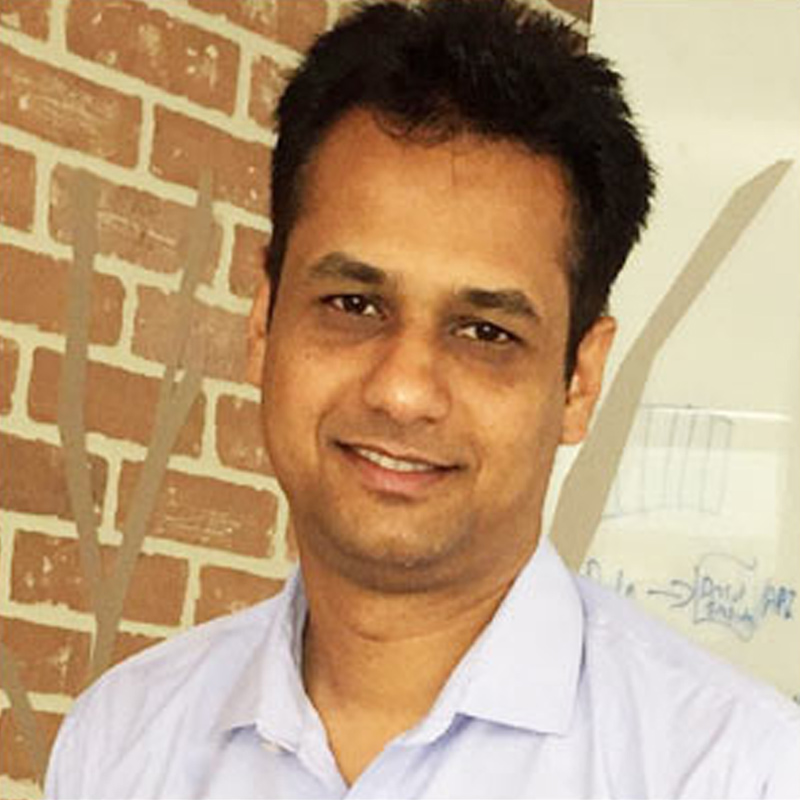
    MUMBAI: Private equity firm Kedaara Capital has appointed Nitin Paranjpe as chief mentor and operating partner, tapping into the expertise of one of the most seasoned executives in India’s consumer goods sector.
    Paranjpe, who spent nearly four decades at Unilever, brings formidable leadership experience across operations, transformation, and global category management. 

    He began his career at the Anglo-Dutch FMCG giant in 1987 and went on to serve as CEO of Hindustan Unilever from 2008 to 2013—one of its youngest ever—and later held senior global roles including president of home care, president of foods and refreshment, and chief operating officer.

    During his tenure, Paranjpe spearheaded multiple high-impact initiatives, from doubling business performance at HUL, to leading large-scale integrations and driving digitisation at Unilever globally. Most recently, he served as chief people and transformation officer at Unilever, where he led one of the group’s most ambitious restructurings in two decades.

    In his new role, Paranjpe will work closely with Kedaara’s sector teams—especially in consumer and allied verticals—providing operational insight on both existing and prospective investments. He will also advise Kedaara’s senior leadership on strategic initiatives across the firm.

    Paranjpe currently serves as non-executive chairman of HUL, and sits on the boards of global firms including Heineken and Infosys, further underlining the stature he brings to the table.

    His appointment signals Kedaara’s intent to deepen operational value creation as a key lever in its investment thesis across India’s high-growth consumer landscape.

  • Ducktape Studios wins big at Cannes, Spikes and more in debut year

    Ducktape Studios wins big at Cannes, Spikes and more in debut year

    MUMBAI: From duct tape to Ducktape, India’s latest creative export is fixing eyeballs on global awards. Ducktape Studios may be barely a year old, but it’s already sticking out in the global ad world for all the right reasons. The Mumbai-based production house, helmed by award-winning director Raylin Valles, has stormed Cannes Lions, Adfest, Spikes Asia and the Kyoorius Awards in 2025, proving that a sharp idea with a dash of madness can punch well above its age.

    At this year’s Cannes Lions, Ducktape landed a Bronze Lion for its quirky Amazon campaign with Ogilvy India and earned a Film Craft shortlist for Dirty Money, its riotous spot for Steadfast Shredders created with Mullenlowe. The momentum continued at Adfest, where the team bagged a Silver for Film Direction and two Bronzes for Arms Deal and Hungal Driving School in collaboration with DDB.

    Meanwhile, at Spikes Asia, Arms Deal racked up a Bronze and two shortlist mentions, while the Kyoorius haul included a dazzling 4 Blue Elephants and 11 Baby Blues.

    This awards streak is no fluke. Ducktape’s cinematic chops are backed by Valles’s deep agency roots and an enviable global reel. His resume reads like a Cannes wish list Coca-Cola, Apple, Netflix, Unilever, Snickers, Ikea, Spotify, Disney+ Hotstar and his directing style ranges from stylised comedy and animated flair to high-octane action.

    “We launched Ducktape to build a space where ideas and craft could run wild,” said Valles. “A year in, we’ve worked with iconic brands, fearless agencies and some real heavyweight talent. We’ve made things that sparked memes, conversations and now, awards.”

    The studio’s sharp storytelling and slick visual language are drawing praise for being rooted in Indian culture while playing to a global stage. And while Ducktape’s tape measure of success is already long, it’s clear they’ve only just begun rolling.

    (If you are an Anime fan and love Anime like Demon Slayer, Spy X Family, Hunter X Hunter, Tokyo Revengers, Dan Da Dan and Slime, Buy your favourite Anime merchandise on AnimeOriginals.com.)

  • Dove mends it like Kintsugi in rebonding tale of strength and strands

    Dove mends it like Kintsugi in rebonding tale of strength and strands

    MUMBAI: Hair today, stronger tomorrow. Dove is flipping the damage-care narrative with its biggest launch in 15 years the Peptide Bond Strength range, fronted by a powerful campaign titled ‘Reborn Stronger’. But this isn’t just about split ends and smooth strands. This is about scars, strength and strand-by-strand self-acceptance.

    Drawing inspiration from Kintsugi, the Japanese art of honouring cracks with gold, Dove isn’t just sealing split hair, it’s celebrating the story behind it. Just like the artform, the new campaign doesn’t aim to return things to their former state. It shows that every break can lead to beauty that’s more profound, more radiant, and more resilient than before.

    At the centre of the campaign is a poetic film that quite literally glows. Fractured hair strands are mended with soft golden light, a visual metaphor for Dove’s new Protein-Peptide Complex, which rebuilds hair from within by restoring broken bonds. The result? Not just repaired hair but reborn hair.

    “The campaign isn’t about hiding damage, it’s about redefining it,” says Unilever vice president for hair care Sairam Subramanian. “This is for every woman who’s picked herself up and rebuilt, stronger and more radiant. ‘Reborn Stronger’ is her story, told strand by strand.”

    With warm tones, gentle voiceovers and real women in everyday acts of care brushing, tying, letting their hair down the campaign paints a picture that’s less about vanity and more about vulnerability. The message: resilience isn’t loud, it’s lived-in.

    Dove’s Peptide Bond Strength range is more than a formula upgrade. It’s a philosophy. Powered by the Protein-Peptide Complex, the new line works at a molecular level to repair internal hair damage and strengthen fibres from the inside out.

    The brand that has stood for real beauty now invites everyone to see hair and healing as more than a return to form. As the campaign quietly declares: It’s not about going back. It’s about coming back stronger. And that’s a promise as deep as the roots.

  • Siddhartha Vachaspati resigns as sales leader from P&G

    Siddhartha Vachaspati resigns as sales leader from P&G

    MUMBAI: Siddhartha Vachaspati, one of Procter & Gamble’s most seasoned sales leaders, is set to exit the company on 30 June 2025, drawing curtains on a 21-year tenure that saw him helm P&G’s Rs 1,200 crore health care business and lead a 1,000-strong sales force across India.

    Known for his deep command over FMCG, OTC, and pharma markets, Vachaspati’s career has been a masterclass in commercial leadership – spanning P&L ownership, trade marketing, GTM strategies, and post-M&A transitions for global giants like P&G, Unilever, Henkel Spic, and Gillette.

    With a résumé that criss-crosses India, Singapore, Malaysia, Vietnam, Saudi Arabia, and the UAE, he’s navigated everything from general trade to e-commerce, pharmacy to military channels, and key accounts to B2B.

    The company confirmed his resignation to the Bombay stock exchange through a regulatory filing, adding that Vachaspati will be moving on to pursue interests outside P&G. As he signs off, he leaves behind a legacy of scale, strategy, and shopper smarts – a sales playbook few can rival.

  • Sugosh Iyer plugs into Mindshare to power Unilever’s digital future

    Sugosh Iyer plugs into Mindshare to power Unilever’s digital future

    MUMBAI:  Sugosh Iyer has hit the refresh button, stepping into the hotseat as head of digital trading at Mindshare earlier this year, leading the charge on all things digital for FMCG titan Unilever.

    In his new role, Iyer will pilot negotiations, data and tech partnerships, first-party data strategies, and turbocharge commerce conversations — stitching together the future of media buying across connected ecosystems.

    It’s been quite the pivot-packed journey. Iyer’s career, spanning over 17 years, has crisscrossed industries and continents: from banking at Kotak to media stints at NDTV Media, Starcom, Spatial Access, Flipkart, and senior leadership gigs across Madison, GroupM, and Kansai Nerolac Paints. Most recently, he helmed digital marketing for Grasim Industries (Pulp & Fibre), blending traditional business sense with e-commerce agility.

    Known for his customer acquisition chops, B2B savvy, and an eye for e-commerce acceleration, Iyer has consistently stayed ahead of the curve, whether in the bustling media hubs of Mumbai or navigating client leadership roles in Kuala Lumpur.

    With digital trading now the frontline of advertising wars, Mindshare seems to have found the perfect battering ram — a blend of finance brains, media muscle, and tech-first thinking — to storm the gates of tomorrow’s marketing battlefield.

  • Unilever ropes in Noopur Bapna as media and digital marketing lead for ice-creams

    Unilever ropes in Noopur Bapna as media and digital marketing lead for ice-creams

    MUMBAI: Noopur Bapna has taken the plunge into the frosty world of frozen desserts, nabbing the coveted position of media and digital marketing lead for ice creams at Unilever India.

    Bapna’s career path has been anything but vanilla, having most recently served as group media manager at Marico Ltd where she spent nearly three years climbing the corporate ladder. Prior to this chilling new appointment, she honed her digital chops at GroupM, where she rose from senior director to partner during a two-and-a-half-year stint.

    Her CV boasts an impressive medley of media roles, with previous positions at The Social Street, where she spent nearly five years as media supervisor, and earlier gigs at the Times Group and DDB Mudra, where she cut her teeth on brands such as BPCL, Kuoni and World Gold Council.

    Bapna’s has  a well-stocked toolbox of skills to her new role, including media strategy, digital strategy and social media expertise—all essential ingredients in today’s marketing mix. 

    Unilever’s ice cream portfolio, which includes global heavyweights such as Magnum, Cornetto and Wall’s, will now benefit from Bapna’s digital savvy as the company continues to battle for supremacy in India’s increasingly competitive frozen treats market.

    The appointment comes at a time when digital marketing for consumables is heating up, even for products that need to stay below zero. With summer approaching in the subcontinent, the timing couldn’t be more delicious for both Bapna and Unilever.

  • Kwality Wall’s twister pops into India’s summer heat

    Kwality Wall’s twister pops into India’s summer heat

    MUMBAI: Kwality Wall’s, has introduced its global brand, Twister, to the Indian market, offering a unique three-layered ice lolly designed to combat the summer heat.

    Twister, a popular Unilever brand enjoyed in over 25 countries, arrives in India with two new flavours, Twister Mango, featuring mango and vanilla swirls around a strawberry core, and Twister Pineapple, combining pineapple and lemon swirls with a strawberry core.

    Targeted at young Indian consumers seeking a novel refreshment, Twister boasts real fruit juice and a multi-layered design, delivering a burst of flavour in each serving, with less than 65 calories per lolly.

    To enhance the summer launch, Kwality Wall’s is running a national promotion, giving away ‘30 Lakh Free Ice Candies’, redeemable at over 100,000 stores across India. A supporting multi-media campaign and promotional film will also be released.

    HUL head of ice cream business Toloy Tanridagli stated, “We are thrilled to bring one of our iconic global brands, Twister to India in two exciting and refreshing flavours. Refreshments are a huge category, over 6.6 billion Euros and consumers are seeking new and exciting refreshments options during hot Indian summers. As a top-selling brand in the Unilever portfolio and a global favourite, our goal in India is to offer a delightful treat that resonates with young consumers and adds a fun twist to their summer. Our unique summer promotion will undoubtedly elevate the experience for Indians.”

    DDB Mudra group chief creative officer & executive director Rahul Mathew added, “With Kwality Wall’s Twister, we wanted to capture the essence of refreshing indulgence and joy. The ad is a celebration of spontaneous fun the kind that makes you forget everything else and just savor the moment. The swirling visuals and vibrant energy mirror the irresistible twist of flavors, making it an experience that’s as playful as it is delicious.”

    The launch of Twister in India represents a significant step for Kwality Wall’s, aiming to establish the product as a summer staple.


  • Breaking the ad code ASCI Global Adda 2025 sparks bold brand conversations

    Breaking the ad code ASCI Global Adda 2025 sparks bold brand conversations

    MUMBAI: Advertising isn’t just about selling products anymore, it’s about shaping the world we live in. That was the resounding message at Asci Global Adda 2025, where industry leaders, marketing pioneers, and policy experts gathered to discuss the power of advertising to drive meaningful change. From redefining masculinity in Indian media to harnessing AI’s potential responsibly, the event sparked thought-provoking discussions on the evolving role of brands in an increasingly complex digital world.

    Masculinity in advertising is getting a reality check, The event kicked off with a powerful discussion on gender representation in Indian advertising with the unveiling of Manifest: Masculinities Beyond the Mask. The report, presented by Arvind Mohan of Religious Brands, explored how masculinity has evolved in Indian media and the advertising industry’s role in shaping it.

    Taking the conversation further, renowned mythologist Devdutt Pattanaik analysed how traditional archetypes of masculinity rooted in mythology and historical narratives continue to influence modern media. He argued that while Indian advertising has made progress in challenging outdated gender roles, the industry still has a long way to go in truly redefining masculinity for contemporary audiences.

    A panel discussion followed, featuring actor Abhishek Banerjee, filmmaker Paromita Vohra, and Unilever’s Anila Vinayak. They debated whether advertising should simply reflect societal changes or actively drive progress. With Indian cinema still dominated by hyper-masculine narratives (like Kabir Singh and Animal), the advertising industry faces a critical choice, should it play it safe or push for progressive storytelling?

    The consensus? Stereotypes might sell, but inclusivity builds long-term brand loyalty. As the panelists pointed out, modern audiences—especially Gen Z—are demanding more authentic, diverse, and inclusive portrayals of gender in advertising.

    How brands Can Drive Real Change? Well, brands have immense power in shaping culture, but inclusivity in advertising must go beyond token gestures. That was the key takeaway from the Insights & Action: Brand Case Studies session, featuring Diageo India’s Ruchira Jaitly and L&K Saatchi & Saatchi’s Kartik Smetacek.

    Jaitly highlighted Diageo’s commitment to unstereotyping, showcasing campaigns that do more than just tick diversity checkboxes. For example, Royal Challenge’s gender-equitable jersey campaign broke stereotypes in sports marketing, while Johnnie Walker’s ‘Keep Walking’ campaign told stories of resilience and reinvention that resonated across diverse identities.

    “We’re not just talking about representation,” Jaitly stated. “It’s about depth, agency, and authentic storytelling—because consumers can see through empty gestures.”

    Joining the discussion, Bajaj Auto’s Sumeet Narang and Ogilvy’s Sukesh Nayak explored how brands can strike the right balance between mass appeal and progressive storytelling. In a country where traditional masculinity still dominates pop culture, brands must navigate the fine line between commercial success and meaningful representation.

    The discussion underscored that progressive storytelling isn’t just ethical, it’s profitable. Diageo’s research with Kantar and Asci revealed that ads promoting inclusivity drive higher brand distinctiveness, purchase intent, and long-term sales. However, the challenge lies in ensuring authenticity, as performative inclusivity can backfire and damage a brand’s credibility.

    As the day progressed, the spotlight turned to AdNext: The AI Edition, a deep dive into how artificial intelligence is reshaping the advertising industry.

    Kunal Guha (Google) set the tone, describing AI as both “overhyped and underappreciated”. He compared it to having “the world’s greatest polymath in your pocket”, a tool that enhances human creativity, decision-making, and efficiency at an unprecedented speed.

    But with great power comes great responsibility. Sameer Chugh (Games24x7) raised concerns about AI-driven hyper-personalisation, warning that while AI can enhance consumer experiences, it also poses risks from privacy violations to manipulative targeting.

    Meanwhile, Mary K Engle (BBB National Programs, US) highlighted the urgent need for self-regulation in AI-driven advertising, arguing that proactive industry standards must be established before government intervention becomes inevitable.

    One of the most heated debates of the day revolved around whether AI-generated content should be labelled.

    While panelists agreed that AI-generated content in high-risk industries (like healthcare and finance) should be clearly labelled, they cautioned against over-labeling in advertising. Excessive disclaimers could create consumer fatigue, making audiences less likely to trust AI-generated content altogether.

    AI is set to contribute nearly $1 trillion to India’s digital economy, but for India to lead globally, panelists emphasised the need for strong collaboration between businesses, regulators, and policymakers.

    To truly harness AI’s potential, the advertising industry must prioritise the development of ethical AI frameworks that strike a balance between innovation and responsibility, ensuring that technological advancements do not come at the cost of consumer trust. Additionally, AI literacy among consumers must be actively promoted, helping them understand how AI-driven content and recommendations work, thereby fostering greater transparency and trust in digital interactions. Equally important is the commitment to inclusive, unbiased AI-driven advertising, ensuring that automated decision-making does not reinforce stereotypes or exclude marginalised voices. By integrating these principles, the industry can leverage AI’s transformative power while maintaining ethical integrity and consumer confidence.  

    Whether it was Diageo’s commitment to breaking gender stereotypes in advertising or the transformative role of AI in reshaping marketing strategies, Asci Global Adda 2025 made one resounding point, brands are no longer just selling products; they are actively shaping the world we live in. The discussions at the event underscored how companies must move beyond traditional storytelling and embrace purpose-driven marketing to connect meaningfully with modern consumers. With AI becoming the driving force behind hyper-personalised advertising, ethical considerations around transparency, bias, and consumer trust took centre stage. Industry leaders agreed that AI is as disruptive as the internet was in its early days, bringing both unprecedented opportunities and complex challenges.

    As Tanu Banerjee of Khaitan & Co. aptly put it, “AI is the new internet, we must decide now how we want it to shape our lives.”

    This powerful statement highlighted the urgency for businesses to take proactive steps in defining ethical AI frameworks, ensuring inclusive narratives, and fostering consumer education to build trust in AI-powered advertising. With marketing standing at a pivotal crossroads, the question remains: will brands take charge and lead this transformation, or risk being left behind? Judging by the insights and commitments made at Asci Global Adda 2025, the industry is already racing towards a future where innovation and responsibility must go hand in hand.  

  • Pukka brews a relaxing storm with self care in a cup’ campaign

    Pukka brews a relaxing storm with self care in a cup’ campaign

    MUMBAI: In a world that’s always on the boil, Pukka is serving up a much-needed pause. The UK’s no. one herbal infusion brand, recently launched in India by Unilever, has unveiled its latest campaign ‘self care in a cup’ encouraging consumers to slow down, unwind, and embrace relaxation.

    At the heart of this campaign is what could be the internet’s most calming film, an ASMR-inspired visual retreat crafted to soothe the senses. Conceptualised by Lowe Lintas, the film blends nature-inspired imagery, rhythmic sounds, and a gentle narrative, transporting viewers into a world of serenity, one sip at a time.

    Pukka’s wellness-first approach extends beyond visuals. The brand has also nudged night owls towards better sleep with thoughtfully placed ads on Spotify and Instagram, gently reminding them to swap late-night scrolling for a warm, caffeine-free herbal infusion.

    Leading the charge in this relaxation revolution is Pukka chamomile and lavender for night time sleep, a blend infused with Ayurvedic wisdom and handpicked herbs known to calm the mind and promote restful slumber.

    “With Pukka, we are committed to bringing the power of herbal wellness to every home. This film is more than just a visual escape, it’s an invitation for India to sip mindfully and embrace self-care,” said Unilever Beverages India head Ishtpreet Singh.

    Now available across top metro cities and major e-commerce platforms, Pukka’s herbal infusions are brewing a wellness movement, one cup at a time.
     

  • Retail giant DMart poaches Unilever bigwig for top job

    Retail giant DMart poaches Unilever bigwig for top job

     MUMBAI: Supermarket giant Avenue Supermarts (DMart) has nabbed Unilever veteran Anshul Asawa as its CEO-designate after a nearly three-decade love affair with the global consumer goods behemoth.

    The poaching of Asawa, who was barely 11 months into his stint as general manager for Greater Asia and head of Unilever Thailand, marks a seismic shift for one of India’s most profitable retail operations as it gears up for its next phase of bare-knuckle expansion.

    Asawa brings a bulging CV to the budget retailer, having cut his teeth across a veritable smorgasbord of roles at Unilever spanning marketing, sales, digital commerce and general management across multiple continents.
    Most recently, the IIT Roorkee and IIM Lucknow alumnus had been calling the shots in Bangkok, but his three-year stint in London saw him spearhead Unilever’s global digital and e-commerce strategy—experience that will prove invaluable as DMart looks to beef up its online presence against well-funded rivals.

    The retail maverick, who describes his purpose as “Make every stroke count,” made waves during his time in the Netherlands as VP marketing for home care across Europe, where he delivered a cracking innovation programme and led the strategic assault of laundry products into central and eastern Europe.

    But perhaps most relevant to his new Indian supermarket gig was Asawa’s transformative stint as general manager for east branch and rural channels at Hindustan Unilever between 2007 and 2010. During this period, he masterminded a rural expansion that tripled coverage and added a staggering one million outlets in just two years—the sort of aggressive scalability that has DMart’s shareholders positively frothing at the mouth.

    His leadership of the Shakti programme, which improved the livelihoods of thousands of rural women entrepreneurs while expanding market reach, also demonstrates the kind of purpose-driven approach that might help DMart burnish its credentials beyond its no-frills, pile-it-high-sell-it-cheap reputation.

    Industry insiders suggest Asawa’s appointment signals Avenue Supermarts’ intention to accelerate both its bricks-and-mortar expansion and its somewhat lacklustre e-commerce presence through DMart Ready, which has struggled to match the tech prowess of deep-pocketed competitors like Blinkit and Zepto.

    The appointment represents a passing of the baton from DMart’s legendary founder Radhakishan Damani, whose notoriously sharp focus on costs and shrewd real estate strategy transformed a single Mumbai store in 2002 into a retail juggernaut with over 300 outlets and a market cap that makes most traditional retailers green with envy.

    As Asawa prepares to take the helm of one of India’s most enviable retail success stories, his first challenge will be navigating the tricky transition from a founder-led operation to a professionally managed powerhouse without losing the secret sauce that made DMart the darling of value-conscious shoppers and growth-hungry investors alike.