Tag: Umang Bedi

  • Google’s Pulkit Trivedi joins Facebook as industry director

    Google’s Pulkit Trivedi joins Facebook as industry director

    MUMBAI: Facebook has appointed Pulkit Trivedi as Industry Director for e-Commerce, Retail, Travel and Financial Services verticals, where he will lead in building and maintaining strategic relationships with clients in the country.

    Trivedi, an MBA from BITS Mesra, comes to Facebook with over 18 years of extensive industry experience covering Sales, Business Development & Partnerships for Indian and multinational technology companies such as Google, Intel, Microsoft, IBM and HCL. Most recently, Pulkit held the position of Head of Industry, eCommerce at Google India and was with the company since April 2012. He was responsible for driving a large business for Google India.

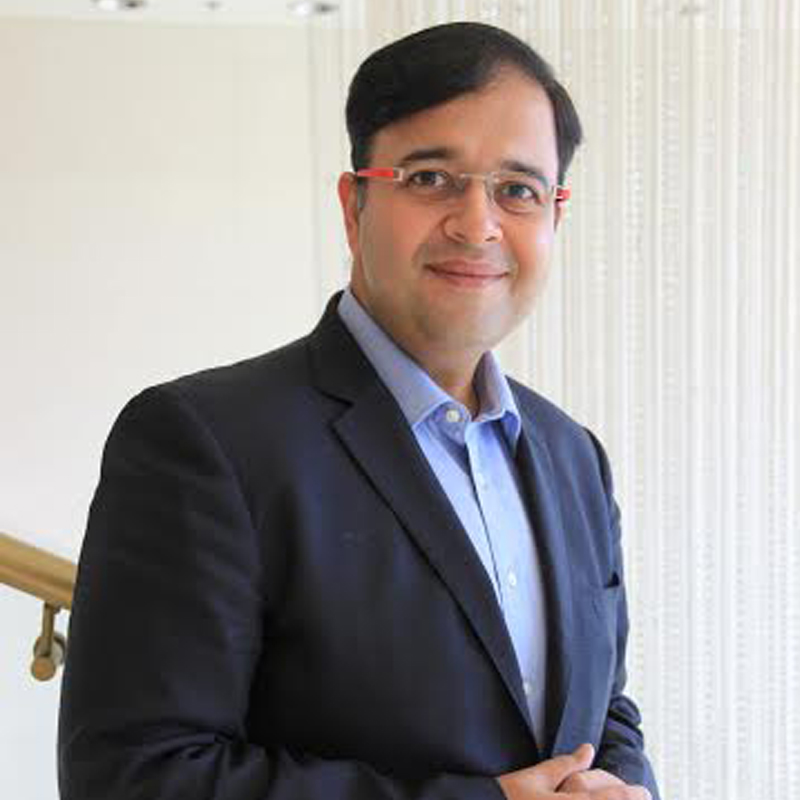
    “We are thrilled to have Pulkit join the talented Facebook team to help grow our advertising business. Pulkit is a well proven business professional who along with our teams will strengthen our ability to deliver personalized marketing at scale to clients in India.”said Facebook India MD Umang Bedi.

    “Really excited to have joined Facebook as Industry Director for e-Commerce, Retail, Travel and Financial Services verticals. I’m looking forward to working closely with some of the best talents and making an impact at Facebook. The welcome has been grand – Thanks Umang and team,” Trivedi wrote earlier on his FB wall.

  • Google’s Pulkit Trivedi joins Facebook as industry director

    Google’s Pulkit Trivedi joins Facebook as industry director

    MUMBAI: Facebook has appointed Pulkit Trivedi as Industry Director for e-Commerce, Retail, Travel and Financial Services verticals, where he will lead in building and maintaining strategic relationships with clients in the country.

    Trivedi, an MBA from BITS Mesra, comes to Facebook with over 18 years of extensive industry experience covering Sales, Business Development & Partnerships for Indian and multinational technology companies such as Google, Intel, Microsoft, IBM and HCL. Most recently, Pulkit held the position of Head of Industry, eCommerce at Google India and was with the company since April 2012. He was responsible for driving a large business for Google India.

    “We are thrilled to have Pulkit join the talented Facebook team to help grow our advertising business. Pulkit is a well proven business professional who along with our teams will strengthen our ability to deliver personalized marketing at scale to clients in India.”said Facebook India MD Umang Bedi.

    “Really excited to have joined Facebook as Industry Director for e-Commerce, Retail, Travel and Financial Services verticals. I’m looking forward to working closely with some of the best talents and making an impact at Facebook. The welcome has been grand – Thanks Umang and team,” Trivedi wrote earlier on his FB wall.

  • Expert-speak on advertising in times of mobile-first consumers

    Expert-speak on advertising in times of mobile-first consumers

    MUMBAI: With Indian government’s demonetisation of high-value currency notes in its second fortnight, there couldn’t have been a better time to discuss how mobile is moving businesses and whether the reality of a cashless economy is still a far-fetched theory.

    In an effort to cash in on the latest buzz words — ‘financial inclusion, ‘digital business’, ‘internet penetration’, ‘digital advertising’, etc. — Facebook recently hosted Mobile Moves Business, an industry event in Mumbai that was designed to bring together businesses, industry experts and marketers to help engage with today’s mobile-first consumers in India.

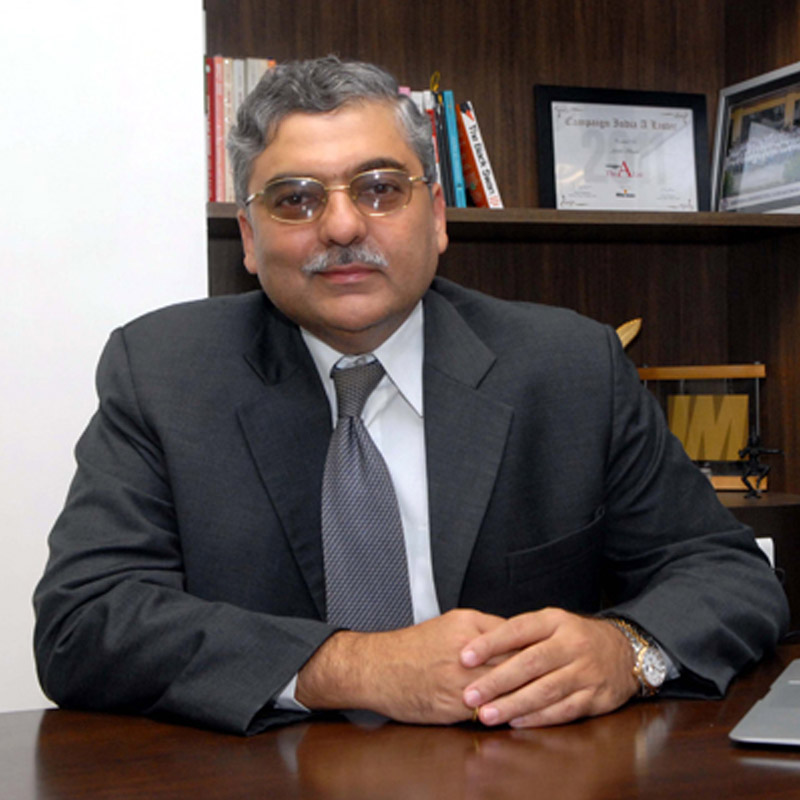
    Making a bold and future-facing statement, Dentsu Aegis Network South Asia Chairman Ashish Bhasin made it clear that the foundations of present day media planning, which depends primarily on frequencies of views, will be shaken as the lines between mediums start to blur.

    “We make a plan based on an assumption of an X number of times it (a campaign) is viewed on television, but we need to start considering that the same communication may be seen in an another format on an another platform several more number of times,” pointed out Bhasin, adding most market studies predicting digital ad ex to reach 40 per cent of the total pie will be proven wrong. “Digital will command 80 to 100 per cent of the total pie, I feel. Of course, the way we classify digital advertising will also change…TV, radio and even print will all become digital,” he said.

    Along with him on the panel discussing matters digital were Facebook India MD Umang Bedi, Vodafone India marketing SVP Sidharth Banerjee and Snapdeal marketing VP Kanika Kalra.

    Banerjee, who seconded Bhasin’s statement, was of the opinion that India, just like China, will soon reach an inflexion point in smart-phone penetration when that number reached one-third of the total phones in the market.

    “I can see that happening in the next 18 months or so. Getting the communication in mobile right will be the main issue then. What advertisers keep getting wrong is treating mobile (devices) like a separate medium to advertise on,” he said.

    Pointing out that advertisers shouldn’t forget the many India’s within India, Banerjee said, “While we ready ourselves for the digital and cashless India armed with smart-phones, we mustn’t forget about a part of India where features phones will still play an important role and marketers shouldn’t exclude them from their plans.”

    But smart tech and devices also bring along newer problems and challenges. Ad blocking, for example. The high rate of ad blocking in India was also addressed by the panel.

    “As the digital advertising market becomes more mature, the issue of privacy will only become more acute. I believe the way ahead is opt-ins. Let’s face it, users don’t pay for advertisements, so ads will always remain (like) an intrusion, “Bhasin highlighted a valid point, adding, “Going forward, consumers will have a choice to allow certain advertisers to communicate with them. So we marketers need to collectively respect the consumer’s choice. Sooner or later we will have laws concerning it and it is better to prepare for it with best practices in place.”

    Clarifying FB’s position on ad blocking, Bedi said that FB respected its users’ privacy and ensures only relevant sponsored ads reach users. “It isn’t bad but actually good for business as brands can seek out only those consumers who are interested in their communications, leading to higher fulfilment of purchase cycle instead of spraying and praying,” Bedi replied, when asked if the social media giant loses businesses due to ad blocking.

  • Expert-speak on advertising in times of mobile-first consumers

    Expert-speak on advertising in times of mobile-first consumers

    MUMBAI: With Indian government’s demonetisation of high-value currency notes in its second fortnight, there couldn’t have been a better time to discuss how mobile is moving businesses and whether the reality of a cashless economy is still a far-fetched theory.

    In an effort to cash in on the latest buzz words — ‘financial inclusion, ‘digital business’, ‘internet penetration’, ‘digital advertising’, etc. — Facebook recently hosted Mobile Moves Business, an industry event in Mumbai that was designed to bring together businesses, industry experts and marketers to help engage with today’s mobile-first consumers in India.

    Making a bold and future-facing statement, Dentsu Aegis Network South Asia Chairman Ashish Bhasin made it clear that the foundations of present day media planning, which depends primarily on frequencies of views, will be shaken as the lines between mediums start to blur.

    “We make a plan based on an assumption of an X number of times it (a campaign) is viewed on television, but we need to start considering that the same communication may be seen in an another format on an another platform several more number of times,” pointed out Bhasin, adding most market studies predicting digital ad ex to reach 40 per cent of the total pie will be proven wrong. “Digital will command 80 to 100 per cent of the total pie, I feel. Of course, the way we classify digital advertising will also change…TV, radio and even print will all become digital,” he said.

    Along with him on the panel discussing matters digital were Facebook India MD Umang Bedi, Vodafone India marketing SVP Sidharth Banerjee and Snapdeal marketing VP Kanika Kalra.

    Banerjee, who seconded Bhasin’s statement, was of the opinion that India, just like China, will soon reach an inflexion point in smart-phone penetration when that number reached one-third of the total phones in the market.

    “I can see that happening in the next 18 months or so. Getting the communication in mobile right will be the main issue then. What advertisers keep getting wrong is treating mobile (devices) like a separate medium to advertise on,” he said.

    Pointing out that advertisers shouldn’t forget the many India’s within India, Banerjee said, “While we ready ourselves for the digital and cashless India armed with smart-phones, we mustn’t forget about a part of India where features phones will still play an important role and marketers shouldn’t exclude them from their plans.”

    But smart tech and devices also bring along newer problems and challenges. Ad blocking, for example. The high rate of ad blocking in India was also addressed by the panel.

    “As the digital advertising market becomes more mature, the issue of privacy will only become more acute. I believe the way ahead is opt-ins. Let’s face it, users don’t pay for advertisements, so ads will always remain (like) an intrusion, “Bhasin highlighted a valid point, adding, “Going forward, consumers will have a choice to allow certain advertisers to communicate with them. So we marketers need to collectively respect the consumer’s choice. Sooner or later we will have laws concerning it and it is better to prepare for it with best practices in place.”

    Clarifying FB’s position on ad blocking, Bedi said that FB respected its users’ privacy and ensures only relevant sponsored ads reach users. “It isn’t bad but actually good for business as brands can seek out only those consumers who are interested in their communications, leading to higher fulfilment of purchase cycle instead of spraying and praying,” Bedi replied, when asked if the social media giant loses businesses due to ad blocking.

  • How FB is helping brands to grow their biz in India

    How FB is helping brands to grow their biz in India

    GURUGRAM: Between dealing and refining its ad-targeting technology, coming clean about overestimating its video metrics to clients, failing to successfully launch Free Basics in India following ban by TRAI, its most recent tussle with Fake News, and, still doubling its revenues to USD 7.01 billion in its last quarter earnings (Q3) – Facebook has had an eventful year so far – be it globally or in India. How do these ups and down score with its partners and clients in India, Facebook’’s second largest market?

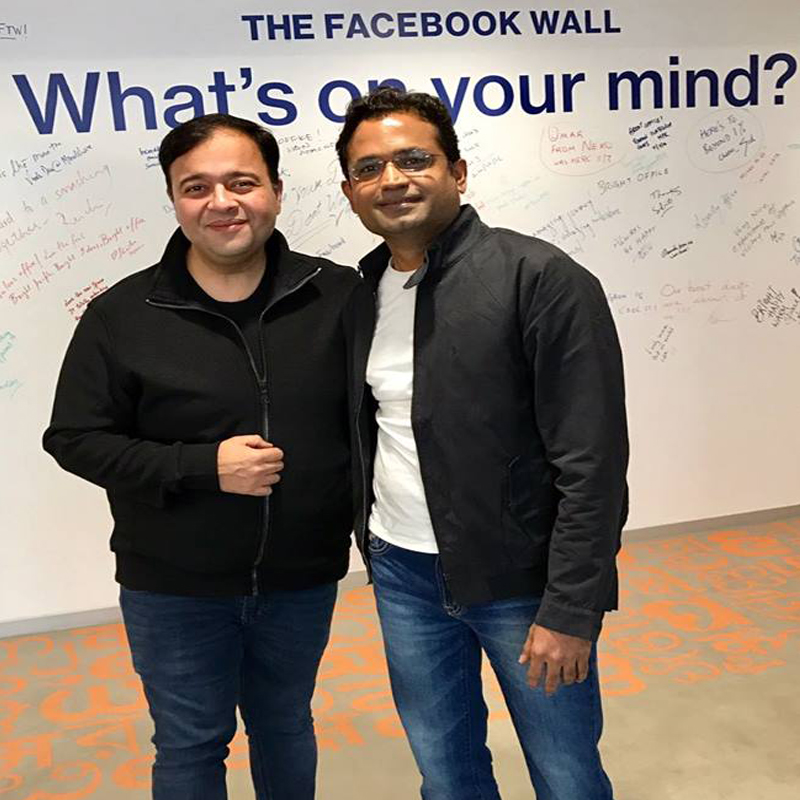
    Acknowledging India’s strategic importance to Facebook’ s overall business, Facebook India and South Asia managing director Umang Bedi reassured that advertisers’ faith in Facebook is going strong, and not without reason.

    Since joining the social media giant’s India team from Adobe Systems in July, the last 100 days have kept Bedi busy, hopping between cities catching up with partners across India.

    In line with its motto of ‘moving businesses’, Bedi cited several examples where Indian brands engaging with consumers on Facebook have seen a measurable difference to its brand outcome as well as sales.

    For example, Mondelez International gained over five points in brand consideration through Facebook’s Reach and Frequency tool, Durex saw a 29 per cent increase in sales during a running campaign on Mark Zuckerberg-led Facebook (along with TV), and Garnier saw a 19 per cent increase in sales in a weak market cluster using Facebook Carousel Ads.

    Snapdeal, Tanishq, Adidas, Ola, Yatra.com, were a few other brands of which Facebook helped move business, Bedi cited.

    As to how sales made by these brands could be attributed to ads placed on Facebook, Bedi clarified, “When there is a lift in sales done for a client online, we can easily track whether a consumer who saw its ad on our platform made a purchase or downloaded a certain app. It is a straightforward way keep track of a user across platforms through Software Development Kit (SDK) or pixels. For example, an Ola App will have a FB SDK embedded in its code. When you go offline, or cross media, we depend on our partners like Millward Brown who are known for meta cross-media studies, albeit through a sample-sized user base and campaigns.”

    Based on cross-media meta content measured and studied by Millward Brown in 26 of its campaigns across categories, Facebook managed to add five points to television in audience outcome at one-seventh the cost if same numbers were chased through television. Other measurement services that Facebook uses to procure data and measurement studies for its clients include Nielsen and BARC.

    The company’s impressive Q3 earnings, with a Y-O-Y increase of 16 per cent in revenue speaks volumes of its enormous reach that currently stands at 1.79 billion, off 1.18 billion are daily active users.

    Speaking strictly of the Indian market, Facebook has 166 million monthly active users as of its last quarter reports, of which 159 million access the site through mobile. Similarly, 85 million Indian users access Facebook daily, of which 81 million do it through mobile.

    Do these figures translate into revenues as well for the market? “Facebook India leads the charter among emerging markets when it comes to revenues. We are at par with Asia Pacific earnings, and Asia Pacific is the fastest growing markets for us, and India is a significant contributor to that,” Bedi shared, without putting a figure to its India earnings.

    According to its filings with the Registrar of Companies that was reported earlier this year, Facebook reported a 27 per cent increase in its revenues in India.

    On the flipside, Bedi also made a strong case of Facebook’s contribution to the Indian market to reinforce its positioning as a loved and trusted brand. Citing a Deloitte 2015 report, Bedi shared that Facebook contributes USD 4 billion to the Indan economy and supports 335,000 jobs through its marketing platforms and connectivity efforts.

    “We have generated 2.4 billion interactions between businesses and people in India through two billion small and medium business pages in India. Not to mention, 59 per cent people in India are connected to SMEs through FB.”

    While Facebook is focused on growing the base to reach the next billion new users in India and driving engagement, “everything we do around Facebook in the next five years is all about moving the real world business for our advertisers and partners,” Bedi makes it clear.

    Bedi’s strategy for that is quite simple – grow numbers by driving deep engagement that is augmented by partnerships valued by measured returns.
  • How FB is helping brands to grow their biz in India

    How FB is helping brands to grow their biz in India

    GURUGRAM: Between dealing and refining its ad-targeting technology, coming clean about overestimating its video metrics to clients, failing to successfully launch Free Basics in India following ban by TRAI, its most recent tussle with Fake News, and, still doubling its revenues to USD 7.01 billion in its last quarter earnings (Q3) – Facebook has had an eventful year so far – be it globally or in India. How do these ups and down score with its partners and clients in India, Facebook’’s second largest market?

    Acknowledging India’s strategic importance to Facebook’ s overall business, Facebook India and South Asia managing director Umang Bedi reassured that advertisers’ faith in Facebook is going strong, and not without reason.

    Since joining the social media giant’s India team from Adobe Systems in July, the last 100 days have kept Bedi busy, hopping between cities catching up with partners across India.

    In line with its motto of ‘moving businesses’, Bedi cited several examples where Indian brands engaging with consumers on Facebook have seen a measurable difference to its brand outcome as well as sales.

    For example, Mondelez International gained over five points in brand consideration through Facebook’s Reach and Frequency tool, Durex saw a 29 per cent increase in sales during a running campaign on Mark Zuckerberg-led Facebook (along with TV), and Garnier saw a 19 per cent increase in sales in a weak market cluster using Facebook Carousel Ads.

    Snapdeal, Tanishq, Adidas, Ola, Yatra.com, were a few other brands of which Facebook helped move business, Bedi cited.

    As to how sales made by these brands could be attributed to ads placed on Facebook, Bedi clarified, “When there is a lift in sales done for a client online, we can easily track whether a consumer who saw its ad on our platform made a purchase or downloaded a certain app. It is a straightforward way keep track of a user across platforms through Software Development Kit (SDK) or pixels. For example, an Ola App will have a FB SDK embedded in its code. When you go offline, or cross media, we depend on our partners like Millward Brown who are known for meta cross-media studies, albeit through a sample-sized user base and campaigns.”

    Based on cross-media meta content measured and studied by Millward Brown in 26 of its campaigns across categories, Facebook managed to add five points to television in audience outcome at one-seventh the cost if same numbers were chased through television. Other measurement services that Facebook uses to procure data and measurement studies for its clients include Nielsen and BARC.

    The company’s impressive Q3 earnings, with a Y-O-Y increase of 16 per cent in revenue speaks volumes of its enormous reach that currently stands at 1.79 billion, off 1.18 billion are daily active users.

    Speaking strictly of the Indian market, Facebook has 166 million monthly active users as of its last quarter reports, of which 159 million access the site through mobile. Similarly, 85 million Indian users access Facebook daily, of which 81 million do it through mobile.

    Do these figures translate into revenues as well for the market? “Facebook India leads the charter among emerging markets when it comes to revenues. We are at par with Asia Pacific earnings, and Asia Pacific is the fastest growing markets for us, and India is a significant contributor to that,” Bedi shared, without putting a figure to its India earnings.

    According to its filings with the Registrar of Companies that was reported earlier this year, Facebook reported a 27 per cent increase in its revenues in India.

    On the flipside, Bedi also made a strong case of Facebook’s contribution to the Indian market to reinforce its positioning as a loved and trusted brand. Citing a Deloitte 2015 report, Bedi shared that Facebook contributes USD 4 billion to the Indan economy and supports 335,000 jobs through its marketing platforms and connectivity efforts.

    “We have generated 2.4 billion interactions between businesses and people in India through two billion small and medium business pages in India. Not to mention, 59 per cent people in India are connected to SMEs through FB.”

    While Facebook is focused on growing the base to reach the next billion new users in India and driving engagement, “everything we do around Facebook in the next five years is all about moving the real world business for our advertisers and partners,” Bedi makes it clear.

    Bedi’s strategy for that is quite simple – grow numbers by driving deep engagement that is augmented by partnerships valued by measured returns.
  • Facebook appoints Umang Bedi as managing director India

    Facebook appoints Umang Bedi as managing director India

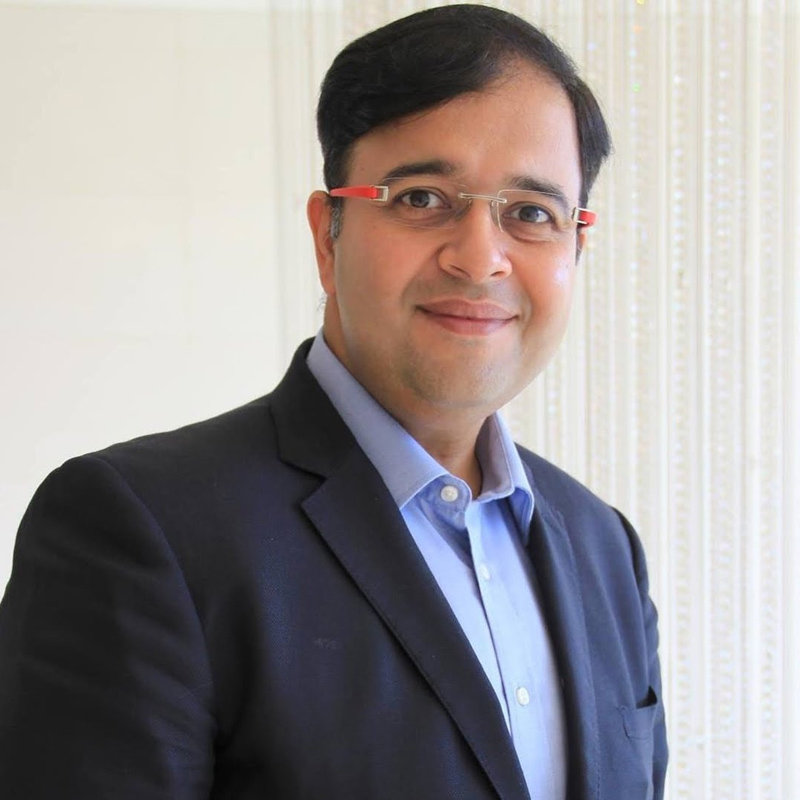
    MUMBAI: Facebook has appointed Umang Bedi as Managing Director, India, where he will lead in building and maintaining strategic relationships with top clients and regional agencies in the country. He will take over from Kirthiga Reddy, who will be returning to United States to take on a new role at the company’s headquarters at Menlo Park.

    “I am thrilled to join Facebook and am looking forward to working with the talented teams in India, to help brands and agencies grow their business on our platform. For me it’s a promising opportunity to participate in India’s digital growth, and I can’t think of a better place to be at.” said Bedi on her new appointment.

    Umang comes to Facebook with close to two decades of leadership experience covering sales, marketing and partnerships where he successfully built teams and grew businesses for multinational companies. Prior to joining Facebook, Umang was the Managing Director of the South Asia region at Adobe. He was responsible for growing their business in India and helping India grow to amongst the leading markets for Adobe in the APAC and global regions.

    Umang is an engineering graduate from University of Pune, an alumni of Harvard Business School and the recipient of the prestigious ‘40 Under Forty: India’s Hottest Business Leaders Award 2014’ given by The Economic Times and Spencer Stuart in 2014.

    On the other hand, Kirthiga Reddy, who was the face of Facebook in India, is set to join the Global Accounts team at Menlo Park, CA where she will manage a set of global brands and also lead the emerging markets efforts globally for the Global Accounts team, which manages Facebook’s relationships with the world’s largest global advertisers.

    “After six years in India building our operations and business, it’s hard to leave a team I now call family. The good news is that we will continue to work together. As I look ahead, I am excited about how well positioned our business is, to grow from strength to strength with Umang’s leadership, and with my next opportunity to shape and drive our emerging markets strategy across some of the world’s biggest brands,” Reddy shared.

    Umang will officially start at Facebook in July 2016. Kirthiga will start her new role in August 2016.

    “India is known for its great talent pool and we are really pleased to have Umang Bedi, a proven business executive to lead our business in India. I also want to wish Kirthiga the very best in her new global role. Kirthiga has played a huge and key role in building our India business from scratch, and I know she will continue to deliver the same impact in the US,” said Facebook Asia Pacific VP Dan Neary.

    He further added, “Facebook is where people and businesses connect on mobile and with close to 150 million monthly active people in India, we see significant opportunities to help Indian business – large and small – deliver against their business objectives in the mobile world.”

    Facebook works with more than 85% of the top 100 advertisers in India identified by Kantar. 100% of those advertisers use video within their Facebook campaigns in India.

  • Facebook appoints Umang Bedi as managing director India

    Facebook appoints Umang Bedi as managing director India

    MUMBAI: Facebook has appointed Umang Bedi as Managing Director, India, where he will lead in building and maintaining strategic relationships with top clients and regional agencies in the country. He will take over from Kirthiga Reddy, who will be returning to United States to take on a new role at the company’s headquarters at Menlo Park.

    “I am thrilled to join Facebook and am looking forward to working with the talented teams in India, to help brands and agencies grow their business on our platform. For me it’s a promising opportunity to participate in India’s digital growth, and I can’t think of a better place to be at.” said Bedi on her new appointment.

    Umang comes to Facebook with close to two decades of leadership experience covering sales, marketing and partnerships where he successfully built teams and grew businesses for multinational companies. Prior to joining Facebook, Umang was the Managing Director of the South Asia region at Adobe. He was responsible for growing their business in India and helping India grow to amongst the leading markets for Adobe in the APAC and global regions.

    Umang is an engineering graduate from University of Pune, an alumni of Harvard Business School and the recipient of the prestigious ‘40 Under Forty: India’s Hottest Business Leaders Award 2014’ given by The Economic Times and Spencer Stuart in 2014.

    On the other hand, Kirthiga Reddy, who was the face of Facebook in India, is set to join the Global Accounts team at Menlo Park, CA where she will manage a set of global brands and also lead the emerging markets efforts globally for the Global Accounts team, which manages Facebook’s relationships with the world’s largest global advertisers.

    “After six years in India building our operations and business, it’s hard to leave a team I now call family. The good news is that we will continue to work together. As I look ahead, I am excited about how well positioned our business is, to grow from strength to strength with Umang’s leadership, and with my next opportunity to shape and drive our emerging markets strategy across some of the world’s biggest brands,” Reddy shared.

    Umang will officially start at Facebook in July 2016. Kirthiga will start her new role in August 2016.

    “India is known for its great talent pool and we are really pleased to have Umang Bedi, a proven business executive to lead our business in India. I also want to wish Kirthiga the very best in her new global role. Kirthiga has played a huge and key role in building our India business from scratch, and I know she will continue to deliver the same impact in the US,” said Facebook Asia Pacific VP Dan Neary.

    He further added, “Facebook is where people and businesses connect on mobile and with close to 150 million monthly active people in India, we see significant opportunities to help Indian business – large and small – deliver against their business objectives in the mobile world.”

    Facebook works with more than 85% of the top 100 advertisers in India identified by Kantar. 100% of those advertisers use video within their Facebook campaigns in India.