Tag: UFO Moviez

  • “OTT, TV and cinema complement each other”: UFO Moviez’ CEO Rajesh Mishra

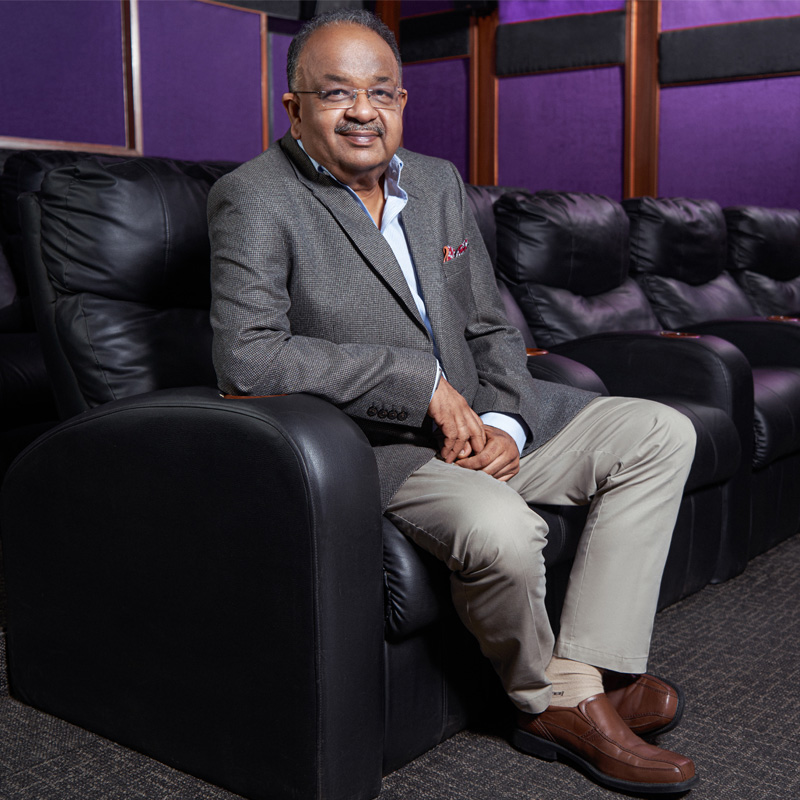
    “OTT, TV and cinema complement each other”: UFO Moviez’ CEO Rajesh Mishra

    The movie-exhibition business in India is stuck in contradictions. On the one hand, the country produces the highest number of movies in the world, on the other, its screen-density remains one of the lowest. Various state governments provide subsidies to promote shooting in their states, yet GST rate on movie tickets in multiplexes was 28 per cent initially and has been reduced to 18 per cent only recently. And while OTT platforms stream originals directly to homes without any certification or pre-screening, movie-exhibitors need government approvals for every advertisement.

    All this leaves the film folks in a sticky situation. While there is a huge untapped potential for expansion of cinema-networks in tier-II, tier-III cities, entrepreneurs and movie-enthusiasts are often hesitant to invest for fear of getting entangled in endless government regulations.

    UFO Moviez, India’s largest digital cinema distribution network and in-cinema advertising platform, has been successfully navigating these contradictions for over a decade now. Not only has the company digitised over 5,000 screens and revolutionised movie-distribution in India, in order to salvage community movie-viewing in tier-II, tire-III cities, the company has also launched a sub-brand Nova Cinemaz under a franchise model, along with Caravan Talkies, a novel movie-on-wheels concept, wherein non-ticketed shows are played at media-dark villages at sundown for rural folks who would otherwise have been deprived of this entertainment.

    “At the heart of all our efforts,” says UFO Moviez CEO Rajesh Mishra, “is an attempt to add value to all stakeholders in the movie value chain, spanning movie producers, distributors, exhibitors and the cinema-going audience.”

    Indiantelevision.com’s Sumit Ahlawat spoke to Mishra on a range of issues involving expansion in smaller cities, how to improve ease of doing business in the movie-exhibition sector, the need for an overhaul of the regulatory framework, the benefits of adopting transparent, computerised ticketing systems, the revenue-sharing model between movie producers, exhibitors and distributors and on the future of in-cinema advertising. Edited Excerpts:

    On FY19 for UFO Moviez.

    Overall 2019 has been a stable year for us.  The digitisation part of our business is working very well. We had completed the digitisation phase broadly by 2013. Currently, we are in the maintenance and growth phase.

    On the in-cinema advertising revenue decline in FY19.

    We did see a small decline in revenue generation, owing largely to the decline in in-cinema government-sponsored advertising because of the 2019 general elections and the Model Code of Conduct that was in place during the first two quarters. We were expecting this decline and were prepared for that. Advertising revenue from private players, however, has increased by 11 per cent, partly assuaging this shortfall. Going forward in 2020, we are confident about government advertising picking up once again.

    Has India’s falling GDP also impacted in-cinema advertising revenues?

    On the contrary, advertising by private players has increased by 11 per cent. India’s growth has, indeed, seen a modest decline owing largely to global factors. But this has not impacted the movie-exhibition business in India as demonstrated by the FICCI Frames report 2019 which estimated that while in-cinema advertising revenues have increased from Rs 7.5 billion in 2018 to Rs 9 billion in 2019, domestic theatrical revenues have also increased from Rs 102 billion in 2018 to Rs 110 billion in 2019.

    On the need to look beyond metro cities.

    As far as the metro cities are concerned, we are reaching a saturation point. Most metro cities in India have 100 plus screens. Even Surat has nearly 70 screens. And smaller cities having a population of 200,000-300,000 are managing with just one-screen cinemas. This imbalance needs to be addressed. India has a multi-layered economy and for the growth of all stakeholders in the movie value chain, from movie producers, distributors, exhibitors to the cinema-going audience, expansion in smaller cities is a must. We believe the next phase of growth in the Indian movie business will come from these smaller cities.

    Cinema growth potential in tier-II, tier-III cities.

    We have seen single-screen cinemas in tier-II cities struggling for survival. On the one side, they have limited options of movie display due to limited screens. In addition, they have limited in-cinema advertising revenues. These single-screen cinemas can be converted into two to three screen multiplexes. Entrepreneurs in small towns also have disposable income and they are keen to enter the movie-exhibition business. But over-regulation in the cinema sector puts them off. Licensing is a huge obstacle. In some states, one has to get clearances from over 50 nodal authorities before starting a multiplex business.

    That’s why we started Nova Cinemaz. To support entrepreneurs in the small cities who are eager to get in but lack the required expertise and know-how. Under a Nova  Cinemaz franchise, we partner with entrepreneurs at the local level. We not only take care of their content booking but put standard operating procedures (SOPs) in place, provide our years of technical expertise in computerised ticketing systems, market research, as well as provide clients for in-cinema advertisements.

    Currently, we have around 47 screens operating under Nova Cinemaz and another 75 are under discussion.

    On Caravan Talkies.

    We have a two-pronged strategy for Caravan Talkies. It’s a non-ticketing platform and works totally on advertising. The idea was to take movies in media dark areas at the bottom of the pyramid. This provides potential for advertisers to reach an audience where no other media reaches. It also provides an outreach opportunity for government agencies. Whether it's public health messages, or the Swacch Bharat campaign, or the crop insurance scheme, Caravan Talkies is a great platform for government outreach campaigns. This medium excites us and we will continue to invest our resources in it.

    On computerised ticketing systems.

    Single-screen cinemas are also struggling on account of lack of transparency and their refusal to join a transparent computerised ticketing system. They suffer because they have to furnish huge minimum guarantees (MGs) for a movie even before its release. Multiplexes work on a revenue-sharing model but single-screen cinemas in smaller cities, which are the most vulnerable, have to shell out MGs. So, I believe, computerised ticketing should be made mandatory across the board (currently it’s mandatory only for multiplexes). It’s vital for the survival of cinemas.

    On revenue sharing.

    Historically speaking, only 10 per cent movies are a hit, another 10 per cent do average business, while the rest lose money. Given that for movie producers, cinema is the only touch-point with the audience, their survival is a must. And, thus, it’s vital for movie producers to move towards a revenue-sharing model and not insist on MGs.

    On Regulation.

    Today, the greatest bane for the movie-exhibition business is over-regulation. Over-regulation of content, over-regulation of licenses and high GST rates. A movie ticket below Rs 100 is taxed differently than a multiplex ticket. This Robin Hood-attitude must go. Cinema remains one of the most regulated sectors in the entertainment space. Print, TV, OTT, nothing is as regulated as cinema. The reason China could add 10,000 screens in one year, more than we have been able to add in the last 70 years, is because movie exhibition remains one of the most heavily regulated sectors in India. A complete overhaul of licensing and regulation is a must to realise the full growth potential of the cinema business in India.

    On single-window clearances.

    The ease of doing business should translate in the movie-exhibition business as well. Single-window clearance for cinemas is the need of the hour. This will help the cinema business tremendously.

    On the OTT challenge.

    I do not see OTT as a challenge. Rather, I believe that OTT, TV and cinema can all complement each other and help build an ecosystem conducive for the growth of quality content. However, OTT, which streams original content directly into people’s houses does not have to deal with censorship for these whereas, we have to take approvals even for advertisements. While we do not envy the freedom on OTT, we definitely believe that there should be less censorship on cinema well. There should not be a disparity between OTT and cinema.

  • How PVR is revolutionizing community movie-viewing in India

    How PVR is revolutionizing community movie-viewing in India

    MUMBAI: India is often the land of contradictions. For everything that is true about India, its opposite is also equally true. It’s no wonder then that despite producing the highest number of movies in the world, India’s screen density remains one of the lowest in the world. 

    As per FICCI Frames Report 2018, India only has 9,600 cinema screens compared to over 40,000 in both China and the US. This despite the fact that in the year 2017, India produced over 1807 films, more than the combined output of China (944) and the US (789), put together. To put it in perspective, India has an abysmal screen density of 8 per million in comparison with 117 per million in the US.

    This anomaly was first noticed by Ajay Bijli, CMD PVR Ltd, more than two decades ago when he forayed into the cinema business with the opening of the first PVR Cinema in Delhi in 1997. Today, PVR commands 821 screens, at 172 properties, in 70 cities (including India and Sri Lanka). On Monday, PVR also launched its first 12-Screen Superplex at Vegas Mall, Dwarka, New Delhi.

    Unveiling the property, PVR Cinemas CEO Gautam Dutta said, “In FY 19-20 we have been successful in crossing the 800-screen milestone and are now looking forward to expanding further. With this we are bringing the city’s first LUXE; designed to offer an unparalleled experience.”

    From four to 821 screens: PVR journey so far

    PVR Cinemas launched India's first Multiplex Cinema PVR Anupam, a four-screen cinema, at Saket, New Delhi, in 1997. In 2004, PVR launched India’s then-largest multiplex cinema PVR Bangalore, with eleven screens. This was also PVR’s first property outside the Delhi NCR region.

    Two years later, PVR was listed on the Bombay Stock Exchange and in 2008 it achieved the target of 100 screens in India. All this while, PVR also invested in enhancing the movie-viewing experience and in 2011, it launched PVR’s Director’s Cut, a 7-star movie viewing experience.

    Around 2012, PVR went into an acquisition overdrive and bought Cinemax that helped the multiplex chain cross 200 screens. In 2016, PVR acquired DT Cinemas from DLF for Rs 433 crore, adding 32 more screens operating under DT Cinemas to its portfolio. Just two years later, it acquired SPI Cinemas, a leading cinema player in South India with 76 screens operating under brand names like – Satyam Cinemas, Escape, Palazzo, The Cinema and S2. The deal, worth Rs 850 crore, helped PVR Cinemas cross 700-screen milestone and established it as a dominant player in South India.

    Speaking on the acquisition, PVR CEO Gautam Dutta said: “It was a natural course of progression for PVR to strengthen its standing in different regions of the country. South is an extremely important market and SPI Cinemas had a magnanimous hold over the region. The acquisition proved to be a profitable investment, with PVR being able to consolidate its position in the country and also in reaping the benefits of making a well-established entry into the region.”

    With the addition of 12 Screen Superplex, PVR now commands 821 screens in India, including a 9-screen property in Sri Lanka.

    Digitising the movie screen

    From opening India’s first multiplex in 1997 to launching India’s biggest multiplex in 2004, PVR has maintained its leading position by constantly investing in new technologies to enhance movie-viewing experience. The multiplex chain has been at the forefront of scaling up premium cinema formats to offer a mix of “exhibition” and “hospitality” experience with deep audience engagement.

    PVR has now various movie viewing premium screens in its portfolio like – Gold Class, Directors Cut, Imax (both in 2D and 3D), 4DX (launched in 2015 in partnership with CinemaCon), PVR PXL, (home-grown large screen format), PlayHouse (Kid’s Auditorium), PVR Onyx (India’s first LED screen cinema), and PVR Utsav (catering specifically to Tier-II and Tier-III cities).

    In 2018, out of the total 73 new screens opened by PVR Cinemas, 20 were premium screens (Gold Class, IMAX, 4DX, PXL, Playhouse).

    At present, PVR operates 4 screens of Director’s Cut, 37 screens of Gold Class, 9 of IMAX, 16 of 4DX, 08 of P[XL], 12 of Playhouse and 1 of PVR Onyx across the country.

    Apart from these, PVR is also investing in a host of new cutting-edge technologies. PVR Cinemas and CJ 4DPLEX, the world’s leading cinema technology company; signed a deal at CinemaCon 2019 to open 10 ScreenX theatres in India by 2021. Screen X is the world’s first multi-projection immersive cinematic platform which provides moviegoers a 270 degrees viewing experience by expanding the scene onto the side walls.

    In October, PVR unveiled India’s first D-BOX motion seats across five screens in Mumbai. It is also managing PVR Audit-Air-Ium: a clean air theatre format.

    Strategy for Tier-II, Tier-III cities: PVR Utsav

    India’s screen count remains low primarily due to lack of cinema penetration in tier II, tier III and tier IV cities. This presents a large untapped potential for multiplex chains and belatedly businesses are shedding their exhibitions in entering smaller Indian cities with premium movie viewing formats.

    UFO Moviez has launched NOVA and opened properties in smaller cities in Punjab, Maharashtra, Andra, MP and Chattisgarh. Ajay Devgn’s NY Cinemas is eyeing 250 screens in the next 4-5 years with a primary focus on smaller cities. PVR has responded with PVR Utsav.

    Dutta describes PVR Utsav as the “culturally and socially sensitive arm of PVR whose main objective is to provide hygienic, safe and secure cinematic experience to the aspirational audiences in tier II and tier III cities across the country. We are planning to enter into markets for the very first time such as Jaipur, Ajmer, Ambala, Patna, Bhubaneshwar and other cities.”

    Future Course

    The domestic theatrical market grossed Rs 102 billion in 2018. In addition, there are substantial earnings from F&B revenues which are estimated at around Rs 20 billion by FICCI Frames report. This growth in movie business means that PVR’s financials are in a strong position and its profits are increasing y-o-y.

    Last month, PVR reported 35 per cent year-on-year growth in its consolidated net profit at Rs 47.67 crore for the second quarter ended September 30, 2019. Its consolidated revenue jumped by 37 per cent to Rs 979.40 crore as compared to Rs 714.65 crore in the year-ago period. PVR’s surging revenue and profits will give the company plenty of room to expand and invest in newer movie-exhibition formats.

    There is also a huge untapped potential for expansion in smaller Indian cities and foreign markets as well. The overseas theatricals market for Indian films has grown to $30 billion in 2018.

    PVR has just launched its 9-screen property in Sri Lanka and will add a 7-screen in Colombo soon. However, its domestic rival Carnival Cinemas has made significant inroads in foreign markets. In July 2018, it signed the largest overseas acquisition deal for any Indian multiplex. The company entered into a definitive agreement with Elan Group to acquire Novo Cinemas, which operates 104 screens in the UAE and Bahrain.

    While for PVR, the next natural target would be to touch the milestone of 1000 screens, its nearest rival, INOX, is determined to close the gap with PVR. INOX already has over 600 screens in India and boasts of maximum new signings (around 900). INOX is a key challenger to PVR in metro cities and PVR’s expansion plans in smaller cities will face stiff competition from players like UFO Moviez and Devgn’s NY Cinema.

    While expansion is key, PVR has to tread carefully and be mindful of its huge debt burden. As of September 30, 2019, the company's debt increased to Rs 1,282.52 crore from Rs 1,247.17 crore in March.

    The company, however, is optimistic about its future, and rightly so. Dutta says the future growth looks very exciting.

    “We are on course to achieve the annual target of opening more than 100 screens in the coming months. The expansion will not only happen in Tier I cities but in Tier II and Tier III cities as well. We plan to introduce new concepts in India which the Indian movie-going audience hasn’t heard of. Apart from the opening of cinemas in new cities, with our enhanced offerings, we wish to increase the market size in the developed cities as well,” he added.

  • UFO Moviez reports Q2 & H1FY20 results

    UFO Moviez reports Q2 & H1FY20 results

    MUMBAI: UFO Moviez India Limited, India’s largest digital cinema distribution network and in-cinema advertising platform by number of screens, today, announced its financial results for the quarter and half year ended September 30, 2019.

    Financial Highlights:

    Quarter ended September 30, 2019

    Consolidated revenue stood at ₹1,251 (Q2FY19 – ₹1,335) million. EBITDA stood at ₹271 (Q2FY19 – ₹338) million. PBT stood at ₹113 (Q2FY19 – ₹168) million. UFO has taken a write down of ₹126 Mn of its Net Deferred Tax Assets (DTA) while computing the tax expense with the reduced tax rate of 25.17% as introduced by Taxation Law (Amendment) Ordinance 2019. As a result, the Net Loss was ₹35 (Q2FY19 PAT – ₹108) million. Excluding this one-time impact, the PAT would have been ₹91 Mn.

    Advertisement revenue stood at ₹379 (Q2FY19 – ₹490) million. Average advertisement minutes sold per show per screen stood at 4.34 (Q2FY19 – 5.08) minutes.

    Half Year ended September 30, 2019

    Consolidated revenues stood at ₹2,519 (H1FY19 – ₹2,682) million. EBITDA stood at ₹559 (H1FY19 – ₹621) million. PBT stood at ₹249 (H1FY19 – ₹286) million and PAT stood at ₹46 (H1FY19 – ₹184) million. Excluding the one-time write down of (Net DTA), the PAT would have been ₹172 Mn.

    Advertisement revenue stood at ₹819 (H1FY19 – ₹942) million. Average advertisement minutes sold per show per screen stood at 4.45 (H1FY19 – 4.77) minutes.

    “Corporate advertisement revenue performed broadly in line with the in-cinema advertising industry, however Government advertisement category remained weak during the quarter” said Kapil Agarwal, Joint Managing Director. “EBITDA was under pressure during the quarter on account of a weak Government advertisement performance, planned D-Cinema sunset impact and relatively weaker E-Cinema VPF performance. We reported Net Loss of ₹35 Mn during the quarter owing to one-time write down of net deferred tax assets of ₹126 Mn. Despite short term slowdown, we remain positive about the future and continue to make strides in improving advertisement revenues.”

  • UFO Moviez board recommends 125% dividend for fiscal 2018

    UFO Moviez board recommends 125% dividend for fiscal 2018

    BENGALURU: The board of directors of Indian digital cinema distribution network and in-cinema advertising platform UFO Moviez Ltd (UFO) has mooted a dividend of Rs 12.50 (125 per cent) per equity share of face value of Rs 10 each subject to shareholder approval for the year ended 31 March 2018 (FY 2018, year or fiscal under review). UFO says that this dividend including dividend distribution tax translates to 68 per cent of its FY 2018 consolidated PAT.

    UFO reported almost flat (up 0.8 per cent) consolidated PAT for FY 2018 at Rs 60.64 crore as compared to Rs 60.13 crore in the previous fiscal. Total comprehensive income or TCI for the fiscal under review increased 3.2 per cent to Rs 60.35 crore from Rs 58.50 crore in FY 2017. Simple EBITDA including other income for FY 2018 declined 7.5 per cent to Rs 172.93 crore (29 per cent of total revenue) from Rs 186.89 crore (31.1 per cent of total revenue) in the previous year.

    UFO’s operating revenue in the fiscal under review was almost flat (reduced 0.8 per cent) at Rs 594.03 crore as compared to Rs 598.95 crore in FY 2017. Total revenue declined 0.6 per cent in FY 2018 to Rs 596.96 crore from Rs 600.65 crore in FY 2017. In its earnings press release, UFO says that advertisement revenue grew by 19.3 per cent to Rs 213.6 crore (In FY 2017 it was Rs 179 crore) million. Average advertisement minutes sold per show per screen grew to 5.19 per cent (FY 2017 – 4.34) minutes during FY 2018.

    Total expenditure in FY 2018 increased 2.5 per cent to Rs 424.03 crore from Rs 413.76 crore in the previous year. Purchase of digitalcinema and lamps in the year under review was flat at Rs 67.56 crore as compared to R 67.57 crore in FY 2017. Ad revenue share expense in FY 2018 increased 26 per cent to Rs 65 crore from Rs 51.58 crore in the previous fiscal. Virtual print fees sharing expense in FY 2018 reduced 28 per cent to Rs 52.36 crore from Rs 72.72 crore in FY 2017. Other operating direct costs in FY 2018 increased 2.4 per cent to Rs 55.22 crore from Rs 53.40 crore in FY 2017. Employee benefit expense in FY 2018 increased 3.2 per cent to Rs 83.70 crore from Rs 81.12 crore in FY 2017. Other expenses in the year under review increased 11.3 per cent to Rs 94.81 crore from Rs 85.15 crore in FY 2017.

    Company speak:

    “UFO ended fiscal 2018 on a strong note by delivering robust advertisement revenues,” said UFO founder and managing director Sanjay Gaikwad. “Growing advertisement contribution to overall profitability minimised the impact of planned reduction in D-Cinema VPF revenue. Additionally, the Scheme of Arrangement and Amalgamation between UFO and Qube is progressing as per schedule and is currently awaiting requisite approvals from regulatory bodies. We are extremely excited about the future of the merged entity and the opportunities across in-cinema advertising. Also, the board recommended an enhanced dividend of Rs 12.5 per equity share in fiscal 2018. This marks the third consecutive dividend in line with UFO’s shareholder value creation philosophy. Going forward, we will continue to achieve our goals and are confident of delivering long term sustainable growth and shareholder value creation.”

  • Demonetisation, decline in govt ads impact UFO Q2 numbers

    Demonetisation, decline in govt ads impact UFO Q2 numbers

    BENGALURU: Indian digital cinema distribution network and in-cinema advertising platform UFO Moviez Ltd (UFO) reported a 12.8 percent year-on-year (y-o-y) decline in consolidated operating revenue for the quarter ended 30 September 2017 (Q2 FY 2017-18) as compared with the corresponding year ago quarter. The company’s consolidated operating revenue was Rs 1,388.8 million for the quarter as against Rs 1,591.8 million for Q2 FY 2016-17. Advertisement revenue stood at Rs 372 million (Rs 517 million in Q2 FY 2016-17). Average advertisement minutes sold per show per screen stood at 3.52 minutes during Q2 FY 2017-18 (5.15 minutes in Q2 FY 2016-17).

    The company’s consolidated net profit after tax declined by 47.8 percent y-o-y during the quarter under review to Rs 102 million from Rs 195.3 million. Consolidated operating profit excluding other income (EBIDTA) for Q2 FY 2017-18 fell by 31.8 percent y-o-y to Rs 374.7 million (26.1 percent margin) from Rs 549.7 million (34.5 percent margin).

    “The last twelve months have been extremely challenging for the entire industry on account of one-off events such as demonetisation and implementation of GST, especially for the media sector, which was most severely impacted,” said UFO’s founder and managing director Sanjay Gaikwad. “Q2 FY 2017-18 was one of our toughest quarters. Advertisement revenue declined sharply on a high base of last year combined with slowdown in government advertisement spends. Nevertheless, we continue to remain extremely positive about the long-term growth prospects of the advertising business. We are hopeful that demand will pick up in a few months. The temporary slowdown has failed to deter us and we remain focused on achieving our long-term strategic goals by entering into a scheme of arrangement and amalgamation with Qube Cinema Technologies Pvt Ltd. We believe that this consolidation will further strengthen our position to capitalise on growth opportunities as the economy revives and gains steam.”

    Total expenses in Q2 FY 2017-18 reduced by 2.7 percent y-o-y to Rs 1,014.1 million from Rs 1,042.1 million. Ad revenue share (expense) increased by 9.8 percent y-o-y to Rs 155.5 million from Rs 141.6 million. Visual print fees sharing expense decreased by 24.8 percent y-o-y to Rs 153.2 million from Rs 203.6 million. Other expenses increased by 0.9 percent y-o-y to Rs 212 million from Rs 201.2 million.

    The company’s expense towards purchase of digital cinema equipment and lamps in the current quarter reduced by 1.8 percent y-o-y to Rs 159.5 million as compared with Rs 162.4 million. Employees’ benefits expense during the quarter under review dipped by 2.6 percent y-o-y to Rs 194.7 million from Rs 199.9 million. Other operating direct costs rose by 8.7 percent y-o-y during the quarter under review to Rs 140.4 million from Rs 129.2 million.

  • FY-16: UFO Moviez ad revenue 35 percent up

    FY-16: UFO Moviez ad revenue 35 percent up

    BENGALURU: Indian digital cinema distribution network and in-cinema advertising platform, UFO Moviez Limited (UFO) reported a 35.3 percent growth in advertising revenue for the year ended 31 March 2016 (FY-16, current year). The company reported advertising revenue of Rs 157.8 crore in FY-16 as compared to Rs 116.7 crore in the previous year. Average advertisement minutes sold per show per screen increased to 4.15 (FY-15 – 3.36) minutes during the year. Theatrical and In-Cinema advertisement (consolidated excluding new businesses) revenues grew by 18.6 percent to Rs 567.1 crore (FY-15 – Rs 478.3 crore). Consolidated revenues improved by 19.4 percent to Rs 572.1 crore (FY-15 – Rs 479.3 crore)

    Note: The unit of currency in this report is the Indian rupee – Rs (also conventionally represented by INR). The Indian numbering system or the Vedic numbering system has been used to denote money values. The basic conversion to the international norm would be:

    (a) 100,00,000 = 100 lakh = 10,000,000 = 10 million = 1 crore.

    (b) 10,000 lakh = 100 crore = 1 arab = 1 billion.

    Let us look at the other numbers reported by UFO Moviez

    Total Expense in FY-16 increased 17.5 percent to Rs 464.70 crore from Rs 395.45 crore in FY-15. Ad revenue share (expense) in FY-16 increased 27.2 percent to Rs 47.15 crore from Rs 39.39 crore in the previous year. Visual Print sharing expense in FY-16 increased 22.9 percent to Rs 73.36 crore from Rs 63.31 crore.

    The company’s expense towards purchase of digital cinema equipment and lamps in the current year increased 62.7 percent to Rs 66.0s crore as compared to Rs 40.59 crore in FY-15.

    Company speak

    “Fiscal 2016 was another successful year for UFO as our financial results exceeded expectations across all metrics,” said UFO Moviez founder and managing director Sanjay Gaikwad. “Our confidence in our advertisement growth strategy has further strengthened. We continued to generate strong cash flows, allowing us to return value to our shareholders through dividends. We are excited about the potential of our advertisement platform and committed to deliver growth ahead aiming at unlocking further value for shareholders.”

    “UFO delivered record revenue and profitability with consistent growth year on year for the last 5 fiscal years,” said Kapil Agarwal, Joint Managing Director. “Our theatrical business continues to deliver stable results and we remain strategically focused on driving growth through advertising.   Momentum from advertisements continued in fiscal 2016 with advertisement sales exceeding 35 percent growth achieving record levels. As we enter fiscal 2017, we remain confident in our momentum and see tremendous opportunity and exciting prospects for the company.”

  • FY-16: UFO Moviez ad revenue 35 percent up

    FY-16: UFO Moviez ad revenue 35 percent up

    BENGALURU: Indian digital cinema distribution network and in-cinema advertising platform, UFO Moviez Limited (UFO) reported a 35.3 percent growth in advertising revenue for the year ended 31 March 2016 (FY-16, current year). The company reported advertising revenue of Rs 157.8 crore in FY-16 as compared to Rs 116.7 crore in the previous year. Average advertisement minutes sold per show per screen increased to 4.15 (FY-15 – 3.36) minutes during the year. Theatrical and In-Cinema advertisement (consolidated excluding new businesses) revenues grew by 18.6 percent to Rs 567.1 crore (FY-15 – Rs 478.3 crore). Consolidated revenues improved by 19.4 percent to Rs 572.1 crore (FY-15 – Rs 479.3 crore)

    Note: The unit of currency in this report is the Indian rupee – Rs (also conventionally represented by INR). The Indian numbering system or the Vedic numbering system has been used to denote money values. The basic conversion to the international norm would be:

    (a) 100,00,000 = 100 lakh = 10,000,000 = 10 million = 1 crore.

    (b) 10,000 lakh = 100 crore = 1 arab = 1 billion.

    Let us look at the other numbers reported by UFO Moviez

    Total Expense in FY-16 increased 17.5 percent to Rs 464.70 crore from Rs 395.45 crore in FY-15. Ad revenue share (expense) in FY-16 increased 27.2 percent to Rs 47.15 crore from Rs 39.39 crore in the previous year. Visual Print sharing expense in FY-16 increased 22.9 percent to Rs 73.36 crore from Rs 63.31 crore.

    The company’s expense towards purchase of digital cinema equipment and lamps in the current year increased 62.7 percent to Rs 66.0s crore as compared to Rs 40.59 crore in FY-15.

    Company speak

    “Fiscal 2016 was another successful year for UFO as our financial results exceeded expectations across all metrics,” said UFO Moviez founder and managing director Sanjay Gaikwad. “Our confidence in our advertisement growth strategy has further strengthened. We continued to generate strong cash flows, allowing us to return value to our shareholders through dividends. We are excited about the potential of our advertisement platform and committed to deliver growth ahead aiming at unlocking further value for shareholders.”

    “UFO delivered record revenue and profitability with consistent growth year on year for the last 5 fiscal years,” said Kapil Agarwal, Joint Managing Director. “Our theatrical business continues to deliver stable results and we remain strategically focused on driving growth through advertising.   Momentum from advertisements continued in fiscal 2016 with advertisement sales exceeding 35 percent growth achieving record levels. As we enter fiscal 2017, we remain confident in our momentum and see tremendous opportunity and exciting prospects for the company.”

  • Q3-2016: UFO Moviez revenue up 16.5 percent, EBIDTA up 1.1 percent

    Q3-2016: UFO Moviez revenue up 16.5 percent, EBIDTA up 1.1 percent

    BENGALURU:  Indian digital cinema distribution network and in-cinema advertising platform, UFO Moviez Limited (UFO) reported a 16.5 percent YoY growth in consolidated income from operations (TIO) for the quarter ended December 31, 2015 (Q3-2016, current quarter) at Rs 144.49 crore as compared to Rs 124.05 crore, but declined 2.5 percent as compared to Rs 148.25 crore.  The company reported 1.1 percent higher YOY operating profit or EBIDTA for the current quarter at Rs 44.15 crore (30.6 percent margin) as compared to Rs 43.67 crore (35.2 percent margin) but declined 1.1 percent as compared to Rs 44.66 crore (30.1 percent margin).


    Note: 100,00,000 = 100 lakh = 10 million = 1 crore.


    The company’s PAT in Q3-2016 increased 1.1 percent YoY to Rs 16.03 crore (11.1 percent margin) as compared to Rs 15.85 crore (12.8 percent margin) and declined 2.6 percent QoQ as compared to Rs 16.46 crore (11.1 percent margin).


    “In the third quarter of fiscal 2016, UFO continued to deliver healthy growth in core business revenues and profits,” said UFO founder and managing director Sanjay Gaikwad, “Theatrical revenues sustained healthy momentum led by rate hike in H1FY16 and wider movie releases during the festival season. In-cinema advertising continued to deliver healthy performance, driven by volume-led sales growth. We launched UFO Framez today by opening registration for DSA’s across India. The excitement for UFO Framez is incredible and we believe that in-cinema advertising will get impetus from the retail advertisement opportunity.”


    “We made substantial progress during the quarter operationally as well as strategically,” said UFO joint managing director Kapil Agarwal. “Our focus on leveraging on our existing platform continued to deliver positive results. Simultaneously, we continued to expand our synergistic business Caravan Talkies. We added 67 new vans during the period, expanding our network through 91 districts. This business is expected to cash breakeven during the second half of fiscal 2017. Overall, we aim to build momentum in both core and new businesses and are excited about the future growth prospects of

    UFO Moviez.”


    Let us look at the other expenses reported by the company.


    Total Expenses in Q3-2016 at Rs 119.62 crore (82.8 percent of TIO) increased 19.9 percent YoY as compared to Rs 99.73 crore (80.4 percent of TIO) and was 2.9 percent lower QoQ as compared to Rs 123.22 crore (83.1 percent of TIO).


    The company’s expense towards purchase of digital cinema equipment and lamps in the current quarter more than doubled (2.35 times) YoY to Rs 18.21 crore (12.6 percent of TIO) as compared to Rs 7.74 crore (6.2 percent of TIO), but reduced 25.8 percent as compared to Rs 24.55 crore (16.6 percent of TIO).


    The company paid 13.3 higher amount towards advertisement revenue share in Q3-2016 at Rs 11.65 crore (8.1 percent of TIO) as compared to Rs 10.28 core (8.3 percent of TIO) in the corresponding year ago quarter and was 3.2 percent more QoQ than the Rs 11.29 crore (7.6 percent of TIO) .


    Further, the company paid 6.7 percent YoY more towards VPF share at Rs 18.18 crore (12.6 percent of TIO) as compare to Rs 17.04 crore (13.7 percent of TIO), but declined 9.1 percent as compared to Rs 19.99 crore (13.5 percent of TIO). 

  • Q3-2016: UFO Moviez revenue up 16.5 percent, EBIDTA up 1.1 percent

    Q3-2016: UFO Moviez revenue up 16.5 percent, EBIDTA up 1.1 percent

    BENGALURU:  Indian digital cinema distribution network and in-cinema advertising platform, UFO Moviez Limited (UFO) reported a 16.5 percent YoY growth in consolidated income from operations (TIO) for the quarter ended December 31, 2015 (Q3-2016, current quarter) at Rs 144.49 crore as compared to Rs 124.05 crore, but declined 2.5 percent as compared to Rs 148.25 crore.  The company reported 1.1 percent higher YOY operating profit or EBIDTA for the current quarter at Rs 44.15 crore (30.6 percent margin) as compared to Rs 43.67 crore (35.2 percent margin) but declined 1.1 percent as compared to Rs 44.66 crore (30.1 percent margin).


    Note: 100,00,000 = 100 lakh = 10 million = 1 crore.


    The company’s PAT in Q3-2016 increased 1.1 percent YoY to Rs 16.03 crore (11.1 percent margin) as compared to Rs 15.85 crore (12.8 percent margin) and declined 2.6 percent QoQ as compared to Rs 16.46 crore (11.1 percent margin).


    “In the third quarter of fiscal 2016, UFO continued to deliver healthy growth in core business revenues and profits,” said UFO founder and managing director Sanjay Gaikwad, “Theatrical revenues sustained healthy momentum led by rate hike in H1FY16 and wider movie releases during the festival season. In-cinema advertising continued to deliver healthy performance, driven by volume-led sales growth. We launched UFO Framez today by opening registration for DSA’s across India. The excitement for UFO Framez is incredible and we believe that in-cinema advertising will get impetus from the retail advertisement opportunity.”


    “We made substantial progress during the quarter operationally as well as strategically,” said UFO joint managing director Kapil Agarwal. “Our focus on leveraging on our existing platform continued to deliver positive results. Simultaneously, we continued to expand our synergistic business Caravan Talkies. We added 67 new vans during the period, expanding our network through 91 districts. This business is expected to cash breakeven during the second half of fiscal 2017. Overall, we aim to build momentum in both core and new businesses and are excited about the future growth prospects of

    UFO Moviez.”


    Let us look at the other expenses reported by the company.


    Total Expenses in Q3-2016 at Rs 119.62 crore (82.8 percent of TIO) increased 19.9 percent YoY as compared to Rs 99.73 crore (80.4 percent of TIO) and was 2.9 percent lower QoQ as compared to Rs 123.22 crore (83.1 percent of TIO).


    The company’s expense towards purchase of digital cinema equipment and lamps in the current quarter more than doubled (2.35 times) YoY to Rs 18.21 crore (12.6 percent of TIO) as compared to Rs 7.74 crore (6.2 percent of TIO), but reduced 25.8 percent as compared to Rs 24.55 crore (16.6 percent of TIO).


    The company paid 13.3 higher amount towards advertisement revenue share in Q3-2016 at Rs 11.65 crore (8.1 percent of TIO) as compared to Rs 10.28 core (8.3 percent of TIO) in the corresponding year ago quarter and was 3.2 percent more QoQ than the Rs 11.29 crore (7.6 percent of TIO) .


    Further, the company paid 6.7 percent YoY more towards VPF share at Rs 18.18 crore (12.6 percent of TIO) as compare to Rs 17.04 crore (13.7 percent of TIO), but declined 9.1 percent as compared to Rs 19.99 crore (13.5 percent of TIO). 

  • Q2-2016: UFO Moviez revenue up 18%, EBIDTA up 12.3%

    Q2-2016: UFO Moviez revenue up 18%, EBIDTA up 12.3%

    BENGALURU: Indian digital cinema distribution network and in-cinema advertising platform, UFO Moviez Limited (UFO) reported a 18 per cent YoY growth in consolidated income from operations (TIO) for the quarter ended 30 September, 2015 (Q2-2016, current quarter) at Rs 148.25 crore as compared to Rs 125.59 crore and 13.8 per cent more than the Rs 130.32 crore in the immediate trailing quarter. The company reported 12.3 per cent higher operating profit or EBIDTA for the current quarter at Rs 44.66 crore (30.1 per cent margin) as compared to the Rs 39.78 crore (31 per cent margin) and grew 10.7 per cent QoQ from Rs 40.34 crore (31 per cent margin).


    Note100,00,000 = 100 lakh = 10 million = 1 crore.


    The company’s PAT in Q2-2016 increased 26.5 per cent to Rs 16.46 crore (11.1 per cent margin) as compared to Rs 13.01 crore (10.4 per cent margin) and increased 24.2 per cent QoQ from Rs 13.25 crore (10.4 per cent margin).


    UFO founder and managing director Sanjay Gaikwad said, “I am very pleased with UFO’s operating and financial performance during the first half of fiscal year 2016. We delivered strong growth in revenues driven by E Cinema VPF, sale of products and increase in advertisement volumes. Advertisement revenue growth was aided by increased stability due to repeat business from some of the top corporate clients. The benefits of operating leverage are also evident, combined with higher margins in advertising and strong balance sheet position, which has enhanced the overall profitability of the company.”


    “We are confident in our ability to deliver the targets we have set for the full year,” added UFO joint managing director Kapil Agarwal. “A healthy pipeline of movies in the second half offers strong visibility for growth. The prospect of growth in the advertising business looks promising. The expansion of Caravan Talkies is also progressing as per plan and we expect this business to begin contributing meaningfully at an operating level soon. In summary, we have a very well-established platform to leverage on and a strong set of plans to deliver growth.”


    Let us look at the other expense reported by the company:


    Total Expenses in Q2-2016 at Rs 123.22 crore (83.1 per cent of TIO) increased 17.3 per cent YoY from Rs 105.09 crore (83.7 per cent of TIO) and was 13.8 per cent more QoQ than the Rs 109.16 crore (83.8 per cent of TIO).


    The company’s expense towards purchase of digital cinema equipment and lamps in the current year increased 49.1 per cent to Rs 24.55 crore (16.6 per cent of TIO) as compared to the Rs 16.46 crore (13.1 per cent of TIO) in Q2-2015 and was 53.8 per cent higher QoQ as compared to Rs 15.96 crore (12.2 per cent of TIO).


    The company paid 7.9 higher amount towards advertisement revenue share in Q2-2016 at Rs 11.29 crore (7.6 per cent of TIO) as compared to the Rs 10.46 crore (8.3 per cent of TIO) in Q2-2015 and 7.6 per cent more QoQ from Rs 11.47 crore (8.8 per cent of TIO).


    Further, the company paid 32.1 per cent YoY more towards VPF share at Rs 19.99 crore (13.5 per cent of TIO) from Rs 15.06 crore (12 per cent of TIO) and 13.5 per cent more QoQ from Rs 16.23 crore (12.5 per cent of TIO).


    Half year results


    In H1-2016 (half- year ended 30 September, 2015), total consolidated revenues rose 20.2 per cent to Rs 280.20 crore from Rs 233.1 crore in H1-2015. EBITDA grew 12.4 per cent to Rs 86.8 in the current half year from Rs 77.3 crore. PBT increased 33.5 per cent to Rs 42.1 crore in H1-2016 from Rs 31.6 crore in the corresponding period of last year.


    PAT in H1-2016 grew 41.4 per cent to 29.7 crore from Rs 21 crore in H1-2015. The average number of advertisement minutes sold per show per screen increased to 3.83 in H1-2016 (half- year ended 30 September, 2015) as compared to the 2.92 minutes in HY-2015 and Advertisement revenue grew 37.8 per cent to Rs 70.7 crore in the current half-year as compared to Rs 51.3 crore in H1-2015.