Tag: Uday Shankar

  • Oppo Mobiles new sponsor of Indian Cricket Team

    MUMBAI: The Board of Control for Cricket in India (BCCI) has announced Oppo Mobiles India Private Limited as the new team sponsor for the Indian Cricket Team. The mobile manufacturing giant Oppo’s association with BCCI will start from April 2017 for a period of five years. The Oppo deal may reportedly be worth over Rs 538 crore, the amount which Star India had paid BCCI for its deal. (This figure was later confirmed to be Rs 1079 crore.)

    The next deal that the BCCI may sign is for the IPL broadcast rights. The rights are currently with Sony, and will end after this year’s IPL.

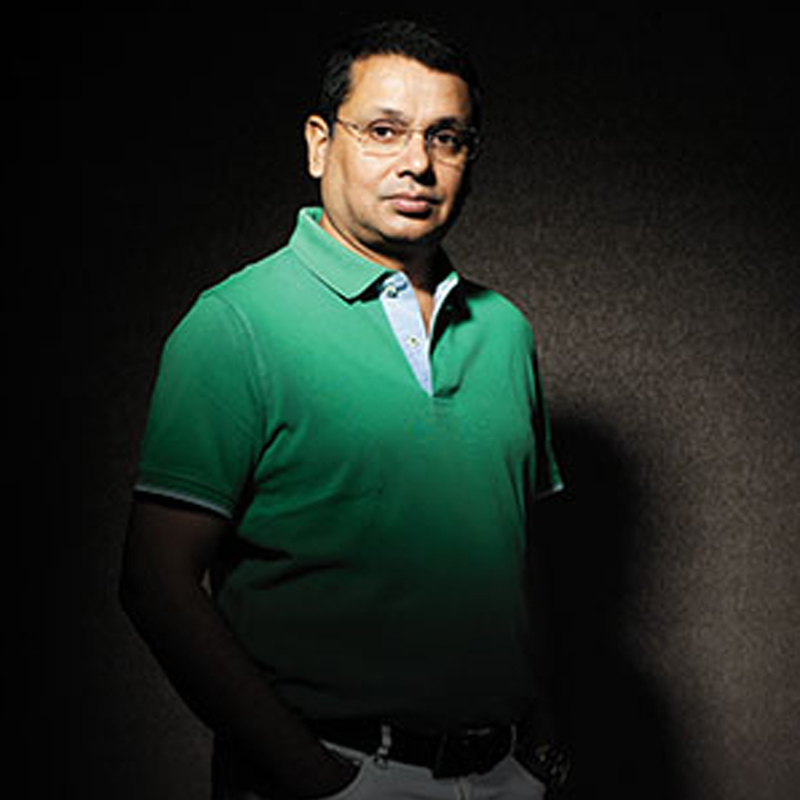
    A month before its contract for the Team India’s jersey sponsorship comes to an end in March 2017, Star India’s Chairman and CEO Uday Shankar has set the game up.

    “Given all the volatility, we are indeed concerned about the health of cricket in the days ahead. We have been very proud that our name is carried on the jersey of Team India. But given all the uncertainties, we have decided not to bid for it again. The commitments being asked for are too onerous without any clarity,” Shankar bared a marketing fang in an interview given to Times of India.

    A veteran of many journalistic face-offs earlier and now a master corporate strategist, Shankar’s message to BCCI or Indian cricket’s administrative body was clear, if not politically loaded: forget Team India’s indifferent performances at times on field, we can live with it; it’s the off-field boardroom games that’s making us uneasy to risk our money.

  • Comment: Is BCCI lbw on Star’s sponsorship googly?

    Why blame Virat Kohli & Co. for crumbling on a doctored pitch in Pune in the first Test against the visiting Ausssies? And, why should it come as a surprise? Indian cricket — administrators, (most) cricketers, sponsors, various rights holders, other stakeholders, et al — itself lives in a fairly land of its own making where games are played on dusty bowls and fiercely fought with no punches pulled. Star India’s latest googly to BCCI just goes on to amplify these. BCCI, though, has played the ball with a straight and dead bat.

    A month before its contract for the Team India’s jersey sponsorship comes to an end in March 2017, Star India’s Chairman and CEO Uday Shankar has set the game up. “Given all the volatility, we are indeed concerned about the health of cricket in the days ahead. We have been very proud that our name is carried on the jersey of Team India. But given all the uncertainties, we have decided not to bid for it again. The commitments being asked for are too onerous without any clarity,” Shankar bared a marketing fang in an interview given to Times of India.

    A veteran of many journalistic face-offs earlier and now a master corporate strategist, Shankar’s message to BCCI or Indian cricket’s administrative body was clear, if not politically loaded: forget Team India’s indifferent performances at times on field, we can live with it; it’s the off-field boardroom games that’s making us uneasy to risk our money.

    If the government of the day believes that ‘desh badal raha hai’ or the country is changing, why should BCCI also not reflect that narrative? Finding itself in the throes of controversies, some which are self-induced and some inflicted by the Supreme Court, BCCI seems unable to extricate itself from conflicts with itself and those with the cricket’s international governing body, ICC. What with some past office-bearers threatening to oppose moves of the Supreme Court-appointed interim administrative body shorn of politicians, it’s a piquant situation worthy of a Bollywood potboiler. Especially when there are question marks over India’s participation in strong cricketing properties, including the Champions Trophy and the IPL prospects not looking so rosy.

    Though some cricket observers feel that Star India is playing a who-would-blink-first game with BCCI, admittedly weakened by SC-induced structural changes, subsequent internal wrangling and flexing of muscle by ICC, presently led by former Indian chief administrator Shashank Manohar, others feel Star does have a point. A big financial point.

    According to Espncricinfo.com, Star India had bagged the Indian team sponsorship rights for a four-year period, starting 1 January 2014 and ending 31 March , 2017, with a bid worth Rs 19.2 million (US$315,000 approx) per match for bilateral series and Rs 6.1 million (US$100,000 approx) per match for ICC-sponsored tournaments. This had brought to an end a 12-year partnership with Sahara.

    Star, which also holds the broadcast, internet and mobile rights to Indian cricket until March 2018, had invested a few billions of dollars in Indian cricket overall, as per Shankar’s own admission to Times of India recently. Star’s jersey sponsorship contract that expires this March-end included the right to be called the official team sponsor and to display a commercial logo on the men’s, women’s, Under-19 and `A’ players and on their teams’ kits.

    Though Star obliquely may not be in favour of Test cricket — “If there are millions of people…not so attached to Test cricket but are very excited about the T20, then there’s a certain message that needs to be taken seriously”, says Shankar — the exposure that it has got as the team sponsor of men’s and women’s Indian cricketers in Tests, one-dayers and other smaller format of the game also cannot be denied.

    However, despite wanting to control things, Star India has been unable to influence much the twists and turns in soap opera called `BCCI’s transformation’, directed by the Supreme Court, which has raised uncertainties and question marks over return on investments for Star. Especially if Team India did not play in some tournaments or against certain country (like Pakistan) owing to not only India’s national political narrative, but also waning of support from other cricket-playing nations that Star describes as ebbing of India’s controlling power over international cricket despite being the biggest contributors.

    That one of the biggest investors in Indian cricket was never consulted on matters cricketing (“I don’t think we have ever been consulted or our views have been sought. This is a bit intriguing for us…as people committed to such high sums of contractual value, we have a point of view,” Shankar says) would have been rankling Star much. But that it still continued to invest in cricket, including Indian, also highlights the gains.

    In this tug-of-war of investment vs. RoI, BCCI may seem to be on a weak wicket presently, but it cannot be denied that other stakeholders, including Star, are trying to put pressure in an effort to close the game early on this turning pitch. But don’t think it’s all over for BCCI if Star backs out as team sponsor. Even Star has left itself room to manoeuvre as Shankar in the TOI interview states: “However, given all the volatility in the cricket world, we will have to be very careful before making any further commitments.”

    Remember what they say in cricket that the match isn’t over till the last ball has been bowled. And, the last ball remains to be still bowled in this game.

  • Star Plus brings ‘Nayi Soch’ with Aamir for Women’s day

    MUMBAI: Star India has constantly endeavoured to inspire social change through its thought-provoking programming, and this mission is reflected in the journey of its ‘Nayi Soch’ (new thinking) campaigns, which have continued to positively impact millions of lives.

    In further pursuit of its mission to spark social change through its ‘Nayi Soch’ campaign, Star Plus has released the next chapter in the inspirational series — a special Women’s Day communication featuring none other than superstar Aamir Khan. Created by Ogilvy and directed by Nitesh Tiwari of Dangal fame, the Women’s Day special of ‘Nayi Soch’ puts the spotlight on one of the nation’s biggest social issues of gender inequality and takes it head on.  

    Star India chairman & CEO Uday Shankar says, ”We at Star believe that daughters are equally capable to bring laurels to their families and society. Our latest Nayi Soch film reflects this confidence. It not only questions the gender discrimination that still exists, but also iterates our belief that it is time for fathers to step up and inspire their daughters with confidence and self-belief. Aamir Khan brings great credibility and empathy to the role of a father whose progressive thinking gives his daughters the freedom to flourish.”

     https://we.tl/HKf5rwB013

    The brand film showcases Aamir as a small-town, middle-class but new-age father who is progressive and confident that his daughters will take ahead the legacy of his business. The symbolic act of naming the store ”And Daughters” is a global first in thought and establishes a positive role model that could potentially have a ripple effect on society.

    Khan asserted, ”I think it is a great initiative by Star Plus. The film is a tribute to all the proud dads and their daughters who became the beacons of change.”

    The film ends with the thought-provoking line, “Kaamyabi na ladka dekhti hai na ladki. Kaamyabi sirf soch dekhti hai.” (Success does not consider whether one is a boy or girl; it only takes powerful thoughts into account).


  • Conviction comes from the society & your country, says Star India’s Uday Shankar, E&Y’s ‘Entrepreneurial CEO’ award-winner

    MUMBAI: “The conviction comes from the society, the world and the country you live in,” Star India chairman and CEO Uday Shankar said to a question on the conviction of taking billion-dollar bets on various major steps in the industry after winning the “Entrepreneurial CEO’ award of the year 2016 by EY, the consulting firm formerly known as Ernst & Young.

    The citation for the “Entrepreneirial CEO” stated: With a background in journalism, he seemed to be an unconventional choice to be a CEO of a global media corporation. But, his deep curiosity, disruptive thinking, and restless sense of pace sparked off a series of bold moves across digital platforms, regional entertainment, sports leagues and differentiated content which resonates with a varied audience, and all this has helped his organisation become an undisputed leader in India’s media and entertainment sector.

    On convincing STAR’s global shareholders, he said, “I have to do just one thing — to convince them about the possibilities and potential in India. The rest followed. I am very lucky to work for an entrepreneurial company where the promoters’ genes itself is about (the promoters believe) taking risks in a democracy with a billion people.” “It all boils down to the potential that my company sees in India, which we have been able to harness,” Shankar said.

    A distinguished independent jury led by Sun Pharmaceuticals MD Dilip Shanghvi had selected the finalists. Other members included Tata Communications chairman Subodh Bhargava, Info Edge (India) executive vice-chairman Sanjeev Bikhchandani, Max Financial Services chairman Naina Lal Kidwai, Kotak Mahindra Bank MD Uday Kotak, and JP Morgan Chase CEO – south Asia and India Kalpana Morparia.

    Motherson Sumi Systems chairman Vivek Chaand Sehgal has been named Indian entrepreneur. Sehgal will also be in the running for the EY World Entrepreneur of the Year award in Monte Carlo in June where he will contest with world business leaders.

    Infosys Ltd co-founder Nandan Nilekani was honoured with a lifetime achievement award for spearheading India’s Aadhaar project as head of the Unique Identification Authority of India (UIDAI).

    Force Motors chairman Abhay Firodia bagged EY’s business transformation award and Balaji Wafers whole-time director Chandubhai Virani won the award in the consumer products and retail category.

    Also Read: TED Talks to get Hindi version on Star with SRK as host

    Media distribution infra needs to change: Star India CEO Uday Shankar

  • TED Talks to get Hindi version on Star with SRK as host

    MUMBAI: Ted is coming to your TV. We are talking about the thought-provoking TED Talks that most of us have got used to watching on YouTube as it features out of this world thinkers who deliver their ideas or thoughts in 18 minutes or less talks. And it’s coming to the small screen courtesy Star India which has greenlit “TED Talks India: Nayi Soch” – a talk show series that will be hosted by the evergreen glib host Shah Rukh Khan.

    The series will be telecast in Hindi and is being created in partnership with the TED organisation. The collaboration is a global first for the latter as it is the first time it is partnering with a network and a mega star for a TV show in a language other than English.

    TED Talks India: Nayi Soch which translates into new thinking will be devoted to ‘ideas worth spreading,’ just like its international parent.

    Star India chairman & CEO Uday Shankar said, “At Star, we have always believed in pushing the boundaries with new ideas, creativity and fresh thinking. Nobody reflects this belief more than TED and we are thrilled to collaborate with them in bringing the power of ideas to our audience with ‘TED Talks India Nayi Soch.’ In an age of high volatility the role of ideas to fuel positive change cannot be overstated. We are delighted to have Shah Rukh Khan share our vision and lend his charisma to this exciting endeavour.”

    Shah Rukh Khan added, “Star India’s legacy of using television as an instrument of social change, and TED’s unequivocal drive to showcase simple but unique ideas in an effort to spark debate and conversation are a very powerful combination. I believe ‘TED Talks India- Nayi Soch’ will inspire many minds across India. It is a concept I connected with instantly, as I believe that the media is perhaps the single most powerful vehicle to inspire change. I am looking forward to working with TED and Star India, and truly hope that together, we are able to inspire young minds across India and the world.”

    “It’s incredibly exciting to be bringing TED to India in this form,” said TED curator Chris Anderson. “The country is teeming with imagination and innovation, and we believe this series will tap into that spirit and bring insight and inspiration to many new minds. We’ve been so impressed by the passion of our partners at Star TV and our host Shah Rukh Khan. We cannot wait for the launch.”

    TED head of TV and series’ executive producer Juliet Blake added, “The sheer size of Star TV’s audience, with more than 650 million viewers, makes this a significant milestone in TED’s ongoing effort to bring big ideas to curious minds. Global television is opening up a new frontier for TED.”

    Star India said in a press release that it has always believed in disruptively powering social change through the power of its content to influence and impact people’s lives and thinking. Continuing with this journey ‘TED Talks India: Nayi Soch’ will take forward Star’s commitment of creating social impact with Nayi Soch in India. Inspiring a billion imaginations is much more than a tag line, it’s a promise Star India delivers every day in ways that break away from the conventional, spark national debate and help shape the new India.

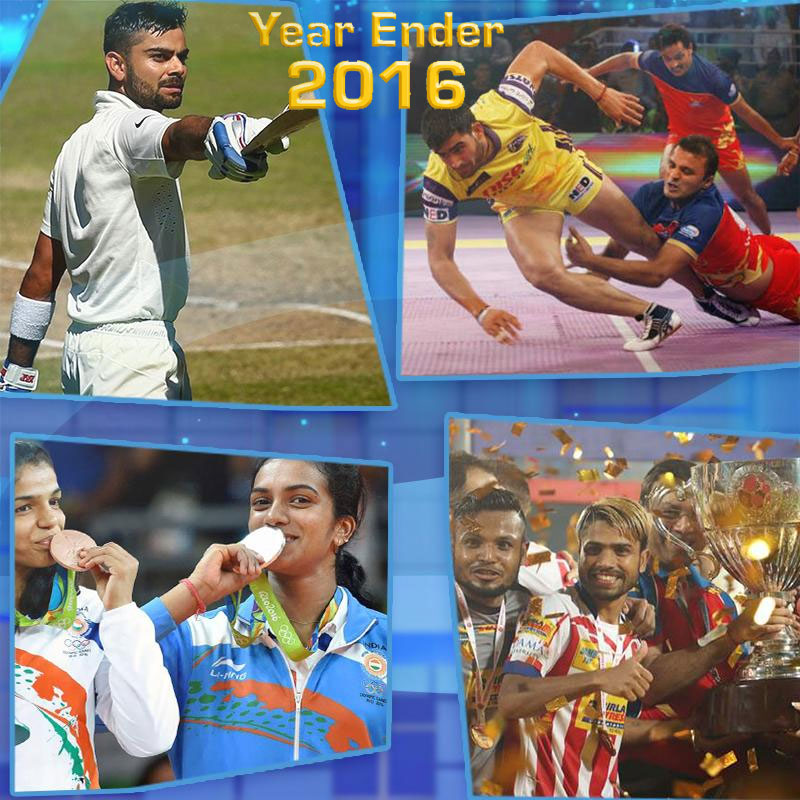
  • Star’s five marketing strategies that helped sports grow in 2016

    Star’s five marketing strategies that helped sports grow in 2016

    “Business has only two functions: marketing and innovation,” is a lesser known observation of Milan Kundera, the Czech-born French writer who’s more famous for Unbearable Lightness of Being and more such thought-provoking novels.

    Why are we cross referencing Kundera in a write-up for sports marketing campaigns? Simply because Star India and its bouquet of sports channels, marketed under brand Star Sports, are following Kundera’s words to a T— and successfully too.

    In a dynamic world of sports broadcasting where events are now held and telecast almost round the year — at times various big ticket events held and aired live the same day in different part of the globe in different time zones — it is difficult to ensure the success of every league or tournament in terms of advertising revenue. Behind the numbers’ game, lot of research is done to finalise marketing strategies, which are aimed to ensure that audiences are given exactly what they want, where they want and how they want.

    With some smart packaging, marketing and advertising, Star India has managed not only to acquire broadcast rights for the region for some of the big sporting events, but also get the eyeballs — and advertising revenue — to justify the millions of dollars it is sinking into Indian sports. A business newspaper reported last year that Star India has bet Rs. 200 billion (Rs. 20,000 crore) on sports. This money has been ploughed into not only getting the rights for Indian cricket, Summer Olympics and sundry other games, but also into building lesser sports like kabaddi and cash in on football’s popularity by creating an Indian football league with participation of retired international stars.

    We look at five marketing strategies of Star India, helmed by Chairman and CEO Uday Shankar and his deputy Sanjay Gupta, which helped the respective sports aired on Star Sports grow in terms of viewership in India.

    1. India vs. England Test Series

    In an age where T20 and slam-bang form of cricket is being aggressively promoted and vastly followed, it has been a refreshing change to see Test cricket getting good viewership. India had been itching to take revenge over England, a side which had defeated the Indian cricket gladiators in three consecutive Test series prior to this.

    Building up the tension with #scoretosettle, Star Sports network used the Virat Kohli factor very effectively and the response was satisfying. The five-match Test series had a reach of 159 million viewers. BARC recorded a total of 728 million impressions in the India urban market and a total of 1,217 impressions in the all-India market. The fourth Test had the highest rating with 4.9, proving the series was the biggest of the year.

    Virat Kohli scored a brilliant 235 in the fourth Test and the rise of Karun Nair and Jayant Yadav had Indian viewers glued to their TV screens. There would have been additional viewers reached via Star’s digital platform Hotstar that too streamed the matches. The series was won 4-0. It was not only Team Virat that put on a sterling performance in recent times, but also Star Sports in terms of viewership.

    2. ICC Cricket T20 World Cup

    In a heavily marketed campaign of the year, the T20 World Cup was being played on the Indian soil for the first time in its history. Quirky, gripping and nationally-emotional TVCs were made and beamed on national television starting early 2016. With #T20WC as easy and relatable as ever, the match between India vs. Pakistan trended with #maukamauka, setting the tone for brilliant support for the Men in Blue. India defeated Pakistan comfortably, riding on Virat Kohli’s brilliant half century after the team, at one time, was tottering at 23/3 due to a fearful Mohammed Amir spell. India reached the semi-finals, only to be defeated by eventual winners West Indies.

    The tournament reached 393 million people in India, one of the highest viewed tournaments in 2016. The India vs. Pakistan game got a rating of 17.3 across the Star Sports network, becoming the most watched T20 game ever since the 2007 WC final played between the arch-rivals.

    While the cricket on display was high quality, credit must be given to the marketers who too did their job magnificently. Video snippets and memes capturing Mauka-man’s reactions were also pushed in real-time during the match and after it, which contributed to #IndvsPak overtaking the tournament’s official hash tag during the game.

    The Mauka Mauka campaign, originally devised in 2015 by Ranchi-born Suresh Triveni for Star Sports, not only connected with cricket fans instantly, but also got featured in a Forbes’ list of five best sports marketing campaigns that went viral in 2015. Even as the campaign’s character still connects with viewers when used by Star Sports, writing about it in 2015 Forbes said, “Occasionally, a campaign hits a nerve and it catches the attention of a whole country. For India, this is that campaign.”

    3. Rio Summer Olympics 

    It doesn’t get bigger than the Olympics, does it? In one of the most apt hash tags in Indian markets last year, Star Sports used #issebadakuchnahi in the build up to the Rio Olympics 2016. Rest as they say, is history. Female badminton player PV Sindhu reached the finals and was part of an extensive marketing programme by the Star network.

     The tall and powerful Indian, who catapulted overnight as a superwoman in an overtly patriarchal country, lost to Spain’s Caroline Marin in a well-fought three-set final 21-19, 21-12 and 21-15. The match recorded 17.2 million impressions, the most viewed programme on that day across all genres in India. In total, 202 million viewers tuned in to watch the Rio Games on television and 10 million (Star’s internal figures) watched the live streaming on Star’s digital sibling, Hotstar.

    The whole scenario of Indian alternative sports or non-cricket games has changed after the Rio Olympics. Fans found new heroes in gymnast Dipa Karmakar, Sindhu, wrestler and bronze medallist Sakshi Malik, Aditi Ashok and various other sports personalities. As part of the story-telling, Star Sports brought their stories to fans via videos, images and content and ensured continuous engagement with fans throughout the tournament with conversations peaking when India clinched two medals (badminton and wrestling). So thought out was the marketing engagement unleashed by Star Sports that it even dug out the noodle-haired Indo-Canadian Kamal Sidhu, one of India’s fav music veejays and TV anchors during the mid 1990s and early 2000s, as the host for pre-live Olympics programmes.

    #BillionCheers, a 360-degree campaign that happened before, during and after the Olympics helped #Rio2016 become one of the top trending hash tags in India in 2016.

     4. India Super League

    The Indian football extravaganza was one of the hottest tournaments in 2016 in terms of viewership. The league saw the arrival of 2010 World Cup Golden Ball winner Diego Forlan join hands with Mumbai City FC, taking the side to the semi-finals for the first time in three editions. The league was won by Atletico de Kolkata, which defeated fellow first season finalists Kerala Blasters at a wildly-cheering houseful Kochi Stadium in Kerala.

    Using the Diwali fervour as a peg to enhance viewership, Star Sports network used a tagline of ‘Ye Diwali Football wali’ to connect the game to the audiences and the soccer culture of the nation. While 41 million fans tuned in to television to watch the final, it was a rise of 41 per cent viewership compared to the final of ISL 2015. In Kerala, the ISL matches were viewed more than the 2016 T20 cricket WC semi-final between India and West Indies and the Euro 2016 final.

    In West Bengal, the match had a higher viewership than the IPL 9 final. The league saw a total viewership of 216 million and a steep growth in rural viewership, cumulatively reaching 101 million viewers in a new high for the sport. This edition of the league also registered double view-time as compared to 2015 on the digital platform Hotstar.

    5. Kabaddi World Cup

    Arguably the alternative sport of 2016, kabaddi grew manifold with two editions of Pro Kabaddi League (PKL) and the men’s World Cup in the same year. The viewership of every event grew as time progressed and the game can now boast of having a dedicated audience, both on ground and on TV and digital platforms. The fourth edition of the PKL posted 10 million average BARC impressions and is the only league in the country to have registered a growth trend in four editions. The league has shown a growth of 51 per cent in the last four seasons and has been one of the key reasons for India’s good performance in the World Cup.

    As India snapped up the World Cup, the men’s edition clocked a whopping 114 million impressions spread across 33 matches over 16 days. Star helped building its audience with #readytoraid and a TVC that captured well rural India, the topography the game is primarily associated with.

    The women’s kabbadi challenge was even better. In the marketing strategy, Star Sports highlighted that women regularly challenge gender stereotypes in the society and can cross the line in kabaddi as well – the hash tag being an apt #crosstheline. After women’s kabaddi in PKL IV, the first two matches got a viewership of 38 million, the highest any women’s sport has got in India ever. The tournament had a total viewership of 90.4 million, with an average of 6.7 million impressions as per BARC data. This number is 2.3 times higher than the second semi-final between New Zealand and West Indies, the highest rated women’s game till date. Thus, women’s kabaddi Challenge features amongst the top 10 sporting events watched on Indian television over the last one year.
  • Star’s five marketing strategies that helped sports grow in 2016

    Star’s five marketing strategies that helped sports grow in 2016

    “Business has only two functions: marketing and innovation,” is a lesser known observation of Milan Kundera, the Czech-born French writer who’s more famous for Unbearable Lightness of Being and more such thought-provoking novels.

    Why are we cross referencing Kundera in a write-up for sports marketing campaigns? Simply because Star India and its bouquet of sports channels, marketed under brand Star Sports, are following Kundera’s words to a T— and successfully too.

    In a dynamic world of sports broadcasting where events are now held and telecast almost round the year — at times various big ticket events held and aired live the same day in different part of the globe in different time zones — it is difficult to ensure the success of every league or tournament in terms of advertising revenue. Behind the numbers’ game, lot of research is done to finalise marketing strategies, which are aimed to ensure that audiences are given exactly what they want, where they want and how they want.

    With some smart packaging, marketing and advertising, Star India has managed not only to acquire broadcast rights for the region for some of the big sporting events, but also get the eyeballs — and advertising revenue — to justify the millions of dollars it is sinking into Indian sports. A business newspaper reported last year that Star India has bet Rs. 200 billion (Rs. 20,000 crore) on sports. This money has been ploughed into not only getting the rights for Indian cricket, Summer Olympics and sundry other games, but also into building lesser sports like kabaddi and cash in on football’s popularity by creating an Indian football league with participation of retired international stars.

    We look at five marketing strategies of Star India, helmed by Chairman and CEO Uday Shankar and his deputy Sanjay Gupta, which helped the respective sports aired on Star Sports grow in terms of viewership in India.

    1. India vs. England Test Series

    In an age where T20 and slam-bang form of cricket is being aggressively promoted and vastly followed, it has been a refreshing change to see Test cricket getting good viewership. India had been itching to take revenge over England, a side which had defeated the Indian cricket gladiators in three consecutive Test series prior to this.

    Building up the tension with #scoretosettle, Star Sports network used the Virat Kohli factor very effectively and the response was satisfying. The five-match Test series had a reach of 159 million viewers. BARC recorded a total of 728 million impressions in the India urban market and a total of 1,217 impressions in the all-India market. The fourth Test had the highest rating with 4.9, proving the series was the biggest of the year.

    Virat Kohli scored a brilliant 235 in the fourth Test and the rise of Karun Nair and Jayant Yadav had Indian viewers glued to their TV screens. There would have been additional viewers reached via Star’s digital platform Hotstar that too streamed the matches. The series was won 4-0. It was not only Team Virat that put on a sterling performance in recent times, but also Star Sports in terms of viewership.

    2. ICC Cricket T20 World Cup

    In a heavily marketed campaign of the year, the T20 World Cup was being played on the Indian soil for the first time in its history. Quirky, gripping and nationally-emotional TVCs were made and beamed on national television starting early 2016. With #T20WC as easy and relatable as ever, the match between India vs. Pakistan trended with #maukamauka, setting the tone for brilliant support for the Men in Blue. India defeated Pakistan comfortably, riding on Virat Kohli’s brilliant half century after the team, at one time, was tottering at 23/3 due to a fearful Mohammed Amir spell. India reached the semi-finals, only to be defeated by eventual winners West Indies.

    The tournament reached 393 million people in India, one of the highest viewed tournaments in 2016. The India vs. Pakistan game got a rating of 17.3 across the Star Sports network, becoming the most watched T20 game ever since the 2007 WC final played between the arch-rivals.

    While the cricket on display was high quality, credit must be given to the marketers who too did their job magnificently. Video snippets and memes capturing Mauka-man’s reactions were also pushed in real-time during the match and after it, which contributed to #IndvsPak overtaking the tournament’s official hash tag during the game.

    The Mauka Mauka campaign, originally devised in 2015 by Ranchi-born Suresh Triveni for Star Sports, not only connected with cricket fans instantly, but also got featured in a Forbes’ list of five best sports marketing campaigns that went viral in 2015. Even as the campaign’s character still connects with viewers when used by Star Sports, writing about it in 2015 Forbes said, “Occasionally, a campaign hits a nerve and it catches the attention of a whole country. For India, this is that campaign.”

    3. Rio Summer Olympics 

    It doesn’t get bigger than the Olympics, does it? In one of the most apt hash tags in Indian markets last year, Star Sports used #issebadakuchnahi in the build up to the Rio Olympics 2016. Rest as they say, is history. Female badminton player PV Sindhu reached the finals and was part of an extensive marketing programme by the Star network.

     The tall and powerful Indian, who catapulted overnight as a superwoman in an overtly patriarchal country, lost to Spain’s Caroline Marin in a well-fought three-set final 21-19, 21-12 and 21-15. The match recorded 17.2 million impressions, the most viewed programme on that day across all genres in India. In total, 202 million viewers tuned in to watch the Rio Games on television and 10 million (Star’s internal figures) watched the live streaming on Star’s digital sibling, Hotstar.

    The whole scenario of Indian alternative sports or non-cricket games has changed after the Rio Olympics. Fans found new heroes in gymnast Dipa Karmakar, Sindhu, wrestler and bronze medallist Sakshi Malik, Aditi Ashok and various other sports personalities. As part of the story-telling, Star Sports brought their stories to fans via videos, images and content and ensured continuous engagement with fans throughout the tournament with conversations peaking when India clinched two medals (badminton and wrestling). So thought out was the marketing engagement unleashed by Star Sports that it even dug out the noodle-haired Indo-Canadian Kamal Sidhu, one of India’s fav music veejays and TV anchors during the mid 1990s and early 2000s, as the host for pre-live Olympics programmes.

    #BillionCheers, a 360-degree campaign that happened before, during and after the Olympics helped #Rio2016 become one of the top trending hash tags in India in 2016.

     4. India Super League

    The Indian football extravaganza was one of the hottest tournaments in 2016 in terms of viewership. The league saw the arrival of 2010 World Cup Golden Ball winner Diego Forlan join hands with Mumbai City FC, taking the side to the semi-finals for the first time in three editions. The league was won by Atletico de Kolkata, which defeated fellow first season finalists Kerala Blasters at a wildly-cheering houseful Kochi Stadium in Kerala.

    Using the Diwali fervour as a peg to enhance viewership, Star Sports network used a tagline of ‘Ye Diwali Football wali’ to connect the game to the audiences and the soccer culture of the nation. While 41 million fans tuned in to television to watch the final, it was a rise of 41 per cent viewership compared to the final of ISL 2015. In Kerala, the ISL matches were viewed more than the 2016 T20 cricket WC semi-final between India and West Indies and the Euro 2016 final.

    In West Bengal, the match had a higher viewership than the IPL 9 final. The league saw a total viewership of 216 million and a steep growth in rural viewership, cumulatively reaching 101 million viewers in a new high for the sport. This edition of the league also registered double view-time as compared to 2015 on the digital platform Hotstar.

    5. Kabaddi World Cup

    Arguably the alternative sport of 2016, kabaddi grew manifold with two editions of Pro Kabaddi League (PKL) and the men’s World Cup in the same year. The viewership of every event grew as time progressed and the game can now boast of having a dedicated audience, both on ground and on TV and digital platforms. The fourth edition of the PKL posted 10 million average BARC impressions and is the only league in the country to have registered a growth trend in four editions. The league has shown a growth of 51 per cent in the last four seasons and has been one of the key reasons for India’s good performance in the World Cup.

    As India snapped up the World Cup, the men’s edition clocked a whopping 114 million impressions spread across 33 matches over 16 days. Star helped building its audience with #readytoraid and a TVC that captured well rural India, the topography the game is primarily associated with.

    The women’s kabbadi challenge was even better. In the marketing strategy, Star Sports highlighted that women regularly challenge gender stereotypes in the society and can cross the line in kabaddi as well – the hash tag being an apt #crosstheline. After women’s kabaddi in PKL IV, the first two matches got a viewership of 38 million, the highest any women’s sport has got in India ever. The tournament had a total viewership of 90.4 million, with an average of 6.7 million impressions as per BARC data. This number is 2.3 times higher than the second semi-final between New Zealand and West Indies, the highest rated women’s game till date. Thus, women’s kabaddi Challenge features amongst the top 10 sporting events watched on Indian television over the last one year.
  • Clarify status with Star India, TDSAT asks Canara Star

    Clarify status with Star India, TDSAT asks Canara Star

    NEW DELHI: Canara Star Communications Pvt. Ltd Karnataka, which has a long-pending dispute with Star India with regard to payments, has been given one more opportunity by the Telecom Disputes Settlement and Appellate Tribunal to reply to an affidavit of 23 March 2016 by the broadcaster alleging there was no entity of the name of the MSO on the website of the Corporate Affairs Ministry.

    Canara Star was given one more week from 20 December 2016 to file its affidavit, and Star India was permitted to respond to the affidavit if it so desired.

    Members B B Srivastava and A K Bhargava put up the matter for further hearing on 20 January 2017.

    The Tribunal said: “It is seen that the affidavit which has been filed by Canara Star is not prima facie in conformity with the directions given by the Tribunal on 18 December 2015.

    Canara Star had originally come before the Tribunal against disconnection notices by Star India as for default in payment. One of the grounds on which the disconnection notice was challenged was that another MSO had started operating in those areas and, as a result, the petitioner’s subscriber base had gone down substantially and the petitioner had been making request for downgradation of its subscriber base and consequently a reduction in the fixed fee payable by it as monthly subscription fee.

    As there appeared to be some substance in the petitioner’s grievance, and, on a joint request, the matter was referred to the Mediation Centre. The Tribunal was informed that, before the Mediation Centre could intervene, the parties were able to arrive at some understanding in regard to Kumta and Bhatkal areas but Canara Star was also getting signals from Star India for transmission in the DAS area of Bangalore and there too the MSO happened to be in default in payment of the subscription fees.

    Star India wanted a comprehensive settlement that should cover both analogue and digital areas covering Bangalore also.

    Canara, which has allegedly sold its business to another MSO called All Digital, was to produce its deed of transfer of establishment to All Digital which was made a party in the petition filed by Star India.

    Earlier this year, Canara Star had been asked by the TDSAT to present a payment schedule to Star India to settle their dispute.

    However, then chairman Justice Aftab Alam and members — Kuldip Singh and B B Srivastava accepted the plea by Star India counsel Arjun Natarajan that this schedule should not come in the way of its requirement to furnish a guarantee. Earlier, on 4 February, the Bench had granted a week’s time to Canara Star represented by Counsel Tushar Singh, to furnish a guarantee.

    In terms of the earlier order of 14 January, the directors of Canara Star were present in person before TDSAT on 29 January.

    In the hearing in third week of December, the Tribunal had asked Canara Star to intimate Star India whether it admits the SMS reports submitted by the broadcaster for the period 2014 to January 2015.

    The common order by the Tribunal on three petitions including one by Star India against Canara Star claiming recovery dues of around Rs 3 crore pertaining to the MSO’s operations in DAS area of Bangalore said this was subject to the two parties failing to arrive at a final settlement.

    Also read:

    Canara Star asked by TDSAT to pay Star India Rs 18.91 lakh subject to final outcome of dispute

  • Clarify status with Star India, TDSAT asks Canara Star

    Clarify status with Star India, TDSAT asks Canara Star

    NEW DELHI: Canara Star Communications Pvt. Ltd Karnataka, which has a long-pending dispute with Star India with regard to payments, has been given one more opportunity by the Telecom Disputes Settlement and Appellate Tribunal to reply to an affidavit of 23 March 2016 by the broadcaster alleging there was no entity of the name of the MSO on the website of the Corporate Affairs Ministry.

    Canara Star was given one more week from 20 December 2016 to file its affidavit, and Star India was permitted to respond to the affidavit if it so desired.

    Members B B Srivastava and A K Bhargava put up the matter for further hearing on 20 January 2017.

    The Tribunal said: “It is seen that the affidavit which has been filed by Canara Star is not prima facie in conformity with the directions given by the Tribunal on 18 December 2015.

    Canara Star had originally come before the Tribunal against disconnection notices by Star India as for default in payment. One of the grounds on which the disconnection notice was challenged was that another MSO had started operating in those areas and, as a result, the petitioner’s subscriber base had gone down substantially and the petitioner had been making request for downgradation of its subscriber base and consequently a reduction in the fixed fee payable by it as monthly subscription fee.

    As there appeared to be some substance in the petitioner’s grievance, and, on a joint request, the matter was referred to the Mediation Centre. The Tribunal was informed that, before the Mediation Centre could intervene, the parties were able to arrive at some understanding in regard to Kumta and Bhatkal areas but Canara Star was also getting signals from Star India for transmission in the DAS area of Bangalore and there too the MSO happened to be in default in payment of the subscription fees.

    Star India wanted a comprehensive settlement that should cover both analogue and digital areas covering Bangalore also.

    Canara, which has allegedly sold its business to another MSO called All Digital, was to produce its deed of transfer of establishment to All Digital which was made a party in the petition filed by Star India.

    Earlier this year, Canara Star had been asked by the TDSAT to present a payment schedule to Star India to settle their dispute.

    However, then chairman Justice Aftab Alam and members — Kuldip Singh and B B Srivastava accepted the plea by Star India counsel Arjun Natarajan that this schedule should not come in the way of its requirement to furnish a guarantee. Earlier, on 4 February, the Bench had granted a week’s time to Canara Star represented by Counsel Tushar Singh, to furnish a guarantee.

    In terms of the earlier order of 14 January, the directors of Canara Star were present in person before TDSAT on 29 January.

    In the hearing in third week of December, the Tribunal had asked Canara Star to intimate Star India whether it admits the SMS reports submitted by the broadcaster for the period 2014 to January 2015.

    The common order by the Tribunal on three petitions including one by Star India against Canara Star claiming recovery dues of around Rs 3 crore pertaining to the MSO’s operations in DAS area of Bangalore said this was subject to the two parties failing to arrive at a final settlement.

    Also read:

    Canara Star asked by TDSAT to pay Star India Rs 18.91 lakh subject to final outcome of dispute

  • Media distribution infra needs to change: Star India CEO Uday Shankar

    Media distribution infra needs to change: Star India CEO Uday Shankar

    NEW DELHI: Lack of infrastructure is impacting the media and entertainment industry and improving its current state could fuel growth in the sector, top media executives have said.

    Star India CEO Uday Shankar said, “The distribution infrastructure of the industry has to change. There needs to be fundamental transformation in terms of screens for films, cable networks for television and digital infrastructure advertising.”

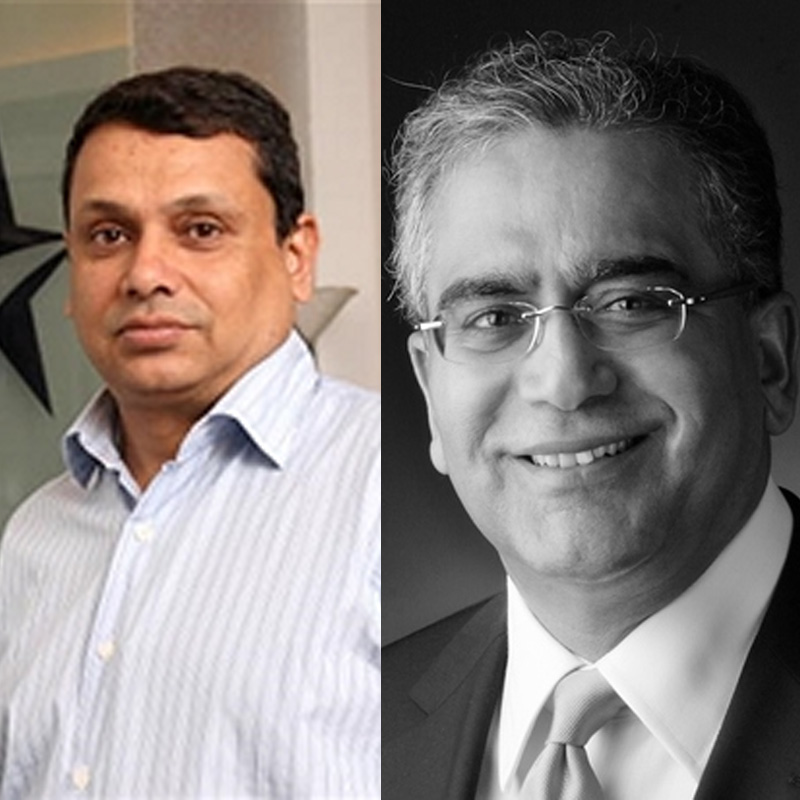
    Shankar was addressing the session on ‘How a flourishing M&E industry can deliver on India’s dream of Growth, Equity and Jobs’ during a two-day meet to mark the 89th Annual General Meeting of the Federation of Indian Chamber of Commerce and Industry. Shankar is also the chairman of FICCI Media and Entertainment Committee.

    In his closing remarks, Shankar said that lack of infrastructure, which was crucial for the industry was the major obstacle for growth, and improving the existing scenario by fixing few issues could fuel growth. “This is because it has the ability to employ and integrate people at the margins of the society,” he added.

    The Indian Media and Entertainment industry is estimated to be worth around $18 billion, and employs about six million people.

    However, he said the industry is unrecognized in terms of economic value and contribution to the country’s GDP, and represents only 0.9%. The lower contribution to the economy of the country is because the industry is stuck in a plethora of regulations including pricing of content, and lack of adequate infrastructure to monetise their content.

    India Today Group chairman Aroon Purie, speaking on how the Media and Entertainment industry could deliver on India’s dream said that the television industry was impacted because of the regulations surrounding pricing of content and the disintegrated cable networks in the country. “Of the Rs 14,000 crore collected by the cable companies, only Rs 4,000 crore reaches the broadcaster,” Purie said.

    Voicing similar concern on behalf of the film industry, FICCI Film Forum chairman Rakeysh Omprakash Mehra said that, though India produced around 1200 movies a year – the highest in the world – it could not monetise because of lack of theatres. “We want to have people’s theatres where the middle class family can go and watch movies at affordable prices,” Mehra said, adding that the higher number of screens directly translates into increase in revenue for film producers.

    GroupM South Asia CEO C V L Srinivas said, with consumers increasingly moving to digital and social media, the government should look at integrating all its efforts in building digital infrastructure. “One-point agenda is: improving the digital infrastructure,” he added.