Tag: Uday Shankar

  • Star to launch Star Sports 3, continue sports investments: Gautam Thakar

    Star to launch Star Sports 3, continue sports investments: Gautam Thakar

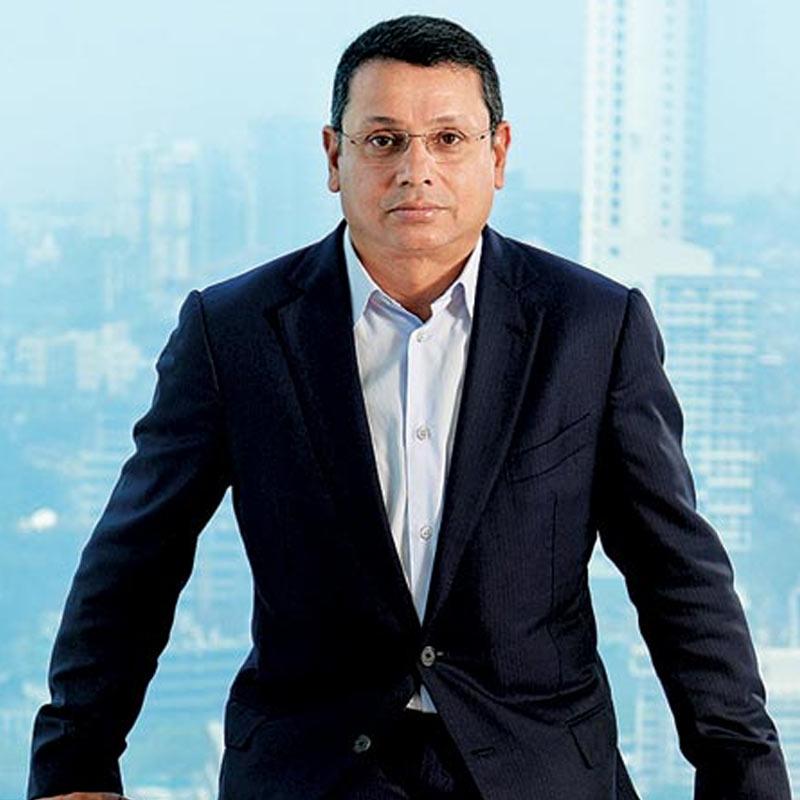
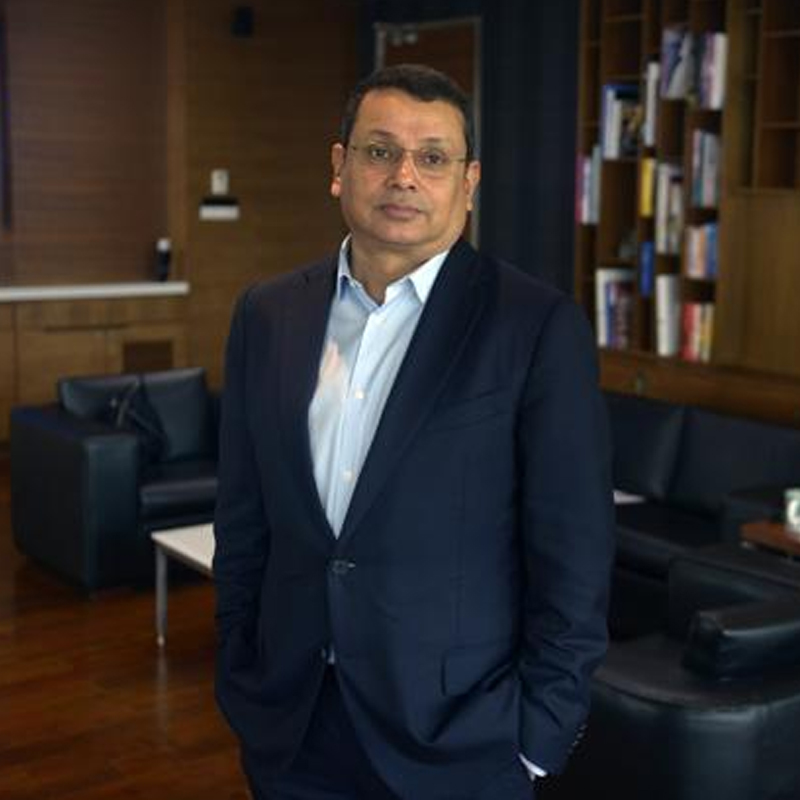
    MUMBAI: Uday Shankar, the man on Urmi Estate’s 37th floor, has made his next move. Star India is set to launch a multi-lingual channel Star Sports 3 in place of Channel V on 15 September 2018, the broadcaster has confirmed. 

    “India’s appetite for sports beyond cricket is growing and viewers are expecting good quality broadcast of a wide range of sports. To cater to this need, we are launching a new channel Star Sports 3, and to begin with we will broadcast the Hero ISL Season 5 in Hindi,” Star Sports CEO Gautam Thakar told Indiantelevision.com, highlighting the rationale behind the network’s decision to add a channel to it sports bouquet.

    Thakar, who took over as Star Sports CEO on 15 January, also added that Star India is likely to pump in more cash into its sports business.

    “In line with our commitment of fostering a multi-sports culture in the country, we have grown our sports portfolio and its offerings and we will continue to actively invest in,” he said.

    Star Sports 3 along with three other channels that went off air on 29 May 2017 were replaced by Star Sports Tamil, Star Sports Hindi 1, Star Sports Select 1 SD and Star Sports Select 2 SD. 

    Towards the end of last year, Star India contemplated taking Channel V off air, with Star Sports 1Kannada as its substitute. 16 November 2017 had been fixed as the launch date.

    However, the broadcaster was unable to get the necessary approvals from Ministry of Information and Broadcasting (MIB). 

    Star India even launched a promo campaign to support Star Sports 1 Kannada. However, their plans to secure an exclusive sports channel for its Kannada viewers didn’t see the light of day during the Indian Premier League 2018. The Kannada feed was aired on Star Suvarna Plus and the channel launch was put on hold due to regulatory hurdles.


    In a public notice dated 26 October 2017, Star India informed viewers that Channel V would continue to remain available in its current form across all addressable platforms (DAS, DTH, IPTV, HITS).

    At an event in Delhi in January this year, Star India MD Sanjay Gupta declined to comment on the status of Star Sports 1 Kannada, adding that the launch was still in its planning stage.

    Star India’s sports bouquet will now boast of 13 channels – Star Sports 1, 2 and their HD versions, Star Sports 1 Hindi, Star Sports 1 Hindi HD, Star Sports 1 Tamil, Star Sports Select 1, 2 and their HD versions, Star Sports First, the only FTA channel and soon to be re-launched Star Sports 3.  

  • TED Talks gets three more seasons

    TED Talks gets three more seasons

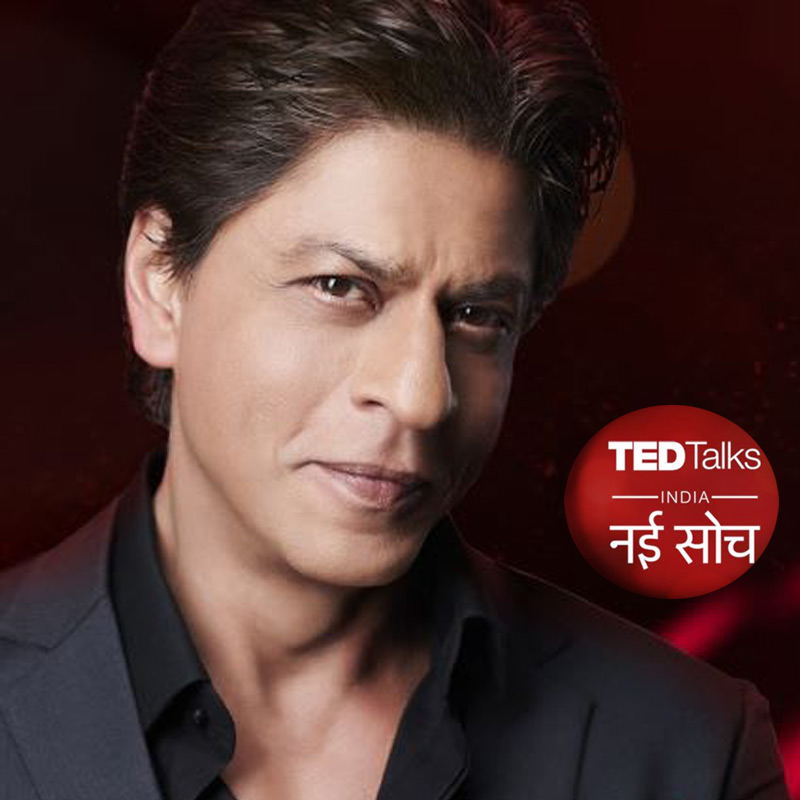
    MUMBAI: Star India has renewed TED Talks India: Nayi Soch (TED Talks), a TV as well as digital series hosted by Shah Rukh Khan, for three more seasons. The inaugural edition of the show, which had premiered in December 2017, had reached 96 million viewers in the first season.

    The first season featured speakers delivering inspiring and informative talks in TED’s signature style of 18 minutes or less. TED Talks speakers deliver TED Talks in Hindi on topics as varied as science and social justice before a live studio audience, with subtitles in Hindi and English. Nearly every talk features a short Q&A between the speaker and Khan that dives deeper into the ideas shared onstage.

    Star TV CEO and chairman Uday Shankar said, “Star TV is committed to developing programming that goes beyond pure entertainment to inspire and educate our massive audience. Both the critical response and the tremendous viewer love for this series were key factors in our decision to bring Ted Talks back for at least three more seasons.”

    TED head of television Juliet Blake, who executive produced the series, said, “We’re incredibly proud of this show’s accomplishments breaking barriers to reach new audiences, and look forward to spending the next several seasons inspiring a nation to embrace ideas and curiosity.”

    TED Talks’ audience stretches beyond television on TED.com/india and for TED mobile app users in India.

    TED head Chris Anderson said, “Ultimately TED’s goal is to develop compelling new content formats that can make ideas available and relevant to billions of people we haven’t reached yet. This journey with Star TV and Shah Rukh Khan has been one of the most exciting steps toward the goal. We love this partnership and can’t wait to get working on these new series.”

    Also Read:

    TED Talks India’s first episode garners 42.4 million reach

    TED Talks Nayi Soch on Star Plus, Hotstar: Content should feed passion for knowledge, says Uday Shankar

  • The rise and rise of Uday Shankar the gambler, the decisive risktaker  who does not flinch

    The rise and rise of Uday Shankar the gambler, the decisive risktaker who does not flinch

    MUMBAI: The Great Gambler. The Decisive Risk Taker. If there are sobriquets, which can be attached to Fox Asia president and Star India CEO Uday Shankar, they are these two. And when the next chapter in the history of Indian television is written thaese two labels will aptly fit him. 

    When the once-journo bid an audacious $2.37 billion to bag the IPL global media rights last year, many thought he had bitten off more than he could chew; that he had stretched his bid too far. At Rs 43 crore per IPL match, many felt that Uday and team Star India would be hard-pressed to recover that kind of expense per match, and that Star India would have red ink splattered all over its balance sheet.

    Media observers believed that India’s largest TV network in terms of revenue — surprisingly not yet listed on the Indian bourses even after almost over two decades of presence here — would take time to digest the huge bill Uday had agreed to pay for a prestigious cricket property, which Sony Pictures had earlier valued at half of what Star India agreed to pay to the Board  of Control for Cricket in India (BCCI). And for double the period. 

    Clearly, everyone thought that the odds were stacked against him, and that he would be struggling just to get his act together on the IPL bid. 

    But you can’t keep Uday down for too long. He is a man with a vision and in a hurry to achieve that.  And building India’s sports ecosystem is what excites him, apart from expanding Star network’s reach in India further. The former is a challenge many – including the Indian government over decades – have balked at taking up.  

    Hence, when the bidding for BCCI’s India home turf cricket media rights came up, Uday was actually licking his chops, itching for the scrap that was to come. In the fray were much larger players with supposedly deeper pockets like Reliance Jio, Facebook, Google and, of course, old time rival,  the NP Singh-headed Sony Pictures Networks India. As day one moved into day two, and the price went from the stratosphere to outer space, crossing unimaginable levels, one heard media reports that the network had walked out of the game. That Star India had lost the stomach for the ferocious battle that was being waged. That it was licking its wounds in a corner.

    But actually, Uday and his teammates were playing wait and watch. Both Sony and Jio scrapped and took the rates even higher and higher. Many old timers were nodding their heads wondering whether the world had gone crazy. 

    Then in one fell swoop, Star India came in from nowhere and made one last bid, which would result in it paying up Rs 60.1 crore per match, giving a cumulative Rs 6138.10 crore for the 102 international matches team India would play domestically. 

    That offer proved to be something both Sony and Jio could not better, despite the data-pricing disrupter’s deep pocketed owner Mukesh Ambani. For Star India, it proved to be the winning offer. BCCI officials were of course grinning from ear to ear. In less than eight months, Star India had made the world’s richest cricket board even richer by Rs 22,500 crore. 

    By ratcheting up the price tag for the media rights, Uday has ensured that cricket as a sport has caught the world’s – especially the non-cricketing nations’ – attention. And probably put BCCI in a different league of sports association or bodies. Sports such as football and the English Premier League command around Rs 80 crore to Rs 95 crore per match. 

    It also raises questions: Will Uday and Star India be able to recover and  profit from the property they have just acquired?  What will BCCI do when the next term comes up? Is Rs 60.1 crore a match the peak or will the rates rise to newer levels or sink to another adjusted level depending on the general economy? What if the BCCI cannot command the same rate next time around? 

    The bespectacled humble professional is, however, quite sanguine hat he has not overpaid and that cricket has been severely underpriced in India.  As have been television advertising sticker prices. The only way to get a sport, which is a religion for a billion plus people, its true value is to raise the bar and get advertisers to pay more. At the same time lay out the pathway for  subscribers who are willing to cough up a few hundred rupees extra a month to do so. Offer them a package, a deal, they cannot refuse. Additionally, get the south Asian diaspora worldwide to do the same. Finally, add a new bunch of viewers  – whether on OTT or on TV – in newer nations to experience the sport and pay for it. 

    Uday has built a reputation for himself as the executive who can make happen what others think impossible. Industry observers scoffed when he was made CEO of Star India. What could a journo know about entertainment and sports and running a TV network?

    But he proved them all wrong. Not only did he build Star India into India’s No 1 media and entertainment company – through a mix of mergers acquisition and new launches —  with a bouquet of channels in several languages, he has also pioneered many initiatives and fought tooth and nail for what he believes in. Like bringing in programming with a purpose. Like creating a writer’s room where young talents from the hinterland are trained to write television and digital shows under the expert guidance of international trainers. Like battling the regulator TRAI in the courts for trying to dictate pricing of channels, and stalling a regulation, which he thinks is unfair.  Like investing thousands of crores of rupees in building an OTT Hotstar, which has earned the respect of much better pocketed global rivals like Netflix. Like launching a league for an indigenous sport like kabaddi and several other sports leagues that will over the years give a boost to Indian sports and yield profits to the Star Network. 

    Will Uday Shankar’s  IPL gamble work? Will the BCCI home rights bet prove a winner? Well we for one at indiantelevision.com believe that Uday and team Star India will emerge triumphant by year three and will be laughing all the way to the bank by year five. (Our earlier prediction that the BCCI home cricket rights would go for between $800 million to $1 billion proved true; hopefully this one will too.)

    And Uday will have another chapter to write in his autobiographical book – when he does choose to do so –about how he and his team made it happen. 

    Also Read:

    Comment: The rise and rise of Uday Shankar

    Uday Shankar sole media exec in top-100 powerful Indians list

    Star’s Uday Shankar on distribution challenges, IPL, FTA vs. pay TV, innovations, Made in India content…and much more
  • Star to share select IPL matches with DD with an hour’s delay

    Star to share select IPL matches with DD with an hour’s delay

    MUMBAI: For the first time in the Indian Premier League’s (IPL) history, one of the biggest cricketing bonanzas in the world will be aired by India’s public broadcaster Doordarshan too. But there’s a catch. Rightful broadcast rights holder Star India and DD have mutually agreed that select matches out of the 60-odd ones to be played this season will get aired on the pubcaster’s channel with an hour’s delay.

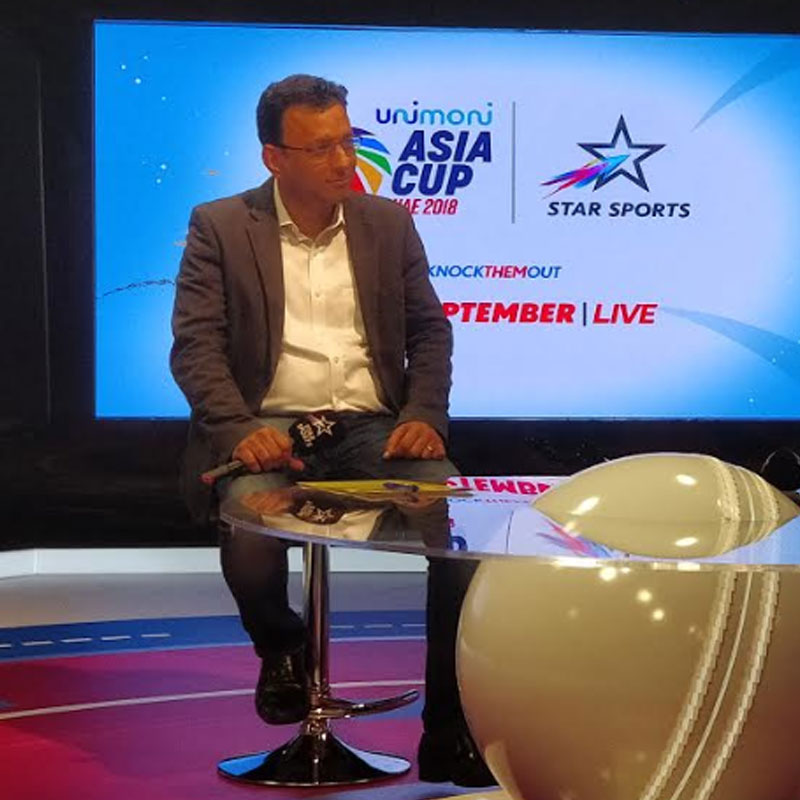
    Asked specifically by Indiantelevision.com on the sidelines of an event here on Thursday, Star India chairman and CEO Uday Shankar said, “We will share with DD some highlights and one match every Sunday, apart from select other ones. It’s good for IPL that new audiences (not subscribing to pay TV) will get to sample it.”

    According to Shankar, who’s riding a wave of cricket broadcast rights and other successes, Star India will share with DD select matches of the 11th edition of the IPL in 2018 that the pubcaster will air with a delay of 60 minutes. What does it mean? If an IPL match starts at 8 pm, for instance, DD will start airing it 9 pm onwards.

    Asked as to why Star, which won the IPL global broadcast rights last year for a period of five years, is willing to share matches with the pubcaster that can probably have advertising revenue implications, Shankar said, “Its more in the nature of providing sampling opportunities to people who don’t have access to pay TV. It’s a mutual agreement [and] if we were not comfortable, we wouldn’t have shared the delayed feed also.”

    Though Prasar Bharati CEO Shashi Shekhar Vempati and Minister of Information and Broadcasting Smriti Irani tweeted about the IPL matches to be aired on DD sometime early evening Thursday quoting a media report, Prasar Bharati’s Twitter handle later expanded on the actual deal to say, “To bring Vivo IPL 2018 to a wider audience, Star TV has agreed to share with Prasar Bharati select matches on a one hour deferred live basis with 50-50 revenue sharing.”

    Indiantelevision.com also learns from industry and government sources that the as per the Star-Prasar Bharati deal, the matches to be aired on DD will also include the opener, the play-offs and the final. The 2018 edition of the cash-rich league will feature 12 matches that will be played at 4 pm and 48 matches that will start at 8 pm. According to details available, the matches will be played at nine venues over 51 days starting 7 April 2018.

    Though Star was not forthcoming on the issue, Indiantelevision.com also learns from industry sources that DD will do the ad-sales and marketing of the matches to be aired on pubcaster’s TV channel and share the revenue with the rights holder in the ratio of 50:50. Star, while quoting government norms on mandatory sharing of sporting events with DD, earlier had pushed for a revenue share in the ratio of 75:25 in its favour.

    For several months, officials of the MIB and Prasar Bharati and executives of Star India were locked in a series of hard bargaining over the finer details of match sharing with the pubcaster. Even as the finer points of sharing were being negotiated, the Indian cricket board wrote a letter to the MIB two days back expressing concerns over various government nods not forthcoming needed to telecast IPL matches live. The MIB has given its nod for temporary live uplinking of the IPL’s 11th edition, whose inaugural ceremony will be held on 6 April 2018.

    In September last year, Star India had won the global television and digital rights to IPL for the next five seasons for approximately $ 2.5 billion or Rs 16,347.50 crore. Until 2017, Sony Pictures Networks India had held the television broadcasting rights of IPL for 10 years (since 2008).

    Also Read :

    Star India beats Sony, Jio to win media rights for BCCI’s home matches

    IPL 2018 gets a makeover with Star India

    Comment: Does Star stand to gain or lose by sharing IPL with DD?

    Star’s Uday Shankar on distribution challenges, IPL, FTA vs. pay TV, innovations, Made in India content…and much more
  • Uday Shankar sole media exec in top-100 powerful Indians list

    Uday Shankar sole media exec in top-100 powerful Indians list

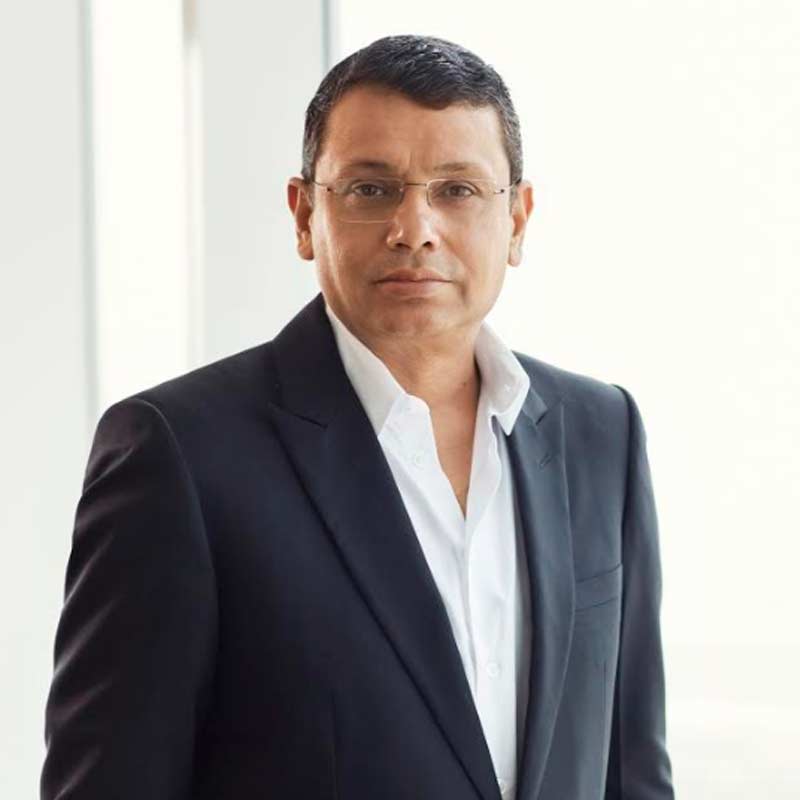
    MUMBAI: Sharing the space with the likes of Narendra Modi, Amit Shah, Mukesh Ambani and Virat Kohli is the torchbearer of the Indian broadcast sector, Star India’s Uday Shankar. Indian Express’ list of most powerful Indians has ranked him at 69, making him the sole representative of the entire broadcast industry of the country.

    Those who made the top 100 include people from various walks of life–politicians, Bollywood actors, businessmen and cricketers. In December 2017, Shankar was bumped up from the position of Star India CEO and chairman to 21st Century Fox Asia president. Taking pride in Shankar’s work, 21 Century Fox executive chairman Lachlan Murdoch and CEO James Murdoch commented, “Uday’s new role will enhance our strategic focus across all of Asia and enable us to further capture opportunities, building on the transformation Star India has driven in our most important growth market.”

    Under Shankar’s leadership, Star India has grown by leaps and bounds. In September, Star successfully won a Rs 16,347.50 crore bid for IPL’s global media rights across platforms. He also leads the company’s video business across entire Asia for both Fox and Star and is closely involved with the parent company’s key leaders, including Rupert Murdoch and his sons, on key strategic initiatives in the region.

    Holding the reigns of a global media powerhouse, Shankar has expanded Star India into regional language channels and produces close to 17,000 hours of content each year in eight languages. Shankar’s mantra for success has been to string together a group of high-calibre executives who understand the territory and carry out the work precisely.

    The network has grown into two major areas–entertainment and sports. The latter has seen the inclusion of several non-cricketing properties, thanks to Star, such as Pro Kabaddi League, Indian Super League and leagues for sports like table tennis, badminton, etc. Lately, the network has even carved a niche for itself in the OTT space with Hotstar.

    Also Read :

    Comment: The rise and rise of Uday Shankar

    Uday Shankar becomes president of 21st Century Fox, Asia

  • 2017’s Top India TV industry leaders – Part I

    2017’s Top India TV industry leaders – Part I

    MUMBAI: The year 2017 threw up myriad conundrums and dilemmas for the men and women who are the showrunners of India’s media and entertainment (M&E) sector, which is expected to grow at a compound annual growth rate (CAGR) of 13.9 per cent, to reach USD 37.55 billion by 2021 from USD 19.59 billion in 2016, outshining the global average of 4.2 per cent.

    It was a rocky year, one during which everyone’s mettle was tested. First, there were the aftereffects of demonetisation. If that wasn’t enough, the Goods and Services Tax was unleashed in the second half of 2017. This sent everyone into a tizzy. Business targets went awry as executives grappled with the changes they had to deal with. Net results: industry growth numbers dipped. Despite this, the resilience of the industry and media leaders was never in question.

    Like in the past, we decided to list down—not in any particular order—the top 20 senior leaders from the television industry who, we believe, made noteworthy moves in 2017.  Of course almost every professional in the business deserves to be lauded in these rapidly mind-numbing-confusing-as-hell changing times—for even just hanging in there.  Forget about doing well. However, a list has to be selective and we took upon ourselves to do so. We hope you will appreciate our initiative. Read on for the first installment in our year-ender series featuring six of India’s top TV industry leaders and their achievements in 2017.

    public://Mukesh-Ambani1.jpg

    Mukesh D Ambani

    Disruption. That’s what the D in his full name stands for, apart from his entrepreneurial father’s name Dhirubhai. And clearly that’s what the chairman of Reliance Industries did in 2017. He shook old established players in the telecom sector by giving away wireless data access for free through Reliance Jio–a process he started just as 2016 was ending–quickly adding more than 100 million subscribers.

    The old guard yelped, blocked calls to their networks, but he plodded on through the year, fought them out in courts, and had his way. In the process, he forced them to rework their business plans and models.

    The entry of Jio has forever changed the way the telecom industry prices services for customers. The cheap data has also changed the way Indian viewers are consuming their video content.  Probably, forever.

    Since the launch of Jio more than 200 crore hours of video and around 10 GB data per capita per user per month are being consumed every month by just Jio subscribers. The number for the 375 odd million internet users will be much higher than that. Apart from wireless delivery of video, Ambani also has plans for distribution by fibre to the home (FTTH). If leaked pricing plans are to be believed, he is likely to totally upset the economics of the cable TV ecosystem, too.

     Jio has also invested in content companies such as Alt Balaji, partnered with Hotstar, and appointed Siddharth Roy Kapur Films to curate content for its VOD services. And Ambani already owns close to 38 TV channels under the Network18 group, and has a joint venture with Viacom that gives it a clutch of channels amongst which figures the leading Hindi GEC Colors and other entertainment channels in many languages. Ambani has more disruption plans up his sleeves. At the Viacom18 tenth anniversary celebrations in Mumbai he said he has not paid attention to the video content business under that group company. But he added that the teams there were going to see a greater involvement from his side. That should give a lot many in the TV business sleepless nights.

    public://Uday_Shankar.jpg

    Uday Shankar

    This journo turned media CEO clearly stands head and shoulders above almost every TV and media industry executive in the country. Over the years, his bold, brazen and, at times, out of the box moves have seen what was once a smallish TV network expand into the leader in the media and entertainment landscape—of course, the foundation had been laid some his predecessors and the promoters, the Murdoch family, gave ample support to this ‘jewel’ in the crown of the parent company that’s now known as 21st Century Fox and is seeking regulatory approvals in the US to merge with Disney. 2017 was no different for Uday.

    The year saw Uday getting appointed as the Asia head of Fox – of which Star India is an offshoot. But before that he betted big by coughing up USD 2.55 billion on sewing up the all-media rights for the world’s top cricket property – the Indian Premier League. Many have scoffed at the audacious price he has been willing to pay for that property; something which they did when Paul Aileo and Peter Chernin picked him to run Star India around a decade ago after Peter Mukerjea’s departure.

    But Uday proved the nay-sayers wrong in every way.  He is likely to do it again. And again. Under Uday’s leadership, the India business has firmly established itself as a world-class asset with durable businesses across entertainment, sports, satellite distribution and OTT. Now he has set his eyes to do the same with Fox Asia.

    public://Jawahar_Goel.jpg

     Jawahar Goel

    The third of the four Goel brothers who nourished Essel Group (Zee and Dish TV’s parent), along with the eldest sibling Subhash Chandra, Jawahar Goel, or JG as he’s popularly known as in the industry, has always been a street fighter—and a smart one at that. Historic boardroom battles in New Delhi’s Lawrence Road-based Essel House in the 1990s, notwithstanding (Zee had three JVs with Rupert Murdoch’s Star TV then), JG is regarded as a go-to-man in the industry by most people because of his understanding of the complexities and nuances of the various segments of the media industry. A tech-savvy person, his tablet is the holder of many secrets and strategies.

    2017 saw him getting into the limelight if, for a bit, in stops and starts. In late 2016, he announced what seemed like a mother of a merger with rival Videocon d2h–the process of regulatory clearances for the same took up most of 2017. Everyone expected the going to be smooth and the final clearance came from the ministry of information and broadcasting at close to the end of the year. And then came the announcement in the last week of December 2017 that the merger was being delayed because of technical glitches. And those glitches became clear in early 2018: JG had instructed his investment bankers and lawyers to relook the deal in the light of the fact that the Videocon group was defaulting on loans and whether any action by the government or financial institutions would have an impact on the valuation of Videocon d2h. The market has interpreted this to mean that JG is back at his best: he is striking a further hard bargain or that he has decided to not do it all.

    JG also set the cat among the pigeons in the year by alleging in letters to the TRAI, IBF and the MIB that if the rights of the IPL were awarded to Star India by the BCCI it would tantamount to a monopoly. Nobody heeded him and the rights still went to Star India. That still did not stop JG: he then appealed to the courts that Star’s pay TV service Life OK should not be allowed to go FTA as Star Bharat. Once again, the courts did not agree with him.

    2018 will be an interesting period for him. He will have to come clean on whether Dish TV is going ahead with its merger with Videocon d2h or not.  And if not then what is the course, he and his CEO—a top notch professional who ran Hero Honda—Anil Dua are going to do with the firm going forward. It’s over to the man.

    public://Arnab-goswami2.jpg

    Arnab Goswami

    You can hate him, you can love him, but you just can’t ignore him—no matter how one tries doing the last. Republic TV—Arnab’s new baby—before its debut whipped up a political storm with BJP politician Subramaniam Swamy questioning use of the word `republic’ for a commercial venture and his former employers Times TV Network dragging him to court over who owned the copyright over the phrase ‘the nation wants to know.’

    But Arnab loves a slugfest; he got into a public brawl with Times TV on ratings, distribution practices with the latter taking him to court. For a moment it looked like the News Broadcasters Association and even the ratings body had got polarized with those for and against Republic or those for Times TV. So much so that Arnab called it names. But finally sense prevailed as the dust settled and Republic took up membership of the association.

    Republic TV continued to be a hot topic of discussion throughout 2017 with its line of editorial stand and shows, which some critics dubbed as absolutely partisan and non-journalistic. However, despite widespread criticisms Republic TV not only managed to lead the ratings game amongst the TV news channels, but also succeeded in dividing the news fraternity at one time over audience measurement numbers.

    That it continues to lead a life on the edge of ethics and non-ethics — and thrive — speaks volume of the Arnab charm and his brand of opinionated journalism. With Republic TV expanding into VR programming and also spreading wings outside Indian shores ( it debuted in the Middle East last year), 2018 would be an interesting period of evolution of this news venture backed by some of the staunchest supporters of  PM Modi and his government.

    public://Smriti_Irani.jpg

    Smriti Irani

    For many years, Smriti Irani along with Ekta Kapoor and Star India contributed to the rise and rise of Indian television thanks to the hugely popular Kyuunki Saas Ki Kabhi Bahu Thi, a series in which Smriti played the role of a dutiful Indian daughter in law, who had sanskaar yet was willing to stand up for herself when she was wronged. 

    Now, 17 years later, Smriti sits over the entire broadcast sector as India’s TV content regulator as  the minister of information and broadcasting, a position none of the executives or professionals in Indian television even envisaged she would one day hold.

    Smriti acted quickly following her appointment: she put a halt to the process of e-auctions of DD’s free-to-air direct-to-home platform DD FreeDish.  She even stopped the privatisation of time slots on national broadcaster DD National and even said not yet to two productions (one by Gajendra Singh and the other by Balaji Telefilms), which had got the go ahead. That did not augur well for at least Singh as it allegedly caused him grievous losses.

    Then, under her watch, her ministry has been demanding that the world’s most valued cricket league the IPL is of national import and that Star India needs to share its feed with pubcaster DD, something which the Fox group company sees as not fair. Additionally, the ministry has also raised the fees for live uplinking—a move which many see as targeted at making things dearer for Star India as it cover test cricket in six languages in 2018.

    Smriti also left her stamp on this year’s IFFI, which was probably the most glamorous in its history with A-list Bollywood stars winging it to Goa. Her ministry lifted the bar for the festival in terms of scale and quality.

    She also clamped down on steamy condom commercials, which were flooding channels on TV channels during the day. Broadcasters were ordered to telecast such ads only between 10 pm and 6 am.

    public://Shashi Shekhar Vempati.jpg

    Shashi Shekhar Vempati

    Shashi Shekhar Vempati has quite a few creds to his name. One of them being that he is youngest executive to be the CEO of pubcaster Prasar Bharati and the other being that he is the first private sector manager called on to run the behemoth. And 2017 put all his managerial skill sets to the test.

    When he joined, there were plans already in place to grow DD Free Dish, to study if there was opportunity in the kids’ space for it and check out if a gasping DD National could be given fresh oxygen and survive the hectic competition in general entertainment television.

    Shashi slammed the brakes on all growth plans, heeding to the orders of the powers that be (read his new I&B boss Smriti Irani). Under his watch, the e-auctions of DD Free Dish, the selling of slots to private producers were called off. He also told DD director general Supriya Sahu to dive deeper into DD Kids and not rush into it. And he spent a large part of the year studying what DD was all about and what he could do and not do at the organisation. 

    This apart, Shashi has been focusing his energy on two fronts: one on sports and the second on DD’s News outreach and ensuring that the pubcaster relays the right messaging of a nation, which is being watched by the world.  India is predicted to become a global power— one of the most important consuming countries globally in the not, too, distant future.

    Most people saw the Supreme Court’s endorsement of the Delhi High Court verdict, which disallowed Doordarshan or DD from sharing the live feed of cricket matches of ESPN and Star India with cable operators as a setback. But not the new kid on the block; Shashi saw it as an opportunity.

    During an interview with www.indiantelevision.com, Vempati said that the decision forced away complacency at the pubcaster where earlier many changes and additions were either being implemented either too slowly or not at all. Prasar Bharati now had a reason to make DD Sports a go to destination for viewers and would help in promoting DD Free Dish and DD terrestrial to larger audiences across many more cities than the 19 in which DD’s terrestrial signals are available, and to switch DD Free Dish to MPEG-4.

    Shashi said that the verdict has created an avenue for making DD Sports the place for cricket. Earlier, cricket and other sports were being aired on DD National. Now they would be aired on DD Sports. The court’s verdicts’ would prevent cable operators from pushing their own ads while blanking out DD National signals during matches. In future, through DD Sports, there would be a separate feed for cricket and there would be no need to blank out an important channel like DD National.

     Shashi will be watched through the year in 2018. He has plans to harness new technologies such as in-built digital tuners in some television models, DVB through dongles and mobiles and plugging into hotspots that are DVB ready. He feels that DTT is a new viewership base and is a new way for advertisers to connect with viewers.

  • Star brings Gurjeev Singh Kapoor home to head distribution

    Star brings Gurjeev Singh Kapoor home to head distribution

    MUMBAI: The industry has been abuzz about TV distribution veteran Gurjeev Singh Kapoor shifting base back to India. Well, that buzz is indeed turning out to be true. Last evening, an announcement was made in the Star India office in Mumbai stating that the London-based head of international business at the company would be leaving Blighty to come back to Bharat, a source at Star said.

    Gurjeev’s return clearly indicates Star India CEO Uday Shankar’s intent to have a senior professional who understands and has solid relationships in India’s complicated distribution sector. One of the main planks of Uday being able to do well and get a return on the high prices he has agreed to cough up for the IPL for the next five years is affiliate revenues. And bringing the affable but tough-as-nails Gurjeev on board will greatly strengthen the distribution team by attracting executives from other companies and help Uday get closer to the target.

    Sources in the industry at indicate that Gurjeev will also play an important role in licensing and distributing the global rights for the IPL, which Star has acquired.

    Gurjeev was earlier the business head of SET Discovery and later CEO of the dissolved joint venture Star DEN Media Services. He was also the COO of Star Den-Zee Turner joint venture Media Pro before making a shift to London to look after Star’s international business.

    The company had earlier this year hired a former Marico executive Sridhar Balakrishnan to head the distribution of Star’s extensive bouquet of 53 odd channels.  

    Industry sources indicate that Star has been asking anywhere between a 15-30 per cent hike in revenues from distribution affiliates, signing both fixed fee and RIO aka à la carte deals, a process that has been taking time for distribution platform operators who have been loath to agree to the hike in content costs.

    Clearly, Kapoor and team should prove themselves up to the task to speed up the process. 

    Please watch this space for further news.

    Also Read:

    Gurjeev Singh to head Star India international business

    Comment: The rise and rise of Uday Shankar

    Star’s Uday Shankar on distribution challenges, IPL, FTA vs. pay TV, innovations, Made in India content…and much more
  • With Star India, Disney emerges as India’s largest M&E firm

    With Star India, Disney emerges as India’s largest M&E firm

    MUMBAI: Unlike the US, where the merger of The Walt Disney Co and 21st Century Fox’s entertainment assets is between two near equals, the scenario in India is totally different. 21st Century Fox’s India venture Star India is a $1.7 billion dollar media and entertainment behemoth while Disney India is a minnow with just about $150 or so million in sales, including its theatrical releases, TV businesses, and merchandising and licensing of the Disney characters and brands.

    For long, the mouse house has struggled to attain scale in India, like it has done in China with its $100 million box office theatrical releases and successful Shanghai Disneyland but it has not attained the success it would have wanted.

    Acquiring Ronnie Screwvala’s UTV half a decade ago gave Disney four channels—Bindaas, Hungama TV, UTV Action and UTV Movies, apart from a film production studio which it shuttered last year despite having
    a huge hit in the Aamir Khan starrer Dangal.  Other channels in its portfolio include Disney Channel, Disney Junior, Disney Channel HD, and Disney Junior HD.

    The acquisition of Star India with its 61 channels, stakes in DTH operator Tata Sky, VOD service Hotstar, and in-film production and distribution has in one fell swoop catapulted it to the number one media and entertainment company status in India.

    However, it’s most likely that Star India chairman & CEO Uday Shankar will be given the mandate to steer and drive the enthusiastic young and new management team in Disney India, in synergy with Star India.  Shankar has been focused on regional language entertainment channel expansion, sports and Hotstar at the powerful media firm–a portfolio he has grown since he took over in 2007.

    Disney India is run by Abhishek Maheshwari–who was elevated to that position recently–following the promotion of Mahesh Samat as executive VP & managing director for South Asia.  How Shankar will manage the operations and whether he will restructure the management there will become clearer over the next few months.

    Star India has lacked kids channels in its portfolio; the addition of the Disney channels will help complete that. 

    Its Hotstar service has the most complete international portfolio and has had exclusive access to fresh Disney content, shows from HBO, Fox, CBS, and Showtime. And with it, Disney India will get more than 70 odd million active users consuming a multiple billion minutes a month of content.  

    “It is going to be an unrivalled media and entertainment powerhouse,” says a media observer. “All other media companies pale in comparison in the country.”

    The Tata Sky stake immediately brings into the Disney fold a satellite TV distribution platform making it a first for the company. UK satellite TV distributor Sky will most likely be the second one if the Murdochs’ bid for it in the UK gets the go-ahead from local authorities in time. 

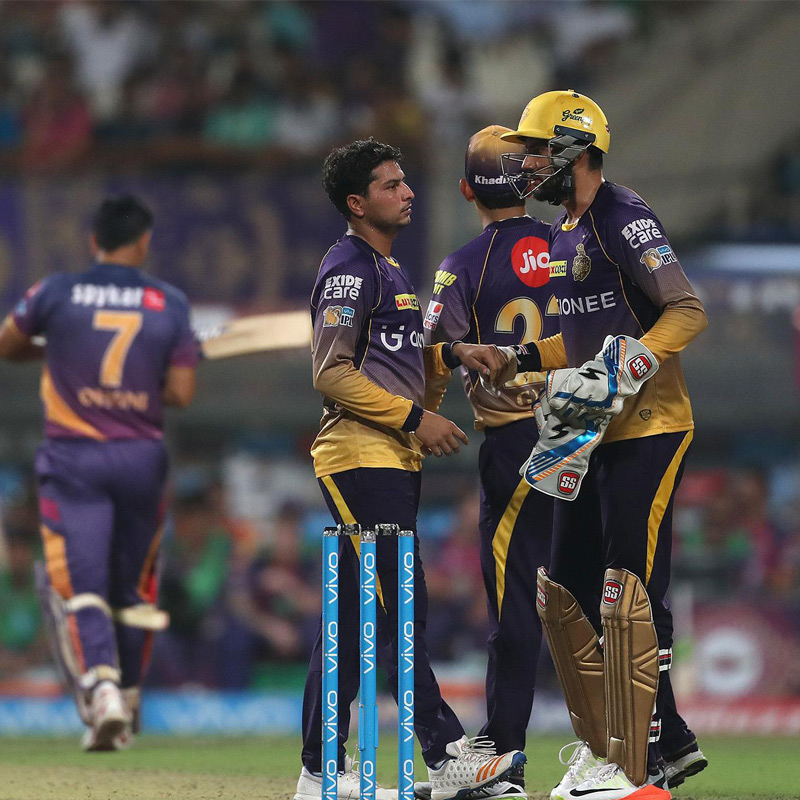
    Of course, the arrangement in India will give Disney access to the world’s most valued cricket league, the IPL, for which Star India bid aggressively this year–some say too much. Then there are other sports activities that it automatically gets, like the leagues for kabaddi, football, hockey, and badminton. But being a part of Disney will aid its larger partner, too; it will have the facility to dip into the former’s massive cash trove to aid Shankar’s aggressive growth and entrepreneurial urge whether on video-streaming expansion or in sports.

    Interesting times are clearly on hand for the media and entertainment business in India.

    Also read:

    Comment: The rise and rise of Uday Shankar

    Disney to buy 21st Century Fox assets for $52.4 billion

    Disney expected to announce 21 CF buyout tomorrow: media reports

    Now, Comcast in talks to buy 21st Century Fox

  • Uday Shankar becomes president of 21st Century Fox, Asia

    Uday Shankar becomes president of 21st Century Fox, Asia

    Mumbai: Star India chairman and CEO Uday Shankar has been elevated to the position of president, 21st Century Fox (21CF), Asia, effective immediately.

    According to 21CF, in his new role, Shankar will lead the company’s video businesses across all of Asia, including Star India and Fox Networks Group, and work closely with 21CF leadership on key strategic initiatives in the region. He will continue to serve as chairman and CEO of Star India, a key driver of 21CF’s growth and one of India’s largest media and entertainment companies. Fox Networks Group Asia president Zubin Gandevia, who used to earlier report into 21st Century Fox president Peter Rice, will continue to oversee video brands across 14 markets and now report to Uday  under this realigned regional structure. 21CF’s film business in Asia will continue to report directly to 20th Century Fox Film chairman & CEO Stacey Snider.

    “Uday’s new role will enhance our strategic focus across all of Asia and enable us to further capture opportunities, building on the transformation Star India has driven in our most important growth market,” said Fox executive chairman Lachlan Murdoch and CEO James Murdoch in a joint statement.

    “Under Uday’s leadership, our India business has firmly established itself as a world-class asset with durable businesses across entertainment, sports, satellite distribution and OTT. His strategic vision has put 21CF at the forefront of content and distribution in one of the world’s fastest growing economies, and we are very fortunate to benefit from Uday’s expanded leadership at a global level,” they said.

  • Double digit growth at Star India helps push Fox’s numbers up

    Double digit growth at Star India helps push Fox’s numbers up

    BENGALURU: 21st Century Fox reported that international affiliate revenue increased 11 percent driven by rate and subscriber growth at both FNG International and Star India for its cable network programming segment for the quarter ending 30 September 2017. The segment’s international advertising revenue increased 10 percent led by double digit growth at Star India and continued growth at FNG International says a 21st Century Fox release. International OIBDA (Operating Income Before Depreciation and Amortisation) contributions were similar to the prior year quarter as higher contributions at Star India were offset by lower contributions at FNG International where higher entertainment and sports programming costs more than offset the higher reported revenues.

    21st Century Fox reported total quarterly revenues of $7.002 billion, a $496 million, or 8 percent, increase from the $6.51 billion of revenues, reported in the prior year’s quarter. This increase reflects revenue growth reported across all operating segments, led by higher affiliate revenues at both the cable network programming and television segments and higher content revenues at the filmed entertainment segment.

    The company reported quarterly income from continuing operations attributable to 21st Century Fox stockholders of $839 million ($0.45 per share), as compared to $827 million ($0.44 per share) reported in the prior year quarter. Excluding the net income effects of impairment and restructuring charges, Other, net and adjustments to equity earnings of affiliates adjusted quarterly earnings per share from continuing operations attributable to 21st Century Fox stockholders was $0.49 compared to the adjusted result of $0.51 for the same quarter of the prior year.

    Commenting on the results, 21st Century Fox executive chairmen Rupert and Lachlan Murdoch said, “The company’s double-digit gains in affiliate revenues demonstrate our strength in the dynamic global market for distinctive video brands and content, across both established distributors and new entrants. We delivered top-line growth at all of our businesses, backed by stand-out storytelling, sports and news, as well as a product focus that will drive greater consumption and compelling opportunities for financial returns on our content investment. Our solid first quarter performance puts us on track to achieve our overall financial and operational objectives for this fiscal year.”

    Watch this space for more …