Tag: TVOD

  • BBC Studios inks content partnership with BookMyShow Stream

    BBC Studios inks content partnership with BookMyShow Stream

    Mumbai: BookMyShow Stream, the video on-demand (TVoD) service, announced an exclusive content partnership with BBC Studios India. This inaugural partnership will see the launch of a BBC first: a dedicated branded space in the form of a widget on BookMyShow Stream, enhancing its portfolio with a dose of premium, bold, and British drama. Pre-bookings for these coveted titles are now live on BookMyShow Stream.

    Sherwood: It was launched to over six million viewers on the BBC (seven-day consolidated) and has been hailed by critics as one of television’s greatest dramas of recent years. The drama, which follows a tense and heart-wrenching investigation into two shocking and unexpected killings that shatter an already fractured community, is award-winning playwright and dramatist James Graham’s most personal work, having been inspired, in part, by real events that occurred in the Nottinghamshire mining village in which he grew up.

    Ragdoll: A gruesomely imaginative serial killer thriller, Ragdoll captures the fascinating but flawed friends struggling with the consequences of institutionalisation and trauma. Starring Henry Lloyd-Hughes, Thalissa Teixeira, and Lucy Hale, Ragdoll is executive produced and commissioned by AMC and UKTV’s Alibi, and executive produced by Sid Gentle Films with Freddy Syborn as lead writer and executive producer.

    Unforgotten Season 1: This crime drama focuses on a cold case reopened after 39 years. When the body of a young man is discovered in a derelict building, DCI Cassie Stuart-one of the Met’s smartest detectives-is called in to investigate. There are four suspects, each with a secret to hide. As their lies unravel, the people they love most begin to wonder what else they might be capable of. Unforgotten brings together one of the most accomplished acting ensembles seen on British television in years. The multi-award-winning cast includes Nicola Walker, Sanjeev Bhaskar, Bernard Hill, Trevor Eve, Ruth Sheen, Golden Globe and Bafta-winner Tom Courtenay, and Bafta-winner Gemma Jones.

    BookMyShow Stream will feature other titles, including Smother (seasons 1-2), Traces (seasons 1-2), The Chelsea Detective, Happy Valley (seasons 1-2) and Unforgotten (seasons 1-4) on its platform over the next two quarters.

    BBC Studios’ VP for distribution in South Asia Stanley Fernandes said, “BBC Studios is known for its premium content that is backed by powerful storytelling and the ability to connect with a global audience. We are constantly looking at innovative ways to complement the evolving consumption habits of our audiences and are delighted to embark on this new partnership with BookMyShow Stream to reach new audiences in the dynamic and vibrant streaming landscape of India.”

    BookMyShow COO-cinemas Ashish Saksena said, “The TVOD space is gaining traction as more and more entertainment enthusiasts are imbibing the culture of ‘Pay for what you want to watch’, rather than having multiple subscriptions. With BBC Studios taking cognizance of the mammoth opportunity this category holds, we are excited to see this exclusive partnership scale it further. We are thrilled to bring coveted BBC Studios titles into the BookMyShow Stream fold, furthering our aspiration to bring compelling international content to Indian audiences. The BBC First widget on our platform will attract audiences gunning for purposeful content, bringing the best of British content to India. Through this strategic partnership, we aim to take our entertainment quotient a notch higher and offer an unmatched viewing experience to our consumers.”

    Fans can ‘rent’ or ‘buy’ on the BBC First dedicated branded space in the form of a widget on BookMyShow Stream. Entertainment enthusiasts can avail a 50 per cent discount offer on Sherwood, Ragdoll, and Unforgotten (season 1) for a limited two-week period on the platform.

    With over 2,000 titles available since its launch in February 2021, BookMyShow Stream features a handpicked, specially curated library of content from around the world and India that users can rent or buy and watch. The platform uses over two decades of BookMyShow’s user understanding and data insights to focus on personalised content discovery with access to a selection of on-demand content from across the world.

  • ZEE5 announces RRR OTT premier in regional languages

    ZEE5 announces RRR OTT premier in regional languages

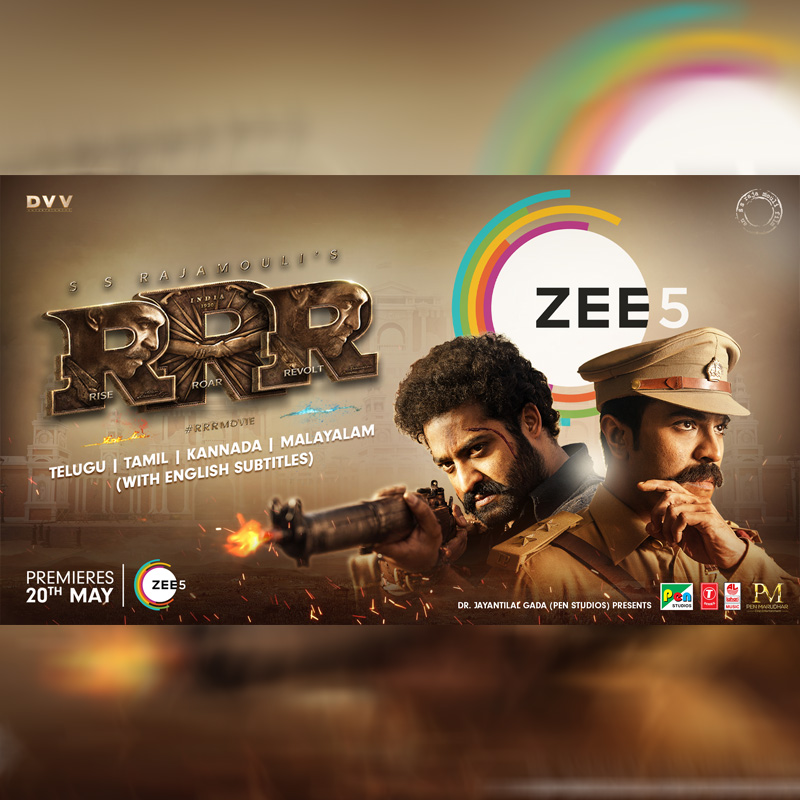
    After registering a tremendous success on theatrical release, RRR is all set to hit the OTT screens. On the eve of superstar NTR’s birthday, ZEE5 has announced the release of the blockbuster movie ‘RRR’ on ZEE5 on 20 May 2022. Expanding its TVOD portfolio, ZEE5 is set to launch the movie in multiple regional languages Tamil Telugu Kannada Malayalam with English subtitle across the globe in TVOD.

    According to the trade reports, the film remains at the top of box office charts with Rs 1100+ Cr box office collection worldwide.

    RRR- Rise Roar Revolt is based on the journey of two legendary revolutionaries depicting fire and water far away from their homeland. The superlative performance by Young Tiger Jr NTR and Mega Star Ram Charan has captivated audiences’ minds across geographies making it a landmark movie in Indian film industry.

    The film, directed by SS Rajamouli and produced by D. V. V. Danayya of DVV Entertainment, featuring Jr. NTR, Ram Charan & Alia Bhatt in the lead characters, had its worldwide theatrical release on 25 March, 2022. The film went on to become a national rage and a milestone in the southern entertainment industry; clocking a roaring success at the box office, and is now set to be released on ZEE5 for viewers across the globe to watch in their preferred language with English subtitles.

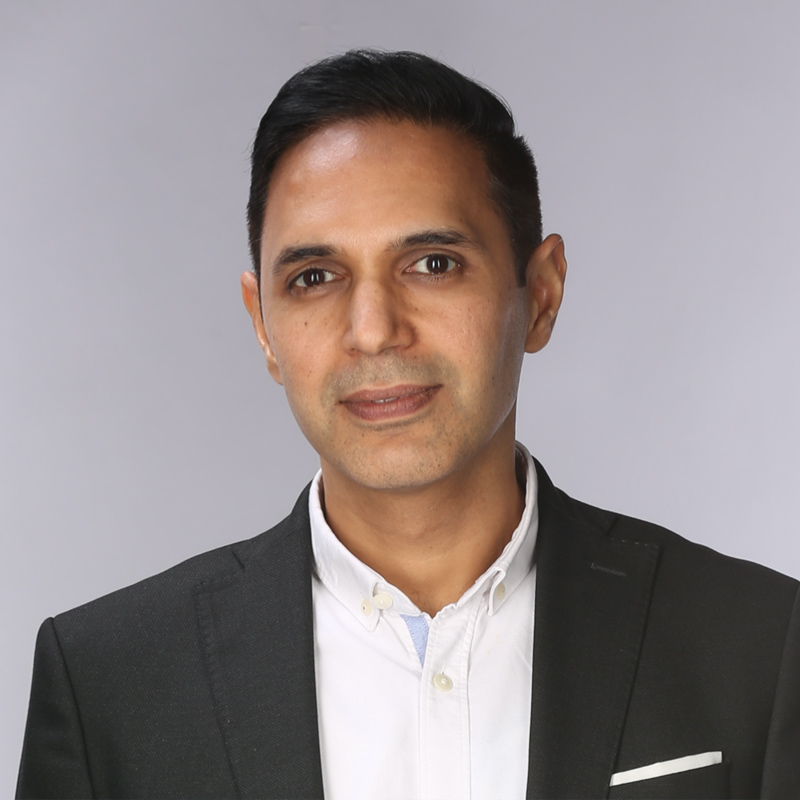
    Commenting on the announcement, ZEE5 chief business officer Manish Kalra said, “We are happy to bring RRR for our audiences in multiple languages, enabling them to consume in their preferred format. At ZEE5 the focus has always been to democratise content, making it accessible and economical for the larger audience. We have invested in building a diverse and strong portfolio for TVOD, in line with our plans to enhance in-home entertainment experiences. We are excited to see the response for the most celebrated movie of 2022.”

    Pen Studios’ CMD Jayantilal Gada said, “We are happy to associate with ZEE5, and proud that Pen Studios is instrumental in enhancing the reach of S.S. Rajamouli Ji’s RRR, which is one of the finest films and the pride of Indian cinema. RRR will now be available in four south Indian languages Telugu, Tamil, Malayalam and Kannada to its viewers in TVOD format from 20 May.”

  • VidNet 2022: ‘Over half of global online video services are subscription funded’

    VidNet 2022: ‘Over half of global online video services are subscription funded’

    Mumbai: Over half of the online video services worldwide were subscription funded at the end of 2021, according to a study. The key findings of the study pointed out that while there are more subscription funded over-the-top (OTT) services worldwide, advertising is a much larger revenue stream for video-on-demand platforms. Advertising revenue will also outpace subscription revenue over the next five years nudging many global OTT players including Netflix to introduce an ad-supported plan on their platforms. These insights and more were revealed in the session ‘Trends in Global OTT’ presented by Omdia senior principal analyst – digital content and channels Tim Wescott at IndianTelevision.com’s VidNet 2022 Summit on Thursday. 

    The two-day industry event was supported by technology partners Dell Technologies and Synamedia, summit partners Applause Entertainment and Viewlift, industry support partners Gupshup, Lionsgate Play and Pallycon, community partners Screenwriters Association and Indian Film and Television Producers Council and gifting partner The Ayurveda Co.

    Omdia is a research firm that focuses on technology, media and telecommunications sector and connects the dots in the global media ecosystem. 

    Wescott shared that there were 5671 online video services available at the end of 2021. This includes video sharing services like YouTube, subscription video-on-demand (SVOD) services like Amazon Prime Video, Netflix and transactional video services like Apple iTunes. “We have seen a plateau in terms of the number of online video services that peaked in 2019. New services are being launched all the time that are replacing old online video brands. Some services have been shuttered because they haven’t managed to turn a profit.”

    There were slightly more OTT services in 2021 as compared to 2020. There are 2222 subscription funded online video services followed by just over 2000 AVOD platforms and 1362 transactional video-on-demand services. There were just over 1000 dedicated sports streaming services, 600 virtual pay TV operators and 463 free video-on-demand services. Free VOD services are either promotional channels or are public broadcaster funded services.

    There are an estimated 127 online video services in Central and Southern Asia out of which 51 are AVOD services and 45 are SVOD services. “Despite the publicity of SVOD, advertising is the larger revenue stream and has been since 2010,” said Wescott. “It is going to outgrow subscription as a source of revenue for online video services over the next five years.”

    The online video world is dominated by YouTube and Facebook. A lot of OTT streaming services have started offering advertising including HBO Max, Peacock, Hulu, Disney+ (later this year) and Amazon Prime Video. “We heard recently that Netflix is considering adding an advertising tier,” noted Wescott. “It comes as no surprise as advertising supported plans are already being rolled out by other OTT players. We forecast that online video advertising is going to outstrip linear advertising in 2022. It is a very strong source of financing that will continue to grow.”

    The number of global online video subscriptions have seen dramatic growth since 2015 with the launch of more streaming platforms. Amazon Prime Video and Netflix launched globally in 2012 followed by Disney+ and Apple TV+ in 2019, HBOMax and Peacock in 2020 and Paramount+ in 2021. “We will continue to see subscription growth, especially with the advent of SVOD platforms of US studios. Earlier, these studios used to sell content directly to OTT players but now they view them as competitors.” 

    Omdia also conducted a consumer study in eight countries including India to understand consumer preferences when it comes to OTT services. They found that in most countries the arrival of SVOD services had decimated pay TV subscriptions. For example, SVOD services in the US have undercut existing pay TV in terms of pricing and have led to dramatic decline in pay TV subscriptions. The opportunity to watch on demand and binge watch content is something consumers have enthusiastically embraced, according to Wescott. The picture is similar in other countries where pay TV hasn’t declined as much as in the US but there are more SVOD subscriptions in most cases.

    India is slightly different from other markets because the pricing differential between SVOD and pay TV is not the same. In India, SVOD is a premium service whereas pay TV tends to be cheaper. There are also a lot more pay TV households than SVOD in India, though that is also because a lot of people get their television services via fraudulent operators.

    “While there is an increasing array of SVOD services being launched every year, clearly not every household is going to subscribe to all these services,” observed Wescott. “Our research shows that people use free ad funded services the most. So, YouTube is the number one choice in many countries including India. Before 2021, YouTube was the biggest online video service followed by Facebook Watch and then the free ad-supported tier of Disney+ Hotstar. Amazon Prime Video and Netflix are in the middle of the rankings among top ten OTT services. “Netflix has famously said that they’re competing with sleep for the consumer’s time but in reality, all online video services, whether they are AVOD or SVOD are competing for the consumer’s attention,” said Wescott.

    When Omdia asked consumers what they rated highly in a SVOD service, most respondents overwhelmingly said that original exclusive content i.e., content that is not available anywhere else was the most important aspect of any OTT. Consumers also wanted to watch the most talked about TV series that they had yet to catch up on. The depth of the content catalogue is rated as the next most important aspect for consumers of online video services. Advertising or lack of ad-supported content was also a big deal for some consumers but not as much as having original content.

    Omdia’s Wescott also shared some exclusive data at VidNet Summit 2022. The data showed that the number of original productions that were transmitted in 2021 by streaming services including Amazon Prime Video and Netflix were less than the previous year. There were also fewer hours of original content last year. Netflix produced the most original content coming up at 1767 hours. “The main reason for the decline in original productions is due to the production hiatus that began in 2020 due to the pandemic. We see that disruption working into the delivery pipeline for players such as Netflix and Amazon Prime Video. However, if you compare what Netflix is putting versus a typical US linear TV service then it is still a considerable amount of original content.”

    More global OTT platforms are commissioning originals locally. Netflix commissioned content in 47 countries in 2021 that were outside the US. Netflix’s most successful hits are being produced outside the US in languages other than English. In the last five years, Spain (Spanish shows) has been the biggest source of drama content for Netflix followed by India. “When Netflix came to India it wasn’t able to get as much local content as it would have liked and thus was obliged to originate content,” said Wescott. “Also, audiences in India prefer local content. While they will watch content from other countries, what they’re looking for is local content.”

    Similarly, India ranked as an important market for Amazon Prime Video, as most of its original drama productions outside the US, have been made in India in the last few years. Many direct-to-consumer services are offering a broader range of content and not just original content, even though they are increasing their original productions. US studios are expecting their new films to be a very important part of their SVOD service. Studios like Disney, Paramount, Universal and Warner Bros are planning to release their films exclusively on their SVOD services after the theatrical release. They also have deep libraries of film and TV content. Recently, Amazon completed the acquisition of legacy movie studio MGM and has access to 50 per cent of all James Bond titles.

  • #Retrace2021: 30-40 per cent of our investments will be in regional content: Manish Kalra

    #Retrace2021: 30-40 per cent of our investments will be in regional content: Manish Kalra

    Mumbai: Outlining the vision for Zee4.0 at the company’s 39th AGM held prior to the Zeel-SPNI merger, CEO Punit Goenka had said that the roadmap for the next three years is going to be driven by digital. The focus on digital meant greater opportunity as well as challenges for team Zee5, particularly in terms of scaling up the content library and providing enhanced customer experience, as emphasised by Goenka.

    For Zee5 chief business officer Manish Kalra who leads the B2C business for India, the year 2021 was largely about aligning the platform’s content strategy with these tangible business outcomes. With rich experience in leadership roles at digital-first companies such as Amazon, Craftsvilla, and MakeMyTrip, he is now responsible for growing the overall revenue, viewership, and driving subscription numbers for Zee5.

    Kalra strongly believes that successful businesses are built by teams with a great understanding of customer behaviour, which explains his zeal for the ‘customer-first approach’. Under his leadership, Zee5 placed the bet on ‘deeper regionalisation’ and TVOD services in an SVOD and AVOD-dominated market to build an expansive and diverse library of content comprising over 150 web series and over two lakh hours of on-demand content across 12 languages.

    In Q2 FY22, Zee5 reported 93.2 million global monthly active users (MAUs) on the platform. On the back of the Punjabi content slate announced in the year’s second half, it witnessed 2X growth in active subscription numbers with the highest contribution from Punjab and neighbouring states like, Haryana Delhi NCR and Uttar Pradesh. The average watch time per viewer per month as on September stood at 186 minutes. Another significant development in 2021 was the launch of the Zee5 Intelligence Monitor – a fortnightly knowledge series for advertisers.

    In this interaction with Indiantelevision.com, Manish Kalra talks about all these developments, and other happenings in 2021, and shares his plans for the year ahead.

    Edited Excerpts:

    On the content strategy for 2021 and going ahead

    Content is one of the strongest pillars of Zee5’s growth strategy. 2021 has been a phenomenal year in terms of churning out compelling content as we endeavoured to develop a robust content slate that caters to the diverse needs of our consumers. Right from launching tentpole properties such as ‘Radhe’, ‘Friends: The Reunion’, ‘Break Point’, and ‘Rashmi Rocket’ to collaborating with TVF, and offering the Punjabi content slate ‘Rajj ke Vekho’, we’ve ensured having something for everybody at our content store.

    In fact, with a concerted focus on ‘Deeper Regionalisation’, and a primary objective to drive ‘Entertainment Inclusion’, we also launched two successful campaigns – ‘Any Time Manoranjan’ and ‘Dekhtey Reh Jaogey’. Both these initiatives were aimed at democratising access to bespoke Indian entertainment for all, especially for markets that are new or underserved.

    We foresee the next wave of growth coming from the Tier II and III cities that are looking for diversity in original content and genres. While the big cities will have a definite influence, the larger share of the pie will come in from smaller markets over time. Content will still be king across all, and the diversity of content is only going to grow. Regional content is our forte and we want to continue to be the multilingual storyteller for multiple entertainment seekers.

    On the opportunities in regional and sports content

    A major part of Zee5’s strategy is to convey realistic and original tales from the heartland. Coming from the legacy content powerhouse, Zee, we have established our dominance in the regional content space. Almost 50 per cent of our viewership comes from regional language content. In fact, we were the first home-grown streaming platform to have been launched in 11 Indian languages (Hindi, Bengali, Malayalam, Tamil, Telugu, Kannada, Marathi, Oriya, Bhojpuri, Gujarati, and Punjabi), offering access to one of the largest regional content libraries in the country.

    Going forward, around 30-40 per cent of our content investments will be in the regional space, and we expect this percentage to increase as we further cater to untapped regions. After the recent foray into original Punjabi programming, our aim is to double our Telugu and Tamil originals by early 2022. Bengali is on the radar post that.

    On the emergence of new business and subscription models

    The pandemic made us rethink the way we operated and accelerated the process of innovation. Since people were confined to their homes OTT adoption accelerated resulting in a surge in viewership and watch-time. Consumers’ willingness to pay has also increased, resulting in SVOD revenues growing at a higher rate than AVOD revenues globally for the first time ever in 2020. Zee5 being a hybrid video streaming platform saw an upsurge in traffic on both SVOD and AVOD. It was heartening to see how consumers sampled content on AVOD and further migrated to SVOD to enjoy uninterrupted content across genres and languages from our library.

    That being said, we had to continuously reinvent ourselves to give our viewers the best experience and value for their investment. With this thought, we introduced our pay-per-view subscription model ‘ZEEPlex’ to bring the box office home to Indian audiences. With digital consumption being at an all-time high we are positive that the TVOD subscription model will prove to be a success in the coming days. The concept of subscriptions was also once new, but it has picked up today. We expect TVOD to meet the same fate.

    On the evolution of movie business through 2021

    The pandemic-induced lockdown resulted in two trends – consumers stayed at home to enjoy movies and other forms of entertainment, while studios and filmmakers had to go back to the drawing board and rework their distribution strategy. Since the advent of streaming has fundamentally altered how the audiences consume content, OTT became the natural choice for filmmakers for premiering their movies – be it low-budget movies or blockbusters, giving birth to the concept of direct-to-digital. The TVOD (pay-per-view) model also emerged as a viable option. In fact, India also witnessed an industry-first, hybrid release of the magnum opus ‘Radhe’ on Zee5 and ZEEPlex.

    Now, even though the theatres have opened up, there are plenty of opportunities for both movie theatres and OTT platforms to leverage and co-exist in a profitable way. The way I see it is that movies will now first release in theatres and then come to our platform where viewers will have the flexibility to view them at their convenience. Both entities will have a synergistic relationship with each other.

    At Zee5 we are geared up for 2022 with our pipeline comprising both originals and acquired content including movies such as ‘420 IPCC’, ‘Bob Biswas’, among many others. Over and above this, we have a list of direct-to-digital releases lined up. It will be unveiled gradually in the coming days.

    On the road ahead; key focus areas for 2022

    Our customer is at the heart of everything we do. Hence, our focus has always been to enhance our technology prowess and provide high-quality video and best-in-class content viewing experience across devices.

    Moving forward, we want to focus on family entertainment along with regional content. Our aim is to make South-Asian content across languages popular, not only in India but also internationally. We aim to reach 50 per cent of the audience that is consuming content digitally. We will continue to offer differentiated shows and blockbuster movies and invest in content that is ‘real, relevant, and resonant’. These investments would drive our market share putting us in good stead going forward. In terms of content investments, it will be equally divided between original shows and acquisitions, primarily films and other shows.

  • Understanding ALTBalaji’s ‘under 35 viewers’ with Divya Dixit

    Understanding ALTBalaji’s ‘under 35 viewers’ with Divya Dixit

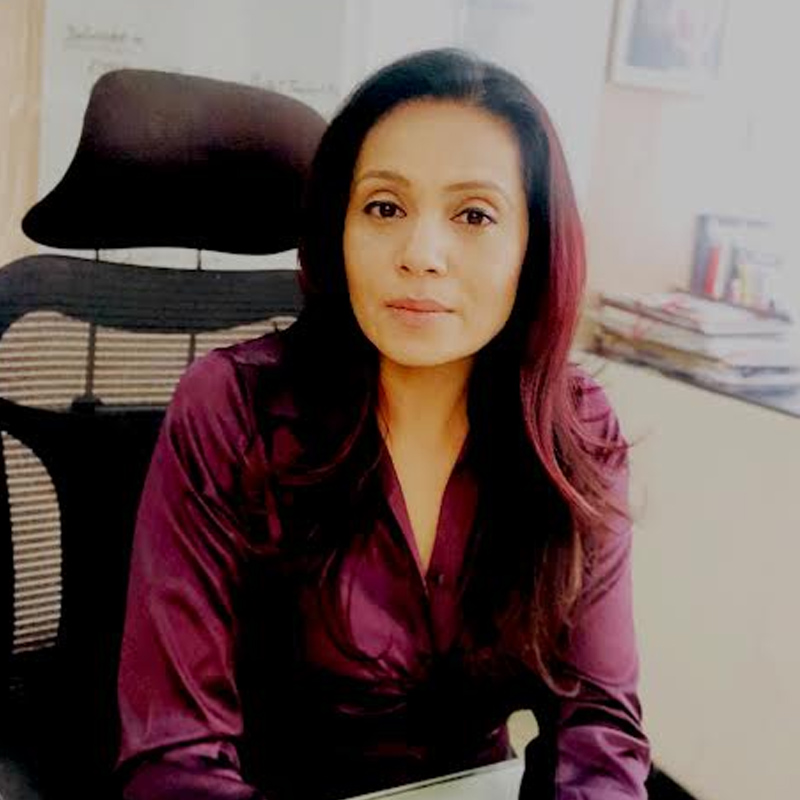
    As ALTBalaji senior vice-president – marketing and revenue, Divya Dixit has played a pivotal role in driving the company’s vision in the fast-growing and dynamic OTT sector. She carries over two decades of experience in business, marketing and brand building across the digital, OTT, broadcast, telecom, music, and retail industries. Before joining ALTBalaji in 2018, she was with ZEE5 where she conceptualised and developed the brand ‘ZEE5 ‘and ‘ZEE5 Originals’, as well as launched the platform and multiple original shows.

    At ALTBalaji, Dixit looks after marketing budgets and recovery via direct subscription revenue. She is also responsible for the overall growth of the platform, program scheduling, and analytics as well. Under her leadership, ALTBalaji has been one of the top three grossing OTT apps, having doubled its direct revenue YOY in the years 2018-19 and 2019-2020.

    On Tuesday, Balaji Telefilms announced its financial results for AMJ 2021, as per which ALTBalaji sold a total of 1.8m subs, up 35 per cent QoQ. Its direct subscription revenues stood at Rs 17cr. Boasting a current active subscriber base of 2.4m (excluding subscribers on partner apps), AltBalaji continues to drive growth for the Company.

    Interestingly the platform is also turning younger everyday with 80 per cent of the current viewers being less than 35 years of age. The brand has registered a 100 per cent YoY growth with respect to the same, especially in the hinterland markets. According to Counterpoint Research’s Survey, AltBalaji’s 25-35 audience accounted for 59 per cent of its users in 2019. The development is significant because ultimately it is this age group which drives the OTT market.

    Indiantelevision.com’s Ashee Sharma got into a freewheeling conversation with ALTBalaji, senior VP – marketing and revenue, Divya Dixit to understand this under-35 viewer base and more.

    Edited Excerpts

    On ALTBalaji’s young viewer base and the value it holds for the brand

    Youth programming continues to be our focus at ALTBalaji. We are striving constantly to keep the stories as young, inclusive, and as vibrant as possible in the hope of making a difference to the future of society. Some of our top viewed shows in this category have been Broken But Beautiful Season 3, Puncch Beat, Dev DD, Crashh, Dark7white, and LSD.

    We are here to make disruptive content that breaks stereotypes and is relatable to New India, and this development is significant for us because it implies that our brand has been able to crack the code for the youth and those young at heart. It has made ALTBalaji the benchmark for other OTT platforms. We expect a steady surge in viewership, especially among the 18-35 year olds who are leading the binge-watching trend today.

    On the difference between this audience and the rest in terms of consumer behaviour

    Most of OTT consumption happens with viewers under the age of 35 years who are far more tech-savvy, however also most often the busiest. Shorter attention spans seem to be a universal thing with this demographic unless their interest is piqued. So it becomes necessary for us to create content that catches the viewers’ attention right from the get-go. Nowadays, content is all over the internet, and with the intense competition, cracking the code to a viewer’s interest is most important. We believe we have been successful in this regard. Our engagement metrics have gone up from 48 minutes a day in FY18-19 to 83 minutes currently and the audience comprises 21.29 per cent women, with men dominating at 78.71 per cent. 

    On the content and marketing strategy for the <35 yrs TG

    At ALTBalaji, digital marketing is an important element of the marketing mix. Associating with like-minded brands, engagement across short format apps, using actors’ social media reach, and activities with youth influencers for content promotion, have been our primary approaches.  We have a robust analytics platform with a live dashboard that provides us information on views and engagement, as well as the demographic details of our subscribers. This helps us in understanding behavioural consumption patterns, and drives our content and marketing strategies.

    The youth has most definitely made a shift towards OTT platforms over traditional means of entertainment. However, the debate over their preference for movies or shows is still on. ALTBalaji has noticed the people under 35 lean in favour of shows that break stereotypes and have unique narratives, and so we continue to launch shows across genres such as thriller, crime, romance, and drama, all the while maintaining our focus on out-of-the-box story ideas.

    Moreover, our content is tailor-made to attract larger audiences. Currently, in India, the most widely spoken language among approximately 70 per cent of the population is Hindi which has been the priority for ALTBalaji. 95 per cent of our content is Hindi originals, although various other shows have been dubbed to ensure that the content is not limited to the Hindi-speaking populace. . Our recent shows like Broken But Beautiful, Mai Hero Boll Raha Hu, His Storyy, and The Married Woman have given us a massive surge in viewership. 

    On the thought process behind targeting this age-group 

    This age group is the one that sparks maximum creativity among writers and content creators, and that’s because they have a voracious appetite for unique narratives. Also, it made sense to cater to an audience that is well-versed with technology, willing to experiment and pay upfront for content. The phenomenon of Binge-watching actually started them, and so, it was only reasonable for us to work with the low hanging fruit first. We saw a huge increase in subscriptions, with growth percentages doubling in multiple cities including Lucknow, Rohtak, Ludhiana, Srinagar, Guwahati, Shimla, and Ranchi, to name a few.

    On the impact on advertising revenue, and if attracted similar brands to the platform – brands that catered to younger audiences.

    In 2020 alone, ALTBalaji has partnered with almost 25-30 brands for various shows. Our marketing strategy includes brand collaborations as it helps us to reach out to a larger audience. The partnerships have also kept our existing users incredibly engaged with all the collaborated offers they receive. 

    Young brands including Imagicaa, Pipo Popcorn, My Imagine Store, Growfitter, Ferns N Petals, and Ixigo have recently partnered with us for our youth drama Puncch Beat 2. These associations include value-added services to our existing customers. For instance, Ferns and Petals, our official gifting partners for Puncch Beat 2, provided a 20 per cent discount coupon to our viewers on their next billing. Ixigo is associated with us as the travel partner allowing 20 per cent off exclusively for ALTBalaji subscribers. The offering is based on the insight that the youth love discovering the world. Growfitter, the fitness partner for our recent shows, provided free one-month Growfitter Premium Subscription to the ‘fitness-conscious’ contest winners. In addition, brands like Imagicaa, Pipo Popcorn, and My Imagine store have been roped in as entertainment, snack, and gadget partners, respectively, thus encouraging the new audience to get on board.

    On the evolution of the business and subscription models of ALTBalaji

    Brands are increasingly starting to be aware of the growing popularity of OTT. Associating with the right brands would be a win-win for both partners by gaining visibility among the right target audience through in-show integrations and surround marketing. In 2020 alone, revenue from mobile internet advertising in India was Rs 7331 Cr and is predicted to rise to Rs 22,350 Cr in the next five years, increasing at a 25.4 per cent CAGR as per PwC’s Global Entertainment & Media Outlook 2021-2025. Utilising this fast-paced growth to the maximum potential will prove highly lucrative to businesses. However, the revenue model is still evolving. Constant innovation and timing are both the key and the challenge in this sphere. Getting it right could prove extremely fruitful for both players in the partnership.

    Talking of subscription models, there is a consumer out there for every content choice. AVOD/SVOD/TVOD are business models and the only choice the consumer has to make is if he/she wants an ad free experience or is comfortable with ads interrupting the viewing experience. As far as TVOD goes, it’s yet to see some traction in India as OTT platforms are still priced very economically. However, in developed countries where SVOD is largely the order of the day, TVOD as sampling for a particular piece of content works very well.   

    I believe in the long term SVOD is a more sustainable model, and the good news is that more and more audiences are willing to pay for content which has moved the SVOD needle up from 5 per cent, three years ago to almost 25 per cent currently. Our subscription model is priced at INR 300 annually while our quarterly plan costs 100, and half-yearly is set at 180. This is not just for youth but for democratisation of content in the country.

  • Hoichoi achieves a subscriber base of 13 million

    Hoichoi achieves a subscriber base of 13 million

    KOLKATA: The leading Bengali OTT platform, Hoichoi, has completed three years in the industry with its grand launch in 2017. It has achieved a subscriber base of 13 million with 40 per cent of its revenue coming from international customers. It has also doubled its revenue in the past year.

    With the vision of "entertaining people in their local language” and having over 60 Originals and 50 World Digital Premieres, Hoichoi has unveiled a fresh slate of 25 new Originals, two first day first show films and multiple world digital premieres for the upcoming year.

    As a Hoichoi subscriber spends 50 minutes a day on the platform, the OTT player is always keen on bringing the best of technology for its customers. It has revealed a sneak peek into its new UI/UX (user interface/user experience) built which is seamless and easy to use for the customers.

    Read more news on Hoichoi

    A parental control feature will soon be added, which comes with Hoichoi being among the top 15 OTT platforms of India who have signed up for a unified self-regulation process with IAMAI for classification and demarcation of content available on all video-on-demand apps and websites in India. 

    Having customers over 100 countries including places like Japan, Sweden, Argentina, Iceland and more, Hoichoi has also announced Carrier Billing. It is an affordable way to consume content in the form of sache pricing and to buy a weekly or monthly subscription by paying with their mobile balance. This will be soon available for users in Bangladesh and Middle East. There’s also, subscription bundling, specifically for customers in India with JioFibre and Bangladesh with its top telecommunication network. 

  • Where Mike Hopkins is taking Amazon Prime Video

    Where Mike Hopkins is taking Amazon Prime Video

    Amazon Prime Video and Amazon Studios SVP Mike Hopkins is a 30-year vet old in streaming veteran, having overseen the developed of products such as  BTN2GO and Fox Now as head of Fox distribution and later led Hulu on a rapid growth path as its CEO. He spent a short stint at Sony Pictures Television Networks as its chairman before being lured away by Jeff Bezos to lead Prime Video just before the pandemic hit the world.

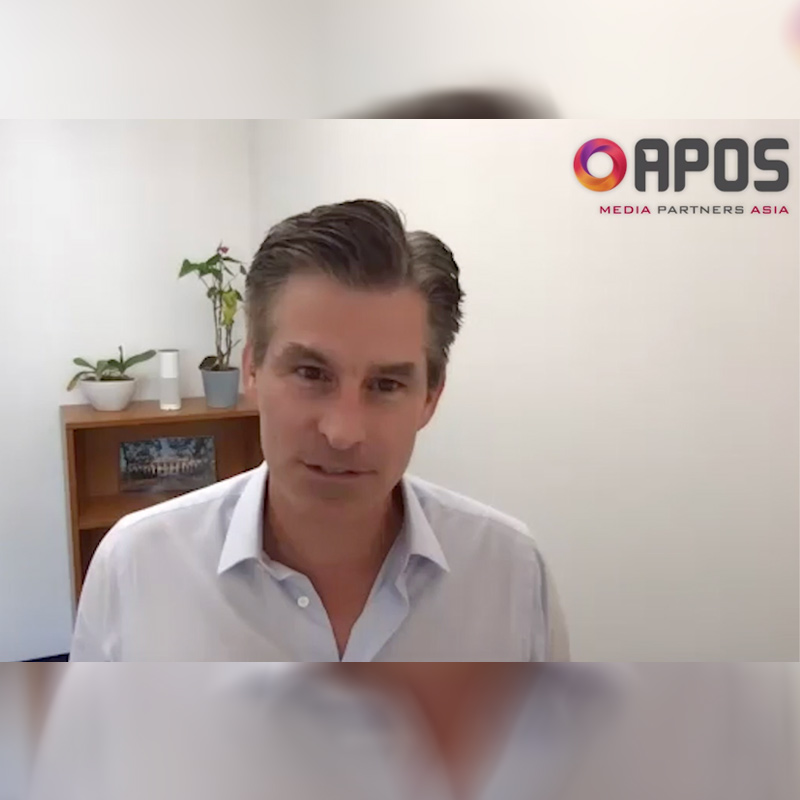
    Hopkins is quite charged up about the opportunity that lies ahead with Prime Video. Speaking at APOS he said that Amazon has 150 million plus Prime members globally and Prime Video is a key driver of the service.

    Hopkins expressed that growth for Prime Video lies primarily in international territories. “Before I arrived the company had made some really smart investments in serving customers around the world,” he said. “And we intend to double down on that investment over the next couple of years. We will continue to invest in local and global content and that is very critical,”

    Most of the investments are going towards creating originals in 15 of the 200 markets Prime Video is available outside the US. “People in many countries have an affinity to US content,” Hopkins added. “But increasingly customers also want to see stories about them their culture and issues written and produced by people in their countries and played out by actors who look like and speak like them. Our teams have been building a home for talent and attracting the top creators all over the world.”

    The content acquisition teams, Hopkins revealed are also  making smart bets and doubling down on investments in acquiring SVOD content and TVOD catalogues. This apart, Hopkins, stated that Amazon’ sports team has also been inventing and reinventing spots, taking bets in properties and that is going to increase going forward.

    Hopkins went on to add that the second big opportunity for Amazon Prime Video lies in improving customer experience. “We have probably the most complicated business model of the SVoD players, so that makes the customer experience more important for us,” he expressed.

    He revealed that members can look forward to improvements in how they can navigate and use the service over the next year or two. “Customers can rent and buy movies and TV shows and they can also subscribe to  TV channels in many markets,” he highlighted. “Making it easier for them to understand what’s what and how they can get to the content is important and we will prioritise this along with content investments.”

    He explained that he sees Prime Video offering a variety of content to its users, right from the SVOD content to TVOD to channels. “We want to offer them a one-stop-shop for their entertainment needs and (adding) channels is going to be a major focus for us.”

    Hopkins stated the pandemic has not impacted its pipeline of content going forward. “We have about 40 shows in various stages of production,” he said. “We have a very deep library, we have licensed content. We have a lot of originals. We are going to launch the second season of The Voice and several other shows. But what we will see is a slowdown in terms of premieres in the first half of next year. The thinning of these shows will be more than made up by the TVOD content in movies and the channels members can subscribe to.”

    He pointed out that Amazon Prime Video had gone in early into India as an SVOD service  and the way forward is becoming be super aggressive in the market from an originals. “We will have more than a dozen originals in each of the markets we are investing in by next year or so” he revealed. “And India is one of our priority markets.”

  • Does TVoD model have a long run in India?

    Does TVoD model have a long run in India?

    KOLKATA: The recent shakeup in the media and entertainment industry due to the pandemic has given rise to more experiments. Recently, media giant The Walt Disney Company (Disney) decided to take live-action remake of Mulan to its streaming platform Disney+. While direct-to-digital debut has become a common phenomenon during the lockdown, Disney has opted for a premium transactional model rather than offering it as a part of its overall subscription. Naysayers have refuted the viability of pay-per-view or transactional video-on-demand (TVoD) in the Indian market but local players have started experimenting with the model.

    Shemaroo Entertainment’s digital arm ShemarooMe is trying the model through its ShemarooMe Box Office feature where movies will be available for Rs 80-100 for a three-day viewing. A new budding regional player, Planet Marathi, has also recently announced a ticket window for Marathi films. Although bigger players have not uttered any word on taking this route.

    “Traditionally, Indian OTT ecosystem has not experimented with the TVoD business model. But with the changing scenario, we are seeing OTT players have started trying the transaction per content model globally, especially as movies are getting direct digital premiere.

    The pay-per-view model or TVoD is an established concept in the west, and it coexists with the subscription model. Audiences and consumers have accepted it and it has been a window for viewing movies,” Shemaroo Entertainment CEO Hiren Gada says.

    SBICap Securities institutional equity research head Rajiv Sharma mentions that firstly the OTT pricing today is on a very affordable line except for Netflix. On the other hand, he thinks TVoD does not give a scale but only customers who may not stick around. He contends that an OTT business model means having the visibility of revenue and stickiness of the subscriber base which will allow the investment for the production of new content. 

    However, he also mentions that the model can work better if it is seasonal. He shares an interesting view that tvod will be like running a campaign for consumers to experiment and sample the content. If there is parallel pricing, the subscribers who use other platforms may come for very appealing content. Hence, it is good from sampling and penetration perspective and also to build a huge customer database for further promotion, Sharma opines. But he also shares on a cautionary note that having tvod for long-term may cannibalise existing SVoD or AVoD customers revenue.

    Elara Capital VP – research analyst (Media) Karan Taurani is not very optimistic about TVoD’s uptake in India. According to him, consumers in India don’t pay here easily and they will pay for a service that is long -term because that is reasonable and adds value. Moreover, he mentions that globally, the audience pays around $30-35 under this model (Disney has fixed Mulan’s price in the US at $30), whereas Indians won’t pay 10 per cent of that price. Taurani also speaks about the poor payment mechanism in many parts of the country.

    Deloitte India partner Jehil Thakkar does not subscribe to the view as many consumers are using different payment gateways for OTT, e-commerce, grocery shopping. Moreover, the pandemic has boosted the uptake of online payment mechanisms.

    “ShemarooMe Box Office has seen many critics and reviewers extend their support to the platform and if the entire ecosystem accepts this, then TVoD as a model in India can see success as desired. For now, this is a very experimental phase, where the audience discovers the platform and starts interacting with it. We have witnessed decent traction so far,” Shemaroo’s Gada comments on the uptake.

    Deloitte India's Thakkar also thinks it is a viable option but at this time the market may remain fairly small. He adds that it may be more successful for some exceptional events like a blockbuster movie or a cricket event. He emphasises that despite all the odds it is a good time to experiment, test the water, tweak the business model, and pricing. According to him, the experiments will make it clear if there is an appetite for this model.

    “Nothing can defeat the unsurpassable theatre viewing experience, since we are facing a difficult time, some experiments and changes can definitely fill the void. Nonetheless, platforms like ShemarooMe Box Office should always have an audience. The idea was to make movies accessible to a larger consumer base and inculcate the habit of TVoD viewing. It would help create a new monetisation window,” Gada states.

  • 2017’s biggest blockbusters are coming to Hooq this march

    2017’s biggest blockbusters are coming to Hooq this march

    MUMBAI: HOOQ – the largest Video on Demand service in South-East Asia – is proud to announce that it will be bringing 5 powerhouse Hollywood blockbusters from 2017 to its transactional video-on-demand (TVOD) offering, all within the span of a month.

    There is truly something for everybody this March on HOOQ’s TVOD service.  Lovers of animated films can enjoy Pixar’s Coco and comic book fans can rejoice as HOOQ brings you the absolute best that the Marvel and DC Cinematic Universe has to offer with Thor: Ragnarok and Justice League.  Those looking to make a trip to a galaxy far, far away can eagerly await the arrival of Star Wars Episode VIII: The Last Jedi and, finally, for the nostalgic lovers of 90s cinema, the highly successful Jumanji: Welcome To The Jungle would be a winning choice.

    HOOQ’s Chief Content Officer, Jennifer Batty said, “Our unique partnerships with blockbuster juggernauts like Disney, Warner Bros., and Sony Pictures, truly allows us to bring the world’s premier movie titles to the comfort of our subscribers’ homes straight out of the cinemas.  March is going to be a fantastic month to be a movie buff!”

  • Vikram Bhatt’s LoneRanger taps Brightcove for TVoD service by mid-Nov

    Vikram Bhatt’s LoneRanger taps Brightcove for TVoD service by mid-Nov

    MUMBAI: A US video firm has started working with a Bollywood producer on a streaming service soon after developments in India where VoD services such as Amazon and Netflix tried to get a toehold in the OTT market through original content agreements.

    Netflix, late last year, signed a deal with Shah Rukh Khan’s Red Chillies to distribute the studio’s films. Shortly later, Amazon announced its own content agreement in India with Xilam Animation, making the former the exclusive streaming platform for kids’ shows such as “Zig & Sharko” and “Oggy & the Cockroaches.”

    Brightcove, a provider of cloud services for video, has now partnered LoneRanger Productions to develop an over-the-top (OTT) service for the production company. The deal represents Brightcove’s maiden deal with a Bollywood production company.

    LoneRanger is headed by Vikram Bhatt, a 30-plus year veteran of the Bollywood market and the director of classic films such as Ghulam, Raaz, and 1920. With its transactional video on demand (TVoD) OTT service, LoneRanger claims to deliver the best of its mystery and suspense content to consumers. The service is expected to launch in mid-November.

    “Today’s viewing experience is as much about mobile delivery as it is about television. So, we have been looking for a partner that could help us revolutionise the user experience,” Bhatt said.

    “Brightcove’s platform performance, player speed and technology stack were real differentiators in creating a service that was theater-like. We also wanted a vendor that could help us get to market quickly — able to stand up our service within weeks after signing the contract,” he added.

    Brightcove CEO Andrew Feinberg said: “India has an enormous opportunity because of the explosive growth in online video in the region.