Tag: TV

  • Ad spends are likely to get impacted if consumption reduces: Carat India CEO Anita Kotwani

    Ad spends are likely to get impacted if consumption reduces: Carat India CEO Anita Kotwani

    Mumbai: In March this year, India completed a year of double-digit wholesale price inflation (WPI inflation). This is the sixth occasion when inflation has remained over 10 per cent for a year or longer, and it came more than a quarter of a century after the last such episode — between March 1994 and May 1995.

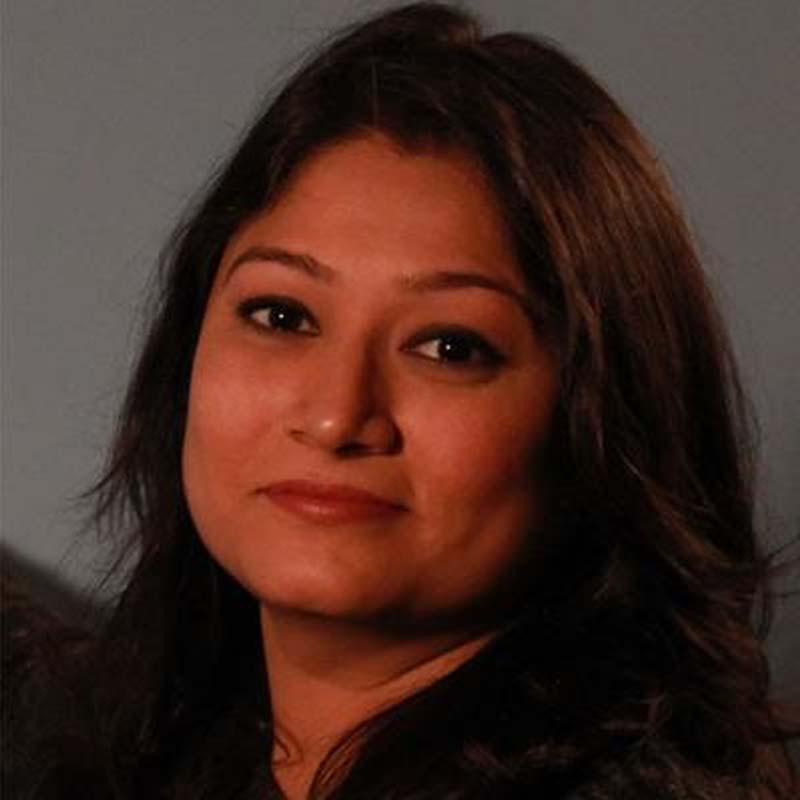
    In an exclusive interaction with IndianTelevision.com, Carat India CEO Anita Kotwani noted that inflation is already impacting FMCG which is the broadcast industry’s highest ad spender. She offers her take on the impact of inflation noting that right now ad spend patterns are unlikely to be impacted and the market is recovering from Covid-19. But she warns that if the price of commodities significantly goes up, then that could impact consumption negatively. And ad spends are the easiest to cut back on when commodity prices rise. She offers the example of domestic aviation cutting back on TV ad spends in a significant manner so far this year. On a more positive note, she sheds light on the resilience of TV as an ad medium.

    Edited excerpts:

    There is talk about high inflation. How is this impacting companies especially FMCG?

    High inflation is likely to bite into the FMCG sector’s volume growth in 2022. Retail inflation in India rose to a seven-month high from 6.01 per cent in January, breaching the upper tolerance level. The rise was mainly on account of high food inflation, which jumped to a 14-month high of 5.43 per cent, along with a high base.

    A majority of FMCG companies have already reported a decline in volume growth in the third quarter of FY22. At this juncture, FMCG firms face the dilemma of choosing between margins and volumes. However, the analysts believe that protecting the margins will further impact volumes as consumers will hold back consumption.

    A recent Nielson IQ report suggests that demand in the rural segment has taken a hit, with volume growth declining by 2.9 per cent. Inflation in the price of fertiliser and diesel has impacted the disposable income of the farmers, thus, impacting the consumption in the rural regions.

    Some of the recent reports also suggest that consumers may have to pay more for their daily essential items. Since the FMCG companies are mulling over another round of price hikes, to offset the impact of an unprecedented level of inflation in commodity prices such as wheat, palm oil and packaging materials. A 10-15 per cent hike is expected across industries. The market is volatile as of now, therefore, brands will consider multiple factors before finalising the incremental in the price for their product.

    Do you see clients’ ad spending getting impacted in the coming quarters as consumer sentiment turns negative and spending slows down?

    Currently, the negative sentiments are not very strong and things are still volatile. Ad spends are likely to get impacted if consumption reduces. However, the impact on consumption will be determined by the increase in the cost of the product. Yes, the essentials are getting a bit expensive but that is largely due to the increased fuel cost led by the Russia-Ukraine conflict. Apart from that, the market has been steadily recovering from Covid and the advertiser spend patterns are unlikely to see any impact. Only if the price of commodities significantly goes up, then that could impact consumption negatively.

    Which are the sectors that you see coming under stress due to inflation?

    As per the Consumer Price Index (CPI) of March 2022, India stood at an inflation rate of 6.95 per cent.

    Amidst the hardening of fuel prices, India’s wholesale price-based inflation quickened to 14.55 percent in March from 13.11 percent in February. Retail inflation for March has also climbed to 6.95 per cent, a 17-month high. According to the country’s CPI-based inflation report, the spike in prices was led by food items.

    A continuous rise in fuel prices since March 22 has not been completely captured in the latest data, suggesting that inflation may remain elevated in the coming months. A surge in crude oil prices to a 14-year high has resulted in broad price pressures on Indian households.

    Among food items, the index for oil and fats recorded the largest sequential price hike, by 5.3 per cent in March. This may raise pressure on the government to make edible oils cheaper.

    The worst affected sectors include food (+1.4 percent over February), clothing and footwear (+0.9 percent over February), and fuel and light (+0.9 percent over February).

    Do you see urban and rural India both being equally affected?

    Since the beginning of 2021, inflation has started to see a gap between urban and rural geographies. For rural consumers, their basket has a higher weightage on food and essentials. Whereas, for urban consumers, the non-food items dominate their shopping baskets as well. Recreation (malls/cinemas) also impact urban consumers more than rural.

    While the inflation gap between urban and rural audiences is always going to remain, rural is also likely to see an impact in consumption due to increased prices of fertilisers and diesel. This impacts the disposable income of people in the rural region.

    The people who are most affected by rising inflation are the final consumers of goods. The prices of goods and services are constantly rising. However, the salaries and income of consumers do not rise proportionately. Hence, there is a lag leading to goods and services becoming less affordable to the final consumers. The CPI inflation witnessed significant and sustained moderation during 2012-13 to 2018-19, before rising thereafter.

    Rural and urban inflation exhibited a similar trend; the only difference witnessed was that urban inflation started rising from 2018 to 2019.

    Moreover, the annual average urban inflation which was ruling below rural inflation till 2017-18, moved above it during 2018-19 and 2019-20 (Chart 1a). Food and non-food inflation contributed to the divergence between urban and rural inflation (Chart 1b).

    The consumer food price inflation for rural areas was 3.94 per cent in March 2021. It went up to 8.04 per cent in March 2022. Similarly, the CPI for rural India has also gone up to 7.66 per cent in 2022, from 4.61 per cent in March 2021.

    The rural food inflation in March has also registered a steep hike in comparison to February 2022. It has gone up to 8.04 per cent in March, from 5.81 per cent in February.

    The Consumer food price inflation for India as a whole, including rural and urban, has gone up to 7.68 per cent in March 2022, from 4.87 per cent in March 2021. Given this understanding, yes, inflation will impact rural and urban consumers equally.

    What does the media industry need to do to prepare for growth potentially not being as smooth?

    Ad spends are the first and the easiest way to cut costs during times of high commodity prices. It is already evident. Hit by high aviation fuel prices, domestic airlines in the country have cut television advertising by as much as 27 per cent , during the first five months of the year.

    When companies try to reduce the ‘extra’ spending, the packages provided by marketers for consolidated marketing become way more lucrative for the brands concerned.
    It is imperative for brands to understand that the focus of cost-cutting should be on reducing wastages and not reducing activity that can generate future sales or build a brand.

    When a brand is in its growth phase, a reduction in ad spends is unadvisable, even during times of inflation. If a brand is sensitive to media ad spends, which consequently drives movement in business impact, then they too should not cut ad costs. This education to brands by media agencies and partners is imperative.

    360-degree media campaigns are the most lucrative campaigns. They combine the most effective and efficient mediums that drive business impact for the brand and further boost media outcomes to the best possible, depending on the category.

    Exploring newer advertising options like addressable TV, geo-fencing on digital, digital OOH and interactive print is not only more efficient but far much more sharp-targeted to the audience, avoiding spillage and minimizing costs.

    Is there a likelihood of revising the projected ad spend growth of  Rs 82,500 crore?

    As an industry we are keeping a close watch on how the media spends are progressing, advertisers and agencies have come to terms that things need to normalise despite rising in covid cases, we will have to co-exist with the virus and continue business as usual. We are hopeful that the situation will not deteriorate, and growth projections if needed will be upward only.

    It is a bit unclear right now if the projection for the ad spends will get changed. There has to be a situation as major as the 2020 Covid crisis for the ad spend projections to change significantly.

    Will print be the first medium to suffer if clients cut back on spends? What is your take?

    In a world wherein all media inputs are determined by ROI, print is the low-hanging fruit. It always witnesses cuts whenever there are budget cuts. A lot of marketing mix modeling (MMM studies) show that for a lot of FMCG brands, print has the lowest ROI, and hence print is always under the scanner.

    Dentsu’s ad forecast report mentioned TV being the most resilient. What is the reason for this?

    Linear television remains to be the most popular and resilient media in India with a 40 per cent share of spend. Linear television ad volumes continued to post a healthy growth starting H2 2021, as marketers leveraged the reach and power of TV to raise the profile of their brands.

    We have seen this in the past as well. In 2021, the TV spends were fully recovered and since TV is still the highest reach building media, brands must leverage TV for building equity and for the movement in top-funnel metrics. While there has been a shift in content viewing with some audiences moving from TV to OTTs and demand for OTT advertising is rising, the impact on TV spends is minimal.

    On TV which are the top five properties for an advertiser?

    The properties are bucketed under different genres and are listed below:

    ⦁ Cricket – IPL & CWC
    ⦁ Dance Reality Shows (“Dance India Dance,” “Dance+”)
    ⦁ Singing Reality Shows (“Indian Idol,” “SaReGaMaPa”)
    ⦁ Unscripted Shows (“Bigg Boss,” “Fear Factor”)
    ⦁ Fictions/Scripted Shows (“Anupama,” “Imli,” “KumKum Bhagya”)

    Will smaller genres like music continue to find the going difficult?

    Over the last couple of years, there has been a drop in the viewership of the music genre. A major reason is the movement of audiences from music to news and film genres, especially post Covid. Additionally, music listeners who also like to watch music videos have moved to YouTube to watch the videos of their choice. While the viewership for smaller genres will continue to remain low, relevant brands can still look at these genres for the right targeting. Brands targeting youth and females can look at this genre to build frequency.

  • AVGC fastest-growing sector in South Indian M&E industry; TV leads by share: CII

    AVGC fastest-growing sector in South Indian M&E industry; TV leads by share: CII

    Mumbai: The South Indian media and entertainment (M&E) sector, with a market value of around Rs 70,000 crore and a share of 40 per cent, will play a critical role in assisting India to follow a sustainable path to becoming the world’s largest credible marketplace, with M&E contributing two to three per cent to the country’s GDP. The findings were revealed in the CII Southern Region’s report titled ‘Regional is the New National – Way Forward for the South Indian Media & Entertainment Industry.’

    Television continues to occupy a major 45 per cent of the South India M&E market share. By the end of 2022, it is expected to be worth Rs 33,100 crore, with a 10 per cent compound annual growth rate. The south Indian TV sector had a market size of Rs 36,000 crore in 2019, which dropped to Rs 29,000 crore in 2020 because of the Covid-19 epidemic, but recovered to Rs 30,100 crore in 2021. It is expected to grow even more in the coming years, reaching Ra 33,100 crore in 2022 and surpassing 2019 by 2024.

    Subscriptions continue to be the most lucrative source of revenue for television, followed by advertising and programming. According to industry estimates, TV stations in South India earned Rs 25,200 crore in subscriptions, Rs 9,360 crore in advertising, and Rs 1,440 crore in programming in 2019. Due to the pandemic’s impact, these figures fell in 2020 to Rs 20,300 crore for subscriptions, Rs 7,540 crore for advertising, and Rs 1,160 crore for content-based revenue.

    AVGC is the fastest growing sector in the South Indian M&E industry, with a CAGR of 30 per cent. It is expected to account for up to 10 per cent of the overall M&E sector by 2030. The budget allocation for VFX in high-budget films is expected to rise to 30-35 per cent by 2023, up from 25-30 per cent currently.

    Establishment of a state-of-the-art 30,000 Sq ft Centre of Excellence in Whitefield, Bengaluru, and the construction of Image Towers in Hyderabad, which is a 600,000 square feet dedicated space for the AVGC-XR sector, has contributed to this growth.

    More than half of the films released in the last year were in one of the four south Indian languages. The South Indian film industry has also produced some of the most successful box office hits in recent years. It is expected to be worth Rs 6050 crore by the end of 2022, with a compound annual growth rate of 13 per cent.

    Southern films have performed exceptionally well on OTT platforms, and they are among the most watched films in Indian cinema. With a compound annual growth rate of 25 per cent, the South Indian streaming and digital media market is expected to be worth Rs 16,200 crore by the end of 2022, nearly two-and-a-half times the film revenues. Disney Hotstar, Amazon Prime, Zee5, Netflix, and SonyLiv are aggressively establishing themselves in the southern states.

    The South Indian print industry market is expected to be worth Rs 9,900 crore by the end of 2022, with radio, digital, OTT, and music following close behind. Further, South India’s five states account for 286 of India’s total 1369 radio channels, accounting for a 21 per cent share of the total radio pie in India.

    “South India has continued to play an important role in the evolution of the M&E industry, owing to the popularity of vernacular content, rapid digitisation and connectivity, an evolving ecosystem, global viewership, and personalisation,” the report stated. “Tamil Nadu, Kerala, Andhra Pradesh, Telangana, and Karnataka, the five southern states, have been at the forefront of leading the transformation of India’s M&E sector.”

    “The growth story of the South Indian M&E sector, like that of the rest of India, continues to be unique and multimodal, with digital and traditional media co-existing and growing with very different underlying trends,” it added.

  • Zee5 highlights regional offerings in a new campaign

    Zee5 highlights regional offerings in a new campaign

    Mumbai: Video streaming platform ZEE5 has announced the launch of the second edition of its campaign- ‘Dekhtey Reh Jaogey’ starring Sara Ali Khan and Amol Parashar. Revolving around the FOMO theme, the campaign showcases the platform’s content library, particularly the regional offerings.

    ZEE5 currently features 160+ live TV channels and 500,000+ hours of on-demand content spanning over 3,500 films, 1,750 TV shows, and 700 originals, in 12 Indian languages (English, Hindi, Bengali, Malayalam, Tamil, Telugu, Kannada, Marathi, Oriya, Bhojpuri, Gujarati, and Punjabi), all available in a new subscription of Rs. 599.

    The SVOD viewers on the platform get access to the range of movies and web series behind the paywall, along with AVOD content before they are aired on TV. The AVOD content roster at ZEE5 includes catch-up episodes of the most popular TV shows on ZEE Network and other properties which are available for audiences to watch anytime, and anywhere.

    Over the past 12 months, ZEE5 has become the fastest growing OTT platform in India as per AppAnnie’s latest industry report. The platform’s monthly active users (MAU) rose to 101.9 million and global daily active users (DAUs) touched 9.6 million in December 2021. ZEE5 users watched an average of 201 minutes of content per month during the last quarter, with the platform releasing 51 shows and movies, including 11 originals during the period.

    ZEE5 has planned a high-frequency promotional outreach for the campaign across TV, social media, and the internet as part of a 360-degree approach.

     “At ZEE5, we have always aspired to democratise entertainment and provide quality content to our audiences at a price that is convenient for the majority of the viewers,” says ZEE5 India chief business officer Manish Kalra. “While ZEE5 has a large content library that spans across various languages, the second leg of the ‘Dekhtey Reh Jaogey’ campaign will help us exhibit our diverse content offerings, especially regional content and further our aim of deeper regionalisation by making deeper inroads into the country. With the new subscription package, viewers will have access to an endless supply of compelling and binge-worthy entertainment at an annual price of Rs. 599.”

    Lowe Lintas chief creative officer Sagar Kapoor adds, “Today, content has become the perfect conversation starter and enabler. Conversations are invariably peppered with references to dialogues and characters from content pieces across OTT platforms. It is the “conversation drama” that people miss out on when they miss content. We decided to build on this idea for ZEE5 to pull in their audiences every week to watch new shows and movies and stay above content FOMO, so they never miss out on the excitement on and off the screen.”

  • E-commerce ad volumes on TV growing by 20 per cent YoY since 2019: TAM data

    E-commerce ad volumes on TV growing by 20 per cent YoY since 2019: TAM data

    Mumbai: The e-commerce sector’s ad volume share is growing on television at 20 per cent every year since 2019, as per data by Tam Media Research (TAM). E-commerce ad volumes registered the highest growth in the third quarter of 2021 outshining the festive period.

    E-commerce category media/entertainment/social media contributed the highest share of total e-commerce ad volumes at 31 per cent. This was followed by e-commerce-education at 16 per cent and e-commerce-online shopping at 14 per cent.

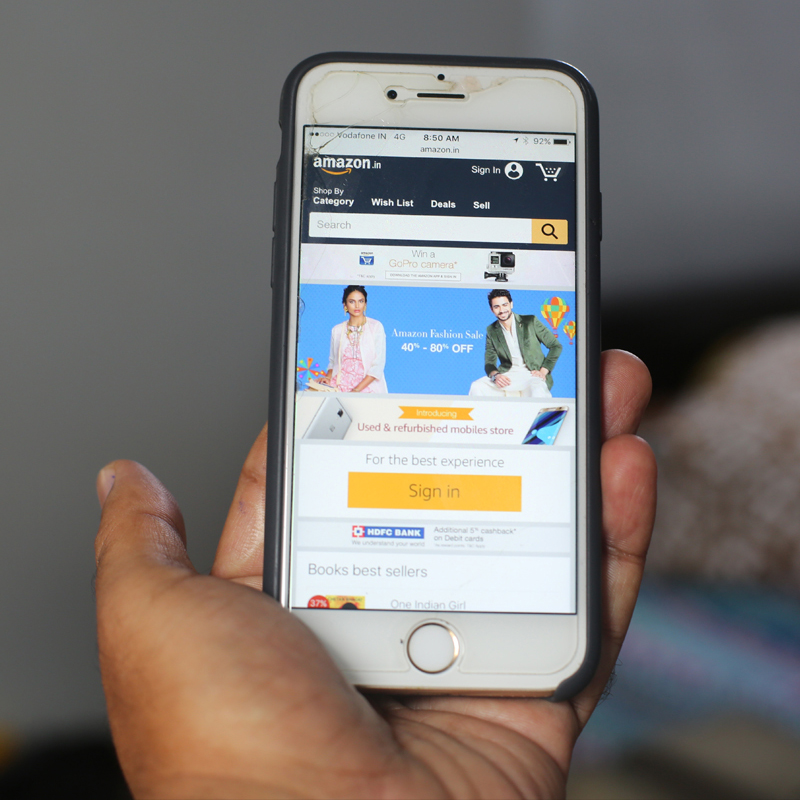
    The top three advertisers in the e-commerce category were Amazon Online India, Think & Learn, and Whitehat Education Technology. Amazon Online India was the only advertiser with double-digit share in overall eCommerce ad volumes at 11 per cent. Amazon Online India was also a new entrant among the top ten advertisers on TV (all sectors/categories) for the year 2021.

    E-commerce advertisers preferred genres such as news, films and general entertainment to feature ads as they accounted for 31 per cent, 21 per cent and 20 per cent ad volumes share, respectively. Feature films and news bulletins were the preferred programmes among advertisers. A time band analysis for e-commerce sector advertising on TV showed that the primetime band saw the highest share of ad volumes at 31 per cent followed by the afternoon time band at 21 per cent. 

    ​​​​​​

  • Digital to become largest medium, bypassing TV with 45% media share: GroupM report

    Digital to become largest medium, bypassing TV with 45% media share: GroupM report

    Mumbai: India ad spends are estimated to reach Rs 107,987 crore in 2022, growing by 22 per cent over last year, as per the GroupM futures report ‘This Year, Next Year’ (TYNY) 2022. The country is set to be the fastest-growing market in ad spends among the top ten global markets retaining its ninth rank and the fifth highest contributor to incremental ad spends. Also, digital is expected to cross television as the lead medium with a reach of 45 per cent media share in 2022, predicts the report.

    GroupM India announced its advertising expenditure (AdEx) forecasts for 2022 on Tuesday. The agency also shared some of the top trends that will shape the Indian consumer and therefore industry. The trends presented were around the shifts in organisational structures, consumer sensitivity and sustainability, digital experience, data, commerce, creator ecosystem, growth of sports business, use of technology, performance marketing, addressable TV and evolution of offline media.

    “The pandemic has pushed the envelope towards digital and has hence topped the pie, with advertisers keen to explore more of it,” remarked GroupM South Asia CEO Prasanth Kumar. “E-commerce and telco will drive the economy, we also expect FMCG and auto to slowly catch up and contribute towards this growth.”

    GroupM South Asia president – growth and transformation Tushar Vyas opined that as digital capabilities enhance and connectivity becomes omnipresent, technology will further poise and change almost every sector of India’s economy. “With the pivot to digital by consumers and companies alike, digital emerges as the largest medium in 2022 with an estimated share of 45 per cent. Digital is estimated to grow by 33 per cent in 2022,” he shared.

    “With consumers gravitating towards themes like sustainability and sensitivity, brands are adapting rapidly, and media has the power to lead this change,” said GroupM South Asia chief strategy officer Parthasarathy Mandayam. “Flexible, specialist and distributed teams are the order of the day and this trend will be further enhanced with the arrival of 5G. The emphasis on performance marketing has further accelerated and is at the very core of marketing. Intelligent & responsible leverage of first-party data will be critical for brands & marketers in driving this.”

    GroupM India president – data, performance & digital products Atique Kazi added, “Marketers will have to bring together innovation, intelligence and integration in their strategy to win on Digital. In 2022; we will also see addressable TV coming to India in some scalable form and connected tv surge with smart TV sales and new fibre/broadband connections will be on the rise. Focusing on eCommerce, performance marketing, outcome-based media and addressable data is winning formula in 2022.”

    “While digital is set to take the larger pie, we are expecting a noteworthy revival for OOH & cinema too after a tough period,” said GroupM India president – investments and pricing Sidharth Parashar. “Advertising on e-commerce, the rise of influencers and short format videos along with OTT has witnessed growth in 2021, which would continue in 2022.”

    GroupM India president – partnerships and trading Ashwin Padmanabhan added, “The rapid digital transformation of companies, brands and the way they connect with consumers is reflected in the global advertising spends as well as the way even traditional media is expanding with their digital extensions. India in 2022 will see a rapid manifestation of these Global trends and thus fundamentally altering the media industry.”

  • 26% of people surf internet while watching TV: Axis My India Survey

    26% of people surf internet while watching TV: Axis My India Survey

    Mumbai: At least 26 per cent of people surf the internet while watching Television, revealed Axis My India CSI Survey for February, thus opening deeper conversations on rising multi-screen user behaviour and scope of competitive advertising among different platforms.

    The survey covered as many as 10, 525 people across different states via Computer-Aided Telephonic Interviews. While 70 per cent of them belonged to Rural India while 30 per cent belonged to urban areas. In addition, 59 per cent of the respondents were male while 41 per cent of the respondents were female.

    According to the survey, consumption of media like TV, Internet, and Radio has also increased for 24 per cent of the families.

    Axis My India further assessed if advertisement influences consumer’s purchase decisions, and found that at least 41 per cent agreed that ads are stimulants and thereby drive purchases. This reflects the view of 18-35 year olds from the northern part of India. However, a majority of 57 per cent disagree on the same. 

    The latest monthly analysis of consumer perception also showed that spends on essentials like personal care & household items have increased for 43 per cent of the families showcasing a surge in the northern and southern part of India, however, this is also the lowest surge in the last five months. Spends however remain the same for 33 per cent of the families. Spends on non-essential & discretionary products like AC, Car, Refrigerator has also increased for 10 per cent of families, indicating an even lower percentage than the last five months.

    “The survey captures consumers’ apprehensions yet preparedness and confidence in the advent of Omicron. While essential, non-essential, and health-related increased expenditures witnessed a dip, consumers at the same time have expressed their confidence of not being financially impacted by the 3rd Wave,” said Axis My India CMD Pradeep Gupta, commenting on the February report.

    “Moreover, in our attempt to discover consumer information consumption habits, we witnessed a growing possibility of shared space competitiveness between TV and online for influencing ad-based purchase decisions. However online space unlike TV is an interactive platform and thereby possesses the challenges of ensuring the security and safety of data shared by consumers. Overall with the nation’s sentiments resuming back to slow and steady normalcy and more opportunities opening up within the media space, advertisers and marketers are in a sweet spot and should thereby leave no space untouched,” he added.

    Some of the other key findings of the consumer sentiment index survey are:

    ·89 per cent families reported going out the same for short vacations, malls and restaurants as compared to 85 per cent of families last month, which has been the highest percentage in the last five months.

    ·Consumption of health-related items more or less remains the same for 44 per cent of the families, while a surge is witnessed among 38 per cent of the families.

    ·With regards to financial and personal security, 41 per cent is apprehensive that the information shared online is not secure.

    ·Over 67 per cent believe that women are better as compared to men when it comes to financial/ investment management.

    ·A bulk of 48 per cent believe that the new variant of the virus – Omicron won’t impact their financial well-being.

    ·In a positive, 50 per cent of respondents engage in sports/exercise and other health-related activities to remain fit and healthy.

  • EPIC’s new philosophy- ‘Soch Se Aage’- keep the creators going

    EPIC’s new philosophy- ‘Soch Se Aage’- keep the creators going

    Mumbai: IN10 Media Network’s infotainment channel EPIC started its journey in 2014 with content focusing on Indian history, folklore, and mythology. And since then the channel has continued to recognize the opportunity for differentiated content and experimented with it.

    Despite endless challenges due to the pandemic and subsequent lockdowns, EPIC unveiled its brand new look on 16 December. Along with a fresh look, feel and a new tagline- ‘Soch Se Aage’, the channel announced a fresh programming line-up with the aim to rebuild the Indian infotainment space. From ‘Lakshya 1971- a story of 1971 war’ to ‘Raja Rasoi Aur Anya Kahaniyaan’- a show about the history and flavors of regional Indian cuisine, the platform has brought a host of news shows for its audiences.

    In this exclusive interview with Indiantelevision.com, the two production houses, Rangrez/FOODlooking founder Ashraf Abbas and MASS Studios creative director Richa Pant shared the process of producing content for EPIC, and how they overcame the challenges posed by the pandemic during the period. EPIC AVP – content and strategy Nisha Thakkar also joined the chat to share how the new content resonates with ‘Soch Se Aage’ philosophy.

    On exploring new territories and producing infotainment content

    Talking about her experience, MASS Studios creative director Richa Pant said that the year was a bit rocky for her. While the Delta wave left a devastating impact on people’s lives, Pant said she found consolation in work.  “One of my highlights this year has been ‘Lakshya 1971: Vayu Sena Ke Veer Yoddha’.  A documentary that showcases the stories of Air Force heroes and the seminal work they did in the 1971 war, a war that changed the face of the subcontinent,” she said while talking about her journey with EPIC.

    After working with EPIC, she feels she has explored different territories as a professional with the variety of new content offered on the platform. “I have been making documentaries for the last decade and channels as well as audiences are constantly pushing you to innovate.  With ‘Lakshya 1971’ we have delved into military history and this is a first for me as a Creative Director,” she said.

    On new shows and integrating the philosophy of ‘Soch Se Aage’

    “To think of it, the legacy shows such as ‘Raja Rasoi Aur Anya Kahaniyaan’ and ‘Lost Recipes’ formats were themselves ‘Soch Se Aage’ when launched. ‘Raja Rasoi Aur Anya Kahaniyaan’ beautifully presents history & food together while ‘Lost Recipes’ is re-living the long-lost traditions and recipes which were once very popular,” explained Thakkar. “In the past, many documentaries & movies have been made on the 1971 War, but our show, ‘Lakshya 1971: Vayu Sena Ke Veer Yoddha’ is the first of its kind made from the perspective of IAF.”

    On The Challenges & Limitations of Production During Pandemic

    Shooting and producing new shows during the pandemic was challenging. While the whole entertainment industry bore the brunt, EPIC managed to present fresh content to its audience, but the production team did face various challenges and limitations while shooting. Abbas shared that the risk of getting a virus was high. “To ensure a smooth production, our idea was to identify and isolate the people who are at risk,” he said, “But it became difficult when the cast and crew got infected. But we had hired formal agencies to take regular temperature checks and comply with other safety measures. At the same time, we had to reduce the number of people on the set due to social distancing.

    On What Kept Them Motivated to Produce Unique Content for Epic

    “In times of distress it is always art that becomes the food for the soul, our passion for ‘Raja Rasoi aur Anya Kahaniyaan’, the beautiful history of food in our country, drove us to keep working,” said Abbas.

    On the other hand, for Pant, it was her personal connection with the Defence and the freshness of ‘Lakshya 1971’ that kept her motivated throughout. She shared that her father was in the Army and she has done a large number of defense-related documentaries before. “This time I wanted to focus on the Air Force heroes. Many of them are in their eighties. It was the last chance to meet them and record their version of history. The team at EPIC heard my pitch and were excited too and backed me to the hilt to make this documentary,” she said.

    On Efforts For Keeping The Realism Alive In Content

    To make the shows look and feel compelling for the audience, they partnered with the Air Force. “We double-checked all our research with Air HQ. The film combined eyewitness accounts from our Air Force heroes, archive footage from that era, recreations at air bases, and 3D graphics to bring alive each of the battles we focussed on. We decided to keep the entire film black and white, with just the eyewitness accounts in colour and I think that worked very well,” she shared.

    Abbas, who is the founder of Rangrez / Foodlooking, said that theirs is a very selective production house and therefore they try to always pick shows that we will enjoy working on.

    On What Made The Channel Look For New Genres

    The new content lineup is a mix of legacy shows which have new seasons of ‘Raja Rasoi, Regiment Diaries’ & ‘Lost Recipes’, and new shows like ‘India Post – Dhaage Jo Desh Jode’, ‘Jugaad Mania’, and ‘The Homecoming – A Nation’s fight for its people’, shared Thakkar.

    Thakkar noted that EPIC’s ‘Soch Se Aage’ journey has taken its first few steps with an oath to think beyond imagination and like it said “journey of a thousand miles begins with a step”.  Sharing what made the channel look for these genres, Thakkar said that EPIC has a loyal audience base. “Viewers strongly resonate with EPIC’s content. From Food & History genres, which have a loyal set of audience, we are now reaching out to a new set of audiences with genres like Travel & History, Rescue missions, Innovations, etc,” she said.

    On Their Personal Favorite Shows On The Platform

    Talking about his personal favorites, Abbas said that ‘Raja Rasoi aur Anya Kahaniyaan’, ‘The Great Escape’ and ‘Adrishya’ are really close to his heart.

    Way back in Jan 2013, the EPIC channel signed it’s very first production agreement with Rangrez and the show was, ‘Raja Rasoi aur anya Kahaniyaan’ so we go back a long way. ‘Adrishya’ followed soon after and we’ve then had a great journey together. ‘Raja Rasoi with Ranveer Brar’ and ‘Tyohaar ki Thaali with Sakshi Tanwar’ too were hugely memorable for us, he shared.

    He also shared how after a point, the team felt exhausted as they covered all the significant food stories of India. But it is the EPIC’s dedication to always go “Soch Se Aage” that forced them to explore another dimension in the show. “We were forced to rethink the narrative and come up with the current season of ‘Raja Rasoi aur Anya Kahaniyaan’…we really do think this is our best so far, it’s poetic, has a greater emotional connect, and a lot more time with the Royal families,” he concluded.

  • Winners of 2021 Indian Telly Adz Awards announced

    Winners of 2021 Indian Telly Adz Awards announced

    Mumbai: Successful advertising campaigns cannot only power up the brand, but they can stir emotions, and leave a long-lasting impact on viewers, who remember them for years to come. The last few decades have witnessed the launch of some brilliant campaigns, that have now become a part of everyone’s memories.

    It is this incredible talent that Indiantelevision.com attempted to recognise at the Indian Telly Adz Awards 2021. After a rigorous selection process that continued for months, the final list of the winners was announced at a virtual event, here on Friday. Among the winners are agencies and brands that executed some of the most iconic campaigns for Television, and celebrated TV as a proud medium of communication.

    Here are the winners:

    CATEGORY

    WINNERS

    Best Brand Collaboration with FTA Channel

    First Virtual Auditions for Crime Show – QYOU Media (The Q)


    Best Brand Collaboration with Kids Channel

    Disney Imagine That x Byju’s – Disney India


    Best Brand Collaboration with Movies Channel

    Star Gold Pay Online Campaign Star Gold – Star India


    Best Brand Collaboration with Sports Channel

    Mallakhamb Promotional Film, Tokyo 2020 – Mallakhamb – being Creative LLP


    Best Brand Collaboration with GEC Channel (Hindi)

    Tata Intra (Badle Soch Badle Zindagi) Network Integration on Sony – Tata Motors – Sony Pictures Networks India


    Best Brand Collaboration with GEC Channel (Hindi)

    Bingo! Comedy Adda – Season 1 – Disney Star India


    Best Brand Collaboration with GEC Channel (Bengali)

    Explore the “Joy of Cooking” with Fortune – Adani Wilmar – DDB Mudra Max


    Best Brand Collaboration with GEC Channel (Bengali)

    Mithai Launch Campaign – Zee Bangla – Zee Entertainment


    Best Brand Collaboration with GEC Channel (Marathi)

    Exo Bar connected with the genuine Home Minister – Jyothy Laboratories – OMD Mudramax (DDB Mudra Group)


    Best Brand Collaboration with GEC Channel (Malayalam)

    Nestle Munch Onam Campaign – Nestle India – Disney Star India


    Best Brand Collaboration with News Channel

    NDTV Dettol Banega Swasth India, Season 7 – Dettol – Reckitt Benckiser – New Delhi Television Pvt Ltd


    Special Award Best Brand Collaboration with News Channel – Editor’s choice for choosing News as a medium in 2020-21

    Dabur India Ltd

    Starcom


    Best Brand Collaboration with News Channel (editor’s choice)

    Be a Bijli Donor – Luminous – New Delhi Television


    Best Brand Collaboration with News Channel (editor’s choice)

    Gulf Suraksha Bandhan Season 3.0 in partnership with TV9 – Gulf Oil Lubricants India Ltd – OMD Mudramax (DDB Mudra Group)


    Most Iconic TV Campaigns of All Time

    Don’t Worry, It’s Bisleri – Bisleri – 82.5 Communications


    Most Iconic TV Campaigns of All Time

    #NayeRishteNayeVaade – Vedant Fashions Limited – Shreyansh Innovations


    Most Iconic TV Campaigns of All Time

    #TaiyaarHokarAaiye – Vedant Fashions – Shreyansh Innovations


    Most Iconic TV Campaigns of All Time

    Zubaan Pe Sach, Dil Mein India (Sach Dikhate Hai Hum) – NDTV


    Most Iconic TV Campaigns of All Time

    Hari Sadu – Info Edge Media – FCB ULKA


    Most Iconic TV Campaigns of All Time

    Doodh Doodh – Amul (GCMMF) – FCB ULKA


    Most Iconic TV Campaigns of All Time

    Zee Bangla Mother’s Day Campaign 2021 – Zee Entertainment


    Most Iconic TV Campaigns of All Time

    Asli swaad zindagi ka – Mondelez International


    Most Iconic TV Campaigns of All Time

    Surf Excel & Puddlewar– Daag Ache Hain – Unilever


    Most Iconic TV Campaigns of All Time

    Ariel #ShareTheLoad – Procter & Gamble


    Most Iconic TV Campaigns of All Time

    Google Search: Reunion – Google India


    Most Iconic TV Campaigns of All Time

    Mumbai Mirror – I am Mumbai – The Times Group


    Most Iconic TV Campaigns of All Tim

    Gale me khich khich, Vicks ki goli lo! – Procter & Gamble


    Most Iconic TV Campaigns of All Time

    The Dot – Essence of NDTV – NDTV


    Most Iconic TV Campaigns of All Time

    Star Movies Select: Brand Campaign – Star India


    Most Iconic TV Campaigns of All Time

    Oscars 2017 campaign – Star India


    Most Iconic TV Campaigns of All Time

    Surf Excel Lalitaji – Unilever


    Most Iconic TV Campaigns of All Time

    Washing Powder Nirma – Nirma


    Most Iconic TV Campaigns of All Time

    Onida Devil – Onida Electronics


    Most Iconic TV Campaigns of All Time

    Raymond – The Complete Man


    Most Iconic TV Campaigns of All Time

    Fevikwik Fishing – Pidilite Industries


    Most Iconic TV Campaigns of All Time

    Hamara Bajaj- Bajaj Auto


    Most Iconic TVCampaigns of All Time

    La, lalala, la, la, la – Liril – Liril – Hindustan Unilever


    Most Iconic TV Campaigns of All Time

    Vodafone Zoo Zoo – Vodafone Idea


    Most Iconic TV Campaigns of All Time

    Karram Kurram – Shri Mahila Griha Udyog Lijjat Papad


    Most Iconic TV Campaigns of All Time

    I love you Rasna – Rasna


    Most Iconic TV Campaigns of All Time

    Mauka mauka – Star Sports – Star India


  • Former NBC chief Deborah Turness appointed CEO of BBC News

    Former NBC chief Deborah Turness appointed CEO of BBC News

    Mumbai: Noted British journalist Deborah Turness was on Thursday appointed as the new CEO of BBC News and Current affairs. She takes over from Fran Unsworth, who had announced her decision to leave the corporation last year.

    Prior to this, she held two positions in NBC News International where she was president of NBC News from 2013 to 2017, and later president of NBC News International. An editorial heavyweight, Turness became the first-ever woman to be the president of a network division in the US.

    She has previously worked as editor of ITV News for almost a decade starting in 2004, which also made her the UK’s first female editor of the network news. In April 2021 she left her role at NBC and returned to THE ITN as CEO.

    “There has never been a greater need for the BBC’s powerful brand of impartial, trusted journalism,” said Turness in a statement. “It is a great privilege to be asked to lead and grow BBC News at a time of accelerated digital growth and innovation when its content is reaching more global consumers on more platforms than ever before.”

  • Zee Entertainment hires Amrit Thomas as chief data officer

    Zee Entertainment hires Amrit Thomas as chief data officer

    Mumbai: Zee Entertainment Enterprises on Tuesday appointed Amrit Thomas as chief data officer to strengthen its overall capabilities in data analytics across all aspects of decision making.

    In this new role, Thomas will report into Zee president- technology and data Nitin Mittal and will be based out of the Technology & Innovation Centre in Bengaluru.

    “Digital transformation has been a key focus area for the company, and it is committed to building robust and innovative capabilities that redefine the entertainment industry experience for viewers across formats and screens,” said Zee in a statement. “Amrit’s appointment is in line with this approach, aiming to build out the central data & analytics function, democratising information and through that, sharply improving the company’s capability to anticipate, understand and meet the needs of its consumers and customers, thereby creating repeatable, insight-led revenue models.”

    A business and marketing professional, Thomas carries experience in driving transformation across categories like personal products, skincare, beverages, and sports across emerging and developed markets.

    In his previous stint, he was the CEO, strategic advisor, and investor for a retail-tech start-up. He was also associated with Diageo for 13 years, where he was responsible for the digital and marketing transformation of the organization. His previous stints include Hindustan Unilever, where he led the western region personal product sales team and later, the beverages business of the Company. He also spearheaded a direct-to-consumer start-up venture setting up and scaling phone-commerce home delivery service.

    Thomas is an alumnus of Harvard Business School, Indian Institute of Management, Bangalore, and Indian Institute of Technology, Madras.